Lesson 2:
Celebrating African Heritage through the Music of Lassana Diabaté (Grades 3–5)


Lesson 2: Celebrating African Heritage through the Music of Lassana Diabaté
Who is Lassana Diabaté and where is he from?
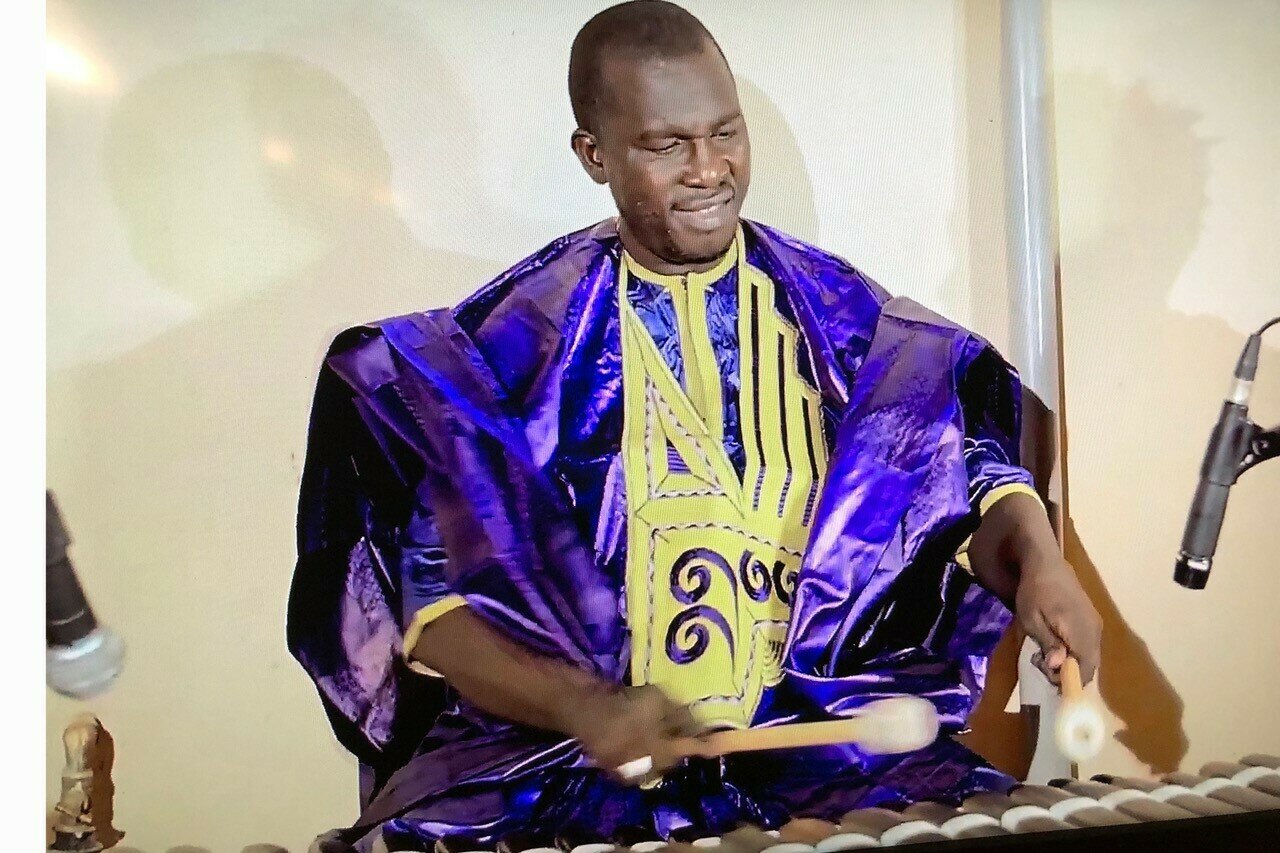
Lassana Diabaté, photo by Darene Roma Yavorsky. The Word & Image Studio.
What is a balafón?
Why did he write a song called "Cape Breton"?

HISTORY & CULTURE
15+ MIN
20+ MIN
Celebrating African Heritage through the Music of Lassana Diabaté

MUSIC LISTENING
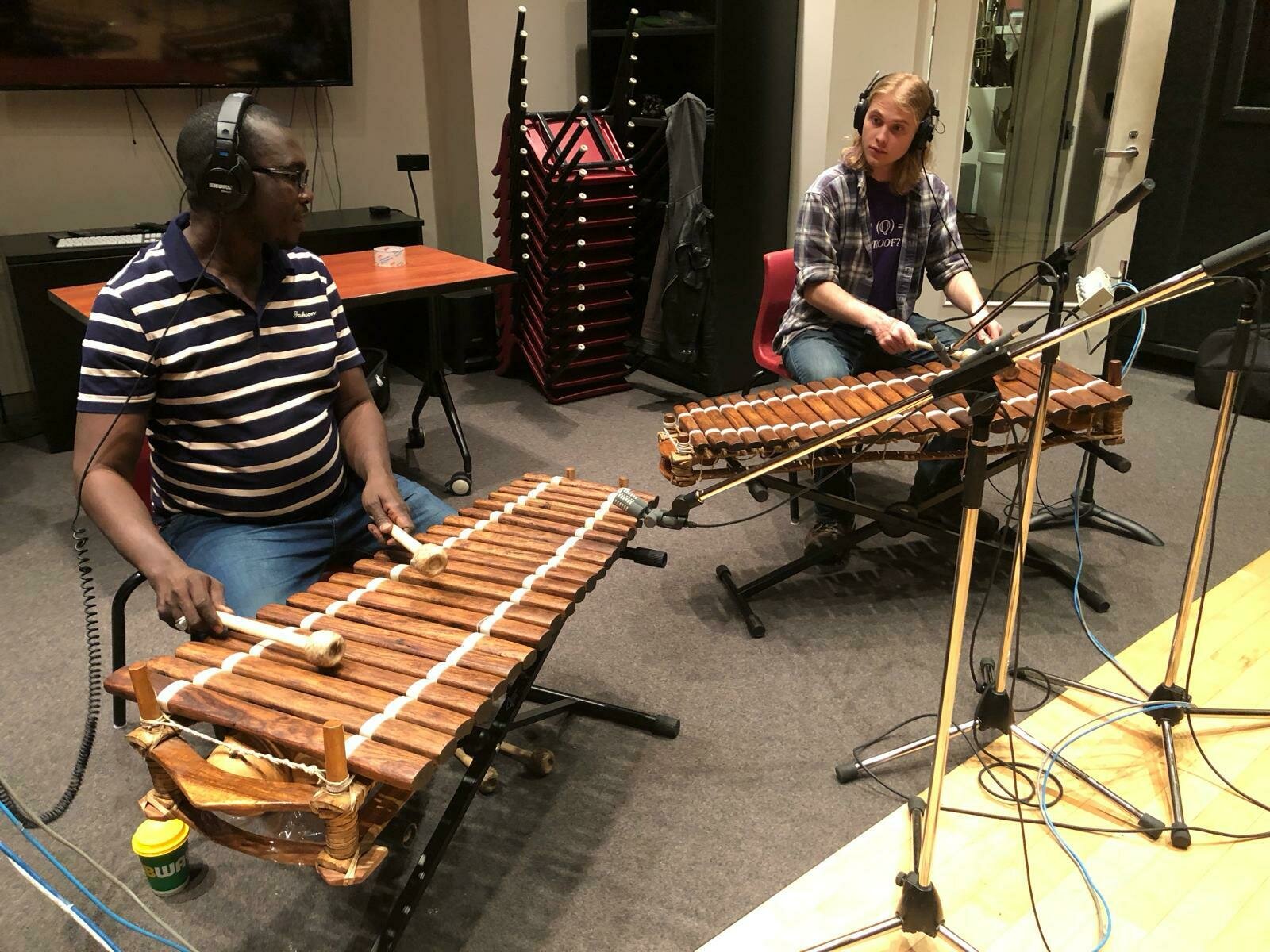
Lassana Diabaté and Illya Kierkosz on Balafón at Cape Breton University, by Marcia Ostashewski. Centre for Sound Communities.

Music and Place: Cape Breton
15+ minutes
Path 1
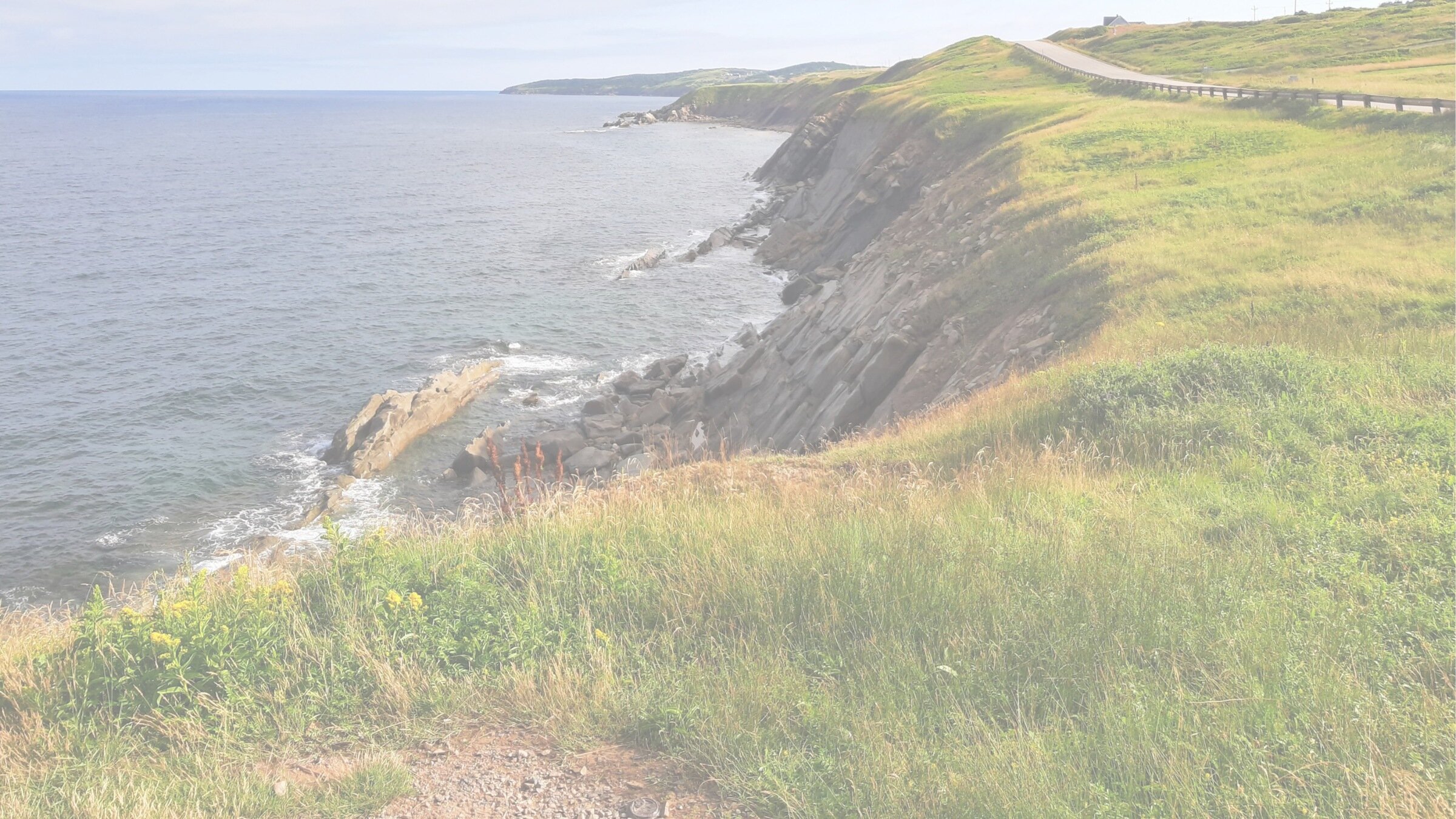
Cape Breton Island Cliffs, by AHMorgan. Pixabay.
Opening Discussion:
Where is Cape Breton?
What do you think music from Cape Breton will sound like?
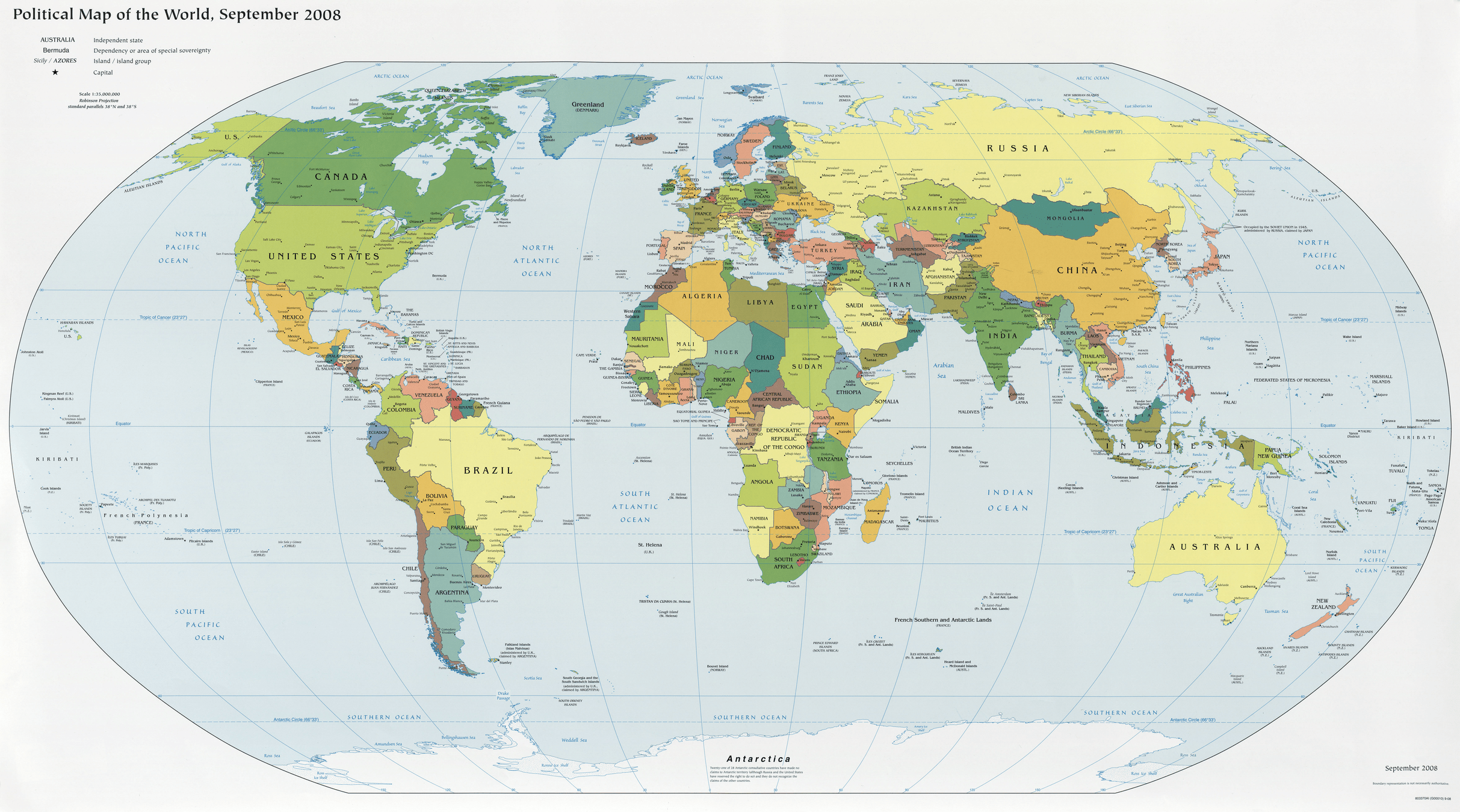
World Map, by U.S. Central Intelligence Agency. University of Texas Libraries.
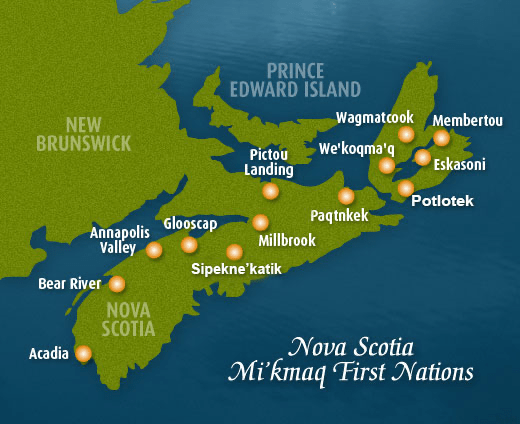
About Unama'ki / Cape Breton
Unama'ki / Cape Breton is an island in Nova Scotia, Canada.
Unama'ki is what the Indigenous Mi'kmaq people of Nova Scotia call Cape Breton.
This name means "land of the fog".
Mi’kmaw Communities in the Province of Nova Scotia. Mi’kmawey Debert Cultural Centre.
Opening Listening Activity
For each track, raise your hand if you think it is music from Cape Breton.
-
For each track, what did you find interesting or surprising?
-
What did you think each track is about?
-
What are some similarities between the four tracks?
-
What are some differences?
Opening Listening Activity
"Cape Breton," performed by Lassana Diabaté
"Strathspey and Reel Medley," performed by Lee Cremo Trio
"Mukla'qati," performed by Sons of Membertou
"Cape Breton," by Lassana Diabaté
It was inspired by the island of Unama'ki / Cape Breton and the time Lassana spent in Nova Scotia.
Add Caption for Video.
"Cape Breton" is a song by a Mande musician who currently lives in Mali: Fodé Lassana Diabaté.
Geography Connections
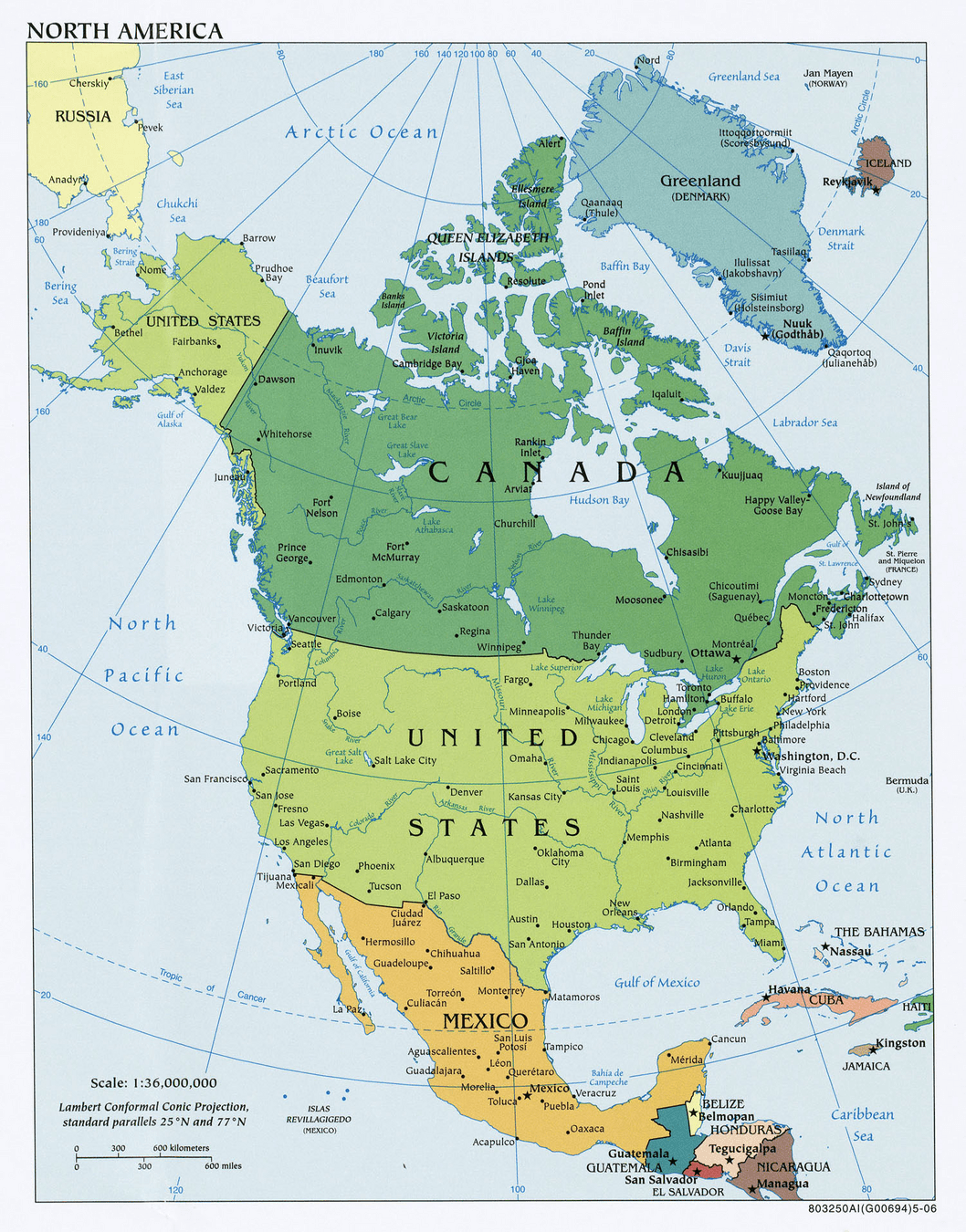
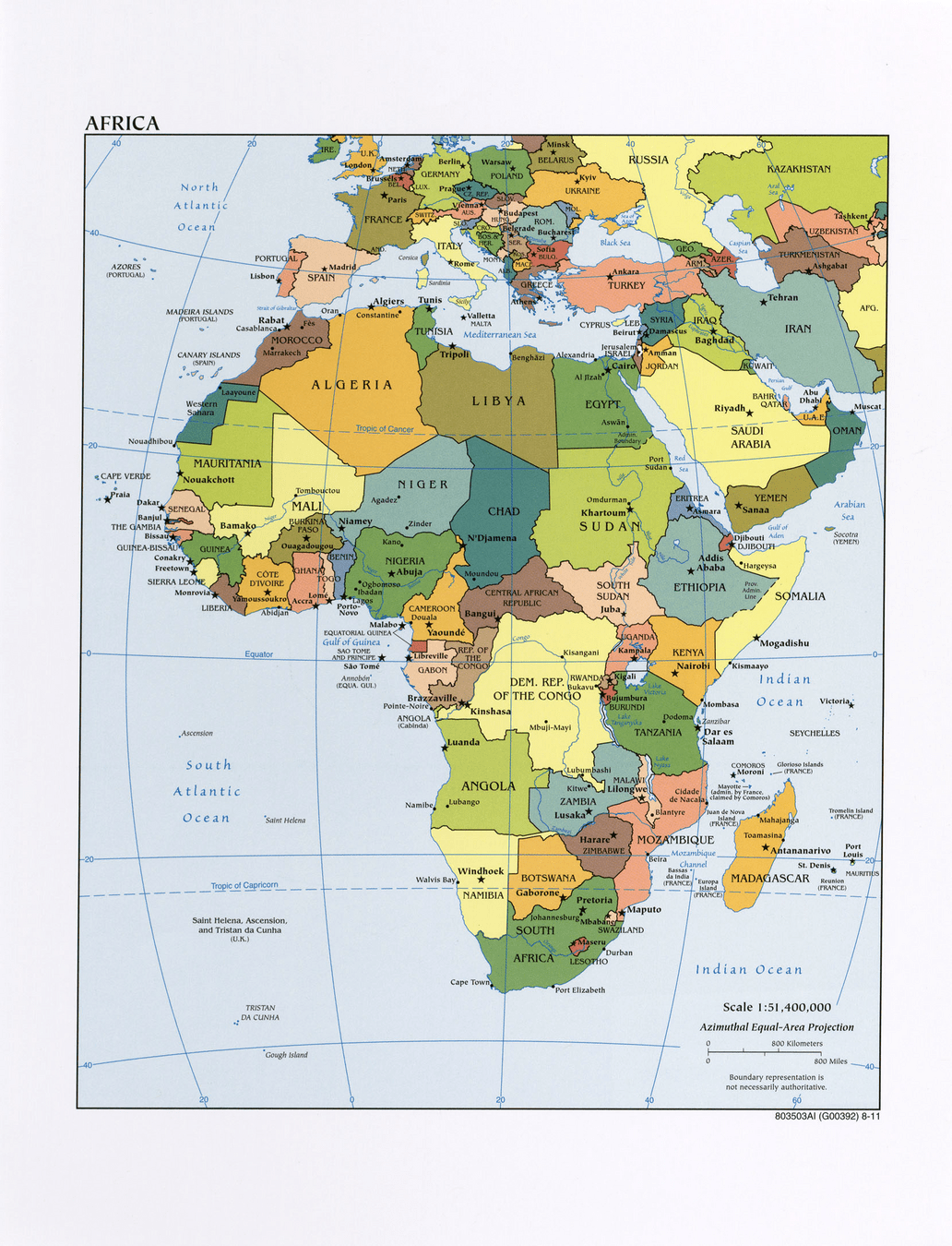
Maps, by U.S. Central Intelligence Agency. University of Texas Libraries.
The Inspiration for "Cape Breton"
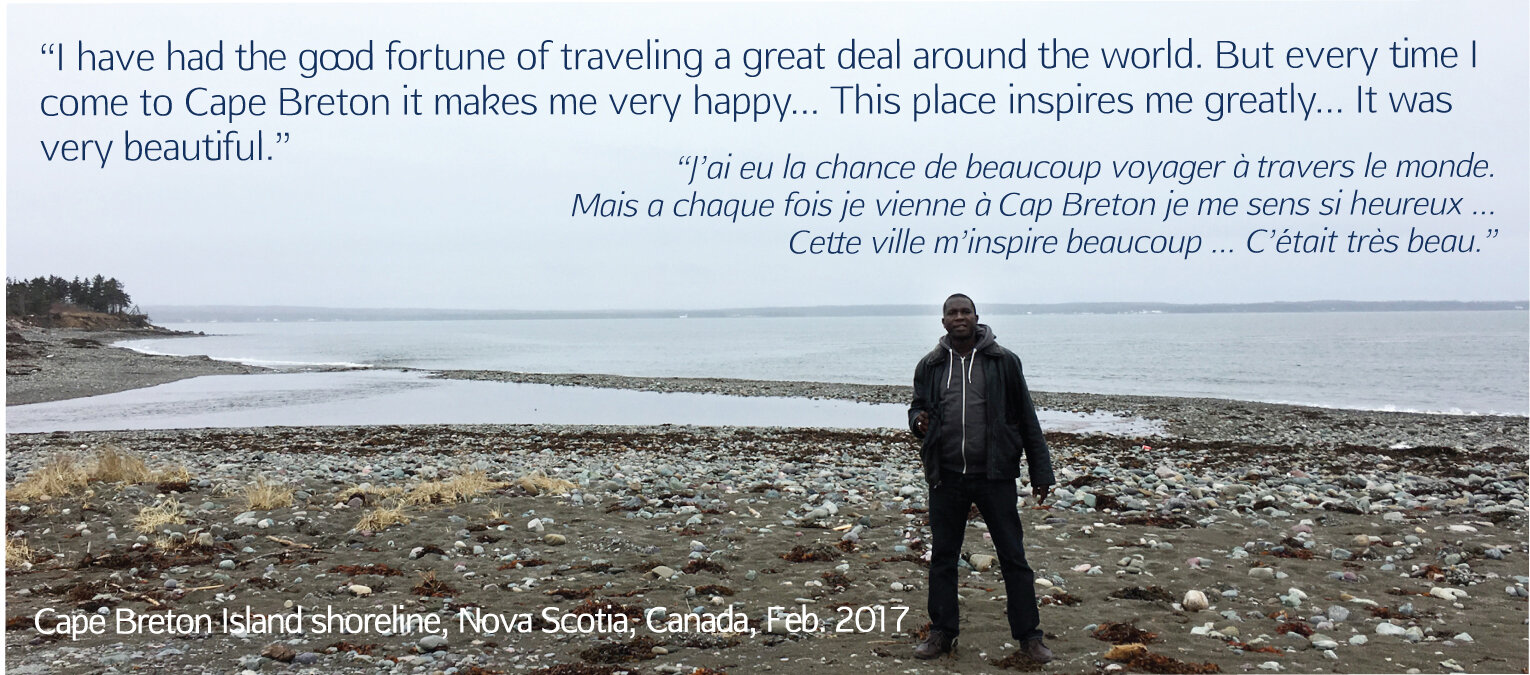
What is "Place"?
If you were going to write a song about a place that was important to you, what sounds would you include and why?
Lassana grew up in Guinea and now lives in Mali. He has travelled all around the world to perform in different places. Unama'ki / Cape Breton is a special place for him.
Learning Checkpoint
Where is Unama'ki / Cape Breton and what does the music of this "place" sound like?
Who is Lassana Diabaté and why did he write a song called "Cape Breton"?
End of Path 1: Where will you go next?


Return to Pathway homepage:
Sound Communities
Balafón in Cape Breton
15+ minutes
Path 2
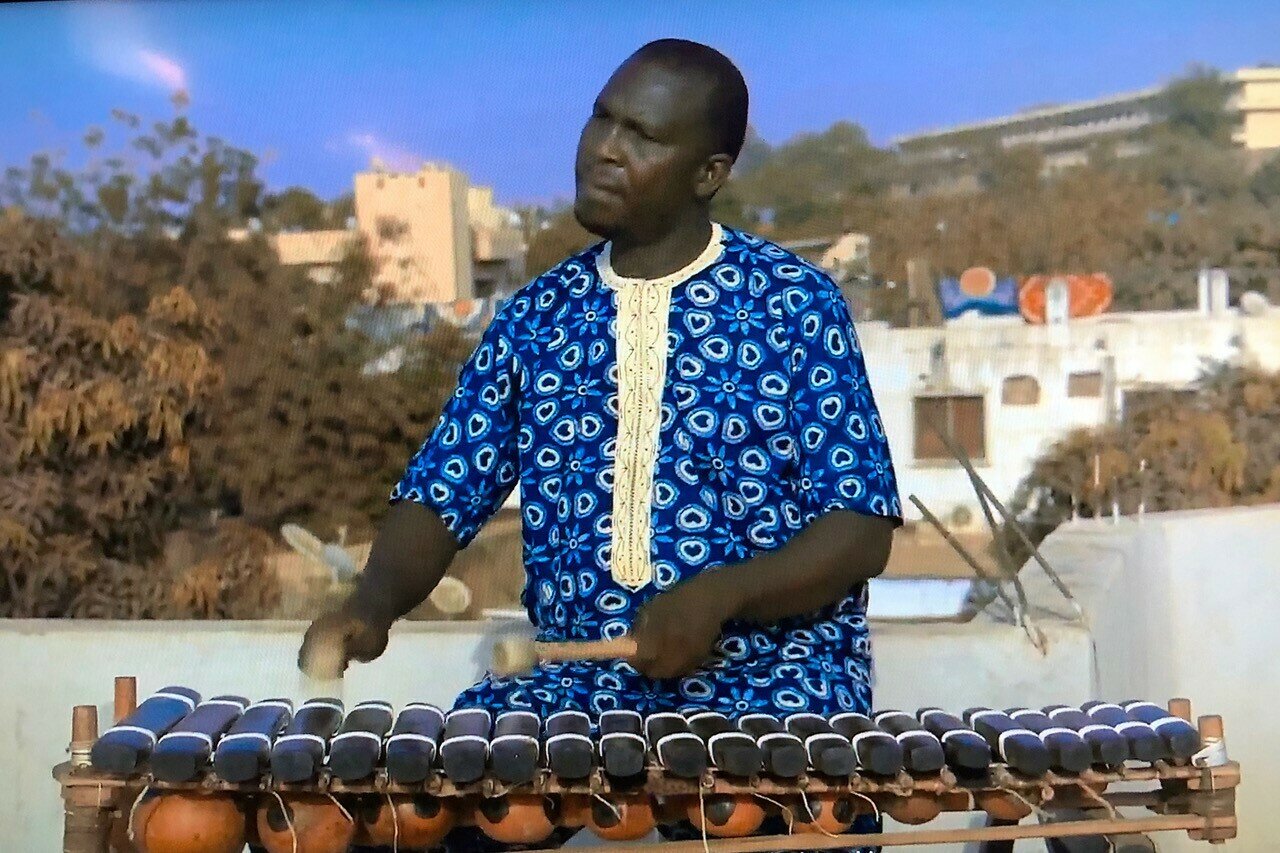
Lassana Diabaté, photo by Andreas Kuhrt, treatment by Darene Roma Yavorsky. The Word & Image Studio.
Attentive Listening: "Cape Breton"
"Cape Breton" is a song by Mande artist, Lassana Diabaté.
The song was recorded in and inspired by the island of Cape Breton and the time Lassana spent in Nova Scotia.
Add Caption for Video.
- Lassana Diabaté is a world-renowned Mande musician born in Guinea but now lives in Mali.
- He is an instrument builder and master balafón player.
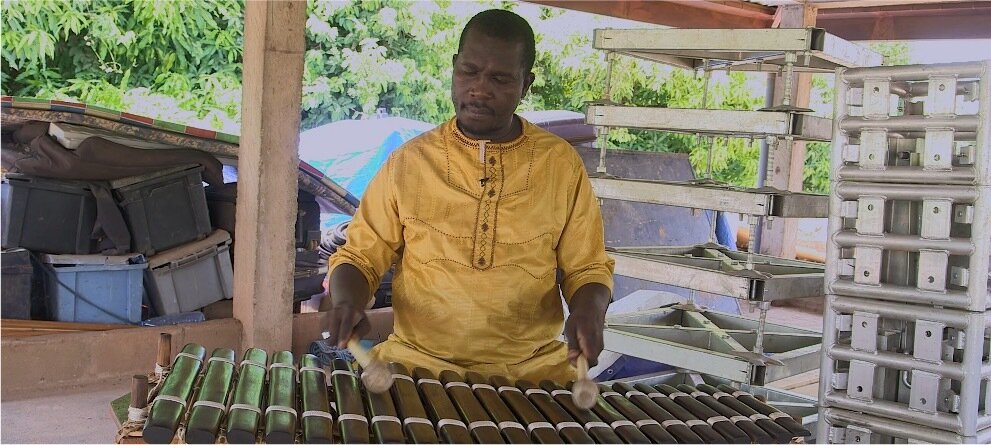
Artist Spotlight: Lassana Diabaté
Lassana Diabaté playing the Balafón. Video still by ?.
World Map with a focus on Mali in Africa and Cape Breton in Canada, by U.S. Central Intelligence Agency. University of Texas Libraries.
Why do you think Lassana learned to play the balafón as a child growing up in Guinea?
Add Caption.
Lassana Diabaté and the Balafón
Have you (or has someone you've known) been encouraged to learn an instrument because it was a family tradition?
Add Caption for Video.
Lassana Diabaté and Nova Scotia
Nova Scotia has become a very special place for Lassana.
He is very inspired by both the physical beauty of the land and the cultural diversity of the people.
He has said that this place resembles the way he plays his instrument, the balafón.
Lassana Diabaté on the Cape Breton Shoreline, by Marcia Ostashewski. Centre for Sound Communities.
More About the Balafón!
Making a Balafón, video by Mark Lenini Parselelo. Drawing of Africa, by Danielle Nalangan. Center for Sound Communities and Smithsonian Folkways Recordings.
How would you describe the timbre of this instrument?
Listening to Balafón
"Tokonou", by Lassana Diabaté
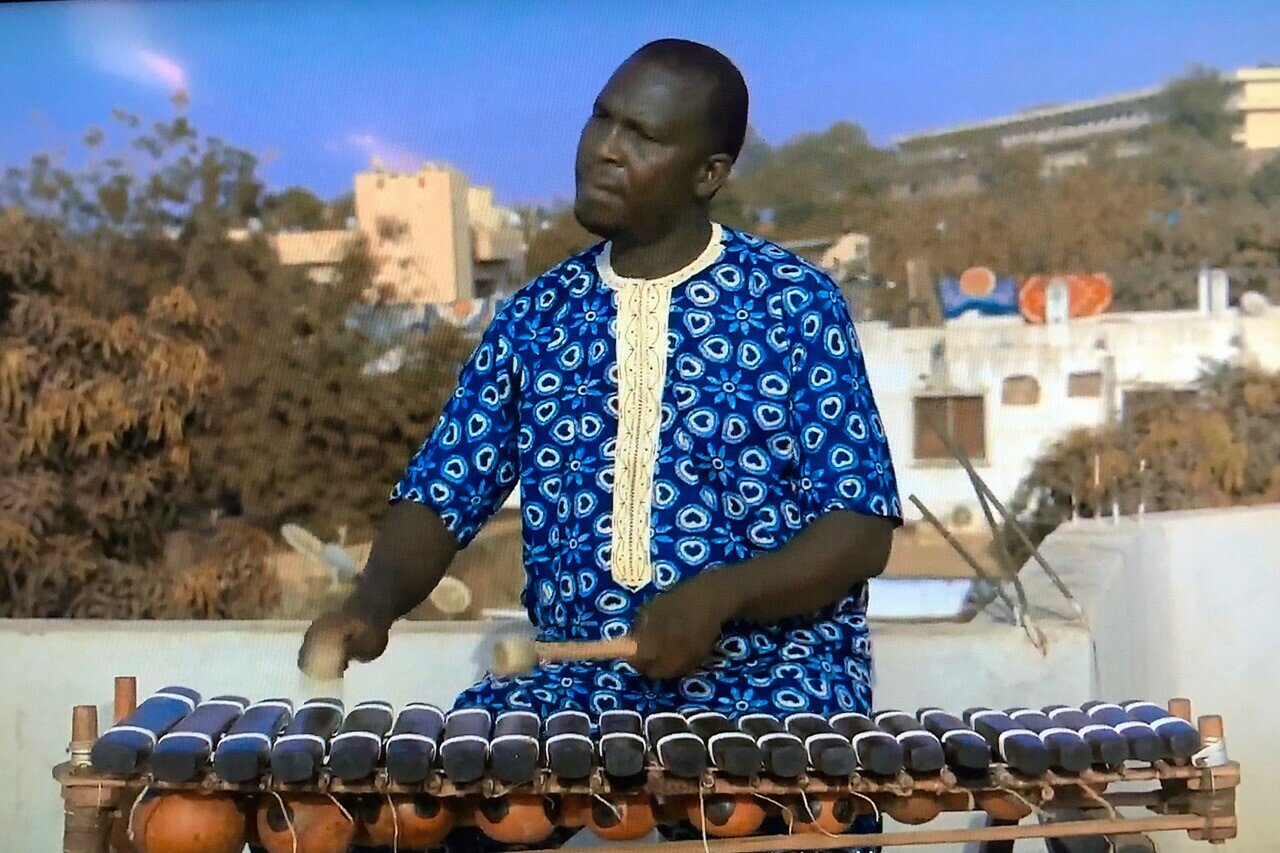
Do you notice any similarities or differences between these two examples?
"Hommage Maman", by Lassana Diabaté
Lassana Diabaté, photo by Andreas Kuhrt, treatment by Darene Roma Yavorsky. The Word & Image Studio.
Attentive and Engaged Listening: "Cape Breton"
Learning Checkpoint
- What is a balafón, what is it made from, what does it sound like, how is it played, and where did this tradition originate?
- What are some musical and stylistic characteristics of Lassana Diabaté's song, "Cape Breton".
End of Path 2: Where will you go next?
Return to Pathway homepage:
Sound Communities
"Cape Breton"
20+ minutes
Path 3
Playing
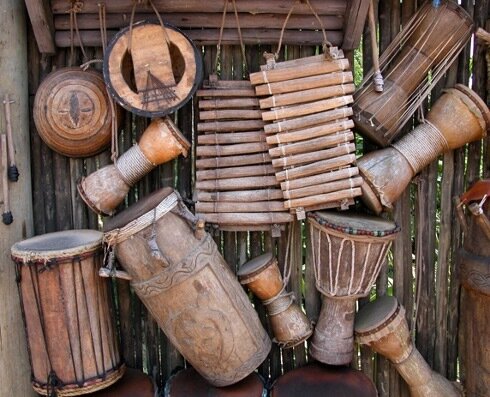
African Instruments, by ?. Reterdeen.
Let's Play a Song Called "Cape Breton"
Let’s listen to a song called "Cape Breton" - performed by Mande artist, Lasanna Diabaté.
Do you feel a pulse?
Can you tap or clap along with a pulse and/or subdivisions that you feel?
Add Caption for Video.
Playing Balafón With Accompaniment
Before we begin, let's listen closely for the different instruments. Try to clap along with the pulse (or any rhythms that you hear).
As you have heard, a balafón player can play alone. Sometimes, however, there is additional accompaniment.
Today, we're going to learn some parts that accompany or play with the balafón.
Add Caption for Video.
Let's Play the Shaker Part
Let's clap our hands together when both shakers play and use one hand on our lap or table when it is just one shaker.
First, let´s listen for and practice the shaker pattern.
Add Caption for Video.
Let's Play the Shaker Part
Let's clap our hands together when both shakers play and use one hand on our lap or table when it is just one shaker.

Next, let´s listen for and practice the shaker pattern.
Teaching Resource: Facilitation Guide
Teachers: Watch this video for hints about facilitating the music-making experiences in this Component.
Teaching Resource: Demo of Instrument Parts
Teachers: Watch this video for a quick demonstration of the instrument parts in this Component (bell, drums, shakers).
Let's Play the Bell Part
Next, let's practice the bell pattern.
- Note how it often lines up with the shaker pattern you learned earlier.
Add Caption for Video.
Let's Play the Bell Part
Next, let's practice the bell pattern.
- Note how it often lines up with the shaker pattern you learned earlier.

Let's Play the Doun Doun Part
Let´s listen for and play along with the drum part!
(This drum is called doun doun.)
Let's Play the Doun Doun Part
Let´s listen for and practice the drum part!

This drum is called doun doun.
Engaged Listening: Let's Play Together
Let´s practice until the patterns settle into a steady groove!
Finally, let's play along with the musicians.
Let´s add the instrument parts in one by one.
Add Caption for Video.
Engaged and Enactive Listening: This is what you've been playing!
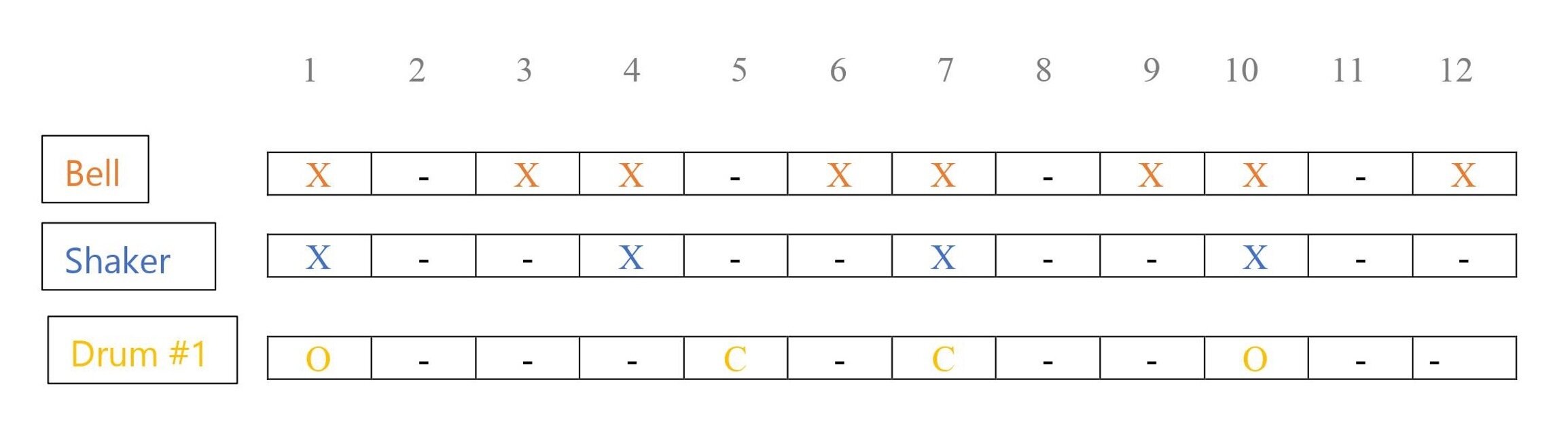
What are some purposes of notating music?
Creating: Can you create your own rhythmic groove?
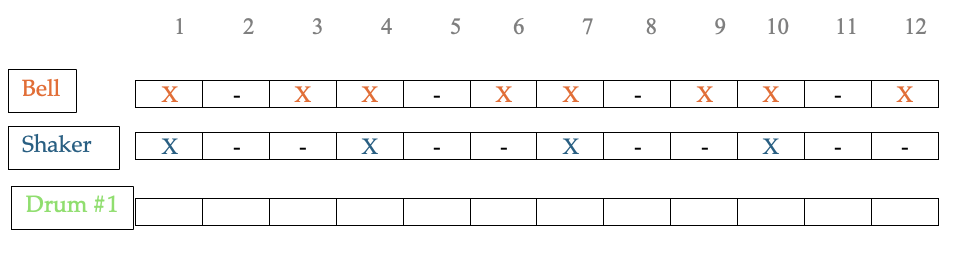
Practice it and perform it for the class!
Learning Checkpoint
- What are some additional instruments that can accompany balafón music?
- What was rewarding and challenging about playing this music and improvising/composing your own rhythms?
End of Path 3 and Lesson 2: Where will you go next?
Return to Pathway homepage:
Sound Communities
Continue to Lesson 3:
?


COMING SOON!
COMING SOON!
Lesson 1 Media Credits
Audio courtesy of
Smithsonian Folkways Recordings
Video courtesy of
Centre for Sound Communities
Images courtesy of
Smithsonian Folkways Recordings
Centre for Sound Communities
Mi’kmawey Debert Cultural Centre
University of Texas at Austin, PCLP Map Collection
The Word & Image Studio
© 2024 Smithsonian Institution. Personal, educational, and non-commercial uses allowed; commercial rights reserved. See Smithsonian terms of use for more information.
For full bibliography and media credits, see Lesson 2 landing page.