Computation in Design Atelier
26–27
Semester 1 Weekly Schedule
We will meet on a weekly basis Tuesdays 9.30am and Thursdays 9.30am in D301. For the weekly schedule, click buttons on the right to be pointed to the weekly breakdown spreadsheets
Computation in Design
Semester 1
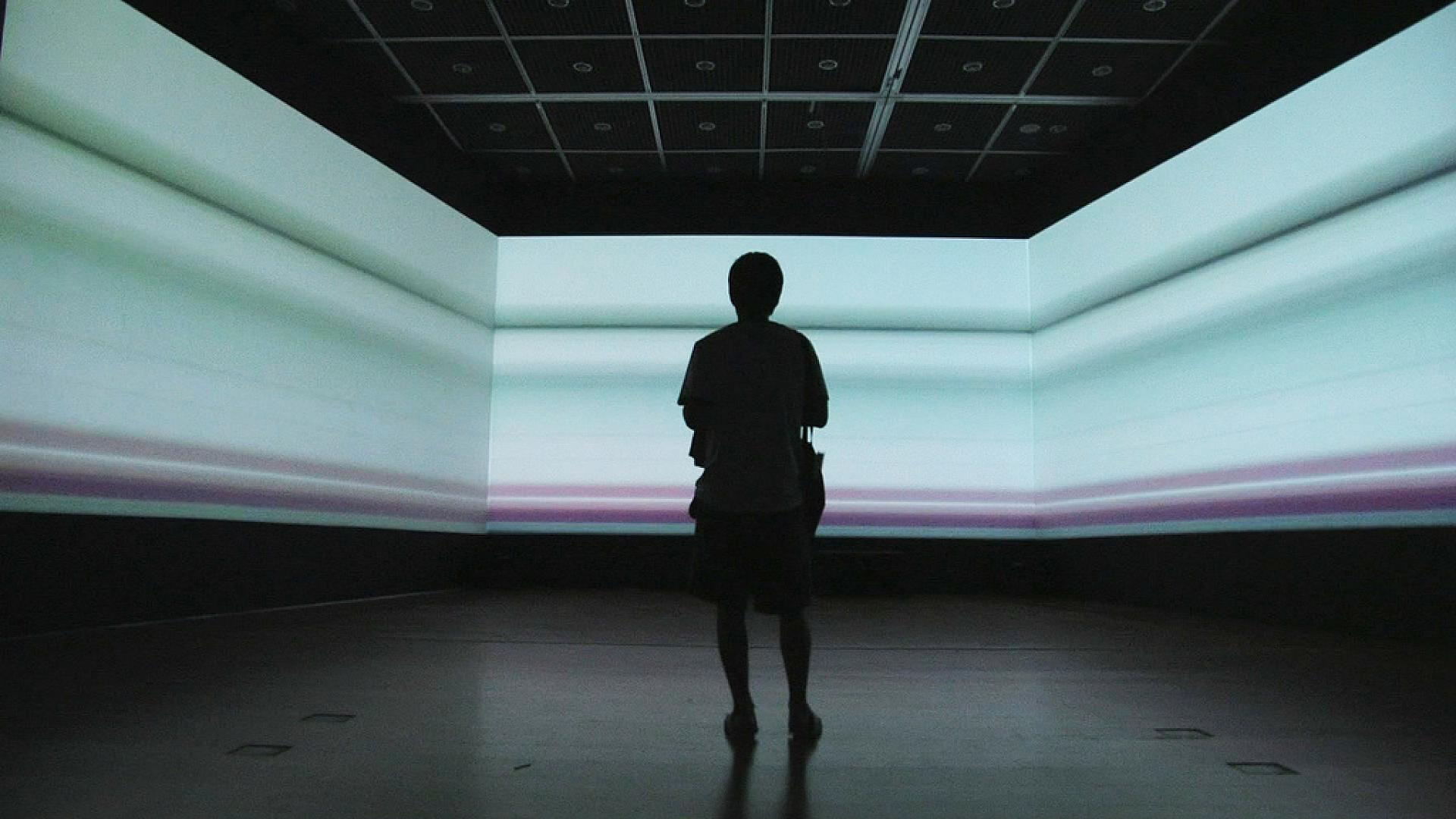
The following slides provide you with an overview of the atelier and the various approaches you can consider for your research and practice. Read carefully, choose wisely, check with your supervisor.
Computation in Design
General atelier details
The Atelier
Approaches
Guides
This column of slides addresses the following topics which should guide you in pursuing your final year project and dissertation. Consider the list and slides covered as a starting point for your studies and specialisation.
1
2
3
4
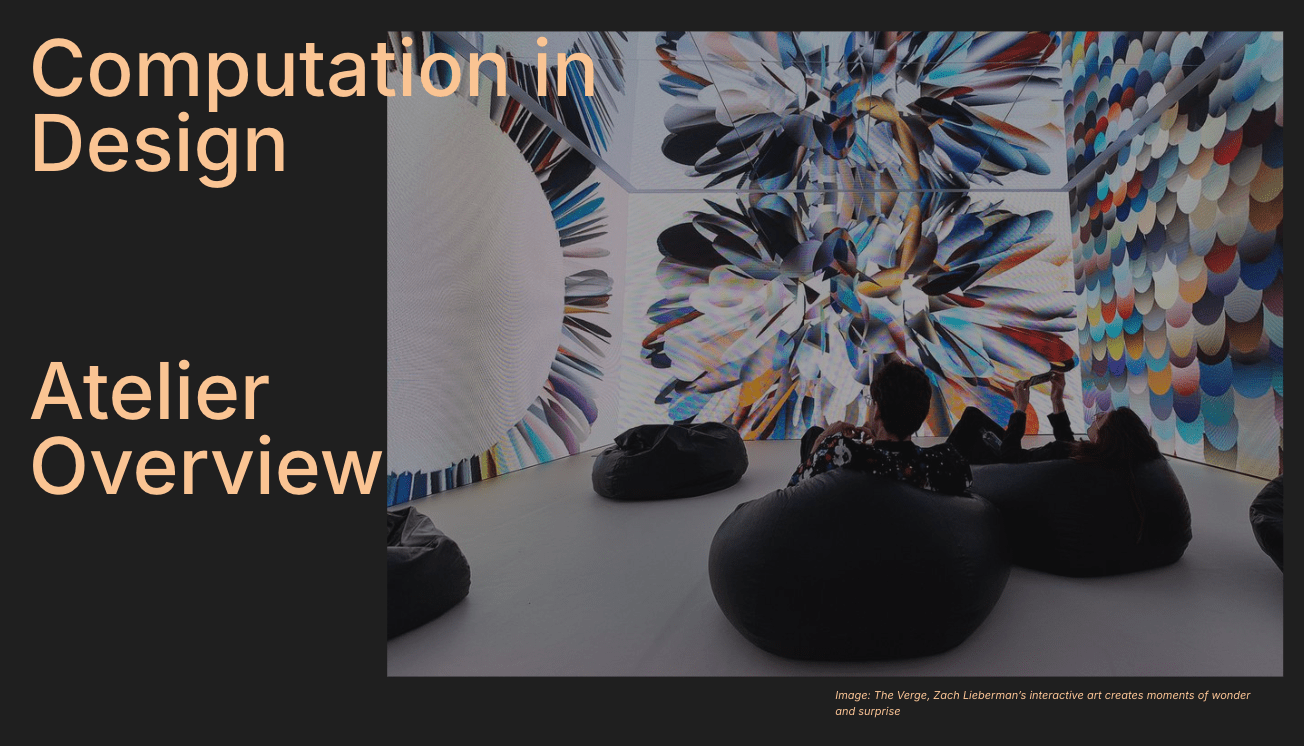
General Atelier details
The following slides provide you with an overview of the atelier and the various approaches you can consider for your research and practice.
Read carefully, choose wisely, check with your supervisor.
There will be a lot of text on most of the slides, read carefully.
1.2
Computation in Design, as it is understood in the atelier, is informed by three areas of research and design: Coding, Sensing, and Making. The atelier takes a practice-based approach that encourages experimentation, exploration, process, and research through design.
It is important to understand that a healthy mix of technical, contextual and aesthetic studies is the basis of the research. Challenges of technical nature or the critical discourse are addressed through iterative processes, discussions and feedback.
General atelier details
1
General atelier details
1.1
This atelier looks at design from the lens of computation. In particular, we take an expansive view of technology and how objects relate to us, to others. The other here may even include things, organisms, machines, spaces, or other species.
Much of the learning is inductive—build and test first, gather evidence and think critically, reflect on your explorations, see what a process, an artefact, affords you as a design researcher, and decide on the next series of steps in an incremental process. Our approach here will oscillate between design practice and design research–writing and making.
1
1.3
Coding addresses the aspect of applying computation to creative practices, which in this case is particularly relevant to the field of design communication. Coding is seen here as a technique, a tool, a playground and a language to communicate and interact with and through machines.
Coding
Sensing here refers to sensory experiences as well as sense making and sensing with our human senses or the sensors of machines. Furthermore, sensing here goes hand in hand with data acquisition, analysis, visualisation and expression when processed computationally.
Sensing
Making is understood as a hands-on approach and collaborative group work where members of a group share knowledge, learning and skills. Furthermore, one should be aware of what is being made and think critically about the context in which the making takes place and has an impact.
Making
Generative Systems, creative coding, visual communication, algorithmic behaviours, machine learning, experiences
Interaction, interfaces, sensors, data, physical computing
Tools, materials, discourse, prototypes, fabrication, immersion, expression, creative technology
General atelier details
1
2
The Atelier
The Atelier
2.1
Students should ideally go back and forth between their dissertation and their practice. Both should be done in tandem. If the dissertation is done before engaging into practice, the practice merely becomes the ‘packaging’ of the research. New knowledge should emerge from practice as well.
The design practice can be cross-fertilised with disciplines such as psychology, sociology, political science, communication studies, philosophy or literary studies, as well as performance arts, contemporary arts, music, or other design disciplines – but the core of the research must be anchored in design.
To help students select their design research methods, it is relevant to position the design research in time, for example:
past historical approach, archival search
present social science approach, human-centred approach, x-centred approach, applied
future speculative approach, design fiction, tech futures, foresight
Design Research
2
The Atelier
Practice
Writing
making
doing
understanding
contributing
process & act
activities & engagement
context
value
lived experience
knowledge
adapted from Gideon Kong
Design Research
2.2
2
impact
impact
The Atelier
Computation
1. The use or operation of a computer
2. The act or process of computing or calculating something
Computation is any type of calculation that includes both arithmetic and non-arithmetical steps and follows a well-defined model, for example an algorithm.
Computational Thinking
In education, computational thinking is a set of problem-solving methods that involve expressing problems and their solutions in ways that a computer could execute.
Computational thinking is a process in which you creatively apply to a problem-solving cycle to develop and test solutions with the help of computers.
Computational Design
John Maeda defines three kinds of design as a working model to build upon: classical design, which pertains to the design of objects we use in the physical world, design thinking, which pertains to how organisations learn how to collaborate and innovate using ideation methods, and computational design, which pertains to any kind of creative activity that involves processors, memory, sensors, actuators, and the network.
2
2.3
The Atelier
Classical Design
Design Thinking, amongst other approaches
Computational Design
Thinking critically about Technology
Use all three kinds of Design
Understand Computation
Actively learning The New
2
2.3
Approaches
3
Approaches
Design researchers carefully investigate human experience and behavior, dream up new ways to spark and distill insight, and inspire teams and clients to address people's needs through bold, optimistic design.
Ideo Design Research link
3
Generative
Interactive
Discursive
Experimental
Approach and Motivation
Generativity here refers to a design approach that can be regarded as computational, iterative, modular and emergent. By creating and using generative systems, a designed outcome can respond quickly to change and adapt.
An emphasis of your work may be on creating interactive scenarios that can be tested and observed in order to make the designed outcomes experiential for the audience and communicate with them through interactions.
3.1
A discursive approach can be considered a thought catalyst. The designed object’s primary role is no longer utilitarian, aesthetic or commercial but is given form and function so that it can communicate ideas—this is the goal and the measure of success. Rather than tools for living and doing, these are tools for thinking.
An experimental approach can consider unconventional materials, tools, design methods and outcomes. The centre of this approach is exploration. Often this goes in line with topics that look at future scenarios addressing artificial intelligence, climate change, sustainability or bio design.
Casey Reas
Memo Akten
Neri Oxman
Weidi Zhang
Anab Jain
Lauren McCarthy
Stephanie and Bruce Tharp
Taeyoon Choi
Bill Moggridge
Hiroshi Ishii
Joachim Sauter
Rebecca Fiebrink
AIxDesign Community
Biodesigned
Disnovation Collective
xCoAx Conference
Design approach, motivation and focus can be
3
Sketching
Experimenting
Prototyping
Designed Outcomes
Approach and Action
Sketching is about bringing ideas to life and putting them on paper to better communicate the nature, relationships and flow of ideas and processes through simple but meaningful mapping and diagrams. This approach is designed to help both students and their supervisors have constructive and productive discussions, critiques and feedback sessions to move the enquiry and exploration of a project forward step by step.
An experiment in the broader sense may refer to practicing by trial and error, trying and testing the unknown, and learning through a process of approximation and correction until a satisfactory state is reached. This state may mean that a particular problem has been solved, or that a state of beauty has been achieved, or some other form of successful (or possibly unsuccessful) result.
3.2
The term prototype, along with the verb prototyping, has become popular in design research. Originally, the term indicated a precursor of a mass-produced product, which shares its material qualities, but will undergo testing and development during implementation. In design research, the term prototype may also be used for all kinds of product-like physical constructions.
The outputs designed in this atelier are a collection of sketches, experiments and prototypes that are created during the course of a study. These outcomes can be stand-alone, such as a series of artefacts, an installation, a screen-based application and more, or they can be the material for a publication that documents the process and the gathered findings and outcomes in a printed or digital document.
Phases your work goes through
3
Approach and supervision
Research
Project
Dissertation
informs
informs
individual and group consultations
workshops, sketching, experimenting, prototyping
lab sessions to address technical challenges
case studies
3.3
be curious, organised, considerate, consistent, patient
experiment, make, analyse, observe, reflect, test, document, iterate, write, read, explore
3
Approach dissertation and project
Dissertation
Project
while managing time adequately and effectively.
Most importantly for your dissertation will be the Discussion section and for your project the Design Process, let's take a look at some options in the following.
3.4
How to approach your
3
Q = K + P + T
The quality Q of your work is the sum of Knowledge K, practice P and talent T.
Keep in mind
Approaches
Design Thinking
Double Diamond
Research through Design
Four-fields framework
Design Fiction
There are various approaches, frameworks, models, methods that you will come across which should not confuse but help and support your work. Ideally follow one after you have carefully considered your options, you will notice that there are overlaps.
1
2
3
4
5
Case Studies
Critical Journal
Interviews
1
2
3
The discussion section of your dissertation should make use of one of the following 3 frameworks
Dissertation, specifically the Discussion section
Design Process
3.4.1
3
Approaches
Case Studies
Critical Journal
Interviews
1
2
3
3.4.2
3
The discussion section of your dissertation should make use of one of the suggested 3 frameworks. Through workshops in week 3 and 5 you will be guided to better understand the approach that can be taken for each of the 3 frameworks–afterwards you opt for one.
Provide evidence, insights and knowledge through the analysis, discussion, synthesis, reflection of case studies
Provide evidence, insights and knowledge through the exploration, discussion, reflection, replicability of your own practical graduation project work
Provide evidence, insights and knowledge through interviews, collection of qualitative and quantitative data, discussions, reflection
Discussion section
How to approach your Dissertation's
Approaches
Design Thinking
Double Diamond
Research through Design
Four-fields framework
Futures
1
2
3
4
5
3.5
3
The design process in your research and project proposal may be guided by one of the approaches on the right, which differ from the dissertation frameworks presented in the previous slide
if an approach that is not listed above suits your work better, lets discuss.
Design Process
How to approach your Project's
Design Thinking
Approaches
Design Thinking
Double Diamond
Research through Design
Four-fields framework
Futures
1
2
3
4
5
3
Design thinking is commonly described as a framework, method, or approach rather than a strict methodology. While the terminology can vary, design thinking is generally considered a problem-solving and innovation approach that emphasizes empathy, user-centeredness, and iterative prototyping.
Design thinking is often characterized by its iterative nature, where feedback and insights are continually incorporated into the design process. It typically consists of several stages, including problem definition, research, ideation, prototyping, testing, and implementation.
Most useful when your work is user-centered.
3.5.1
empathise
define
ideate
prototype
test
Design Thinking is an iterative and non-linear process that contains five phases: empathise, define, ideate, prototype and test.
Approaching project and research through Design Thinking
Approaches
3
3.5.1
empathise
define
ideate
prototype
test
Approaches
3
3.5.1
Approaching project and research through Design Thinking
Double Diamond
Approaches
Design Thinking
Double Diamond
Research through Design
Four-fields framework
Futures
1
2
3
4
5
3
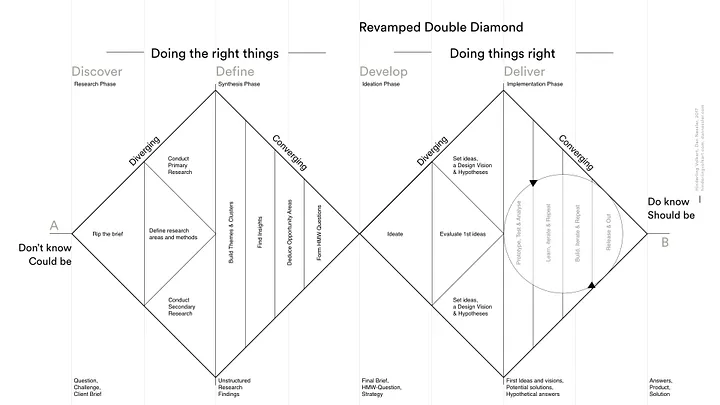
Throughout the Double Diamond model, divergent and convergent thinking play crucial roles. The discovery and development stages involve divergent thinking, exploring possibilities, and expanding knowledge. On the other hand, the definition and delivery stages involve convergent thinking, making choices, and consolidating research findings into coherent outcomes.
The Double Diamond had antecedents in the work of John Dewey, Osborn & Parnes, Béla Bánáthy, Herbert Simon, Donald Schön and many others, who all made major contributions to problem-solving theories and the practice of design.
3.5.2
discover
define
deliver
develop
challenge
outcome
Problem definition and future insights
insight into the problem
the area to focus upon
Problem
potential solutions
solutions that work
Solution
Approaching project and research through the
Double Diamond Model
Approaches
3
3.5.2
Approaching project and research through the
Double Diamond Model
Approaches
3
3.5.2
Research through Design (RtD)
Approaches
Design Thinking
Double Diamond
Research through Design
Four-fields framework
Futures
1
2
3
4
5
3
Research through Design is to use design as a research method as an approach for learning about things other than design, gaining access to knowledge that would have been impossible otherwise. A modern example of Research through Design is user experience studies, where people engage with new inventions. Certain insights on new products are impossible to obtain without having the actual design at hand. Showing something to people, rather than just telling them about it, leads to more relevant feedback.
The same applies to the designer's experience. As our sketches and prototypes develop towards the final form, so does our grasp on the consequences of creative decisions. As Bill Moggridge put it: "The only way to experience an experience is to experience it."
Research through Design is a way of producing "research" that comes with opportunities to practise the craft of design. It's a way of expressing and materialising knowledge and insights, acquired based on hands-on design work, packaged into a scientific format.
Most useful when your work is interactive, experimental and iterative
3.5.3
3 options for what "design research" can mean are introduced in an article titled Research in Art and Design, published in 1993 by Sir Christopher Frayling. He proposes three categories of design research:
1. Research for Design
2. Research into Design
3. Research through Design
From: The Three Faces of Design Research link, do listen to the podcast version of the linked article.
Approaching project and research through
Research through Design
Approaches
3
3.5.3
Research through Design
Encourages and enables
In Research through Design (RtD), researchers generate new knowledge by understanding the current state and then suggesting an improved future state in the form of a design.
It involves deep reflection in iteratively understanding the people, problem, and context around a situation that researchers feel they can improve.
Research through Design is a way of producing research that comes with opportunities to practice the craft of design. It's a way of expressing and materialising knowledge and insights, acquired based on hands-on design work, packaged into a scientific format.
Research through design is to use design as a research method as an approach for learning about things other than design, gaining access to knowledge that would have been impossible otherwise. A modern example of research through design is user experience studies, where people engage with new inventions.
Research through Design Conference (general, 2019, experiences)
Design Disciplin blog and podcast link
→ Collaboration with other disciplines and peers
→ Iterative process of making, testing, refining
→ Aligning practice with research and writing
→ to go back and forth between research, design practice and dissertation
→ Research contribution through practice
3.5.3
Design Practice
Dissertation
Research
Research through Design Conference (general, 2019, experiences)
Design Disciplin blog and podcast link
Approaching project and research through
Research through Design
Encourages and enables
→ Collaboration with other disciplines and peers
→ Iterative process of making, testing, refining
→ Aligning practice with research and writing
→ to go back and forth between research, design practice and dissertation
→ Research contribution through practice
Approaches
3
3.5.3
Doing Research
Doing Design
Artefact
Prototype
Knowledge
Work done with the intention to produce knowledge for use by others
Work done with the intention to produce a feasible solution to improve a given situation
Object (often material) created during a design process
Artefact used in research that can realise the (inter)action that is studied
Understanding about the world that can be communicated to others
Question, hypothesis, theory, investigation, topic, interpretation, generalization, validation, discovery
Idea and concept generation, synthesis, development, integration, discovery, prototyping, invention, implementation, realization
Sketch, blueprint, brief, specifications, vision, proposal, recommendation, business plan, exhibit
Implementation, realization, test, exploration, solution, proof of concept, construction
Theory, book, publication, expertise
Design Practice
The ways in which design professionals conduct their work
Brief, contract, client, stakeholder, studio
Working Definition
Key associated Terms
Approaching project and research through
Research through Design
Approaches
3
3.5.3
Four Fields Framework
Approaches
Design Thinking
Double Diamond
Research through Design
Four-fields framework
Futures
1
2
3
4
5
3
Rather than focusing on what gets designed or how things are designed, the four-field framework focuses on why they are designed.
Most useful when your work attempts to engage in discourse.
3.5.4
Approaching project and research through the
Four-Fields Framework
Design is a bit of a mess and could benefit from a broad organising framework. The dominant paradigm of commercial design has resisted incorporating other modes of design, despite increased prevalence. We posit a four-field framework that emphasises primary agendas that can assist in decision-making and communication.
Rather than focusing on what gets designed or how things are designed, the four-field framework focuses on why they are designed.
1. A commercial design agenda centres on profit
2. A responsible design agenda centres on serving the underserved
3. An experimental design agenda centres on exploration
4. A discursive design agenda centres on audience reflection
Elliott Montgomery on the Four Field Framework in this talk
Approaches
3
3.5.4
Designing Futures
Approaches
Design Thinking
Double Diamond
Research through Design
Four-fields framework
Desiging Futures
1
2
3
4
5
3
Design futures explore potential scenarios and visions of the future to inform and inspire innovative design solutions. Employing speculative thinking, creative technology, and foresight methodologies, designers anticipate emerging trends, challenges, and opportunities to craft forward-looking, sustainable, and user-centric designs that shape a positive and transformative future.
Most useful when your work is concerned about the future through speculation and innovation by building scenarios of the future.
3.5.6
Approaching project and research through Futures
Approaches
3
3.5.6
Speculative Design
Speculative design (also see critical design), is an innovative and imaginative approach to design that explores possible futures and alternative realities. It is not concerned with practical problem-solving like traditional design but rather seeks to provoke thought, challenge assumptions, and stimulate discussions about social, cultural, ethical, and technological issues.
Design Fiction
Design fiction involves using storytelling and speculative narratives to explore potential futures and provoke discussions and reflections on the implications of emerging technologies, social changes, or design concepts. It blends elements of design, fiction, and speculation to create thought-provoking scenarios that challenge assumptions and stimulate critical thinking.
Foresight
Foresight, or future thinking, involves systematic exploration and analysis of future trends, drivers of change, and potential scenarios. It aims to anticipate and prepare for future possibilities, helping designers make informed decisions and strategic choices.
Approaching project and research through Futures
Approaches
3
3.5.6

Approaching project and research through Futures
Approaches
3

Approaching project and research through Futures
Approaches
3
"Designing Futures – Speculation, Critique, Innovation. A guide to exploring, visualizing and negotiating future scenarios" is available as an online resource through the library.
It is an excellent book and guide for designing and developing future scenarios. It provides a framework, methods and project samples that help you understand the value in futuring and scenario building.
It guides you in your design process through detailed steps and suggestions.
Approaching project and research through Futures
Approaches
3
029 Solarpunk
034 Genevieve Bell, Ao Faha Ftse
039 Simone Rebaudengo
029 Dunne & Raby
028 Radha Mistry, Foresight
Near Future Laboratory Podcast, Julian Bleecker
040 Speculative Design with Kontrapunkt
041 Design Fiction with Elliott P. Montgomery
052 Speculative Futures as a Design Approach
055 The Manual of Design Fiction with Nicolas Nova
070 Juliana Schneider, More.Than.Human-Centered Design
072 Che-Wei Wang CW&T
3.5.6

Guides
4
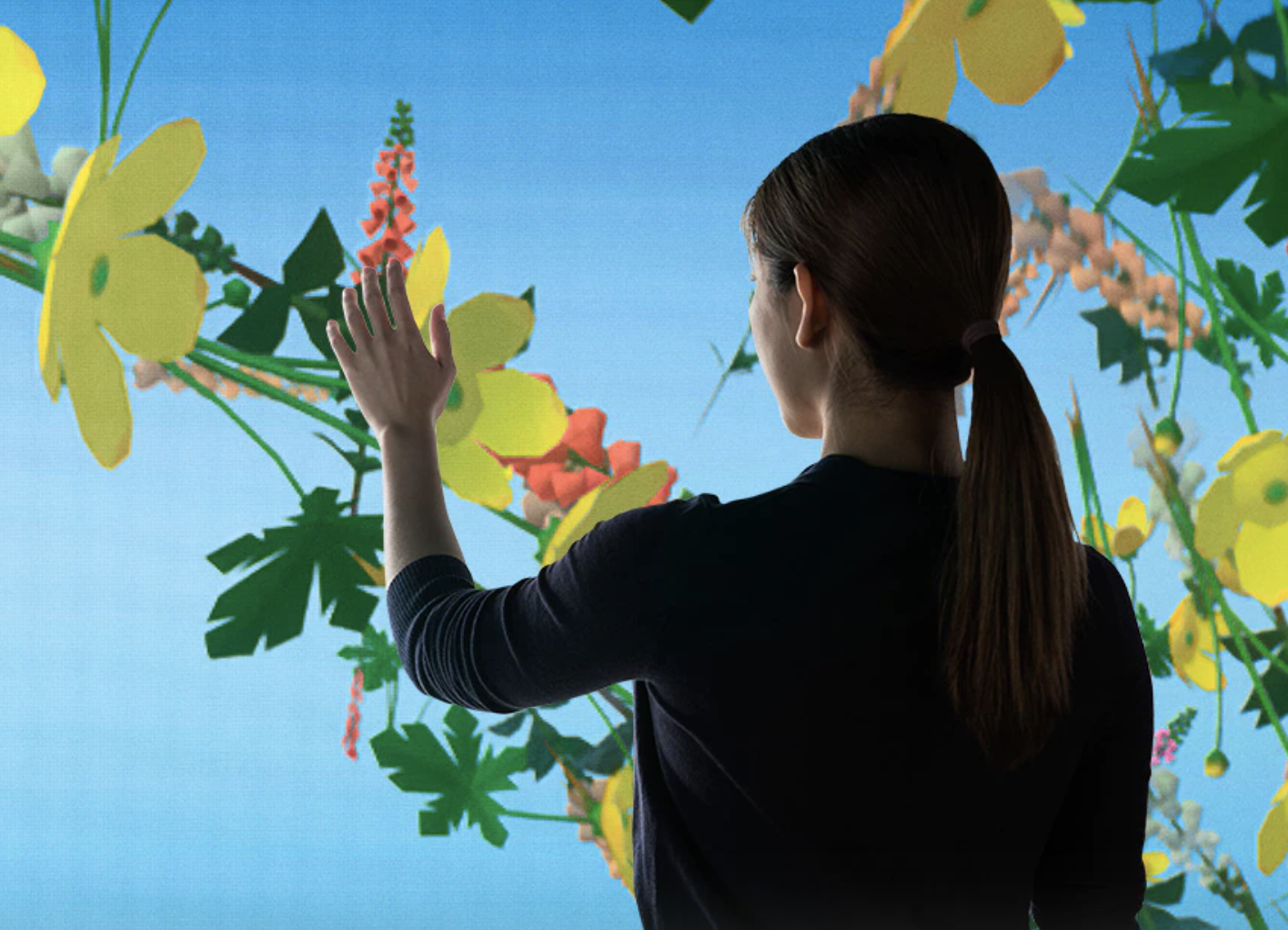
Guides
1
2
3
4
5
Readings
Writing
Technologies
Artefacts
Applications
4
Comprehensive list of Design relevant topics including Interaction Design, Design Research, Typography and more put together by Vikas.
Selected Computation in Design and Research related readings by Andreas.
Use library resources in the physical library as well as the e-library effectively.
Readings
4.1
Readings
4.1
Buchanan, Richard, Dennis Doordan, and Victor Margolin, editors. The Designed World: Images, Objects, Environment. Bloomsbury Academic, 2003.
Dunne, Anthony, and Fiona Raby. Speculative Everything: Design, Fiction, and Social Dreaming. MIT Press, 2013.
Tharp, Bruce M. and Tharp, Stephanie M. Discursive Design : Critical, Speculative, and Alternative Things. The MIT Press, 2018.
Wendt, Thomas. Design for Dasein: Understanding the Design of Experiences. Thomas Wendt, 2015.
Allenby, Braden R., and Daniel Sarewitz. The Techno-Human Condition. MIT Press, 2011.
Kelley, Tom, and Jonathan Littman. The Art of Innovation: Lessons in Creativity from Ideo, America’s Leading Design Firm. Profile Books, 2016.
Moggridge, Bill. Designing Interactions. MIT Press, 2007.
Montgomery, Elliott P., and Chris Woebken. Extrapolation Factory Operator’s Manual. Extrapolationfactory.Com, 2016.
Crawford, Kate. Atlas of AI: Power, Politics, and the Planetary Costs of Artificial Intelligence. Yale University Press, 2022.
To get started somewhere, most readings here are available in the library
Frayling, Christopher. "Research in Art and Design." Royal College of Art Research Papers, vol. 1, no. 1, Royal College of Art, 1993/4. link
Schön, Donald A. The Reflective Practitioner: How Professionals Think in Action. Basic Books, 1983.
Stolterman, Erik, and Mikael Wiberg. "Concept-Driven Interaction Design Research." Human–Computer Interaction, vol. 25, 2010, pp. 95-118.
Reddy, Anuradha. "Artificial Everyday Creativity: Creative Leaps with AI through Critical Making." Digital Creativity, vol. 33, no. 4, 2022, pp. 295-313.
Rubin, Rick. The Creative Act: A Way of Being. Penguin Press, 2023.
Reading resources
Give this some time to browse around, mind opening, really!
4.1
Journals, Proceedings
Festivals, Awards
Other resources
Writing
Writing will be less about yourself but more importantly, about your readers. You write to think about the world, readers read your work to see the world through your writing and making.
Your work is the contribution of your findings to the body of accepted knowledge in your field. It is less about conveying your new knowledge or your ideas than it is about changing your readers ideas, thoughts, the way they think through your contribution–know your reader. It is not enough to know your subject matter. You got to know your readers.
For your work to be accepted as a worthwhile contribution, it has to be challenged, tested, and trusted by the academic community.
Use your writing process to help you with thinking and building your work.
Locate the problem in your specific audiences and communities. State the problem that the reader cares about and sees value. Use your Literature review to enrich the problem.
Write to be valuable. Value is in the reader. This is, the reader values your writing because it is useful to them, valuable.
World views
Value and valuable
The reader
Rigour
Think
About
World
Reader
Text
Write
Think and write
The problem
4.2
Think
About
World
Reader
Text
Write
Has to make sense to you
Has to be valuable to your readers
Writing
4.2
Technologies
We will encounter different kinds of technologies along the way. These may be relevant to your project on a theoretical basis or in your practical work, or both.
Sometimes you may need to step out of your comfort zone and into a technical adventure that you may not be familiar with. Don't shy away from such challenges, but see them as an opportunity to learn new skills and go beyond what you are more experienced with.
There are a large number of software and hardware tools out there. Which one is the right one?
If you're not sure, let's discuss the options in class to find the right tool for the right application. Sometimes it's not the tool, but the application that gets in the way and needs to be rethought or tweaked.
Tools and skills can be learned.
Tools
Making
Technologies, whether analog or digital, are often closely linked to shaping ideas and making them come alive. Making should become an essential part of your practical work. It would be unfortunate to delay making until the last minute. Instead, making should be in constant dialogue between your research and your dissertation.
Rather than thinking that making must and will happen in one go, you should embrace it as a continuing process that takes place in small steps over a longer period of time.
Making is an iterative process and has to be practiced.
4.3
Technologies


4.3
Technologies
Application
Type
are.na
website
Google Docs
Miro, FigJam
Visual Studio Code
platform
platform
tool
tool
code, tool
collecting references
research repository
writing, organising
mapping, ideating
coding html, css, web-development
Arduino
Blender
Figma
node.js
Processing
p5js
Prompting
Python
Touch Designer
Unity
Unreal Engine
hardware, microcontroller
3D modelling, animation
ui/ux, wireframe, prototypes
system, desktop, server
generative, design, interactivity
web-based, generative, design
various generative AI tools
system, desktop, AI, machine learning
interactivity, real-time audio-visual
interactivity, mobile, AR, real-time
real-time, 3D, interactivity, VR
code (Arduino, c/c++)
ui, node-based, code (python)
ui, node-based
code (javascript)
code (java)
code (javascript)
text
node-based (python)
code, node-based (C#)
node-based
4.3
Technologies
Application
Availability
3D printer
Electronics*
Lasercutter
Paper
Screen
Sound recorder
Sound system
experiment, prototype, artefact
experiment, prototype, artefact
experiment, prototype, artefact
experiment, prototype, artefact
experiment, prototype, artefact
experiment, prototype, artefact
experiment, prototype, artefact
workshop
self, lab, sim lim
lab
self
self, lab
self (phone), lab (zoom recorder)
self, lab
* sensors, microcontrollers, motors, led lights, tools
4.3
Technologies
Generative AI and ChatGPT
4.3
Acknowledging the use of generative AI in your work
For this assignment (Dissertation), you are allowed to use GenAI solely for certain functions, which will be explicitly stated. Any use of GenAI must be acknowledged. Some examples of what we might allow AI to be used for:
→ Create text that you'll then need to change to fit your specific situation or perspective
→ Summarise topics to give you a starting point for more in-depth research without using AI
Your writing must be your own.
Remember that you are in school to learn and become an independent learner and eventually an expert in your field of study and practice.
Generative AI tools can help you achieve your ideas, visions, futures, but keep in mind that the quality of your work is determined by talent, practice and knowledge.
Dissertation
B-DS301
Technologies
Generative AI and ChatGPT
4.3
You are free to use generative AI tools in any way that helps you in your learning for this class. However, any usage of generative AI must be properly acknowledged and communicated.
You need to provide a statement of use that clarifies what, if any, technologies you employed to create content while working on your assignment.
Remember that you are in school to learn and become an independent learner and eventually an expert in your field of study and practice.
Generative AI tools can help you achieve your ideas, visions, futures, but keep in mind that the quality of your work is determined by talent, practice and knowledge.
Acknowledging the use of generative AI in your work
Graduation Project
B-DS302
Artefacts
The designer encounters a world, which crucially includes designed artefacts as well as people and physical phenomena, and has the job of fashioning something new that works for that world. A significant step on this journey is the development of a proposal, or proposals, about what might be built.
Proposals may vary widely in their specificity, from evocative and unrealisable sketches, to abstract representations of intention, to relatively complete specifications or scenarios. In each case, the role of design proposals is both to create and constrain.
Once a proposal is agreed on, this serves as a brief for further elaboration and refinement of what the artefact will and will not be. Typically this involves a combination of progressively more focused design explorations and proposals, including what Schön (1983) calls a ‘conversation with materials’, as a myriad of decisions are made (Stolterman, 2008) and the artefact that will actually be built is resolved.
Finally, the finished artefact is assessed through some combination of critique, commercial success or failure, and empirical study of what people do with it and how it might affect their lives, until accounts about it settle down, and it is ready to take its place in the world and its artefacts to serve as a context for new designs.
Design Primer, Experiments
Studio, making, prototype
Presentation, testing, showcasing
4.4
Design can function at multiple levels and in different ways. Design professor Richard Buchanan captured his thinking into these ‘four orders of design’ illustrating how design as a discipline has moved from the traditional concept of the visual or tangible artefact through to orchestrating interactions and experiences, and to transforming systems.
Four Orders of Design. Symbols, Objects, Actions, Systems.
Applications
4.5
Four Orders of Design
2D Graphic Design, deals with the nature, shape, and meaning of symbols and consists of four distinct but related activities: typography, illustration, photography, and print. 2
Systems and environments. Environmental design is concerned with “[t]he idea or thought that organizes a system or environment” Therefore, in the fourth order, the focus is on human systems, “the integration of information, physical artifacts, and interactions in environments of living, working, playing, and learning.” 2
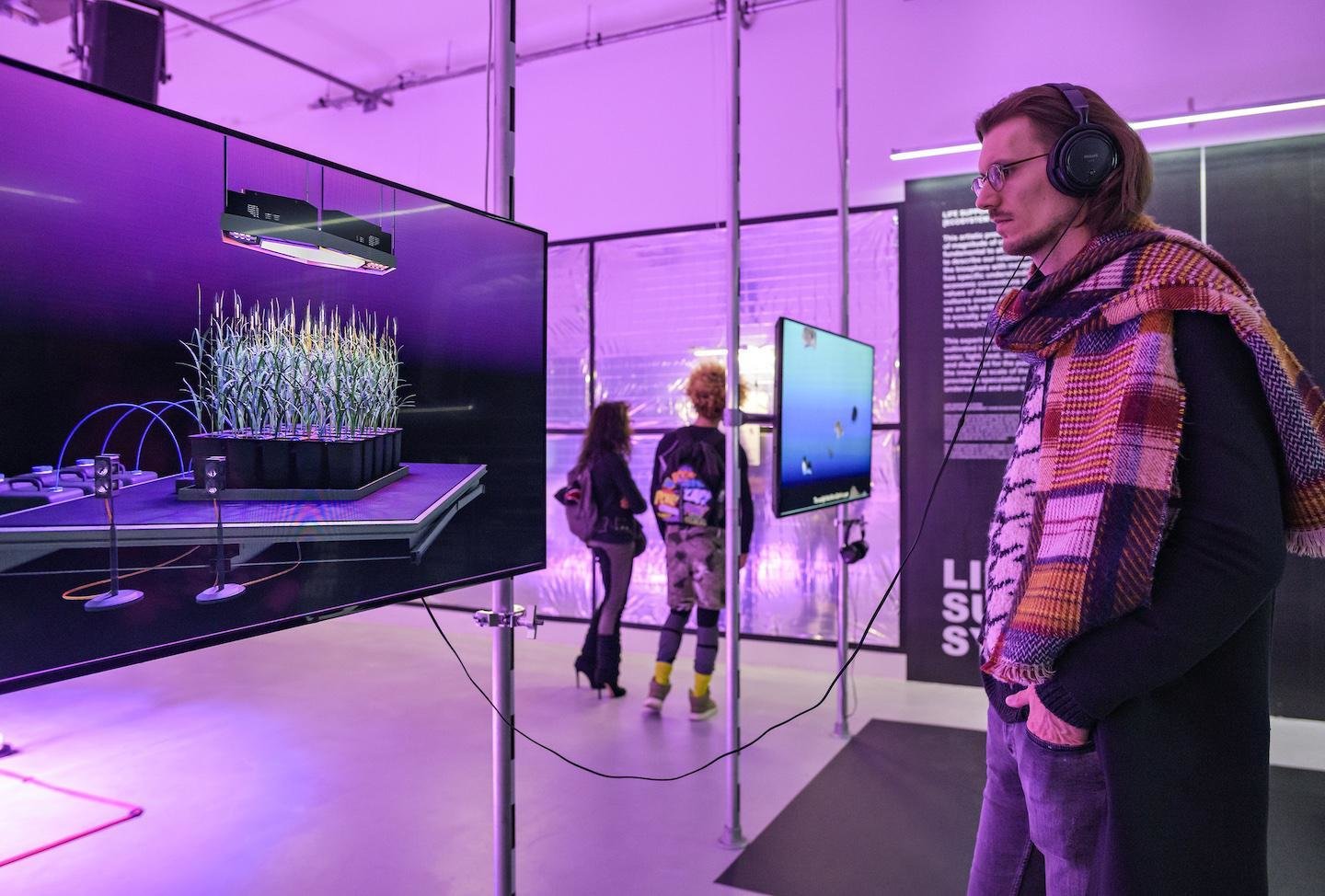
4D Interaction. In interaction design, the locus of design is action. Here, the focus is on designing experiences rather than physical objects. 2
3D Industrial Design, industrial design is concerned with tangible, physical artifacts — with things. 2
1 Symbols
3 Actions
2 Objects
4 Systems
Applications
4.5
Four Orders of Design
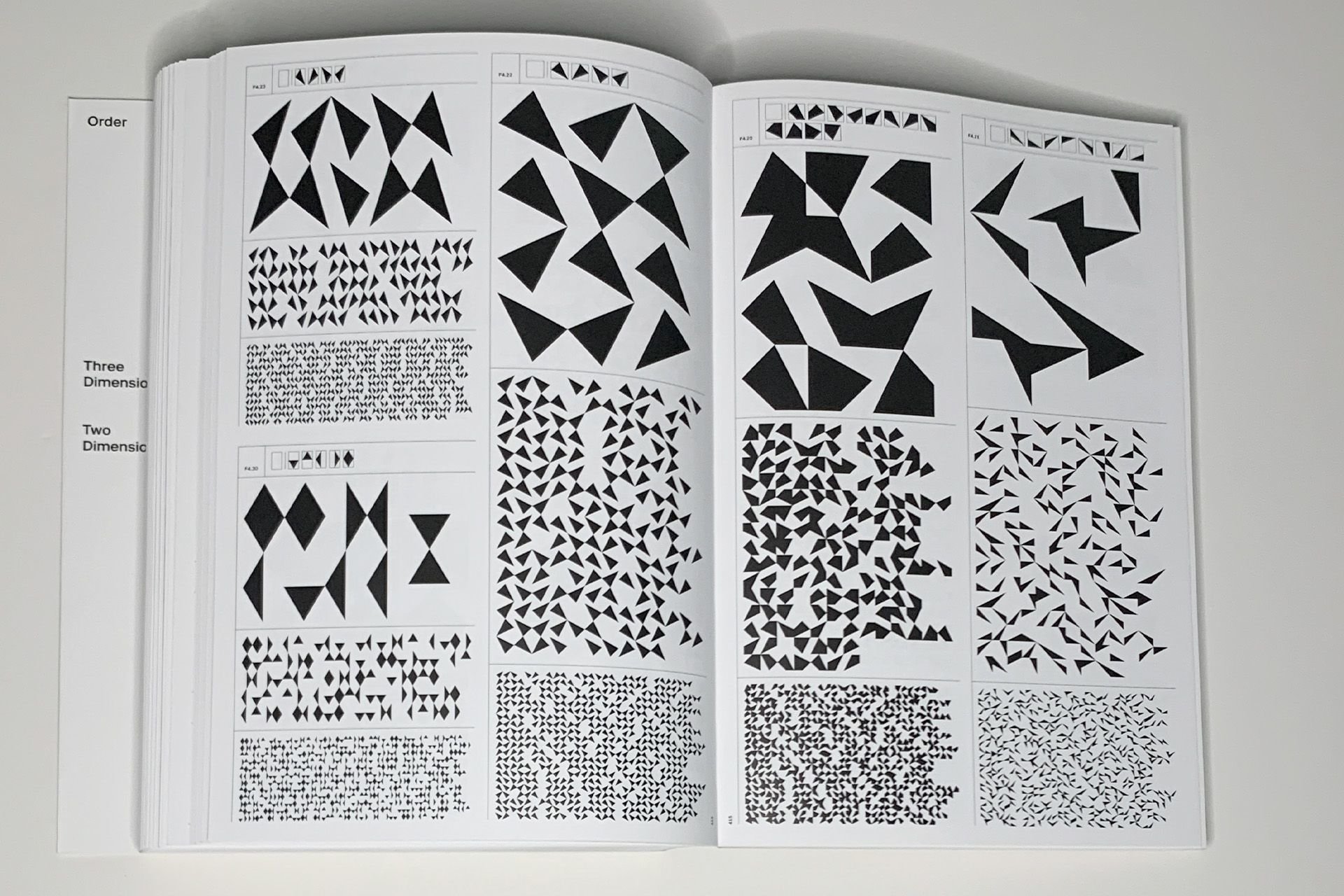
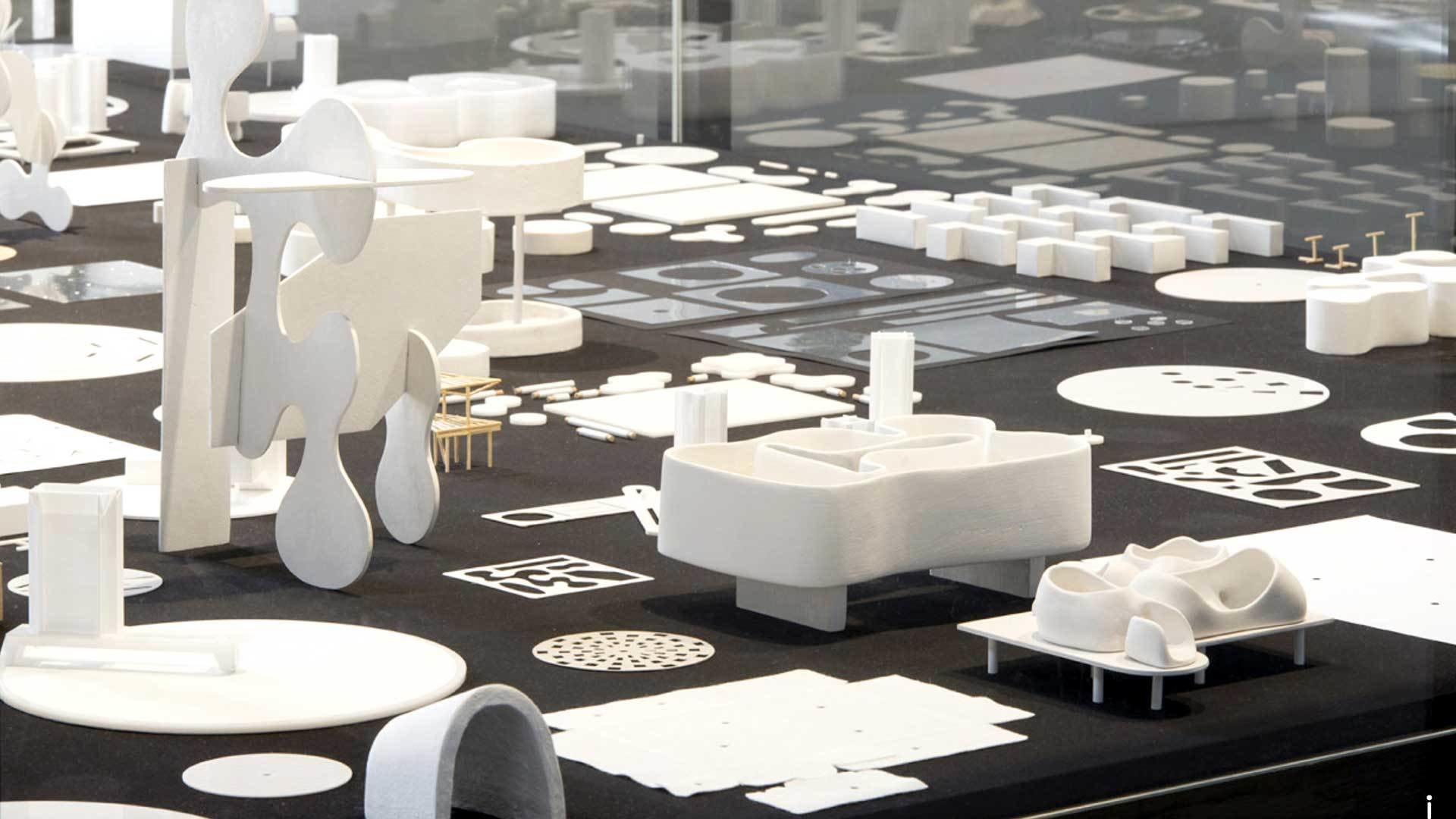
1 Symbols
2 Objects
3 Actions
4 Systems
Poster
Print publication
Website
3D print
Crafted object
Device
Community
Exhibition
Platform
Spaces
Workshop
Immersive Experience
Installation
Interface
Screen
Applications
4.5
Samples and References
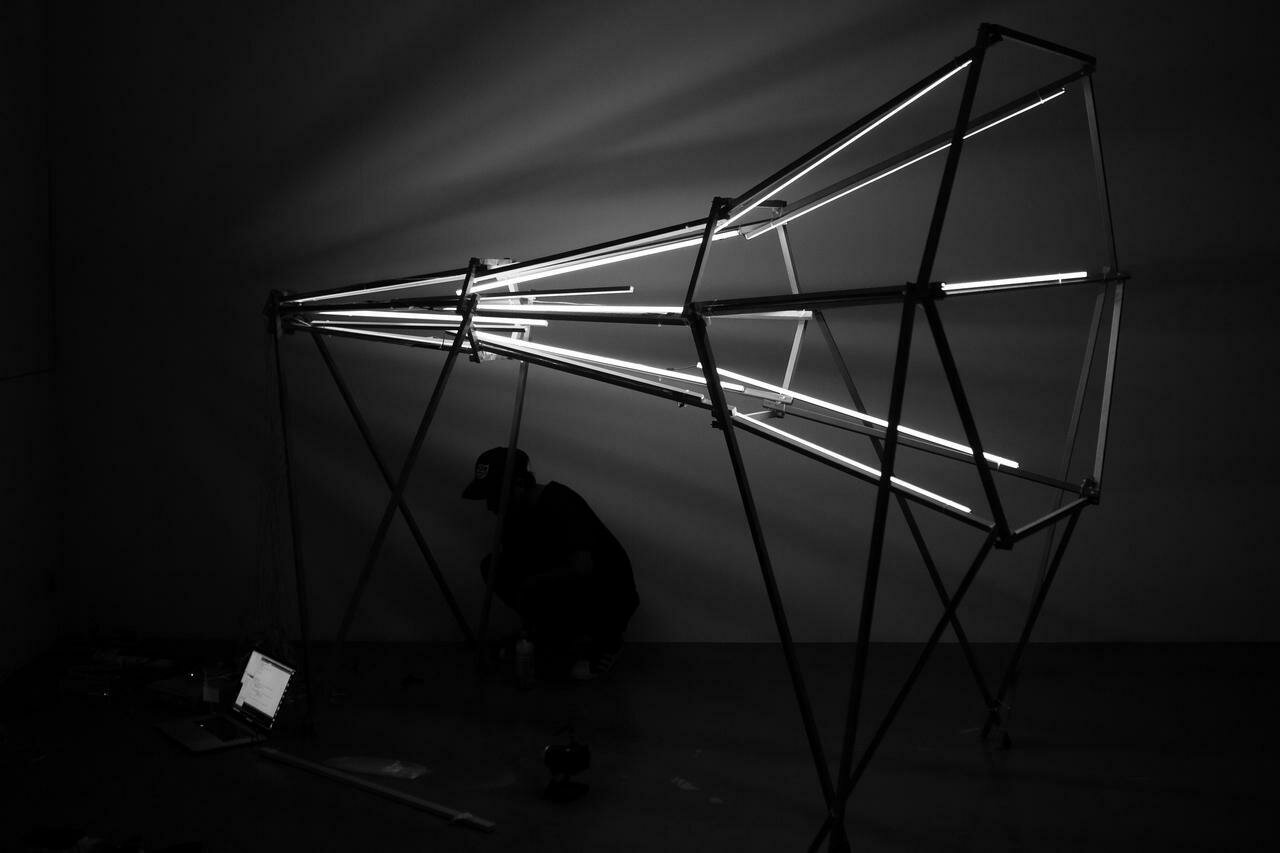
Samples and references
Coded
Generative
Crafted
Interactive
Speculative
Applied
Spaces
Experiences
Technologies
Tools
Aesthetics
Behaviour
5
Samples and references
Superflux
Distributed Design
AIxDesign
Biodesigned
Disnovation Collective
art+com
Zach Lieberman
Google Experiments
Design Emergency
Rhizomatiks
Pentagram
Ideo
iF Design Awards
xCoAx conference
Design through Research conference
Neri Oxman
Alexandra Daisy Ginsberg
oio studio
Design Systems International
Flexible Visual Systems
5
Enjoy what you are
making, be inspired to
inspire others.
Resources
Readings
Learning Portal
Useful tips
Research Seminars
Electives
1
2
3
4
5
Readings
1
Comprehensive list of Design relevant topics including Interaction Design, Design Research, Typography and more put together by Vikas.
Selected Computation in Design and Research related readings by Andreas.
Use library resources in the physical library as well as the e-library effectively.
Learning Portal
2
Useful tips
3
1
Cohort meets for dissertation introduction. Dissertation module, timeline, emphases, resources.
Cohort Briefing, Induction to the Module. Structure and Expectations: timeline, deadlines. Briefing on online repository.
Tuesday
Thursday


Graduation Projects, previous years.
Carissa
Ethel
Yuyang
Janessa
Jaewon
Where Sounds Breathe Singapore's soundscapes, translated into a fluid you move with your hands
Selected projects, 2026.
Behavioural Glyphs of Handwriting Reframing handwriting as gesture, realised through a personalised typographic system.
Residual Motion An AI rehab companion that takes the body as its input
[A-I]: Algorithmic Identities Investigating how digital systems construct algorithmic identities through biometric extraction, behavioural tracking, and interactive data visualisation.
Visual Harmonics Technology that learns the performer's gestures, not the other way around.
Jared
Behold Relational and light-based works designed for presence in a fast-paced world.
Akshita
Vibration As Design Material Speculative objects exploring resonance, deception, and presence through vibration.
Wen Soon
Multisensory Heritage Exploring Interactive Interface Design for Embodied Learning of Peranakan Heritage.
Letitia
Sonic Attunements Reconnecting with our environments through soundwalking, vibration, and intimate sound encounters.
Syafiq
Emotions Made Visible What if our emotions were no longer private?
Tanisha
Human Out the Loop A Prototyping Exploration of Tangible Interfaces for Remediating Technostress Through Embodied Social Connection
Yerin
Interaction as Identity Creating cohesive and atmospheric digital experiences through interaction and creative coding.
Jun Liang
Jun
Soda
Mindy
Vanshika
Interactive Storybook A storybook that explores how interactive components enrich the experience of engaging with a book
Selected projects, 2025.
Memory Soundscapes, The Sound that Lingers Exploring how soundscapes evoke memory and emotional connection.
Mind in Motion A series of interfaces that translates brain activity into creative outputs.
Dimensional Navigation Model in Web Design Transforming websites into 3D spaces, offering alternative browsing experiences.
Magic in the Machine In a world run by algorithms hidden from us, how different is technology from magic?
Pragathi
Gestural Interactions Exploring Gesture-Driven Interactive Experiences through applications in Sign Language Learning
Alda
Designing with Our Roots Reimagining human-nature interaction through responsive design to evoke multisensory ecological connection.
Tammy
Soft Circuits An Exploration in Hybrid Making
Vionetta
Collective Memory Engine Exploring memory through AI-generated visuals and collective imagination.
Zarer
Dreaming of an Interspecies Sensor A speculative design project on light sensors, screens, and tree science.
Jade
Dreaming of an Interspecies Sensor A speculative design project on light sensors, screens, and tree science.
Boon Cheong
AIDENTIFY Distinguishing the real from the AI-generated in an AI-driven future.
Marcus
Tanishqa
Siyoun
Ryan
Bryan
Attention Span in Brand Experience Understanding Cognitive Load and Attention Span for Brand Experience
Selected projects, 2024.
Creativity as a Commodity Speculating the future of the Creative Industries amid the increasing adoption of generative AI technologies.
Digital Stroll Revamping digital reading for Gen Z through tailored typography and enhanced readability.
Tangible Theater Exploring a new configuration of theater experience through tangible and interactive objects and non-linear narratives.
Artefacts of Fragmentation Provoking reflections on algorithm curation dilemmas through speculative artefacts
Richard
Exhibition beyond Immersive Augmented Reality An investigation into AR interactions within contemporary museums, with the aim of enriching a meaningful experience
Ly
Tactile Playgrounds Assistive navigational tools for visually impaired children
Cheryl
Sculpting Perceptions Exploring textures in digital-physical interaction bridging realms seamlessly.
Yi Shan
Antidotes for Bruised Creatives An exploration of translating displays of expressions to visuals
Momo
Motivation Makeover Cultivating motivation through a guided experience, one challenge at a time.
Aditi
Rachel
Ellie
Ariel
Seoyeon
Interactive Signage. Exploring the design of interactive signages that interpret a neighbourhood’s identity through generative visuals.
Selected projects, 2023.
Ubiquitous Nuisance. A study on the effectiveness of soundwalk as a research tool to discover sources of urban noise in Singapore public parks.
Phygi Land is a global metaverse marketplace that showcases phygital collectibles
Selfscapes. Experiments into the potential of generative visuals as representations of online identities
Bio Interfaces. A speculative project that explores tangible human-plant interactions to reconnect with nature.
Farhan
ZeFuture. Why work hard when you can work smart? This project proposes interactive prototypes that will be taught through a series of workshops to encourage designers to become creative technologists
Matin
Positive Distractions enhances healing spaces with nature-inspired elements: greenery, water, and animals.
Aimee
Urban Plastisphere. Exploring the role of interactive artefacts in soliciting awareness of plastic pollution.
Sadhna
Farm to Fork Phenotype is a series of generative designed interactions utilising provenance and data of chicken to evoke appreciation of our food orgins, from birth to bone.
Sang Hee
Green Plus. Teaching your child eco-friendly habits. This Green + education kit proposes a fun way for kids to play, learn and take action through 4 steps.
Azri
Matthew
Sing Hong
Wan Ying
Zeherng
Re:inventions of Eating investigates the potential of designed friction and engineered discomfort to suggest behavioural alternatives to our modern consumption habits.
Selected projects, 2022.
Title Sequence++ is a collection of experiments that begin to treat title sequences as ‘found material’, presenting iterations of how they could be manipulated beyond their immediate conceptualised form.
Listening Lab investigates the potential of sound experiences to re-examine our relationship with the man-made and natural soundscapes in Singapore.
Hello, I'm Here explores creative technology applications through an interactive and immersive installation.
Sonocular focuses on the visualisation of digital sounds, by rethinking the relationship between our senses of sight and hearing through sound visualisation.
Yi Qing
Crafted Objects is a reflective design and making project that explores the rise of digital fabrication and its effectiveness as a tool for craft production, in order to uncover possibilities for hybrid craft production.
Anushka
Clean Touch aims to help germaphobes feel safer in the post-pandemic world by creating a self-cleaning material out of lotus leaves.
Hannah
The New Exchange seeks to uncover what it means to be virtually present in a physical street dance battle and how social connectedness can be fostered within the street dance community.
Research Repository
The research repository is a selection of documents that support your research. From this list of research documents you should present in brief outlines the key findings and insights that will support and help your research to progress.
Consider the repository as an archive of well organised and structured materials that allow you to present your research, findings, and insights to your supervisor in a comprehensive and clear overview.
Think of this repository as an accumulation of findings over time. Make it available online, ideally you create a website for it or negotiate other online formats with your supervisor.
You can start with an are.na links collection, or a miro or figjam board
The final repository should be organised in a website, there is a repository section in the cpj template
2
Tuesday
Thursday
First group of project presentations.
Project presentations continue.
At the end of this week you should be able to start populating your CPJ, start organising your readings and your research proposal outline
Presentation Slots
Tuesday
Week 2
At the end of this week you should be able to start populating your CPJ, start organising your readings and your research proposal outline
Presentations and discussion
To start the semester we will hear from each of you where your current research is located and how it has progressed up until now. Based on the given slide deck structure each student will share the current state of their project in a 8 minutes long presentation.
1
2
3
4
5
6
7
8
9
Current state of research topic
Readings
Case studies
Current Knowledge of topic
Practice
Samples
Talent
Keywords
Portfolio sample(s)
Thursday
Week 2
At the end of this week you should be able to start populating your CPJ, start organising your readings and your research proposal outline
Presentations and discussion continues
To start the semester we will hear from each of you where your current research is located and how it has progressed up until now. Based on the given slide deck structure each student will share the current state of their project in a 8 minutes long presentation.
1
2
3
4
5
6
7
8
9
Current state of research topic
Readings
Case studies
Current Knowledge of topic
Practice
Samples
Talent
Keywords
Portfolio sample(s)
3
Tuesday
Thursday
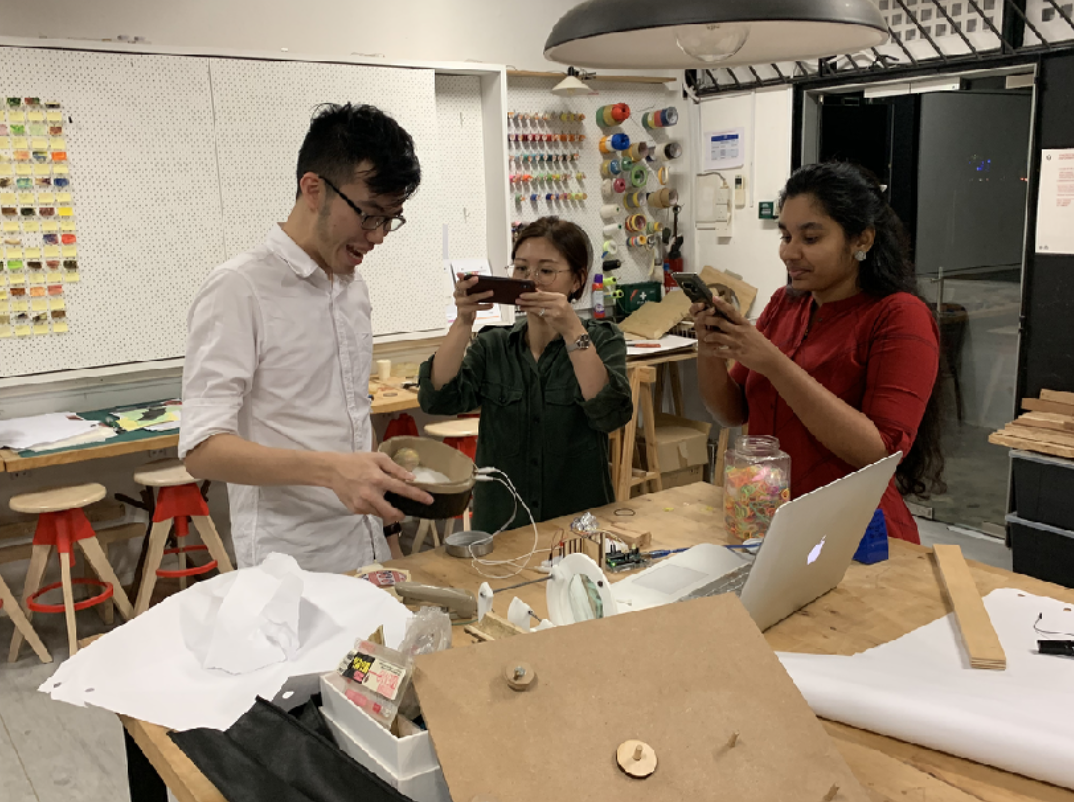
Workshops on Critical Journal, Interviews and Case Studies
All to attend class at D301
Tuesday
Week 3
At the end of this week you should be able to start writing your Research Proposal Outline
First round of seminars on Critical Journal, Interviews and Case Studies
Tuesday week 3
Seminar resources
Thursday
Week 3
We will all meet together and work on some exercises to get started with your writing and making

- Practice your own thinking, read, take notes, reflect and synthesise
- Think creatively and critically, by yourself or with your peers and friends, note down your thinking
think
make
- Make it a routing to make
- Making comes in different forms, doodling and fiddling with things, learning a new skill, applying a skill
- Reading and writing is making, too
- Translate your thinking through making
iterate
- Shaping an idea into a well resolved project requires perseverance
- Iterate over an idea for it to become better, stronger, solid
find a good balance between
making, craft, skills and
thinking, purpose, impact
You can tick all the boxes but
the project, the design, the research still has to wow.
The most difficult is to get started.
You find yourself in front of so many questions, uncertainties, so much work,
so how?
Here are some tools for you to consider
Mind Map
What's going on
Mind mapping

Mind mapping is a note-taking and note-technique that developed in the 1970s, emerging from cognitive research about how our brains interpret and store information in mind mapping. we record information in a way that utilises physical and spatial relations to better facilitate long-term retention.
The technique has several applications in design as we are often dealing with large amounts of information Which makes it difficult to retain an overview.
Mind maps are hierarchical maps and branch out from a central concept. Hierarchy here refers to making links between words in that each addition to the mind map is of lesser importance than the previous one.
Funnel Technique
Finding focus
Funnel Technique
broad
focused
general idea
narrow topic
focused topic
initial research question
Funnel Technique
Computational design practices. For example the use of algorithms, creative coding, and AI in the design process
Agentic coding in generative design, where code produces unexpected or emergent outputs, and the designer collaborates with the system
Agentic coding for co-creating visual identities For example a system that generates evolving visuals, patterns, or design assets that change with input data
How can agentic coding systems support co-creation in graphic design, enabling designers to collaborate with computational processes rather than control them manually?
Example 1
broad
focused
general idea
narrow topic
focused topic
initial research question
Funnel Technique
Computational design practices. For example the use of algorithms, creative coding, and AI in the design process
Agentic coding in generative design, where code produces unexpected or emergent outputs, and the designer collaborates with the system
Agentic coding for co-creating visual identities For example a system that generates evolving visuals, patterns, or design assets that change with input data
How can agentic coding systems support co-creation in graphic design, enabling designers to collaborate with computational processes rather than control them manually?
Calm technology. Technology that communicates information subtly, without demanding constant attention
Calm technology in everyday environments. Objects or spaces that gently notify, guide, or inform without screens or loud alerts
Calm technology for climate awareness in the home. a lamp that subtly changes colour with local air quality or energy use
How can calm technology be used in domestic environments to increase awareness of climate impact without creating information overload?
Example 1
Example 2
broad
focused
general idea
narrow topic
focused topic
initial research question
It can give you structure and direction
You can move from a broad context and initial ideas to a more specific focus. This creates a logical flow that helps you to understand your project, and that readers can easily follow.
It can help you with the reading experience
Readers usually understand why you are moving from general to specific, and they become increasingly interested as your writing focuses towards your contributions (this includes process) and solutions.
It can give you
research clarity
The funnel technique helps you cover what you need and then narrow down to a clear and informed focus. The funnel leads to your research question or design opportunity.
Where the Funnel Technique can help you
HMW formula
Asking initial question(s)
HMW formula
The How Might We Statement
'How Might We' (HMW) statements can be used at different stages of the design process.
During the discovery phase of your project, for example, you can use 'How Might We' statements to formulate design problems that can inform your research questions.
How
Focus on methods and approaches rather than whether something is possible
Might
Seek out multiple possibilities rather than looking for one perfect solution
We
Frame it as a shared challenge, rather than an individual problem
HMW formula
The How Might We Statement
How Might We
Intended action
as an action verb
For
Potential user
as the subject
So that
Desired outcome
+
+
+
+
+
HMW formula
The How Might We statement
How can agentic coding systems support co-creation in graphic design, enabling designers to collaborate with computational processes rather than control them manually?"
How can calm technology be used in domestic environments to increase awareness of climate impact without creating information overload?
How might we develop agentic coding systems for graphic designers so that they can collaborate with computational processes as creative partners rather than control them manually?
Original Funnel Technique research question
Original Funnel Technique research question
The How Might We statement
How might we create calm technology for domestic environments so that they increase awareness of climate impact without creating information overload?
The How Might We statement
Literature Review
What knowledge actually exists
Positioning your research through a Literature Review
A literature review is a structured survey of existing research, theories, and publications on your topic to understand what's already known and what gaps exist.
It can also help you to learn from others successes but also failures. Your knowledge and understanding gives you and your project credibility.
Keep your language clear and simple. Use brief citations and integrate them well. This will help you build logical arguments and address your research gap.
What might a literature review be good for? It informs you to see what solutions already exists so you don't have to reinvent the wheel. More importantly, you develop a foundation of knowledge that you can build on, demonstrate your understanding of the field in which you work, and identify research gaps.
It is necessary to prevent wasted efforts on problems already solved (this is different from building on existing problems to improve). It provides theoretical foundation for your work and it helps to justify your research by showing it addresses a gap.
What is a Lit Review
Why is a Lit Review useful
How to conduct a Lit Review
Begin with general topic searches, focus on specific aspects so you can start broad and then narrow down. Use multiple sources such as academic papers, books, reports, credible websites.
While you are reading, take systematic notes (author, year, key findings, relevance to your work, page numbers for citation).
Look for patterns, what themes keep appearing? What do others write about (do they agree or disagree)? Any gaps that can be identified?
When you read, read strategically: abstract first, then intro/conclusion, full paper if relevant. Don't just summarise but analyse, compare, and critique different perspectives. Also, know when to stop.
Positioning your research through literature
Research Pillars: Structuring themes and topics
Research Pillar 2
It is recommended to organise your research into 3 themed pillars. This will help you to give your research a structure but also to limit, compact and focus your research, your literature review and later the discussion.
Research Pillar 1
Research Pillar 3
Positioning your research through literature
The Literature Review
Organise your review by themes, chronology, or methodology rather than just summarizing reading by reading.
Each paragraph should connect to the next, so you can build toward your research gap or research question.
Help readers navigate through different topics by using clear headings.
Structure and organisation
Compare different authors' perspectives, identify agreements and contradictions. This shows you can synthesise and not just summarise.
For the summary of readings you can summarise if you don't feel confident yet to synthesise.
Evaluate the strengths and weaknesses of existing research, don't just accept everything. Be critical and analytical.
Write from your own perspective, you are the author guiding readers through the literature, not just reporting what others said.
Writing approach
Make sure every source directly connects to your research question or offers relevant background context. If you are still developing your research question, focus on that first and it will help you show the direction and relevance of your work. If you want to wait with your question(s) that's also fine (see next slide).
Cover the field you are researching on well, you should go deep on the most important studies.
Write clearly, this is difficult. Don't use jargon or try to overly academic in your writing. Simple and clear is preferred. Don't expect the reader to know everything, hence, explain where necessary, for example, complex concepts.
End with purpose. Show how the literature review justifies your research question.
Content quality
Positioning your research through literature
The Literature Review
1.
Question first, then literature review
You can define your research question first, then conduct your literature review. This is a good approach to maintain focus, and to avoiding information overload. The weakness here is that the question may be poorly informed.
Structured sequence:
question → literature → methodology
The research question approach
2.
Literature review first, then question
Comprehensive reading before forming questions is good for well-informed questions. There is a risk of getting overwhelmed while reading since "everything" seems so relevant.
literature identifies gaps → specific testable questions
3.
Iterative, the question emerges in the process
Questions and literature review inform each other throughout. This is good for flexibility and discovery-oriented research and is most popular in contemporary scholarship. If this approach suits you, have a research question ready by the end of your literature review.
Fluid, integrated approach:
questions emerge from deep reading
Literature Review
How many readings do I need?
My recommendation is to have 3-5 core readings (strong research impact: books, cited articles) for your research supported by 2-5 additional readings per pillar (this can be research papers, reports, news articles, project references).
Your RPO doesn't need to include all readings but the main readings. Once you start working on your Dissertation, your literature will grow and expand as you build deeper knowledge and understanding of your topic.
The literature review for your Dissertation will therefore
be more extensive.
RPO
Formulating your research plan
Subtitle of paper
Summary of readings
Research objective
References
Research Proposal Outline
Include your references here and use the MLA format.
State one or two objectives (or purposes) of your research. At this stage, it helps to imagine an audience, stakeholders or user category that would benefit from your research and value your work and the impact and benefits it may have.
You may draw from your Literature Review assignment from the previous semester for this section as it is relevant to the ‘literature review’ section of your dissertation later on.
Think of this as your initial or preliminary topic statement and your grasp of issues will be firmer once you have completed an initial round of scouting, sourcing or experimenting.
Appendix
Only if required
Title of paper
your title should be descriptive and concise. Descriptive titles convey the topic of your research so that readers immediately understand what your research is about.
Introduction
Start with or refer to the topic statement (subtitle) in your introduction. Provide a background to your area of research. Keep the scope of research manageable and don’t overreach.
1
2
3
4
5
7
8
Approach/methods
6
The choice of research method(s) should be informed by your research objective. Start with the three frameworks introduced to you: Critical Journal, Edited Interviews, Case Studies.
Summary of readings
Research objective
Research Proposal Outline
Introduction
Approach/methods
What is my work about?
What is known about the field of research?
Why am I doing this research project?
How am I going to achieve my project goals?
Research Proposal Outline
The linked document should be of guidance for you to get started with your proposal. It is divided into two parts. The first part, Prepwork, makes suggestions about what to consider before even starting to look at the Research Proposal template. The second part looks at the Research Proposal.
Writing the Research Proposal should be seen as an iterative process and should start sooner rather than later. Consider starting with entering bullet points into the template first which can then, over time, translate into sentences and eventually into a well flowing arrangement of structured paragraphs.
Homework
Homework
- Complete Mind Map (and Concept Map if useful)
- Perform the Funnel Technique to arrive at a preliminary research question
- Prepare 4-6 Keywords to source for readings
- Structure your Literature Review and make a preliminary selection of core readings and pillars
- Begin writing your Research Proposal Outline slowly, add some keywords, bullet points
- Make one "thing" every week, start with the most intuitive
4
Tuesday
Thursday
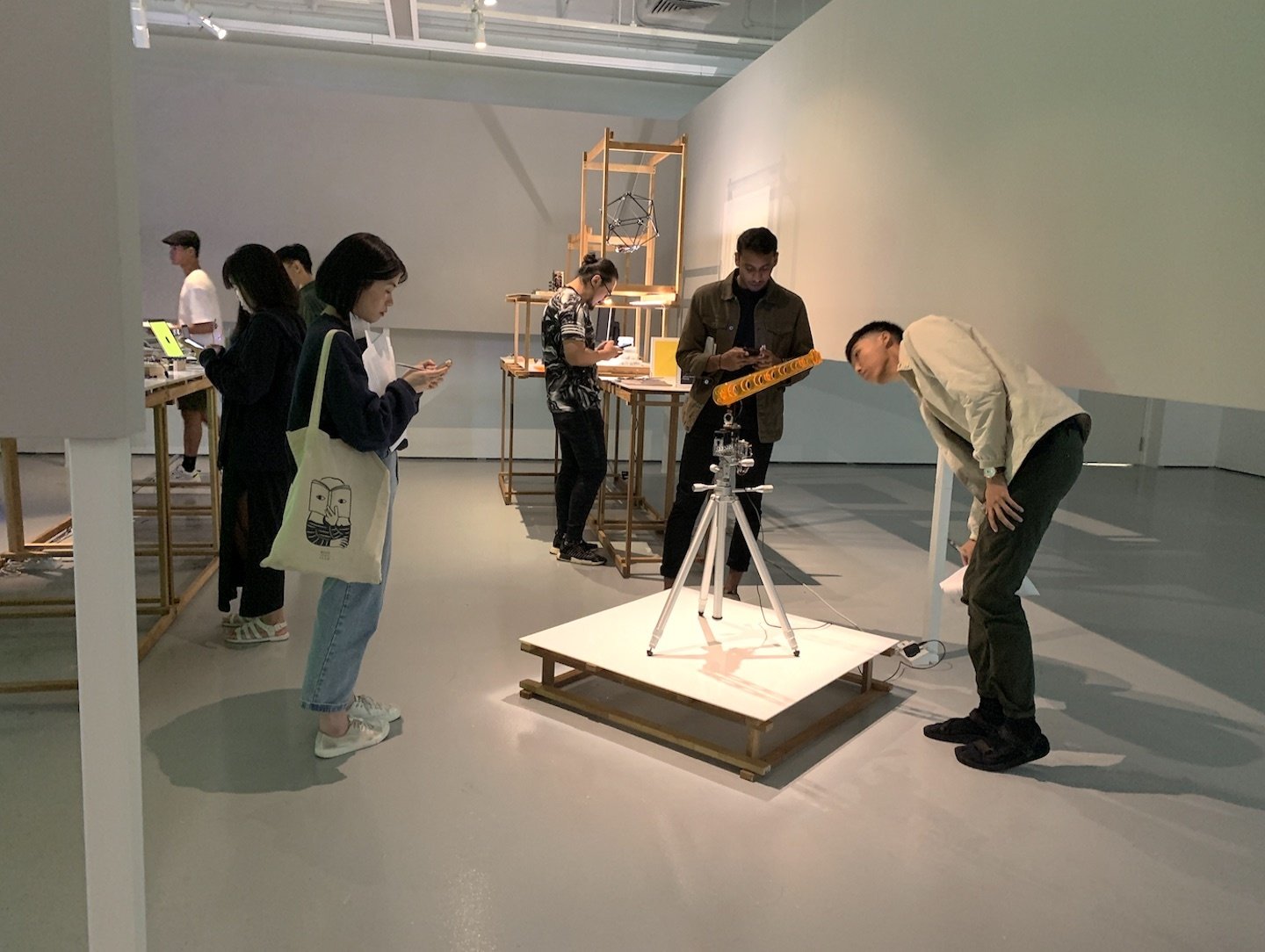
Consultation (2): Research Proposal progress and review of first experiment / task
Consultation (1): Research Proposal progress and review of first experiment / task
At the end of this week you should be able to review your first RPO draft and make necessary changes so that you can meet the word count for each section when you share your next draft in Week 5
Seminar resources
Week 4
Milestones this week
- Decide on your framework
- Align your research with the characteristics and requirements of your framework
- Work with up to five primary readings to structure your literature review around three key pillars.

Tuesday Session
Week 4
Think
About
World
Reader
Text
Write
Writing will be less about yourself but more importantly, about your readers. You write to think about the world, readers read your work to see the world through your writing and making.
Your work is the contribution of your findings to the body of accepted knowledge in your field. It is less about conveying your new knowledge or your ideas than it is about changing your readers ideas, thoughts, the way they think through your contribution–know your reader. It is not enough to know your subject matter. You got to know your readers.
World views
The reader
Use your writing process to help you with thinking and building your work.
Write to be valuable. Value is in the reader. This is, the reader values your writing because it is useful to them, valuable.
Value and valuable
Think and write
Has to make sense to you
Has to be valuable to your readers
Tuesday Session
Week 4
Make your research and your project meaningful, valuable, and impactful to your audience.
Build connections between the knowledge that already exists and your own research and work.
It's not about you. This is the secret to your own work: understand that it is not about what's in your head.
In some ways, it's not even about what we see, read; what is on paper or on a screen. It's about what your writing, your designed outcomes are making happen in your audience's head.
objective over subjective views
Critical Journal Notes
When you're working on your project and research, always ask yourself why it's important, why is it meaningful, who it's valuable for, who can benefit from it, and how.
Tuesday Session
Week 4
The slides go through the requirements, methods and approaches in much detail, please review and study this resource carefully, it is a great guide to conduct your making, reflect and write about it in your dissertation.

Critical Journal Notes
When you're working on your project and research, always ask yourself why it's important, why is it meaningful, who it's valuable for, who can benefit from it, and how.
Tuesday Session
Week 4
What are we searching for through practice and research? Some examples
Understanding a range of different practices–using one's own practice to contrast/compare those of other practitioners.
Being a catalyst in participatory action research where creative practice can actively involve, inform and inspire others.
Using the skills of the artist/designer to visualise and understand complex processes (perhaps in other fields)–making the invisible visible.
Providing knowledge transfer of mutual benefit between different 'worlds' of practice and research, for example art/design higher education and industry.
Critical Journal Notes


click image for conference proceedings
Sample Paper 1

Sample Paper 2

Sample Paper 3

Sample Paper 4
The selected papers on the right can give you a better idea of how a project can be presented in writing by critically documenting, analysing, reflecting one's research and practical work. Have a read and browser through the proceedings as well.
Tuesday Session
Week 4
5
Tuesday
Thursday
On Making & Consultation: By schedule, in groups of four, 50 mins per group.
Workshops on Critical Journal, Interviews and Case Studies.
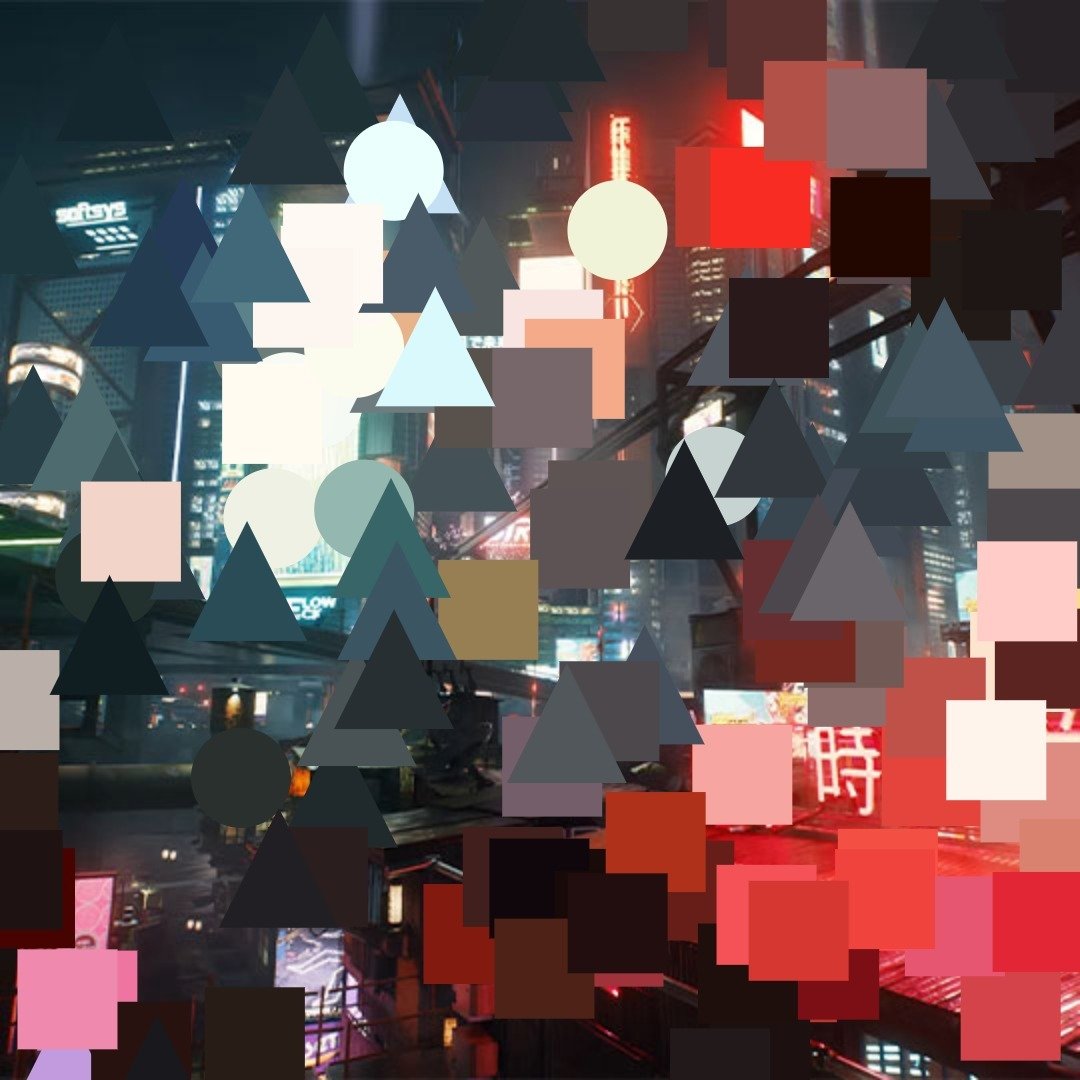
Tuesday
Week 5
At the end of next week (week 6), aim to complete your first RPO draft and settle on your research approach and framework.
You should have started to populate your CPJ, don't delay this any further.
We will take a look at the Catalogue of Making this week, and you should then consider your approach to this catalogue which documents your making and will be a deliverable at the end of the semester.
Thursday
Week 5
Let's start making.
6
Tuesday
Thursday
Studio work, show and tell
Research proposal review
Table setups
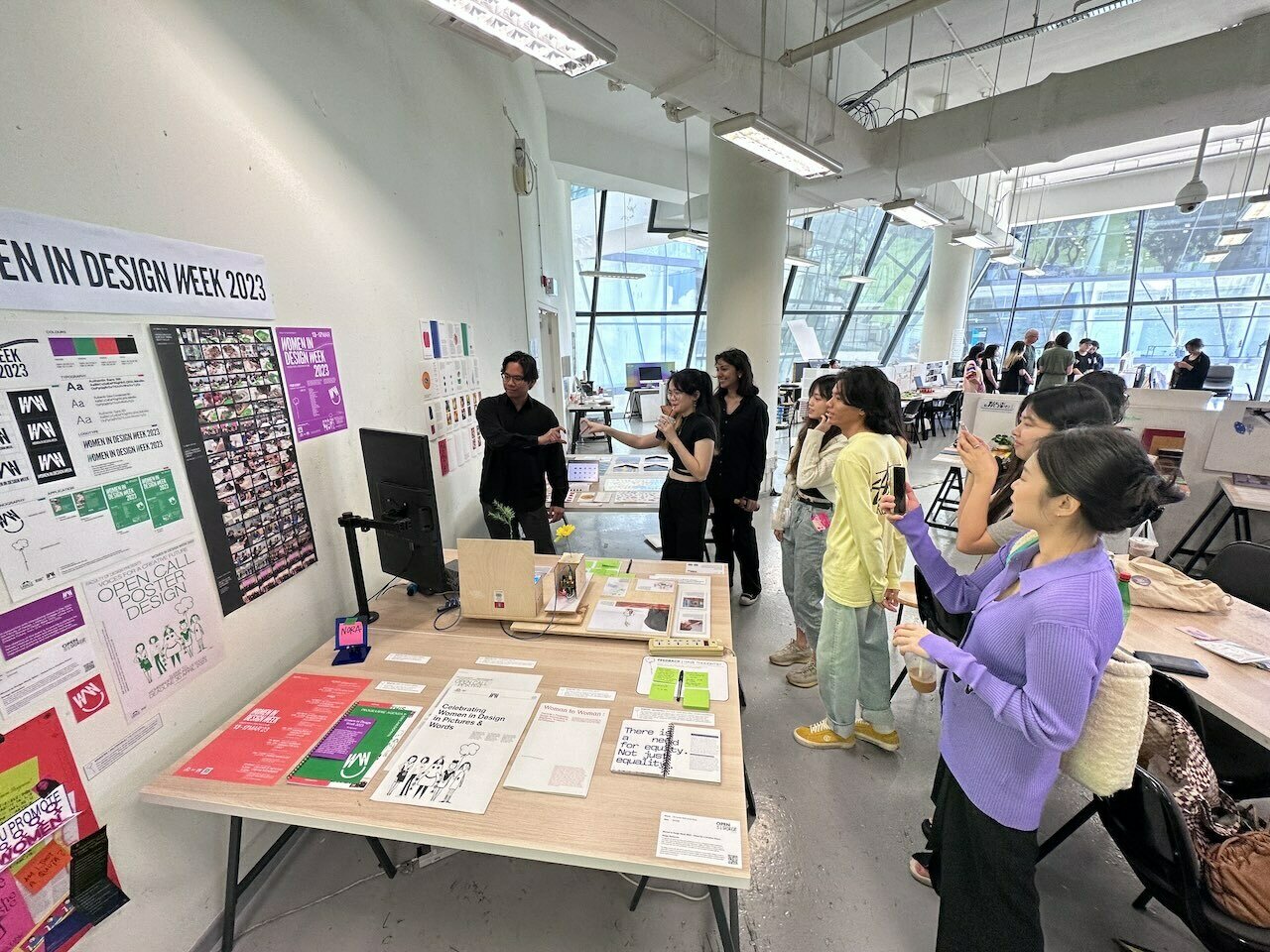
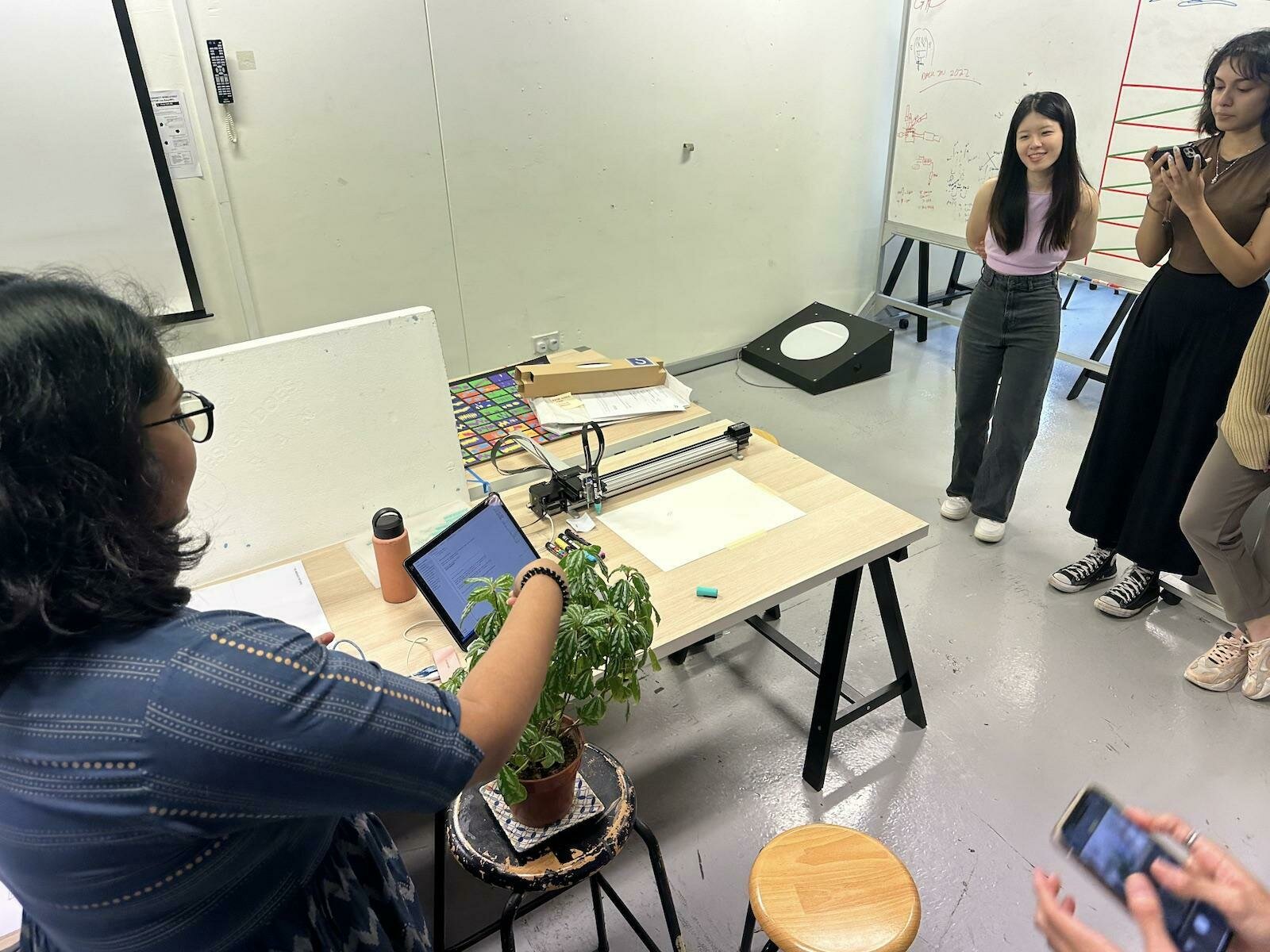
Table setups
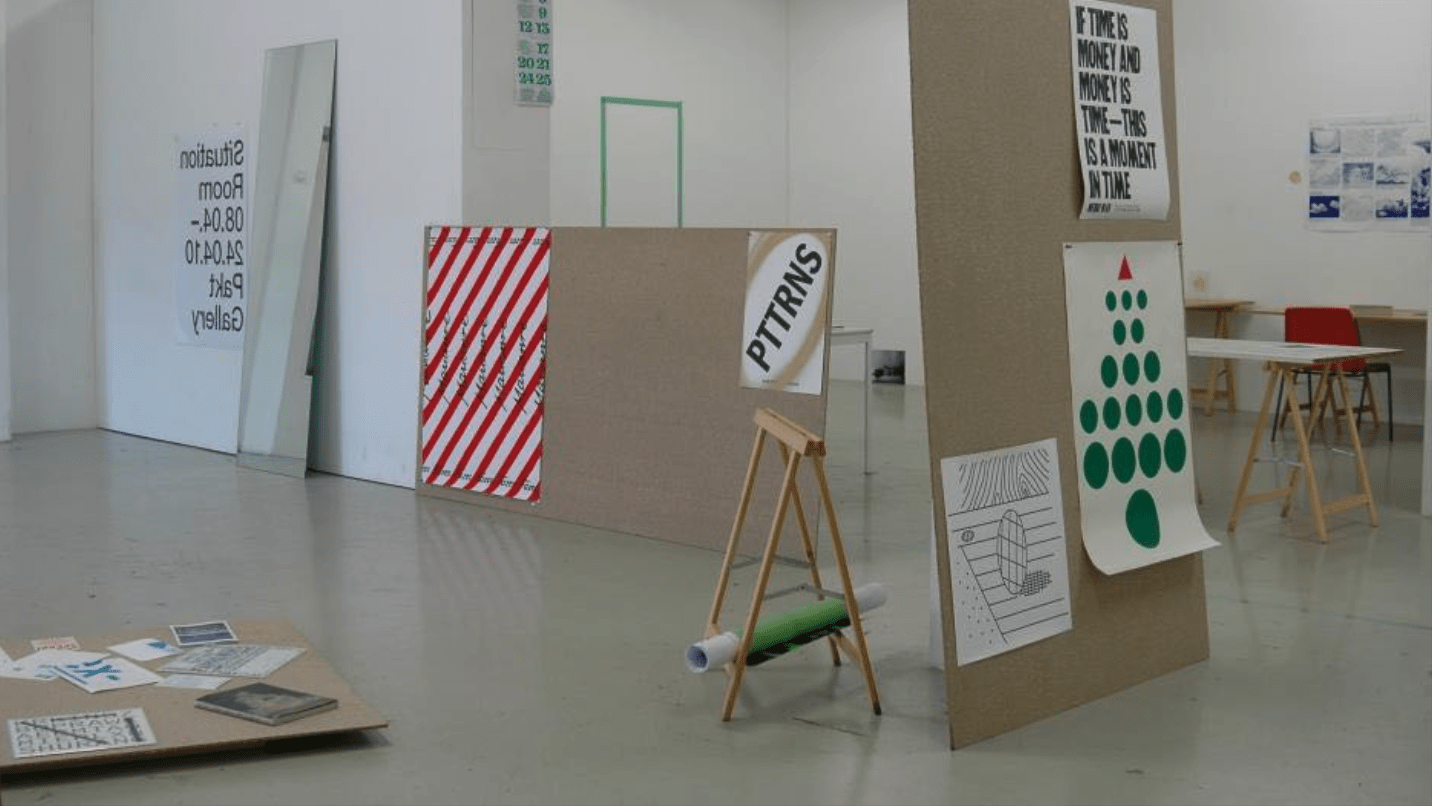
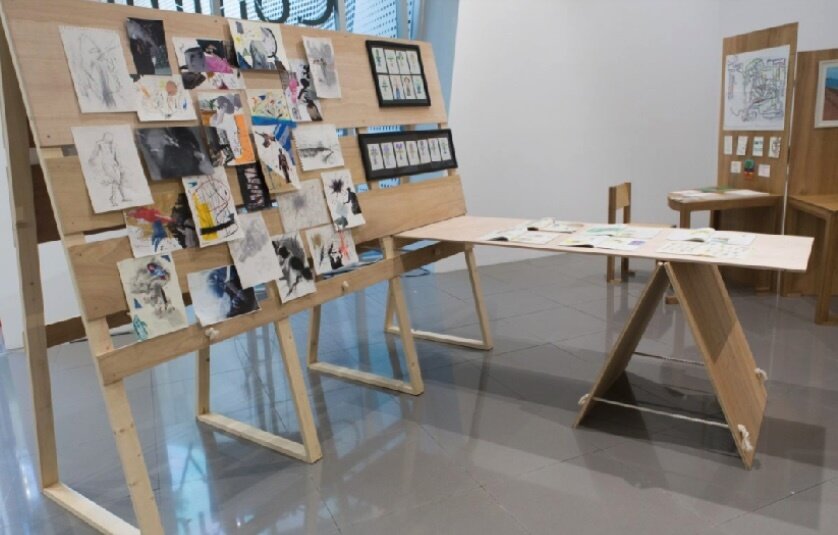
Table setups
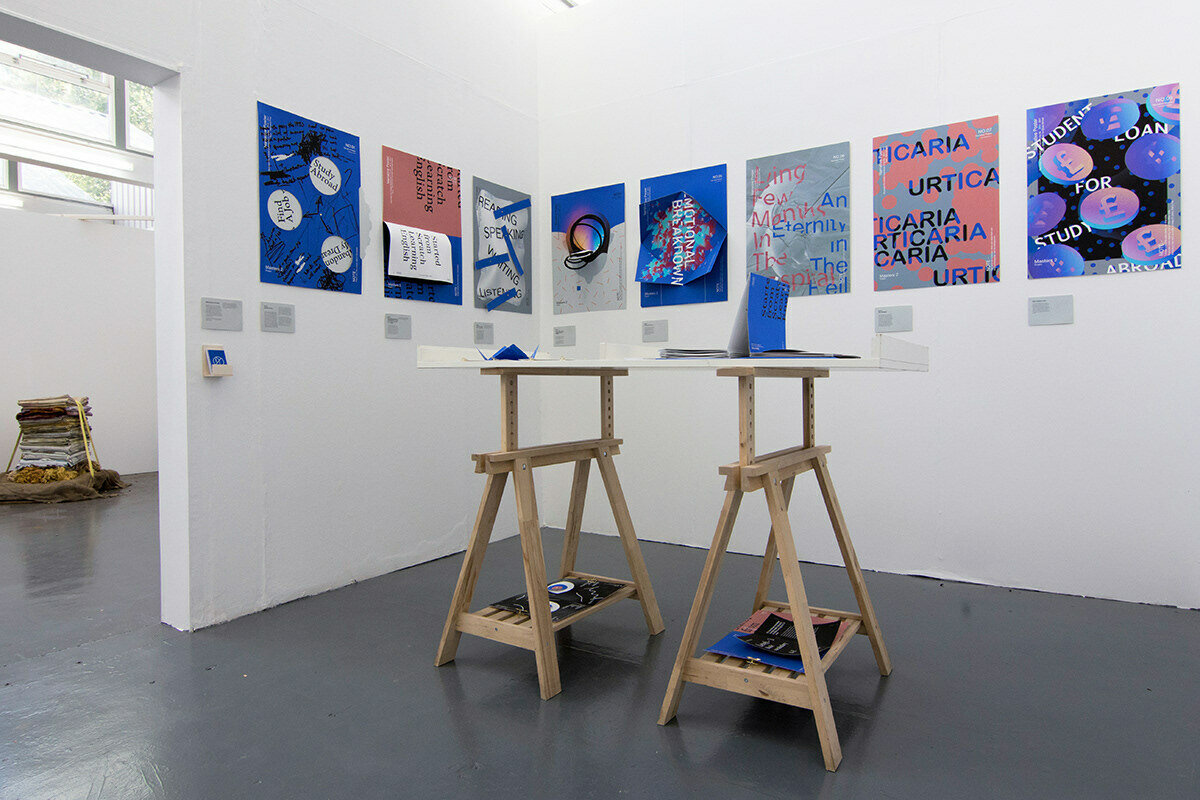
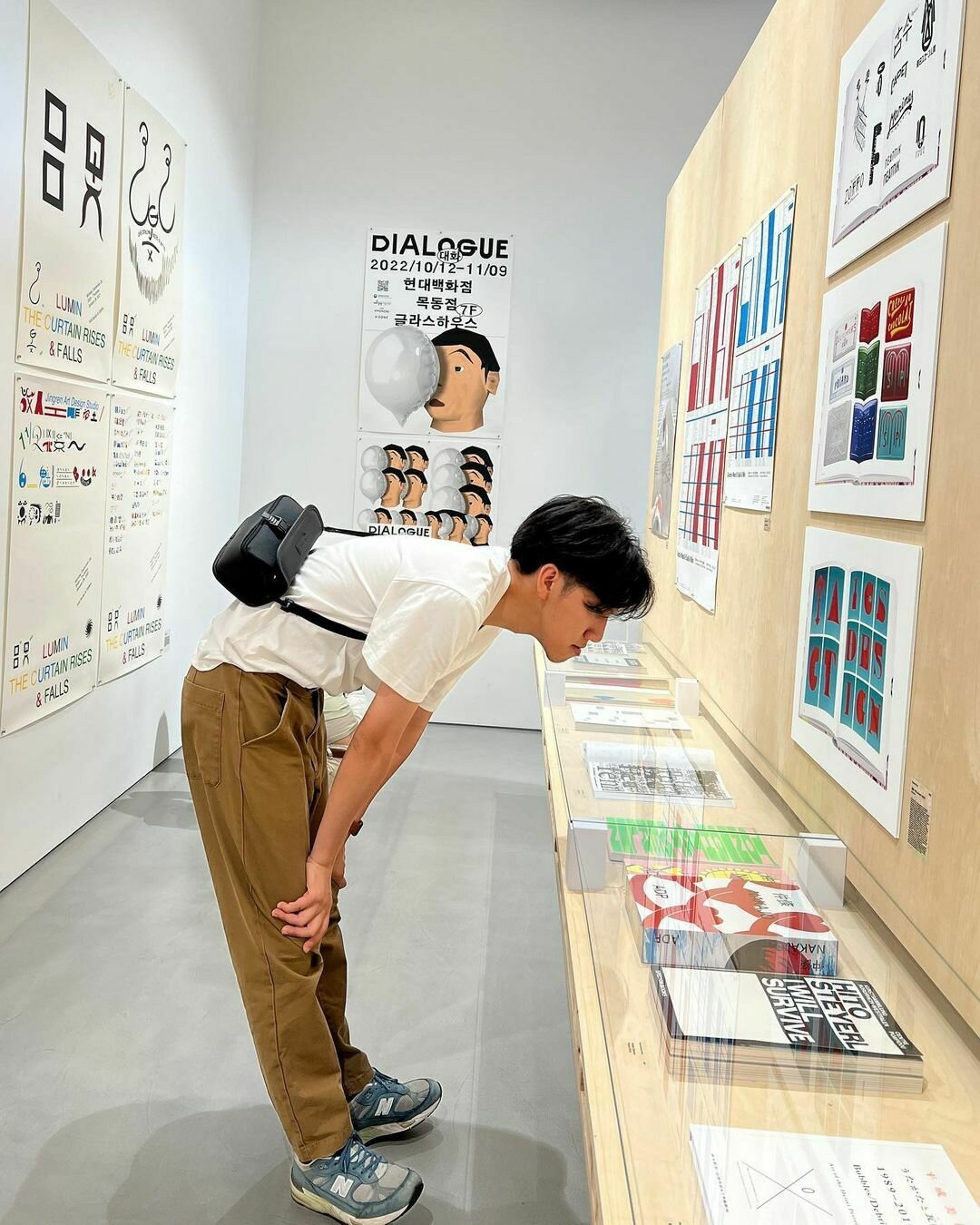
Table setups
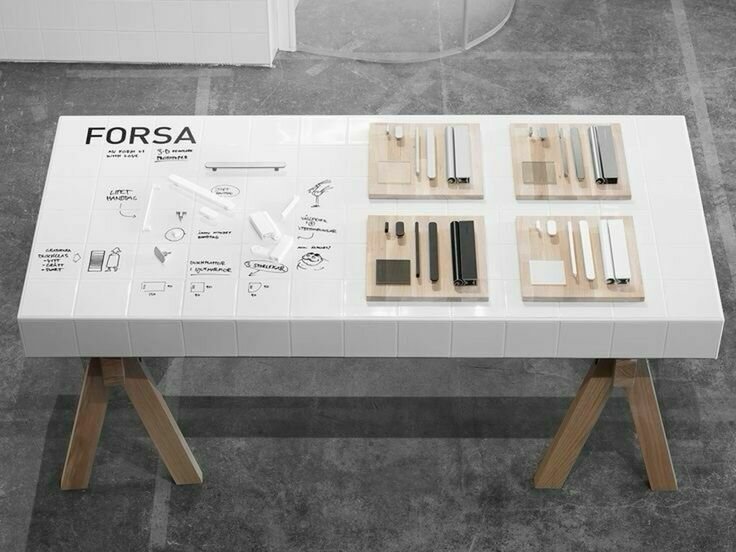
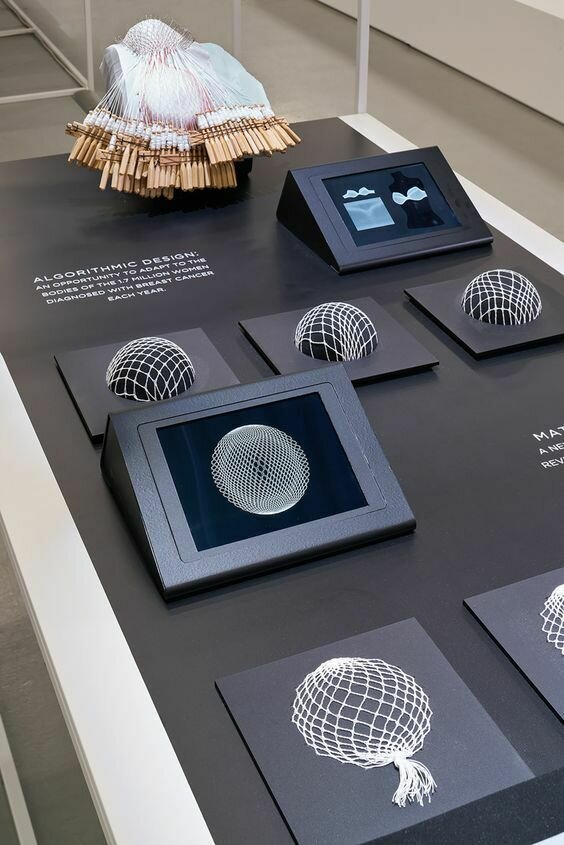
Table setups
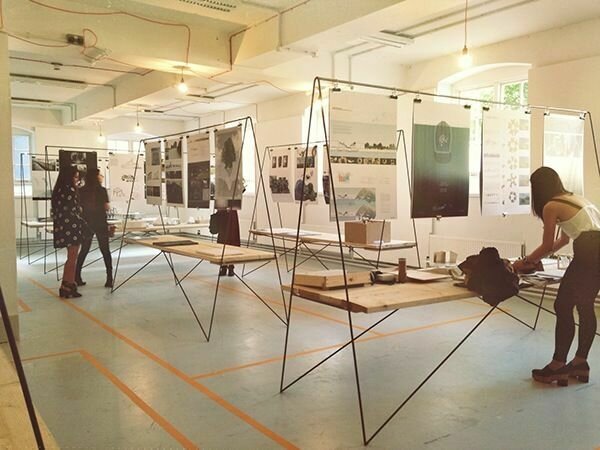
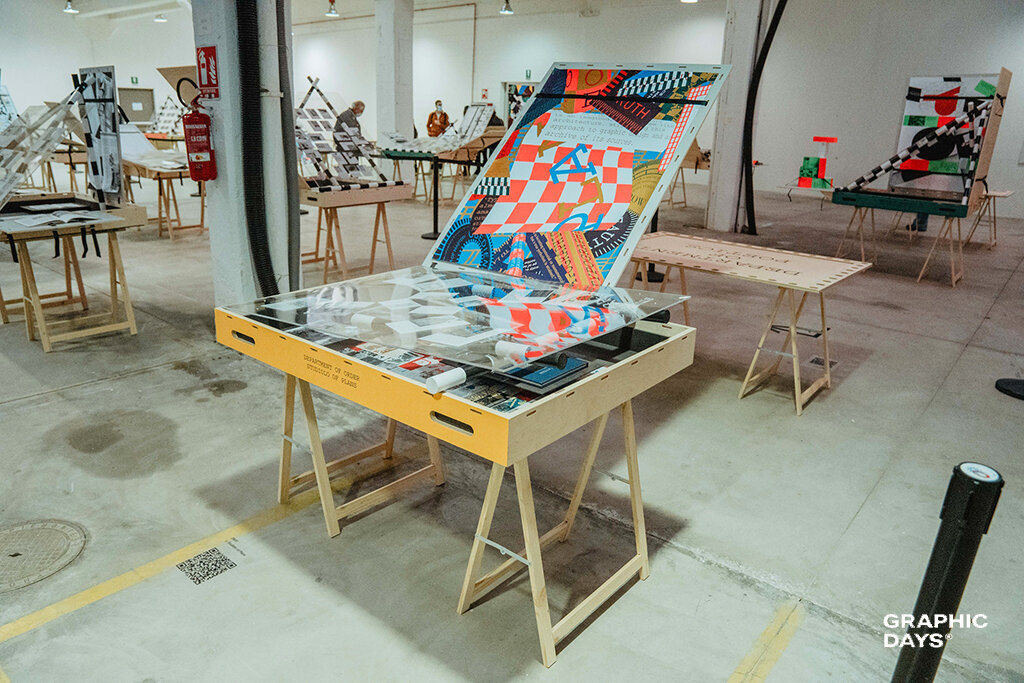
Table setups

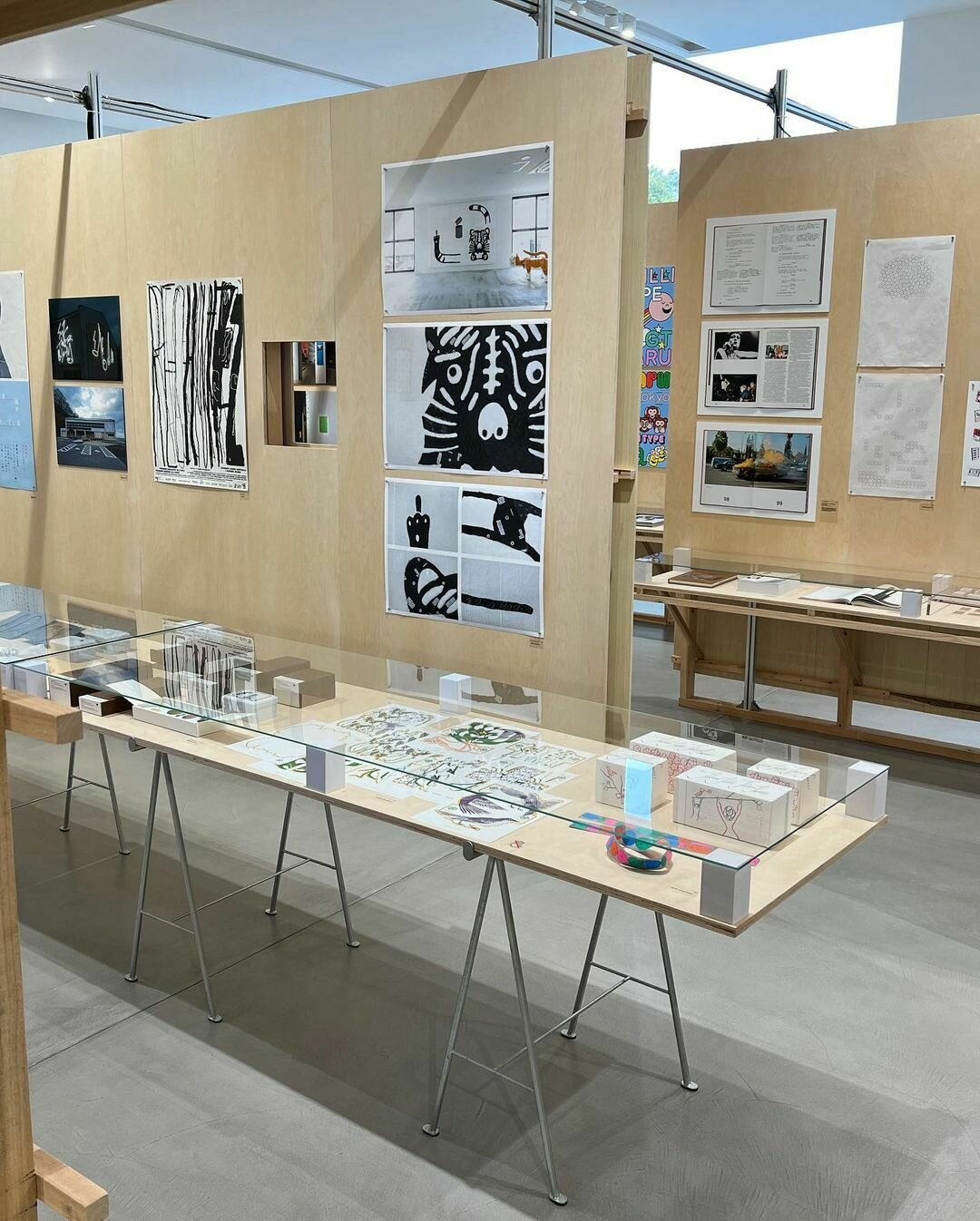
Table setups
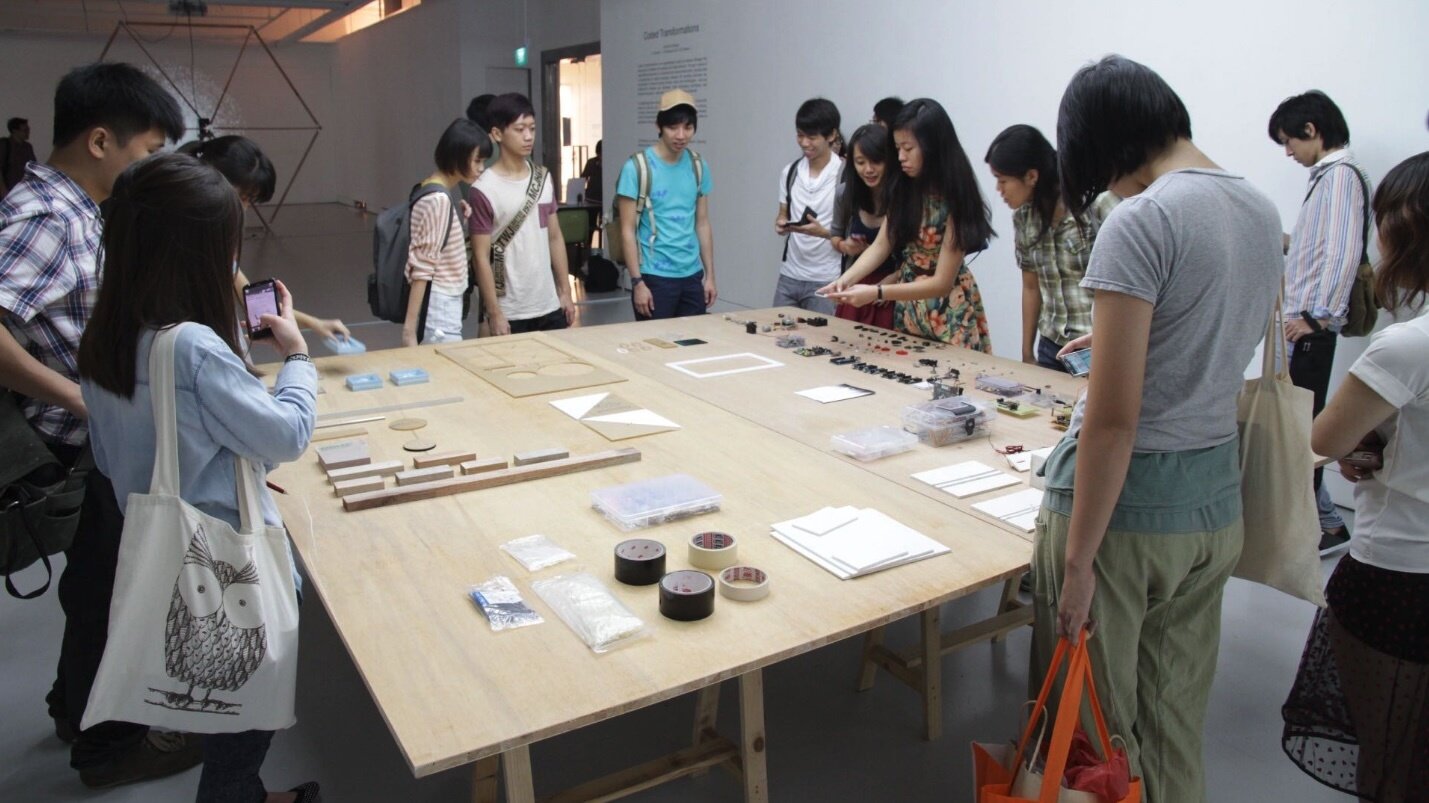
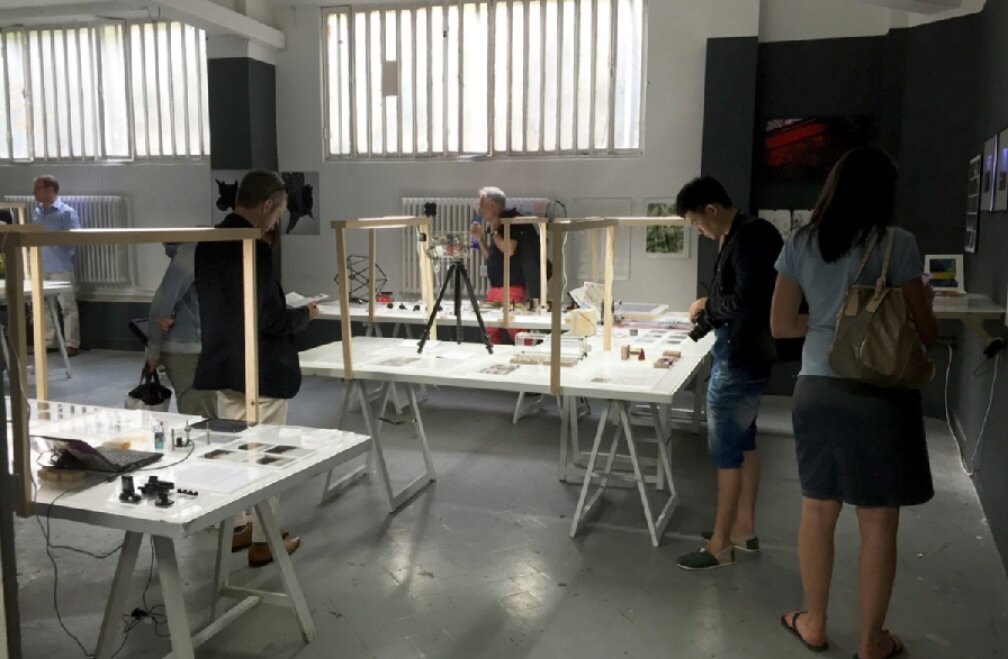
7
Tuesday
Thursday
Presentations by Jef Koh and Aditi Neti from Singapore Institue of Technology's Design Factory.
Research Proposal Outline consultation
Submission
7–9
Week 7
Wednesday and Friday Week 8
Presentations by Irmandy Irmandy Wicaksono and 2 panels as part of the TechnoTerra exhibition
Independent study
Research Proposal Outline consultation
Table setup
Monday Week 9
RPO Submission
9–12
RPO Submission
Graduation Project work-check
Independent study
Individual Consultations
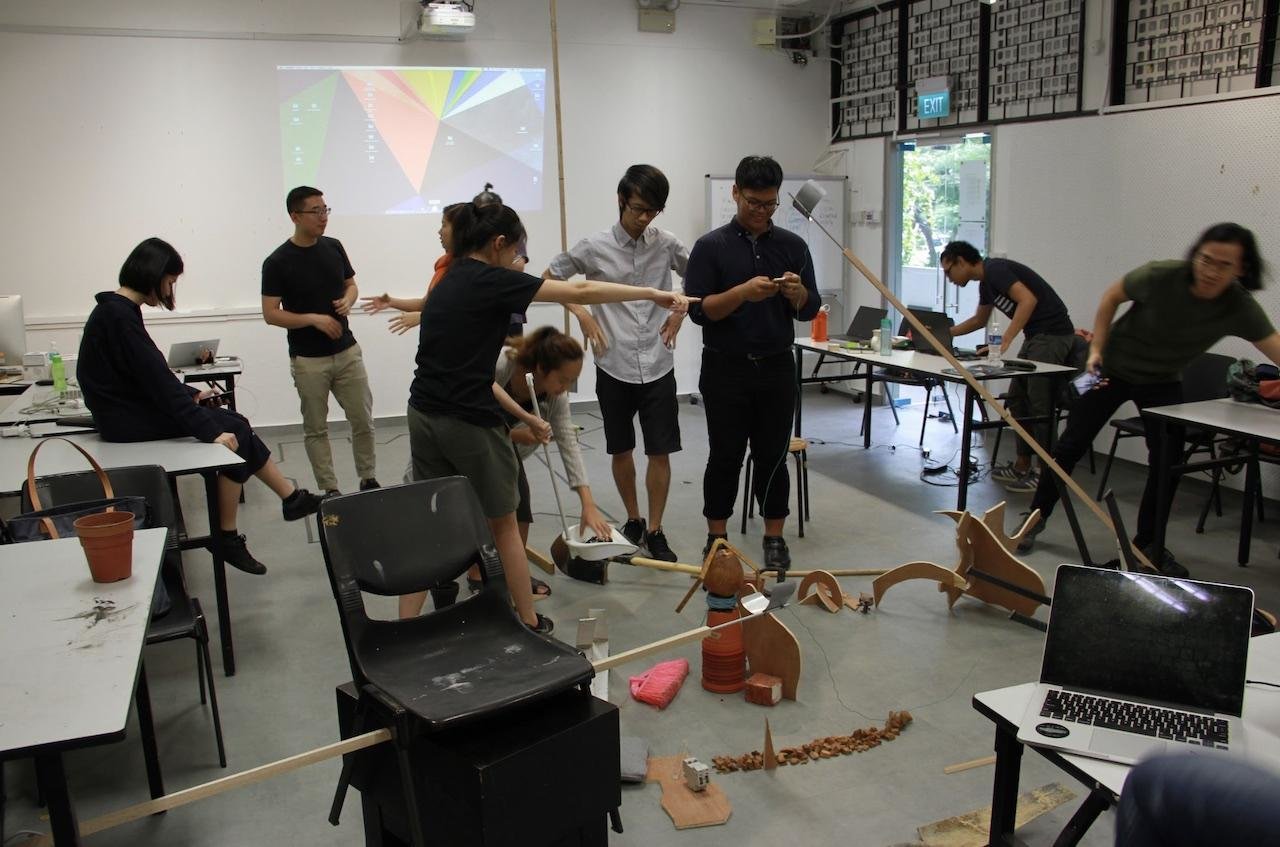
From RPO to Dissertation
B-DC 332
Graduation Project
Computation in Design
Semester 1
Step 1 / 3
Introduction, you already covered the following 3 sections in your RPO, this should be a good opportunity for you to review and update the key points for each section to move forward with your Dissertation:
→ Background
→ Literature Review
→ Research Objective
Introduction
Approaches and methods
Discussion
25–26
B-DC 332
Graduation Project
Computation in Design
Semester 1
Step 2 / 3
Approaches and methods, you already covered this part in your RPO, review and update the key approaches and methods you intend to use. Don't be too generic but instead have a clear plan.
Introduction
Approaches and methods
Discussion
From RPO to Dissertation
25–26
B-DC 332
Graduation Project
Computation in Design
Semester 1
Step 3 / 3
Discussion, this is a new section which has not been part of your RPO, this section will be your Critical Journal.
The Critical Journal approach will mean that you write the discussion section periodically and continuously. You can already populate this section with the practical exercises you have conduced so far. Your experiments, tasks and eventually your prototypes.
Be mindful of how you write and keep a good balance between descriptive, critical, analytical and reflective writing. Consider to go back and forth between your practical work and your writing.
The synthesis of your journey will result in your insights and findings.
Introduction
Approaches and methods
Discussion
From RPO to Dissertation
25–26
Catalogue of Making
How is this different from the Creative Process Journal? The Catalogue of Making is a curated collection of your studio work that you have produced so far–and will produce in the future. It is primarily visual with annotations and can be a mix of your own sketches, activities, experiments, etc and can be supported by found and collected materials.
These formats can be used (one or a combination of) printed booklet, web-based, video


Prototyping
B-DC 332
Graduation Project
Computation in Design
Semester 1
This session is intended to begin the transition from conducting experiments to prototyping as you move into the next phase of your FYP, writing your dissertation while working on your practical work.
25–26
Prototyping
B-DC 332
Graduation Project
Computation in Design
Semester 1
Looking back at at the beginning of the semester, we looked at different angles of what experiments, experimenting, could mean at the early stage of a design research project.
The intention was to give you initial pointers to making small things quickly, experiments that get you into the mode and mood of making.
Experiments at this point differ, for example, from scientific experiments that aim to test, evaluate, and prove a hypothesis.
An experiment here refers to quickly testing an idea, practicing by trial and error, just making, trying and testing the unknown (technique), and learning through a process of approximation and correction until a satisfactory state is reached. Experimentation is about discovery.
A prototype, on the other hand, should show more intent and planning. It can be derived from a previous experiment. A prototype should be testable (by users, your target audience), refined and eventually lead to a final design outcome.
Experiment vs Prototype
25–26
Prototyping
B-DC 332
Graduation Project
Computation in Design
Semester 1
Experiment
trying things out, develop an understanding, learning by making, materializing ideas
Prototype
A planned activity with the intent to explore, learn, and comprehend; test and experience
Experiment vs Prototype
25–26
Prototyping
B-DC 332
Graduation Project
Computation in Design
Semester 1
Some of the purposes that prototypes fulfil are
Exploring You can use prototypes to explore problems, ideas, and opportunities within a specific area of focus and test out the impact of incremental or radical changes.
Learning and Understanding Use prototypes in order to better understand the dynamics of a problem, product, or system by physically engaging with them and picking apart what makes them work or fail.
Engaging, Testing, and Experiencing Use prototyping to engage with end users or stakeholders, in ways that reveal deeper insight and more valuable experiences, to inform design decisions going forward.
Inspiring and Motivating Use prototypes to sell new ideas, motivate buy-in from internal or external stakeholders, or inspire markets toward radical new ways of thinking and doing.
What a prototype can do
25–26
Prototyping
B-DC 332
Graduation Project
Computation in Design
Semester 1
The term prototype, along with the verb prototyping, has become popular in design research, and especially so in interaction design. Originally, the term indicated a precursor of a mass-produced product, which shares its material qualities, but will undergo testing and development during implementation. In design research, the term prototype is also used for all kinds of product-like physical constructions.
In interaction design, paper prototyping can be as simple as drawings on paper. Prototypes are a narrower category than artifacts. They are ‘like products’ in the sense that someone can interact with them and experience them.
The term ‘artifact’ originates in anthropology/archeology, and refers to a man-made thing, usually a material object. In the Research through Design literature, some authors use the term ‘artifact’ (or, in British/Commonwealth English, ‘artefact’) with this meaning that we reserve for ‘prototype’, but without making the difference explicit. In this chapter, we use the distinctions above – that every prototype involves an artifact or artifacts, but that not every artifact is a ‘prototype’
What a prototype can do
25–26
Prototyping
B-DC 332
Graduation Project
Computation in Design
Semester 1
Low fidelity versus high fidelity using the example of a digital product
Effort
Fidelity
Sketching
Paper Prototype
Wireframe
Digital Prototype
Mockup
Coded Prototype
Prototypes
Interactive Applications
The fidelity of a prototype refers to its level of completeness, functionality and detail. The degree of completeness of the prototypes you build depends on the stage of progress:
Low fidelity: low cost, rough and quick to build
Medium fidelity: slightly more detailed, still rough but closer to the solution
High fidelity: much closer to final, very detailed and much more time-consuming
This represents a scale of completeness or closeness to the final product, which differs depending on the type of solutions and needs of the situation. Prototypes can also have different parts with varying levels of fidelity.
For example, you can build a prototype with high visual fidelity but with low functional fidelity — which would be useful if you were testing the visual aspects, rather than functional aspects, of the prototype. The main aspects, which are the focus of the prototype, should receive more focus and, ideally, higher fidelity.
The fidelity of a prototype
25–26
Prototyping
B-DC 332
Graduation Project
Computation in Design
Semester 1
How do prototypes (often) look like
Sketching
Paper Prototype
Wireframe
Digital Prototype
Mockup
Coded Prototype
Prototypes
Interactive Applications


25–26
Prototyping
B-DC 332
Graduation Project
Computation in Design
Semester 1
How could our prototyping ideally look like
Sketching and Paper Prototyping
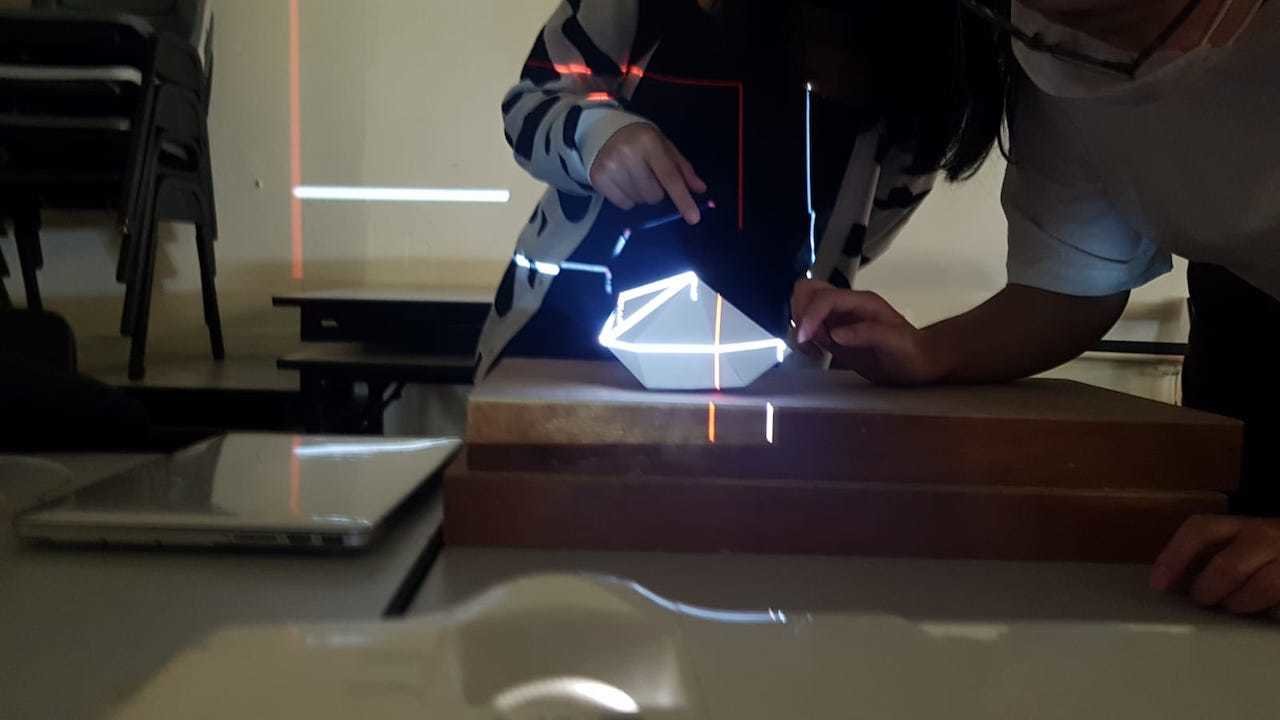
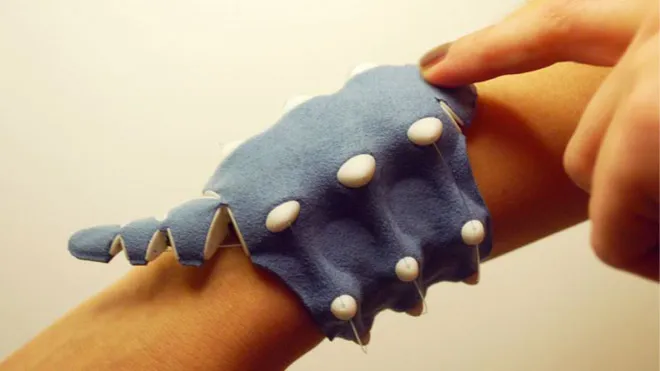
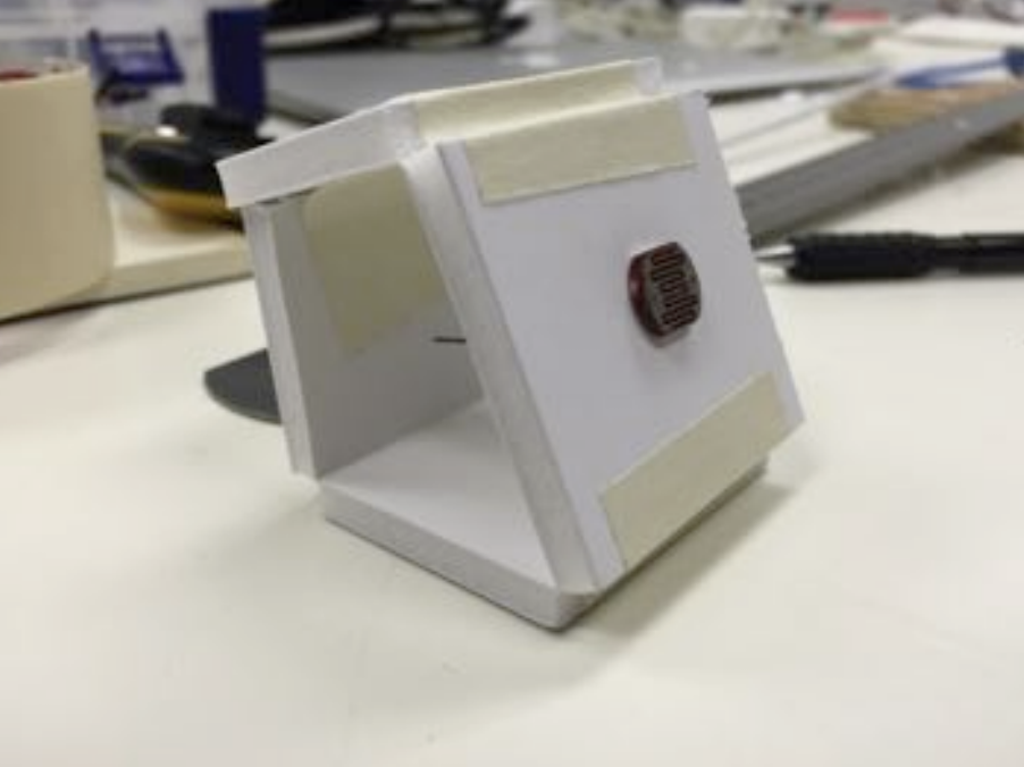
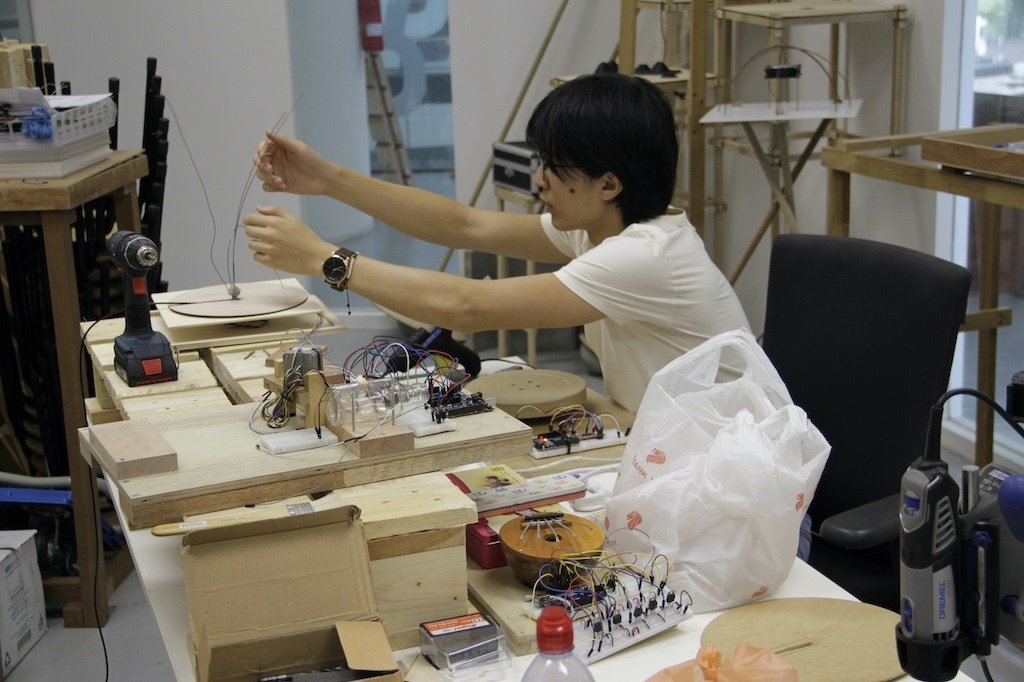
Coded prototypes and Hands-on making
Screen-based and Physical Prototyping
25–26
B-DC 332
Graduation Project
Computation in Design
Semester 1
Case Studies
25-26
B-DC 332
Graduation Project
Computation in Design
Semester 1


Case Studies
25–26
B-DC 332
Graduation Project
Computation in Design
Semester 1
Case Study 1
Carelets is a collection of wearable accessories designed to promote environmentally conscious consumerism in order to create a global "just enough" consumer culture for a sustainable future.
Its objective is to help its users to understand the supply chain and waste management of things we consume. We argue that the supply chain and the production of consumer goods as well as the disposal of used goods are becoming more and more complex and invisible and therefore less apparent to the consumer itself.
By participating in the Carelets initiative one is encouraged to wear at least one Carelet to identify and monitor their purchasing behaviour. A Carelet provides one with an on-the-spot feedback when attempting to buy a new product. We provide users with an open database of supply chain and waste management information to monitor and evaluate a user's consumer behavior. A tactile response reminds you of a product’s impact on the environment.
During this one week long workshop (Singapore, 2015) we used methods from the open prototyping model developed by workshop facilitator FutureEverything.

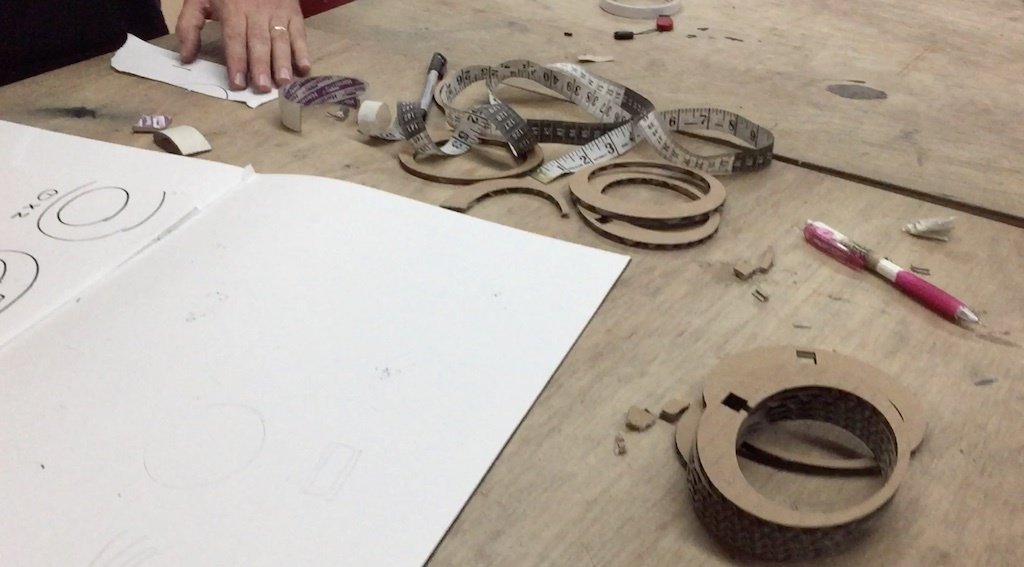

Carelets
25–26
B-DC 332
Graduation Project
Computation in Design
Semester 1
Case Study 2
A hallmark of human-centered design is rapid prototyping and iterating on the fly. A project team working in Ethiopia on designing a new device to plant teff, a grain and staple of Ethiopian cuisine, put our process to the test when a prototype of their planter came face to face with the Ethiopian soil.
Transporting the planter from San Francisco to rural Ethiopia was one thing, but the real challenge came when engineer and team member Ravi Prakash set out to push it through a field of muddy soil.
“Suddenly, Ravi’s steps started getting smaller. Watching him was like seeing time slow down,” reported project lead Martin Schnitzer. “He was barely 50 feet down the field and the wheels had picked up enough mud to make it nearly impossible to move any further. We knew the mud would be challenging but we didn’t think it would render the planter useless so quickly. Deflated, we felt like we were thrown back to the beginning of our challenge.”
Prototyping and Iteration: A device to plant teff
The team was quickly back in the shop of a local agricultural research center trying to figure out what to do with the planter’s wheels. They played with a variety of solutions, quickly moving through ideas like spiked wheels and skis, until one of the local metal workers had a suggestion: wrap the wheels in burlap.
“Wrapping the wheels in burlap isn’t an idea we could have ever come up with in a brainstorm,” said Schnitzer, ”and burlap certainly isn’t on any list of new high tech materials. However, using burlap came from keeping an open mind to trying new solutions. It came from talking to people who understand the conditions best and by sharing the excitement of this project with others to gain inspiration from a number of places.”
In the end, burlap worked wonderfully well. And though the wheels of the final product are made of harder-wearing stuff, the burlap fix allowed the team to get back out into the soil and test other elements of the planters with the farmers who’ll use them.
25–26
B-DC 332
Graduation Project
Computation in Design
Semester 1
Case Study 3
Roboarm
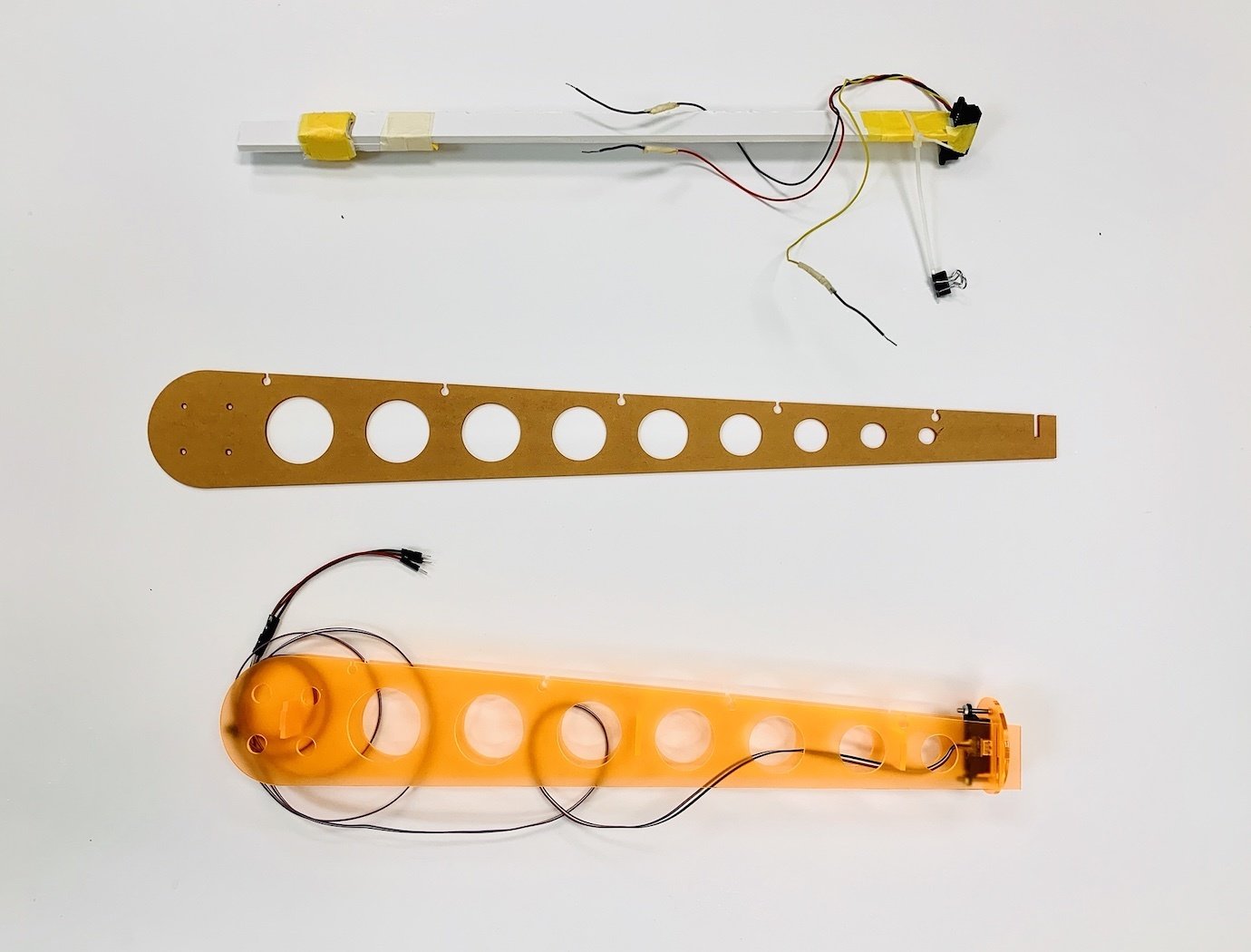
Roboarm is a physical object. Two motors and a proximity sensor mounted on a tripod constitute Roboarm's exterior. On the inside is a set of rules that determine its behavior. Roboarm is intended to give the impression of a self-obsessed and contented machine. As long as it is not interrupted, it sporadically 'draws' simple calculations in mid-air. A sensor attached to the tip of the arm behaves like a pair of eyes – upon sensing any obstruction, Roboarm shies away. Some audience reactions that could be observed and recorded when on public display:
Motion sensor and presence of movement triggers a response but unsure of whether presence vs continuous movement is required
It moves when our hands are near the top of the handle
I had to find the sensor
I was looking for how I could interact and then waving around helped
I was a bit confused as to why it started to move even after I wasn’t near the sensor
It was fun to play with as it avoids your hand
I waved to the roboarm and there were some form of reply
Almost like a responsive AI Machine to me, i can foresee many outcomes from this work, so i think it is not random.
At times it seemed random but the response was overall quite clear
25–26
B-DC 332
Graduation Project
Computation in Design
Semester 1
Documenting
25-26
B-DC 332
Graduation Project
Computation in Design
Documenting
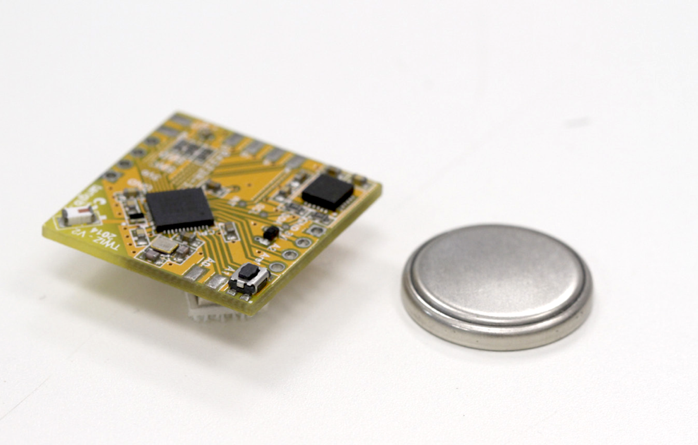
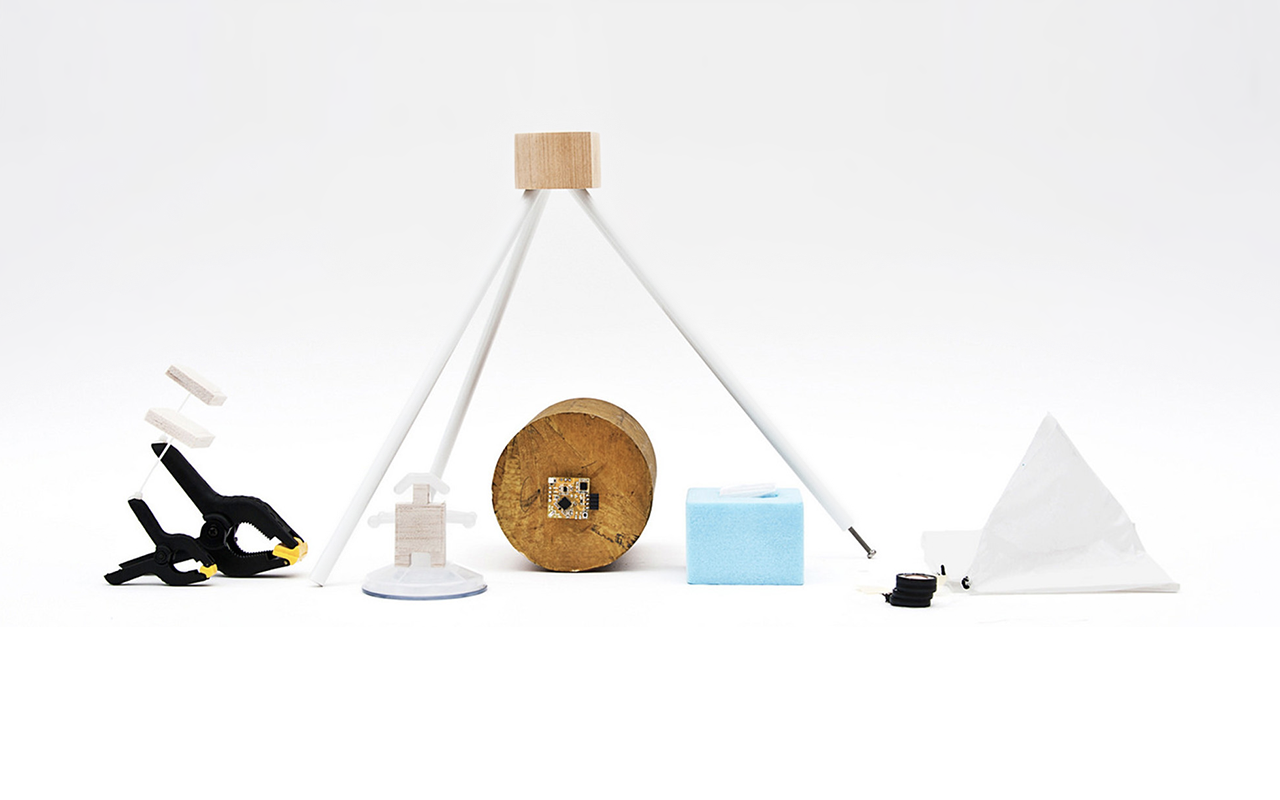
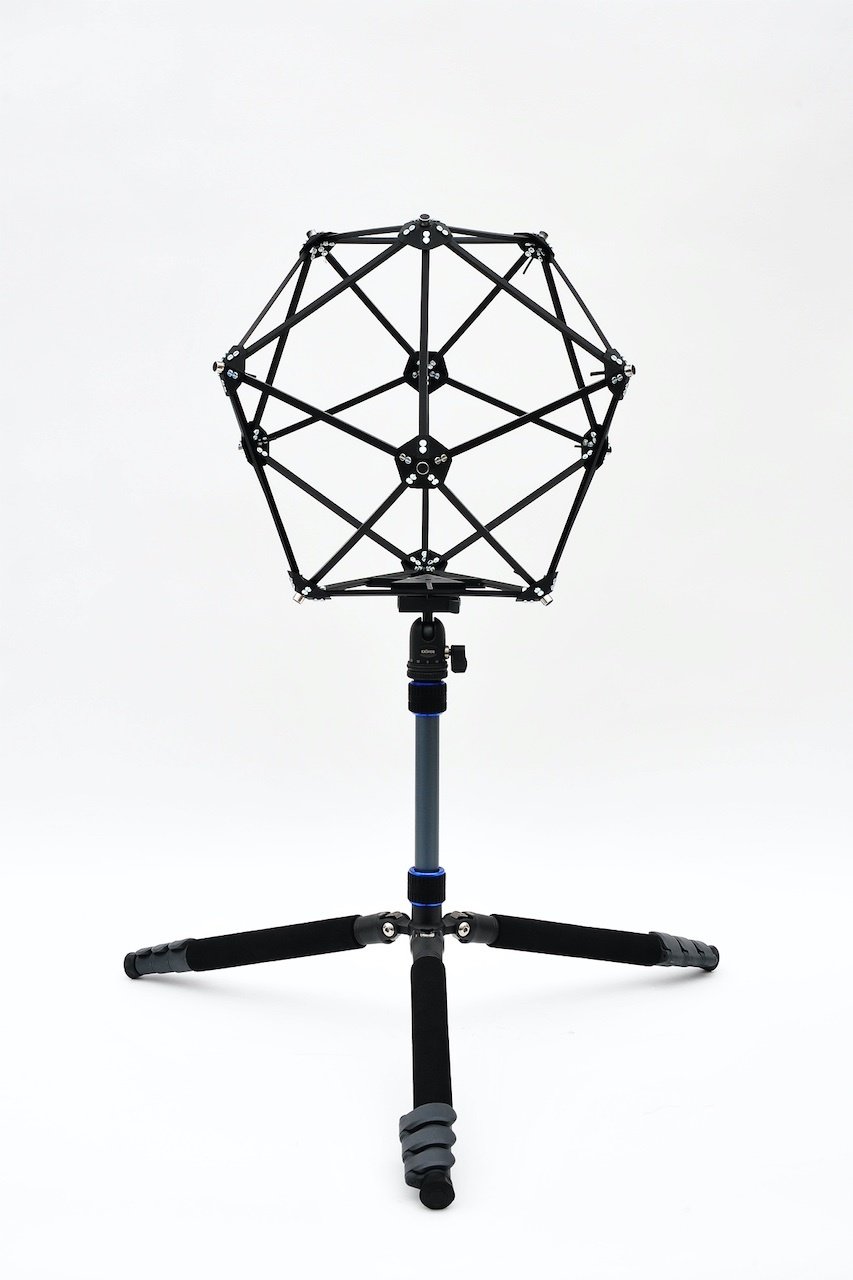
Product shots, clean background so that the focus is solely on the subject. Use a good camera, tripod if necessary, and appropriate lighting.
Semester 1
25–26
B-DC 332
Graduation Project
Computation in Design
Documenting
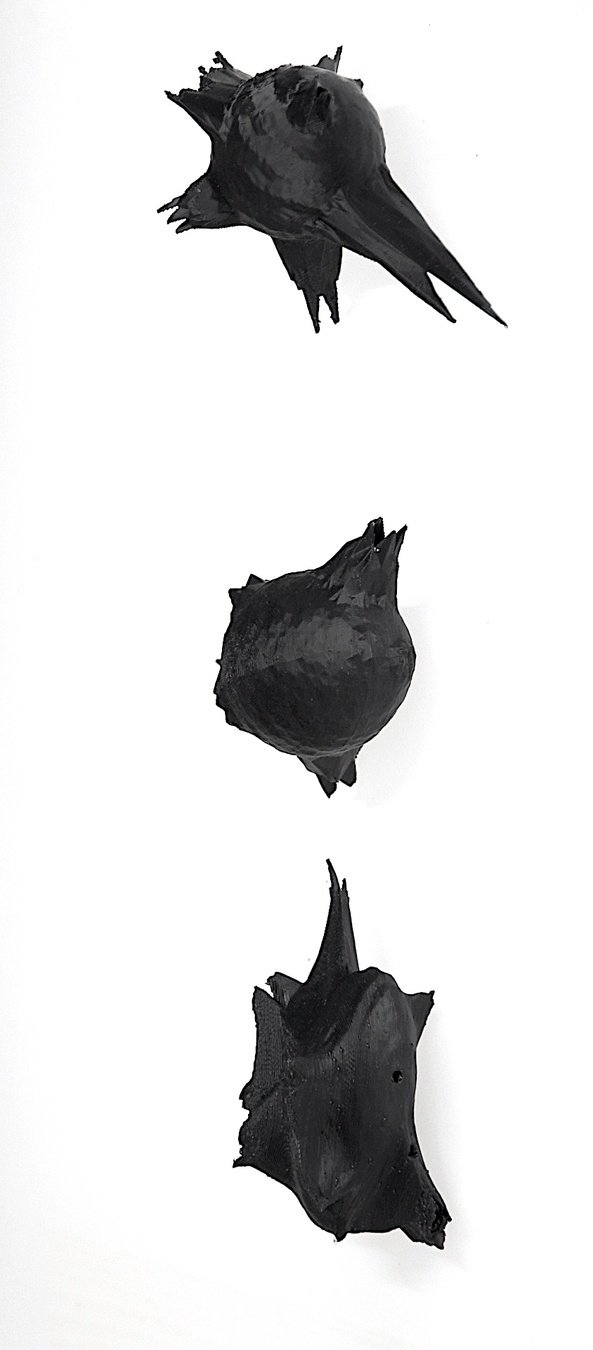
Product shots, clean background so that the focus is solely on the subject. Use a good camera, tripod if necessary, and appropriate lighting.
Semester 1
25–26
B-DC 332
Graduation Project
Computation in Design
Documenting
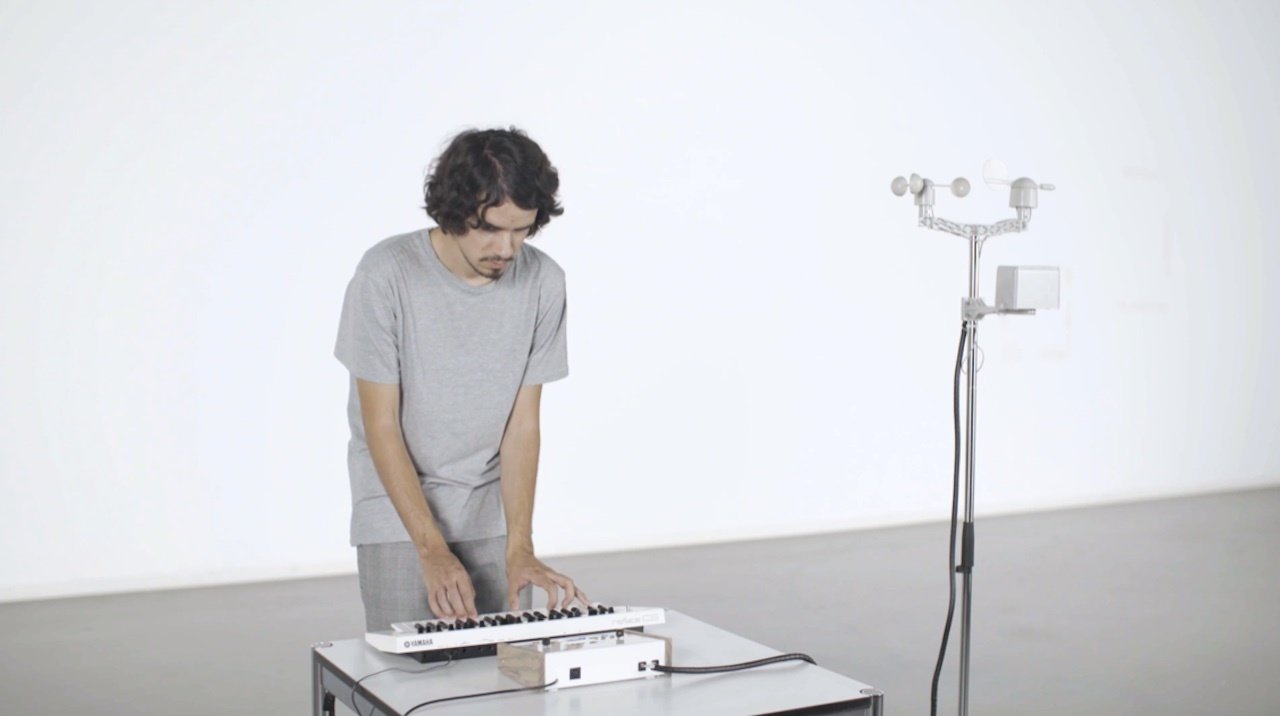
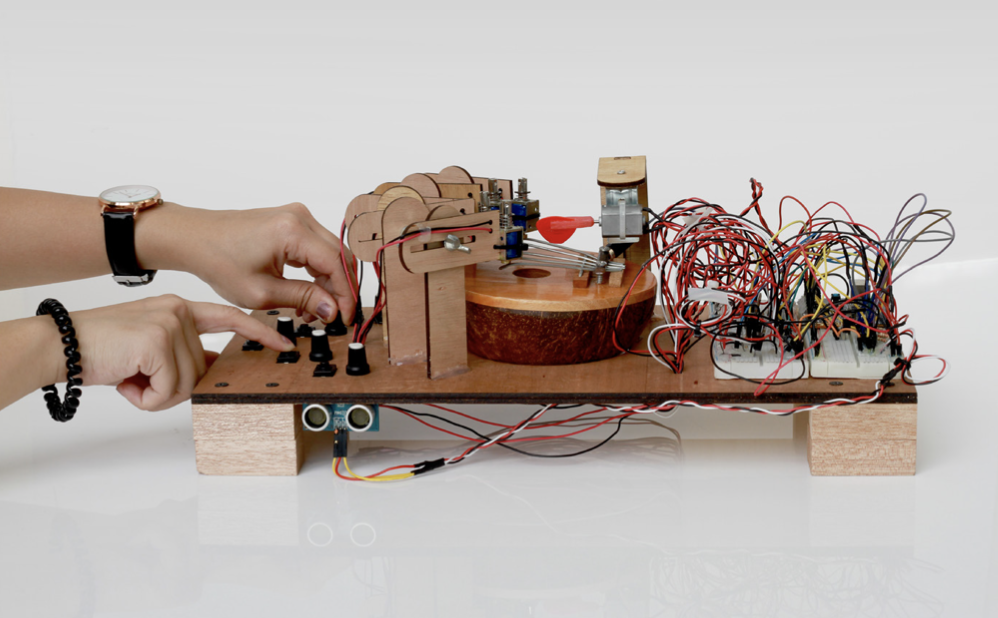
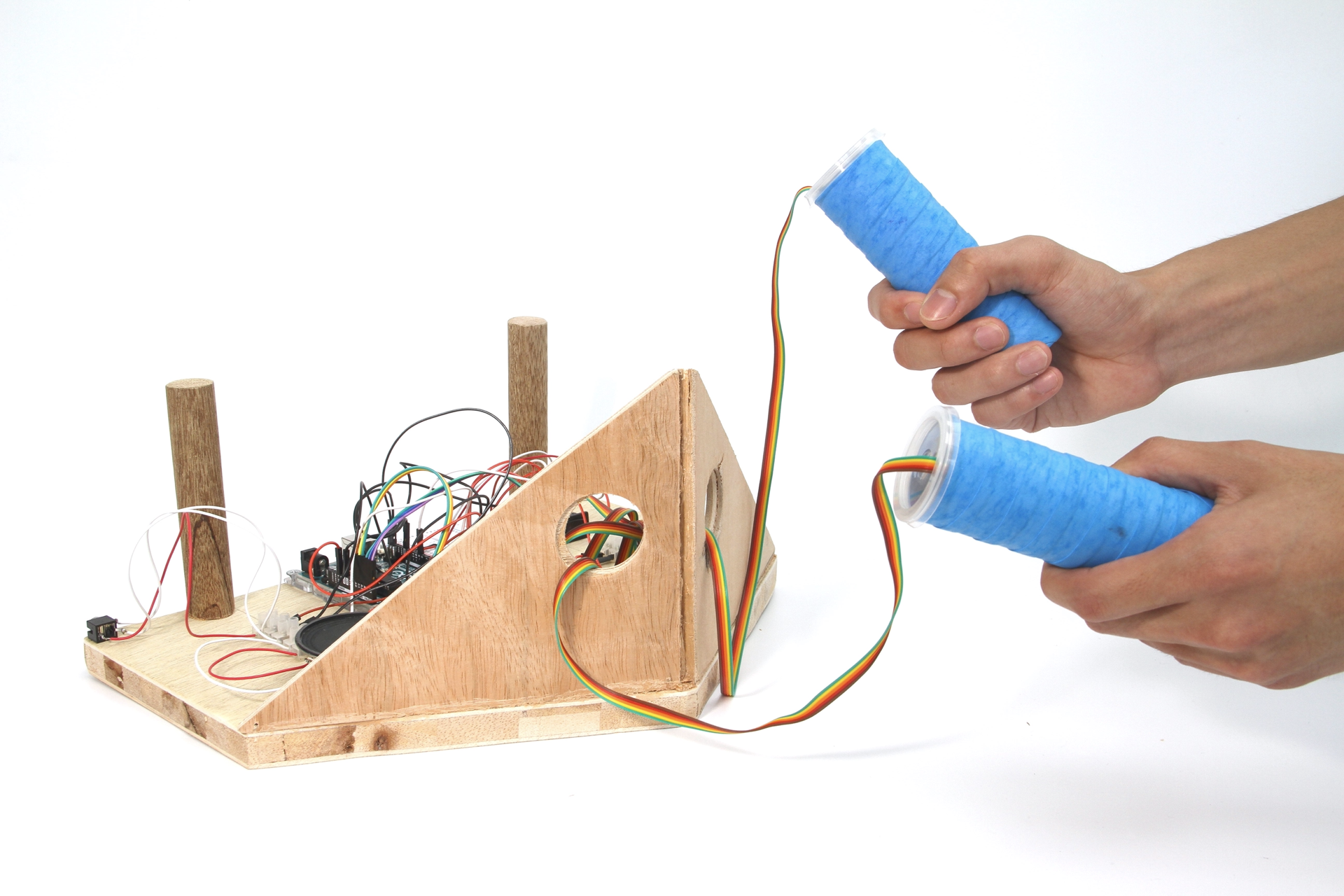
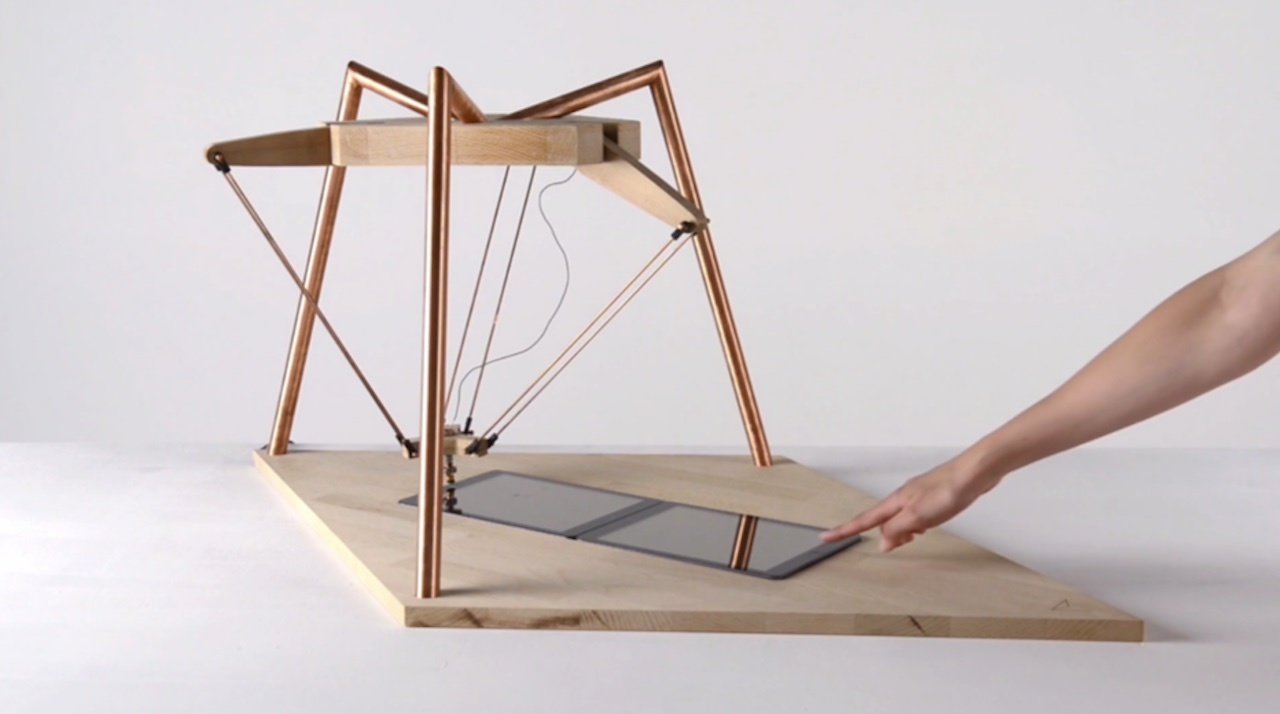
Product shots, clean background so that the focus is solely on the subject, add hands to show interactivity. Use a good camera, tripod if necessary, and appropriate lighting.
Semester 1
25–26
B-DC 332
Graduation Project
Computation in Design
Documenting
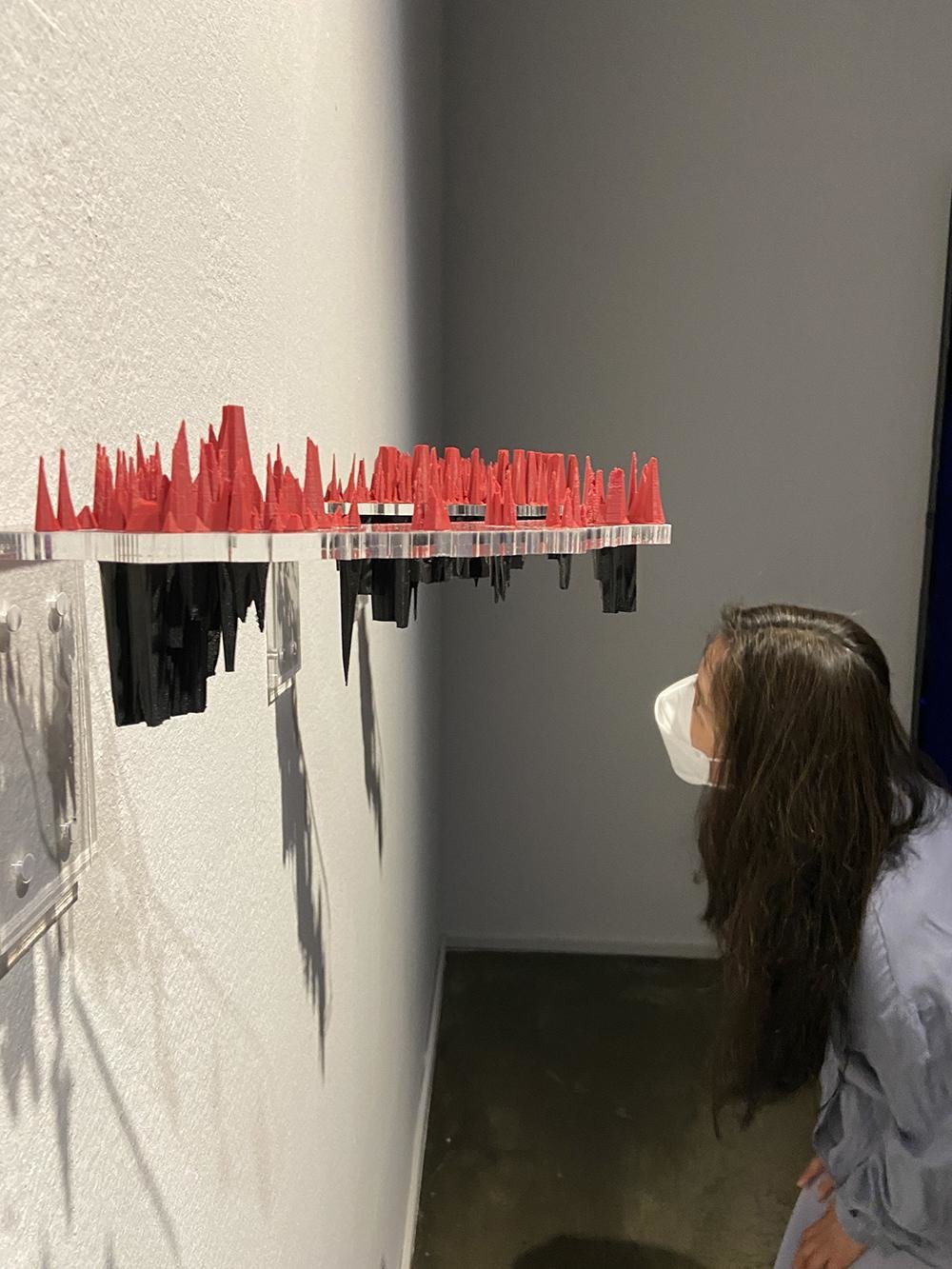
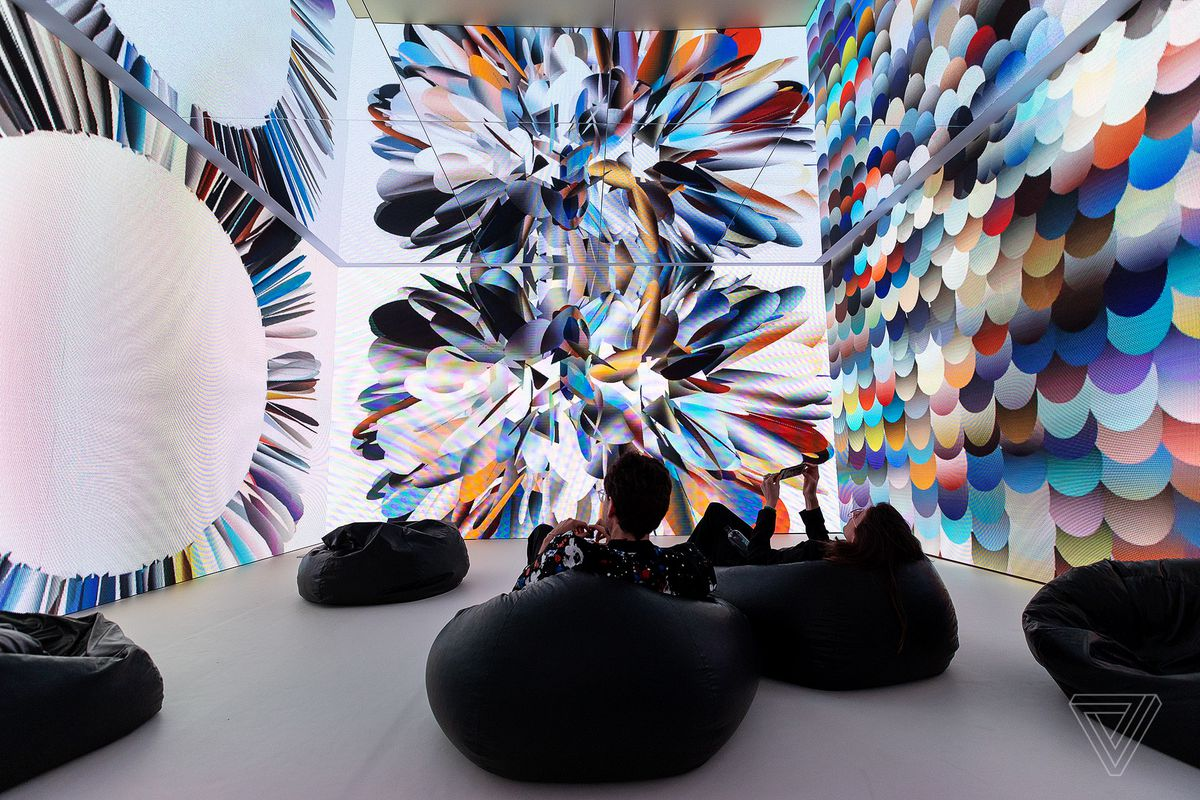
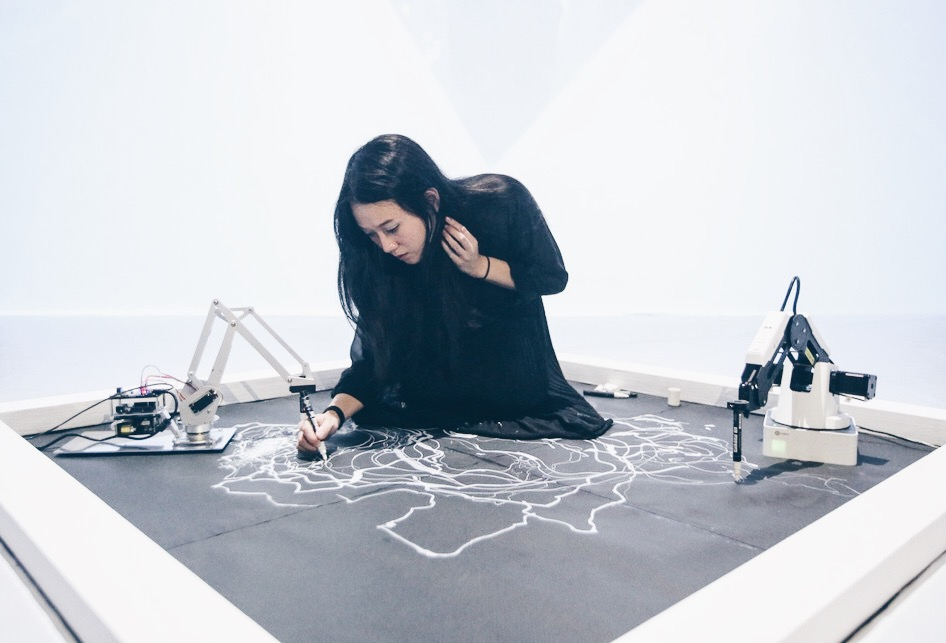
In action, in use: pictures of the work with people interacting or looking at the work. These photos can be staged and choreographed, or taken during a show and tell or exhibition with audience. Use a good camera, a tripod if necessary and adequate lighting.
Semester 1
25–26
B-DC 332
Graduation Project
Computation in Design
Semester 1
Documenting
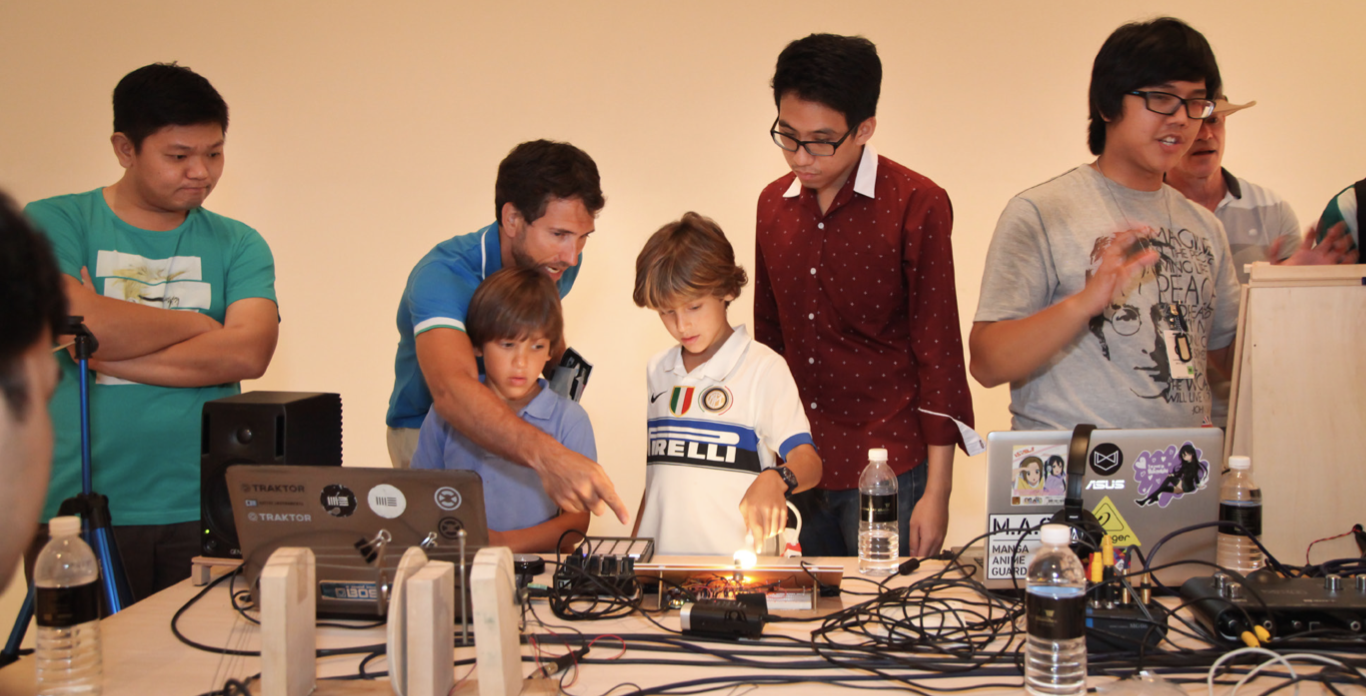
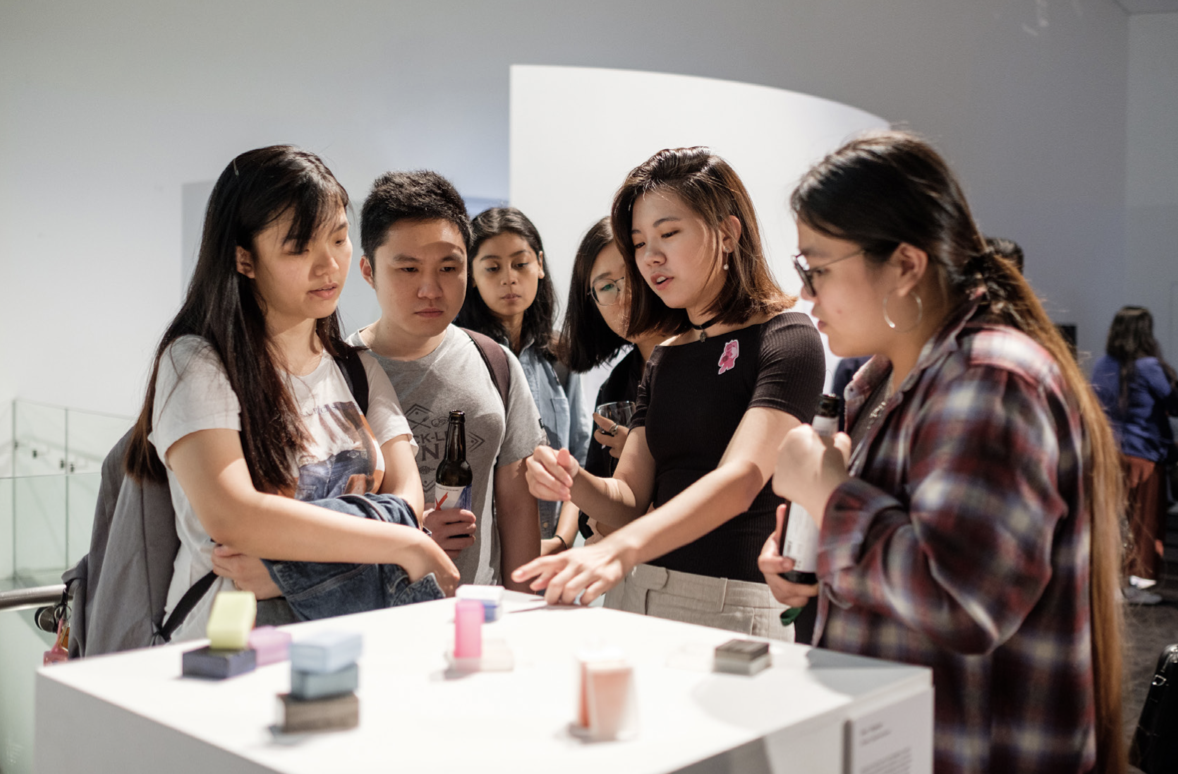

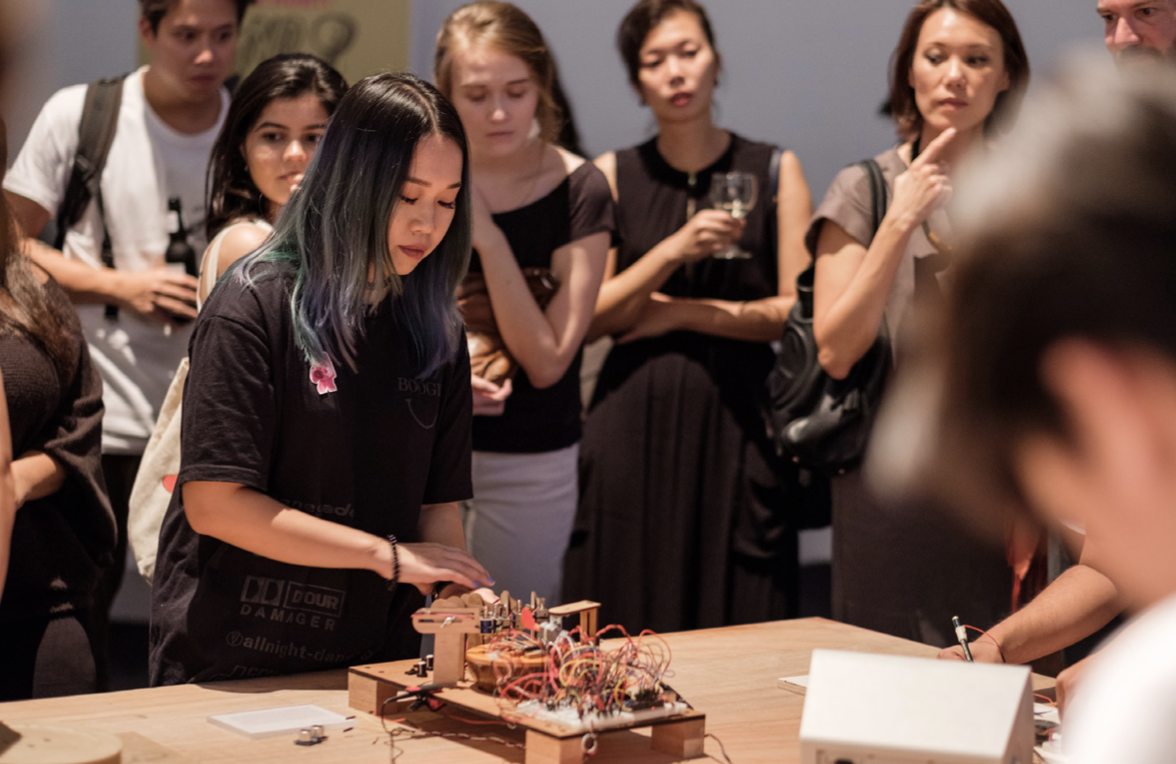
Avoid
In action, in use: pictures of the work with people interacting or looking at the work. These photos can be staged and choreographed, or taken during a show and tell or exhibition with audience. Use a good camera, a tripod if necessary and adequate lighting.
25–26
B-DC 332
Graduation Project
Computation in Design
Semester 1
Documenting: Take inspiration from the many projects presented on the Creative Applications platform
25–26
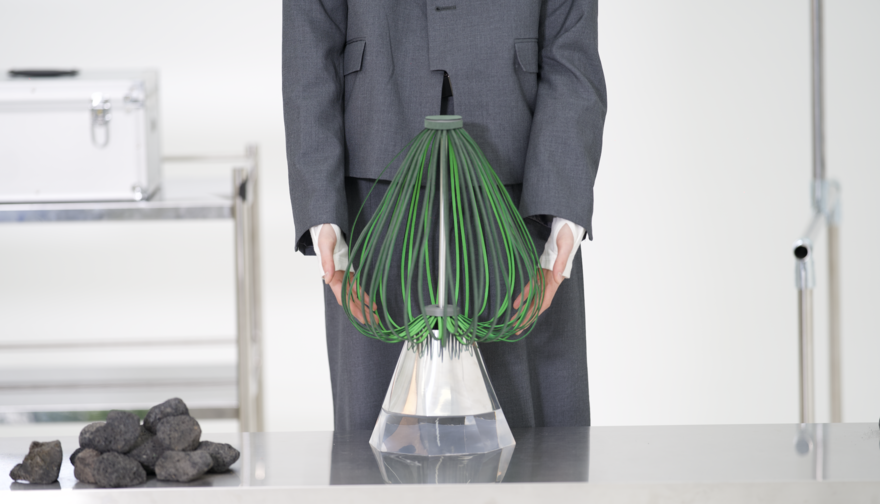
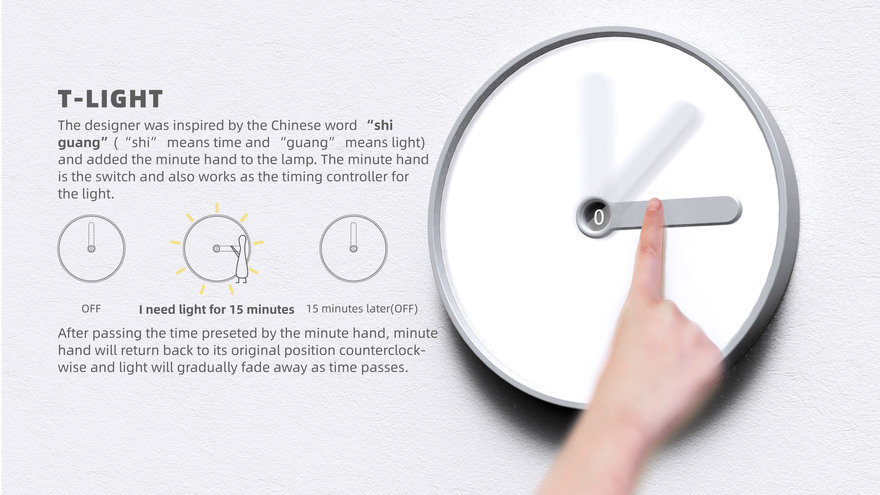
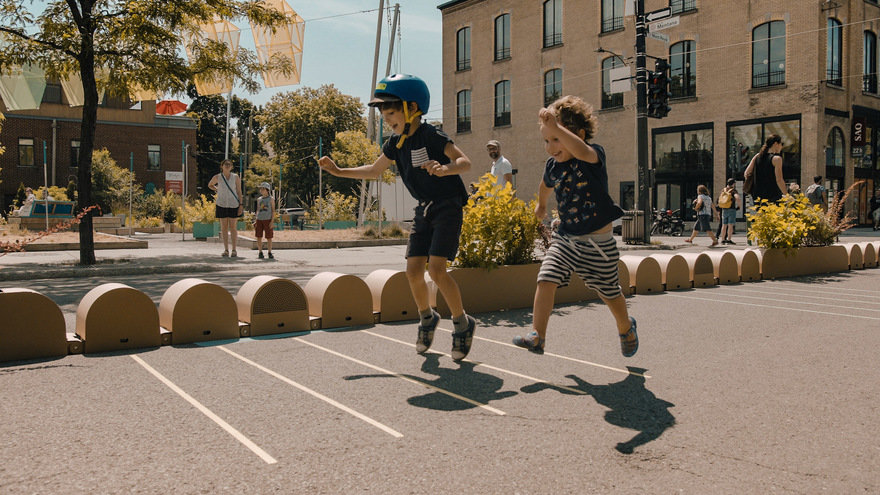
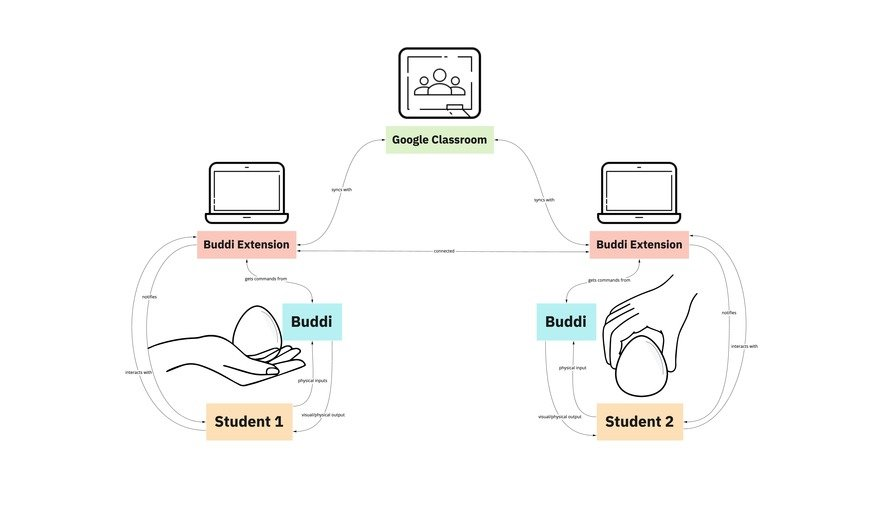
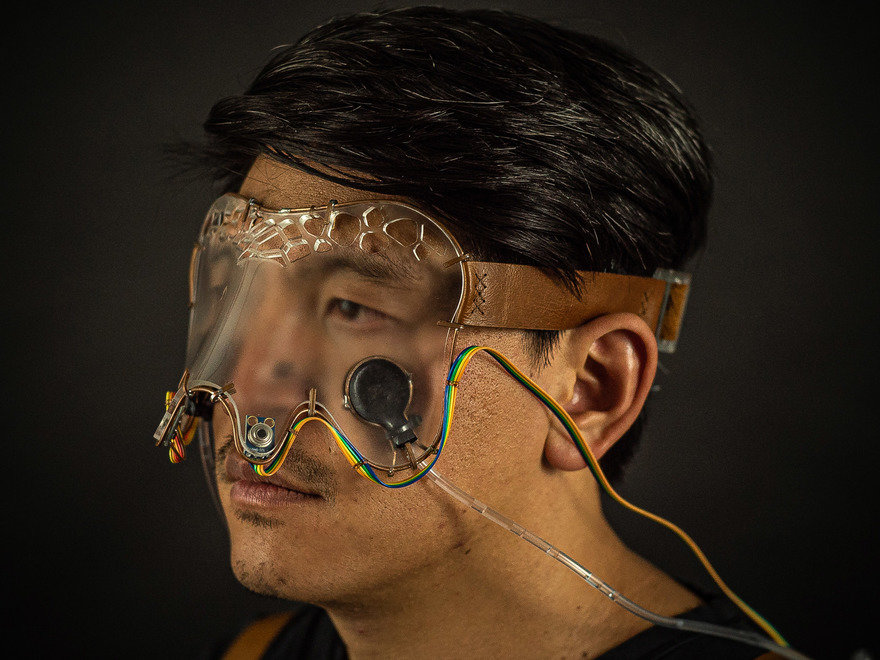
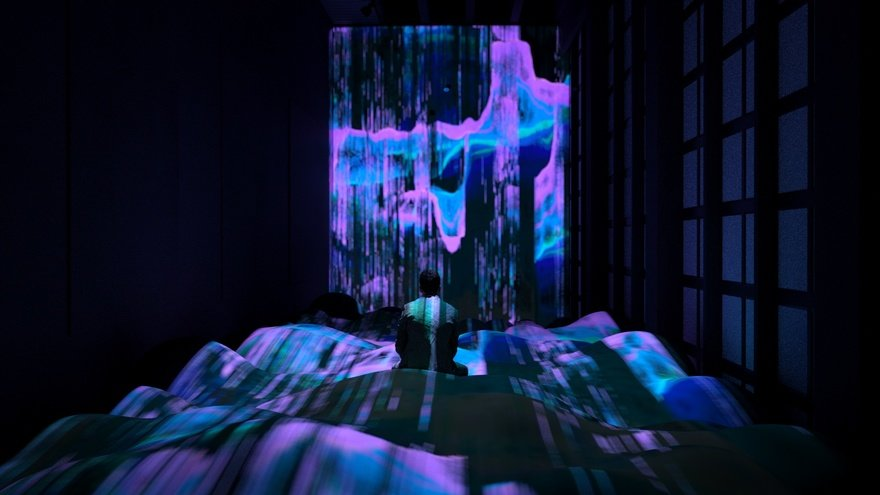
B-DC 332
Graduation Project
Computation in Design
Semester 1
Documenting, Case Studies
24–25
Scenario Builder
Scenario
Video documentation
Tech rundown
Demonstration
Prototype
Lifestyle
B-DC 332
Graduation Project
Computation in Design
Documenting, Case Studies
Semester 1
24–25
Explainer
B-DC 332
Graduation Project
Computation in Design
Documenting, Case Studies
How-to
Video documentation
Functionality
Prototype
Semester 1
24–25
Experiencer
B-DC 332
Graduation Project
Computation in Design
Documenting, Case Studies
How-to
Video documentation
Interaction
Experience
Tech demonstration
Prototype
Semester 1
24–25
Planner
B-DC 332
Graduation Project
Computation in Design
Documenting, Case Studies
Thought process
Diagrams
Synthesis
Mockup
Idea
Semester 1
24–25
Prototyper
B-DC 332
Graduation Project
Computation in Design
Documenting, Case Studies
Scenario
Workable
Video documentation
Making
Speculation
Prototype
Semester 1
24–25
Prototyper
B-DC 332
Graduation Project
Computation in Design
Semester 1
Documenting, Case Studies
Scenario
Environment
Video documentation
Tech setup
Tech rundown
Prototype
24–25
13
Tuesday
Thursday
Submission Briefing
Independent study
Consultations
Independent study
Consultations