Network of interconnected nodes and lines on a gradient background that transitions from a warm golden hue at the bottom to a clear blue at the top. The nodes vary in size and are connected by thin lines, creating a web-like structure. Some nodes appear as filled circles while others are outlined, and the density of the network varies across the image, with some areas more clustered and others more sparse.

Desplegando los datos abiertos enlazados para facilitar el acceso a las colecciones de la Universidad Yale

Tim Thompson

Responsable de la Unidad de Servicios de Metadatos

Biblioteca de la Universidad de Yale

timothy.thompson@yale.edu

www.linkedin.com/in/timathompson

@timathom@indieweb.social


Conectando conocimiento a través de los datos: retos y oportunidades

23 de octubre de 2025

Agradecimientos

Equipo de Servicios de Metadatos de Yale

  • Irma Fraticelli-Rodríguez
  • Daniel Mugaburu
  • Amy Rodriguez
 
  • Las colecciones en Yale

  • LUX: Descubrimiento de Colecciones en Yale

  • Cinco lecciones de LUX

Índice

Las Colecciones en Yale
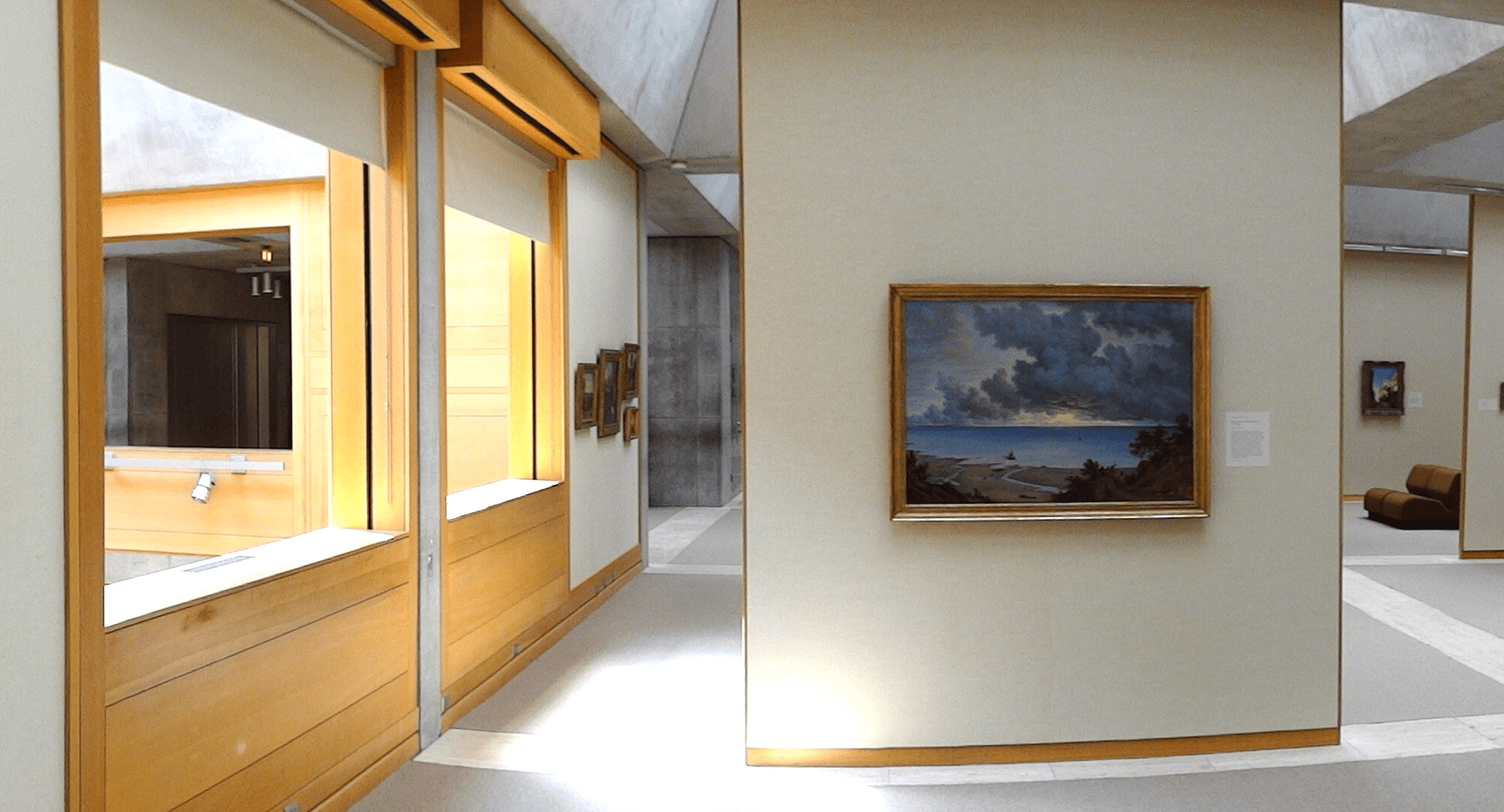
Interior of the Yale Center for British Art, featuring minimalist and modern decor. On the left, windows allow natural light to enter and showcase some framed artworks. In the center and to the right, a painting of a seascape hangs on the wall, with dark colors highlighting the dramatic scene of clouds and sky over a beach. The space is spacious and welcoming, with brown sofas inviting visitors to pause and contemplate the artworks. The architecture blends elements of light wood and concrete details, creating an atmosphere of tranquility and reflection.
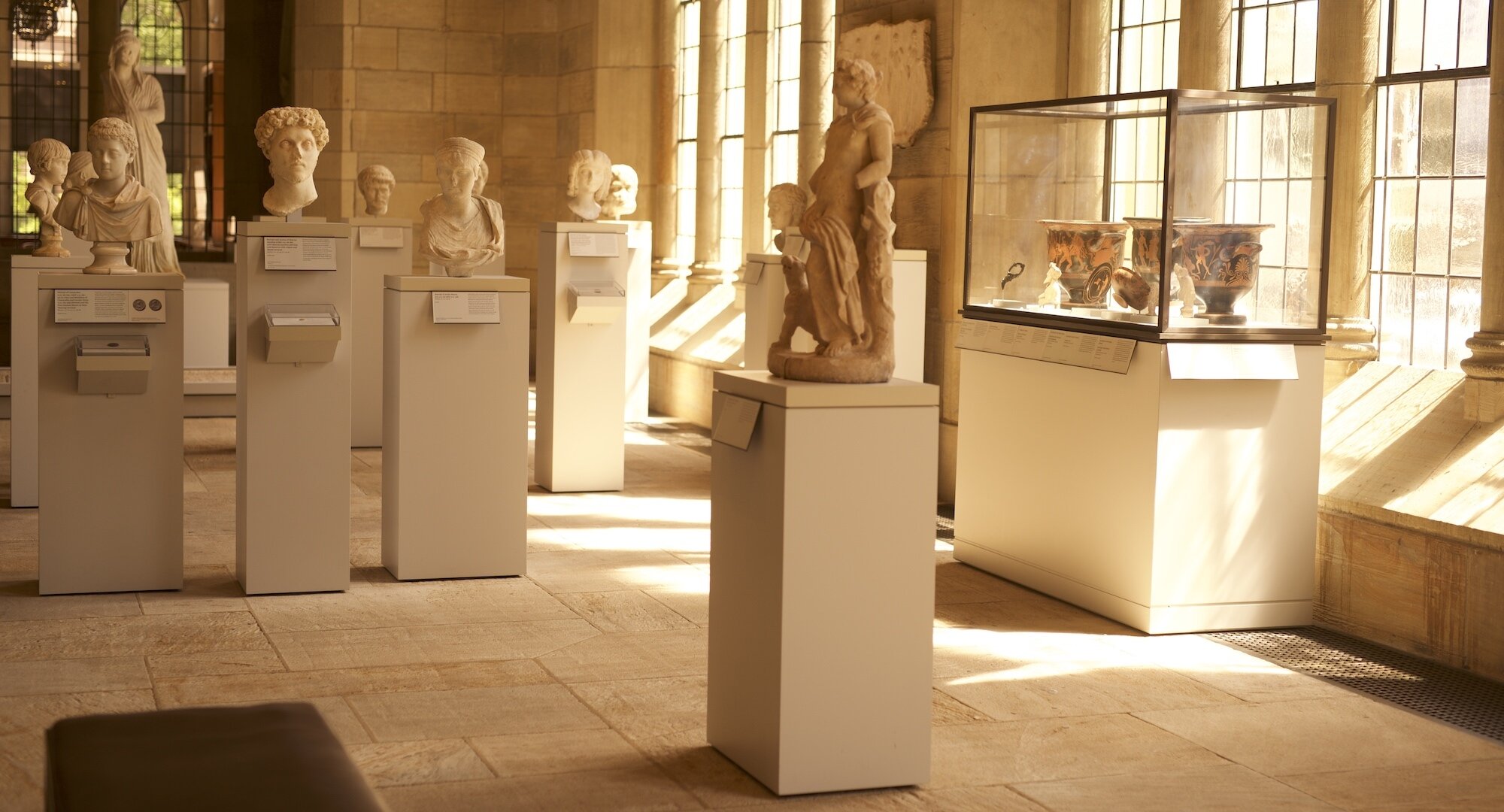
Room of the Yale University Art Gallery, bathed in natural light filtering through tall windows. Various classical statues and busts on pedestals are observed, creating a calm and contemplative atmosphere. Each piece is accompanied by its own descriptive label, allowing visitors to learn about its history and significance. To the right, a display case contains ancient vessels, highlighted by the light entering through the window and reflecting their intricate details. The exhibition combines elements of classical architecture with a modern and accessible layout, inviting reflection and study of the pieces.
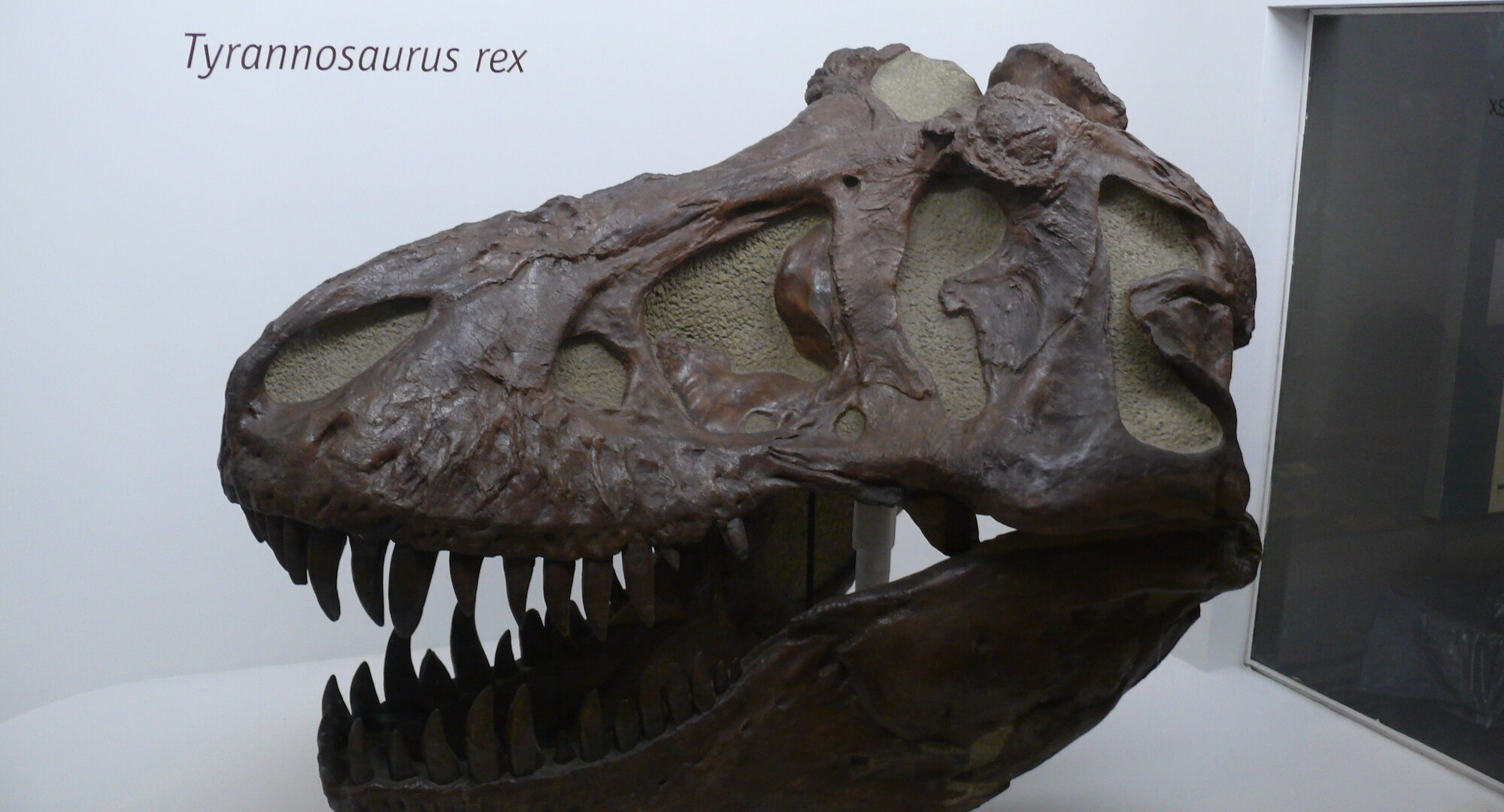
Fossil skull of a Tyrannosaurus rex on display at the Yale Peabody Museum of Natural History. The fossil is well-preserved, showcasing the formidable jaw and sharp teeth of the dinosaur, aspects that allude to its reputation as one of the most powerful predators of the Mesozoic era. The lighting and angle of the photo emphasize the texture and shape of the skull, providing a detailed view that invites contemplation and paleontological study.
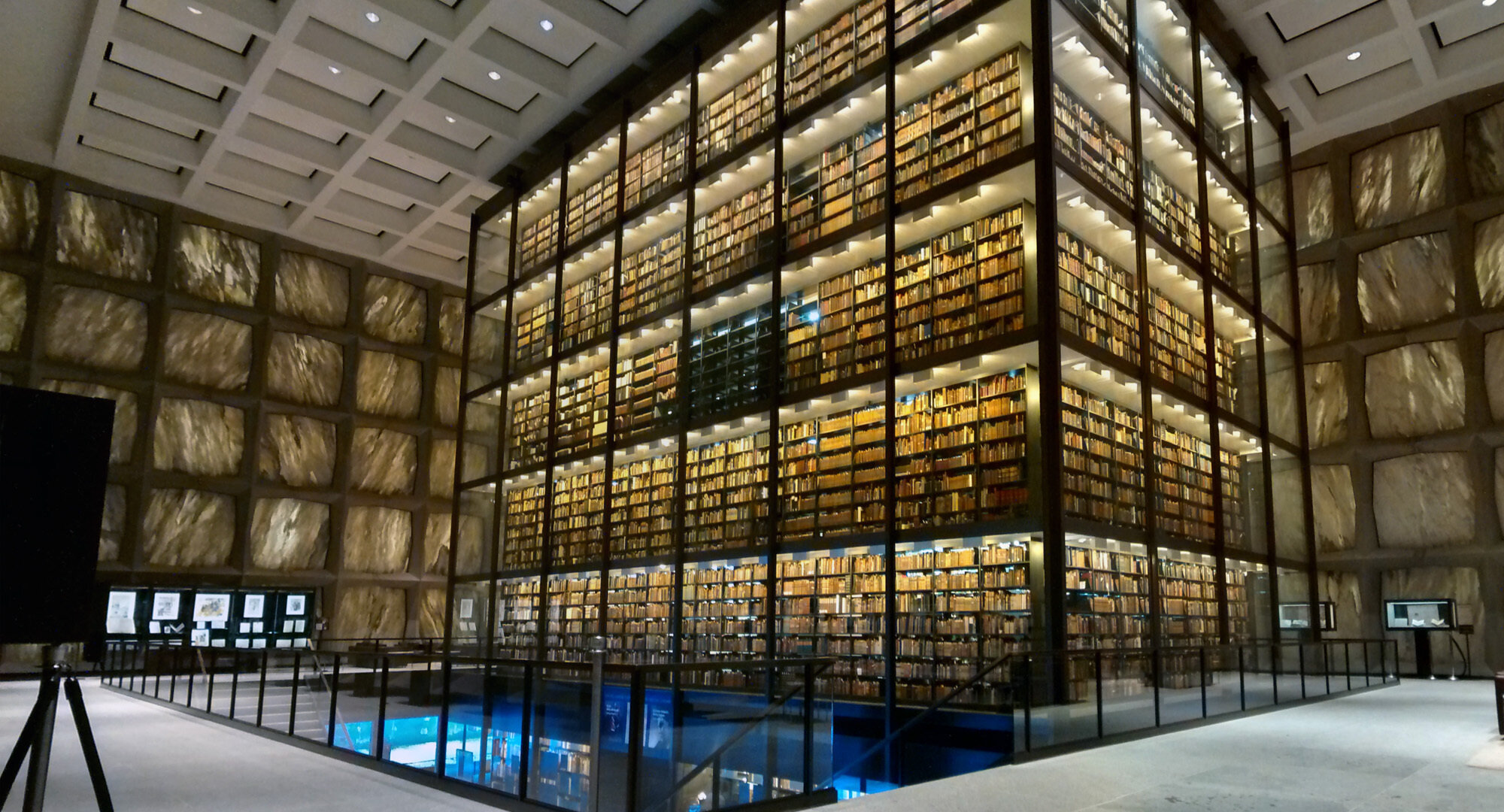
Interior of the Beinecke Rare Book & Manuscript Library at Yale University in New Haven, Connecticut. An extensive collection of rare books and manuscripts is stored on glass shelves that reach from floor to ceiling. The warm lighting highlights the spines of the books and creates a serene atmosphere. The architectural structure of the library, with walls of translucent marble, allows natural light to softly filter into the space, protecting the valuable materials from direct light exposure. Known for its unique design and impressive collections, the library is a point of interest for both researchers and visitors interested in the history of books and scholarship.

Yale Peabody Museum of Natural History, Gunnar Klack, CC BY-SA 4.0, vía Wikimedia Commons

Yale Center for British Art, Karl Thomas Moore, CC BY-SA 4.0, vía Wikimedia Commons

Beinecke Rare Book & Manuscript Library, Adam Jones, CC BY-SA 2.0, vía Wikimedia Commons

Yale University Art Gallery, Ad Meskens, CC BY-SA 3.0, vía Wikimedia Commons
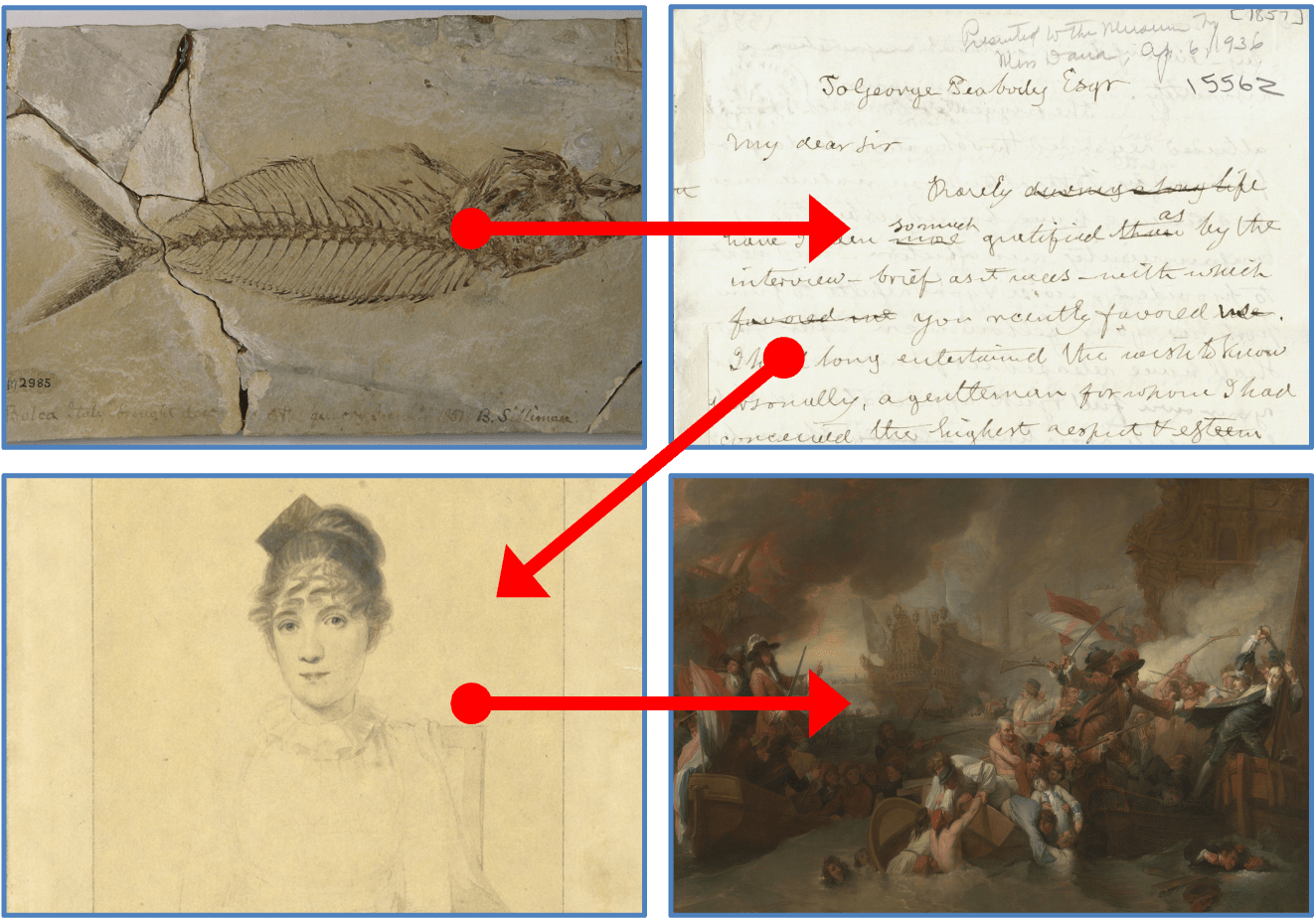
Four different elements that are part of a collage. In the top left corner, there is a fish fossil found by Benjamin Silliman. In the top right corner, a handwritten letter from Silliman addressed to George Peabody Esq. is displayed with elegant and detailed script. In the bottom left corner, a delicate drawing of the portrait of Harriet Trumbull, niece of the artist John Trumbull, is seen. Finally, in the bottom right corner, a vibrant painting of a battle made by John Trumbull and his teacher, Benjamin West, is presented. Red arrows connect each of these works, illustrating the connections between different pieces in the Yale collections.

Imagen generada por ChatGPT 4o

LUX: Descubrimiento de Colecciones en Yale
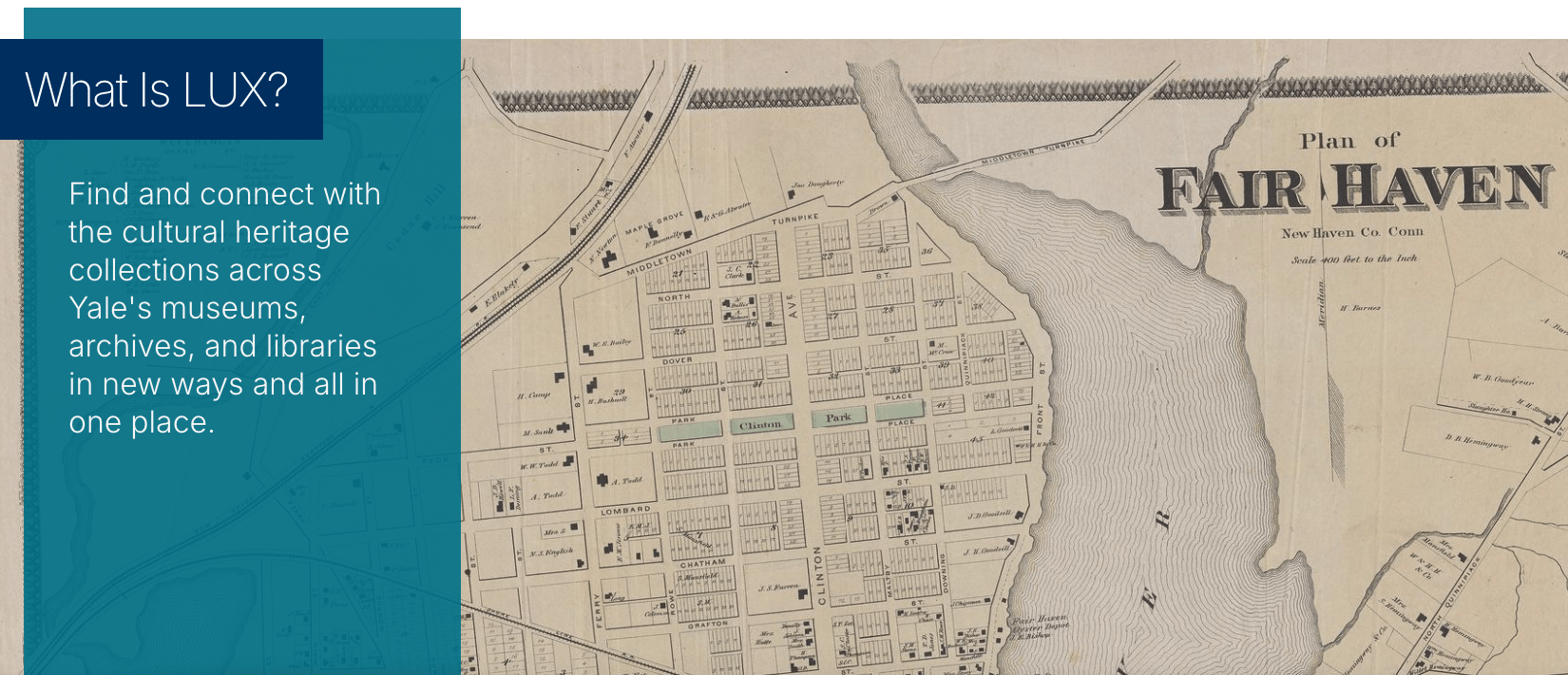
Screenshot from the LUX discovery platform homepage with the title What Is LUX?

¿Qué es LUX?

  • Acceso integrado a las colecciones de Yale.

  • Búsqueda y descubrimiento potenciados por datos enlazados abiertos.

  • Grafo de conocimiento de metadatos y recursos del patrimonio cultural.

  • Implementación de un modelo semántico compartido (Linked Art)

  • Centro de colaboración e innovación universitaria.

LUX en cifras

  • Cerca de 41 millones de entidades (JSON-LD)
  • Aproximadamente 2.500 millones de triples
  • Catálogo completo de biblioteca (más de 12 millones de registros MARC)
  • Datos reconciliados y enriquecidos con
    • Getty: AAT, ULAN, TGN
    • Biblioteca del Congreso: LCSH, LCNAF, Vocabularios
    • OCLC: FAST, VIAF
    • Wikidata
  • Registros mapeados a Linked Art por las unidades contribuyentes y luego enriquecidos a través de la tubería de LUX.

Objetivos de LUX

  • Exponer colecciones del patrimonio cultural de Yale al mundo
  • Proporcionar acceso unificado a museos, archivos y bibliotecas
  • Mejorar la experiencia del usuario con colecciones físicas y digitales
  • Revelar conexiones entre elementos, incentivando una exploración profunda

¿Por qué datos enlazados?

Dos razones fundamentales:

  1. Gestión de la información. Organizar y compartir información bibliográfica precisa y eficientemente
  2. Descubrimiento de recursos. Facilitar búsquedas en línea, destacando relaciones semánticas

Descubrimiento de recursos

  • LUX priorizó mostrar el valor de los datos enlazados en la experiencia del usuario.
  • En lugar de cambiar nuestros flujos de trabajo, nos enfocamos en demostrar el valor de un enfoque de datos enlazados para nuestros usuarios y nuestros metadatos.
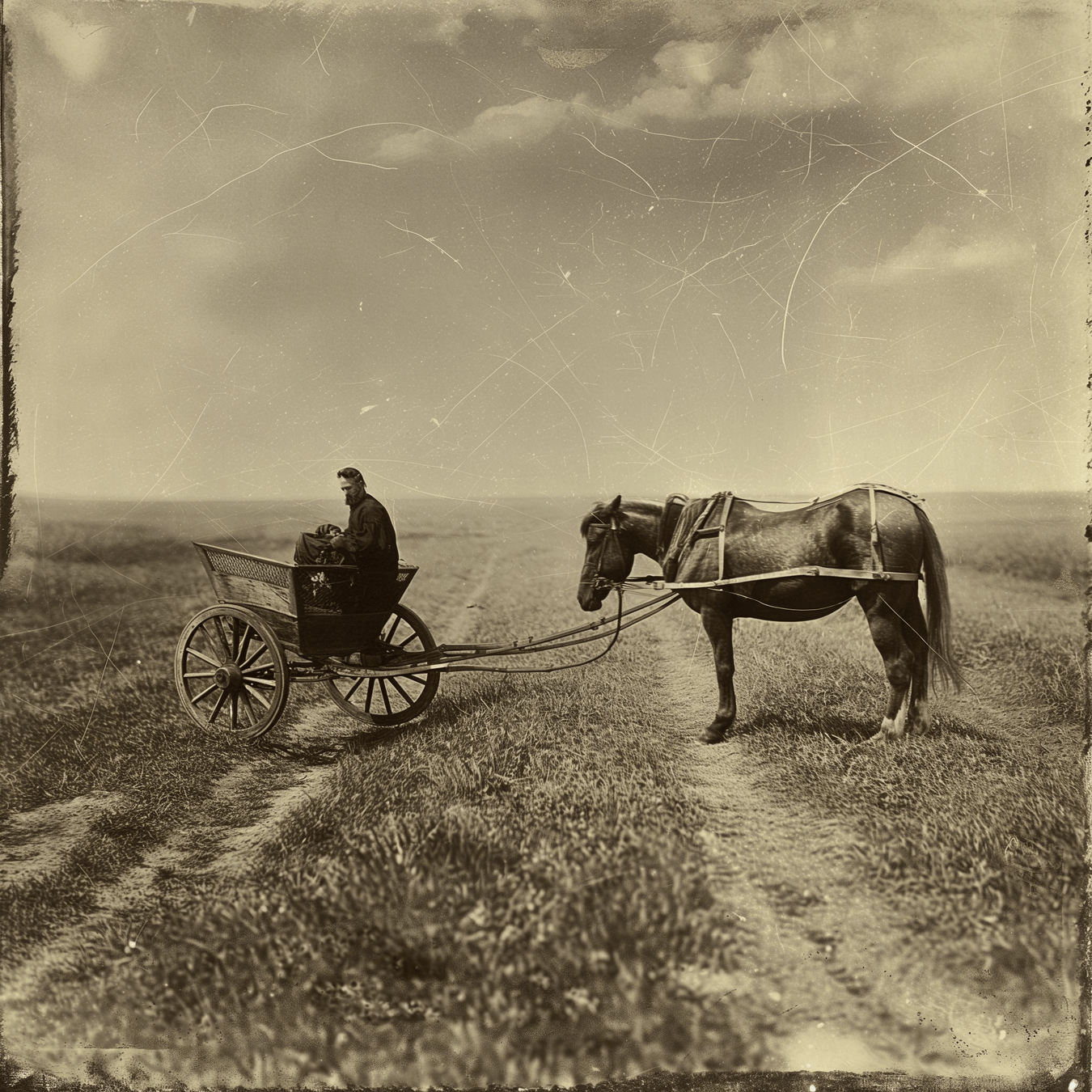
Vintage sepia-toned photograph with the ironic staging of the saying Don't put the cart before the horse. A horse stands harnessed behind a small two-wheeled cart, rather than in front of it. The person in the cart, dressed in dark clothing and a cap, appears to be ready to drive, oblivious to the reversed setup. The background features a wide-open field, enhancing the absurdity of the scene with the horse standing still on the grassy path, under a vast sky marked by clouds.

Descubrimiento de recursos

Gestión de la información

Imagen generada por Midjourney v6.0

Tesis

  • La transición desde formatos heredados como MARC 21 ha sido difícil porque intentamos comenzar por las partes más complicadas.
  • La gestión del cambio requiere imaginación e inspiración.
  • Un sistema de descubrimiento bien pensado puede actuar como una referencia concreta y servir de brújula para desarrollos futuros.

Desde estos...
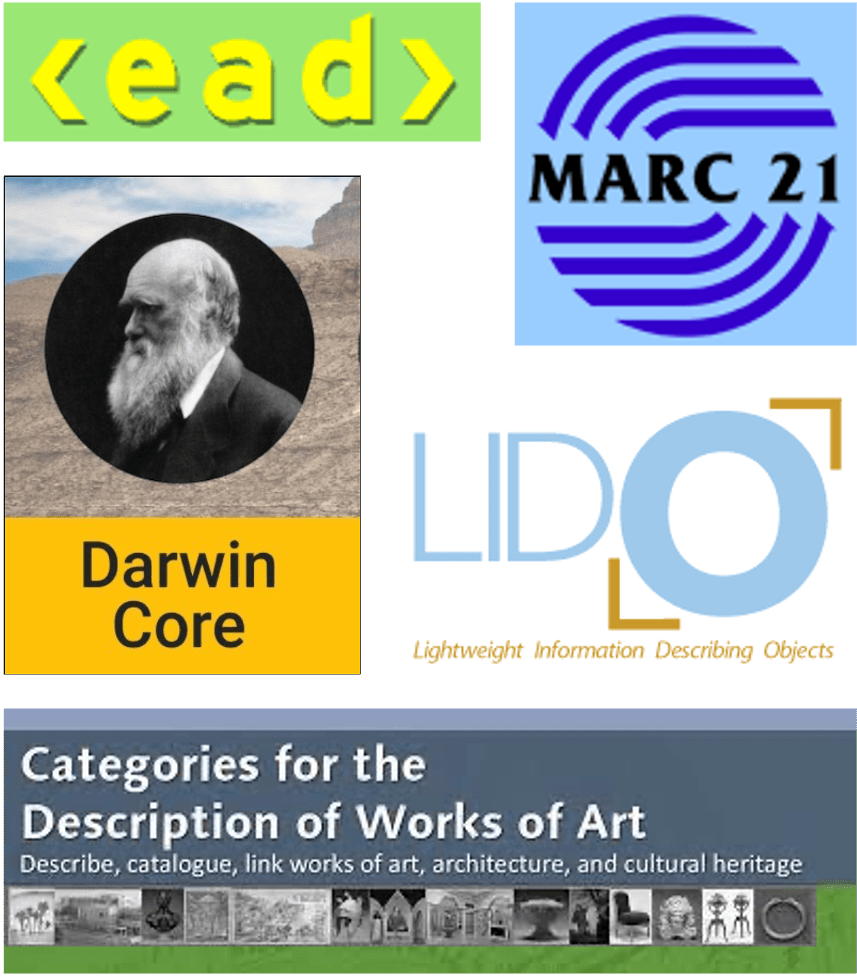
Displays logos and graphics of different metadata standards used in the cataloging and description of collections and cultural heritage. At the top, the logo of EAD (Encoded Archival Description) is seen, followed by the logo of MARC 21 (Machine-Readable Cataloging). In the center, an image of Charles Darwin represents the Darwin Core, a standard for biodiversity information. To the right is the logo of LIDO (Lightweight Information Describing Objects), focused on the description of museum objects. At the bottom, there is a banner that says Categories for the Description of Works of Art indicating a standard for describing, cataloging, and linking works of art, architecture, and cultural heritage, accompanied by thumbnail images of different types of art and architecture. The image visually communicates the variety of standards employed to organize and present data across different domains of knowledge.

Transformaciones de metadatos

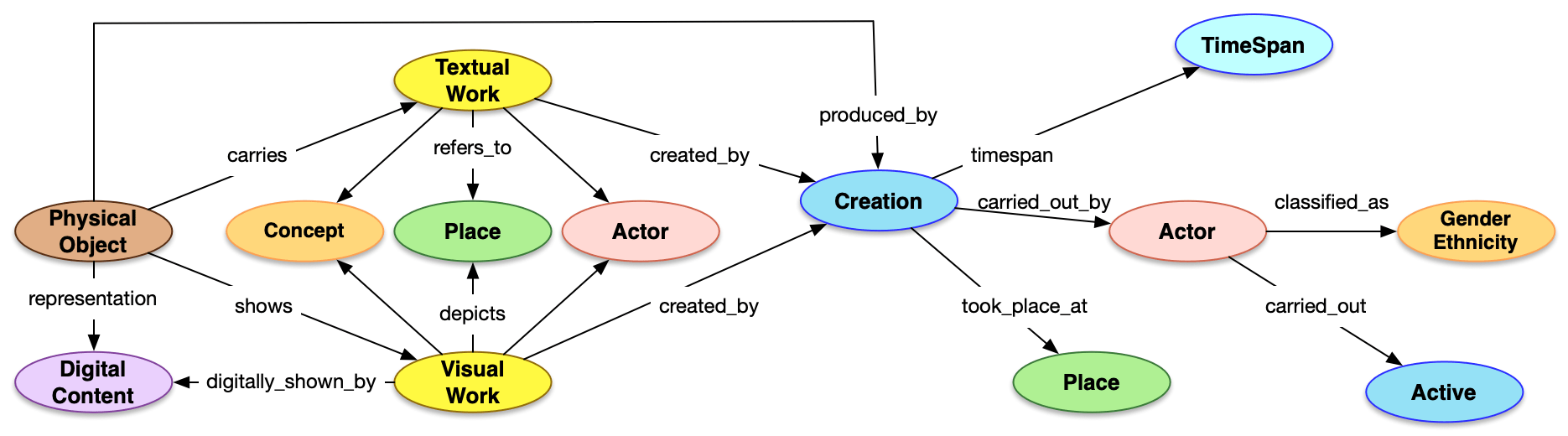
Conceptual diagram illustrating the relationships between various concepts in the context of metadata for artworks and culture. In the center, the concept of Creation acts as the main node and is connected to Textual Work, Visual Work, Actor, TimeSpan, and Place. Creation is linked to Actor through created by and to TimeSpan through timespan. Actor is broken down into subcategories like Gender/Ethnicity. Visual Work is connected to Digital Content and Physical Object, indicating the different forms a visual work can take. Textual Work is linked to Concept and Place. The diagram uses colors to differentiate types of concepts and arrows to denote semantic relationships, providing a logical structure to understand how data are related in a linked knowledge environment.

Transformaciones de metadatos

¡A esto!

Cinco Lecciones de LUX

1. El modelo es el mensaje.

  • Encuentra los papeles de Langston Hughes

2. Todo está conectado.

  • Encuentra una obra o un objeto creado por alguien de tu ciudad natal (o la ciudad más cercana a donde creciste).

3. El éxito depende de la calidad de los datos.

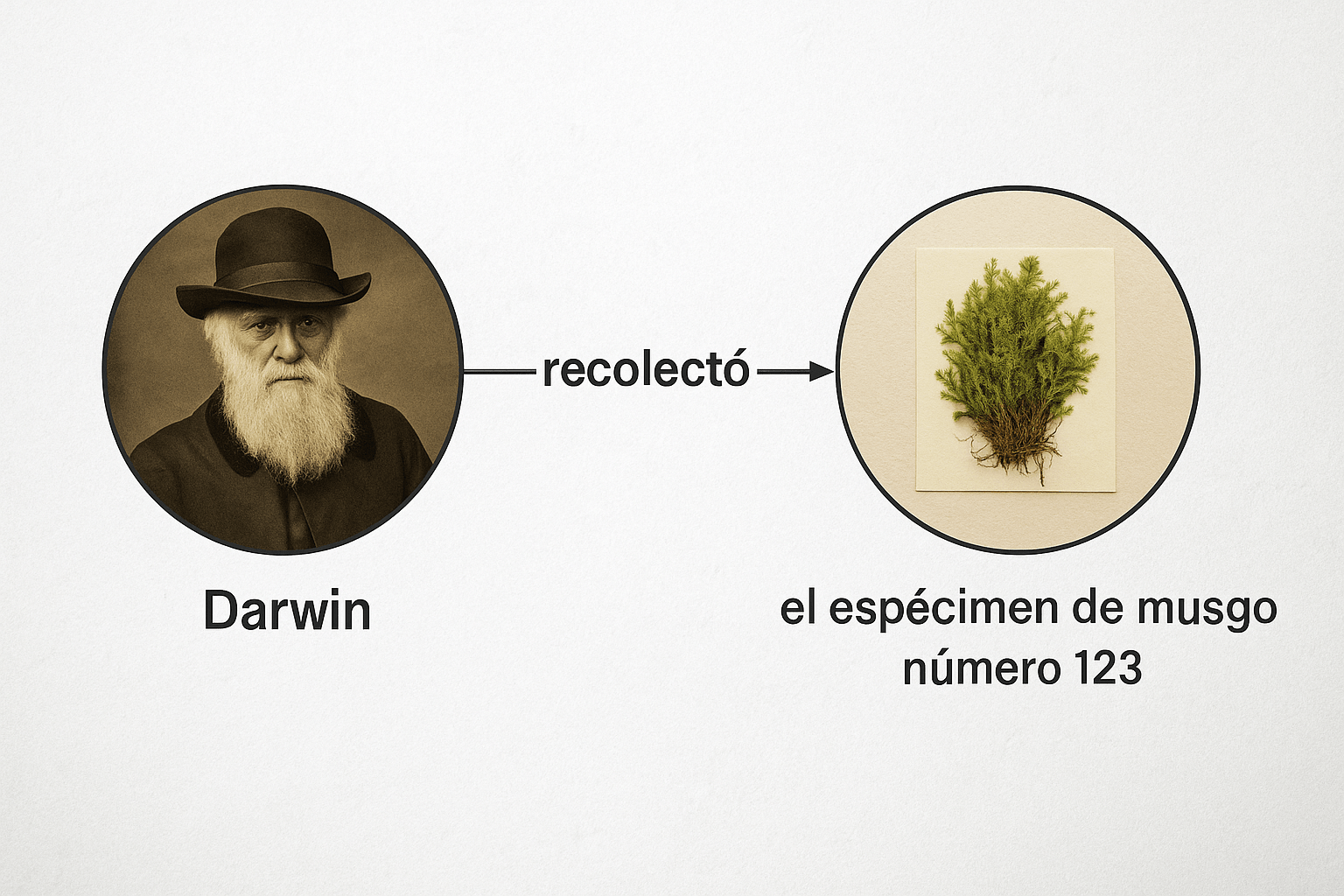
  • Encuentra un espécimen recolectado por Charles Darwin e identifica dónde lo encontró.

4. Abrir para transformar

  • Encuentra conjuntos de datos acerca del agua.
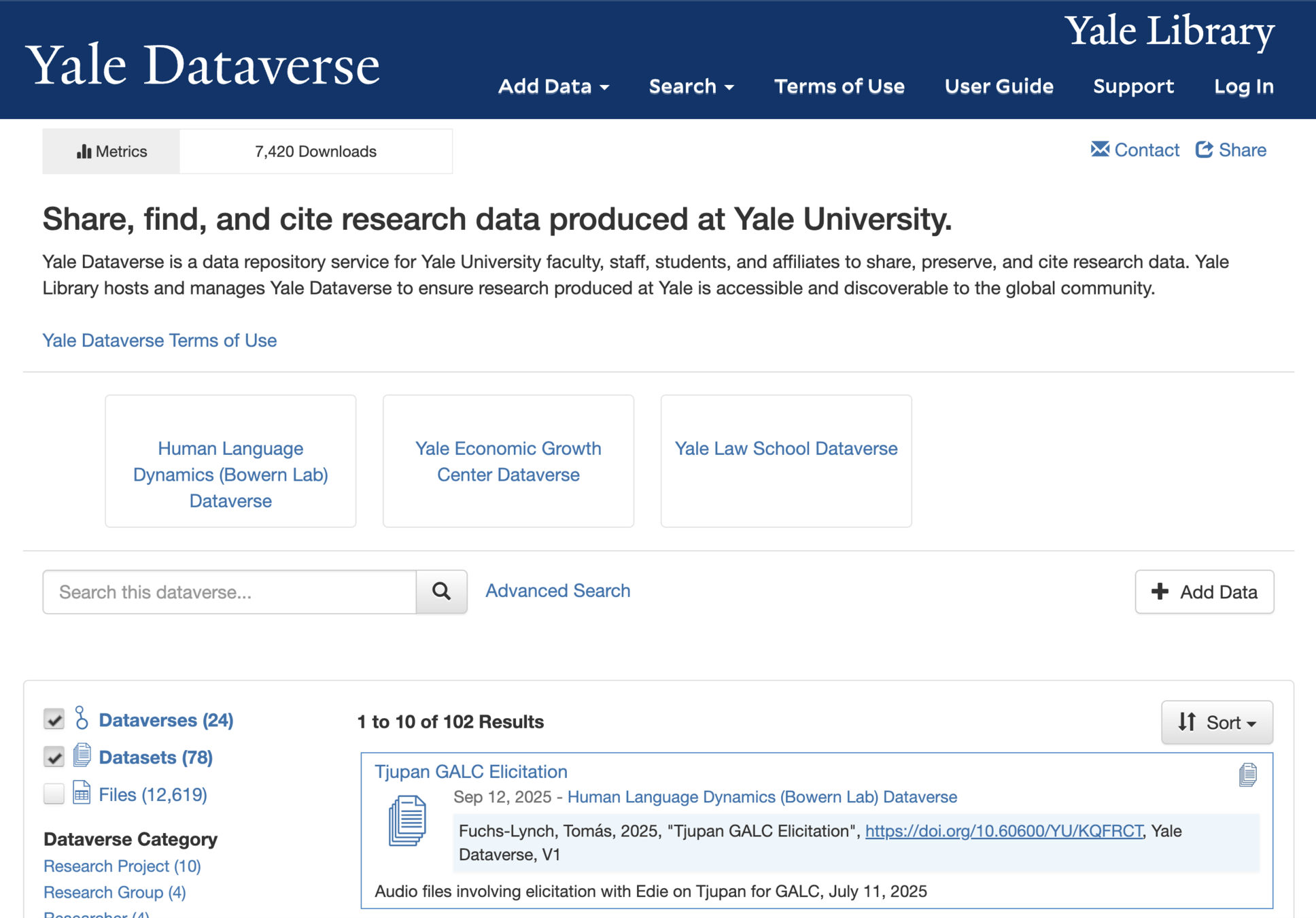
Yale Dataverse (https://dataverse.yale.edu)

  • Repositorio de datos para investigación de Yale
  • Investigadores comparten, preservan y citan sus datos
  • Infraestructura complementaria a LUX


Principios FAIR

Findable (Localizable)

Accessible (Accesible)

Interoperable

Reusable (Reutilizable)

5. Piensa globalmente, actúa localmente.

  • Encuentra libros de autores peruanos que hayan sido tanto poetas como políticos.
  • Encuentra personas de Yale que hayan estado profesionalmente activas en el campo de la música.

LUX nos invita a reflexionar sobre temas más amplios de accesibilidad en la descripción de recursos y revela la importancia de:

  • Adoptar modelos conceptuales claros y accesibles
  • Priorizar la experiencia del usuario final
  • Utilizar casos concretos para inspirar y guiar el desarrollo futuro

Conclusión

¡Gracias!

¿Preguntas?

Tim Thompson

Responsable de la Unidad de Servicios de Metadatos

timothy.thompson@yale.edu

www.linkedin.com/in/timathompson

@timathom@indieweb.social

Badge representing the Creative Commons Attribution 4.0 International License (CC-BY).