APRIL 2026
Inverters vs.
Generators
INVERTERS VS. GENERATORS | April 2026
Centralized Solutions
- Principals of operation
Inverters vs. Generators
OVERVIEW
INTRO

Inverters VS Generators
- Maintenance
- Risk
- Compliance
COMPARISON
Presentations
- Coming Soon
RESOURCES
INVERTERS VS. GENERATORS | April 2026
EMERGENCY LIGHTS
BATTERY PACKS
GENERATORS
INVERTERS


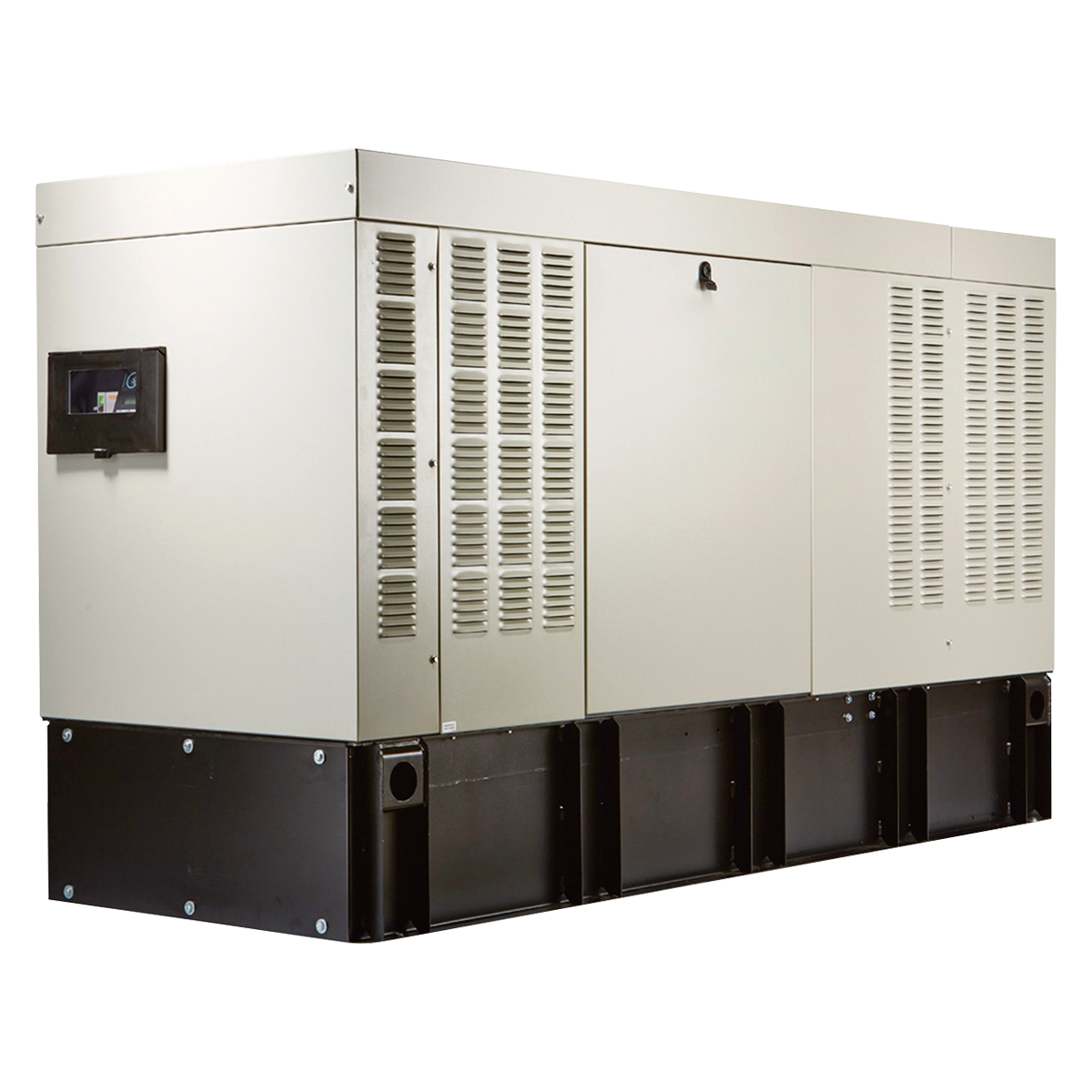
WAYS TO ACHIEVE CODE COMPLIANCE
Emergency Lighting Options
INVERTERS VS. GENERATORS | April 2026
PRINCIPLES OF OPERATION
- Connected after panel and before emergency circuits
- Passes through utility power in normal operation
- Detects an emergency and transfers to battery power
- Downstream lights always see power (minus a mS blip and after aprox. 90min)
- Low level of variation across industry
Inverters
INVERTERS VS. GENERATORS | April 2026
- Connected separate from the panel and before emergency circuits
- Requires a transfer switch
- ATS detects an emergency and transfers to generator power
- Downstream lights always see power (minus a 5-30 second blip and after aprox. a few hours)
Two configurations:
- Indoors
- Outdoors
Two main types:
- Deisel
- Natural Gas
PRINCIPLES OF OPERATION
Generators
- An inverter
- A battery bank
- A transfer switch
- A panel
- A testing / documentation machine
An inverter is:
INVERTERS VS. GENERATORS | April 2026
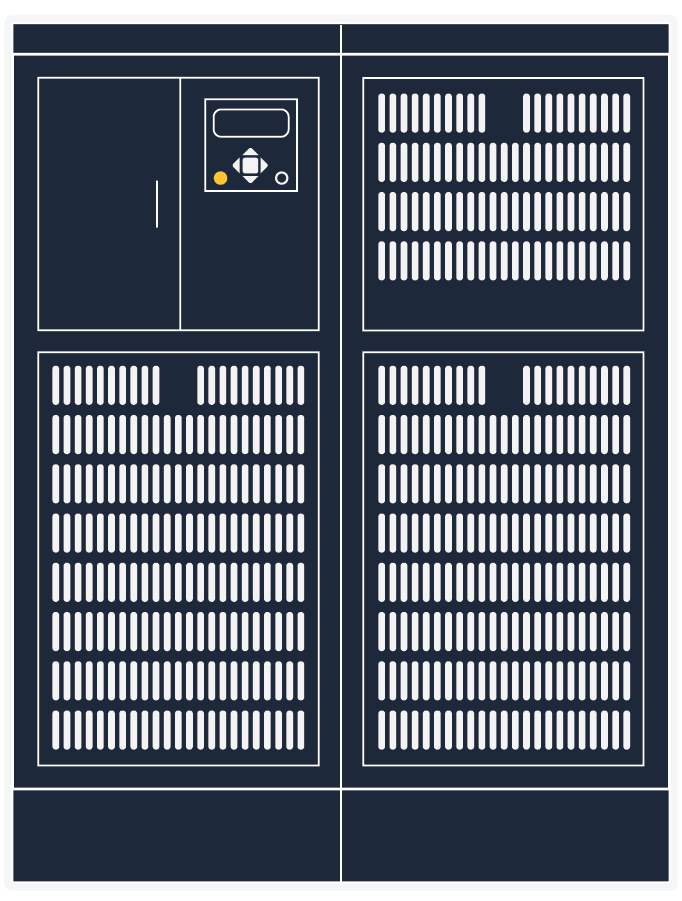
Inverter Operation
PRINCIPLES OF OPERATION
INVERTERS VS. GENERATORS | April 2026
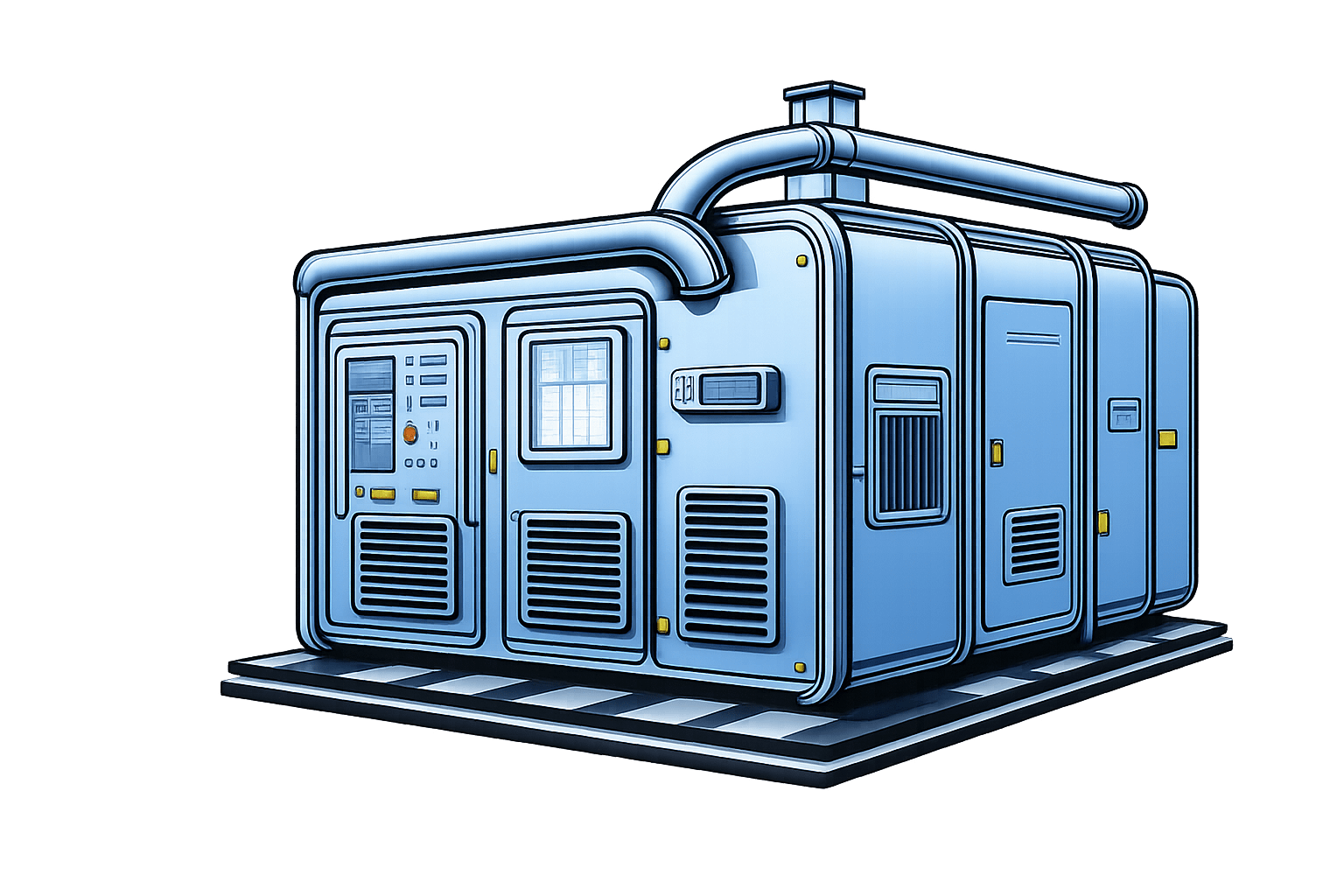
Generator Operation
PRINCIPLES OF OPERATION
We also need:
- Switchgear (ATS)
- An Emergency Distribution Panel
- Controls / annunciator
- Disconnect & other supporting material
- Generator Port
If outdoors:
- Pad
- Fence
If indoors:
- Exhaust routing
- Soundproofing
- More
Generators
INVERTERS VS GENERATORS
- Reliable for extended runtimes
- High KVA capacity
- No recharge time
Pros
- Additional transfer hardware required
- Requires fuel
- Physically large
- Loud
- Long transfer times
Cons
INVERTERS VS. GENERATORS | April 2026
Inverters
INVERTERS VS GENERATORS
INVERTERS VS. GENERATORS | April 2026
- Designed for lighting emergency application
- Nearly zero transfer time
- Low maintenance
- Eliminates testing costs
- Inexpensive
- Customizable
- Easy to Configure
Pros
- Limited to around 90 minutes
- Mostly limited to life safety loads
Cons
INVERTERS VS. GENERATORS | April 2026
Monthly Testing
Run Generator ≥30% of nameplate kW load for at least 30 minutes
Expected to actively monitor:
- Voltage & Frequency
- Oil pressure / coolant temp
- kW load (or % load)
- Any alarms or abnormal conditions
Weekly Testing
- Can be automated if the generator is capable
- Ensure the system starts and runs without fault
- Consumes Fuel
Annual Testing - Preventative Maintenance
Full Duration Run Test
- Temporary resistive load bank if under 50%
- Manually observe unit
- Full documentation
Performed once per year:
- Oil & filter change
- Fuel filters
- Air filter
- Coolant testing
- Battery load test
- Complete operational run
- ATS functional test
NFPA 110
Generator Maintenance

INVERTERS VS. GENERATORS | April 2026
Inspectors aren't checking logs for maintenance schedule, they're looking for blatant failures
- Physical connections of batteries
- Cleanliness of room
- (Potentially) fire suppression chemistry
- (In the past) Battery acid maintenance
NFPA 111 - Stored Electrical Energy Emergency Systems and Standby Power Systems
General Inverter Maintenance Schedule:
NFPA 111
Inverter Maintenance
INVERTERS VS. GENERATORS | April 2026
Risk Profile
Generator Risks
- Fuel degradation over time
- Failure to start during rare events
- Weather‑related failure
- Human error during maintenance
- Increased scrutiny from inspectors
Inverter Risks
- Battery aging (predictable, diagnosable)
- Power electronics failure (low probability, modular replacement)
Risk Assessment
- Inverter risks are predictable and monitorable. Generator risks are latent and event‑driven.
INVERTERS VS GENERATORS
Operational Failures
INVERTERS VS. GENERATORS | April 2026
Transfer Time
Generator Transfer Sequence:
- Utility power fails
- ATS senses loss (~1–3 seconds)
- Generator cranks and starts (~2–5 seconds)
- Generator stabilizes voltage/frequency (~2–5 seconds)
- ATS transfers load
- 100% of Inverters kick on within 10 sec
- A small percentage of generators are capable
INVERTERS VS GENERATORS
Code Compliance
INVERTERS VS. GENERATORS | April 2026
INVERTERS VS GENERATORS
Summary
Inverters are devices specifically built and optimized for efficiently accomplishing life safety.
Generators are generalized solutions which are not ideal for life-safety due to onerous maintenance and
significantly increased compliance risks.
- Full 1 hour presentation
- AIA approval for CEU
Coming Soon
- Training Video Link
- Sales Presentation PDF
- Sell Sheet & Marketing Assets
Available Within Follow-Up Email
Sales
Materials
SUPPORT
INVERTERS VS. GENERATORS | April 2026
Schedule a webinar for advanced sales and engineering training
Team of Experts
NEED FURTHER ASSISTANCE?

Director of Product Development
Evan Ackmann
eackmann@isolite.com

Sales Support Engineer
Tom Deutsch
tdeutsch@isolite.com


Vice President
Greg Keil
gkeil@isolite.com
Vice President
Matt Bird
mbird@isolite.com
INVERTERS VS. GENERATORS | April 2026
Thank You
For additional training, please contact
your local sales representative