Explainable Deep Learning
Ahmad Haj Mosa
Fabian Schneider
ahmad.haj.mosa@pwc.com
LinkedIn: ahmad-haj-mosa
schneider.fabian@pwc.com
LinkedIn: fabian-schneider-24122379
When, Why and How
Marvin Minsky
The definition of intelligence
Our minds contain processes that enable us to solve problems we consider difficult.
"Intelligence" is our name of those processes we don't yet understand.
| Interpretation | Explanation |
|---|---|
| Between AI and its designer | Between AI and its consumer |
| External analytics | Learned by the model |
| Model specific or agnostic | Model specific |
| Local or global | local |
| examples: LIME and TSNE | examples: Attention Mechanism |
Interpretation vs explanation


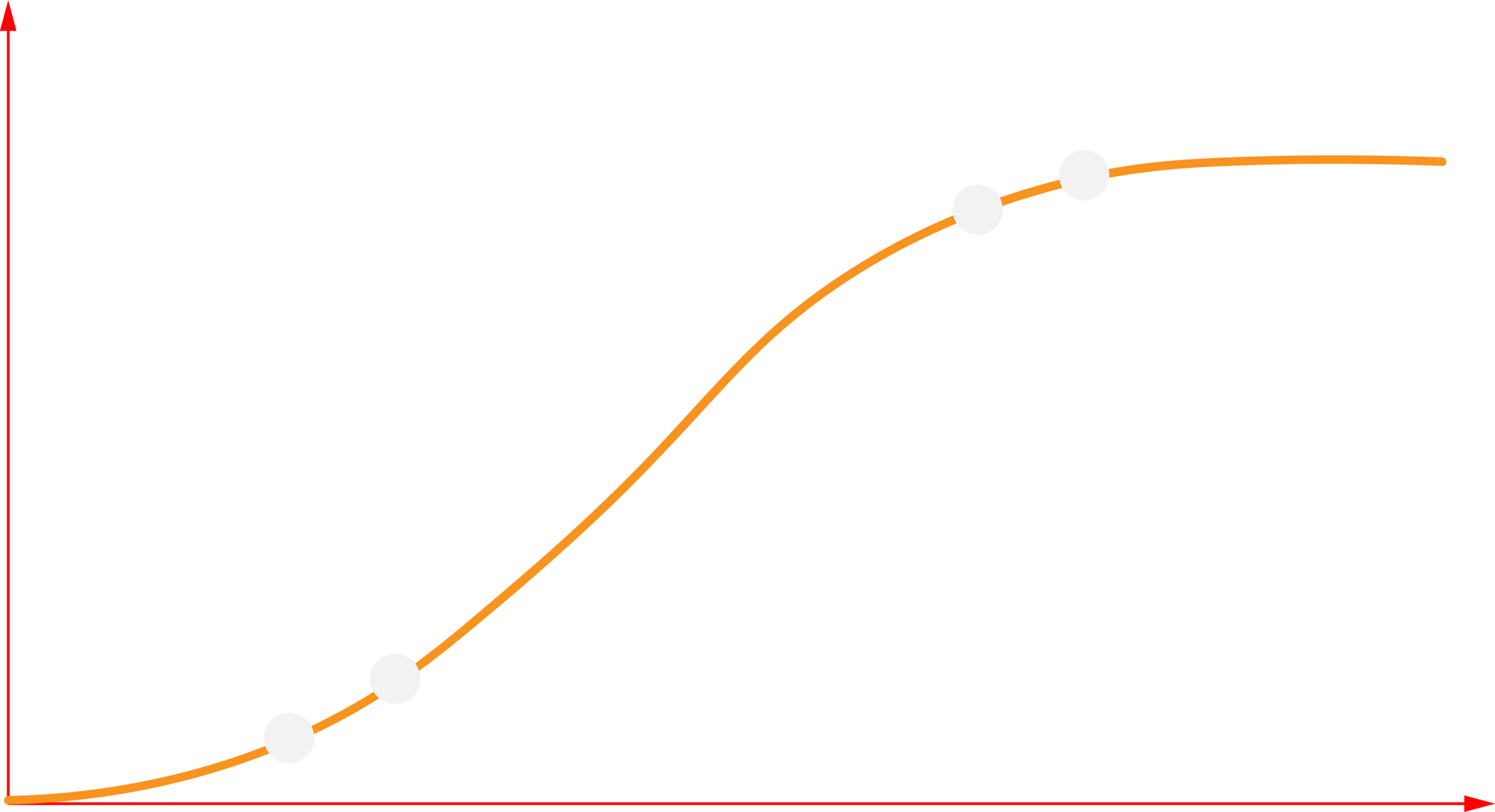
The need for XAI depends on the task, domain and process an AI is automating
Self Driving Cars
Autonomous Drones
Recommendation system
Driver Assistant
System
source: USPAS
Hazard – a state or set of conditions of a system (or an object) that, together with other conditions in the environment of the system (or object), will lead inevitably to an accident (loss event).
The need for XAI depends on the legal, life and cost risk of the automated process
Why XAI?
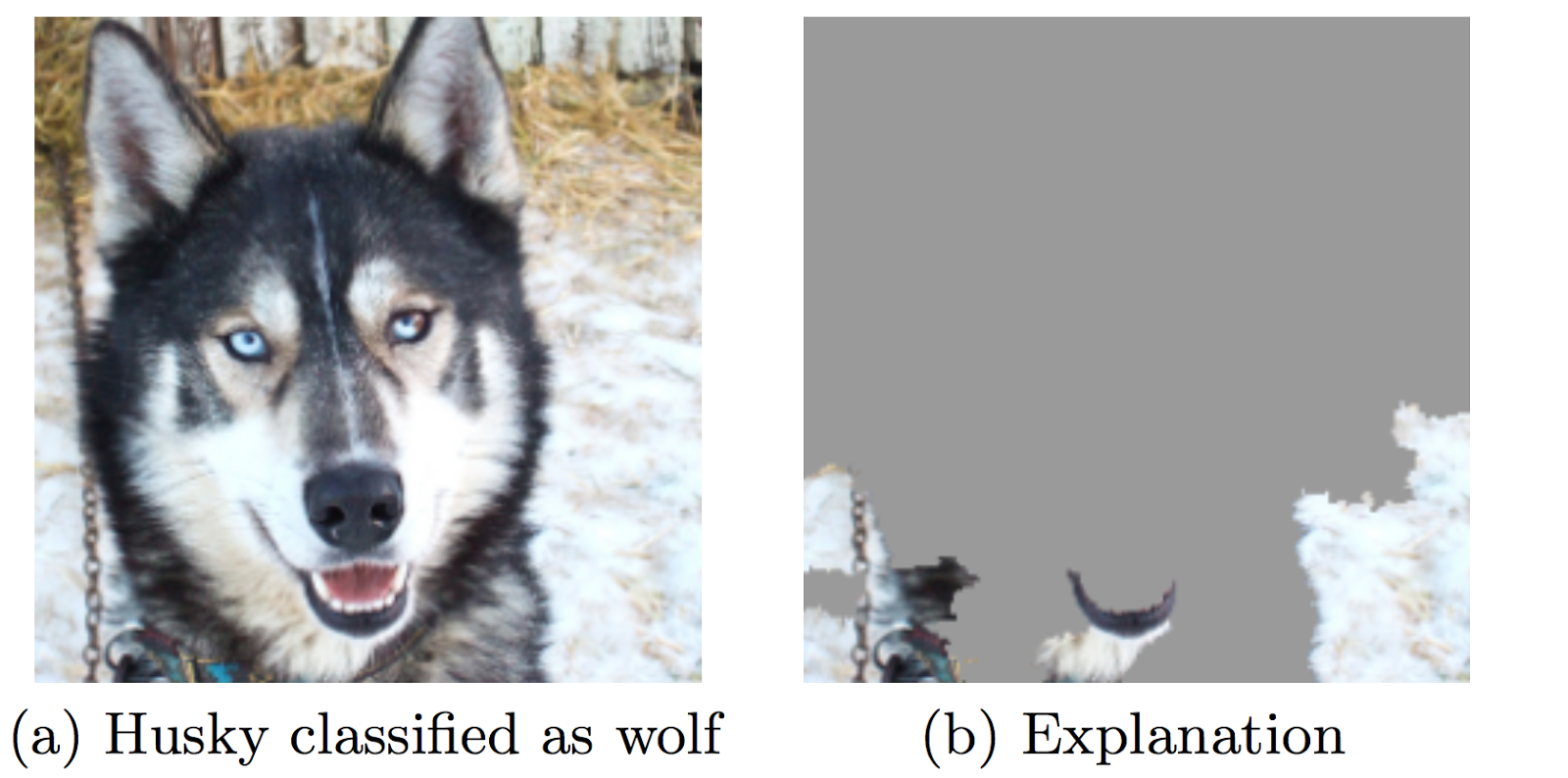
Classification: wolf or husky?
source: “Why Should I Trust You?” Explaining the Predictions of Any Classifier
-
The first rule is: if your are shipping a product from Austria to Austria and the shipped material is according to law taxable, then the Taxcode is: domestic full tax -> 20%
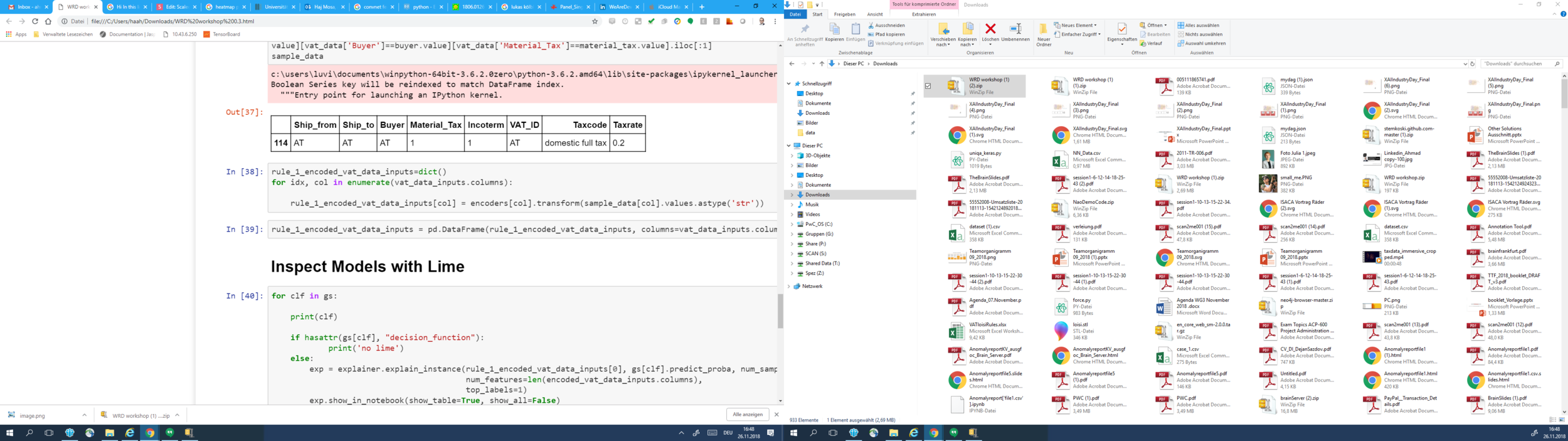
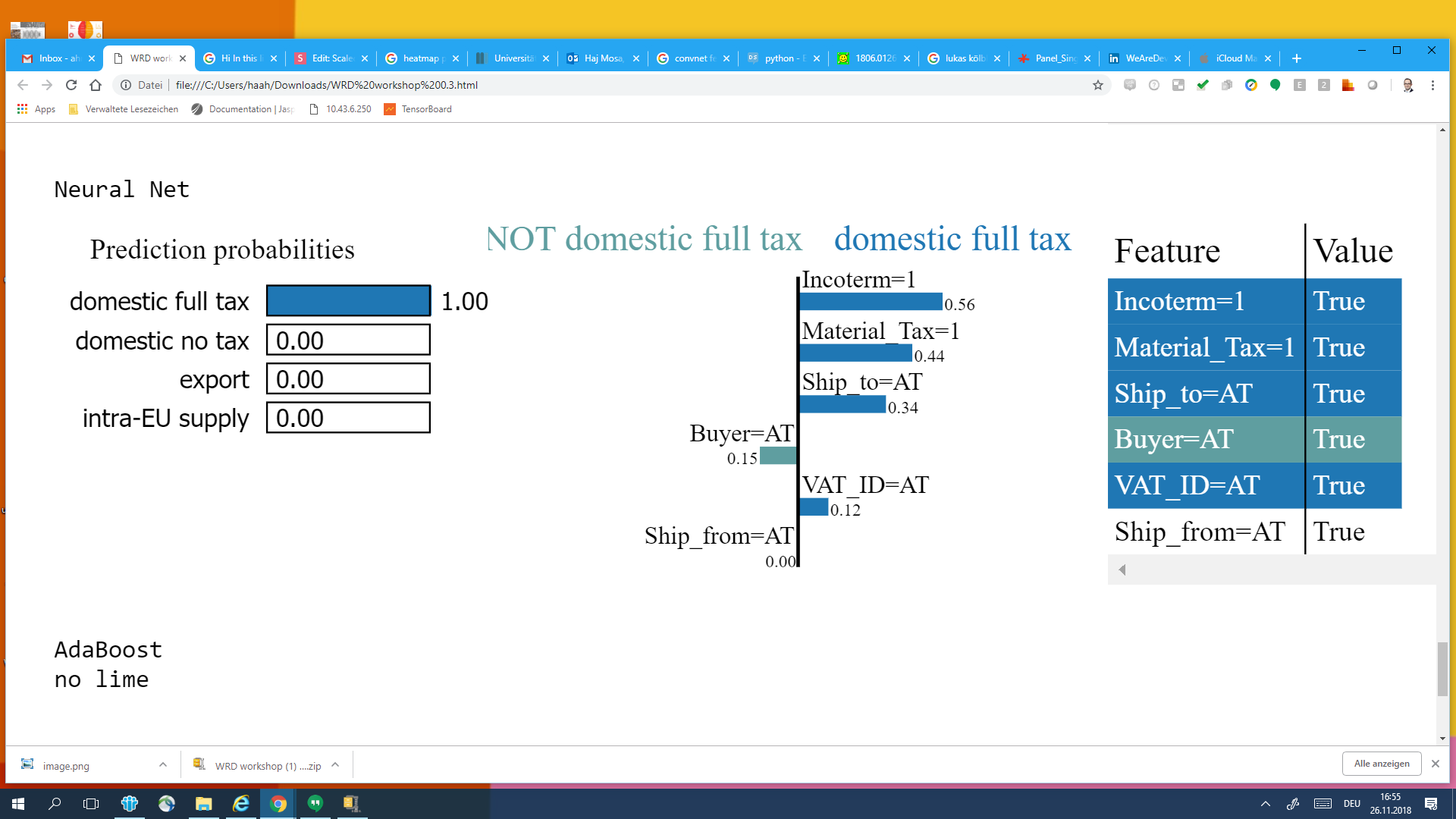
Classification of Value Added Tax
source: DARPA
Is it explainability vs accuracy?
Explainability
(notional)
Explainability
Prediction Accuracy
Neural Nets
Deep
Learning
Statistical
Models
AOGs
SVMs
Graphical
Models
Bayesian
Belief Nets
SRL
MLNs
Markov
Models
Decision
Trees
Ensemble
Methods
Random
Forests
Learning Techniques (today)
Non relational inductive bias
Spatial and Temporal relational inductive bias
Attention based Spatial and Temporal relational inductive bias
Multi relational inductive bias
Attention based Multi relational inductive bias
Disetangled Representation
Graph Neural Networks
Attention Mechanism
ConvNets & LSTM
Feed Forward
Performance
Explainability
Current
Future
Is it explainability vs accuracy?
Relation between abstraction and attention
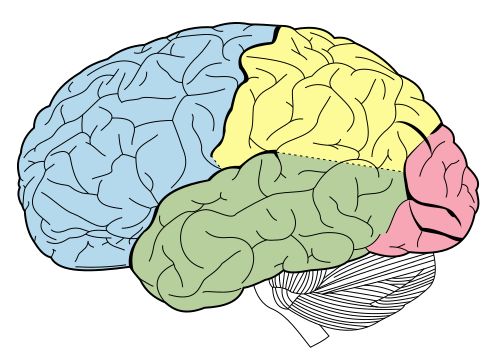
prefrontal cortex
parietal lobe
parietal lobe
Top-down attention
Bottom-up attention
Attention allows us to focus on few elements out of a large set
Attention focus on a few appropriate abstract or concrete elements of mental representation
source: Yoshua Bingo
What is next in Deep Learning?

Marvin Minsky
Knowledge
Representation

Daniel Kahneman
Thinking fast and slow

Yoshua Bengio
Disetangled
Representation
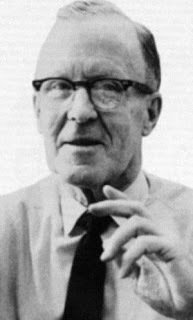
Donald O. Hebb
Hebbian Learning
Research inspiration and references
Slow
Fast
Automatic
Effortful
Logical
Emotional
Conscious
Unconscious
Stereotypic
Reasoning
| System 1 | System 2 |
|---|---|
| drive a car on highways | drive a car in cities |
| come up with a good chess move (if you're a chess master) | point your attention towards the clowns at the circus |
| understands simple sentences | understands law clauses |
| correlation | causation |
| hard to explain | easy to explain |
Thinking fast and slow
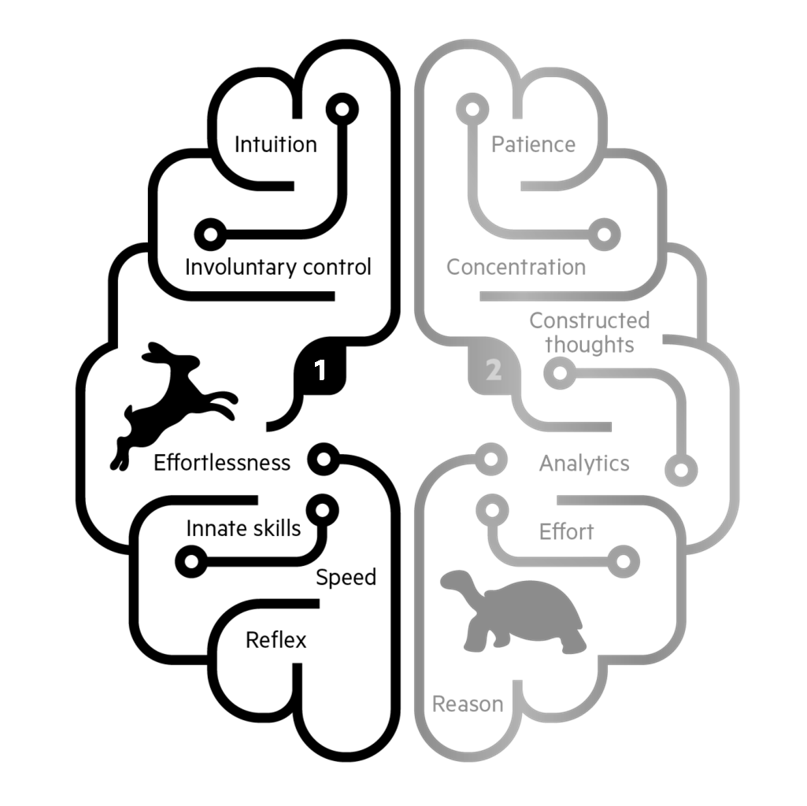
source: Thinking fast and slow by Daniel Kahneman
"When you "get an idea," or "solve a problem" ... you create what we shall call a K-line. ... When that K-line is later "activated", it reactivates ... mental agencies, creating a partial mental state "resembling the original."
"A frame is a data structure with typical knowledge about a particular object or concept."
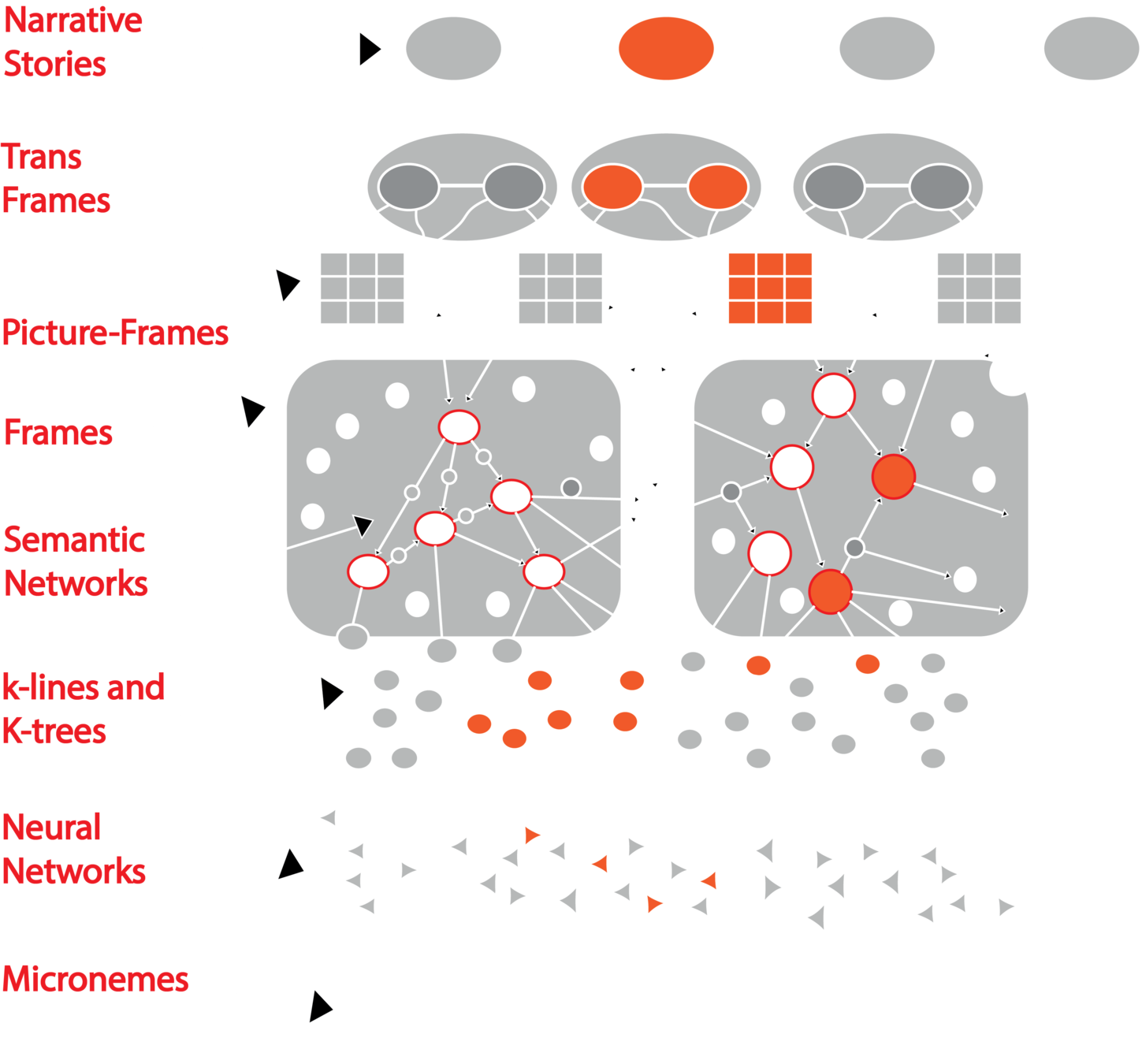
A framework for representing knowledge
source: The Emotion Machine, Marvin Minsky
thinking fast
thinking slow
consciousness prior
learning slow
learning fast
hard explanation
easy
explanation
A framework for representing knowledge
A framework for representing knowledge
Trend 1 for XDL
Train a readable/visible representation before
training a decision.
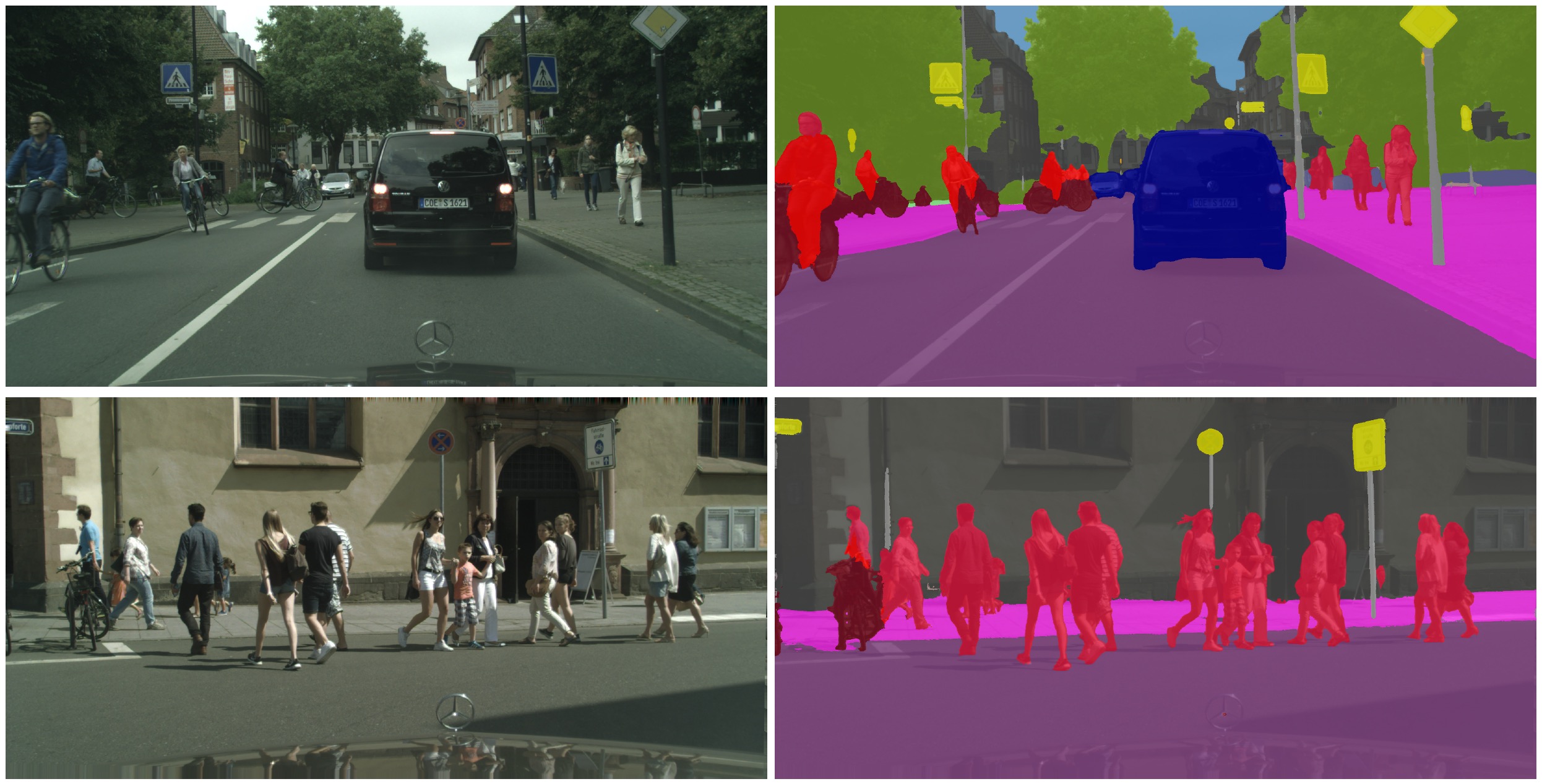
Steering Angle
Representation model
Decision model
Representation learning
Steering Angle
How to explain that?
Disentangled Representation + Neural Symbolic Learning
decision Model
Representation model
Encoded Representation
Representation then decision
Trend 2 for XDL
Object-oriented-learning
instead of
End-end learning.
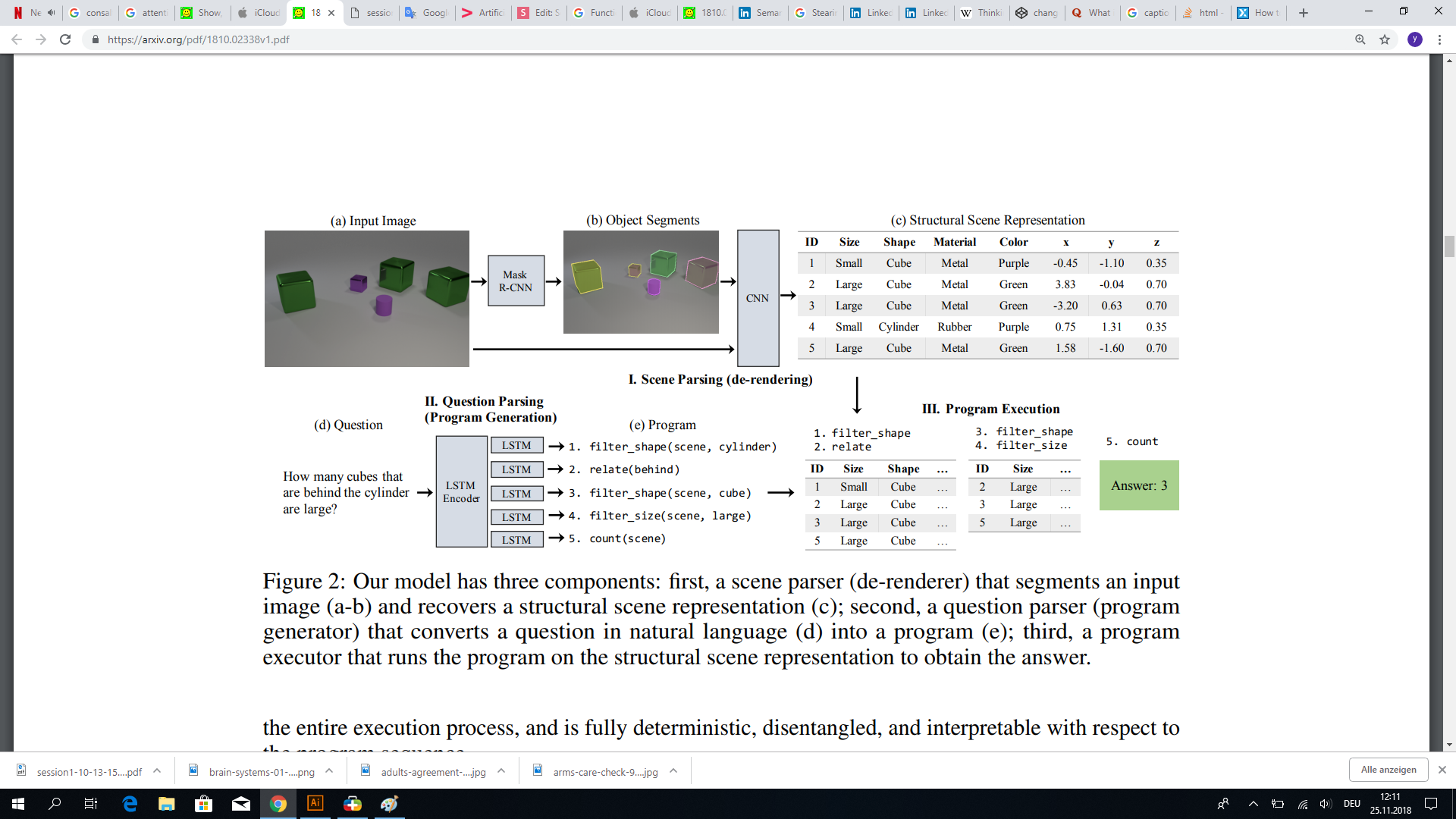
source: arXiv:1810.02338: Neural-Symbolic VQA: Disentangling Reasoning from Vision and Language Understanding
Neural symbolic and disentangled reasoning
Visible and readable
Mask segmentation
De-rendering
Program execution
Question parsing
program generation
Neural symbolic and disentangled reasoning
Disentangled, distributed or semantic representation
Program generation
Consciousness priors
"When you "get an idea," or "solve a problem" ... you create what we shall call a K-line. ... When that K-line is later "activated", it reactivates ... mental agencies, creating a partial mental state "resembling the original."
A framework for representing knowledge
Representation
Program
generation
Consciousness priors / attention
Thinking fast
Thinking slow
Learning slow
Learning fast
Explaining hard
Explaining easy
Tax-VAT data
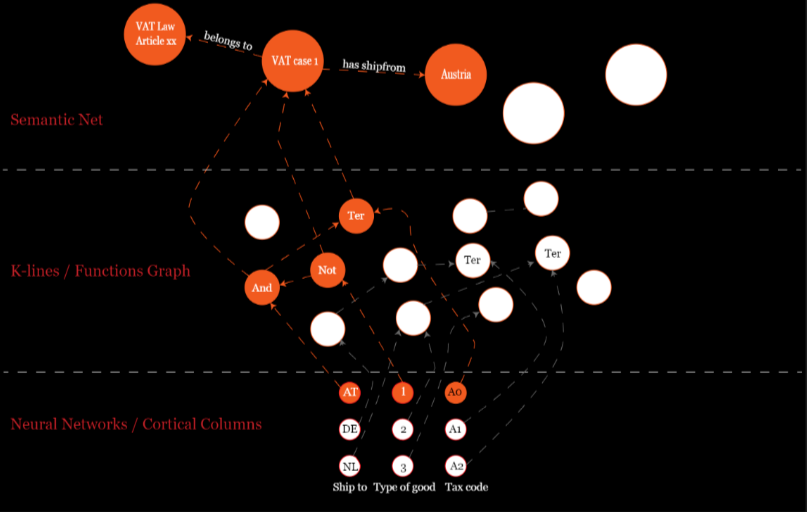
Text
Program generation using Hebbian Theory
"Any two cells or systems of cells that are repeatedly active at the same time will tend to become 'associated', so that activity in one facilitates activity in the other."
Neuron A
Neuron A
Neuron B
Neuron B
Neuron A
Neuron B
Time
Hebbian Theory
Text
Program generation using Hebbian Theory
"When one cell repeatedly assists in firing another, the axon of the first cell develops synaptic knobs (or enlarges them if they already exist) in contact with the soma of the second cell."
-
If Neuron A is active and conntected to Neuron B, then Neuron A will put Neuron B in a predicted state
-
If the prediction is correct (Neuron B is observed in an active state), then reward/increase the connection between them
-
If the prediction is wrong (Neuron B is not observed in an active state), then weaken/decrease the connections between them
Neuron A
Neuron A
Neuron B
Neuron B
Neuron A
Neuron B
Time
Program generation using Hebbian Theory
-
Find the optimum programs path using the REINFORCE algorithm
-
The state represents the graph and the cells state (active, predictive and inactive)
-
Actions are binaries (connect or disconnet two programs)
-
Reward the winner path and weaken the loser paths
Hebbian Reinforce Theory
Input 1
Program 1
Program 5
Program 2
Program 4
Program 7
Program 8
Program 6
Program 3
Program 9
Output 2
Output 1
Input 1
Program 1
Program 5
Program 2
Program 4
Program 7
Program 6
Program 8
Program 9
Program 3
Output 1
Output 2
Hebbian Reinforce Theory
Input 1
Program 1
Program 5
Program 2
Program 4
Program 7
Program 6
Program 8
Program 9
Program 3
Output 1
Output 2
Hebbian Reinforce Theory
Input 1
Program 1
Program 5
Program 2
Program 4
Program 7
Program 6
Program 8
Program 9
Program 3
Output 1
Output 2
Hebbian Reinforce Theory
Input 1
Program 1
Program 5
Program 2
Program 4
Program 7
Program 6
Program 8
Program 9
Program 3
Output 1
Output 2
Hebbian Reinforce Theory
Function Composition
Function Composition
modular
interpretable
parallelizable
Computational Graph Network

fully deterministic (after graph generation)
[ not ( A || C ) || ( C && not ( B && E ) )

, f7  ( f1 ( A ) )

, not ( f8 ( f7 ( f1 ( A ) ) ) )

, not ( A || B )  || implication( C, D )

, ... ]
--List of Parameters for Node Function f (x, y):
[ 0, 1, 2 ]

--Parameter Permutation:
[ (0,1), (1,2), (2,3), (3,2), (2,1), (1,0) ]
Combinatorial Explosion
Text
--List of Parameters for Node Function f (x, y):
[ 0, 1, 2 ]

--Parameter Permutation:
[ (0,1), (1,2), (2,3), (3,2), (2,1), (1,0) ]

--Parameter Permutation with commutative function f (x, y):
[ (0,1), (1,2), (2,3) ]
(using ingenuity instead of computational power)
Commutativity as Complexity Barrier
Haskell
(.-) [[a] -> [b]] -> ([[b]] -> [a] -> [c]) -> [a] -> [c]
(.-) funcList         newFunc                 inp =
                      newFunc (map ($inp) funcList) inp
-- where
--    funcList = Previous Node Function List
--    newFunc  = Node Function
--    inp = Sample Input
~Curry-Howard-Lambek Isomorphism
a proof is a program, and the formula it proves is the type for the program
Formal Software Verification
- Accuracy is not enough to trust an AI
- Accuracy vs Explainability is not a trade-off
Look for solutions in weird places:
- Try Functional Programming & Category Theory
Trends in XAI:
- closing the gap between Symbolic AI and DL
- training DL representation models not decision models
- using Object-Oriented-Learning
- using Computational Graph Networks
Conclusion
+ Don't let your robot read legal texts ;)
Thank you for your attention
Interested in more AI projects?
-
Visit us at the PwC booth (ground floor)
- Join our workshop: "Open the Blackbox using local interpretable model agnostic explanation"
(5.12. 14:30-16:30, Room LAB 1.0)


Fabian Schneider
PoC-Engineer & Researcher
schneider.fabian@pwc.com
Ahmad Haj Mosa
AI Researcher
ahmad.haj.mosa@pwc.com