Deep Learning
Alexander Lifanov
SpbPython, 2017
Acquired IO
DL != DS

Next frontend (hype)
Examples
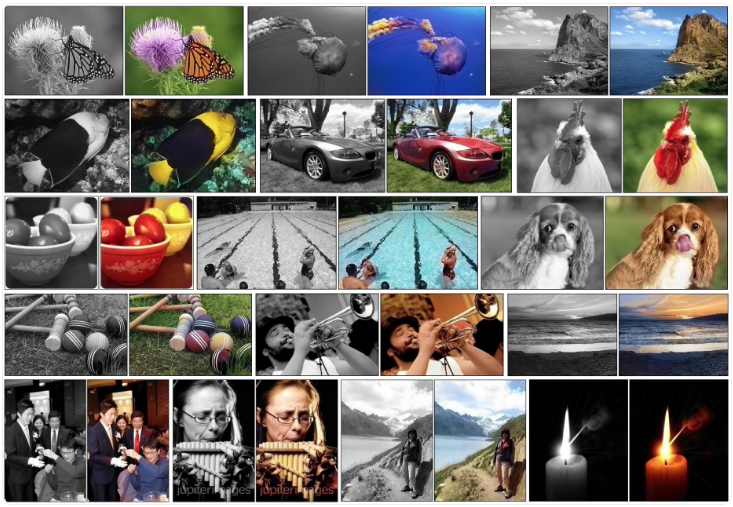
Automatic colorization
Add sounds to silent videos
Machine translation
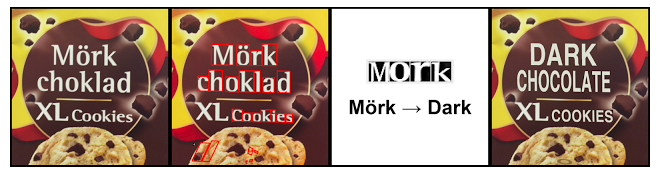
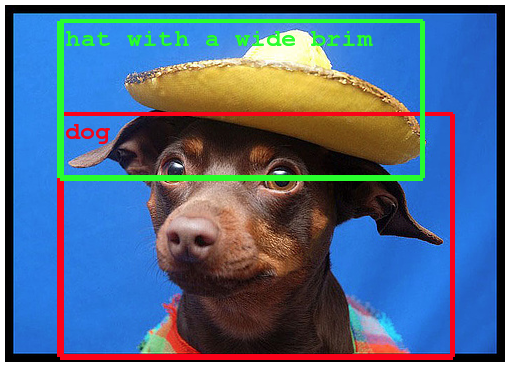
Object detection
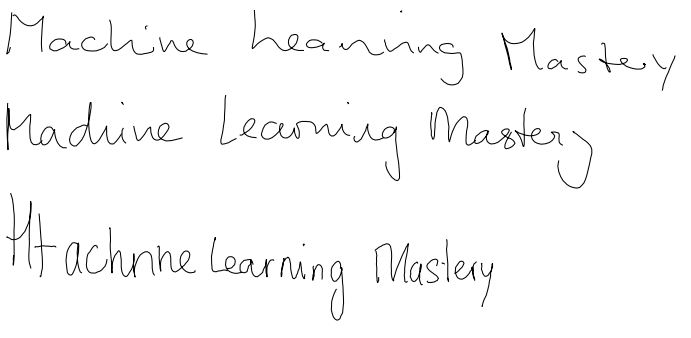
Handwriting generation
Text generation
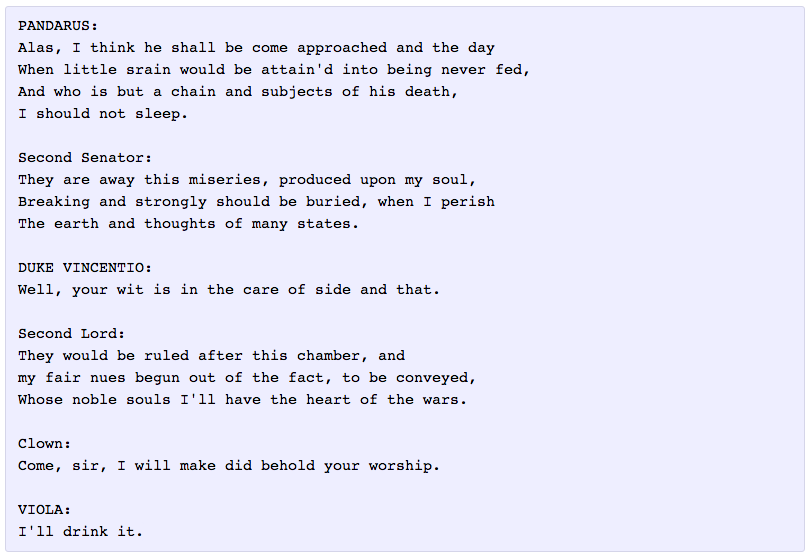
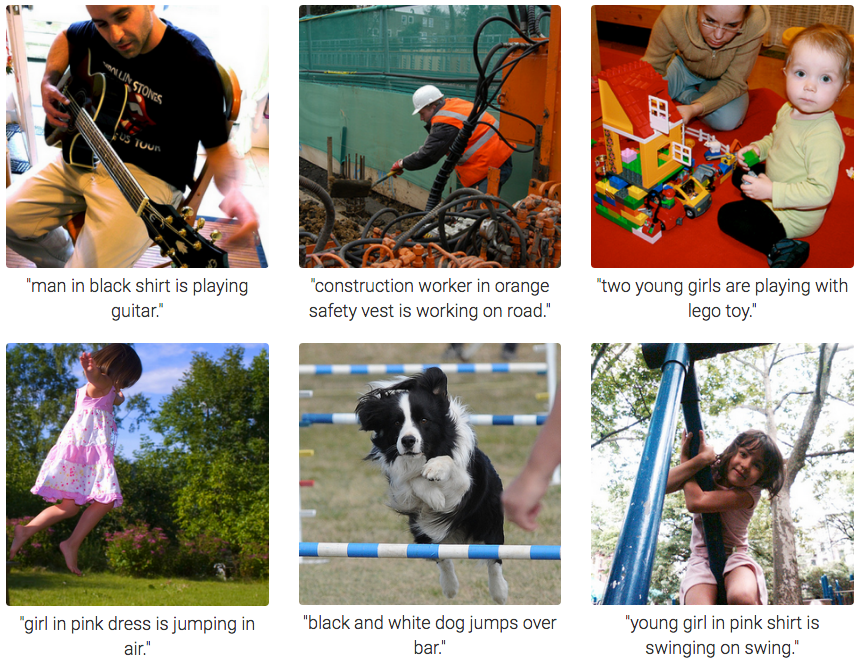
Image captioning
Game playing
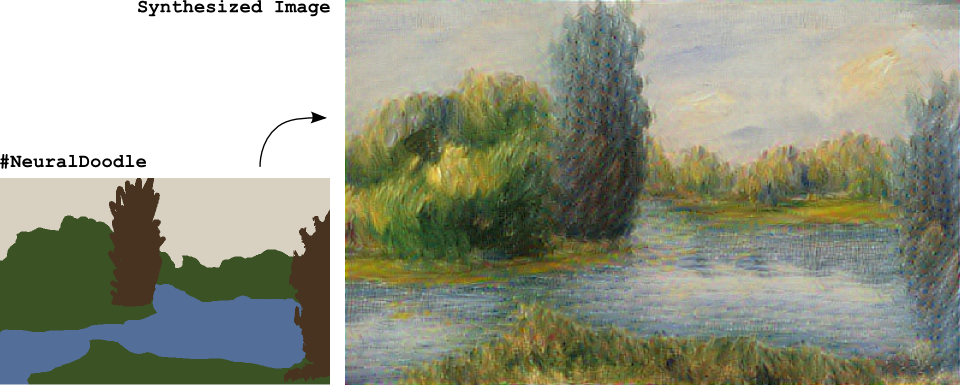
Style transfer
Machine learning
Regression
Supervised learning
Unsupervised learning
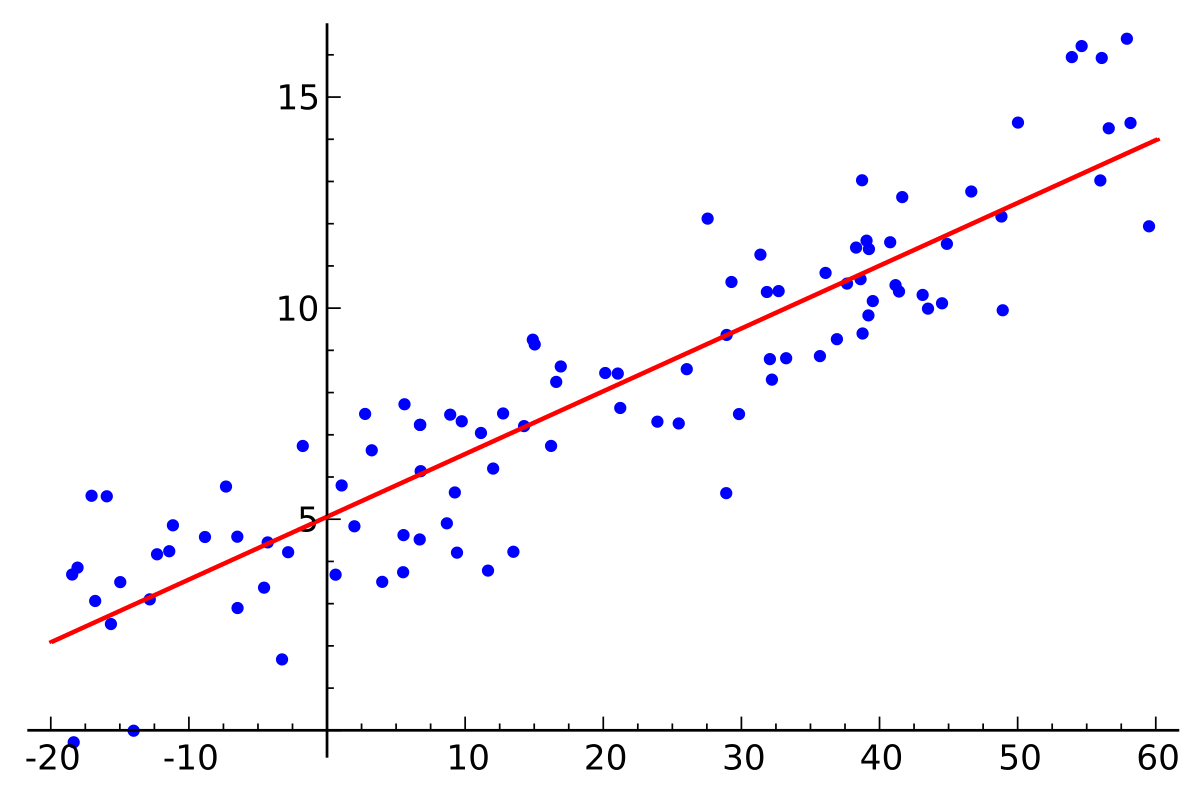
Linear regression
Logistic regression
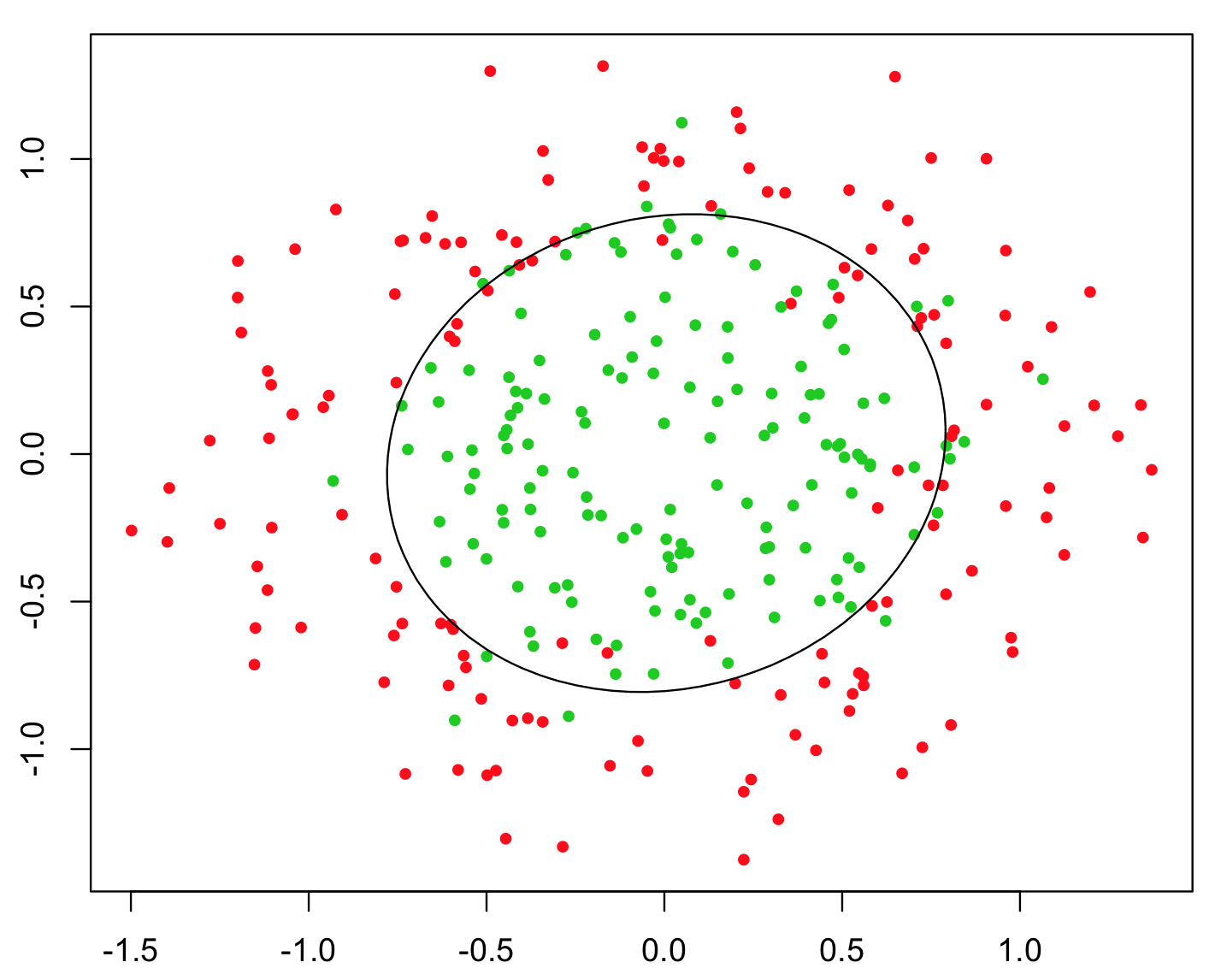
NN
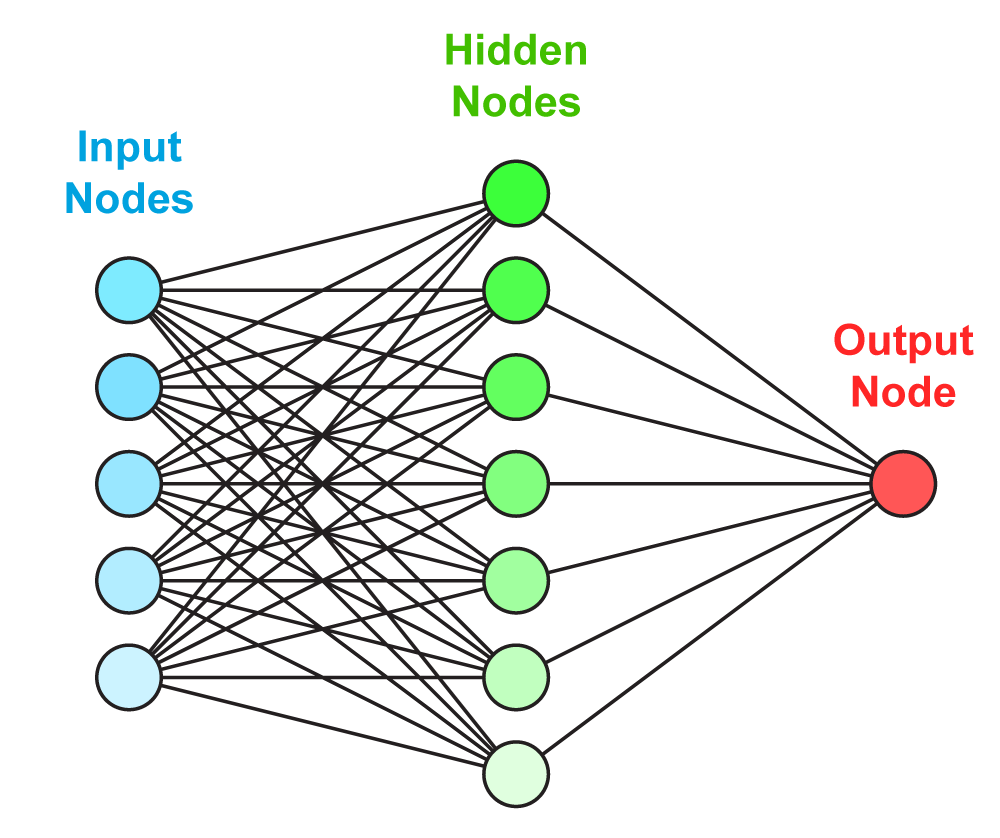
Artificial neuron
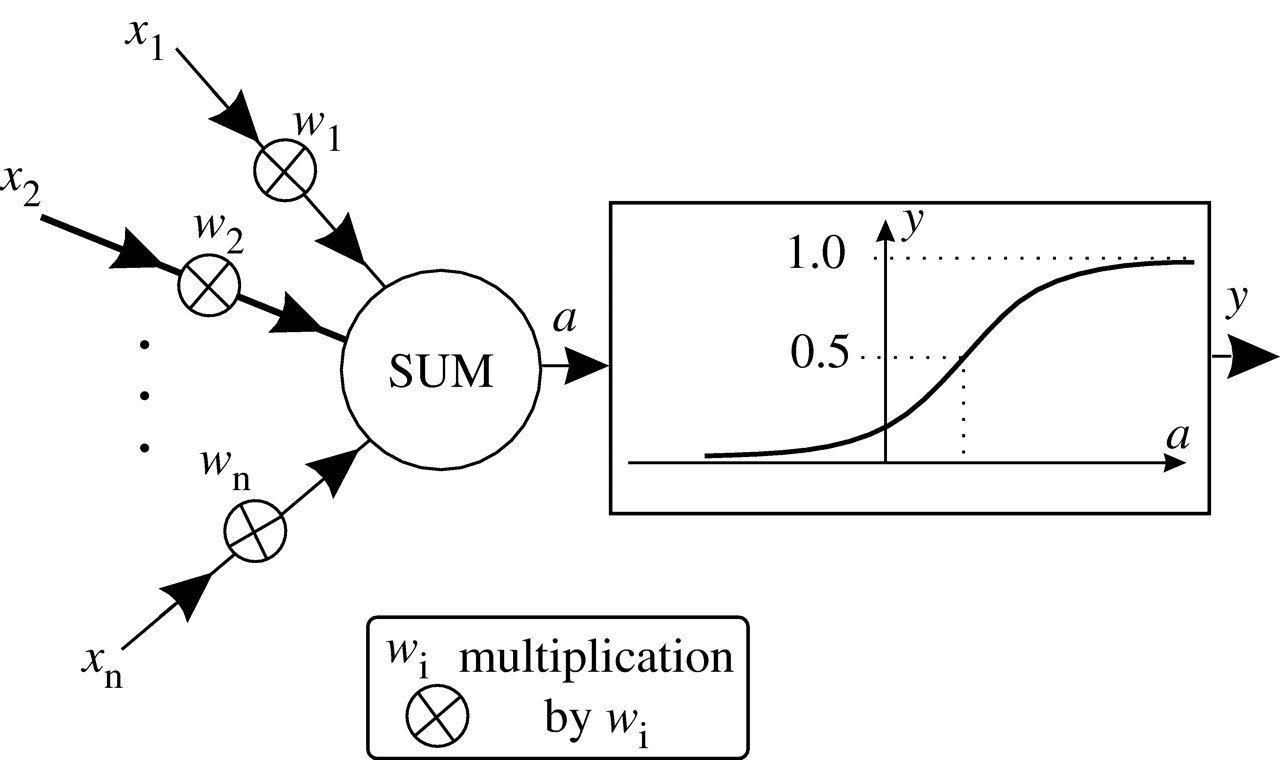
DNN
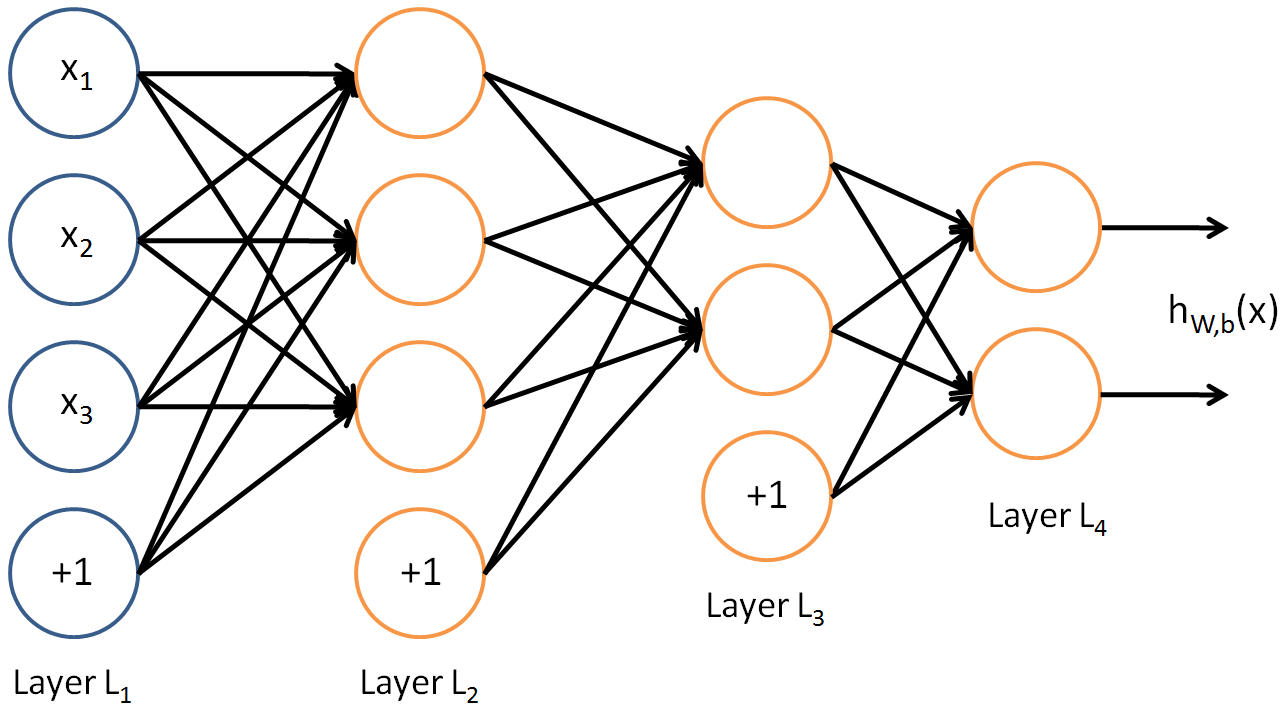
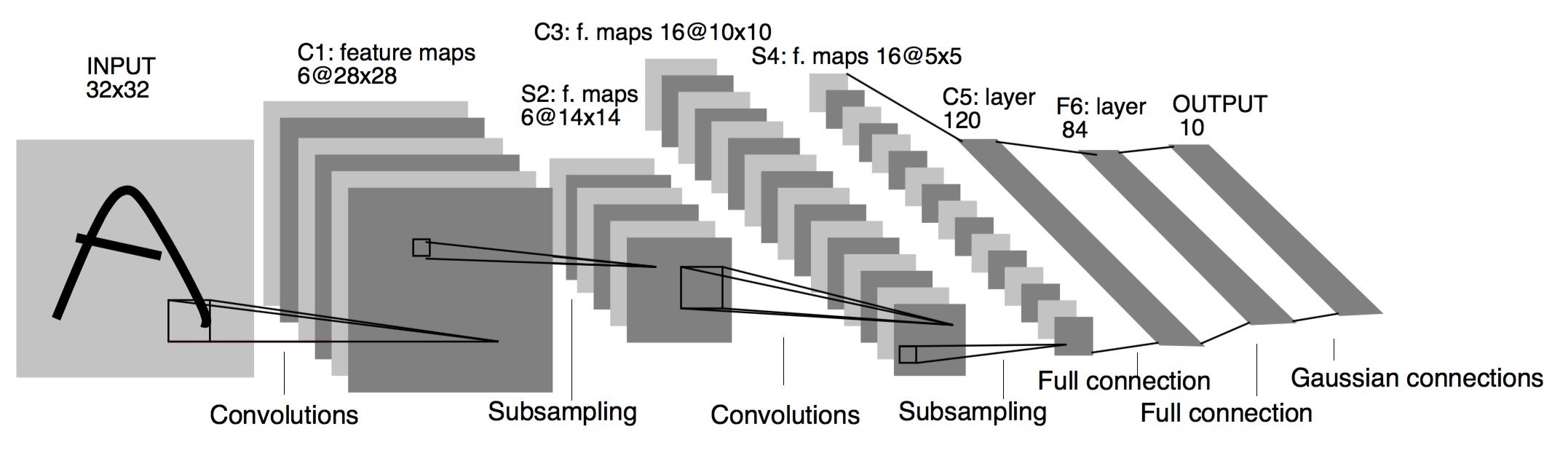
CNN
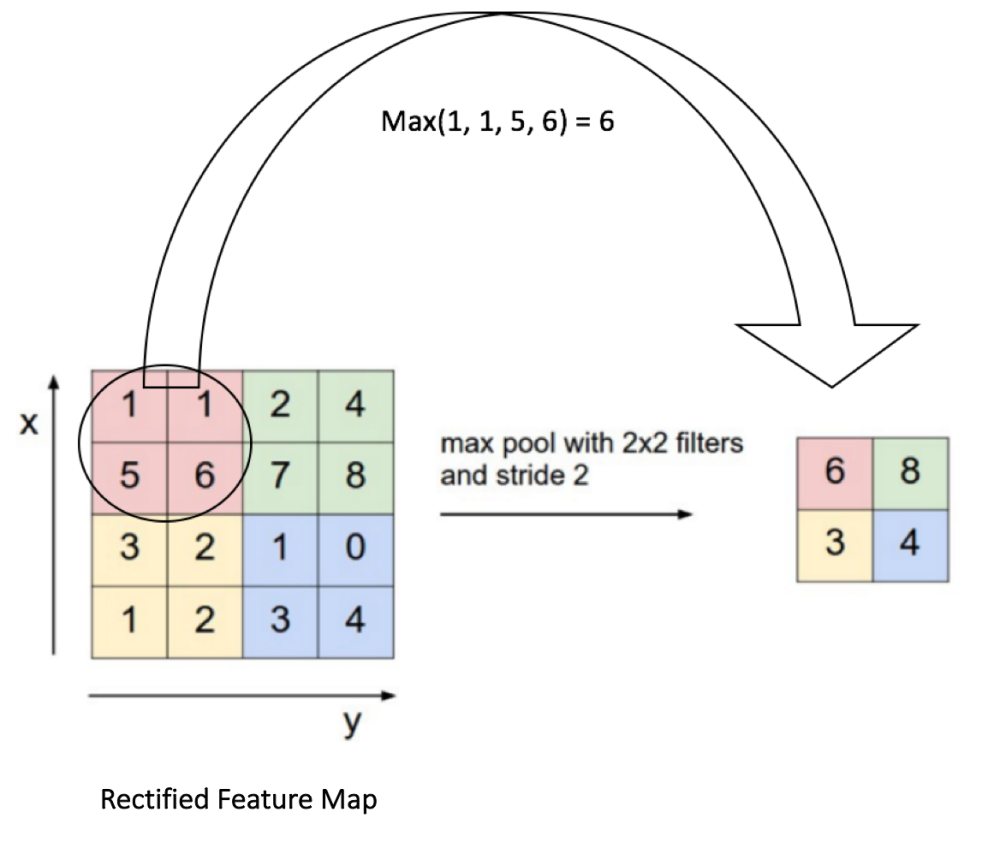
CNN.Pooling
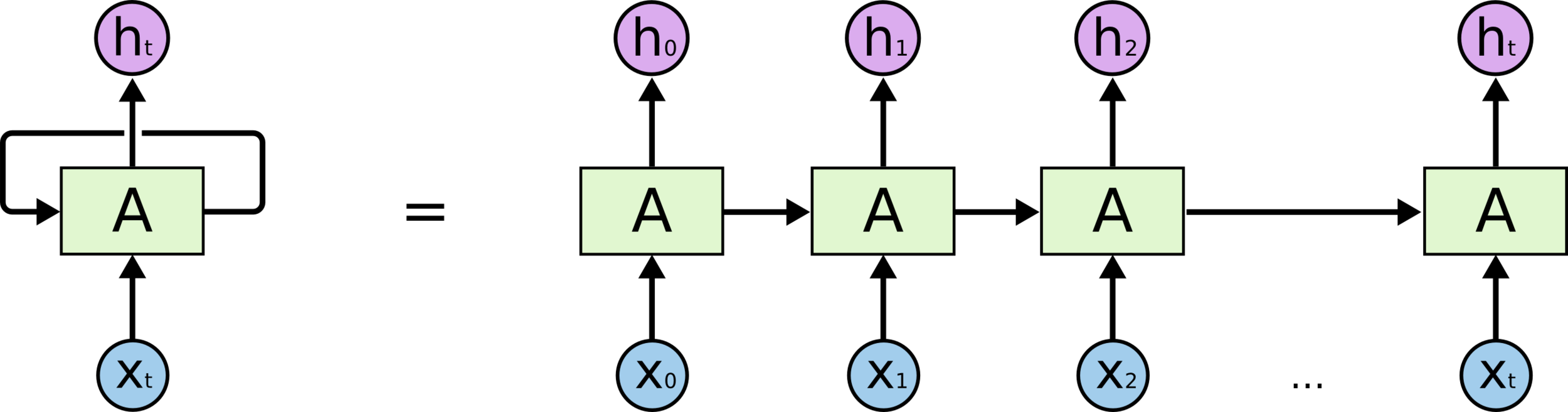
RNN
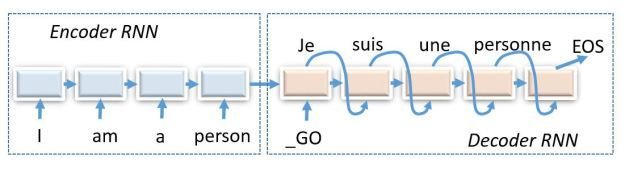
Seq2seq
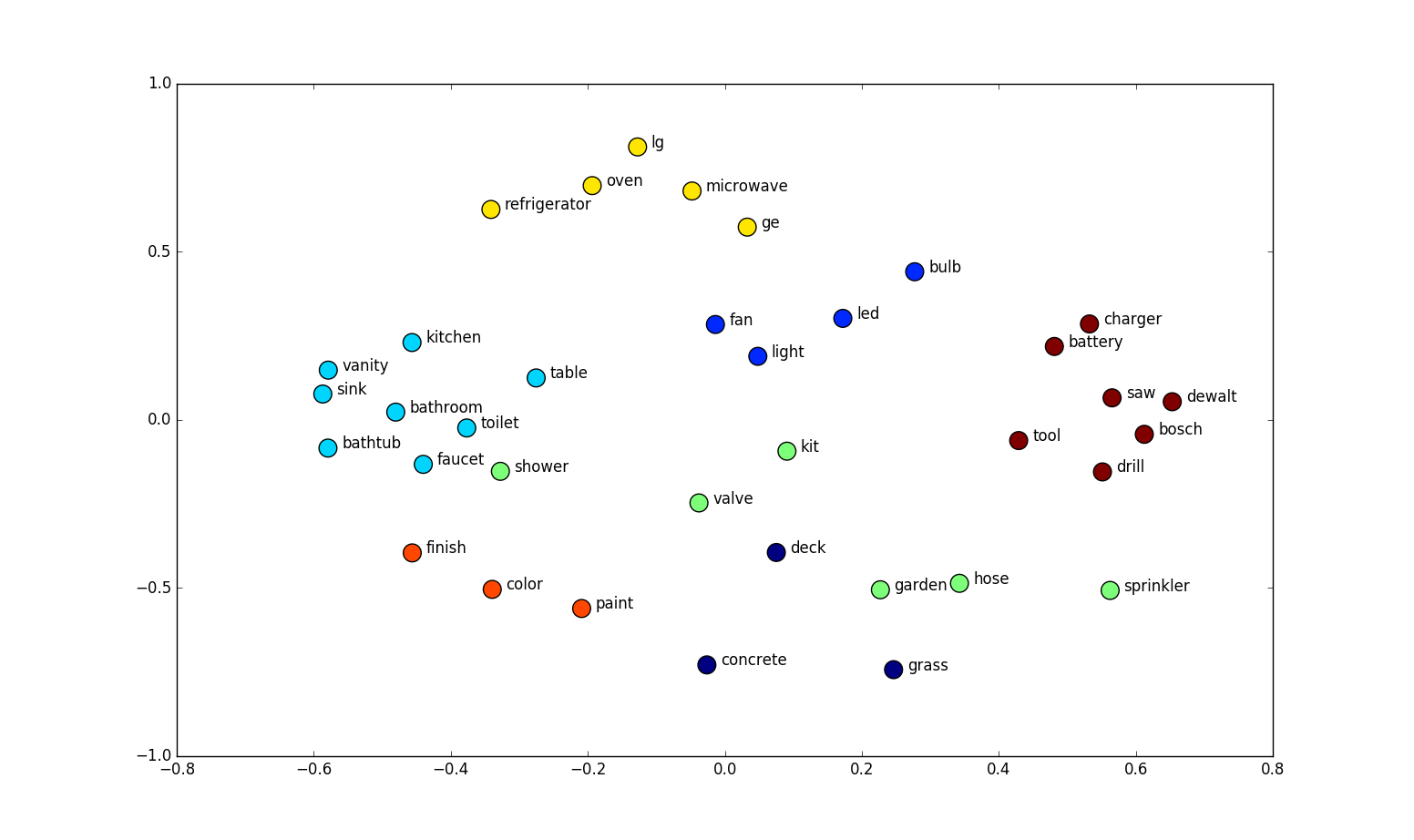
Word embedding
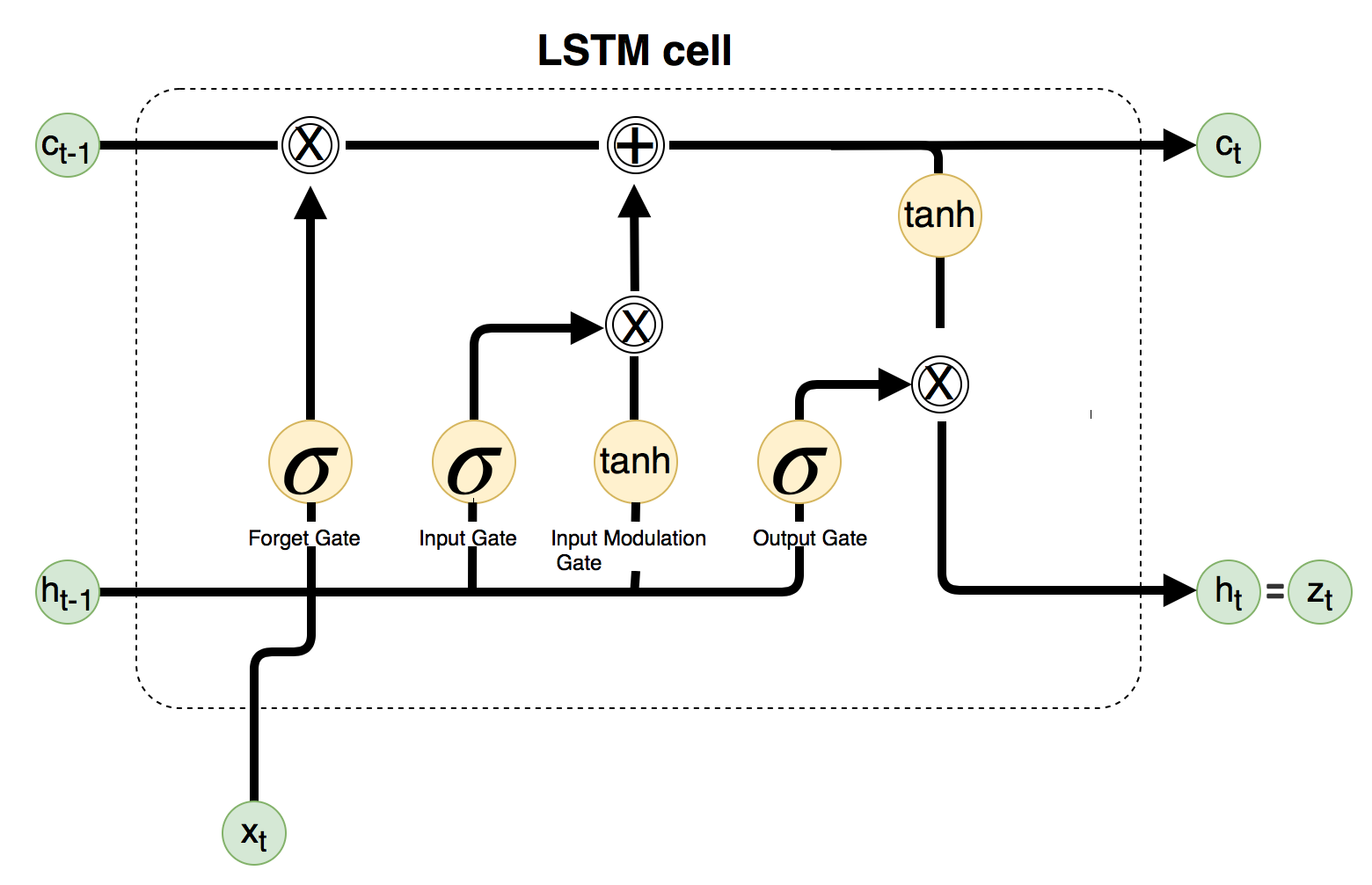
LSTM
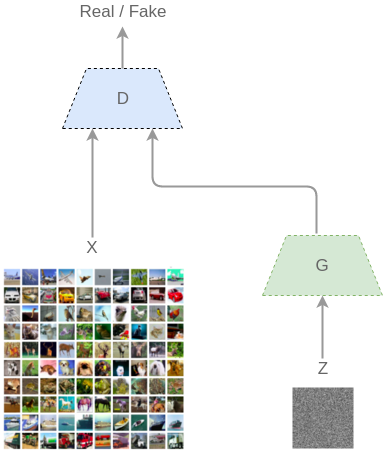
GAN
Transfer learning (a la .so)

Reinforcement learning (Atari games)
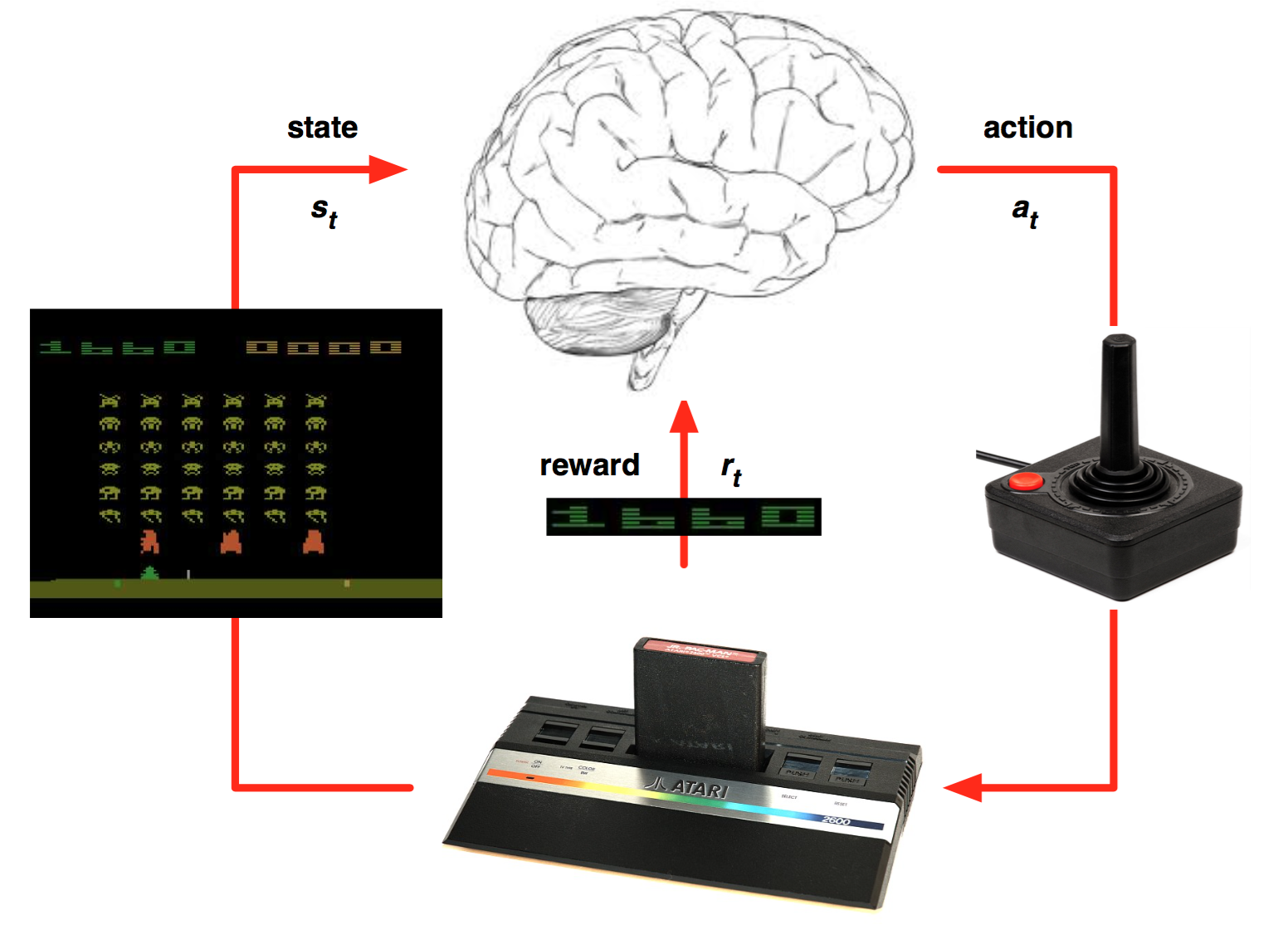
Q(s,a) = r + γ(max(Q(s’,a’))
HTML generation
https://github.com/alifanov/noco
1 second rule
Future apps
Code generation
Code assistant
Short text
Algo UI
Personal UI
Libs and frameworks
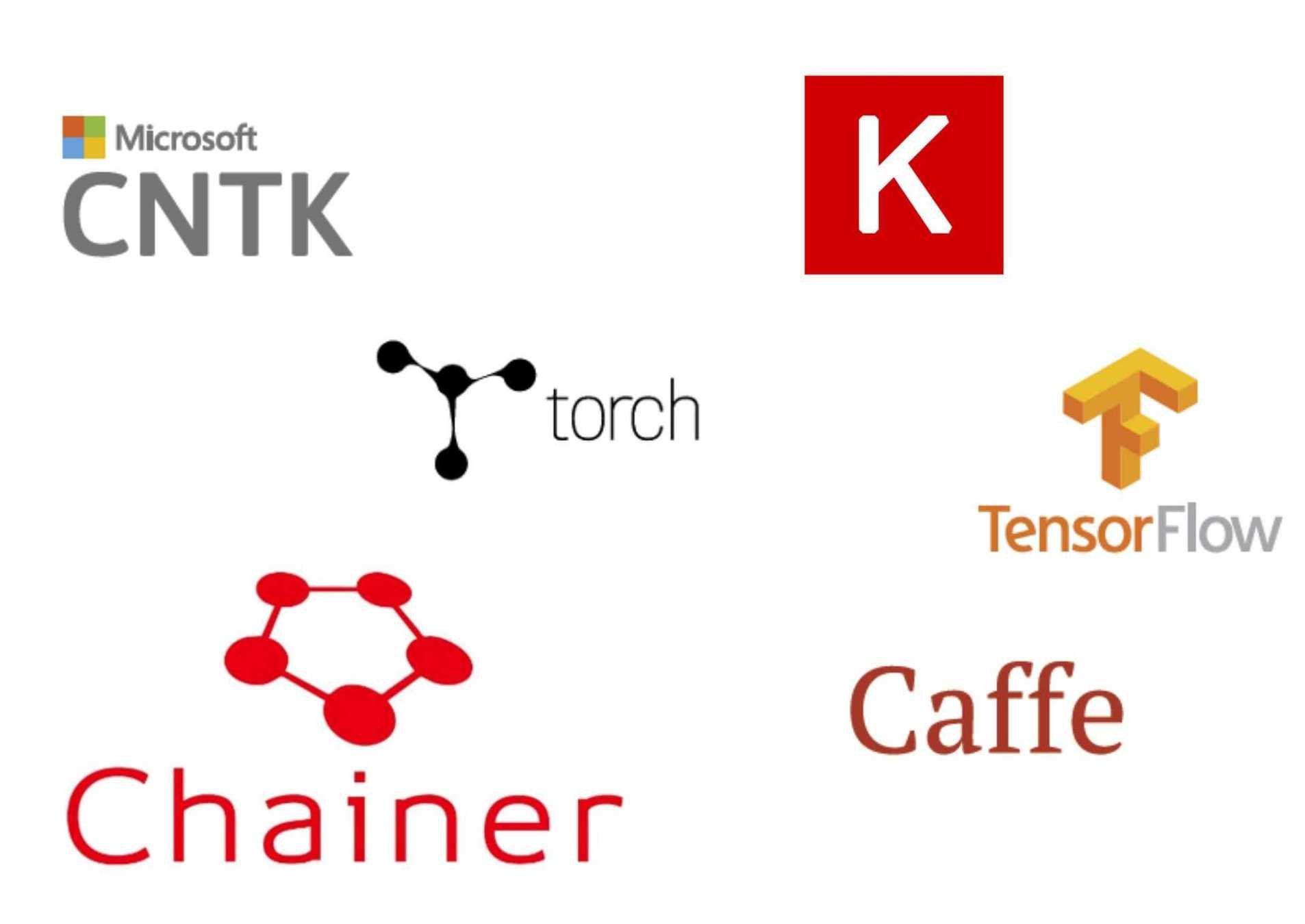
numpy
sklearn
Tensorflow
import numpy as np
import tensorflow as tf

# Model parameters
W = tf.Variable([.3], tf.float32)
b = tf.Variable([-.3], tf.float32)

# Model input and output
x = tf.placeholder(tf.float32)
linear_model = W * x + b
y = tf.placeholder(tf.float32)

# loss
loss = tf.reduce_sum(tf.square(linear_model - y)) # sum of the squares

# optimizer
optimizer = tf.train.GradientDescentOptimizer(0.01)
train = optimizer.minimize(loss)

# training data
x_train = [1,2,3,4]
y_train = [0,-1,-2,-3]

# training loop
init = tf.global_variables_initializer()
sess = tf.Session()
sess.run(init) # reset values to wrong
for i in range(1000):
  sess.run(train, {x:x_train, y:y_train})

# evaluate training accuracy
curr_W, curr_b, curr_loss  = sess.run([W, b, loss], {x:x_train, y:y_train})
print("W: %s b: %s loss: %s"%(curr_W, curr_b, curr_loss))

------------------------------------------
[]: W: [-0.9999969] b: [ 0.99999082] loss: 5.69997e-11
Theano
Torch
Keras
Simple NN
from keras.models import Sequential

model = Sequential()

from keras.layers import Dense, Activation

model.add(Dense(units=64, input_dim=100))
model.add(Activation('relu'))
model.add(Dense(units=10))
model.add(Activation('softmax'))
keras
from keras.models import Sequential

model = Sequential()

from keras.layers import Dense, Activation

model.add(Dense(units=64, input_dim=100))
model.add(Activation('relu'))
model.add(Dense(units=10))
model.add(Activation('softmax'))

model.compile(loss='categorical_crossentropy',
              optimizer='sgd',
              metrics=['accuracy'])

model.fit(x_train, y_train, epochs=5, batch_size=32)

classes = model.predict(x_test, batch_size=128)
Courses
https://www.udacity.com/course/deep-learning--ud730
https://ru.coursera.org/learn/machine-learning
https://www.youtube.com/playlist?list=PLE6Wd9FR--EfW8dtjAuPoTuPcqmOV53Fu
(Nando de Freitas)
Blogs
https://habrahabr.ru/company/ods/blog/322626/
http://machinelearningmastery.com
https://medium.com/@awjuliani
http://datareview.info
Videos
Artificial Intelligence and Machine Learning
https://www.youtube.com/channel/UCfelJa0QlJWwPEZ6XNbNRyA
DeepLearning.TV
https://www.youtube.com/channel/UC9OeZkIwhzfv-_Cb7fCikLQ
sentdex
https://www.youtube.com/channel/UCfzlCWGWYyIQ0aLC5w48gBQ
Siraj Raval
https://www.youtube.com/channel/UCWN3xxRkmTPmbKwht9FuE5A
Questions
Alexander Lifanov
Telegram: @jetbootsmaker