An introduction to Kotlin type system

An introduction to Kotlin type system
and more
Kotlin is a ..., statically typed,
..., programming language.
-wikipediaKotlin is a ..., statically typed,
..., programming language.
What is a type?
What is a type?
What is a type?
What is a class?
What is a type?
What is a class?
What is an object?
Object vs Class
Object vs Class
Class is a blueprint or template from which objects are created.
Object is an instance of a class.
Object vs Class
Class is a blueprint or template from which objects are created.
Object is an instance of a class.
class A
Object vs Class
Class is a blueprint or template from which objects are created.
Object is an instance of a class.
class A
val x = A()
Class vs Type
A type summarizes the common features of a set of objects with the same characteristics. We may say that a type is an abstract interface that specifies how an object can be used.
Class vs Type
A type summarizes the common features of a set of objects with the same characteristics. We may say that a type is an abstract interface that specifies how an object can be used.
A class represents an implementation of the type. It is a concrete data structure and collection of methods.
A data type (or simply type) is a collection or grouping of data values, usually specified by a set of possible values, a set of allowed operations on these values, ... A data type specification in a program constrains the possible values that an expression, such as a variable or a function call, might take.
-wikipediaWe can define our types by defining classes, interfaces, Enums, ...
Every classifier, i.e. classes and interfaces, generates a set of types.
Every classifier, i.e. classes and interfaces, generates a set of types. In most cases, it generates a single type, but an example where a single class generates multiple types is a generic class:
Every classifier, i.e. classes and interfaces, generates a set of types. In most cases, it generates a single type, but an example where a single class generates multiple types is a generic class:
class Box<T>
We can say that in the above snippet we see definition of class A, but the type of x is A. Therefore A is both a name of the class and of the type. The class is a template for an object but concrete object have a type. Actually, every expression has a type!
class A
val x = A()
We can say that in the above snippet we see definition of class A, but the type of x is A. Therefore A is both a name of the class and of the type. The class is a template for an object but concrete object have a type. Actually, every expression has a type!
class A
val x = A()
Statement vs Expression
Statement vs Expression
An expression in a programming language is a combination of one or more explicit values, constants, variables, operators and functions that the programming language interprets and computes to produce another value.
An expression has a value, which can be used as part of another expression.
Statement vs Expression
In computer programming, a statement is the smallest standalone element of an imperative programming language that expresses some action to be carried out.
Java type system
Java type system
Object
Java type system
Object
Number
MyClass
String
Java type system
Object
Number
MyClass
String
Integer
MySubClass
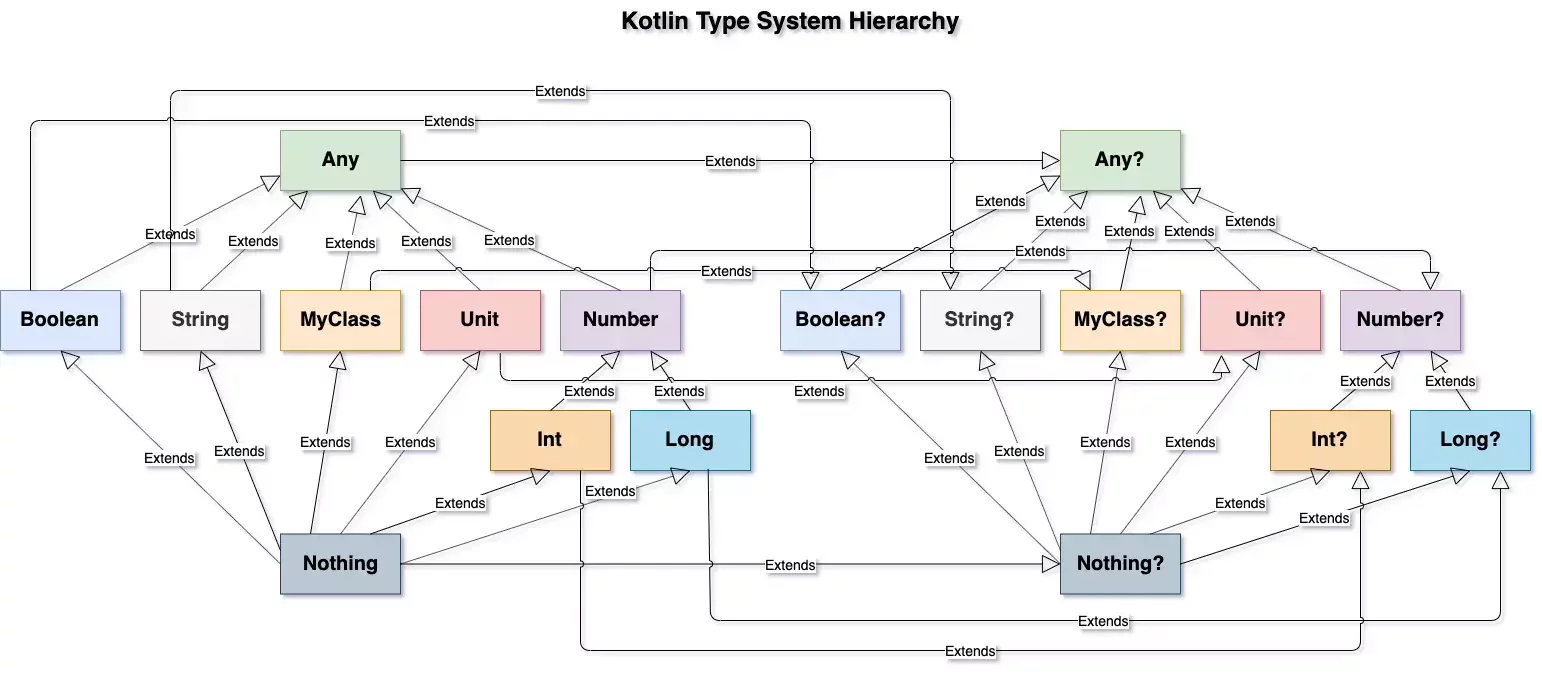
Kotlin type system
Any
Kotlin type system
Any
Number
MyClass
String
Kotlin type system
Any
Number
MyClass
String
Int
MySubClass
Kotlin type system
Any
Number
MyClass
String
Int
MySubClass
Nothing
Kotlin type system
Any
Number
MyClass
String
Int
MySubClass
Nothing
Object
=
Kotlin type system
Any
Number
MyClass
String
Int
MySubClass
Nothing
Object
=
?
Kotlin type system
Any
Number
MyClass
String
Int
MySubClass
Nothing
Object
=
?
Object test = nullKotlin type system
Any
Number
MyClass
String
Int
MySubClass
Nothing
Object
=
?
Object test = nullval test: Any = nullKotlin type system
Any
Number
MyClass
String
Int
MySubClass
Nothing
Any?
subtyping by
Nullablitiy
Kotlin type system
Any
Number
MyClass
String
Int
MySubClass
Nothing
Any?
Number?
MyClass?
String?
Int?
MySubClass?
Nothing?
Kotlin type system
Kotlin type system
When we define a class
class MyClass
We automatically have 2 types available
Kotlin type system
When we define a class
class MyClass
We automatically have 2 types available
val a: MyClass
val b: MyClass?
Kotlin type system
A type without a question mark denotes that variables of this type can’t store null references. This means all regular types are non-nullable by default, unless explicitly marked as nullable.
Kotlin type system
Once you have a value of nullable type, the set of operations you can perform on it is restricted. For example, you can no longer call methods on it. The compiler will now complain about the call to length in the function body:
fun main() {
 val x: String? = null
 var y: String = x
 // ERROR: Type mismatch:
 // inferred type is String? but String was expected
}
Kotlin type system
fun strLen(s: String?) = s.lengthKotlin type system
fun strLen(s: String?) = s.lengthError: Only safe (?.) or non-null asserted (!!.) calls are allowed on a nullable receiver of type String?
Kotlin type system
fun strLenSafe(s: String?): Int =
 if (s != null) s.length else 0
Kotlin type system
fun strLenSafe(s: String?): Int =
 if (s != null) s.length else 0
Once you perform the comparison, the compiler remembers that and treats the value as non-nullable in the scope where the check has been performed.
Kotlin type system
Note: At runtime, objects of nullable types and objects of non-nullable types are treated the same: A nullable type isn't a wrapper for a non-nullable type. All checks are performed at compile time. That means there's almost no runtime overhead for working with nullable types in Kotlin.
Kotlin type system
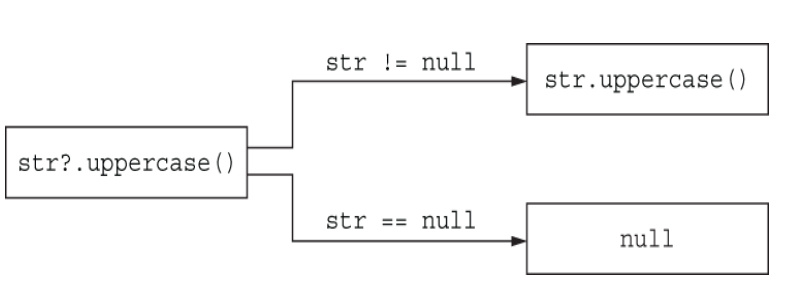
safe-call operator
Kotlin type system
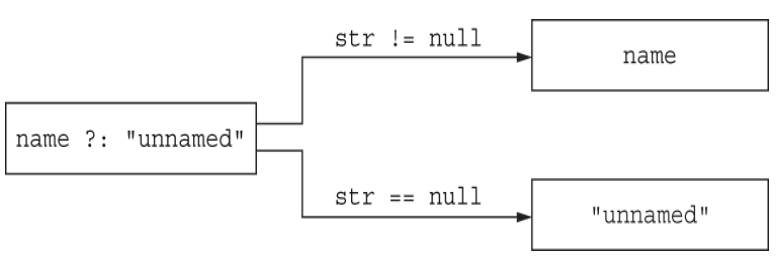
Elvis operator
val x =
Kotlin type system
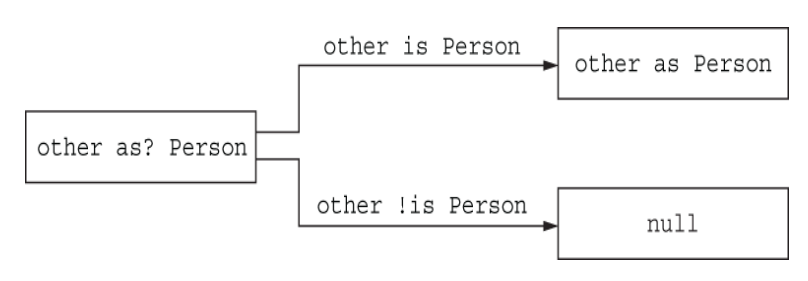
safe-cast operator
Kotlin type system
non-null assertion operator
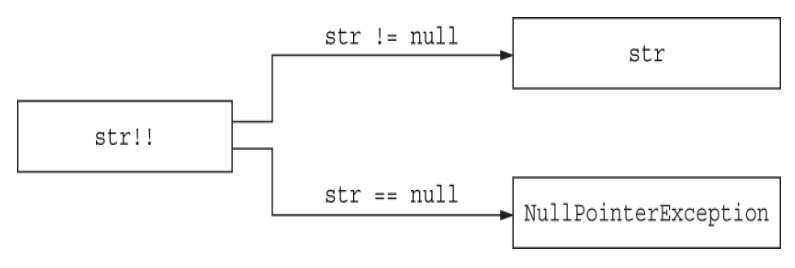
Kotlin type system
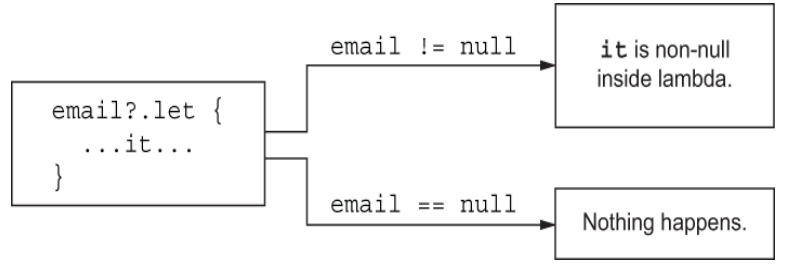
Kotlin type system
Kotlin type system
kotlin.Any
Kotlin type system
Besides being the unified supertype of all non-nullable types, kotlin.Any must also provide the following methods.
kotlin.Any
Kotlin type system
Besides being the unified supertype of all non-nullable types, kotlin.Any must also provide the following methods.
public open operator fun equals(other: Any?): Booleanpublic open fun hashCode(): Intpublic open fun toString(): Stringkotlin.Any
Kotlin type system
kotlin.Nothing
Kotlin type system
kotlin.Nothing is an uninhabited type, which means the evaluation of an expression with kotlin.Nothing type can never complete normally. Therefore, it is used to mark special situations, such as
- non-terminating expressions
- exceptional control flow
- control flow transfer
kotlin.Nothing
Kotlin type system
kotlin.Nothing
fun fail(message: String): Nothing {
	throw IllegalStateException(message)
}

val address = company.address ?: fail("No address")

println(address.city)
Kotlin type system
kotlin.Unit is a unit type, i.e., a type with only one value; all values of type kotlin.Unit should reference the same underlying kotlin.Unit object. It is somewhat similar in purpose to void return type in other programming languages in that it signifies an absence of a value (i.e. the returned type for a function returning nothing), but is different in that there is, in fact, a single value of this type.
kotlin.Unit
Kotlin type system
kotlin.Unit
public object Unit {
    override fun toString() = "kotlin.Unit"
}
Kotlin type system
Where is null on the hierarchy?
When we declare a property without explicitly indicate its type and assigning null as its value, its type will be determined as Nothing? that’s because this is the data type of null. Null is the only possible instance of Nothing?, there is not an object which type is specifically Nothing?
Kotlin type system
Where is null on the hierarchy?
At code level we can be totally sure that when we see a property which type is Nothing? the only possible value it can keep is null. Also, since Nothing is the subtype of all types, null can be used as the nullable version of any type we declare.
Kotlin type system
Where is null on the hierarchy?
fun print(value: Any?) = println(
    when (value) {
        is String -> "value is string"
        is Int -> "value is int"
        else -> "value unknown"
    }
)
Kotlin type system
Where is null on the hierarchy?
fun print(value: Any?) = println(
    when (value) {
        is String -> "value is string"
        is Int -> "value is int"
        is null -> "value is null"
        else -> "value unknown"
    }
)
Kotlin type system
Where is null on the hierarchy?
fun print(value: Any?) = println(
    when (value) {
        is String -> "value is string"
        is Int -> "value is int"
        is null -> "value is null"
        else -> "value unknown"
    }
)
error: type expected
Kotlin type system
Where is null on the hierarchy?
fun print(value: Any?) = println(
    when (value) {
        is String -> "value is string"
        is Int -> "value is int"
        is Nothing? -> "value is null"
        else -> "value unknown"
    }
)
Kotlin type system
Generic types are, by default, nullable
fun <T> printer(value: T) {
   print("Printing the value: "+ value)
}

printer("Hola")
printer(1)
printer(1.1)
printer(null)
Kotlin type system
Generic types are, by default, nullable
If we don’t want to allow null values we need to modify our example as below:
fun <T: Any> printer(value: T) {
   print("Printing the value: "+ value)
}
data class User (
val firstName: String?,
val lastName: String?
)
fun hasValidData(user: User): Boolean{
val firstName = user.firstName ?: return false
val lastName = user.lastName ?: return false
return firstName.isNotBlank() && lastName.isNotBlank()
}Kotlin type system
data class User (
    val firstName: String?,
    val lastName: String?
)

fun hasValidData(user: User): Boolean{
    val firstName = user.firstName ?: return false
    val lastName = user.lastName ?: return false
    return firstName.isNotBlank() && lastName.isNotBlank()
}What is the inferred type?
Kotlin type system
data class User (
    val firstName: String?,
    val lastName: String?
)

fun hasValidData(user: User): Boolean{
    val firstName: String = user.firstName ?: return false
    val lastName = user.lastName ?: return false
    return firstName.isNotBlank() && lastName.isNotBlank()
}
What is the inferred type?
Kotlin type system
data class User (
    val firstName: String?,
    val lastName: String?
)

fun hasValidData(user: User): Boolean{
    val firstName: String = user.firstName ?: return false
    val lastName = user.lastName ?: return false
    return firstName.isNotBlank() && lastName.isNotBlank()
}
Why is it possible to assign return to a varialbe?
Kotlin type system
In Kotlin almost everything is an expression.
val name = when (number) {
        1 -> "one"
        2 -> "two"
    }
Kotlin type system
In Kotlin almost everything is an expression.
val name = when (number) {
        1 -> "one"
        2 -> "two"
    }
val message = if (number % 2) "even" else "odd"Kotlin type system
In Kotlin almost everything is an expression.
val function = fun (param: String){
 //do stuff
}
val name = when (number) {
1 -> "one"
2 -> "two"
}val message = if (number % 2) "even" else "odd"Kotlin type system
data class User (
    val firstName: String?,
    val lastName: String?
)

fun hasValidData(user: User): Boolean{
    val firstName: String = user.firstName ?: return false
    val lastName = user.lastName ?: return false
    return firstName.isNotBlank() && lastName.isNotBlank()
}
Why is it possible to assign return to a varialbe?
Kotlin type system
data class User (
    val firstName: String?,
    val lastName: String?
)

fun hasValidData(user: User): Boolean{
    val firstName: String = user.firstName ?: return false
    val lastName = user.lastName ?: return false
    return firstName.isNotBlank() && lastName.isNotBlank()
}
Kotlin type system
returns Nothing
Why is it possible to assign return to a varialbe?
data class User (
    val firstName: String?,
    val lastName: String?
)

fun hasValidData(user: User): Boolean{
    val firstName: String = user.firstName ?: return false
    val lastName = user.lastName ?: return false
    return firstName.isNotBlank() && lastName.isNotBlank()
}
Because Nothing is subtype of everything
Kotlin type system
Liskov Substitution Principle
If S is subtype of T, then objects of type T may be replaced with objects of type S without altering any of the desirable properties of that program.
data class User (
    val firstName: String?,
    val lastName: String?
)

fun hasValidData(user: User): Boolean{
    val firstName: String = return false
    val lastName = user.lastName ?: return false
    return firstName.isNotBlank() && lastName.isNotBlank()
}
Kotlin type system
data class User (
    val firstName: String?,
    val lastName: String?
)

fun hasValidData(user: User): Boolean{
    val firstName: String = return false
    val lastName = user.lastName ?: return false
    return firstName.isNotBlank() && lastName.isNotBlank()
}
possible but useless
Kotlin type system
data class User (
    val firstName: String?,
    val lastName: String?
)

fun hasValidData(user: User): Boolean{
    val firstName: String = return false
    val lastName = user.lastName ?: return false
    return firstName.isNotBlank() && lastName.isNotBlank()
}
possible but useless
Kotlin type system
Warning: Unreachable code
data class User (
    val firstName: String?,
    val lastName: String?
)

fun hasValidData(user: User): Boolean{
    val firstName = user.firstName ?: throw RunTimeException()
    val lastName = user.lastName ?: return false
    return firstName.isNotBlank() && lastName.isNotBlank()
}
Throw returns Nothing too.
Kotlin type system
fun test(): String?{
    TODO()
    return null
}
Warning: Unreachable code
public inline fun TODO(): Nothing = throw NotImplementedError()Kotlin type system
fun test(): String?{
    TODO()
    return null
}
Warning: Unreachable code
The compiler knows after Nothing is returned, the execution flow stops.
public inline fun TODO(): Nothing = throw NotImplementedError()Kotlin type system
So this will actually never be assigned,
because the function ends with the return statement.
data class User (
    val firstName: String?,
    val lastName: String?
)

fun hasValidData(user: User): Boolean{
    val firstName: String = user.firstName ?: return false
    val lastName = user.lastName ?: return false
    return firstName.isNotBlank() && lastName.isNotBlank()
}
Kotlin type system
Kotlin vs Java
Kotlin value assignment (a = 1) is not an expression in Kotlin, while it is in Java because over there it returns assigned value (in Java you can do
a = b = 2
or
a = 2 * (b = 3))
Kotlin vs Java
This helps avoid confusion between comparisons and assignments, which is a common source of mistakes in languages that treat them as expressions, such as Java or C/C++.
Kotlin vs Java
All usages of control structures (if, switch) in Java are not expressions, while Kotlin allowed if, when and try to return values:
val bigger = if(a > b) a else b

val color = when {
    relax -> GREEN
    studyTime -> YELLOW
    else -> BLUE
}

val object = try {
    gson.fromJson(json)
} catch (e: Throwable) {
    null
}
Kotlin vs Java
Kotlin vs Java
In java primitive types aren’t part of the hierarchy.
Kotlin vs Java
In java primitive types aren’t part of the hierarchy.
That means you have to use wrapper types such as java.lang.Integer to represent a primitive type value when Object is required. In Kotlin, Any is a supertype of all types, including the primitive types such as Int.
Kotlin vs Java
All Kotlin classes have the following three methods: toString, equals, and hashCode. These methods are inherited from Any. Other methods defined on java.lang.Object (such as wait and notify) aren’t available on Any, but you can call them if you manually cast the value to java.lang.Object.
Kotlin vs Java
What distinguishes Kotlin’s Unit from Java’s void? Unit is a full-fledged type, and, unlike void, it can be used as a type argument. Only one value of this type exists; it’s also called Unit and is returned implicitly.
Kotlin vs Java
This is useful when you override a function that returns a generic parameter and make it return a value of the Unit type.
Kotlin vs Java
This is useful when you override a function that returns a generic parameter and make it return a value of the Unit type.
interface Processor{
	fun process(): T
}

class NoResultProcessor: Processor{
	override fun process(){
    	// do stuff
    }
}
Kotlin vs Java
Kotlin doesn’t automatically convert numbers from one type to another, even when the type you’re assigning your value to is larger and could comfortably hold the value you’re trying to assign.
Kotlin vs Java
Kotlin doesn’t automatically convert numbers from one type to another, even when the type you’re assigning your value to is larger and could comfortably hold the value you’re trying to assign.
byte b = 4;
short s = b;
int x = s;
long l = x;
float f = l;
double y = f;
Kotlin vs Java
Kotlin doesn’t automatically convert numbers from one type to another, even when the type you’re assigning your value to is larger and could comfortably hold the value you’re trying to assign.
byte b = 4;
short s = b;
int x = s;
long l = x;
float f = l;
double y = f;
val i = 1
val l: Long = i // Error: type mismatchInteger type widening
Kotlin vs Java
Integer type widening
fun foo(value: Int) = 1
fun foo(value: Short) = 2
Kotlin vs Java
Integer type widening
fun foo(value: Int) = 1
fun foo(value: Short) = 2foo(2)Kotlin vs Java
What I did not cover:
- Platform types
- Covariance and contravariance
- Unsigned number types
Kotlin vs Java
What I did not cover:
- Platform types
- Covariance and contravariance
- Unsigned number types
- Union types with errors
Kotlin vs Java
https://www.linkedin.com/in/ali-ahmadabadiha-59690923b/


resources
covariance and contravariance
in Kotlin
When it comes to generics, what trips us up the most? Subtyping.
covariance and contravariance
in Kotlin
Variance describes the relationship between parameterized classes.
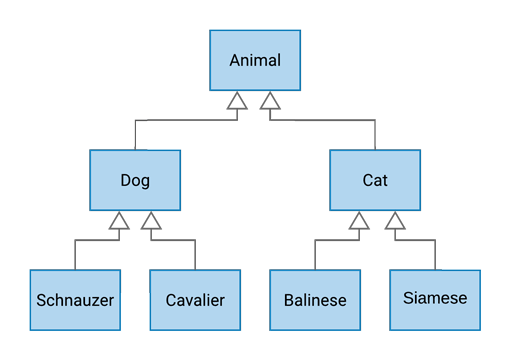
Variance tells us about the relationship between C<Dog> and C<Animal> where Dog is a subtype of Animal.
covariance and contravariance
in Kotlin
Sure, we know intuitively that a Dog is a subtype of an Animal. But it’s easy to get confused about why an Array<Dog> isn’t a subtype of an Array<Animal>.
public class Array<T>covariance and contravariance
in Kotlin
By default, generics in Kotlin (and Java) are invariant.
covariance and contravariance
in Kotlin
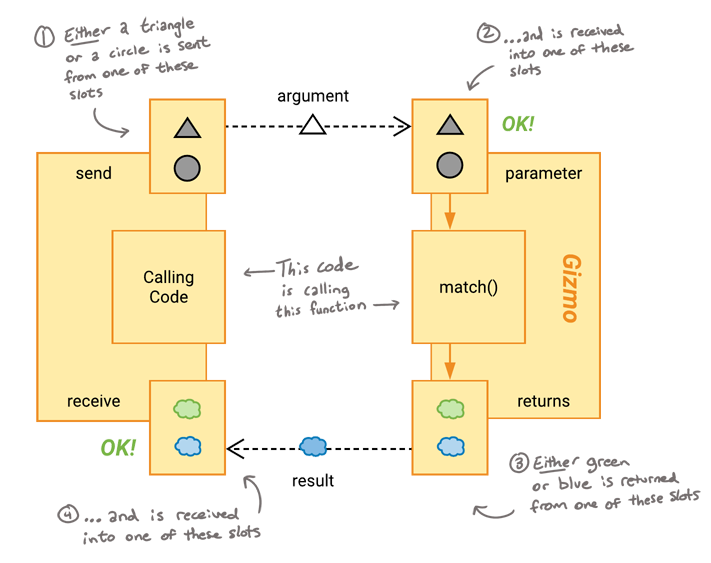
In order for a subtype to truly be a subtype, you must be able to swap one in as a replacement for its supertype, and the rest of the code shouldn’t notice anything different.
covariance and contravariance
in Kotlin
covariance and contravariance
in Kotlin
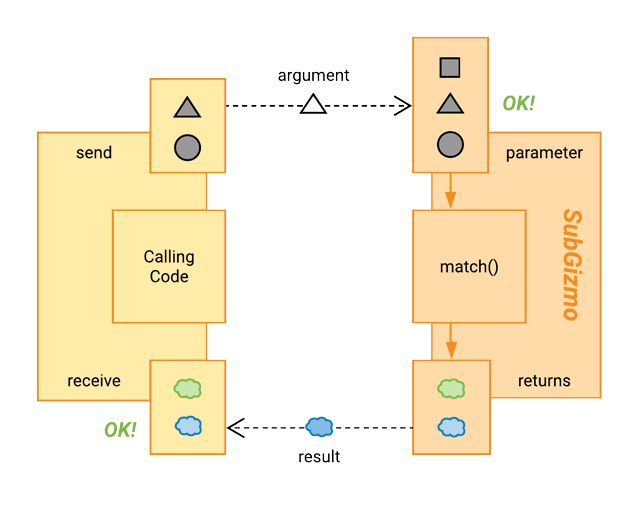
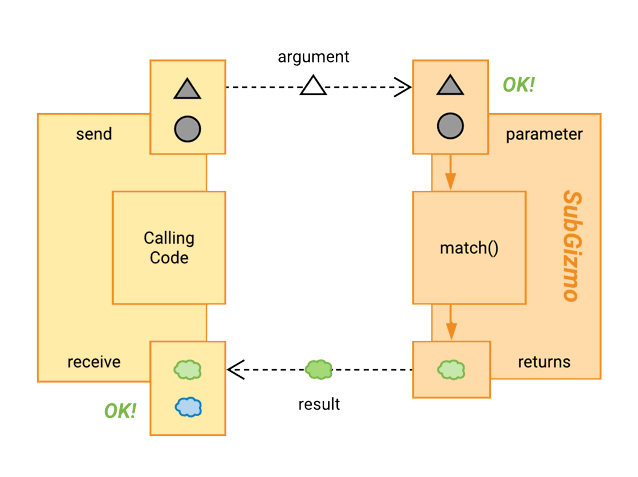
Now, this calling code has been using Gizmo successfully for a long, long time. But today, we’re going to secretly switch out Gizmo with our new SubGizmo (which, of course, is a subtype of Gizmo!).
covariance and contravariance
in Kotlin
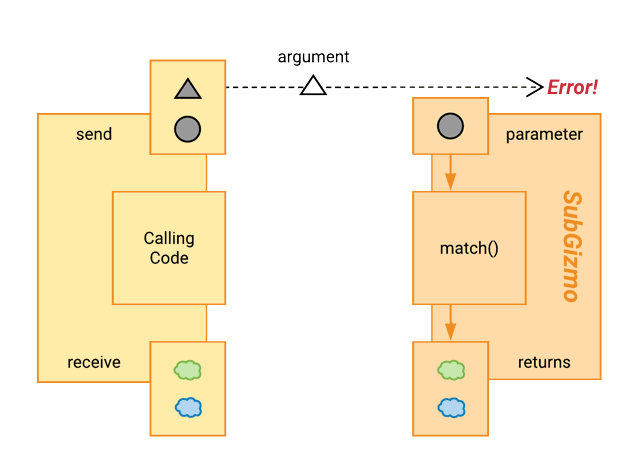
Narrowing Arguments
covariance and contravariance
in Kotlin
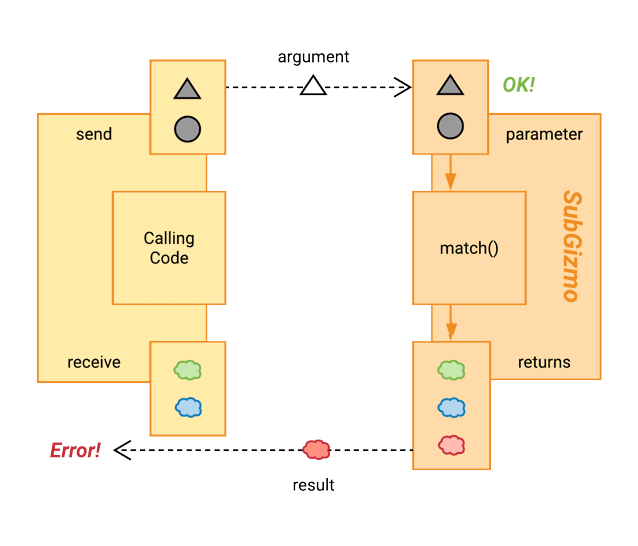
Expanding Returns
covariance and contravariance
in Kotlin
- A subtype must accept all argument types that its supertype does.
- A subtype must NOT return a result type that its supertype wouldn’t return.
covariance and contravariance
in Kotlin
- A subtype must accept all argument types that its supertype does.
- A subtype must NOT return a result type that its supertype wouldn’t return.
covariance and contravariance
in Kotlin
Expanding Arguments
covariance and contravariance
in Kotlin
Narrowing Returns
covariance and contravariance
in Kotlin
- A subtype must accept at least the same range of types as its supertype declares.
- A subtype must return at most the same range of types as its supertype declares
covariance and contravariance
in Kotlin
- A subtype must accept at least the same range of types as its supertype declares.
- A subtype must return at most the same range of types as its supertype declares
These two rules form the basis of variance.
covariance and contravariance
in Kotlin
covariance and contravariance
in Kotlin
Accepting Arguments - Contravariance
covariance and contravariance
in Kotlin
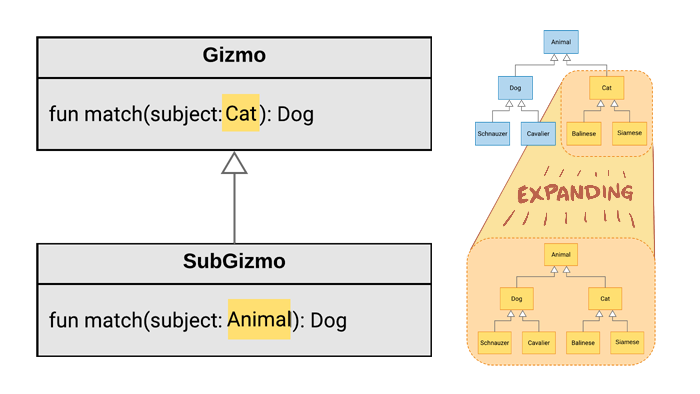
Accepting Arguments - Contravariance
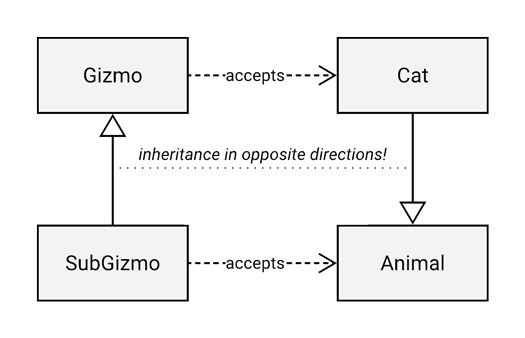
covariance and contravariance
in Kotlin
Even though this is safe for programming languages to do, Kotlin has followed Java’s lead, and does not allow for contravariance on argument types in normal class and interface inheritance, in order to allow for method overloading.
covariance and contravariance
in Kotlin
Even though this is safe for programming languages to do, Kotlin has followed Java’s lead, and does not allow for contravariance on argument types in normal class and interface inheritance, in order to allow for method overloading.
But we have a workaround for this in kotlin.
covariance and contravariance
in Kotlin
If you want contravariant argument types with inheritance, then instead of using a function, you can use a property. For example:
open class Super {
    open val execute: (B) -> Unit = {
        // ...
    }
}

class Sub : Super() {
    override val execute: (A) -> Unit = {
        // ...
    }
}
covariance and contravariance
in Kotlin
Returning Results - Covariance
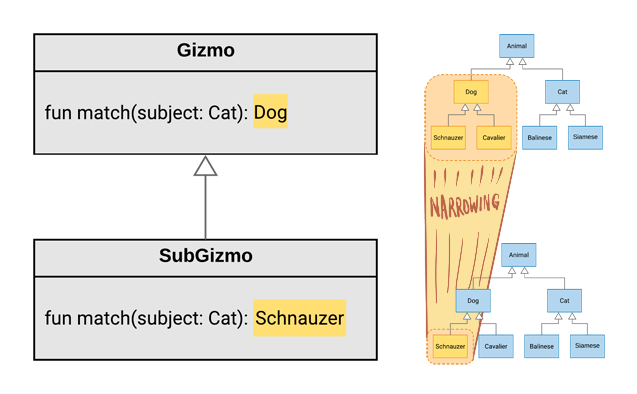
covariance and contravariance
in Kotlin
Returning Results - Covariance

covariance and contravariance
in Kotlin
Returning Results - Covariance
Kotlin does allow for covariant return types in normal class and interface inheritance:
interface Gizmo {
    fun match(subject: Cat): Dog
}

interface SubGizmo : Gizmo {
    override fun match(subject: Cat): Schnauzer
}
covariance and contravariance
in Kotlin
interface Group<T> {
	fun insert(item: T): Unit
	fun fetch(): T
}
Imagine that we want Group<Dog> to be a subtype of Group<Animal>. (We call this a covariant relationship).
covariance and contravariance
in Kotlin
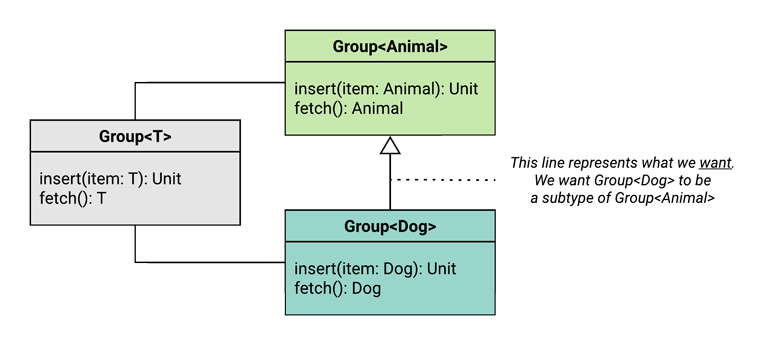
covariance and contravariance
in Kotlin
- A subtype must accept at least the same range of types as its supertype declares.
- A subtype must return at most the same range of types as its supertype declares
covariance and contravariance
in Kotlin
interface Group<T> {
	fetch(): T
}
covariance and contravariance
in Kotlin
interface Group<T> {
	fetch(): T
}
Success! All that’s left is for us to tell the Kotlin compiler what we want. To do this, we put the out variance annotation on the type parameter T, like this:
interface Group<out T> {
	fetch(): T
}
covariance and contravariance
in Kotlin
It’s called out because T now only ever appears in the “out” position - as a function’s result type.
covariance and contravariance
in Kotlin
By doing this, Kotlin now knows to treat Group<Dog> as a subtype of Group<Animal>.
covariance and contravariance
in Kotlin
In fact, it will also enforce both of the subtype rules. So if you were to add the insert() method back, the compiler will show it as an error.
covariance and contravariance
in Kotlin
And now we know why Kotlin won’t let us put a type parameter in a function parameter position when it’s marked as out - it’s not type-safe because it violates Rule #1!
covariance and contravariance
in Kotlin
It’s important to note that properties are also affected
class Box<out T>(val item: T)This class has its type parameter marked as out, which works fine because val means that the property is read-only. But the following would not work:
class Box<out T>(var item: T) // doesn't compile!covariance and contravariance
in Kotlin
Now we want a Group<Animal> to be a subtype of Group<Dog>. This is called a contravariant relationship.
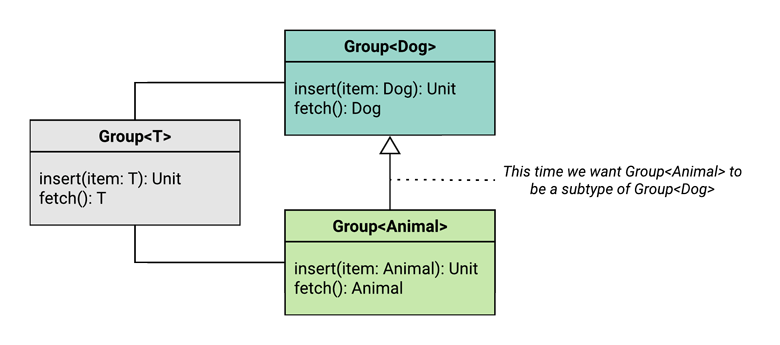
covariance and contravariance
in Kotlin
- A subtype must accept at least the same range of types as its supertype declares.
- A subtype must return at most the same range of types as its supertype declares
covariance and contravariance
in Kotlin
interface Group<T> {
	insert(item: T): Unit
}
covariance and contravariance
in Kotlin
interface Group<T> {
	insert(item: T): Unit
}
So, as before, all that we have left is to tell Kotlin that we want Group<Animal> to be a subtype of Group<Dog>, and we do that by adding the in variance annotation to T:
interface Group<in T> {
	insert(item: T): Unit
}
covariance and contravariance
in Kotlin
Now the compiler will ensure that we don’t violate either of the two rules, so adding fetch() back into the interface would cause a compiler error.
covariance and contravariance
in Kotlin
Keeping Both of Those Functions
One option is to split the interface into multiple interfaces - one with the insert() function, and one with the fetch() function.
interface WritableGroup<in T> {
	fun insert(item: T): Unit
}
interface ReadableGroup<out T> {
fun fetch(): T
}covariance and contravariance
in Kotlin
Keeping Both of Those Functions
You’d probably still want a Group interface that includes both of those functions, and that’s easy enough to create:
interface WritableGroup<in T> {
	fun insert(item: T): Unit
}
interface ReadableGroup<out T> {
fun fetch(): T
}interface Group<T> : ReadableGroup<T>, WritableGroup<T>covariance and contravariance
in Kotlin
Keeping Both of Those Functions
Now, anywhere in our code that we want to call fetch(), we use ReadableGroup, and anywhere that we want to call insert(), we use WritableGroup:
fun read(group: ReadableGroup<Dog>) = println(group.fetch())
fun write(group: WritableGroup<Dog>) = group.insert(Dog())
covariance and contravariance
in Kotlin
Keeping Both of Those Functions
Splitting up interfaces does the trick, but it’s certainly more code to write. Wouldn’t it be nifty if Kotlin gave us some way to effectively split the interfaces for us, without having to write those interfaces ourselves?
covariance and contravariance
in Kotlin
Keeping Both of Those Functions
In fact, it does! Here’s how that looks:
fun read(group: Group<out Dog>) = println(group.fetch())
fun write(group: Group<in Dog>) = group.insert(Dog())
covariance and contravariance
in Kotlin
Until now, we’ve put the variance annotations (out and in) on the type parameter - at the point in the code where we declared the generic, which is why we call it declaration-site variance.
covariance and contravariance
in Kotlin
But here, we put the variance annotations on the type argument instead - at the point in the code where we’re using the generic, so we call it use-site variance.
covariance and contravariance
in Kotlin
Type Projections
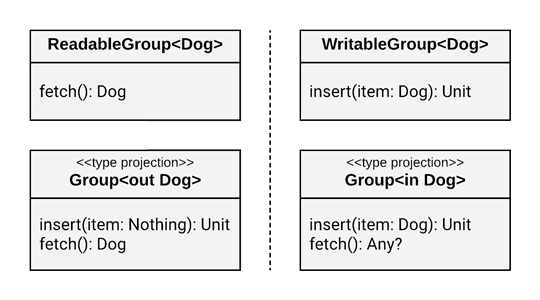
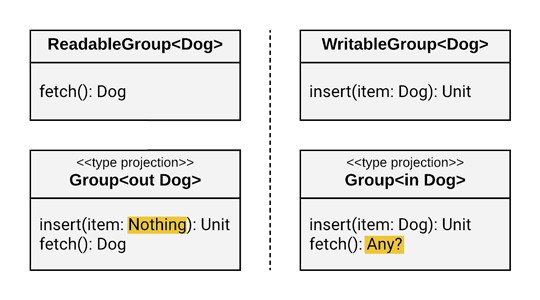
The group parameter in both of these functions is now a type projection.
fun read(group: Group<out Dog>) = println(group.fetch())
fun write(group: Group<in Dog>) = group.insert(Dog())
covariance and contravariance
in Kotlin
Type Projections
covariance and contravariance
in Kotlin
Type Projections
covariance and contravariance
in Kotlin
- A subtype must accept at least the same range of types as its supertype declares.
- A subtype must return at most the same range of types as its supertype declares
covariance and contravariance
in Kotlin
class Box<T>(var item: T)

fun examine(boxed: Box<out Animal>) {
    val animal: Animal = boxed.item
    println(animal)
}

fun insert(boxed: Box<out Animal>) {
    boxed.item = Animal()  // <-- compiler error here
}

val animal: Box<Animal> = Box(Animal())
val dog: Box<Dog> = Box(Dog())

examine(animal)
examine(dog)
covariance and contravariance
in Kotlin
In general, declaration-site variance is preferred for any code that’s under your control because the variance is specified only once, and all use sites get the benefit of the variance
covariance and contravariance
in Kotlin
On the other hand, if you know that your generic will be used in different ways at different use sites, then using declaration-site variance would likely also mean creating different interfaces to separate the read and write functions. This is the main disadvantage.
covariance and contravariance
in Kotlin
Declaration-Site Variance and Inheritance
interface Box<out T>{
    fun get(): T
}

interface MutableBox<Y>: Box<Y>{
    fun set(item: String)
}
covariance and contravariance
in Kotlin
Declaration-Site Variance and Inheritance
interface Box<out T>{
    fun get(): T
}

interface MutableBox<Y>: Box<Y>{
    fun set(item: String)
}
interface Box<out T>{
fun get(): T
}
interface MutableBox<in Y>: Box<Y>{
fun set(item: String)
}covariance and contravariance
in Kotlin
Declaration-Site Variance and Inheritance
interface Box<out T>{
    fun get(): T
}

interface MutableBox<Y>: Box<Y>{
    fun set(item: String)
}
interface Box<out T>{
fun get(): T
}
interface MutableBox<in Y>: Box<Y>{
fun set(item: String)
}interface Box<T>{
fun get(): T
}
interface MutableBox<out Y>: Box<Y>{
fun set(item: String)
}covariance and contravariance
in Kotlin
Declaration-Site Variance and Inheritance
interface Box<out T>{
    fun get(): T
}

interface MutableBox<Y>: Box<Y>{
    fun set(item: String)
}
interface Box<out T>{
fun get(): T
}
interface MutableBox<in Y>: Box<Y>{
fun set(item: String)
}interface Box<T>{
fun get(): T
}
interface MutableBox<out Y>: Box<Y>{
fun set(item: String)
}covariance and contravariance
in Kotlin
Declaration-Site Variance and Inheritance
interface Box<out T>{
    fun get(): T
}

interface MutableBox<Y>: Box<Y>{
    fun set(item: String)
}
For each type parameter, a subtype can declare the same variance as its supertype, or it can effectively remove the variance declared on its supertype.
covariance and contravariance
in Kotlin
@UnsafeVariance
covariance and contravariance
in Kotlin
@UnsafeVariance
Yes, you can cheat on those promises! But be careful about it. You’ll lose the benefit of compile-time type guarantees, and you could end up with a ClassCastException at runtime.
covariance and contravariance
in Kotlin
@UnsafeVariance
Yes, you can cheat on those promises! But be careful about it. You’ll lose the benefit of compile-time type guarantees, and you could end up with a ClassCastException at runtime.
class UnsafeBox<out T>(private var item: T) {
    fun get(): T = item

    fun set(newItem: @UnsafeVariance T) {
        item = newItem
    }
}
covariance and contravariance
in Kotlin
@UnsafeVariance
class UnsafeBox<out T>(private var item: T) {
    fun get(): T = item

    fun set(newItem: @UnsafeVariance T) {
        item = newItem
    }
}
open class Animal
open class Dog : Animal()
open class Schnauzer : Dog()
// Because T is "out", when you call setIt(), you can pass
// either UnsafeBox<Dog> or UnsafeBox<Schnauzer>:
fun setIt(box: UnsafeBox<Dog>, dog: Dog) = box.set(dog)
val box: UnsafeBox<Schnauzer> = UnsafeBox(Schnauzer())
setIt(box, Dog()) // Oops! Passing a Dog to UnsafeBox<Schnauzer>
val schnauzer: Schnauzer = box.get() // ClassCastException!
covariance and contravariance
in Kotlin
@UnsafeVariance
open class Animal
open class Dog : Animal()
open class Schnauzer : Dog()

// Because T is "out", when you call setIt(), you can pass
// either UnsafeBox<Dog> or UnsafeBox<Schnauzer>:
fun setIt(box: UnsafeBox<Dog>, dog: Dog) = box.set(dog)

val box: UnsafeBox<Schnauzer> = UnsafeBox(Schnauzer())
setIt(box, Dog()) // Oops! Passing a Dog to UnsafeBox<Schnauzer>
val schnauzer: Schnauzer = box.get() // ClassCastException!
This is especially nefarious because the exception doesn’t happen when the object is incorrectly saved to the Box. It happens when you go to pull the item back out of it.
covariance and contravariance
in Kotlin
@UnsafeVariance
class Box<out T>(private var item: T) {
    fun get(): T = item
    fun has(other: @UnsafeVariance T) = item == other
}
covariance and contravariance
in Kotlin
@UnsafeVariance
In this case, the other parameter in the has() function is never saved as object state - it’s only used for a comparison. If we were to end up comparing objects of different types, nothing would break. So we know that we won’t end up with a ClassCastException here.
class Box<out T>(private var item: T) {
    fun get(): T = item
    fun has(other: @UnsafeVariance T) = item == other
}
covariance and contravariance
in Kotlin
@UnsafeVariance
Indeed, this is how the Kotlin standard library uses the @UnsafeVariance annotation - for testing a value, or finding the index of an object in a collection.
class Box<out T>(private var item: T) {
    fun get(): T = item
    fun has(other: @UnsafeVariance T) = item == other
}
covariance and contravariance
in Kotlin
Star Projection
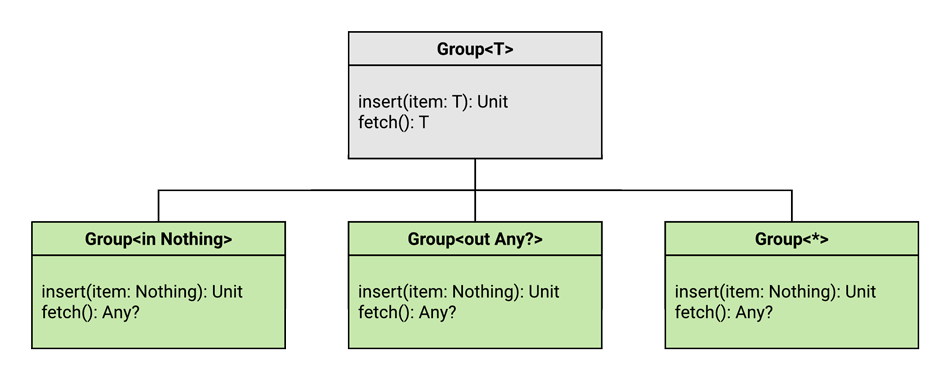
There are times when you want a function that can accept any kind of a particular generic.
covariance and contravariance
in Kotlin
Star Projection
There are times when you want a function that can accept any kind of a particular generic.
interface Group<T> {
  fun insert(item: T): Unit
  fun fetch(): T
}
covariance and contravariance
in Kotlin
Star Projection
interface Group<T> {
  fun insert(item: T): Unit
  fun fetch(): T
}- A subtype must accept at least the same range of types as its supertype declares.
- A subtype must return at most the same range of types as its supertype declares
covariance and contravariance
in Kotlin
Star Projection
covariance and contravariance
in Kotlin
Star Projection
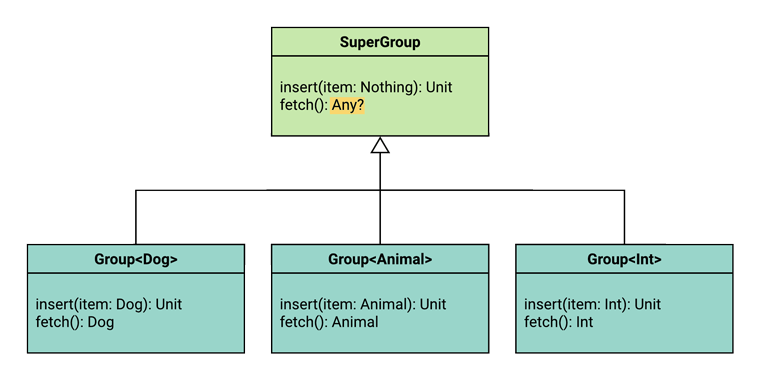
interface SuperGroup {
    fun insert(item: Nothing): Unit
    fun fetch(): Any?
}
covariance and contravariance
in Kotlin
Star Projection
interface SuperGroup {
    fun insert(item: Nothing): Unit
    fun fetch(): Any?
}
It might be tempting to just create this interface in your code and have Group extend it, but that actually won’t work!
covariance and contravariance
in Kotlin
Star Projection
interface SuperGroup {
    fun insert(item: Nothing): Unit
    fun fetch(): Any?
}
It might be tempting to just create this interface in your code and have Group extend it, but that actually won’t work!
Why not?
covariance and contravariance
in Kotlin
Star Projection
interface SuperGroup {
    fun insert(item: Nothing): Unit
    fun fetch(): Any?
}
Because, as you might recall, Kotlin does not support contravariant argument types in normal class and interface inheritance.
covariance and contravariance
in Kotlin
Star Projection
But good news - we can achieve the same thing with a type projection!
covariance and contravariance
in Kotlin
Star Projection
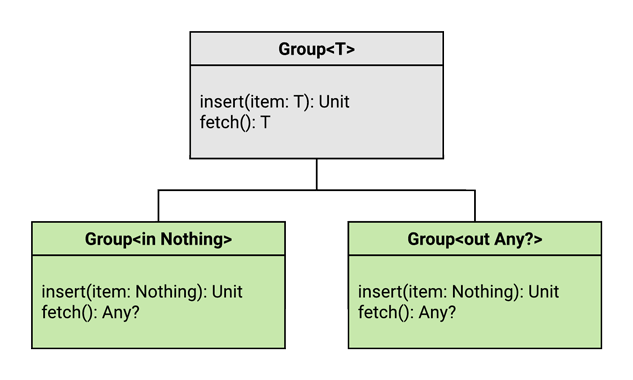
Interestingly, there are two perspectives that you can take on this. You could either:
- Use an in-projection, and specify
Nothingas the type argument. - Use an out-projection, and specify
Any?as the type argument.
covariance and contravariance
in Kotlin
Star Projection
covariance and contravariance
in Kotlin
Star Projection
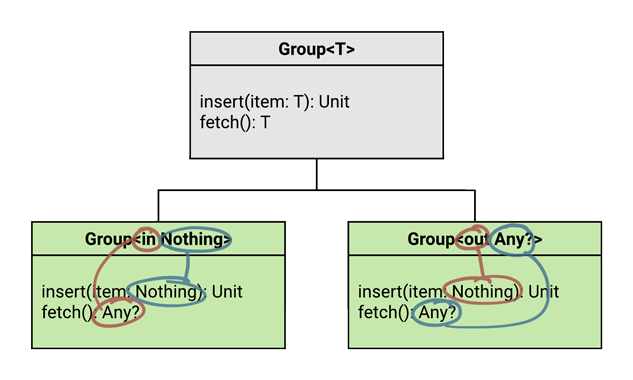
covariance and contravariance
in Kotlin
Star Projection
But guess what - there’s also a third option!
covariance and contravariance
in Kotlin
Star Projection
But guess what - there’s also a third option!
covariance and contravariance
in Kotlin
Star Projection
Instead of using Group<in Nothing> or Group<out Any?>, you can just use Group<*>
covariance and contravariance
in Kotlin
Star Projection