JavaScript
4/24 6th社課
- 陳柏安
- 建資38th 社長&網管
- 興趣
- 打電動(最近玩Apex)
- 看小說
- 睡覺(?
- 一樣繼續推銷社網
- 有沒有人要教我算法
講師介紹

還沒有個人網站 退幹做吧
Review
Review
- 所有東西都是Objects,連函式都是
- 裡面會有屬性(Property)或方法(Method)
- 可以用「 . 」來存取內部的東東
物件 Objects
const myPizza = {
    crust: "thin",
    toppings: ["cheese"],
    isHot: true,
    price: 15,
    eat(){
        console.log("You ate the pizza")
    },
  	upgrade(){
        this.price += 10
        this.toppings = ["cheese", "ham", "mushroom"]
    }
};

console.log(myPizza.price, myPizza.toppings);
myPizza.upgrade();
console.log(myPizza.price, myPizza.toppings);
output
偷一個
Review
- 更簡潔的函式寫法
- 沒有自己的名字、this、引數......
- 可以更好的使用this
箭頭函式
function Liuqi(name) {
  this.name = name;

  setInterval(function sixSeven(){
    console.log(`${this.name} did a six seven🫴🫳.`)
  }, 1000);
}

var p = new Liuqi("Jason");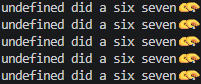
這邊的sixSeven()會認為裡面的this是全域的,而非liuqi()裡的,所以會找不到name這個屬性。
Review
- 更簡潔的函式寫法
- 沒有自己的名字、this、引數......
- 可以更好的使用this
箭頭函式
function Liuqi(name) {
  this.name = name;

  setInterval(() => {
    console.log(`${this.name} did a six seven🫴🫳.`)
  }, 1000);
}

var p = new Liuqi("Jason");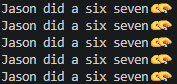
箭頭函式會找上下文來看
重講一下Prototype
重講一下Prototype
- 原型
- 可以想成最基本的藍圖、模板
- 所有objects都有prototype
- 比較一下
- Js:只有object,以原型鏈來實踐「繼承」
- 其他程式語言e.g. Java、C++、Python:有class
繼承:
- 分層(子類別&父類別)
- 子類別可以繼承父類別的屬性or方法
- e.g. 「勞淑」有「動物」的特性

🌰
function Mac(){
    this.name = "Big Mac";
    this.ingredient = ["Beef","Sauce","Lettuce","Cheese","Onions","Pickles","Bread"];
    this.kcal = 550;
}

let myOrder = new Mac();


Mac.prototype.comment = "No Beef";

console.log(myOrder.name);
console.log(myOrder.kcal);
console.log(myOrder.comment);
console.log(myOrder.forHereOrToGo);
建構式:之後會被new呼叫的函式
幫「Mac的prototype」建立新屬性
沒有指定,會回去找
new:建立新的物件(產出實體)
constructor
output
畫完圖還是有點抽象的圖解
| name | Big Mac |
| ingredient | ["Beef","Sauce", ...] |
| kcal | 550 |
| 上一層 | Mac.prototype |
myOrder
Mac.prototype
| 建構式 | Mac |
| 上一層 | Object.prototype |
Mac
| 原型 | Mac.prototype |
| 上一層 | Function.prototype |
Object.prototype
| (一堆內建方法) |
| 上一層:NULL |
NULL
*Mac不會出現在myOrder的原型鏈上
...
畫完圖還是有點抽象的圖解
| name | Big Mac |
| ingredient | ["Beef","Sauce", ...] |
| kcal | 550 |
| 上一層 | Mac.prototype |
myOrder
Mac.prototype
| 建構式 | Mac |
| comment | No Beef |
| 上一層 | Object.prototype |
Mac
| 原型 | Mac.prototype |
| 上一層 | Function.prototype |
Object.prototype
| (一堆內建方法) |
| 上一層:NULL |
NULL
...
畫完圖還是有點抽象的圖解
| name | Big Mac |
| ingredient | ["Beef","Sauce", ...] |
| kcal | 550 |
| 上一層 | Mac.prototype |
myOrder
Mac.prototype
| 建構式 | Mac |
| comment | No Beef |
| 上一層 | Object.prototype |
Mac
| 原型 | Mac.prototype |
| 上一層 | Function.prototype |
Object.prototype
| (一堆內建方法) |
| 上一層:NULL |
NULL
console.log(myOrder.comment)
console.log(myOrder.name)
console.log(myOrder.ingredient)
console.log(myOrder.forHereOrToGo)
...
Class
Class
- ES6的新東西(2015,其實也11年前了)
- 只是「語法糖」,Js本質上還是prototype-based
- 語法糖:能簡化代碼、提高可讀性與寫作效率的新語法
name = "Jason";
console.log(`Hello ${name}!`);
name = "Jason";
console.log('Hello ' + name + '!');簡單的語法糖例子:模板字串
最基本的🌰
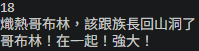
class Goblin{
    constructor(name, yearsBeingSingle, job){
        this.name = name;
        this.yearsBeingSingle = yearsBeingSingle;
        this.job = job;
    }

    chant(){
        return "哥布林!在一起!強大!";
    }

    backToCave(){
        return `${this.name},該跟族長回山洞了`;
    }
}

const g = new Goblin("熾熱哥布林", 18, "學生");

console.log(g.yearsBeingSingle);
console.log(g.backToCave());
console.log(g.chant());
建構式:定義屬性&有繼承的話會呼叫父類別(一個class只能有一個)
一樣要用new實體化
output
私有 private
class Goblin{
    #name;
    #yearsBeingSingle = 0;
    #job;

    constructor(name, yearsBeingSingle, job){
        this.#name = name;
        this.#yearsBeingSingle = yearsBeingSingle;
        this.#job = job;
    }

    chant(){
        return "哥布林!在一起!強大!";
    }

    backToCave(){
        return `${this.#name},該跟族長回山洞了`;
    }
}

const g = new Goblin("熾熱哥布林", 18, "學生");

console.log(g.backToCave());
console.log(g.chant());-
加「#」前綴創建(before:加「 _ 」)
-
外部不可引用
e.g.
console.log(g.#name)
getter & setter
class Goblin{
    //...

    get info(){ //getter
        return `我的名字叫${this.#name}, 單身${this.#yearsBeingSingle}年, 是個${this.#job}`;
    }

    set setYearsBeingSingle(years){ //setter
        this.#yearsBeingSingle = years;
    }

    //...
}

const g = new Goblin("熾熱哥布林", 18, "學生");

console.log(g.info);
g.setYearsBeingSingle = 19;
console.log(g.info);- 通常在取得/設定私有屬性 or 特殊值會用
- 使用關鍵字 get/set實作

output
要用"="
靜態 static
class Goblin{
    //...
    static #numOfGoblins = 0;

    constructor(name, yearsBeingSingle, job){
        //...

        Goblin.#countGoblins();
    }

	static #countGoblins(){
        this.#numOfGoblins++;
    }

    static get numOfGoblins(){
      return this.#numOfGoblins;
    }
}

const g1 = new Goblin("熾熱哥布林","18","學生");
console.log(Goblin.numOfGoblins);
const g2 = new Goblin("冰霜哥布林","24","超商店員");
console.log(Goblin.numOfGoblins);- 屬於class本身的東西(不論是哪一個被實體化的物件,都共享這個方法或屬性)
- 寫通用功能會用到
- 使用關鍵字static實作
記得加static
#countGoblins()是個靜態又隱私的方法,在每次實體化的時候會呼叫
用numOfGoblins()這個靜態的getter從外部取得數量

output
class的繼承
class Goblin{
    constructor(name, yearsBeingSingle, job){
        this.name = name;
        this.yearsBeingSingle = yearsBeingSingle;
        this.job = job;
    }

    chant(){
        return "哥布林!在一起!強大!";
    }
}

class GoblinLeader extends Goblin{
    constructor(name, yearsBeingSingle, job, order){
        super(name, yearsBeingSingle, job);
        this.order = order;
    }

    chant(){
        return `${super.chant()} 哥布林們聽我號令:${this.order}`;
    }
}

const l = new GoblinLeader("長老", 100, "長老", "回山洞!");
console.log(l.chant());- 使用關鍵字extends實作
- 子類別建構式第一行使用super(),會執行父類別的建構式
- 如果有名稱相同的方法要加上super.
來不及出實作了 偷題目:)
檔案引入
檔案引入
- 扣越寫越多的時候通常會拆成數個檔案(通常叫模組),最後會有個主程式彙整
- 或者是你懶得寫決定抓現成的東東(函式庫 library)來用的時候
- 那我們要如何引入?
Js裡會用import/require 跟 export 來告訴電腦你要引什麼
Require用法
function add(a, b){
  return a + b;
}

function multiply(a, b){
  return a * b;
}

module.exports = {add, multiply};
math.js
const math = require("./math.js");

console.log(math.add(2, 3));
console.log(math.multiply(4, 6));
主要js檔案
輸出
輸入檔案路徑,引入整個檔案
Import用法
export function add(a, b){
  return a + b;
}

export function multiply(a, b){
  return a * b;
}
math.js
import {add, multiply} from './math.js';

console.log(add(2, 3));
console.log(multiply(4, 6));
主要js檔案
直接用關鍵字 export 匯出函式
從math.js引入add、multiply兩個函式
import * as myModule from "/modules/my-module.js";補充一個