Spring AOP
Aspect Oriented Programming
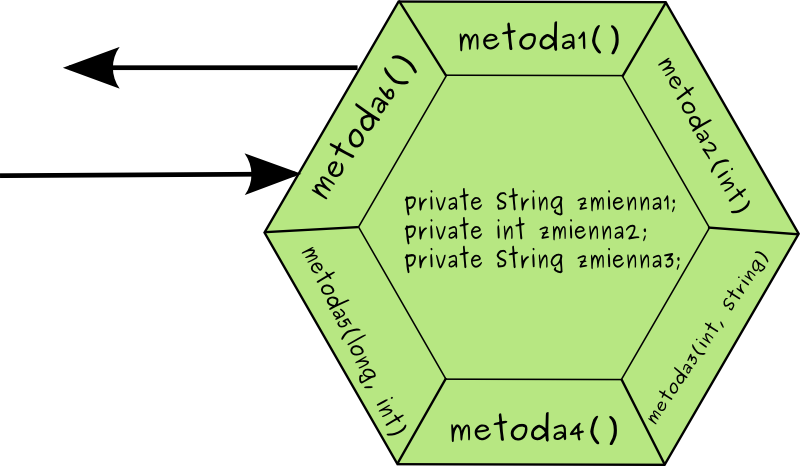
Aspect Oriented Programming
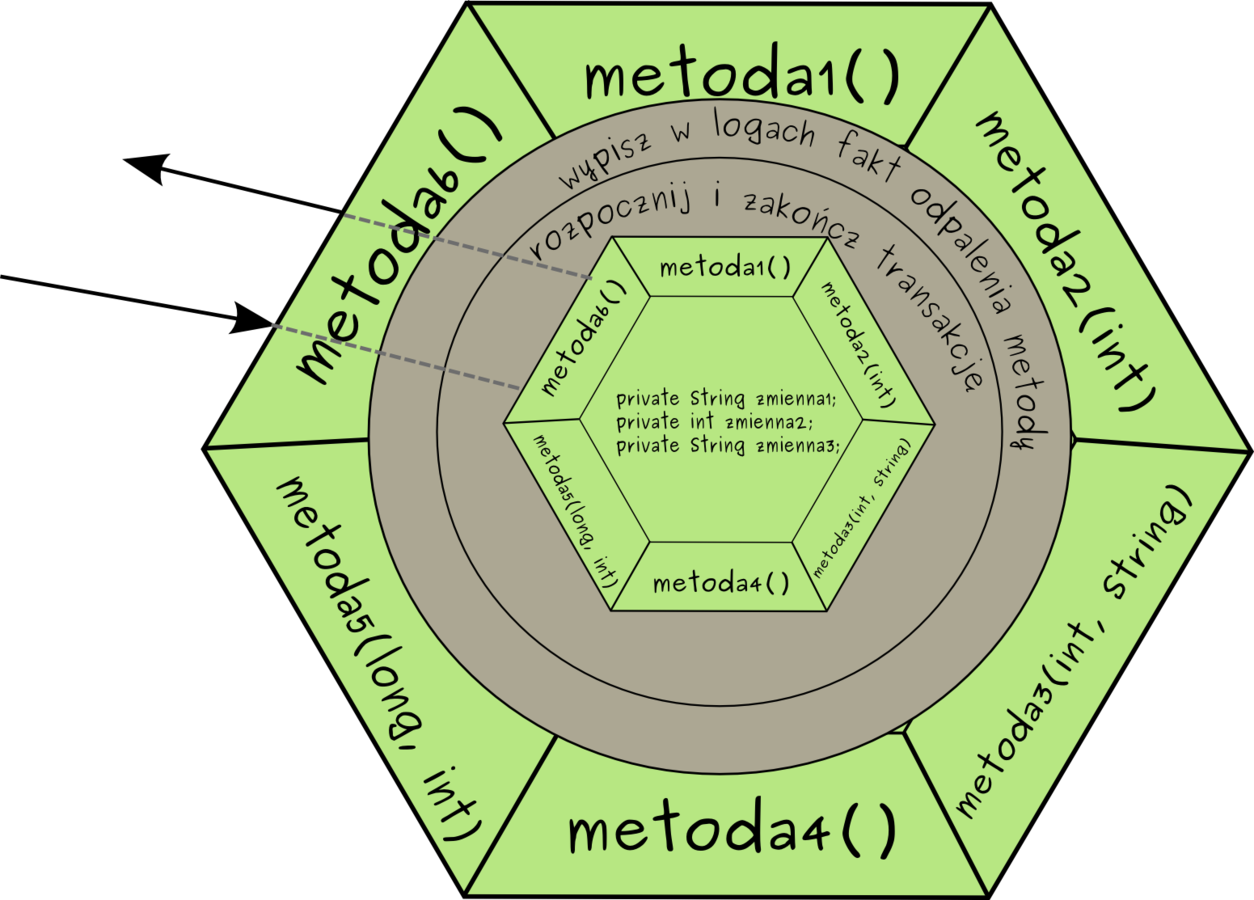
Terminology
- Aspect - some feature
- Join point - point where feature can be applied
- Pointcut - predicate to designate join points
- Advice - action taken at particular point cut
- Target object - object being adviced by one or more aspects
Advice
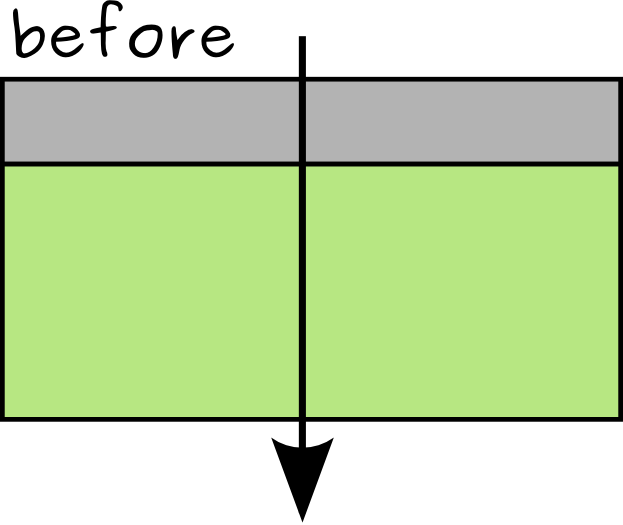
- Before advice
- After returning advice
- After throwing advice
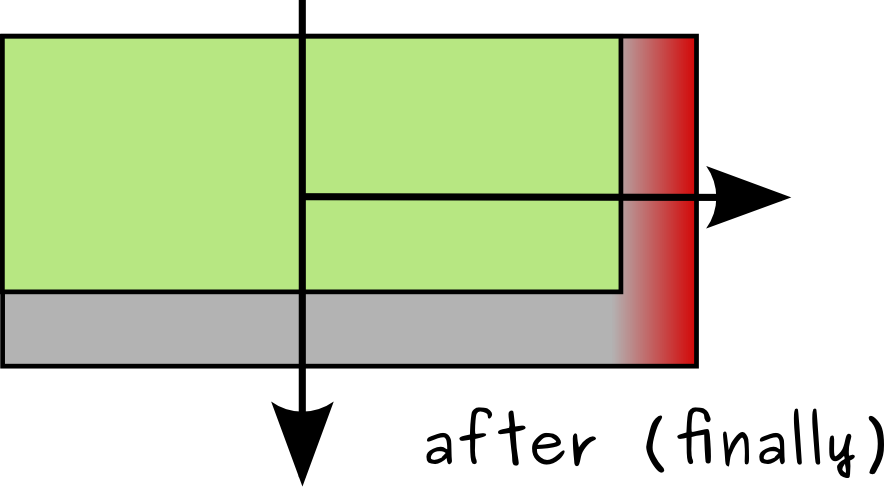
- After (finally) advice
- Around advice
Configuration
@Configuration
@EnableAspectJAutoProxy
public class AppConfig {

}<aop:aspectj-autoproxy/>Aspect
package org.xyz;
import org.aspectj.lang.annotation.Aspect;
import org.aspectj.lang.annotation.Before;
import org.springframework.stereotype.Component;

@Component
@Aspect
public class MyAspect {
    @Before("execution(* someMethod(..))")
    public void doSomething() {
        System.out.println("Doing something before method someMethod");
    }
}
<dependency>
<groupId>org.aspectj</groupId>
<artifactId>aspectjweaver</artifactId>
<version>1.8.8</version>
<scope>compile</scope>
</dependency>Aspect
package org.xyz;
import org.aspectj.lang.annotation.Aspect;
import org.aspectj.lang.annotation.Before;
import org.springframework.stereotype.Component;

@Component
@Aspect
public class MyAspect {
    @Before("someMethodExecution()")
    public void doSomething() {
        System.out.println("Doing something before method someMethod");
    }

    @Pointcut("execution(* someMethod(..))")// the pointcut expression
    private void someMethodExecution() {}// the pointcut signature
}
<dependency>
<groupId>org.aspectj</groupId>
<artifactId>aspectjweaver</artifactId>
<version>1.8.8</version>
<scope>compile</scope>
</dependency>Pointcuts
- execution - for matching methods
- within - limits to types
- this - proxy has type
- target - target has type
- args - arguments match list
- @target - target is annotated
- @args - arguments are annotated
- @within - type is annotated
- @annotation - subject has annotation
- bean - bean has name (only in Spring)
- &&, || and ! can be used
AspectJ Pointcuts
- Not supported: call, get, set, preinitialization, staticinitialization, initialization, handler, adviceexecution, withincode, cflow, cflowbelow, if, @this
- Throw IllegalArgumentException if used
Combining Pointcuts
@Pointcut("execution(public * *(..))")
private void anyPublicOperation() {}

@Pointcut("within(com.xyz.someapp.trading..*)")
private void inTrading() {}

@Pointcut("anyPublicOperation() && inTrading()")
private void tradingOperation() {}
In XML pointcut reference
package com.xyz.someapp;

import org.aspectj.lang.annotation.Aspect;
import org.aspectj.lang.annotation.Pointcut;

@Aspect
public class SystemArchitecture {
    @Pointcut("within(com.xyz.someapp.web..*)")
    public void inWebLayer() {}
}
<aop:config>
<aop:advisor
pointcut="com.xyz.someapp.SystemArchitecture.inWebLayer()"
advice-ref="tx-advice"/>
</aop:config>
<tx:advice id="tx-advice">
<tx:attributes>
<tx:method name="*" propagation="REQUIRED"/>
</tx:attributes>
</tx:advice>execution
execution(modifiers-pattern? ret-type-pattern
            declaring-type-pattern?name-pattern(param-pattern)
                throws-pattern?)
Pointcuts examples
Examples
1) execution(public * *(..))

2) execution(* set*(..))

3) execution(* com.xyz.service.AccountService.*(..))

4) execution(* com.xyz.service.*.*(..))

5) execution(* com.xyz.service..*.*(..))

6) within(com.xyz.service.*)

7) within(com.xyz.service..*)

8) this(com.xyz.service.AccountService)

9) target(com.xyz.service.AccountService)

10) args(java.io.Serializable)

11) @target(org.springframework.transaction.annotation.Transactional)

12) @within(org.springframework.transaction.annotation.Transactional)

13) @annotation(org.springframework.transaction.annotation.Transactional)

14) @args(com.xyz.security.Classified)

15) bean(tradeService)

16) bean(*Service)
Pointcut optimization
- AspectJ processes pointcuts to optimize them
- Pointcuts are rewritten to Disjunctive Normal Form
- Once rewritten are sorted (cheaper first)
Before Advice
import org.aspectj.lang.annotation.Aspect;
import org.aspectj.lang.annotation.Before;

@Aspect
public class BeforeExample {

    @Before("com.xyz.myapp.SystemArchitecture.dataAccessOperation()")
    public void doAccessCheck() {
        // ...
    }

}
import org.aspectj.lang.annotation.Aspect;
import org.aspectj.lang.annotation.Before;
@Aspect
public class BeforeExample {
@Before("execution(* com.xyz.myapp.dao.*.*(..))")
public void doAccessCheck() {
// ...
}
}
After Advice
import org.aspectj.lang.annotation.Aspect;
import org.aspectj.lang.annotation.After;

@Aspect
public class AfterFinallyExample {

    @After("com.xyz.myapp.SystemArchitecture.dataAccessOperation()")
    public void doReleaseLock() {
        // ...
    }

}
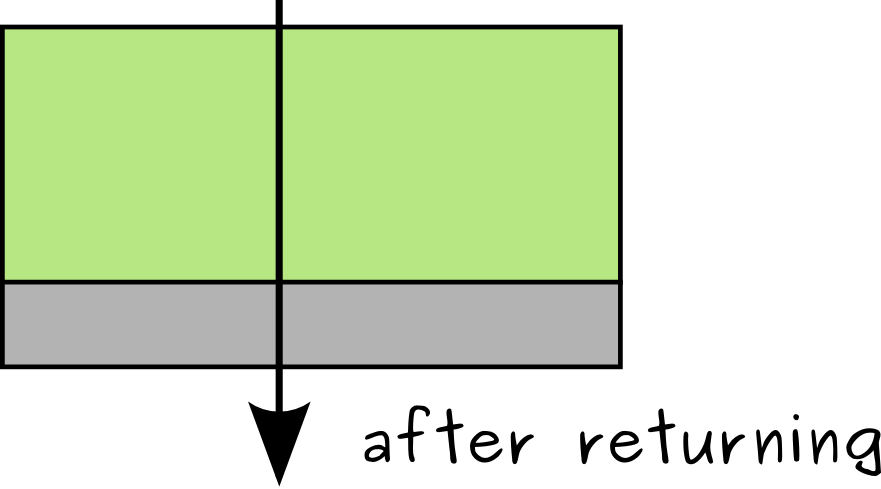
After Returning Advice
import org.aspectj.lang.annotation.Aspect;
import org.aspectj.lang.annotation.AfterReturning;

@Aspect
public class AfterReturningExample {

    @AfterReturning("com.xyz.myapp.SystemArchitecture.dataAccessOperation()")
    public void doAccessCheck() {
        // ...
    }

}
After Returning Advice and returned object
import org.aspectj.lang.annotation.Aspect;
import org.aspectj.lang.annotation.AfterReturning;

@Aspect
public class AfterReturningExample {

    @AfterReturning(
        pointcut="com.xyz.myapp.SystemArchitecture.dataAccessOperation()",
        returning="retVal")
    public void doAccessCheck(Object retVal) {
        // ...
    }

}
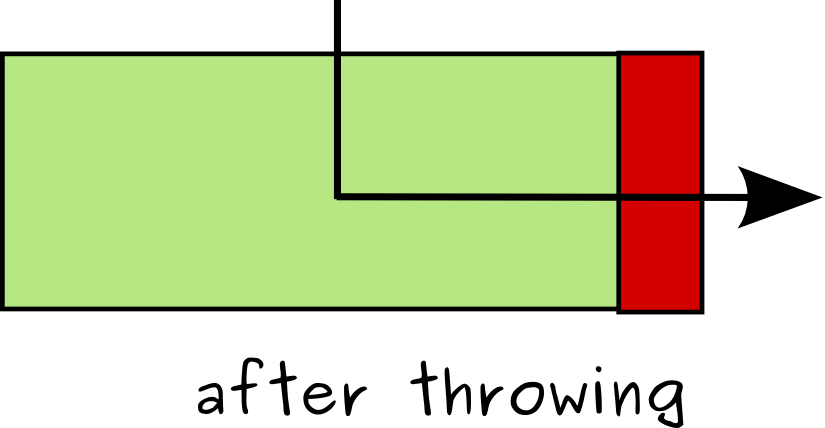
After Throwing Advice
import org.aspectj.lang.annotation.Aspect;
import org.aspectj.lang.annotation.AfterThrowing;

@Aspect
public class AfterThrowingExample {

    @AfterThrowing("com.xyz.myapp.SystemArchitecture.dataAccessOperation()")
    public void doRecoveryActions() {
        // ...
    }

}
After Throwing Advice with catched exception
import org.aspectj.lang.annotation.Aspect;
import org.aspectj.lang.annotation.AfterThrowing;

@Aspect
public class AfterThrowingExample {

    @AfterThrowing(
        pointcut="com.xyz.myapp.SystemArchitecture.dataAccessOperation()",
        throwing="ex")
    public void doRecoveryActions(DataAccessException ex) {
        // ...
    }

}
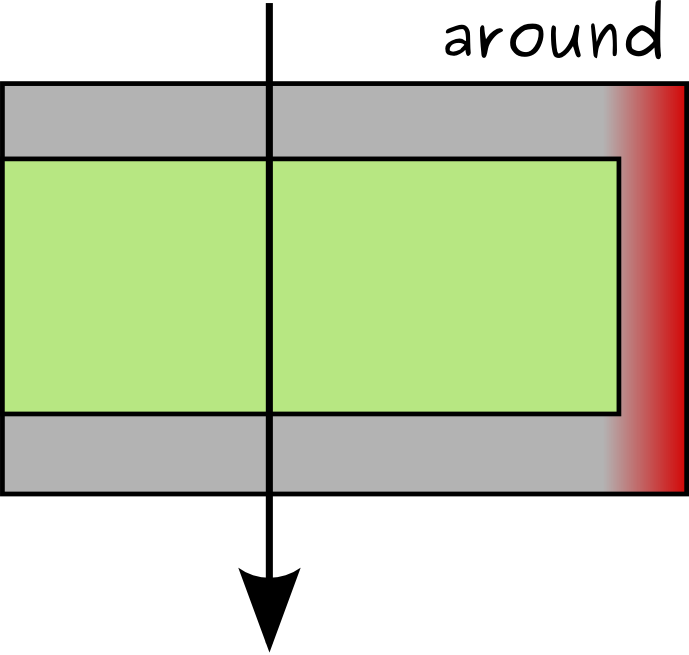
Around Advice
import org.aspectj.lang.annotation.Aspect;
import org.aspectj.lang.annotation.Around;
import org.aspectj.lang.ProceedingJoinPoint;

@Aspect
public class AroundExample {

    @Around("com.xyz.myapp.SystemArchitecture.businessService()")
    public Object doBasicProfiling(ProceedingJoinPoint pjp) throws Throwable {
        // start stopwatch
        Object retVal = pjp.proceed();
        // stop stopwatch
        return retVal;
    }

}
JoinPoint
- Can be added to any Advice as first parameter
- Has many userful methods
Passing parameters to advice
@Before("com.xyz.myapp.SystemArchitecture.dataAccessOperation() && args(account,..)")
public void validateAccount(Account account) {
    // ...
}
@Pointcut("com.xyz.myapp.SystemArchitecture.dataAccessOperation() && args(account,..)")
private void accountDataAccessOperation(Account account) {}
@Before("accountDataAccessOperation(account)")
public void validateAccount(Account account) {
// ...
}Passing annotations to advice
@Retention(RetentionPolicy.RUNTIME)
@Target(ElementType.METHOD)
public @interface Auditable {
    AuditCode value();
}
@Before("com.xyz.lib.Pointcuts.anyPublicMethod() && @annotation(auditable)")
public void audit(Auditable auditable) {
AuditCode code = auditable.value();
// ...
}Parameter names not available through reflection
@Before(value="com.xyz.lib.Pointcuts.anyPublicMethod() && target(bean) && @annotation(auditable)",
        argNames="bean,auditable")
public void audit(Object bean, Auditable auditable) {
    AuditCode code = auditable.value();
    // ... use code and bean
}
@Before(value="com.xyz.lib.Pointcuts.anyPublicMethod() && target(bean)
&& @annotation(auditable)",
argNames="bean,auditable")
public void audit(JoinPoint jp, Object bean, Auditable auditable) {
AuditCode code = auditable.value();
// ... use code, bean, and jp
}Advice ordering
- By default order of advice from different aspects is underfined
- We can change it using @Order
- Advices from the same aspect can't be ordered
Introductions
public interface AdditionalInterface {
    void method();
}
@Aspect
@Component
public class MyAspect {
@DeclareParents(value = "info.owczarek..*",
defaultImpl = AdditionalInterfaceImpl.class)
public AdditionalInterface mixin;
}
AdditionalInterface someService = context.getBean("someService", AdditionalInterface.class);
someService.method();
Introductions used in aspects
@Aspect
public class UsageTracking {

    @DeclareParents(value="com.xzy.myapp.service.*+", defaultImpl=DefaultUsageTracked.class)
    public static UsageTracked mixin;

    @Before("com.xyz.myapp.SystemArchitecture.businessService() && this(usageTracked)")
    public void recordUsage(UsageTracked usageTracked) {
        usageTracked.incrementUseCount();
    }

}
Schema-based configuration (xml)
Declaring aspect
<aop:config>
    <aop:aspect id="myAspect" ref="aBean">
        ...
    </aop:aspect>
</aop:config>

<bean id="aBean" class="...">
    ...
</bean>
Declaring pointcut
<aop:config>

    <aop:pointcut id="businessService"
        expression="execution(* com.xyz.myapp.service.*.*(..))"/>

</aop:config>
<aop:config>
<aop:pointcut id="businessService"
expression="com.xyz.myapp.SystemArchitecture.businessService()"/>
</aop:config><aop:config>
<aop:aspect id="myAspect" ref="aBean">
<aop:pointcut id="businessService"
expression="execution(* com.xyz.myapp.service.*.*(..))"/>
...
</aop:aspect>
</aop:config>Using named pointcut
<aop:config>

    <aop:aspect id="myAspect" ref="aBean">

        <aop:pointcut id="businessService"
            expression="execution(* com.xyz.myapp.service.*.*(..)) && this(service)"/>

        <aop:before pointcut-ref="businessService" method="monitor"/>

        ...

    </aop:aspect>

</aop:config>
public void monitor(Object service) {
...
}Using named pointcut
<aop:config>

    <aop:aspect id="myAspect" ref="aBean">

        <aop:pointcut id="businessService"
            expression="execution(* com.xyz.myapp.service.*.*(..)) **and** this(service)"/>

        <aop:before pointcut-ref="businessService" method="monitor"/>

        ...
    </aop:aspect>
</aop:config>- && → and
- || → or
- Pointcuts in xml can't reference one another
Advices in XML
Before advice
<aop:aspect id="beforeExample" ref="aBean">
    <aop:before
        pointcut-ref="dataAccessOperation"
        method="doAccessCheck"/>
...
</aop:aspect>
<aop:aspect id="beforeExample" ref="aBean">

    <aop:before
        pointcut="execution(* com.xyz.myapp.dao.*.*(..))"
        method="doAccessCheck"/>

    ...

</aop:aspect>
After returning advice
<aop:aspect id="afterReturningExample" ref="aBean">
    <aop:after-returning
        pointcut-ref="dataAccessOperation"
        method="doAccessCheck"/>
    ...
</aop:aspect>
<aop:aspect id="afterReturningExample" ref="aBean">
<aop:after-returning
pointcut-ref="dataAccessOperation"
returning="retVal"
method="doAccessCheck"/>
...
</aop:aspect>public void doAccessCheck(Object retVal) {...After throwing advice
<aop:aspect id="afterThrowingExample" ref="aBean">
    <aop:after-throwing
        pointcut-ref="dataAccessOperation"
        method="doRecoveryActions"/>
    ...
</aop:aspect>
<aop:aspect id="afterThrowingExample" ref="aBean">
<aop:after-throwing
pointcut-ref="dataAccessOperation"
throwing="dataAccessEx"
method="doRecoveryActions"/>
...
</aop:aspect>public void doRecoveryActions(DataAccessException dataAccessEx) {...After (finally) advice
<aop:aspect id="afterFinallyExample" ref="aBean">
    <aop:after
        pointcut-ref="dataAccessOperation"
        method="doReleaseLock"/>
    ...
</aop:aspect>
Around advice
<aop:aspect id="aroundExample" ref="aBean">
    <aop:around
        pointcut-ref="businessService"
        method="doBasicProfiling"/>
    ...
</aop:aspect>
public Object doBasicProfiling(ProceedingJoinPoint pjp) throws Throwable {
// start stopwatch
Object retVal = pjp.proceed();
// stop stopwatch
return retVal;
}Advice parameters
<aop:before
    pointcut="com.xyz.lib.Pointcuts.anyPublicMethod() and @annotation(auditable)"
    method="audit"
    arg-names="auditable"/>
public Object doBasicProfiling(ProceedingJoinPoint pjp) throws Throwable {
// start stopwatch
Object retVal = pjp.proceed();
// stop stopwatch
return retVal;
}Advice parameters example (1/3)
package x.y.service;

public interface FooService {

    Foo getFoo(String fooName, int age);
}

public class DefaultFooService implements FooService {

    public Foo getFoo(String name, int age) {
        return new Foo(name, age);
    }
}
Advice parameters example (2/3)
package x.y;

import org.aspectj.lang.ProceedingJoinPoint;
import org.springframework.util.StopWatch;

public class SimpleProfiler {

    public Object profile(ProceedingJoinPoint call, String name, int age) throws Throwable {
        StopWatch clock = new StopWatch("Profiling for ''" + name + "'' and ''" + age + "''");
        try {
            clock.start(call.toShortString());
            return call.proceed();
        } finally {
            clock.stop();
            System.out.println(clock.prettyPrint());
        }
    }
}
Advice parameters example (3/3)
<beans xmlns="http://www.springframework.org/schema/beans"
    xmlns:xsi="http://www.w3.org/2001/XMLSchema-instance"
    xmlns:aop="http://www.springframework.org/schema/aop"
    xsi:schemaLocation="
        http://www.springframework.org/schema/beans http://www.springframework.org/schema/beans/spring-beans.xsd
        http://www.springframework.org/schema/aop http://www.springframework.org/schema/aop/spring-aop.xsd">

    <!-- this is the object that will be proxied by Spring's AOP infrastructure -->
    <bean id="fooService" class="x.y.service.DefaultFooService"/>

    <!-- this is the actual advice itself -->
    <bean id="profiler" class="x.y.SimpleProfiler"/>

    <aop:config>
        <aop:aspect ref="profiler">

            <aop:pointcut id="theExecutionOfSomeFooServiceMethod"
                expression="execution(* x.y.service.FooService.getFoo(String,int))
                and args(name, age)"/>

            <aop:around pointcut-ref="theExecutionOfSomeFooServiceMethod"
                method="profile"/>

        </aop:aspect>
    </aop:config>

</beans>
Introductions
<aop:aspect id="usageTrackerAspect" ref="usageTracking">

    <aop:declare-parents
        types-matching="com.xzy.myapp.service.*+"
        implement-interface="com.xyz.myapp.service.tracking.UsageTracked"
        default-impl="com.xyz.myapp.service.tracking.DefaultUsageTracked"/>

    <aop:before
        pointcut="com.xyz.myapp.SystemArchitecture.businessService()
            and this(usageTracked)"
            method="recordUsage"/>

</aop:aspect>
public void recordUsage(UsageTracked usageTracked) {
usageTracked.incrementUseCount();
}Advisors
<aop:config>

    <aop:pointcut id="businessService"
        expression="execution(* com.xyz.myapp.service.*.*(..))"/>

    <aop:advisor
        pointcut-ref="businessService"
        advice-ref="tx-advice"/>

</aop:config>

<tx:advice id="tx-advice">
    <tx:attributes>
        <tx:method name="*" propagation="REQUIRED"/>
    </tx:attributes>
</tx:advice>
Proxying mechanisms
- JDK dynamic proxy for interfaces
- CGLIB for concrete classes
- We set proxy-target-class to use CGLIB
<aop:config proxy-target-class="true">
    <!-- other beans defined here... -->
</aop:config>
<aop:aspectj-autoproxy proxy-target-class="true"/>