Title Text
Assessment Of Behavior
By Amy Taft
Other forms of Testing
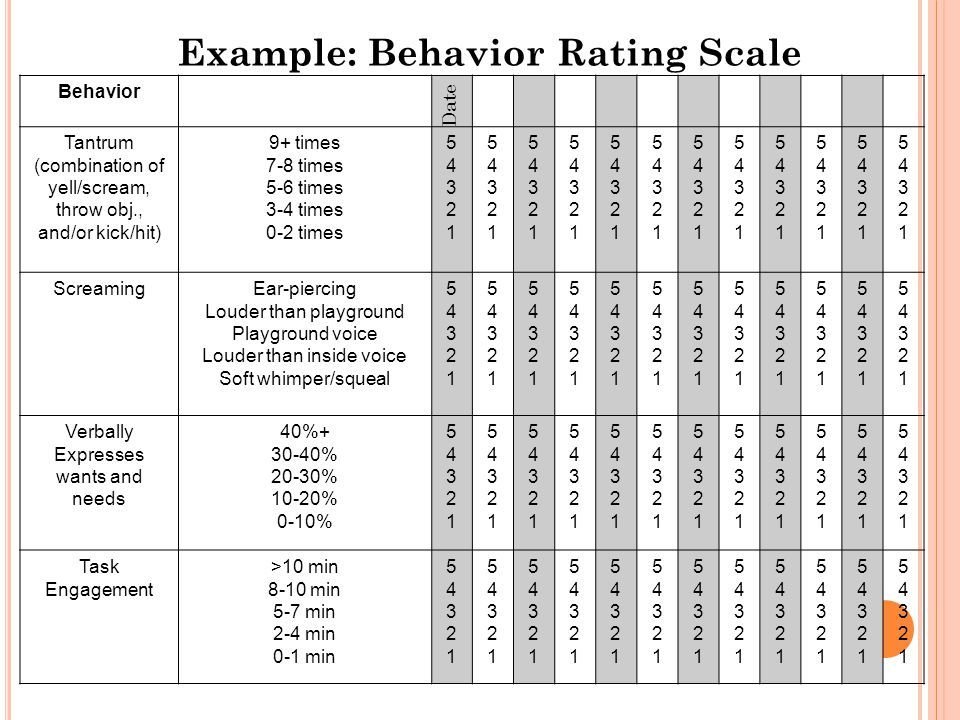
- Behavior Rating Scale
- Behavior Questionnaires
- Sociograms

Behavior Rating Scales
*Most common method used method
* It measures the widest range of behaviors
*Three key areas that need addressed
- Defining the target behavior
- Determining the best method for measuring
- Establishing appropriate anchor points
*Can be used to observe behavior of long periods
*Can be performed by many people in many settings
*Cost effective
*Requires little training
* Provides little stress to the student, they often do not know
they are being tested.
Defining target behaviors:
It is important to describe what the behavior looks like being as descriptive as possible. The short term goals previously set will be used but not all problem behaviors can be targeted at once. Pick the behaviors that are most significant at the time and rate the other accordingly. Focusing on the top couple will allow you to find the behavior and make the appropriate changes.
Method of Measurement
Determine the most effective and appropriate way to measure the behaviors.
- What is the easiest way?
- What measure will effectively bring change?
Things to think about when determining what to measure is Frequency-How often
Intensity- How severe
Developing Anchor Points
Behavior Questionarie
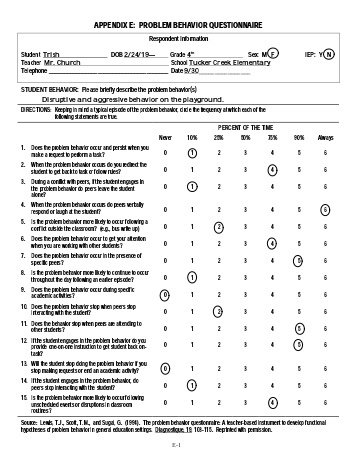
These are a set of questions used to assess the students behavior. These are usually given by people that spend time with the child such as teacher and parent and can be given daily or weekly . These are convenient and adaptable to a variety of students. The questions we be questions built on what is known of the student.
Sociograms
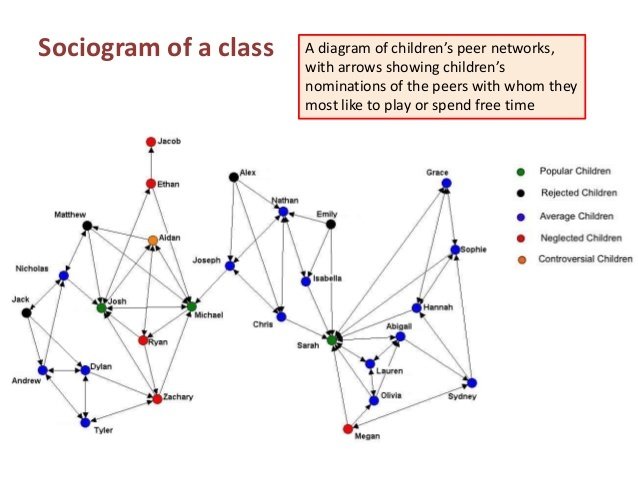
These are graphs made by teachers that show classroom interactions. By looking at these Sociograms, you can find out where connections are being made and where they are not. It will show who the more popular kids are and who are more outcasted. Teachers can use these to pair students up with student they would normally not be paired with to help promote more classroom interaction.
My thoughts
I feel that it is important to know what tests are available because every child is different and what works for one will not work for all. In order to make sure all the students are getting appropriate assessment is having options.
Determination of Attention Disorders
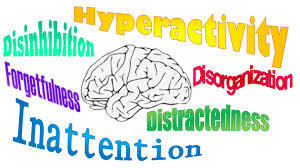
Determination of Attention Disorders
8% of student 4-17 have attention disorder
More frequent in boys than girls
ADHD is a failure to adapt to the conditions standard schooling
Most diagnosis start with teacher observation
Students make carless mistakes
Student has trouble setting still
Students are impulsive
Students have trouble controlling their actions
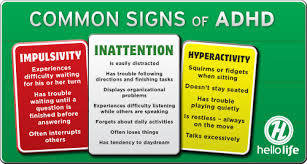
Inattention
- Does not pay close attention
- Makes careless mistakes
- Trouble keeping attention
- Does not listen when spoken to
- Does not follow instruction
- Does not finish assignments
- Lacks organization
- Losses things
- Easily distracted
- Forgetful
Hyperactivity Impulsivity
- Fidgets and squirms
- Can not stay in seat
- Runs around when not appropriate
- Has trouble playing quietly
- Always on the go
- Talks excessively
- Blurts out
- Trouble taking turns
- Trouble waiting
- Interrupts
How to Determine
There are several ways to help determine if a student has a attention disorder. One of the easiest and first steps is teacher observation. Then you would speak to the parents get a history of the student and family, see if there are any concerns of the issue at home. The student would be given a clinical assessment using standardize rating scales or questionnaire and an evaluation of their educational history. A physical examination end evaluation
.
Assessments
Vanderbilt Assessment Scale
Behavior assessment System for Children
Child Behavior Checklist
How to Help
What good is the information if we do not use it to help so what can teachers do to offer support? Classroom interventions, reducing work load and distraction, allowing extra time when needed and helping with their fidget by implementing things like exercise balls to sit on or rubber bands connected to the desk to bounce their feet on. One of the biggest supports for the student in structure and consistency.

The Student:
The Parent:
There are a number of ways to support the parent. Some of them are, keeping the lines of communication of, educate the parent on ADHD and the ways they can support their child, Be supportive and flexible
My Reflection on
Emotional Disturbance

What is Emotional Disturbance?
Inability to learn that cannot be explained by intellectual, sensory or health factor
Text

Inability to build and maintain satisfactory interpersonal relationships with peers and teachers
Inappropriate behaviors of feelings under normal circumstances
General mood of unhappiness or depression
Tendency to develop physical symptoms or fears associated with personal or school problems
Types of Emotional Disturbance
Anxiety disorder
Bipolar
Conduct Disorder
Eating Disorders
OCD
Psychotic Disorders
Characteristics
Hyperactivity (short attention span)
Aggression or self injury
Withdraw
Immaturity
Learning Difficulties
Causes
Heredity
Brain disorder
Diet
Stress
Family Function
Frequency
Nearly 2.9 million children ages 4-17 have been prescribed medication for emotional disturbances
Evaluation
Students with suspected emotional disturbances go through a tiered evaluation process.
First is pre-referral: providing problem solving strategies to try to assist the student. Basic screenings such as vision and hearing exams, when all that comes back clear and interventions do not work
Then Evaluation: The student will go through a series of evaluations; behavioral, educational, Psychological, communication and social and behavior history. IEP team makes plans for the student based on the findings.
Education
Once it has been determined that the child meets the criteria they are eligible to receive under IDEA a free and appropriate public education (FAPE), Continuous monitoring is needed.
References
https://www.psychologytoday.com/blog/freedom-learn/201007/adhd-school-assessing-normalcy-in-abnormal-environment
http://www.parentcenterhub.org/repository/emotionaldisturbance/
http://ec.ncpublicschools.gov/instructional-resources/behavior-support/resources/screening-and-evaluation-for-serious-emotional-disability