FIJI
Physical Features
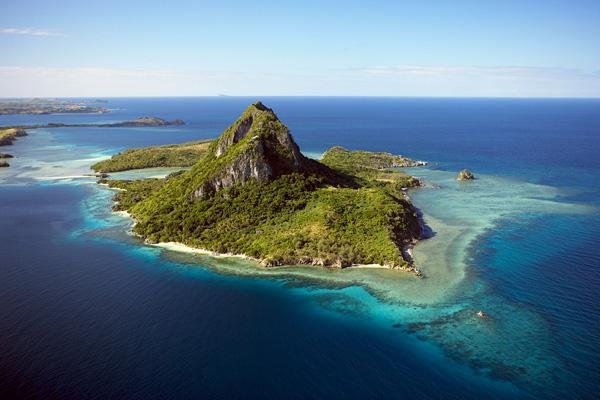
*Belongs to Oceania Group in South Pacific and has 332 islands, only 110 are inhabited
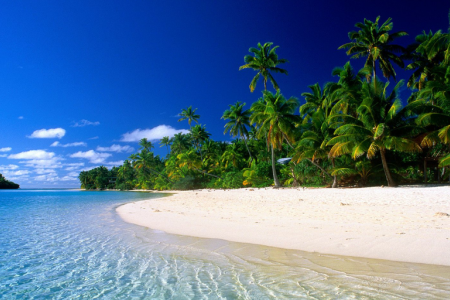
*Known for its tourist-filled beautiful beaches
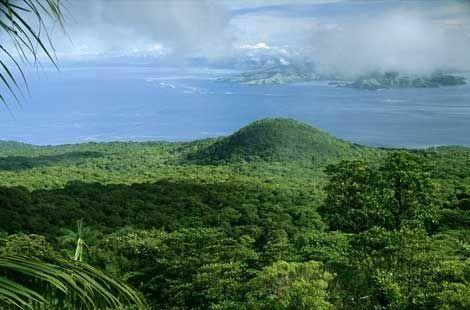
*Has many mountains, most of which are rugged, therefore agriculture is hard
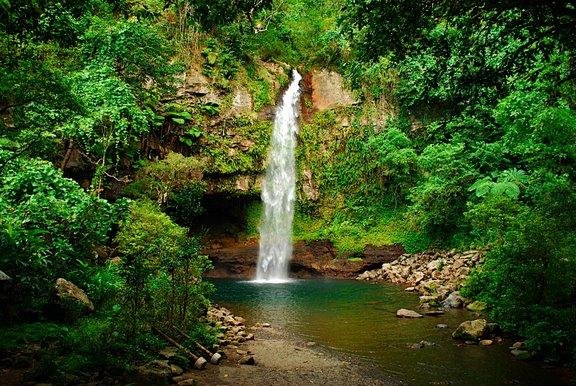
*Depends on the forests and bodies of water for daily resouces
*Natural resources: timber, fish, copper, gold, and hydropower
Physical Features Continued....
*57 of the easternmost islands are called Lau Group
*Viti Levu is the largest island and is home to 70% of the population (600,000)
-major river is Rewa, and tallest mountain is Mount Tomanivi (4,341 ft.)
*Vanua Levu is the second largest island, mainly used for sugarcane farming
-main river is Dreketi
*Western parts of the Fiji's larger islands are flat, dry grasslands
*No inland lands
Government and Economy
Rural vs. Industrial
*Has a mix of industrial and rural
*Major economic activity comes from rural areas, because of Fiji's climate they are able to grow a variety of tropical fruits and vegetables
*Rural farming areas allow the industry to flourish
*Fiji's industry is largely based on tourism and the exportation of sugarcane
Economy Government
*Agriculture-based market economy *Republic
*Currency is a Fijian Dollar *GDP: 4.028 billion (2013)
*Exchange rate is .51 US dollar = 1 Fijian dollar *GNP: 2.78 billion (2005)
*Average Monthly Salary is 4962 FJD (depends on job)
*Unemployment rate: 9.0%
Cities
Top Five Populated Cities
1. Suva- 77,366 2. Lautoka-52,500 3. Nadi-42,284
4. Labasa-27, 949 5. Ba-14,596
* Suva is the capital of Fiji located on the island Viti Levu. Suva is the number one tourist destination, and Viti Levu has extensive sugar lands. The island helps the development of Fiji's economy.
Tourism
*Offers helicopter rides
*Can visit museums, parks, and gardens
*Scuba diving
*Visit a Fijian tribe
Climate and Wildlife
Climate
*Changes in temperature and rainfall has a major affect on crop production
Ex: Higher night temps affect grain formation
Surface temperature affecting soil moisture
Wildlife
*6 native mammals, all are bats
*76 different land seas bird species, only 27 are found on Fiji
*Has a variety of sea creatures
*Wildlife doesn't have a big impact on the economy, but many animals are becoming endangered because humans are interfering with their habitat
Text
Culture Challenges
Challenges
*With a population 800,000, one third of the population is in poverty (about 270,000)
*Difficult to have an efficient delivery of healthcare, education, and social services
*Healthcare is mainly on outer islands, not easy to get to. To get to a clinic is expensive
*An increase in youth crime and drug abuse due to lack of work opportunities
*Poor sanitation systems and lacks fresh water supplies, which is the cause of severe sickness
Unique Culture
*A unique law is public nudity or topless bathing is illegal
Business
Inflation
*Doesn't have a negative affect. Economy is getting better because of investment freedom and trade freedom
*Steady and predictable, one thing that could be possibly affecting is political corruption
Work
*Average Fijian works 6 days a week
Business Hours
* Most shops and cafes open at 8am or 9am, and close at 5pm on weekdays or 1pm on a Saturday
*Banks open from 9am to 4pm
*Many places are closed on Sundays
Holidays
*During Christmas time or New Year's Eve Fiji is America's top travel destination
Business Cycle
*Contraction (accompanied with the bear market), is when GDP rates are slow
*Recently had a GDP growth of 2.20%, isn't really good
*Fiji depends tourism and sugarcane
*Having trouble again with agriculture due to climate changes