CP
learning targets
homework
Finish writing topic sentences & integrating quotations
what we're doing today
- Mrs. Burford-Isaac's lesson
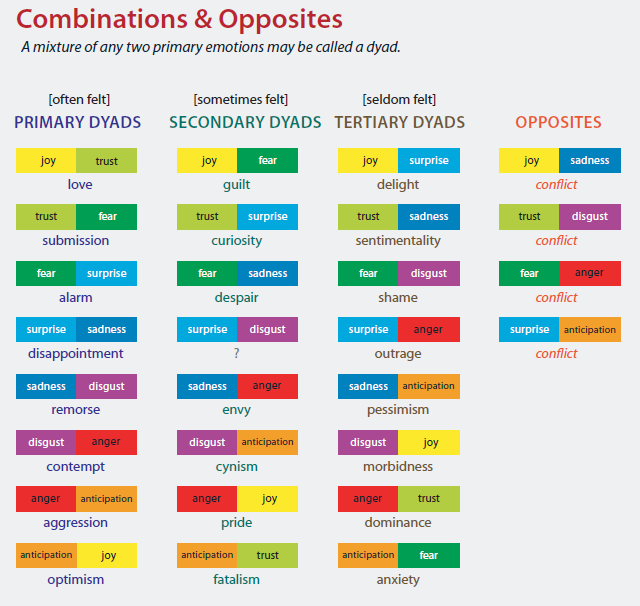
- Recap: What are emotional dyads?
-
Topic Sentences
- What are they?
- Examples
-
Integrating Quotations
- What is it?
- Natural integration & context types
- Citations
- Practice: Topic sentences & Quote integration



What are emotional dyads?
What is a topic sentence?
Where does it go?
Responding to the Question
Question: Who is the oldest person in this room?
Answer:
Responding to the Question
Question: Which athlete had the biggest impact this season? Answer:
What is quote integration?
How have we been taught to do that in the past?
What is context?
Natural Quote Integration
- Start with a quote that is 1 sentence or less (<6ish words)
-
Context: (don't answer in a full sentence!)
-
Time
- What was going on RIGHT BEFORE the quote? ("When")
- What happened RIGHT AFTER the quote? ("Before")
-
Causality
- What caused what happened in the quote? ("Because")
-
Time
- Trim your quote snippet so that it makes your context into a full sentence
- Combine context & quote
- Cite with author's last name and page number
- e.x. Before he tells his tale, the narrator gives a warning that he "neither expect[s] nor solicit[s] belief" (Poe 3).
Practice:
Topic Sentences & Quote Integration
Which emotion had the strongest impact in "The Black Cat?"
- Choose three of your emotional dyads.
-
For each one:
- Turn the question around to write a topic sentence
- Integrate your quote with context
- Cite with author's last name and page number
Padlet Discussion
- Everyone choose your best one and post it on Padlet
- Padlet link is posted to Google Classroom
- Skim through & make observations
- Which ones sound most natural?
- What challenges do we seem to be running into?
- Natural integration
- Citations
- Relevance / clarity of topic sentence
What is analysis?
How is it different from summary?
What is an analysis parahalf?
- Topic sentence (P)
- Turn the question around (How do we do that?)
-
Evidence (E)
- Cited with author's last name and page number
- Introduced with context
-
[Elaboration]
- Why did you pick this quote for this topic?
- Why does that matter in this part of the story?
- Why does all of that matter in the story overall?
Analysis Practice
Which emotions have the strongest impact in "The Black Cat"?
- Turn the question around.
- Write your evidence.
- Cite your evidence. "This is a quote" (Poe 4).
- What's going on in the story right before this quote happens?
-
Analyze the Quote:
- Why'd you pick this one?
- Why does it matter in that moment?
- Why does THAT matter in the story overall?
When you are done, call me over.
I will read it and tell you either to move on to a second one or to revise your first one.
Start by picking one of the emotional dyads you chose for our homework.
Interview Questions
Pretend you are a judge trying to decide whether or not the narrator should be hanged for his crimes.
What 10 questions would you ask him to determine his motivations, his threat level, his feelings of guilt (or lack thereof), etc?
For each question, explain why you've chosen to ask it based on what he told us (or what he did not tell us) in the story.
What are we doing right now?
Find six different emotional dyads in the story.
For each one, write:
- Which emotional dyad you've identified
- The quote it's in
- The citation for that quote (Poe #)
- The function that emotion serves in that moment of the story
- What does it reveal about the characters or plot?
- What does it cause or prevent?
- How does it change things?
AP
learning targets
homework
Revise individual "Horror" paragraph and submit on Classroom
what we're doing today
- For real for real FRQ2 next class
-
Evaluate "Horror" Paragraphs
- Round 1: Original Groups
- Round 2: Face-Off
- Debrief: Group Feedback
Round 1: Original Groups
- Get into the groups you were in for the group-brainstormed paragraphs
- If the groups are wildly uneven, we reshuffle
- Read each person's paragraph
- Choose the best one
Round 2: Face-Off
- I pair each group up with another group.
- Each of those groups posts their group's best paragraph on a Padlet
- Another group gets tasked with choosing the best paragraph from the Padlet
- They explain their choice and rationale to the class
- Winning writers get points in our running total (Thanks, Avery!)
Round 3: Group Feedback
- Get back into your original groups
- Choose 1 person to start with; everyone reads that person's paragraph (share it)
- Everyone gives feedback
- The writer takes notes on peers' feedback
- Switch to another person and repeat