Writer's Identity, Narrative, and Literacy
Comp 1 - EN110

Individually: Contribute to ONE of the Writer's Identity Tasks related to our Lester et al. reading within the Discussion Board prompt (shooting for around 200 words). Report what the reading says about the task and then apply it to your own learning and writing situations you've had.
In-Class Week 2: Writer's Identity & Literacy
- Take the first 5 minutes to review some of the posts from our Monday session about Writer's Identity tasks - leave a follow-up reply to a fellow student about similar connections you made to the prompt.


What's your story?
What are your skills?
What matters to you...?
Comp 1 - EN110
The Literacy Narrative (Workshop)


- What is a moment that helps you define what "Literacy" is for you:
- An Event
- A Person
- A Hobby/Skill
- Experiences you've had
- Class from your past
- Memorable story, film, or trip that influenced how you communicate
- What is an artifact (e.g. website, photo, social media post, content) that helps show your literacy background?
The Literacy Narrative (Workshop)

Getting Started...Part 1
Remember Literacy is a part of your writer's identity...
- Rules
- Expectations
- Experiences
- Competence in...
- An understanding of how BLANK works...
- An understanding of your audience
Right now what are the top 3 picks or ideas you are considering for the Literacy Narrative, the first essay prompt of this course? Are there pros/cons with these? Are they similar or very different?
- Literacy Definition
- Areas to write about
- Experiences to draw from
- Organizing
- Examples to include to support your narrative.
YOU
- What's an early question you have for a classmate?
- The Writing Situation
- Content for their audience.
Others
Group Share about Content
In-Class: Literacy Narrative Workshop Ideas (10-15 minutes)
STARTING YOUR ESSAY:
- Hook and Opening - How do I want to draw the reader in? A story? A Description?
- I communicate this way...
- One of the most important times...
- Set-Up Words (e.g. Imagine... Did you know...)
- Place the reader in your shoes
- Learning to write effectively...
- Thesis Statement = What is the central statement in your Intro? What are you wanting to prove or want the reader to know?
Add some thoughts how to open strong for one of your ideas...
The Literacy Narrative (Workshop)
Body Paragraphs (What Will I write? How will I organize my content?)
- Memory: How I got started with...
- Literacy Skills:
- I want to explain ________ and there are three main ways.
- I'm good at _______ and it has shaped me all my life.
- I'm interested in ________ which is why I want to learn more about X, Y, Z.
- I Define Literacy as ________ and through my experiences I'll show why this is important.
- What's in my Paragraphs?
- Sensory Details, Cool Story moments, dialogue from mentors, teachers, teammates etc., events or concepts
- Do my topic sentences help organize my thought process?
The Literacy Narrative (Workshop)
Conclusions (How do I end this?)
- Restate your thesis statement or central point from the introduction.
- Highlight what stands out to you by the end of the piece.
- Give the reader a "take-away". This is where you ask the reader something new or present a new idea for them to think about after the piece has ended.
- Future Insights: Conclusions can also function as a "there's more to come story" - how will your literacy journey and writer's identity help you in future courses, career paths, or specialized interests?
A.I Friday Forum Interaction (Day 3)
How are your Media Literacy Skills? Can you spot Real versus Fake information online? Take the quiz to find out! (10min)

Afterwards, turn to a partner (2 or 3) near you and discuss how you did on the quiz. What were some of the features or content to look at to determine "real" or "troll" content? What is challenging or interesting about this type of literacy?
- Who is posting the content? Why?
- Identifying Sponsors, organizations, or other associations to determine legitimacy
- Are we dealing with objective facts or sensationalist claims? Can we identify moments of "phishing" and "clickbait" tactics on social media & websites?
- Posts/content that provoke or arouse the emotions could be suspicious.
- Bias is obvious, dramatic, and overexaggerated.
- Images could be controversial.
- Text could be designed in ALL CAPS or oddly phrased.
Could Digital/Media
Literacy be...
Media Literacy Questions
How do we respond to information we see in online spaces?

- After our Literacy Narrative Workshop this week, continue working on the following:
- YOUR definition of literacy
- Details of your journey as a writer/communicator/gamer/teammate/artist/musician/
- Explaining your skills and how something works.
- What are the details to include: Memories? Dialogue or quotes from people you know? Examples?
- Start your story strong - dominant impression is established in introduction
Looking ahead to Literacy Drafts - Week 3

Kickstarter (Day 1)
"What you can do, however, is experiment. Embrace the new. Try out a variety of purposes, genres, audiences, and processes. See if you can't alter your approach for each assignment, in order to discover what works for you" (p.11)
From Lester et al. "Writerly Identities"
When was a time where you discovered a new skill or talent and what was the learning curve like? Why was it important to you or others? Did you have to help others understand this task or activity more?
Add as a comment to Week 2 Notes
-
Lester et al. "We Write because we care: develop your writerly identity"
-
What is "writing for personal agency"?
-
What is "writing for resilience?
-
What is "writing for social engagement?
-
- Maddalena "Why First Person is Important in College Writing"
- What are the 4 main reasons to use "I" in college writing?
- How does the text identify the Pros and Cons of using "I"?
- Can personal experiences/stories help describe you as a writer? Why?
-
Taczak "The Importance of Transfer in your First-Year Writing Course"
-
Defined "as the ability to take writing knowledge and practices from one context and use it to repurpose/reframe it a new setting" (p.301)
-
What are the misconceptions about writing in this piece?
-
How do we define our Writer's Identity?
- A set of rules that determines the correct/incorrect ways of performing a task.
- Shows we are familiar with the expectations and situations of a given activity.
- I possess a literacy in ________ because of X, Y, Z reasons and through my experiences it helps others.
- Literacy allows you to "get the job done" and to show responsibility and understanding within a task.
- Literacy is about both the WHAT and the HOW of a writing, communication, or technology-related task.
How do we define "literacy"?
Which statement works best for your experiences?
An example of literacy impacting our identity and futures...
What questions should you ask yourself about your own journey with literacy? What is a topic or experience that shows what literacy looks like for you?

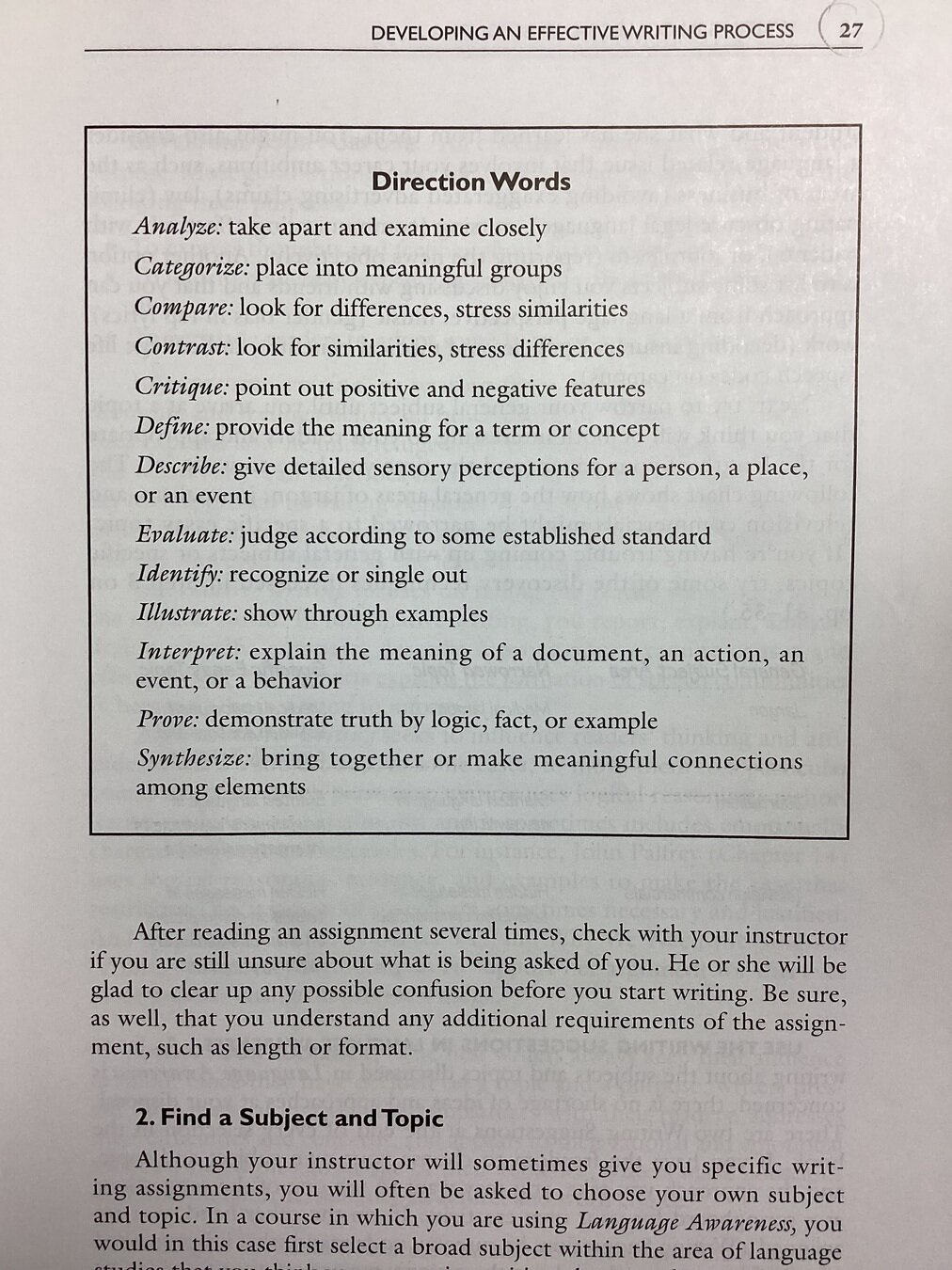
When reading and writing, use the following Action and Direction Words to change up what you do in your writing process.
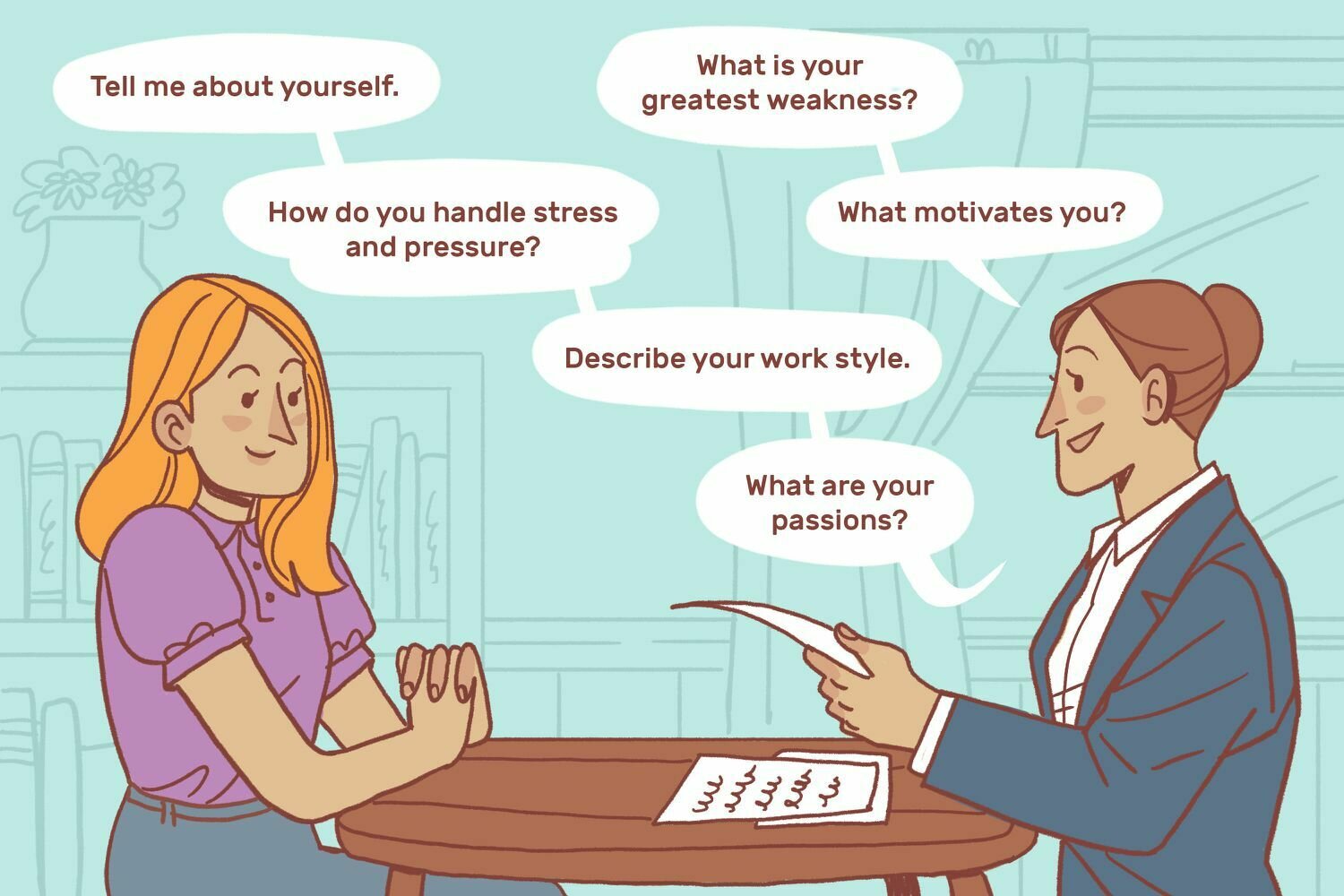
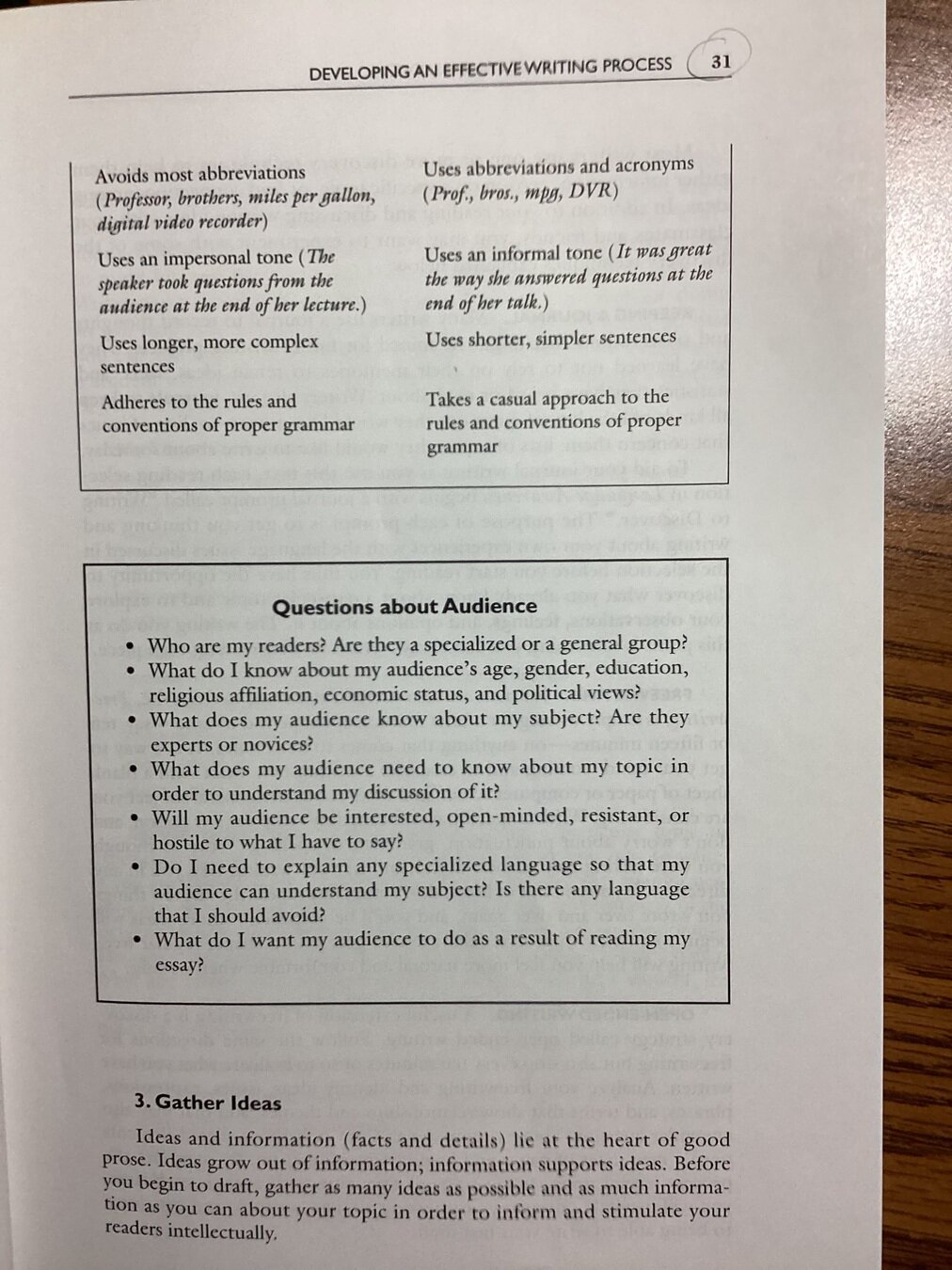
How are you answering questions for your Audience?
- What was your main takeaway from your selected reading that you worked on and applied to yourself?
- Thinking about your connection to the word "literacy", share with your group what this term means to you? Is it about reading or writing skills? Or, do you possess literacy skills in another activity, talent, job, learning discipline, or online/digital tasks?How did you develop your skillset and work towards your accomplishments in a hobby, activity, task?
De-Brief: Group Share Discussion
