How Visual Tools Help Fire Watch Guard Services Train Teams Efficiently
Training is the backbone of every effective Fire Watch Guard Service. Without proper instruction, even the most dedicated teams can face difficulties in managing fire hazards, responding to unexpected incidents, and maintaining compliance with strict safety regulations. As technology changes how industries operate, training methods in fire safety have also evolved. Among the most productive tools for improving instruction are visual resources such as videos, infographics, diagrams, and interactive simulations. These tools simplify complex ideas and make training more engaging and easier to remember.
Simplifying Complex Concepts Through Visualization
Visual tools help illustrate detailed procedures clearly and in ways that written manuals cannot. When trainees see real examples or step-by-step instructions through images or videos, it becomes easier to grasp the purpose behind each safety procedure. A video demonstration showing how to inspect fire alarms or handle extinguishers provides a clearer understanding than a paragraph of text could offer.
Fire Watch Guard Service often use animated diagrams or infographics to explain evacuation routes or safety protocols. Complex rules are broken down into smaller segments, allowing guards to remember them more effectively. Visuals also help reduce misinterpretation, creating uniformity in how every guard understands and performs their duties.
Developing Skills Through Interactive Learning
Another major advantage of using visual tools is the ability to create realistic simulations that prepare guards for actual emergencies. Interactive training modules and virtual walkthroughs allow team members to practice how to identify hazards and respond under different conditions. This type of experiential learning gives guards the confidence to make sound decisions when real-life danger arises.
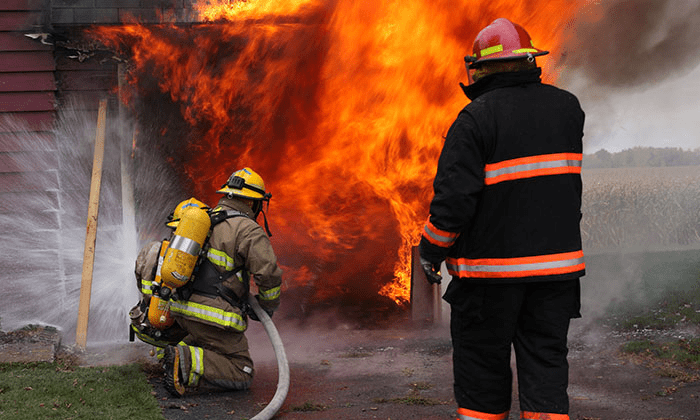
For example, a digital simulation can recreate a smoke-filled environment, allowing guards to practice locating exits or shutting down electrical systems in a timed scenario. Because this happens in a controlled, risk-free setting, mistakes become lessons rather than disasters. Over time, repeated exposure through such simulations builds reflexes and quick thinking, qualities that are essential when protecting lives and property.
Catering to Multiple Learning Styles
Not all employees learn in the same way. Some absorb information best by reading, while others understand better when they see or perform tasks visually. Incorporating diagrams, short clips, and graphic explanations ensures that all learning preferences are supported during training. Fire Watch Guard Services that use visual instruction help close knowledge gaps by presenting lessons in ways that appeal to every type of learner.
Blending visual learning with traditional classroom instruction also boosts engagement. Instead of just listening to lectures, guards can observe and interact with examples that reflect their future work environments. This combination keeps attention focused and improves retention of essential safety principles.
Ensuring Consistency Through Digital Access
Modern visual training materials can be distributed online, allowing every guard to have access to up-to-date information no matter their shift or location. Training videos, diagrams, and guidelines can be uploaded to internal platforms and updated whenever safety standards change. Guards can review procedures anytime, which ensures that teams across different sites stay synchronized with current practices.
Digital accessibility also saves time that would otherwise be spent on organizing recurring physical sessions. Supervisors can track completion records and confirm that every participant has reviewed the latest materials. This method strengthens accountability while keeping the learning process efficient and consistent.
Strengthening Readiness and Performance
By integrating visual tools into their instruction programs, Fire Watch Guard Services are able to create more adaptable and better-prepared teams. These methods help reduce the time needed for new hires to learn and allow experienced staff to refresh their knowledge when necessary. A well-trained team is more aware, responsive, and reliable, ensuring that every patrol or inspection follows established safety standards.
Ultimately, using visual guides and simulations does more than improve learning. It fosters confidence, communication, and teamwork among guards who must act quickly and precisely in critical situations. With better training, Fire Watch Guard Services strengthen their ability to protect lives and property while maintaining the highest commitment to fire safety excellence.