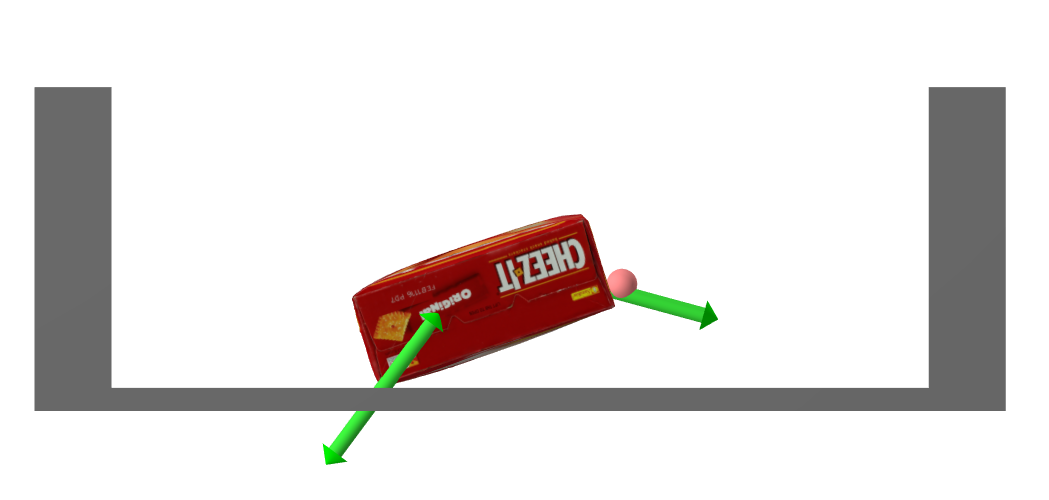
Lecture 18: Reinforcement Learning (part 1)
This is a live streamed presentation. You will automatically follow the presenter and see the slide they're currently on.
This is a live streamed presentation. You will automatically follow the presenter and see the slide they're currently on.
(Part 1)
MIT 6.4210/2:
Robotic Manipulation
Fall 2022, Lecture 18
Follow live at https://slides.com/d/9H33j8E/live
(or later at https://slides.com/russtedrake/fall22-lec18)
Levine*, Finn*, Darrel, Abbeel, JMLR 2016
Andy Zeng's MIT CSL Seminar, April 4, 2022
Andy's slides.com presentation
OpenAI - Learning Dexterity
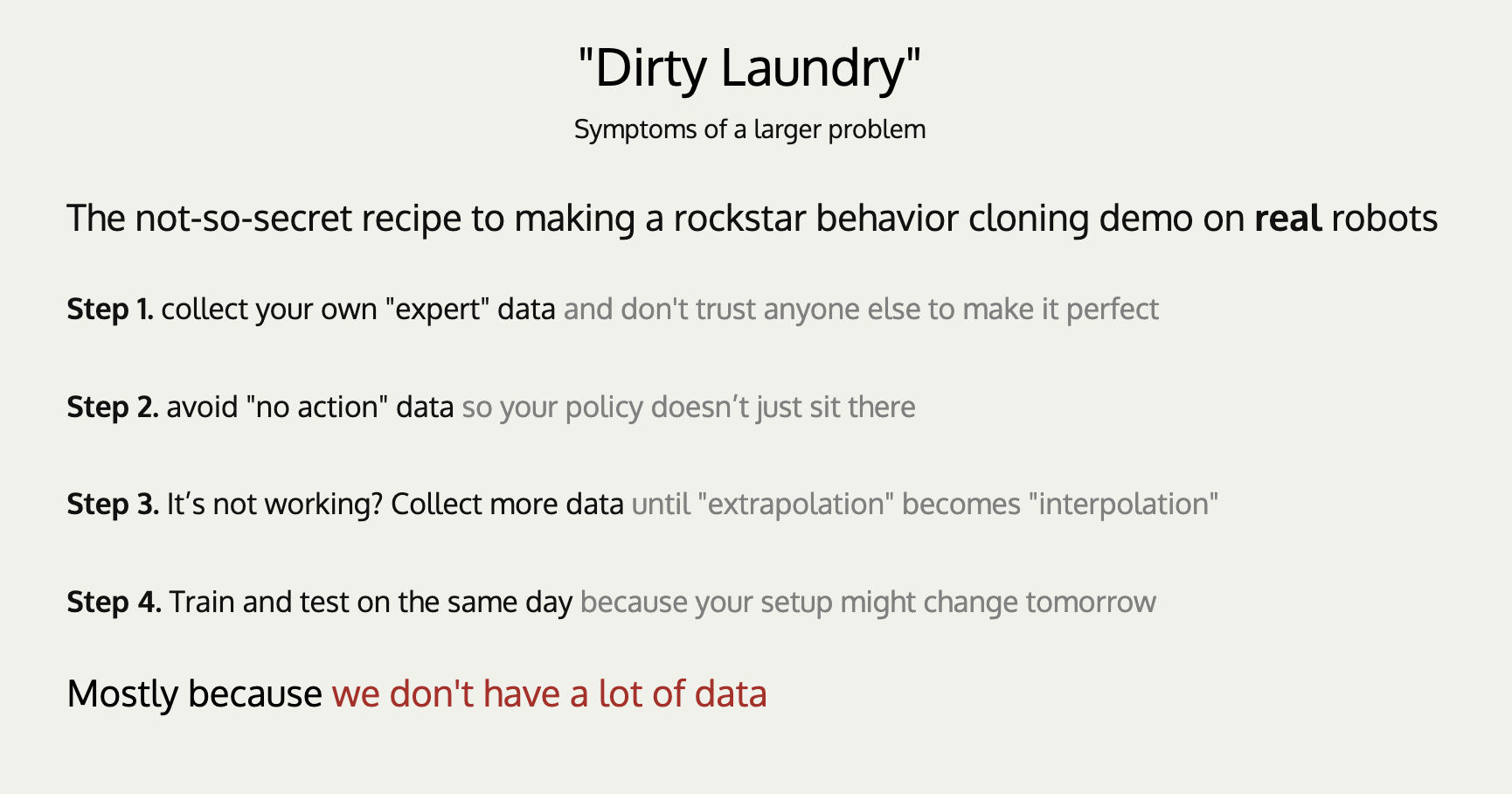
Recipe:
"And then … BC methods started to get good. Really good. So good that our best manipulation system today mostly uses BC, with a sprinkle of Q learning on top to perform high-level action selection. Today, less than 20% of our research investments is on RL, and the research runway for BC-based methods feels more robust."
import gym
from gym import error, spaces, utils
from gym.utils import seeding

class FooEnv(gym.Env):
  metadata = {'render.modes': ['human']}

  def __init__(self):
    ...
  def step(self, action):
    ...
  def reset(self):
    ...
  def render(self, mode='human'):
    ...
  def close(self):
    ...
http://gym.openai.com/
import pydrake.all


builder = DiagramBuilder()
....
diagram = builder.Build()
simulator = Simulator(diagram)


simulator.AdvanceTo(...)
observation = sensor_output_port->Eval(context)
reward = reward_output_port->Eval(context)


context = diagram.CreateDefaultContext()


meshcat.Publish(context)class DrakeGymEnv(gym.Env):
"""
DrakeGymEnv provides a gym.Env interface for a Drake System (often a
Diagram) using a Simulator.
"""
def __init__(self,
simulator: Union[Simulator, Callable[[RandomGenerator],
Simulator]],
time_step: float,
action_space: gym.spaces.space,
observation_space: gym.spaces.space,
reward: Union[Callable[[System, Context], float],
OutputPortIndex, str],
action_port_id: Union[InputPort, InputPortIndex, str] = None,
observation_port_id: Union[OutputPortIndex, str] = None,
render_rgb_port_id: Union[OutputPortIndex, str] = None,
set_home: Callable[[Simulator, Context], None] = None,
hardware: bool = False):
"""
Args:
simulator: Either:
* A drake.systems.analysis.Simulator, or
* A function that produces a (randomized) Simulator.
time_step: Each call to step() will advance the simulator by
`time_step` seconds.
reward: The reward can be specified in one of two
ways: (1) by passing a callable with the signature
`value = reward(context)` or (2) by passing a scalar
vector-valued output port of `simulator`'s system.
action_port_id: The ID of an input port of `simulator`'s system
compatible with the action_space. Each Env *must* have an
action port; passing `None` defaults to using the *first*
input port (inspired by
`InputPortSelection.kUseFirstInputIfItExists`).
action_space: Defines the `gym.spaces.space` for the actions. If
the action port is vector-valued, then passing `None` defaults
to a gym.spaces.Box of the correct dimension with bounds at
negative and positive infinity. Note: Stable Baselines 3
strongly encourages normalizing the action_space to [-1, 1].
observation_port_id: An output port of `simulator`'s system
compatible with the observation_space. Each Env *must* have
an observation port (it seems that gym doesn't support empty
observation spaces / open-loop policies); passing `None`
defaults to using the *first* input port (inspired by
`OutputPortSelection.kUseFirstOutputIfItExists`).
observation_space: Defines the gym.spaces.space for the
observations. If the observation port is vector-valued, then
passing `None` defaults to a gym.spaces.Box of the correct
dimension with bounds at negative and positive infinity.
render_rgb_port: An optional output port of `simulator`'s system
that returns an `ImageRgba8U`; often the `color_image` port
of a Drake `RgbdSensor`. When not `None`, this enables the
environment `render_mode` `rgb_array`.
set_home: A function that sets the home state (plant, and/or env.)
at reset(). The reset state can be specified in one of
the two ways:
(1) setting random context using a Drake random_generator
(e.g. joint.set_random_pose_distribution()),
(2) parssing a function set_home().
hardware: If True, it prevents from setting random context at
reset() when using random_generator, but it does execute
set_home() if given.
Notes (using `env` as an instance of this class):
- You may set simulator/integrator preferences by using `env.simulator`
directly.
- The `done` condition returned by `step()` is always False by
default. Use `env.simulator.set_monitor()` to use Drake's monitor
functionality for specifying termination conditions.
- You may additionally wish to directly set `env.reward_range` and/or
`env.spec`. See the docs for gym.Env for more details.
"""from manipulation.drake_gym import DrakeGymEnvOpenAI - Learning Dexterity
"PPO has become the default reinforcement learning algorithm at OpenAI because of its ease of use and good performance."
https://openai.com/blog/openai-baselines-ppo/
model = PPO('MlpPolicy', env, verbose=1, tensorboard_log=log)
stable_baselines3/common/policies.py#L435-L440

 # Default network architecture, from stable-baselines
net_arch = [dict(pi=[64, 64], vf=[64, 64])]Actions
Observations
builder.ExportOutput(inv_dynamics.get_desired_position(), "actions")Network
builder.ExportOutput(plant.get_state_output_port(), "observations")approximately:
angle_from_vertical = (box_state[2] % np.pi) - np.pi / 2
cost = 2 * angle_from_vertical**2  # box angle
cost += 0.1 * box_state[5]**2  # box velocity
effort = actions - finger_state[:2]
cost += 0.1 * effort.dot(effort)  # effort
# finger velocity
cost += 0.1 * finger_state[2:].dot(finger_state[2:])
# Add 10 to make rewards positive (to avoid rewarding simulator
# crashes).
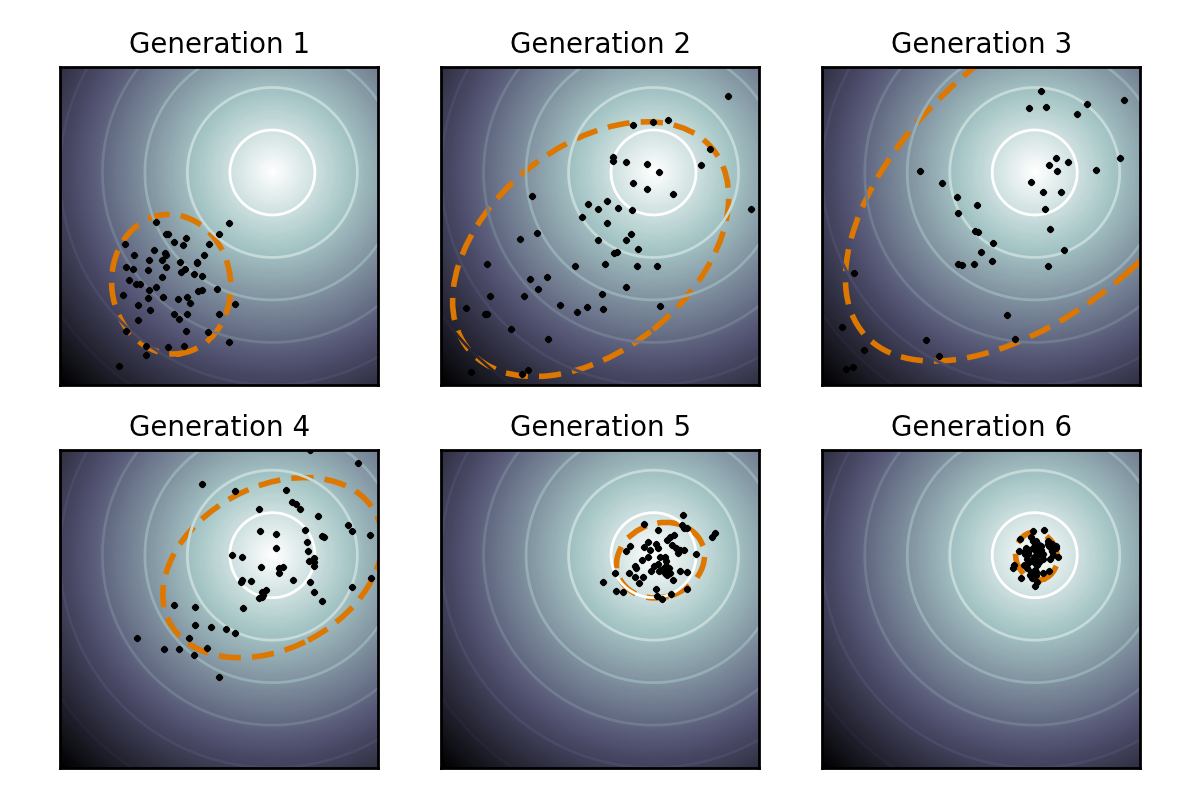
output[0] = 10 - costhttps://en.wikipedia.org/wiki/CMA-ES
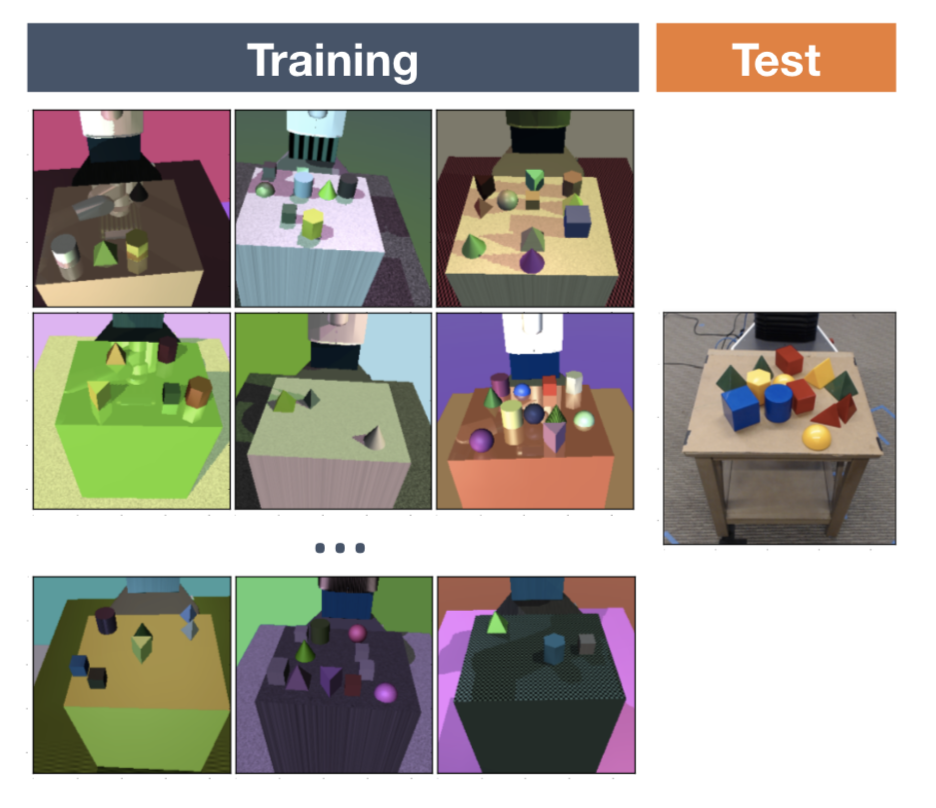
(Image source: Tobin et al, 2017)
Do Differentiable Simulators Give Better Policy Gradients?
H. J. Terry Suh and Max Simchowitz and Kaiqing Zhang and Russ Tedrake
ICML 2022
Available at: https://arxiv.org/abs/2202.00817
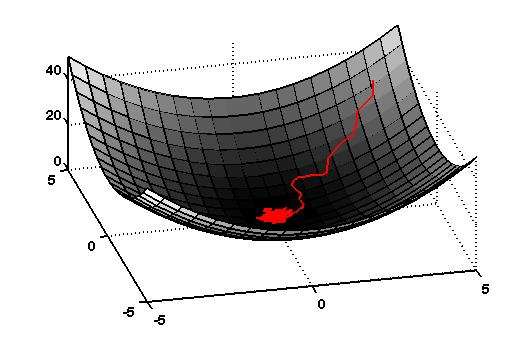
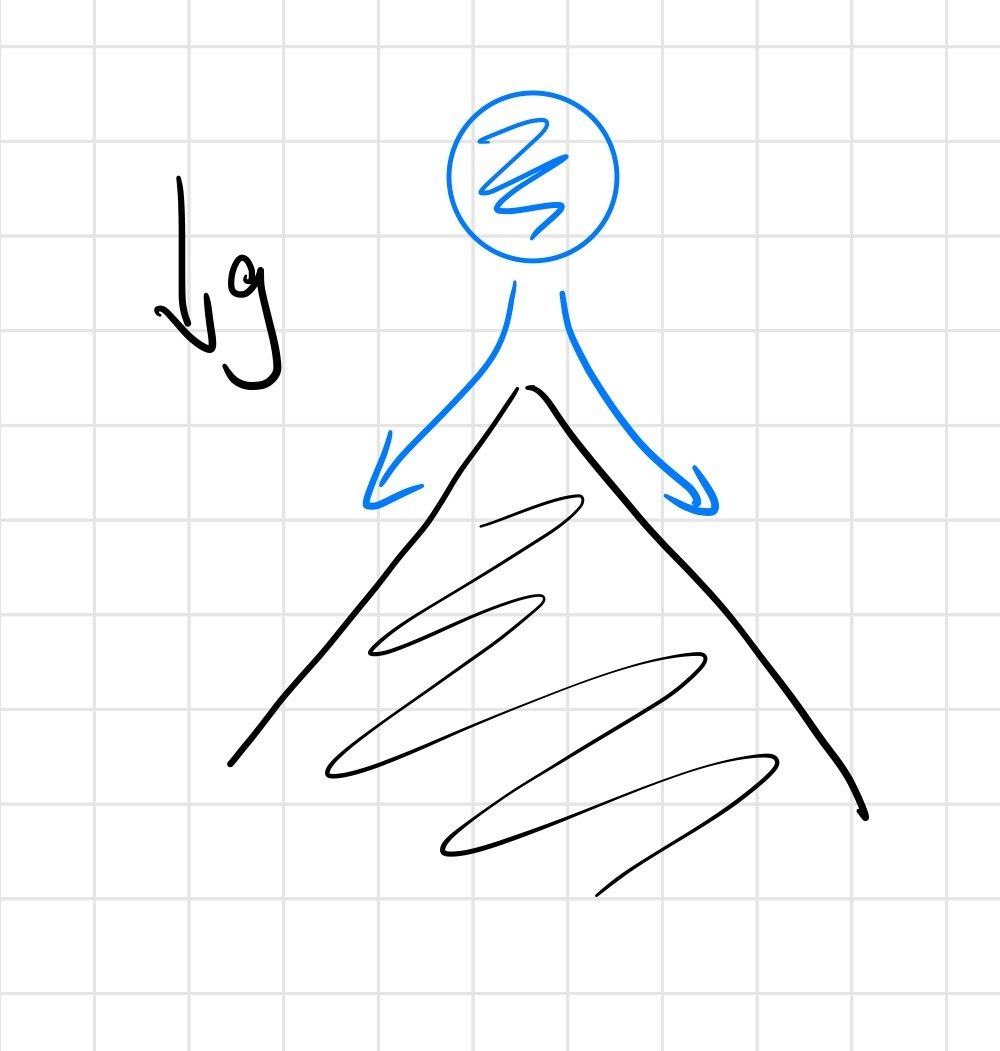
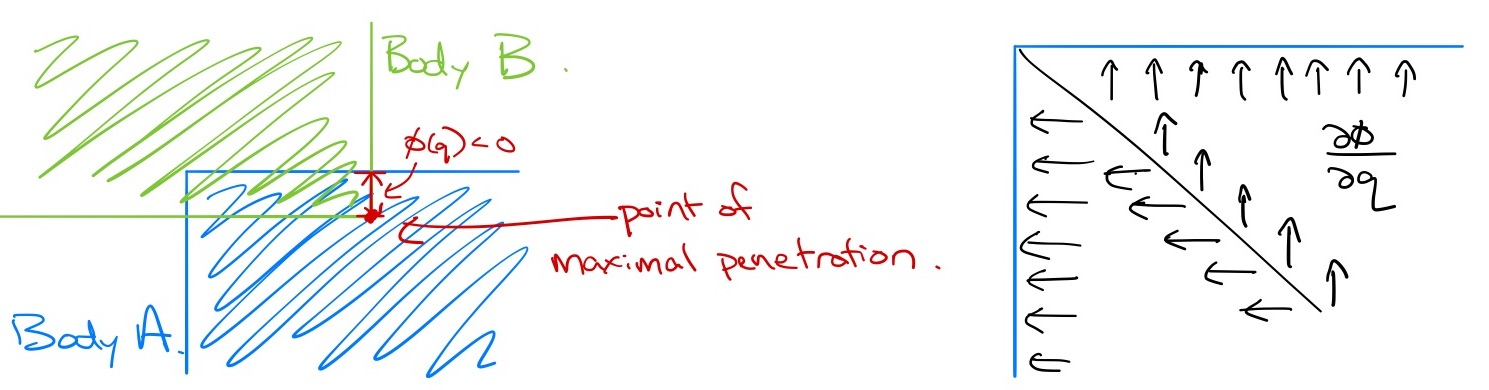
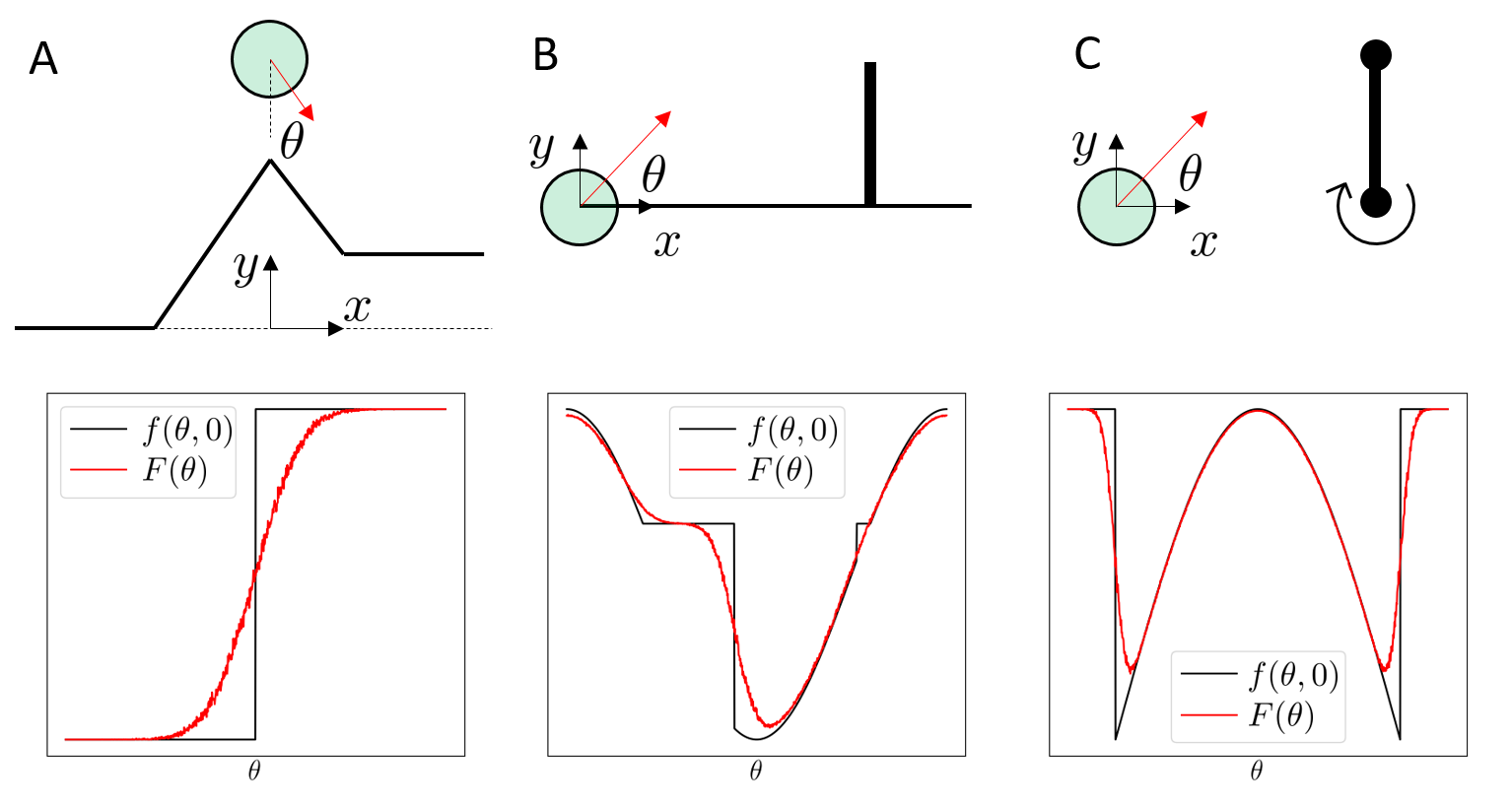
Contact dynamics can lead to discontinuous landscapes, but mostly in the corner cases.
We have "real" discontinuities at the corner cases
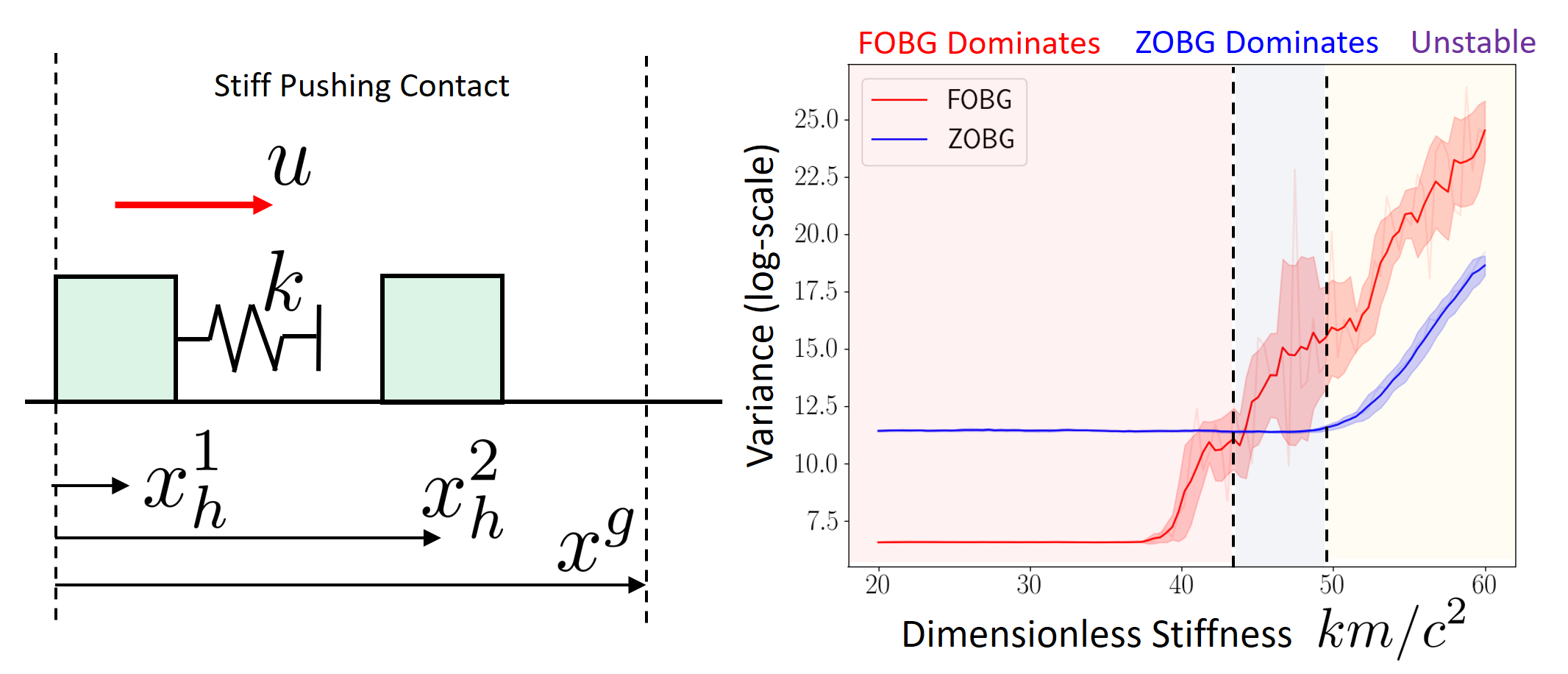
Soft/compliant contact can replace discontinuities with stiff approximations.
\[ \min_x f(x) \]
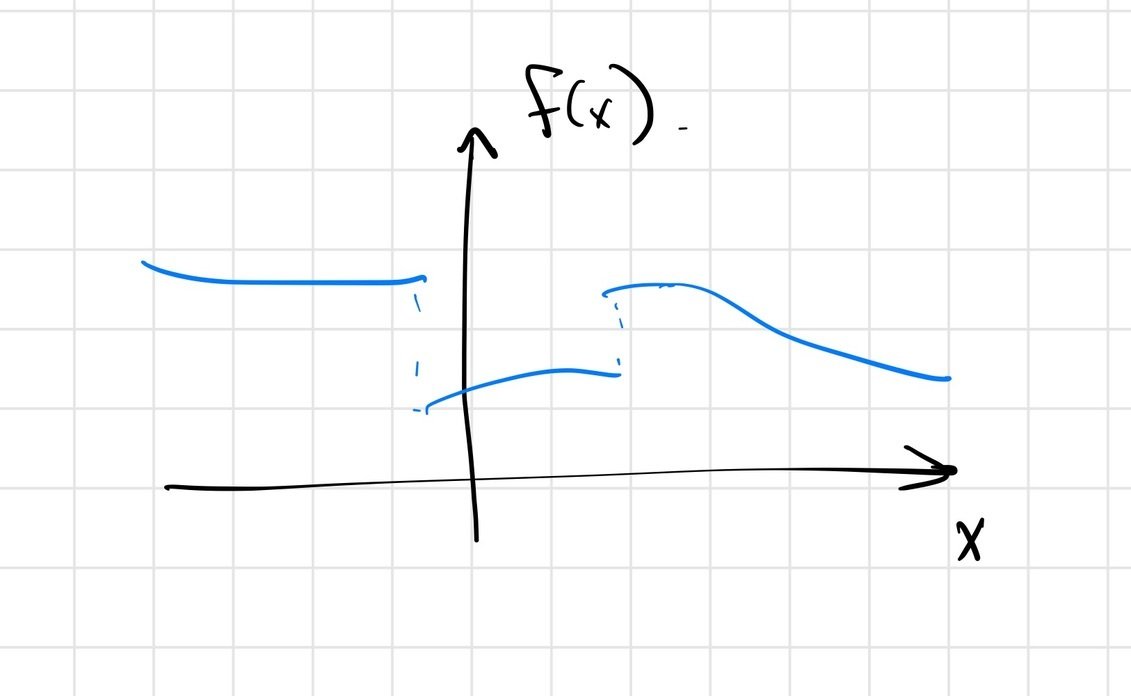
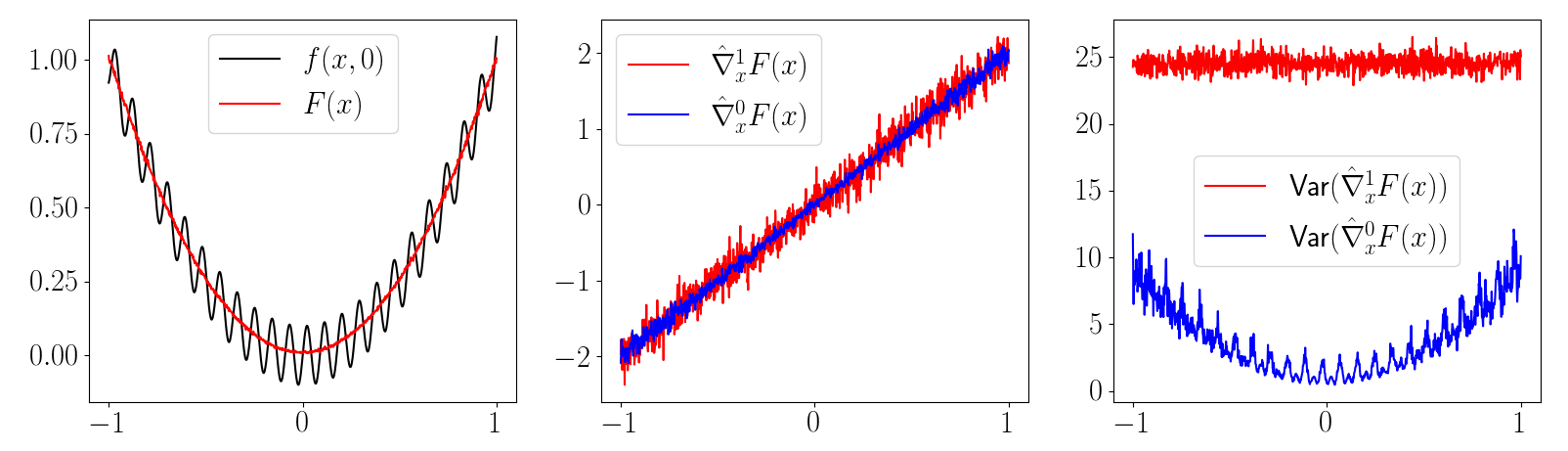
For gradient descent, discontinuities / non-smoothness can
vs
In reinforcement learning (RL) and "deep" model-predictive control, we add stochasticity via
then optimize a stochastic optimal control objective (e.g. maximize expected reward)
These can all smooth the optimization landscape.
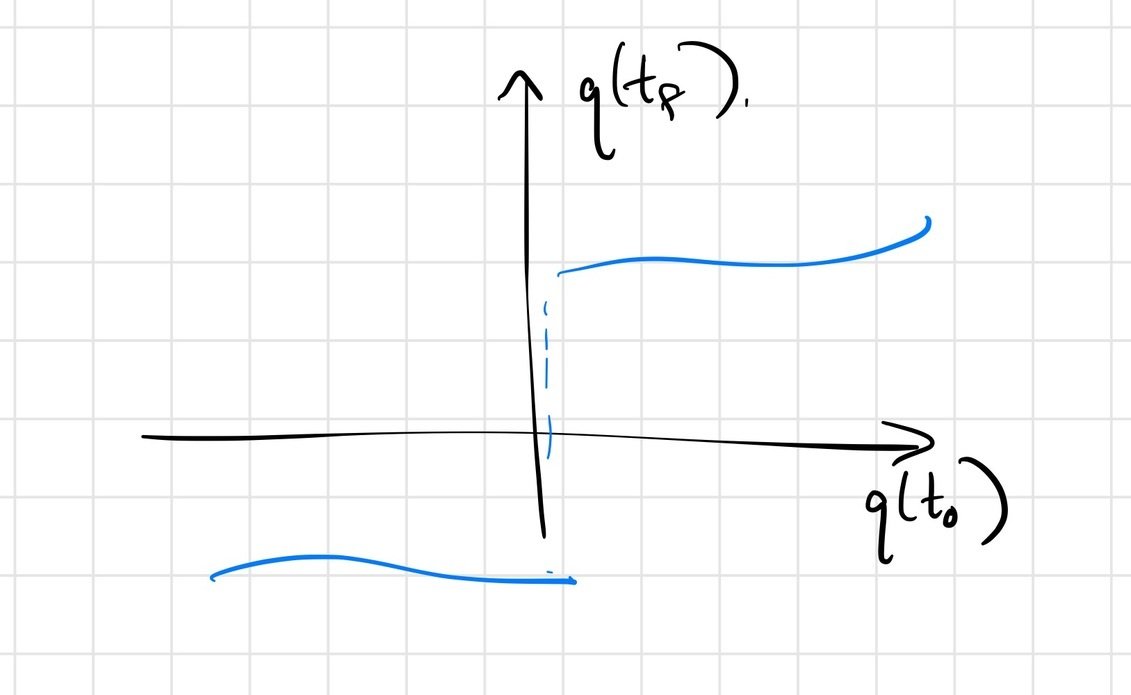
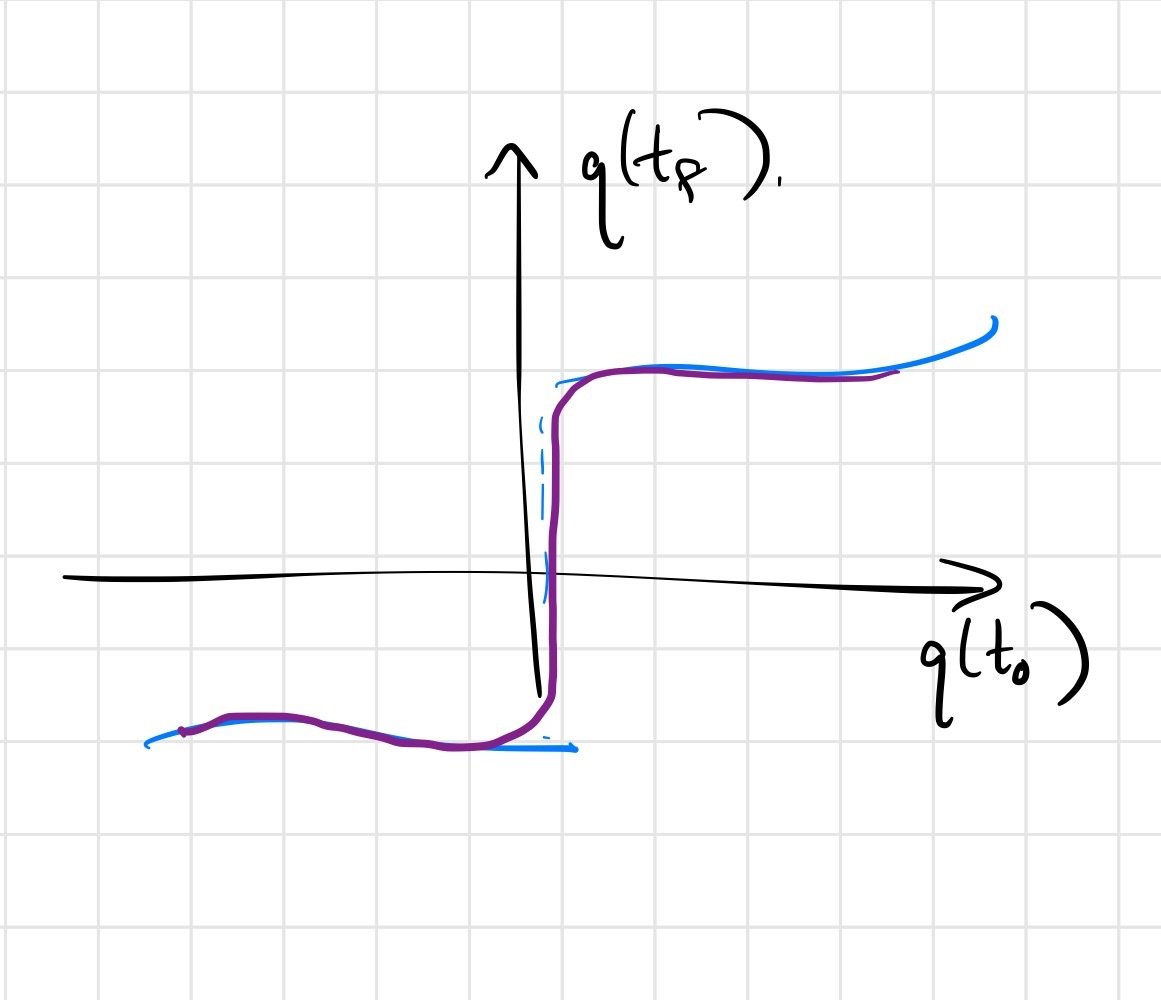
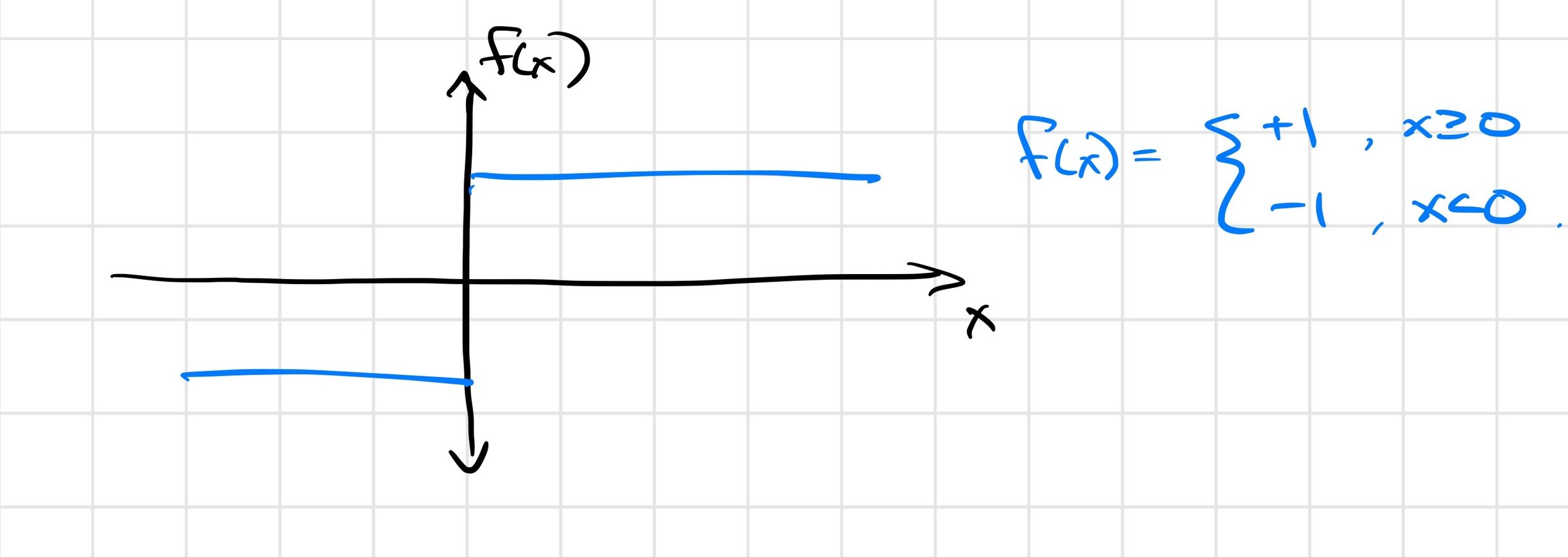
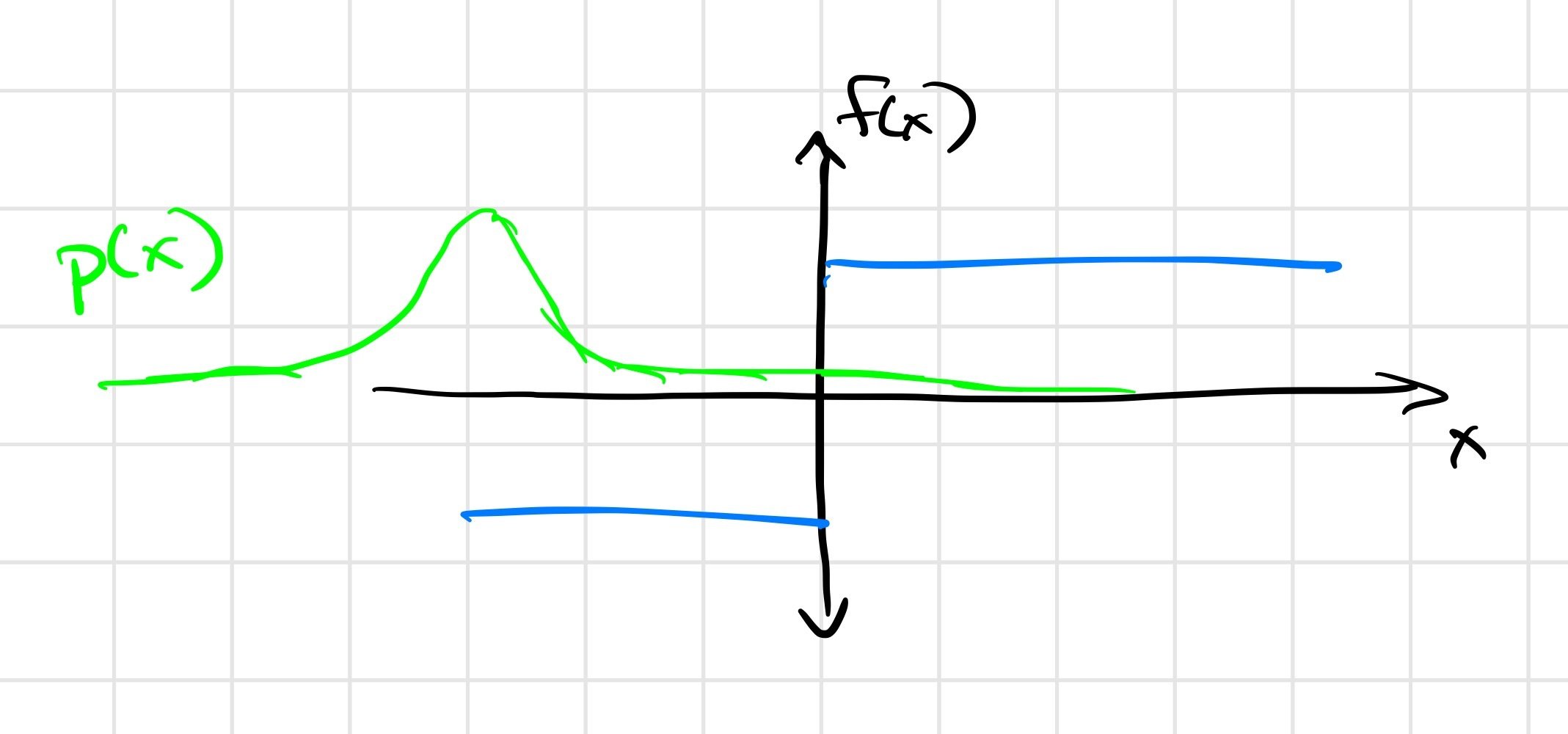
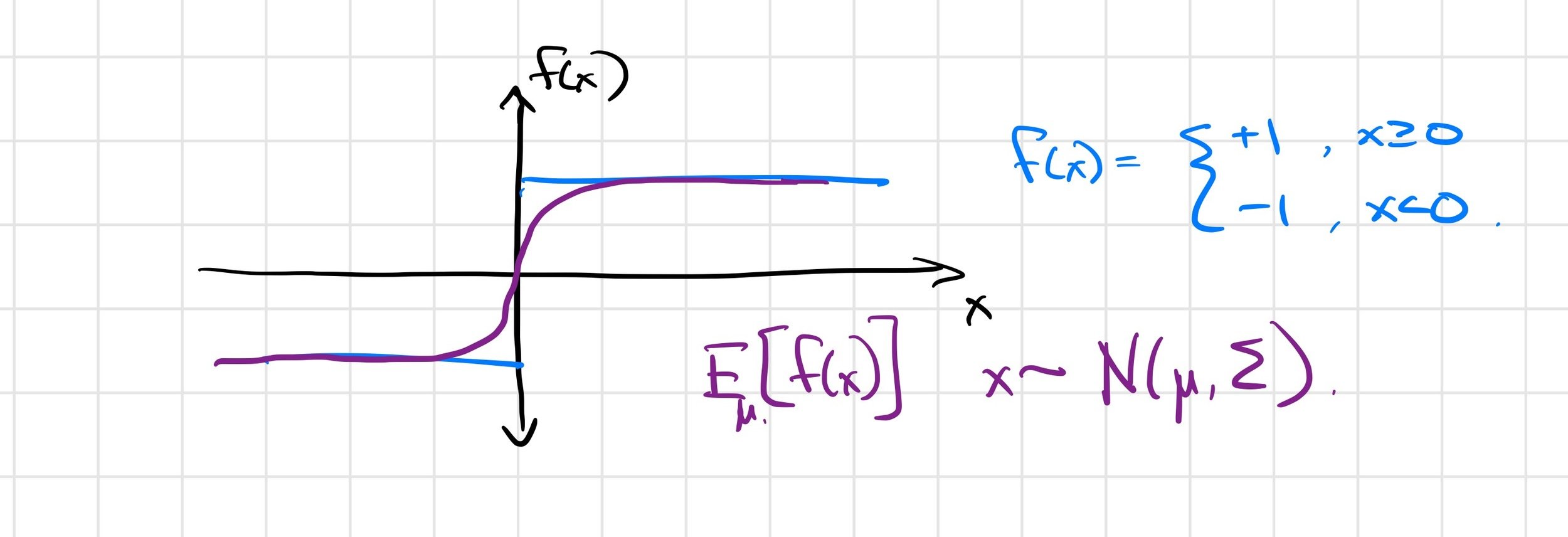
The answer is subtle; the Heaviside example might shed some light.
vs
Differentiable simulators give \(\frac{\partial f}{\partial \theta}\), but we want \(\frac{\partial}{\partial \theta} E_w[f(\theta, w)]\).
J. Burke, F. E. Curtis, A. Lewis, M. Overton, and L. Simoes, Gradient Sampling Methods for Nonsmooth Optimization, 02 2020, pp. 201–225.
But the regularity conditions aren't met in contact discontinuities, leading to a biased first-order estimator.
Often, but not always.
\(\frac{\partial f(x)}{\partial x} = 0\) almost everywhere!
\( \Rightarrow \frac{1}{K} \sum_{i=1}^K \frac{\partial f(\mu + w_i)}{\partial \mu} = 0 \)
First-order estimator is biased
\( \not\approx \frac{\partial}{\partial \mu} E_\mu [f(x)] \)
Zero-order estimator is (still) unbiased
e.g. with stiff contact models (large gradient \(\Rightarrow\) high variance)
Global Planning for Contact-Rich Manipulation via
Local Smoothing of Quasi-dynamic Contact Models
Tao Pang, H. J. Terry Suh, Lujie Yang, and Russ Tedrake
Available at: https://arxiv.org/abs/2206.10787
Establish equivalence between randomized smoothing and a (deterministic/differentiable) force-at-a-distance contact model.