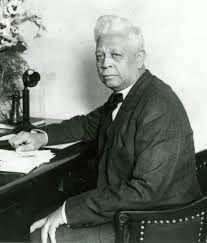
Early Civil Rights Movement
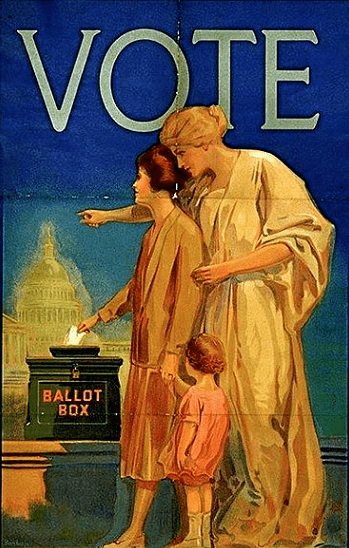
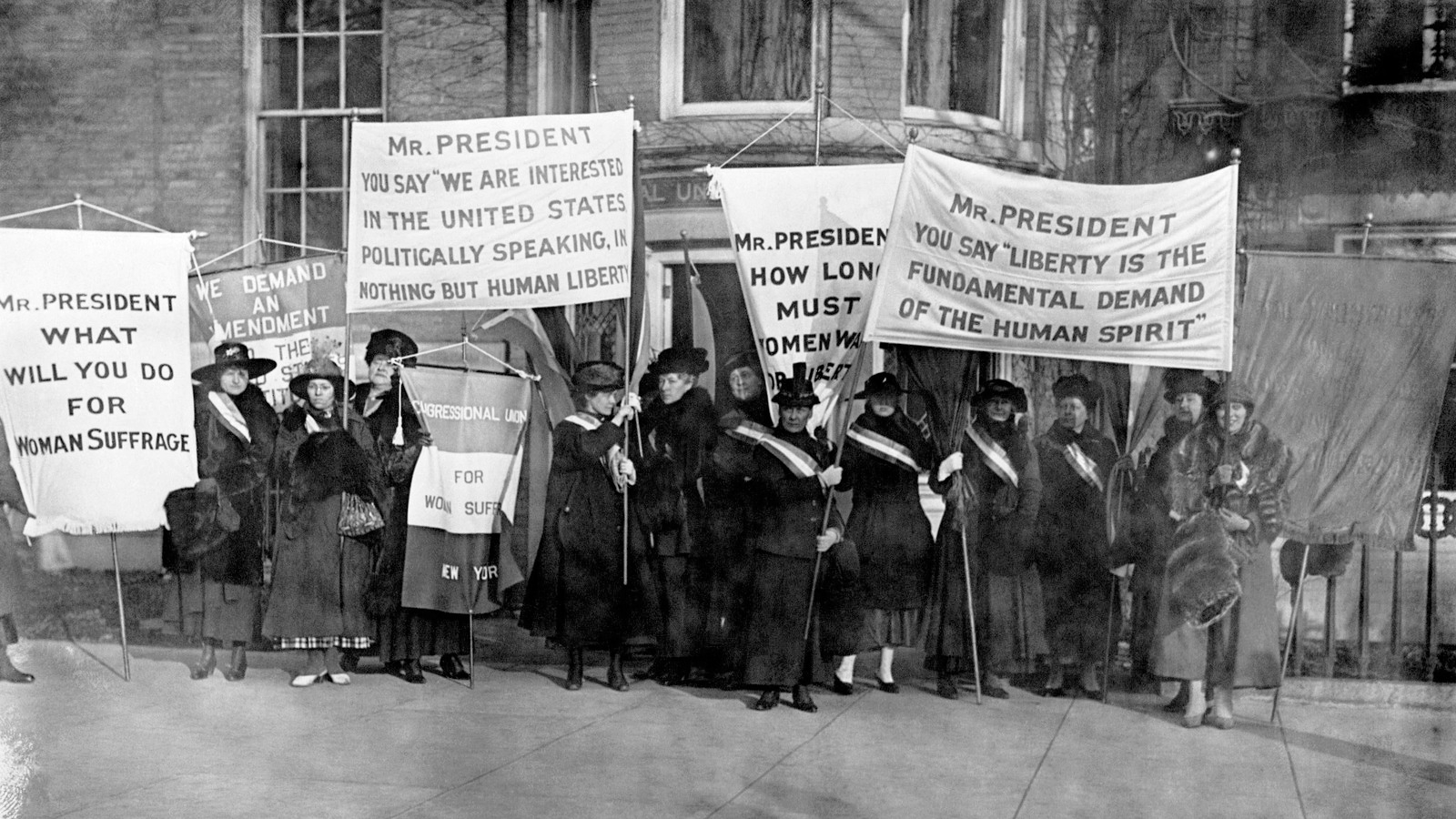
This was the decade when the 19th Amendment was ratified, officially giving American women the right to vote.
The Second Great Awakening, which changed the teachings, tenor, and institutional structures of Protestant Christianity, helped support the ideological foundation of the women’s rights movement. During this time, women were recast as more spiritual, more pious, and less sexual than men.
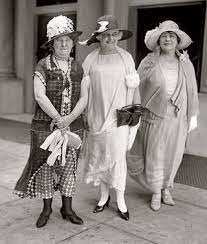
The rise of the middle class, the employment of domestic servants, and the decrease in family size (1760-1820) played an important role in the women’s rights movement. It freed up the critical time they needed to devote to fighting for rights, instead of doing onerous house work all day.
Rising female literacy rates in northern states in the 1830s and 1840s were fundamental to the movement. Literacy provided a means for rebellious individuals to express their thoughts and communicate to others on a wide scale. Abolitionist Thomas Wentworth Higginson, in his famous essay “Ought Women to Learn the Alphabet?” argued that with the rise of literacy the fight for women’s rights was inevitable.
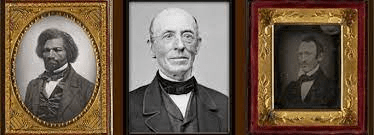
Abolitionists like William Lloyd Garrison, Wendell Phillips, and Frederick Douglass supported the women’s rights movement and publicized their cause.
Black Americans battled for political and civil rights throughout the Roaring Twenties and beyond.
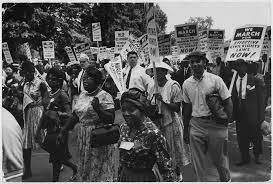
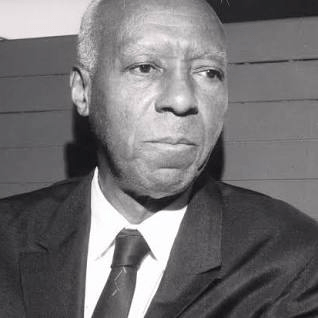
Civil Rights activist A. Philip Randolph founded the first predominantly Black labor union.
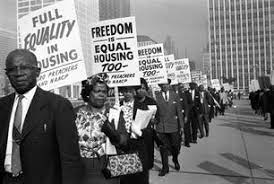
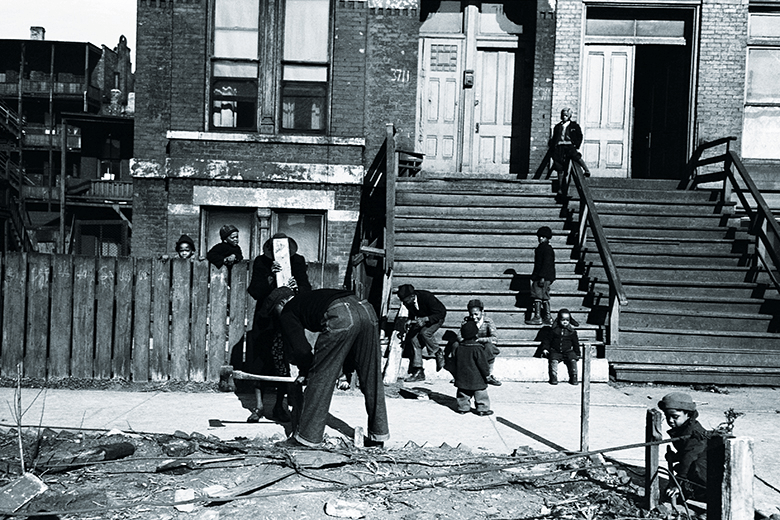
Discriminatory Housing led to a rise of urban ghettos, where Black Americans—excluded from white neighborhoods—were relegated to inadequate, overcrowded and unsanitary living conditions.
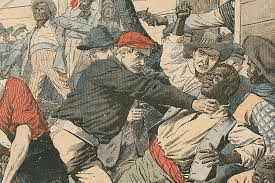
Black Americans had trouble voting in the 1920 election so, The NAACP had to launch investigations into Black disenfranchisement in the 1920 presidential election, as well as surges of white mob violence, such as the Tulsa Race Massacre of 1921.
Oscar De Priest, a Chicago Republican, became the first Black congressman since Reconstruction to be elected to the House of Representatives in 1928.