What is Computer Programming
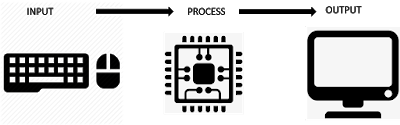
Computer
Programming Prerequisite
- Basic mathematics
- Truth tables of AND , OR, NOT
- If ... then else
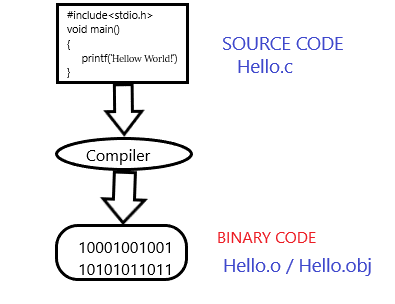
C - Compiler
Tokens
- Identifiers
- Keywords
- Constants
- Strings
- Operators
- Special Symbols
Identifiers
C identifiers represent the name in the C program, for example, variables, functions, arrays, structures, unions, labels, etc.
C Keywords
| auto | double | int | struct |
| break | else | long | switch |
| case | enum | register | typedef |
| char | extern | return | union |
| continue | for | signed | void |
| do | if | static | while |
| default | goto | sizeof | volatile |
| const | float | short | unsigned |
Variable
A variable is a quantity that may change within the context of a mathematical problem or experiment. Typically, we use a single letter to represent a variable. The letters x, y, and z are common generic symbols used for variables.
Primitive
-
int (unsigned , unsigned short ,long )
-
char
-
float
-
double
Derived
- array
- pointer
- structure
- union
Data types
Void data type
| Format Specifier | Type |
|---|---|
| %c | Character |
| %d | Signed integer |
| %e or %E | Scientific notation of floats |
| %f | Float values |
| %g or %G | Similar as %e or %E |
| %hi | Signed integer (short) |
| %hu | Unsigned Integer (short) |
| %i | Unsigned integer |
| %l or %ld or %li | Long |
| %lf | Double |
| %Lf | Long double |
| %lu | Unsigned int or unsigned long |
| %lli or %lld | Long long |
| %llu | Unsigned long long |
| %o | Octal representation |
| %p | Pointer |
| %s | String |
| %u | Unsigned int |
| %x or %X | Hexadecimal representation |
| %n | Prints nothing |
| %% | Prints % character |
Format specifier
- %c
- %d
- %f
- %o
- %x
Operators
- Arithmetic
- Logical
- Bit-wise
- Relational
- Assignment
- Increment Decrement
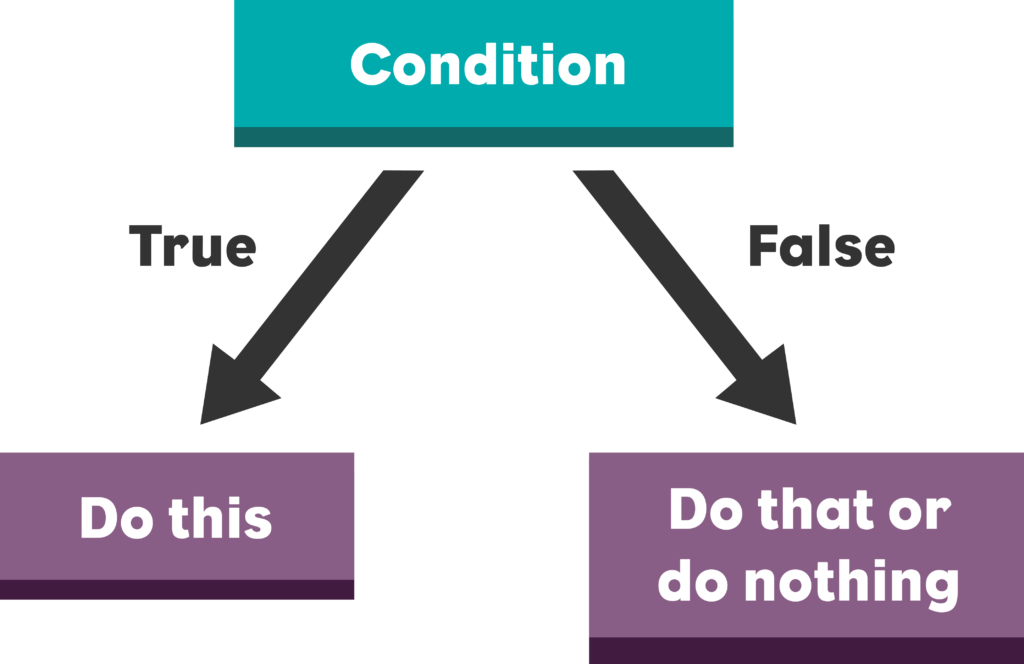
Condition

Conditional statements
- If
- If ...Else
- Else if ladder
- switch statement
If condition
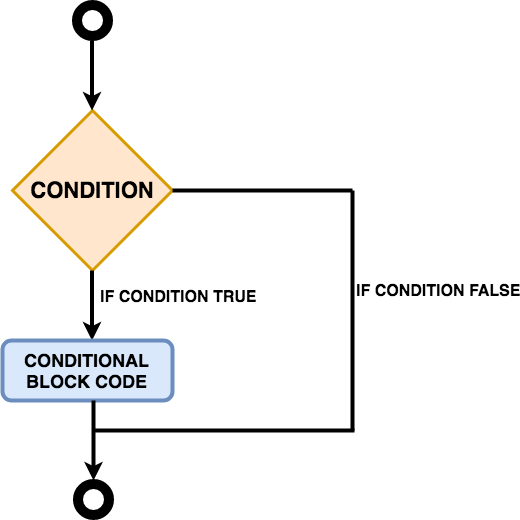
If and else
Loops
- for
- while
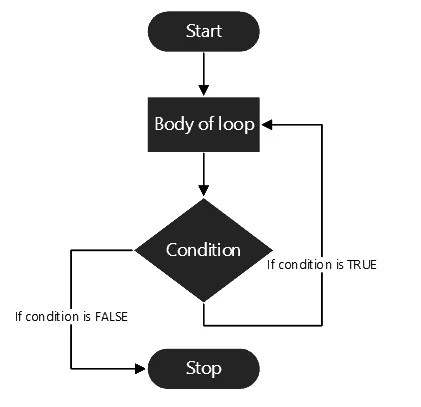
- do .. while
For loop syntax
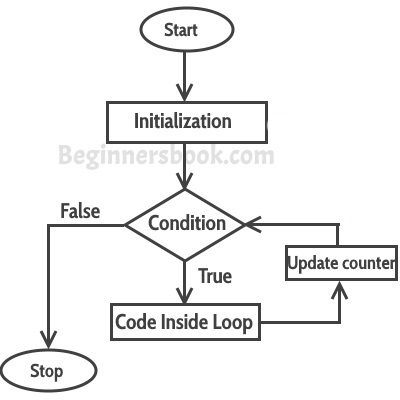
While loop syntax

Do While loop syntax

Any Electrical / Electronic device

Processor
To control electronic devices do we need to talk in electronic ?

Binary
Binary number
system
0 AND 1
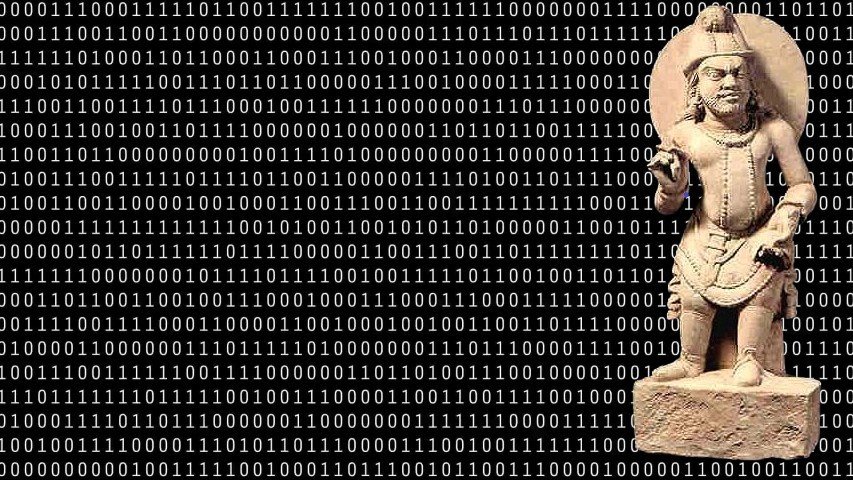
Maharshi Pingala
Creator of Binary System
Assembly Program
section	.text
   global _start     ;must be declared for linker (ld)

_start:	            ;tells linker entry point
   mov	edx,len     ;message length
   mov	ecx,msg     ;message to write
   mov	ebx,1       ;file descriptor (stdout)
   mov	eax,4       ;system call number (sys_write)
   int	0x80        ;call kernel

   mov	eax,1       ;system call number (sys_exit)
   int	0x80        ;call kernel

section	.data
msg db 'Hello, world!', 0xa  ;string to be printed
len equ $ - msg     ;length of the string
C Program
#include <stdio.h>
int main() {
   // printf() displays the string inside quotation
   printf("Hello, World!");
   return 0;
}