World Access for the Blind
Gaming to give sight
//brad tamura & gui bueno
concept
world access to the blind
A non-profit organization that facilitates self-directed achievement of people with all forms of blindness. It builds upon the social model of disability, which states that poor interaction between impaired people and society generate disabilities, not intrinsic deficiency.
its founder and president, knows that blindness is not as disabling as is commonly believed. He has created, perfected, and taught several times a human echolocation technique called Flash Sonar.
daniel kish
In summary, Flash Sonar makes blind people enhance their spatial awareness using only their ears:
flash sonar
“Blind humans using flash sonar can move about as though they have a crude but effective form of vision. They are well oriented, negotiate obstacles gracefully, quickly, and safely, and enjoy a broad variety of meaningful life activities”.
However, not many people, either blind or sighted, know about Flash Sonar. As a result, this wonderful technique is neither as widely used nor as socially accepted as it could be. In order to improve that, this game simulation will teach players the basics of Flash Sonar and engage them in supporting it.
game simulation
gaming to give sight
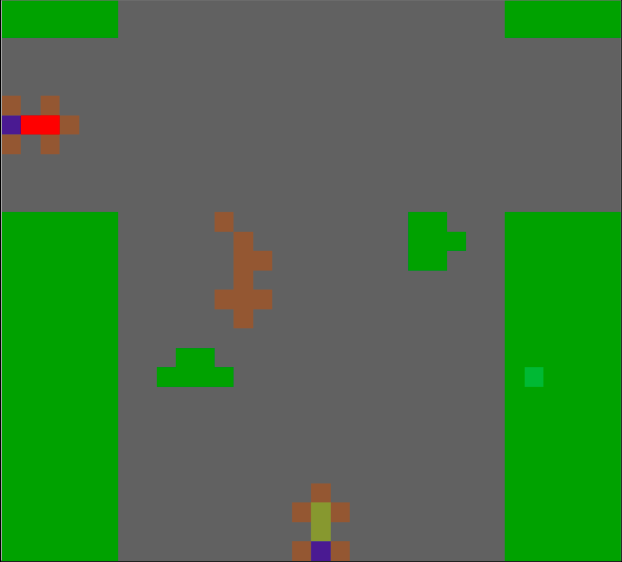
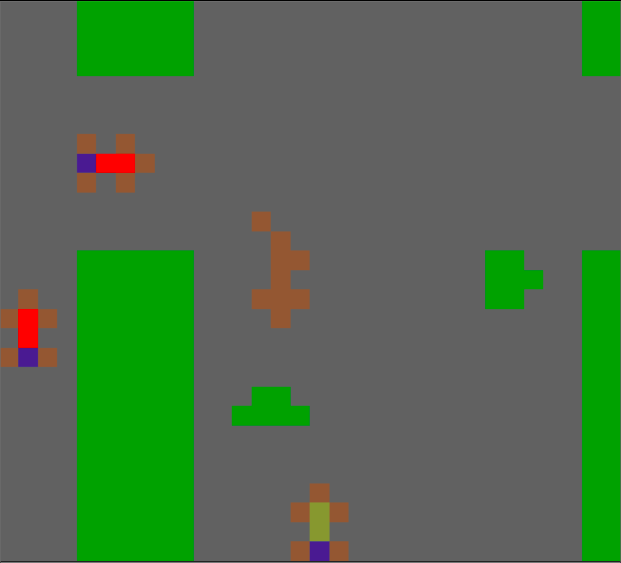
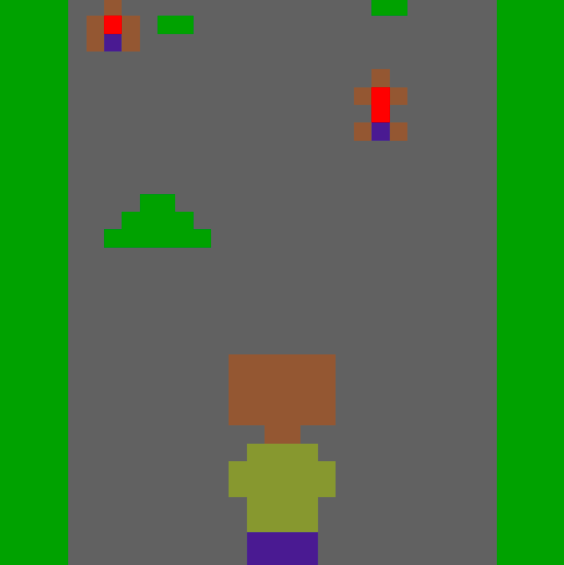
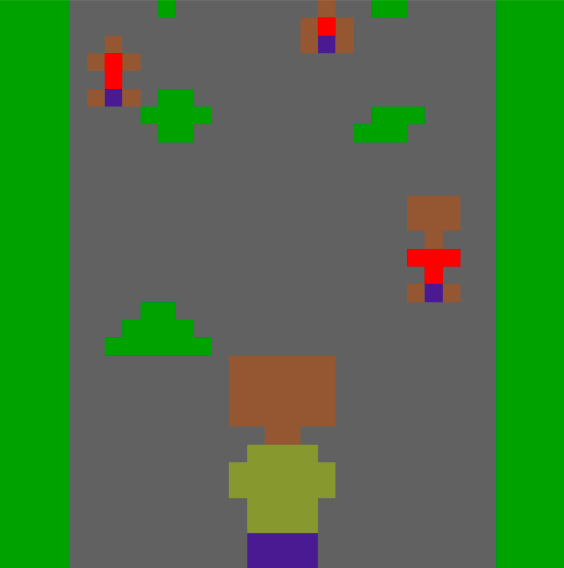
An interactive experience based on typical Endless Runner games, but where players “see” their upcoming obstacles with their ears. Through this simulation, players will be scaffolded to understand and to even experience the Flash Sonar technique.
target audience
primary group
Blind individuals in need of independence: children and adults who are looking to navigate through the world, but do not know what Flash Sonar is or how it works.
secondary group
People who can see: people looking to gain more of an understanding of how blind people may become able to “see” through Daniel Kish’s Flash Sonar method.
goals
The main learning goal of this project is to make players understand what Flash Sonar is and how it works.
learning objectives
Be familiarized with “Perceptual Navigation”, Daniel Kish, and World Access for the Blind.
Become able to roughly describe how this technique works, using player’s own words.
Understand that sound reverberates slightly differently depending on the surroundings.
Understand that the human ear can be trained to perceive these subtle differences.
-
-
Relate this technique with approximate metaphors, as dolphins, bats, and sonars.
-
Increase learner’s awareness about the strengths and capabilities of blind people.
Have access to a list of external links/resources for further investigation of the method.
learning theories
discovery learning
Players will be able to experiment and discover that it is possible to have a sense of what is around them based on a clicking sound produced with their tongue.
generative learning
It is expected that the players will reassess their old views of the blind community after their new understanding of what they can accomplish through flash sonar.
scaffolding
The game will be divided into small steps that the player will accomplish as they follow the game instructions. Each new step builds upon what the player has learned in the prior ones.
activity theory
This game focuses on simulating the activity of walking around using perceptual navigation. Players will be able to conduct that activity in an approximated way and disregarding context by the end of it, which will be enough for them to roughly understand Perceptual Navigation and be convinced by its power.
cultural models about the world
This principle set the learning up in a way that the learner starts to reflect on their culture and juxtapose them with new models that might conflict or relate with each other.
Through our proposed interaction, learners will think and reflect about blind culture.
embodied cognition
Rather than simply reading about perceptual navigation, players will have a sense of how it works using their own voice and ears, which makes this learning experience more meaningful.
how it works

Information about Daniel Kish and the World Access for the Blind
version 1: overhead view
user
person
user
person
per son
bush
bush
bush
bush
grass
grass
grass
d
o
g
d
o
g
screen 1

user
person
user
person
per son
bush
bush
bush
bush
grass
grass
grass
per son
per son
grass
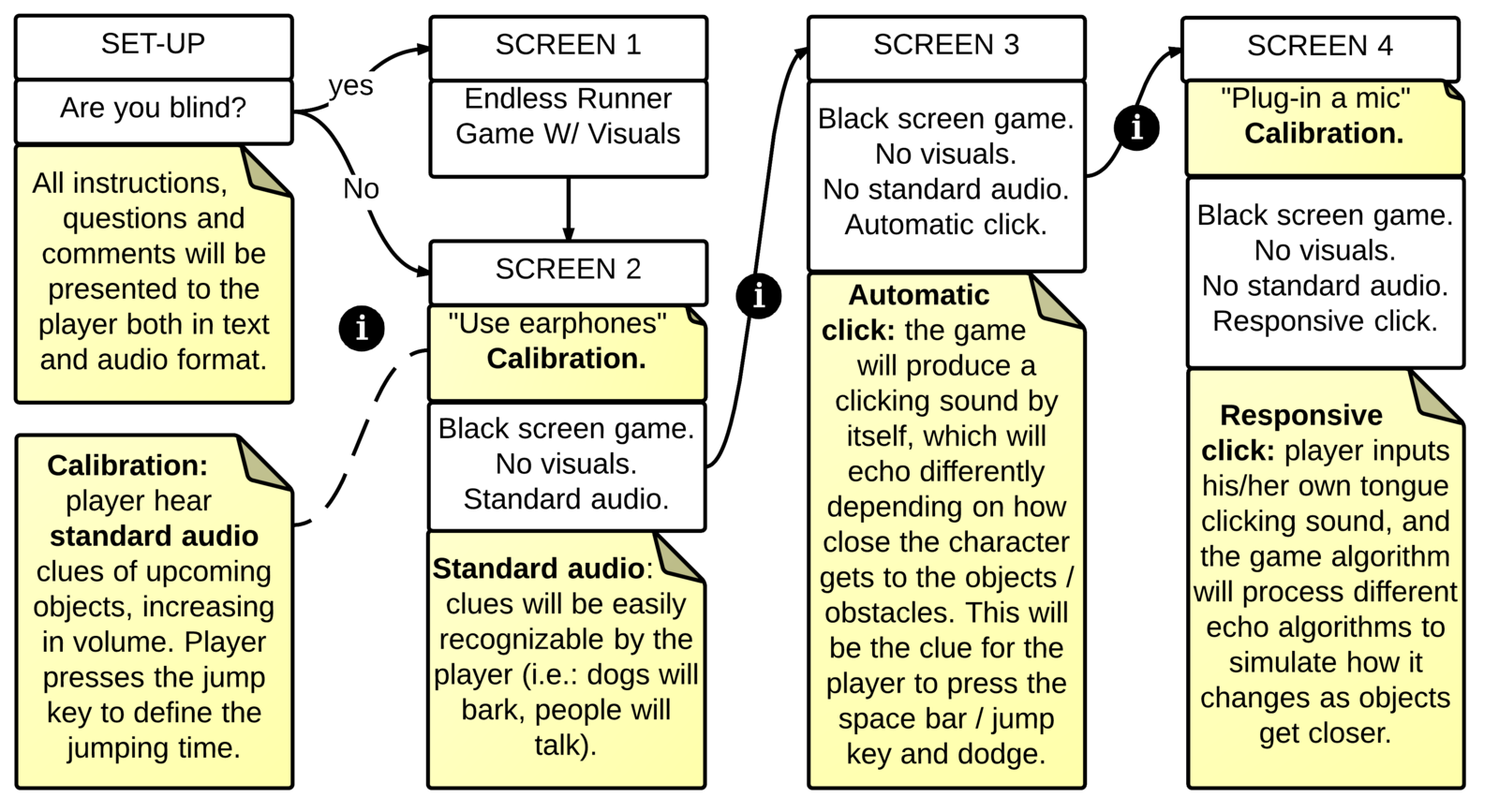
version 2: first person POV
screen 1
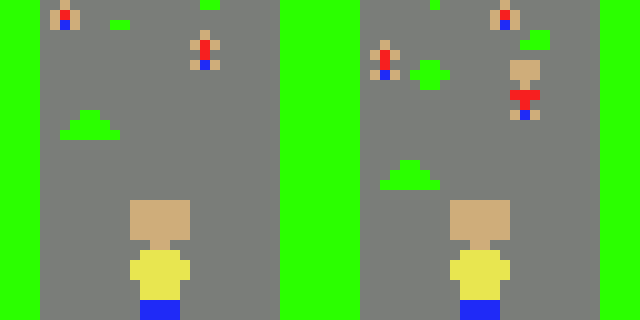
screen 2
[dogs barking]
[steps]
[people talking]
[cars]
screen 3
[automatic click]
screen 4
[responsive click]
process
the idea
Our initial idea was to work with the NYU Abilities Lab and to use either the 3-D Printer or the Laser Cutter in our project.
After a brief ideation process, we were both convinced that working with World Access for the Blind would be great.
Then, we brainstormed several ways to make the Flash Sonar technique more well-known through an interactive, digital experience.
Gaming to give sight was our favorite option, due to its inherent role play narrative strategy. We were excited to imagine a game where all interactions depend on audio, not on video.
the tools
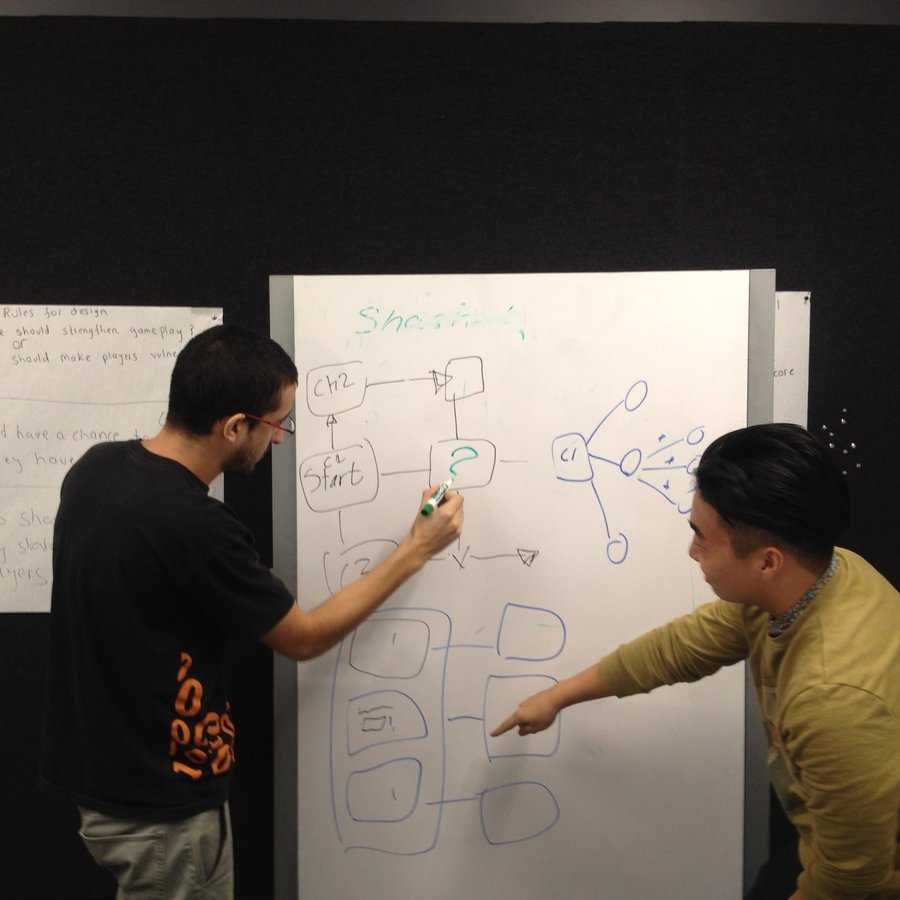
PiskelApp is how we created our screen mock-ups. This simple tool is effective in building rapid, animated prototypes. This made us adopt a pixel presentation style.
Reveal.js is a JavaScript library we used to create this presentation, via Slides. It is highly customizable and it can get fairly complex. It caused some struggle.
Both are recently created HTML5 + Javascript, open-source tools, which do not necessarily involve any direct coding. They afforded animation in our slides.
next steps
Our plan was to build an audio-based presentation as well, so our project would be more accessible, especially to our main target audience.
On the other hand, HTML5 has decent compatibility with screen readers. Since we did not have the time to do so, this would be our immediate next step.
Also, it would have been nice to explore more of the reveal.js resources (internal links, transitions, animation) and to re-think how project presentations are.
conclusion
Building this game using Unity or even in P5.js would not be very complicated, but it would have definitely required more time than we had.
Finally, spending some more time on this idea would probably make it stronger to the point that we could actually show it to World Access for the Blind.
resources
NPR Invisibilia:
How to Become Batman
Ted Talk:
Daniel Kish: How I use sonar to navigate the world