Manage your energy, not your time
- a recipe for managing well-being in today's busy world
Are you in the habit of feeling energised?
On a scale of 1 to 10 how energised do you feel during the week on average?
Do you start your week well, but as the week goes on, your energy goes down?
Do you often use weekends to recover from the week?
It is possible to feel good ALL the time...
By looking holistically at where your energy goes

The Zenergos model

Physical
Emotional
Spiritual
Mental
Title Text
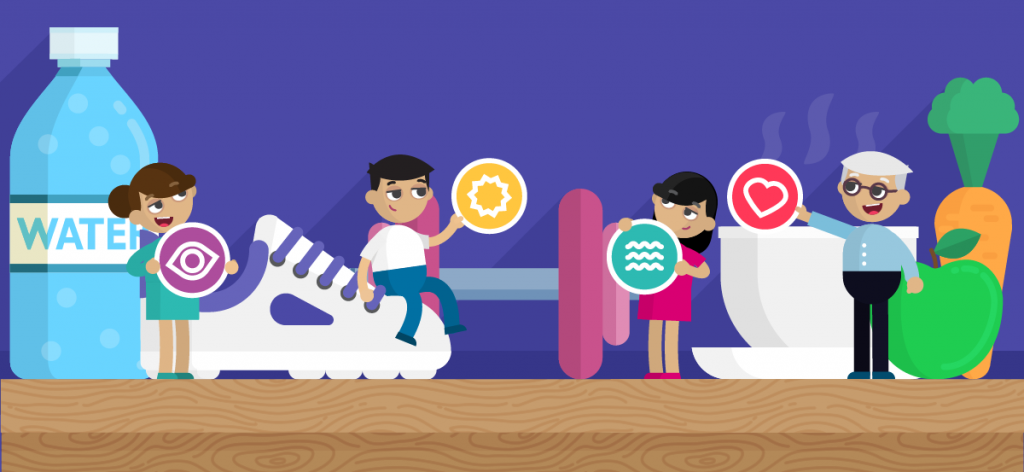
You need all FOUR areas
to be super-energised and resilient
Physical
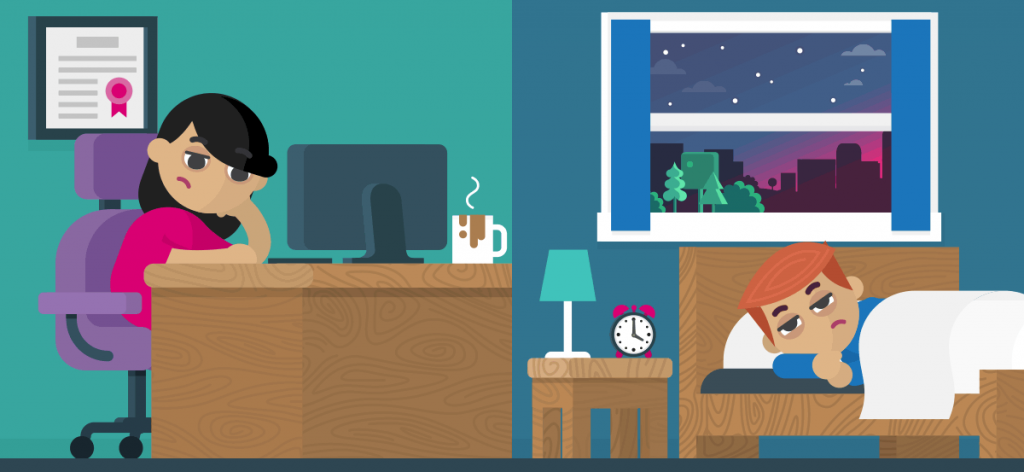
A lack of fitness, poor sleep habits, or working too many hours will leave you sleepwalking through your life.

Emotional
An inability to manage your emotions, particularly under pressure, and a drop in self confidence, can weigh you down with unnecessary stress.

Mental
A lack of planning or poor prioritisation will drain your energy reserves and play havoc with your focus.


Spiritual
If you don’t love what you’re doing or feel connected to a purpose, then you won’t have that bedrock of internal energy to support you.


What's draining your energy?
A good starting point is to figure out which area you are weakest in
The app provides a questionnaire you can fill in that will tell you.
Pick ONE area to work on
Why only one area?
Creating new habits needs a high level of willpower
Willpower comes from the most easily exhaustible part of our brain, the Pre Frontal Cortex (PFC)
Our PFC makes decisions and
solves problems
When it's knackered, our willpower fails

How do habits work?
At the core of every habit is a neurological loop that consists of three parts:
- a Cue
- a Routine
- a Reward.
An example
You wake up in the morning and think:
‘Right this evening when I get back from work, I’m not going to reach for a beer and slob out in front of the TV, instead I shall go for a run’.
The Cue is getting home from work
The Routine is the behaviour of reaching for the beer
The Reward is feeling relaxed and de-stressed after a hard day at work.
Replace the old with the new
Identify the Cue to any unhealthy habits (or routines) we are trying to replace
Understand what Reward we are craving
Try a different Routine (or behaviour) that will give you the same reward.
Success tip one
Make sure your habit is achievable and realistic
Don't overload your brain in the first place
Make a small step, you can build from there
Success tip two
Make sure the new habit gives you the same reward as your old one
In the previous example, is going for a run going to give you the relaxed feeling you are craving?
What could?
Success tip three
The key to success is in the planning
It takes 28 - 66 days to create a new habit - long term commitment
Pick times when your brain is not completely knackered
In your diary, plan what you are going to do and when you are going to do it, weeks out into the future.
The Zenergos app
will help
- Find out what areas you are weakest in
- Help you build new habits
- Provides lots of meditations for instant calm
- Facts and information
- Track your progress over time

ln summary
- To sustain highy resilient energy levels you need to think about your physical, emotional, mental and spiritual habits
- Plan your habit building way in advance
- Building habits is hard, take it one step at a time
- Keep retaking the questionnaire to track your progress
- Celebrate your success!!!!!
Questions?
Thank you
zenergos.com