From reproducibility to actionability
a microbial bioinformatics case study

Computational Biology and Bioinformatics Seminars
30 November 2022


@ines_cim
cimendes
Inês Mendes
Instituto de Medicina Molecular João Lobo Antunes
Clinical Microbiology
Bacterial Population Genetics
Pathogenesis and Natural History of Infection
Outbreak Investigation and Control
Surveillance of Infectious Diseases
| Components
Bioinformatics
| Wishful thinking



Magic box of NGS Wonders for Microbiology
Completely characterized strain:
- Identification & Typing
- Antibiotic resistance profile
- Virulence factors present
- Other information
- spa (S. aureus)
- emm (GAS)
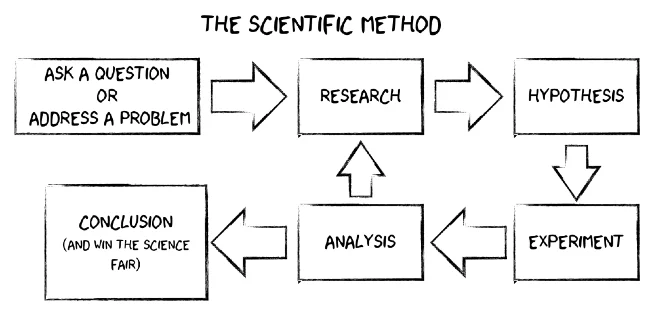
Can person X, with the same data and the same methodology, obtain the same conclusions as person Y?

Black
Box
Glass
Box
- Commercial/Freeware
- You get what it gives you
- Ready to use
- Stealth change
- Standalone
- Freeware
- You can "tailor"
- "Major" headache
- Visible change
- Dependencies
Reproducibility
| The needs



- Do I know what is happening?
- Is it reproducible?
- Is it shareable?

Reproducibility
| The needs
The needs:
- Analyze a large amount of sequence data routinely
- Some computationally intensive steps
- Constantly updating/adding software

Reproducibility
| The needs
Reproducibility
| The challenges
- No standard way of describing experiments, environments, (derived) data, and workflows.
- No transparency in creating environments and steps/methods to recreate analysis.
- The experimental nature of the research code and ecosystem makes it often hard to build.
- Unresolved or undocumented dependencies.
- Infrastructure for storage and distribution.
What is our role, as computational biologists, in addressing these challenges?
FAIR Data Principles
Findable, Accessible, Interoperable, Reusable
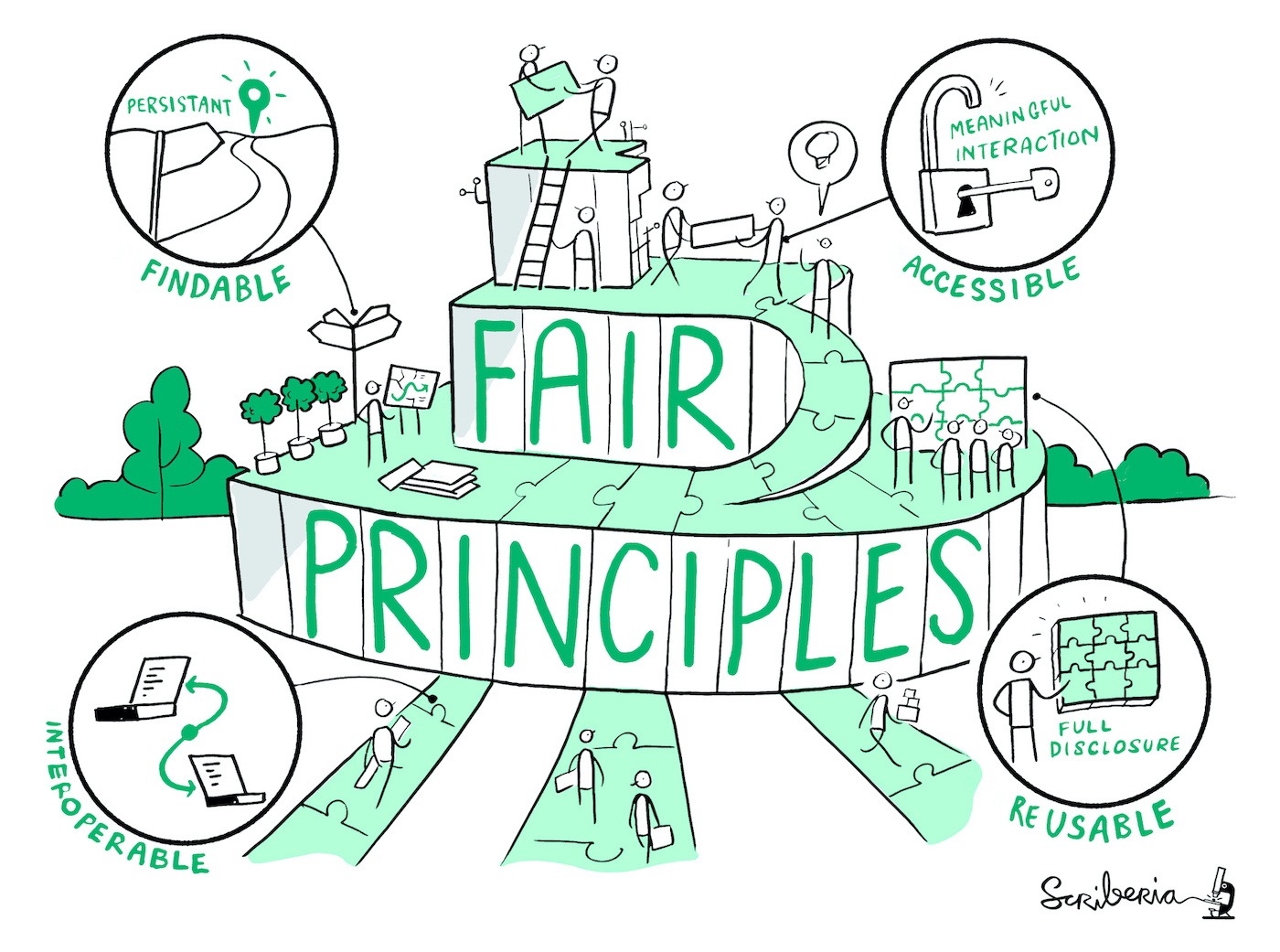
FAIR Principles
| Not just for data
https://doi.org/10.5281/zenodo.3332807
FAIR Principles
| Not just for data
The quality of the form of the software can be covered by FAIR data principles
- Code quality
- Maintainability
The quality of the functionality of the software goes beyond the FAIR principles:
- Correctness
- Security
- Efficiency
Form versus function of software
Version Control
Versioning, Collaboration and Accountability
Version Control
| What is it?
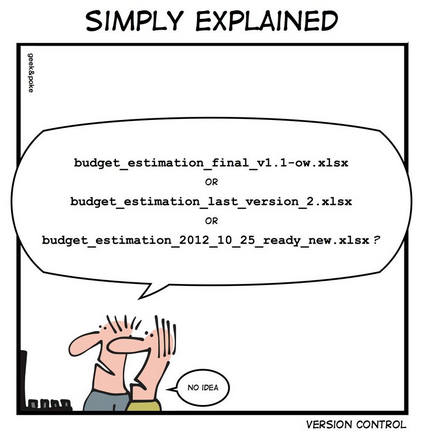
Version Control
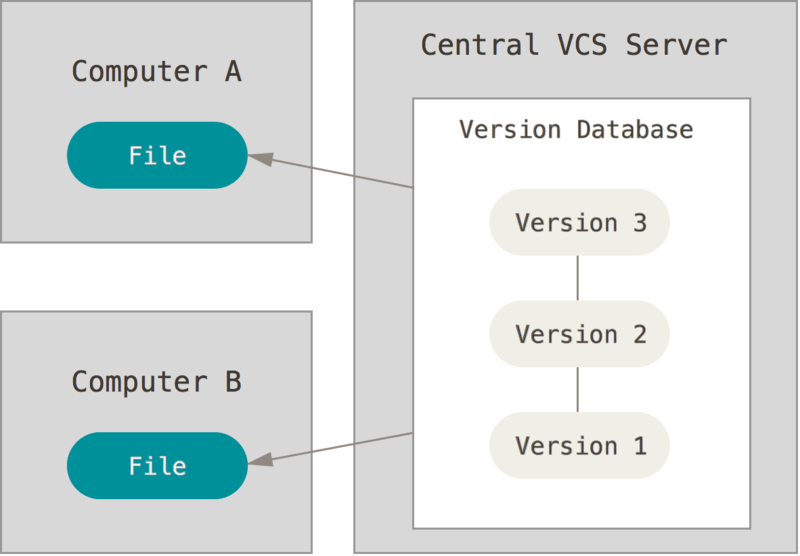



| What is it?
Version Control
| What does it allow for?
Collaboration: VCS (such as Git) was designed to solve the problem of multiple people working on the same code.
Storing versions properly: A stage of the project can be saved, through a commit, alongside a message. In the end, you only have one version on your disk of a project. Everything else is neatly packed up inside the VCS.
Auditabillity: VCS offers you an easy way to track "who made what change and when", allowing you to (1) debug more effectively, (2) track the reason that certain changes were made and (3) find the person who made a change.
Container Software
Reproducibility, Deployability
Software Containers
Runs the same regardless of the environment.
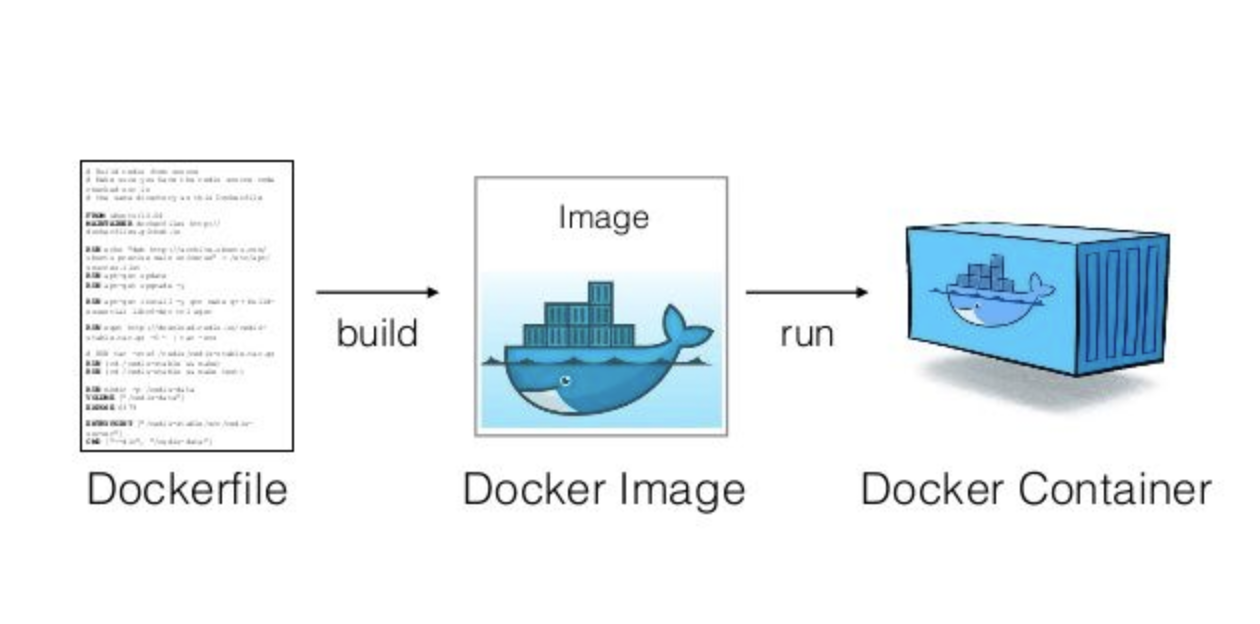
A container image is a lightweight, stand-alone, executable package of a software that includes everything needed to run it:
- code
- runtime
- system tools
- system libraries
| What is it?

Software Containers
| What is it?
Host Hardware
Host Hardware
Container Engine
Host OS
Host OS
Hypervisor
Guest OS
Guest OS
App
App
Guest OS
VM1
VM2
App
App
App
App
Virtual Machines
Containers

Docker Hub
build
pull & run
host
push
Docker
| The ecosysthem
Workflow Managers
Reproducibility, Scalability, Sharability
The game changing combination of workflow managers and containers:
- Portability
- Reproducible
- Scalability
- Multi-scale containerization
- Native cloud support



Reproducibility
| The motivation
Workflows in the Modern era:
Workflow Managers
| What is it?
Enables scalable and reproducible scientific workflows. It simplifies the deployment of complex parallel and reactive workflows.
Reactive workflow framework
Create pipelines with asynchronous (and implicitly parallelized) data streams
Programing DSL
Has its own language for building a pipeline
Containerized
Out of the box integration with containers engines (Docker, Singularity, Shifter)


Monolithic pipelines
Need to change often
Siloed tool containers
Don't do much by themselves
Software Testing
Accountability in Development
Code Development
| Approaches
Design
Code
Test
Test
Code
Refactor
Traditional Technique Approach
Test Driven Development Approach
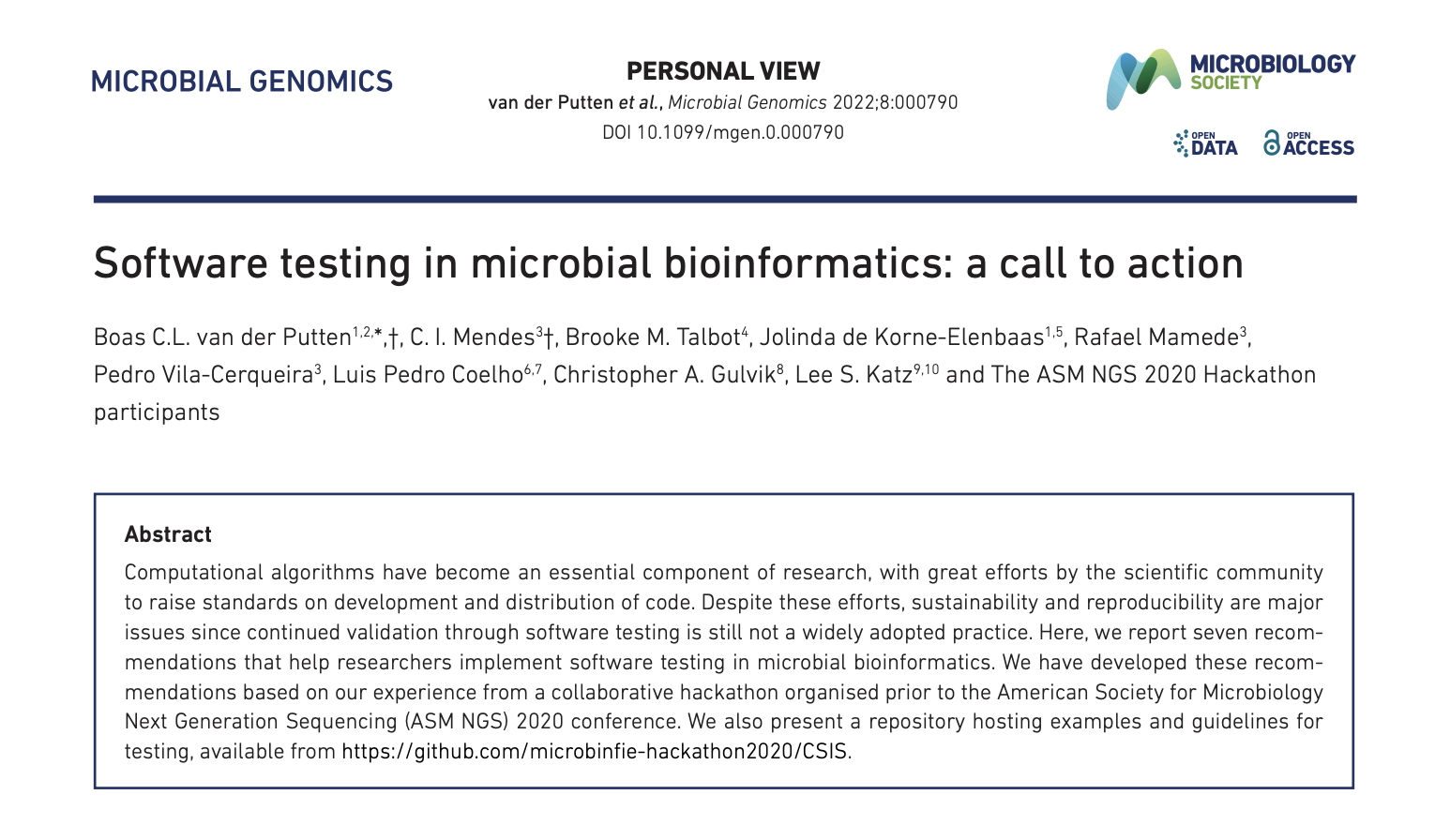
In the field of microbial bioinformatics, good software engineering practices are not yet widely adopted. (...) This paper serves as a resource that could help microbial bioinformaticians get started with software testing if they have not had formal training.


Recommendation #1
Establish software needs and testing goals
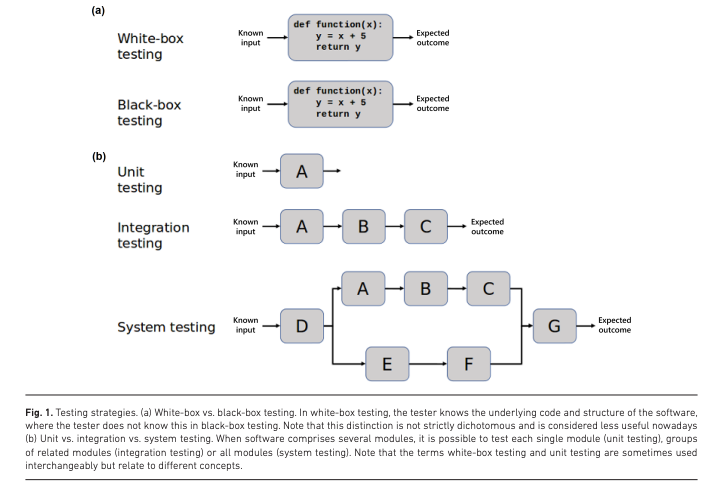
Recommendation #2
Input test files: the good, the bad, and the ugly
Include test files with known expected outcomes for a successful run.
Include files or other inputs on which the tool is expected to fail.
Recommendation #3
Use an established framework to implement testing

unittest (https://docs.python.org/3/library/unittest.html)
pytest (https://docs.pytest.org/en/stable/)

(https://testthat.r-lib.org/) testthat
Recommendation #3
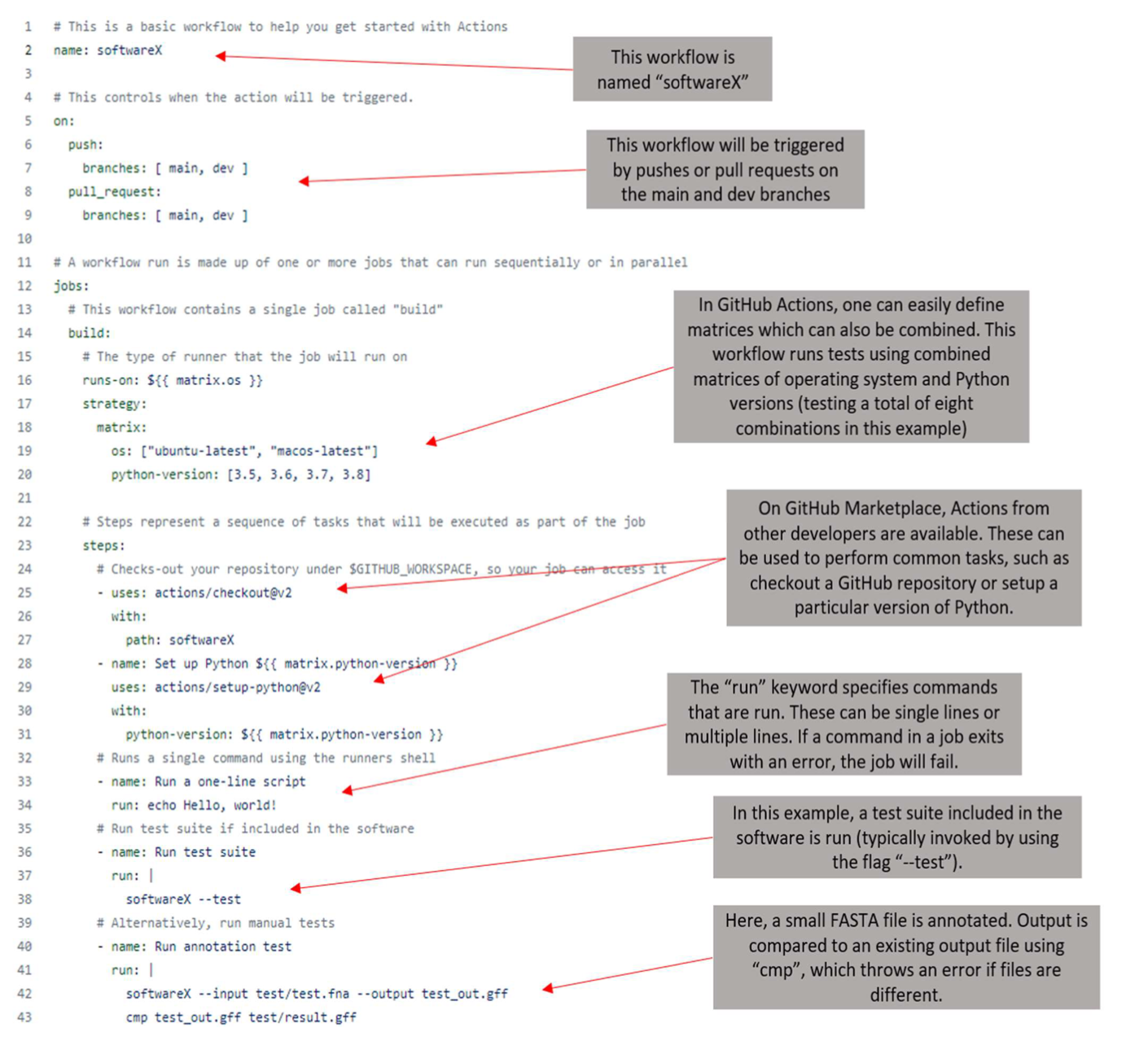
Recommendation #4
Testing is good, automated testing is better

Recommendation #5
Ensure portability by testing on several platforms
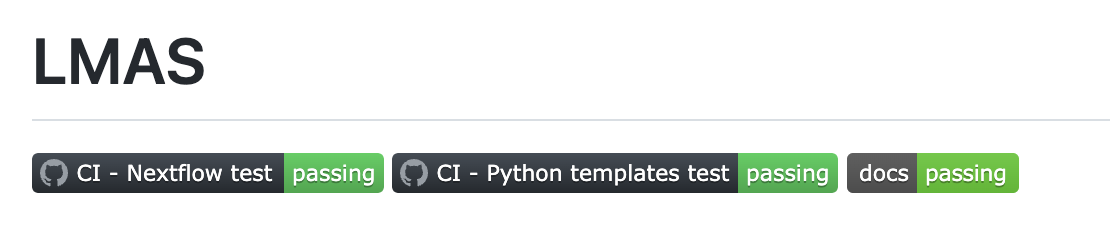
Recommendation #6
Showcase the tests

Actionable Reports
The final frontier
Actionability
| The interactive reports

- Intuitive and responsive reports enable collaborative research and empower users across domains.
- There's a tradeoff between ease of deployment and
ease of use
Actionability
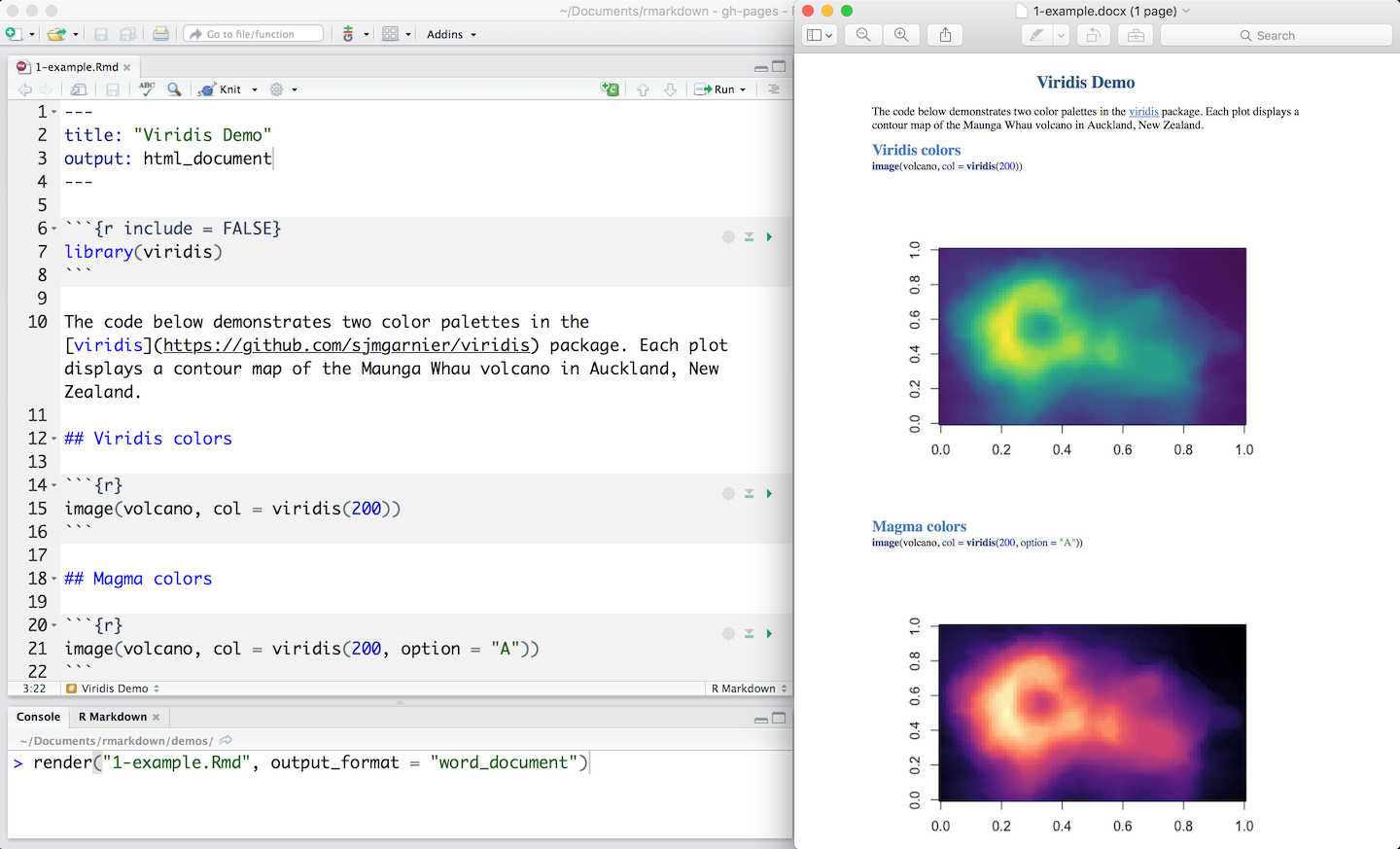
| Rmarkdown

Actionability
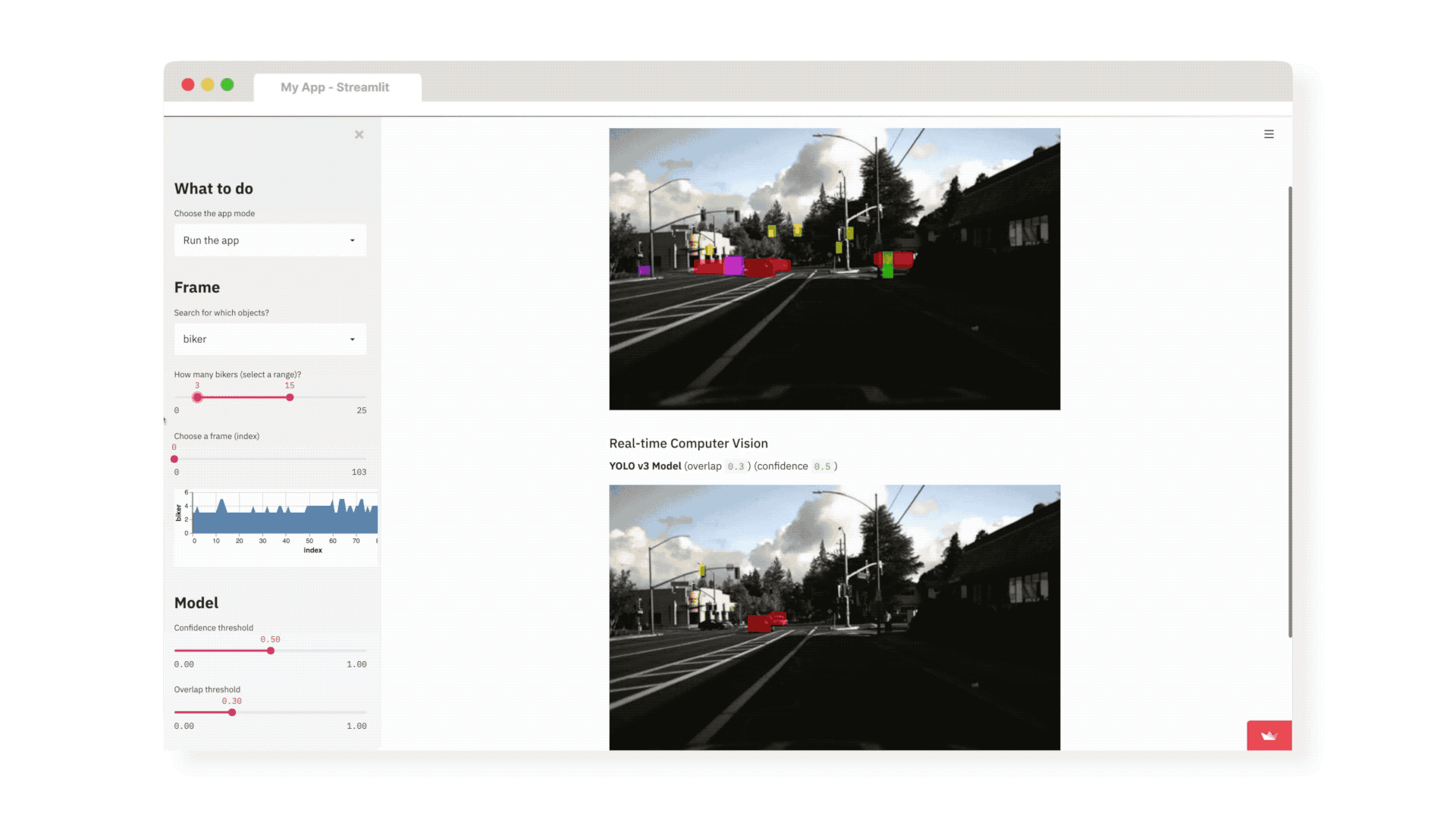
| Streamlit

Actionability
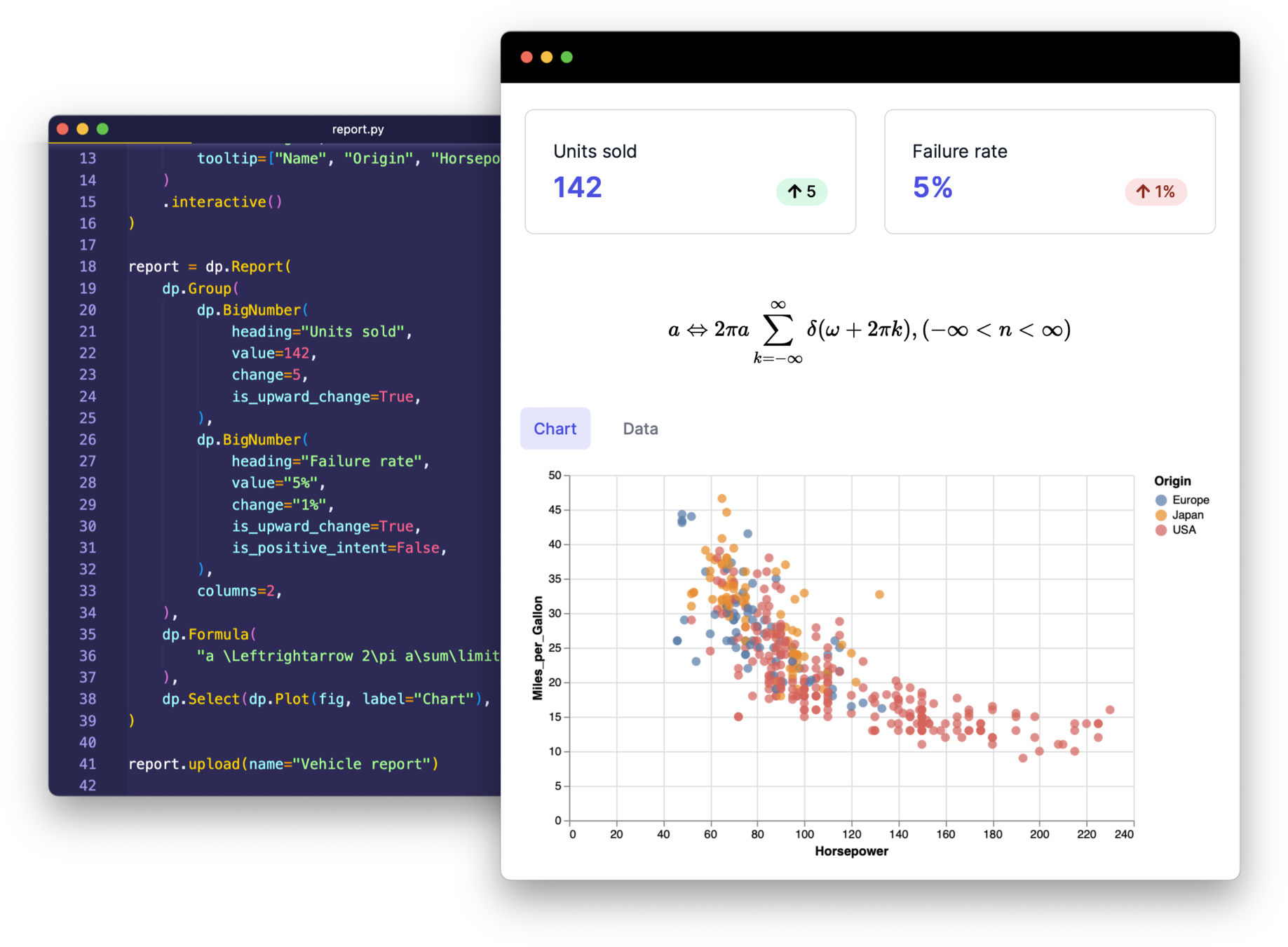
| Datapane

Actionability
| Javascript

LMAS
de novo assembly benchmark
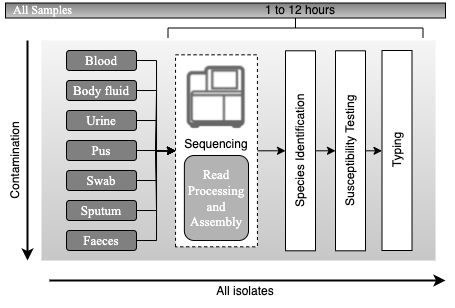
Microbial (meta)genomics
Microbial (meta)genomics
| Assembly
The assembly methods provide longer sequences that are more informative than shorter sequencing data and can provide a more complete picture of the microbial community in a given sample.
Reads
Contigs
Genomes
Microbial (meta)genomics
| de novo Assembly
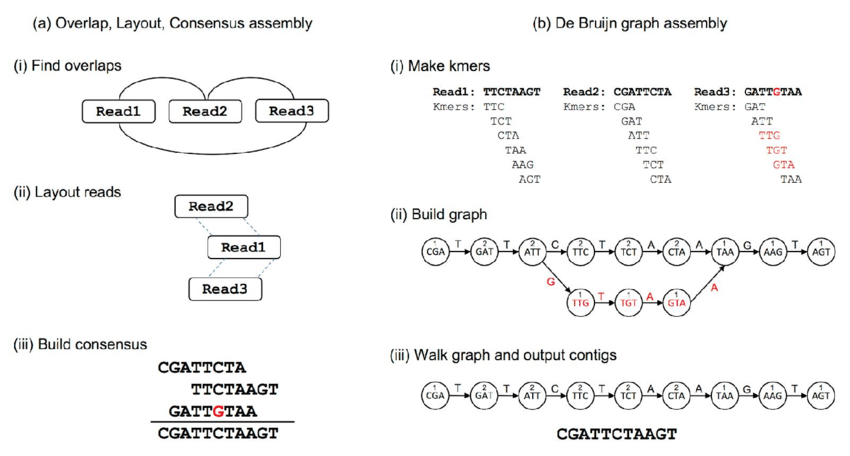
Martin Ayling, Matthew D Clark, Richard M Leggett, New approaches for metagenome assembly with short reads, Briefings in Bioinformatics, Volume 21, Issue 2, March 2020, Pages 584–594, https://doi.org/10.1093/bib/bbz020
Microbial (meta)genomics
| de novo Assembly
- Results are highly dependent on the tools chosen for the analysis - Lack of standardization and proper benchmark.
Major issues
- Highlights the potential and the limitations of shotgun metagenomics as a diagnostic tool - Lack of reproducibility
Reads
Contigs
Genomes
https://github.com/B-UMMI/LMAS
https://lmas.readthedocs.io/
LMAS
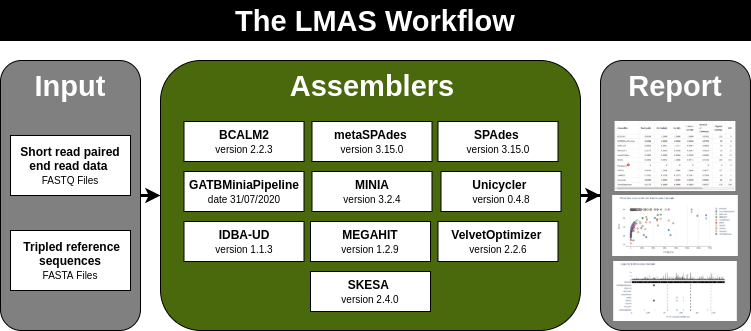
| Last Metagenomic Assembler Standing
Automated workflow enabling the benchmarking of genomic and metagenomic prokaryotic de novo assembly software using defined mock communities.
LMAS
| Last Metagenomic Assembler Standing


A container engine (Docker, singularity, shifter...).
apt-install docker-ceInstall LMAS
conda install -c bioconda LMASRun LMAS
LMAS --fastq <reads_{1,2}.fq.gz> --reference <reference.fasta>
Towards Accreditation in Metagenomics for clinical Microbiology
Thank you for
your attention


SFRH/BD/129483/2017