Emergence of Jewish Religion
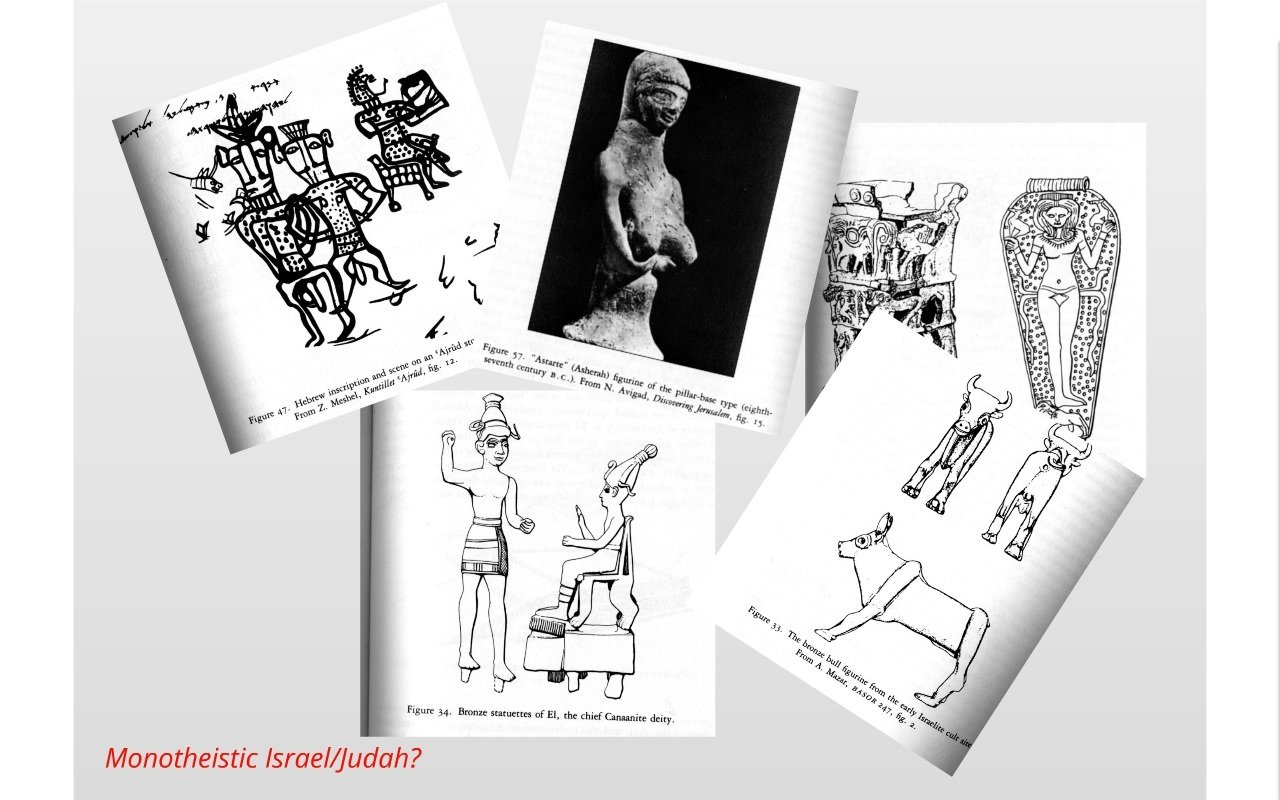
The loss and subsequent desire for "national" identity, including a political authority and land as tangible confirmation, provided the catalyst for the unifying and absolute "language" of the monotheistic identity of the Judean returnees. It was unifying because it sought to establish clear, communal (and presumably social and political) boundaries in a relatively chaotic and ambiguous context. It invoked notions of the absolute in order to articulate its own distinction and claim to the land and authority above the other competitors. The language of empire facilitated this strategy. Yahweh was promoted from national god to god whose power extended over the known world and beyond immediate political boundaries.
Early monotheistic identity in Judah was a result of imperial conquest and a "return" of exiled Judeans, who redefined Judean political identity in terms of their own experiences.