Realistic & Historical Fiction

Trolls in Realistic Fiction?
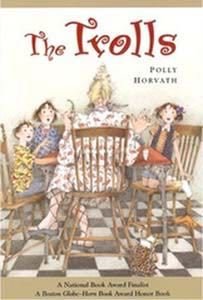
Polly Horvath’s The Trolls
Aunt Sally babysits her 2 nieces and her nephew:
-
She has come all the way from Vancouver Island, Canada, to take care of the children while their parents are away, and right from the start Aunt Sally enchants them with tales of her childhood with their father.
- All of Aunt Sally’s reminiscences lead up to a crucial story about trolls, sinister creatures
who supposedly lurked along the shore at
night. The trolls had the power to change
Aunt Sally’s life forever, and their legacy
may change the lives of the three present-
day children as well.

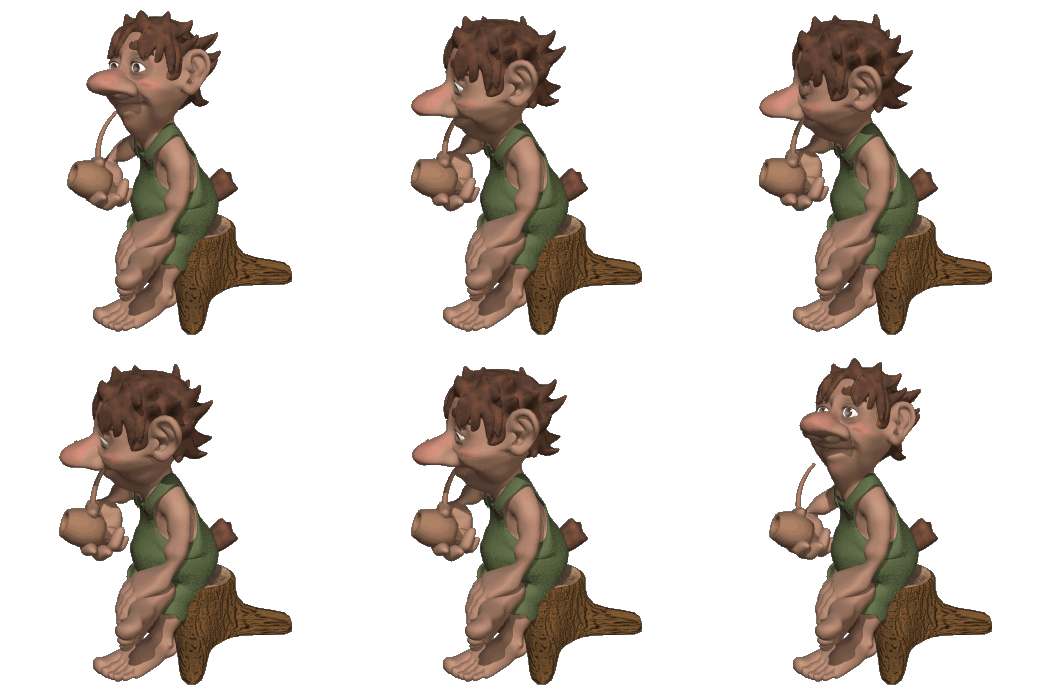
Who are The Trolls?
- “Oh, I’ve seen them many a time on my camping trips. They don’t usually come out in the daytime. And if they do, they are hard to see, because they blend in, for they have faces of stone. No mouths, leathery skin black as night, and eyes like emeralds. When they close their lids, they can be the craggy dark cliffs or the charred hollows of trees, but when they open them, you catch their jewel-like eyes shining in the darkness of their visages.”
- “What’s a visage?” asked Amanda.
- “Face,” said Melissa. “Now shhh.”
But is it realistic fiction???
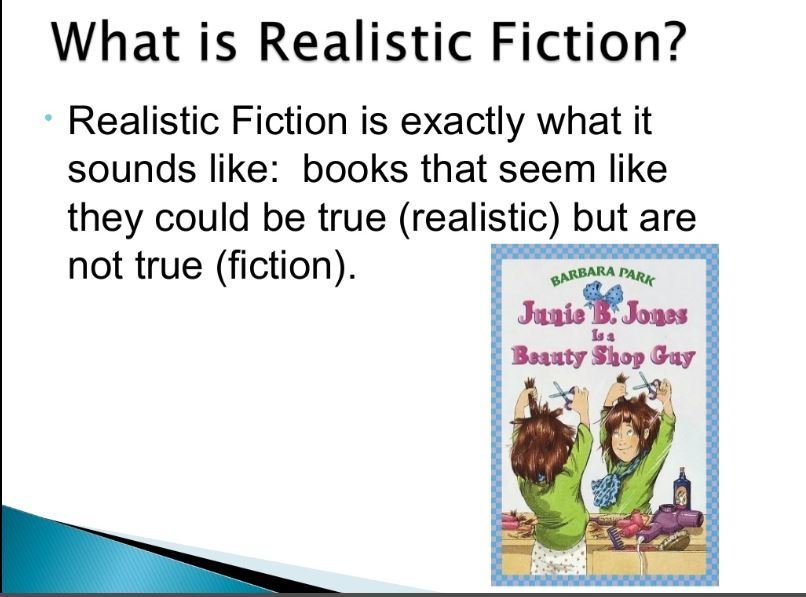
Realistic fiction is a story written about events that did not actually happen but could have happened; the people, events and places may be real. It is a classification of literature containing stories that could actually happen, in a time and setting that is plausible and contains realistic characters.
- http://www.sightwordsgame.com/learning-to-read/realistic-fiction/


What makes a book realistic?

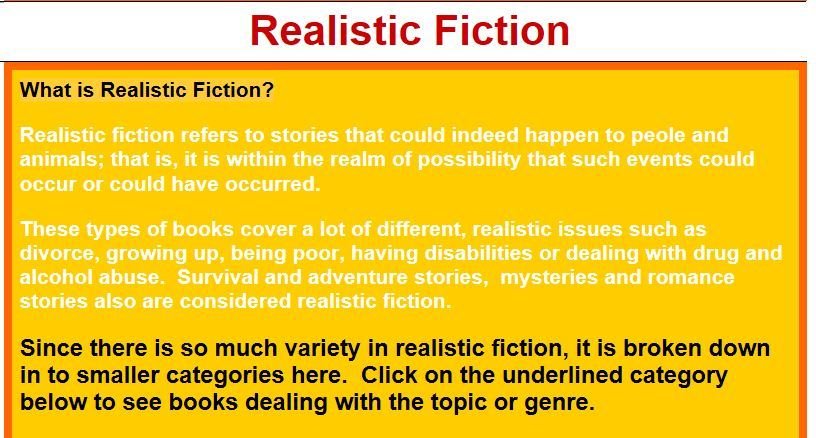
Adventure/ Survival Animal Stories Cultural Diversity (links to multicultural page)
Family Issues (i.e. siblings, divorce, etc.) Mental & Physical Disabilities Mysteries
Peer Issues Rites of Passage Romance Sports

-
the characters are engaging and believable.
-
the dialogue is believable.
-
the plot is fresh and original.
-
the setting is true to life.
-
the problems faced by the characters are honestly portrayed.
-
the resolution makes sense.
-
the theme grows naturally out of the action and characters - the writer does not preach at us.
What makes realistic fiction different from fantasy or science fiction?
-
What makes it so important to its readers? Perhaps the biggest drawing card for children with realistic fiction is that they are able to see themselves or people like themselves in the stories. It is as if the stories are mirrors into which they look -- and that is just what realistic fiction is --reflections of the child’s reality.
- Rochelle, W. (1991). A sense of responsibility in realistic children's fiction. Emergency Librarian, 18(5), 8.

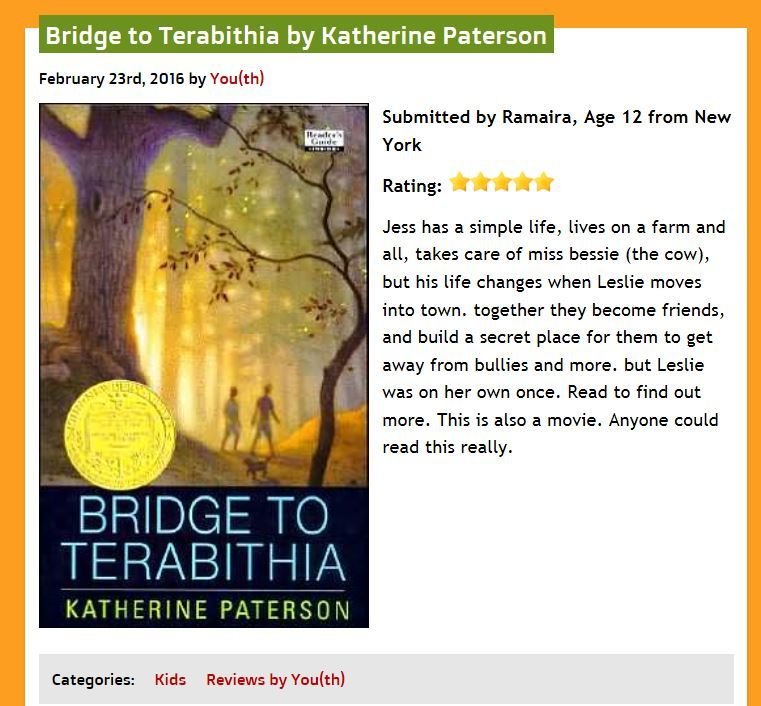
Is Bridge to Terebithia Realistic Fiction or Fantasy?
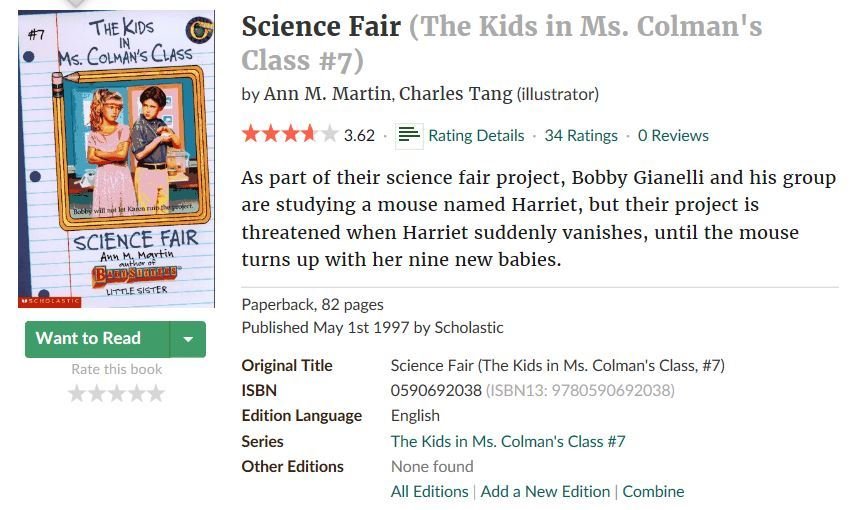
A realistic fiction title with a mouse
Historical Fiction
Realism in the past
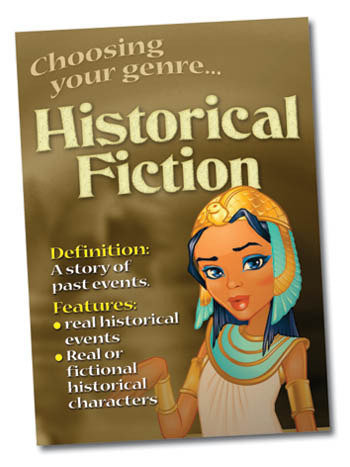

A narrative in the form of a novel set in a specific
place and period in history, or based on an event or
sequence of events that actually happened. The
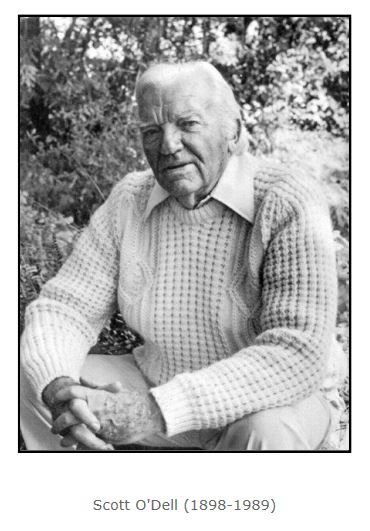
characters may be completely fictional, but if they are known to have existed, their feelings, words, and actions are reconstructed and to some degree imagined by the author. The presence of dialogue in a historical work is usually a clue that the account is fictionalized. . . . For more information, connect to the Historical Novel Society. Compare with nonfiction. See also: alternative history and Scott O'Dell Award.

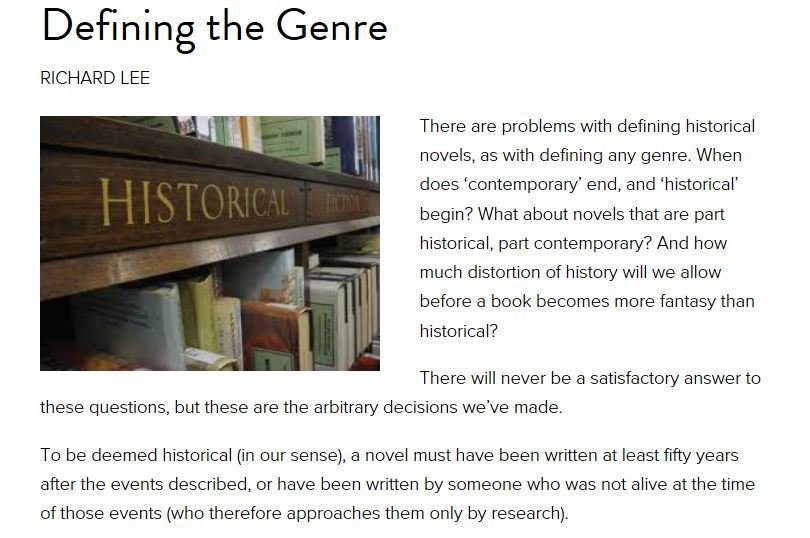

- Quote from the review of a novel, cited in “History is but a fable agreed upon: the problem of truth in history and fiction,” speech by Richard Lee to Romantic Novelists Association

“The historical novel has always been a literary form at war with itself. The very term, implying a fiction somehow grounded in fact – a lie with obscure obligations to the truth – is suggestive of the contradictions of the genre.”

- Each decade throws up new approaches to history, finds new or previously overlooked sources and gives entirely new weight to the facts they do agree on.
- History, in other words, is tailored for its audience.
- The facts that survive are absurdly inadequate. The interpretation that is put on them is a huge distortion even of those few facts.

Whatever else it may be – it is NOT necessarily truth:
History is maybe not quite the out and out truth that it seems, after all:

- At its best it is only one historian’s selection of what he or she BELIEVES, at any particular time, is most relevant from the body of material that survives. At worst – well at worst, it is no more than the sort of bigoted opinion and blatant manipulation of sources that we’ve recently seen exposed in the work of holocaust denier, DAVID IRVING.
- History and historical fiction
are necessarily not the same thing. The purpose of history is to narrate events as accurately as one can. The purpose of historical fiction is to enable a reader through the perspective of characters in the story to feel that she or he is present at the events. Such a goal obviously requires some modification of the events.- Quoted by Cindy Vallar in Historical Fiction vs. History
- Quoted by Cindy Vallar in Historical Fiction vs. History


-
The Problem of Definition:
- just how “past” is “past”?
-
The Problem of “Truth”:
- Historical Fiction or Fictional History?
-
The Problem of Balance:
- How much “authentic” detail?
-
The Problem of Accuracy:
- How do you avoid errors or anachronisms?
-
The Problem of Provenance:
- Where does the story come from?
Volume 26, Number 1, Fall 1998
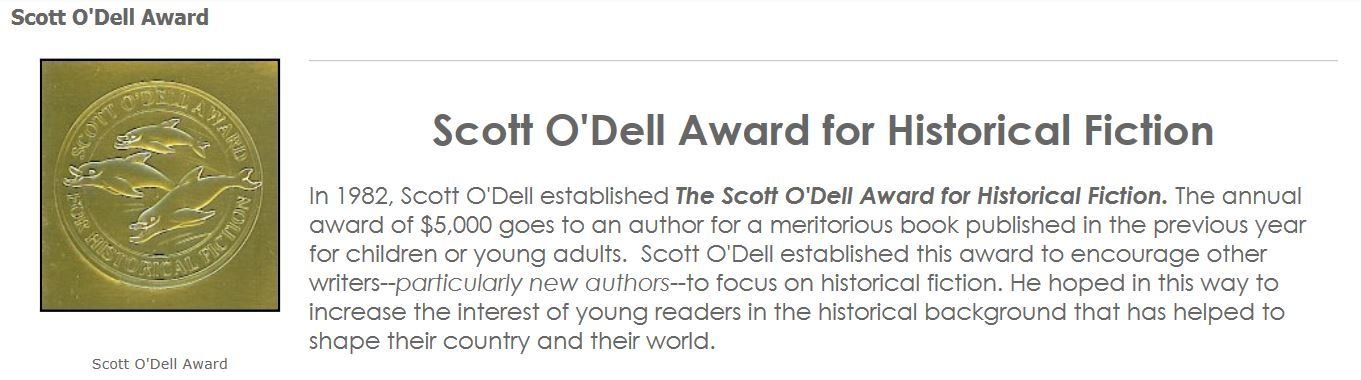
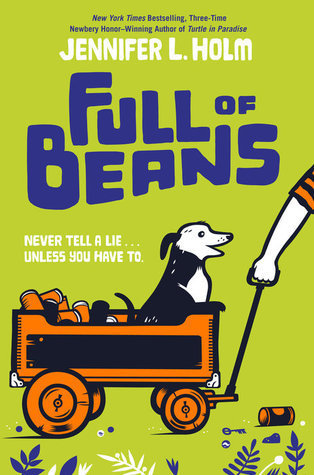
2017 winner of the Scott O'Dell Award:
Holm, J. (2017). Full of beans. Random House.
Grown-ups lie. That’s one truth Beans knows for sure. He and his gang know how to spot a whopper a mile away, because they are the savviest bunch of barefoot conchs (that means “locals”) in all of Key West. Not that Beans really minds; it’s 1934, the middle of the Great Depression.
A borderline historical novel with a mouse*
*Although it would probably be completely acceptable to the Historical Fiction Society, which considers alternate histories, pseudo-histories, time-slip novels, historical fantasies and multiple-time novels to be historical fiction "for our purposes".

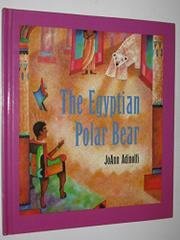
Egyptologists (in all honesty) have found hieroglyphics recording plans for a polar bear's burial vault. Adinolfi felt the bear's story had gone begging for too long. Thus, although not exactly cut from the cloth of history, Nanook the lonely polar bear's saga begins. Many years ago, the bear hitched a ride on a passing iceberg in search of a fellow creature's company. He floated way south, slipped through the Straits of Gibraltar, and washed ashore in Egypt, then ruled by the lonely boy king Rahotep.
THE EGYPTIAN POLAR BEAR by JoAnn Adinolfi, illustrated by JoAnn Adinolfi Age Range: 4-8
KIRKUS REVIEW
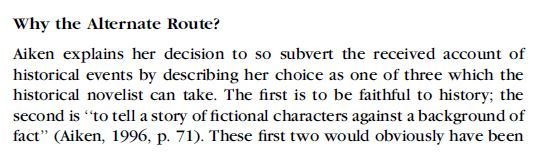
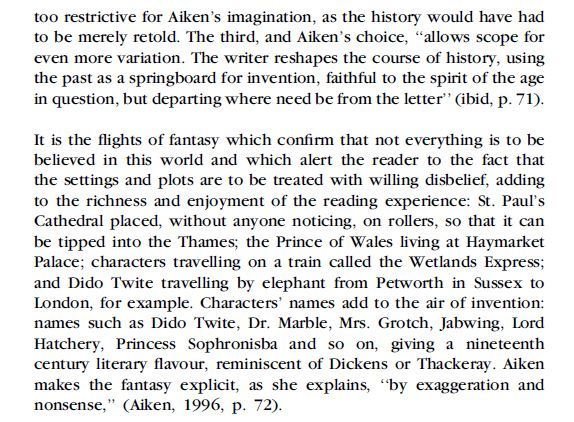
What about Alternate or Alternative History?
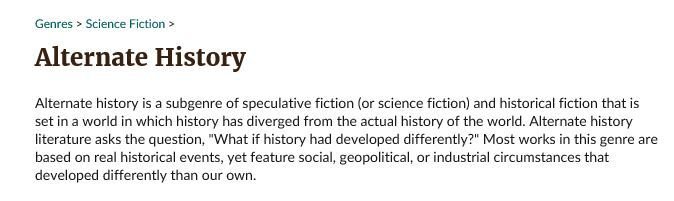

An example of alternate history
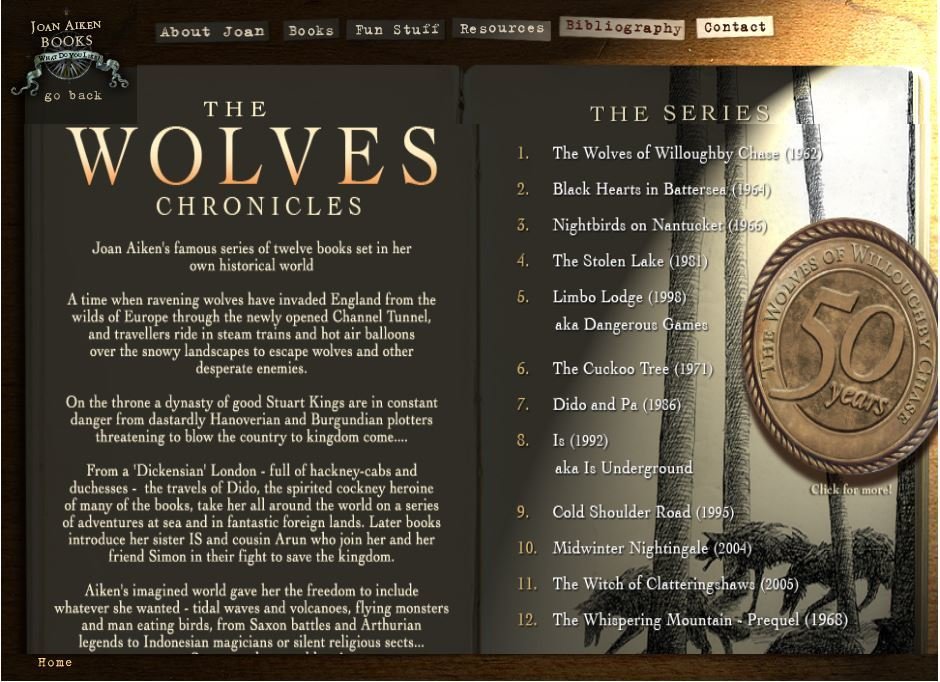
Why alternate history?