The Complexity of Service
Service is simple.
Or it should be.
There are many aspects of service that challenges the reason why we perform service, how we perform service, and who it is benefitting.
In "To Hell with Good Intentions," Ivan Illich confronts readers to consider the implications of paternalistic service and volunteerism.
He believes that as volunteers, we serve as ambassadors and advertisements for the idealistic American lifestyle, and encourages us to NOT participate in international service.
According to Illich, the "third largest North American export is the American idealist":
- the teacher
- the missionary
- the Global Brigades volunteer
- the Peace Corps
- the economic developer
- the vacationing do-gooders
and the list goes on and on...
Illich believes that we use our power and privilege to help out the poor. He believes that as Americans we think that we are blessed and that we feel like we have something to give back to the poor, and at all times may, can, and should give it. Thus, this is "why volunteers and students serve and spend time in poverty and in their villages."
As Americans, do we believe that it is our responsibility to help out third-world countries?
That we need to teach them the ways that we do things?
Our culture? Our religion? Our way of educating our children?
Essentially, Illich believes that in all aspects we are bad influences on developing nations. With our money and weapons, we are seducing the “underdeveloped” to the benefits of the world of affluence and achievement, whereas the people should be embracing their own culture and we should not be interfering with their way of life.
Moreover, how can we help people when we can’t even speak their language? He thinks that most people would reject us for several reasons: whether it be the language barrier, the color of our skin, or the aspect that they think we are being pretentious and condescending in our aid or teaching.
He also criticizes volunteers. He believes that we all think we are doing something valuable with our time, that we are sacrificing our summers and good food to help out the poor, and that we find a sense of purpose and self-identity in service.
Illich thinks that we cannot solve the problems of a community that we know nothing about. And that we are better off helping people of our own nation.
What do I think?
In some aspects, I agree with Illich, but in others I do not.
It is very difficult to help a community that you know nothing about. It is difficult to blend in, to be unable to speak their language, and to adapt to their culture.
When I was in Ghana, the language block impaired my ability to treat and help them. Sometimes, it was challenging when I would try to ask them of their symptoms, and they would not say anything back because they did not understand. Even worse, it was challenging when they would just laugh at you when you remotely attempted their language.
When it comes to spreading the American lifestyle,
I disagree completely.
- It was not my intention to fly to Ghana to encourage the American way of living
- It was not my intention to teach them some English words
- It was not my intention to show them how we brush our teeth or how to read
- It was not my intention to "give up my summer" for these kids
My intention was to help people.
It was my intention to promote a healthy lifestyle, to build a community, to share my knowledge, to see a child smile, to show them how to prevent disease, to learn about their culture, and to give them more opportunities in life.
Just because Americans do something a certain way, does NOT make it wrong.
We come to developing countries to help people who are less fortunate.
We want to show them how to clean their water.
We show them how to brush their teeth.
We show them how to not break their backs farming.
We show them how to protect themselves from bug bites.
We show them how to correctly take the medications we bring.
We show them how to prevent STDs from occurring.
We show them how to eat healthier.
This is NOT wrong.
This is GOOD.
This is service.
While we are bringing a part of our culture to them, we are enhancing and improving their way of life, not changing it.
I know why i SERVED.
I wanted to help and give the people of Ghana a better chance at life. It is our responsibility to narrow the margin of inequality in the world and give them the opportunities of having better lives. Although we are only there for a small amount of time and cannot speak their language, we do our best to impact and make a difference in their world.
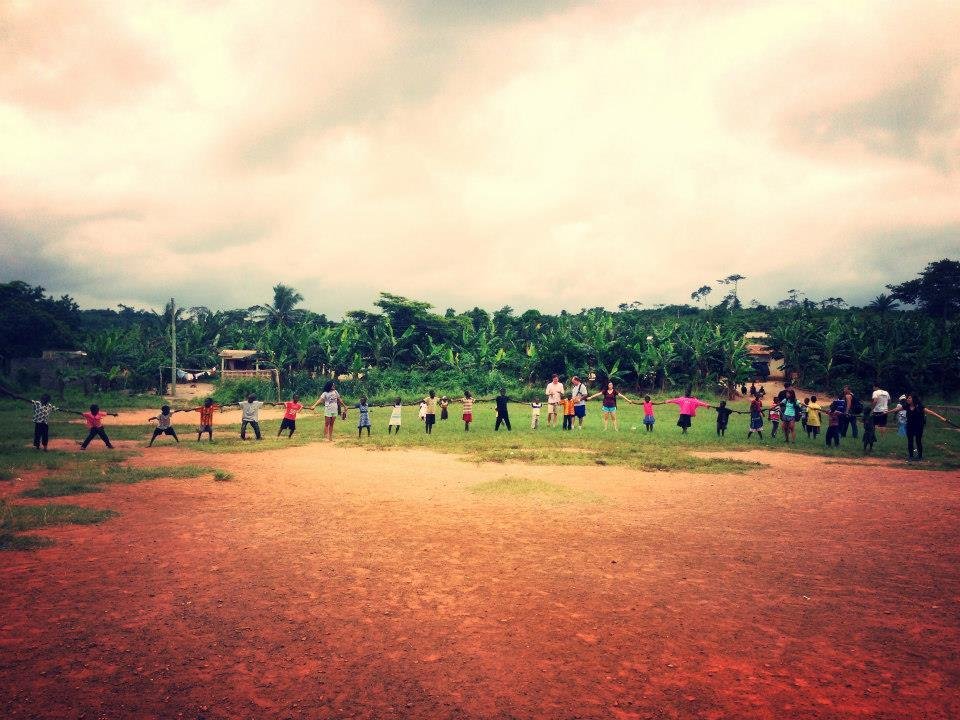
There is a story about a starfish in the world of community service.
It is not just about the importance of making a difference in the world in any way you can, but about knowing yourself and the environment, and about learning how to act with more knowledge and effectiveness through working with others in whatever situation they are in.
Yes, we make an impact in the lives of the people we come to serve. But we also learn through the service we accomplish.
Loyola’s mission is to “expand knowledge in the service of humanity through learning, justice, and faith.”
We learn by learning about the culture of Ghana, and learn how to provide for their needs with what we have.
We expand knowledge through justice by providing them opportunities that they never could have had without us.
We expand knowledge through faith by giving the people of Ghana hope that their health and lives can be better, from our medications to our education.
Even though I didn’t know how to speak an ounce of the language of Ghana, I learned how to communicate with them in other ways: through nodding, through pointing at parts of the body, through learning key words, through noticing their posture or grimaces of pain, and through emotions.
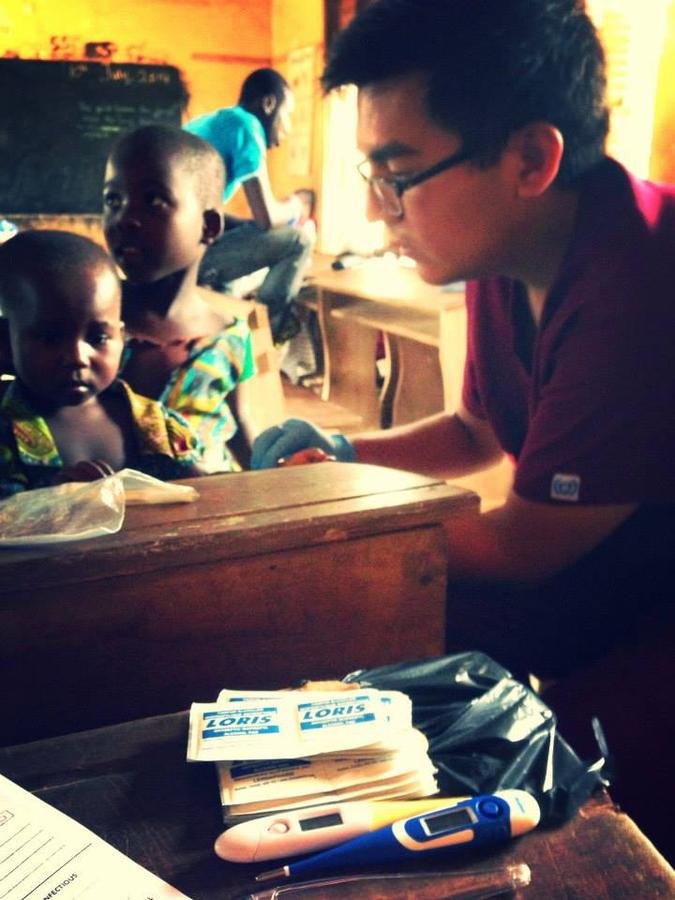
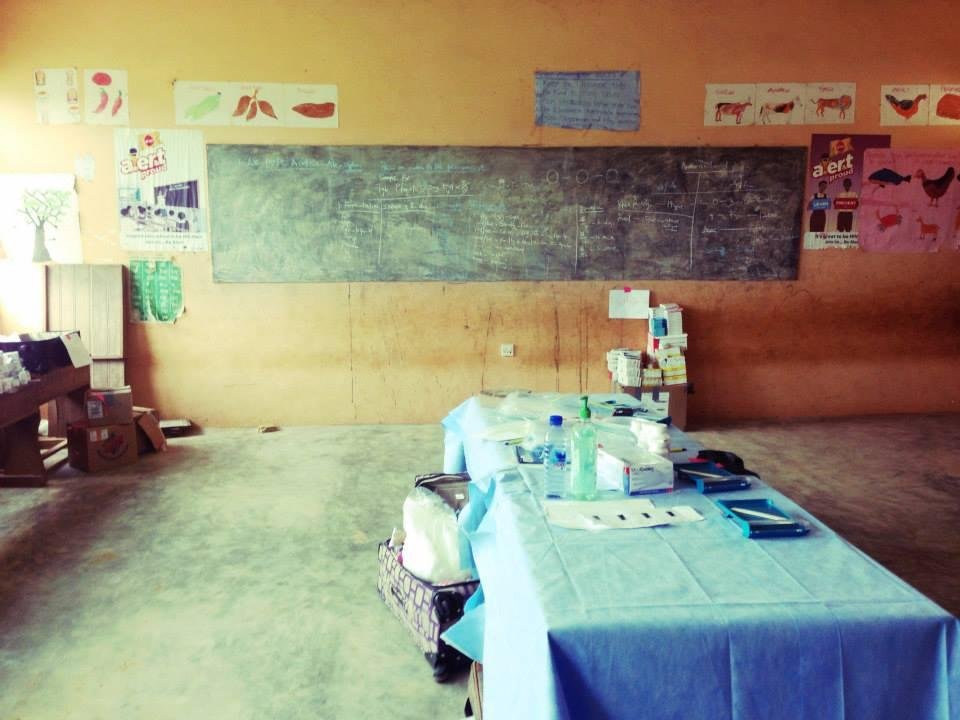
Another important challenge was the lack of supplies and medical equipment. We did the best with what we had, and used the environment to the best of our ability. We set up our clinic at an abandoned school and used it effectively establish a sense of order and community.

Yes, service is complex.
But to the core, it is simple.
We serve because we want to give people a better chance at life. We serve to embrace their culture, to show them how to clean their water and eat healthier, we serve to form connections and friendships, and we serve because we love.
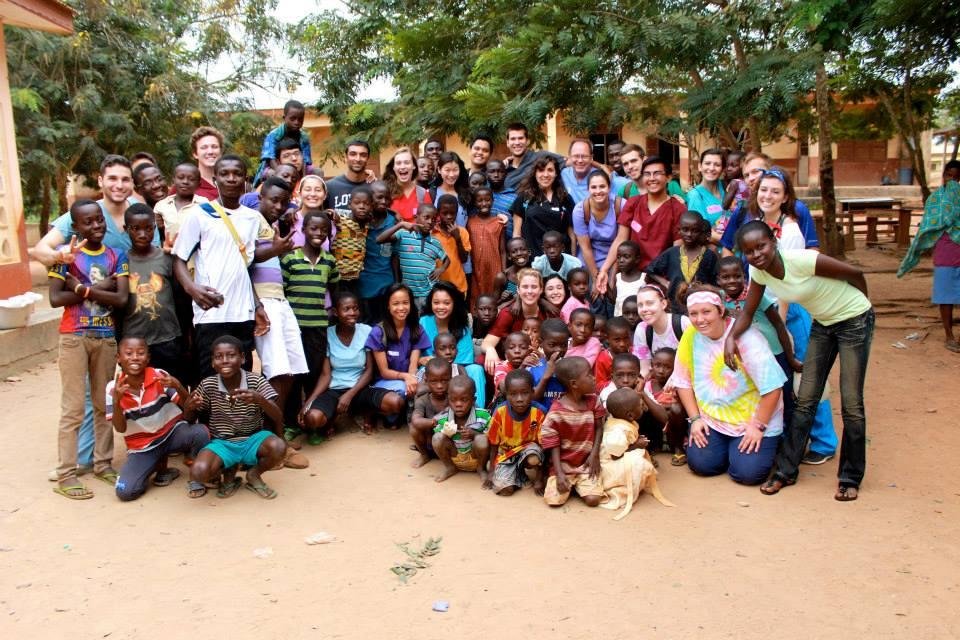
Yes, we came to Ghana because we had the opportunity to fly there, had medications to supply them, and had knowledge to educate them.
Yes, we have lived privilege lives here in America.
But we cannot help where we are from and the opportunities we have been given.
All we can do is spread our knowledge, our abilities, our stories, our presence, our warmth, and our love to the people we set out to serve. In return, we expect nothing but gain everything.
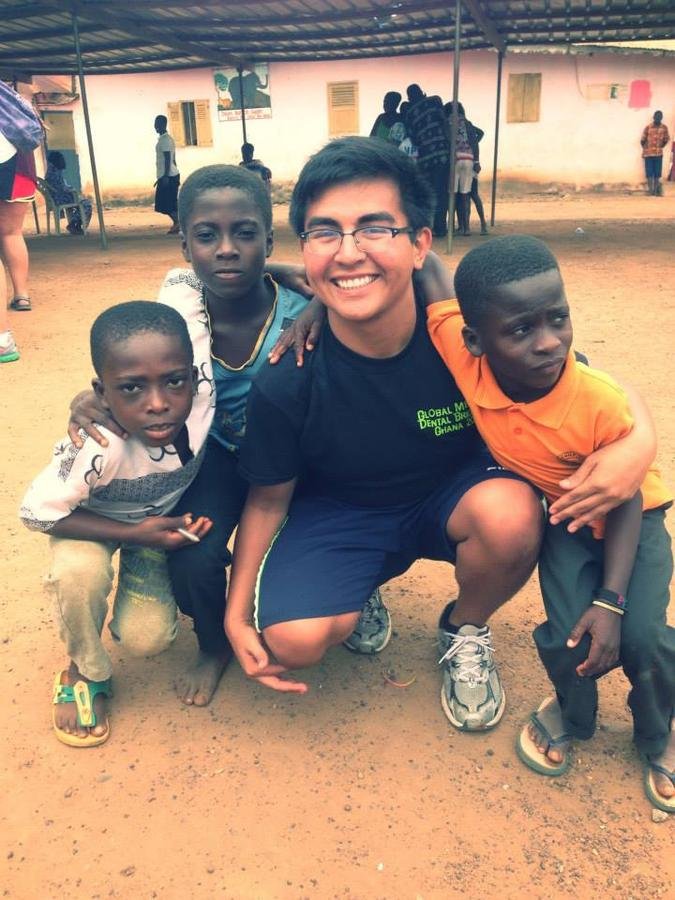
We receive their love, their affection, their respect, their laughter, their friendships, their trust, and their culture.
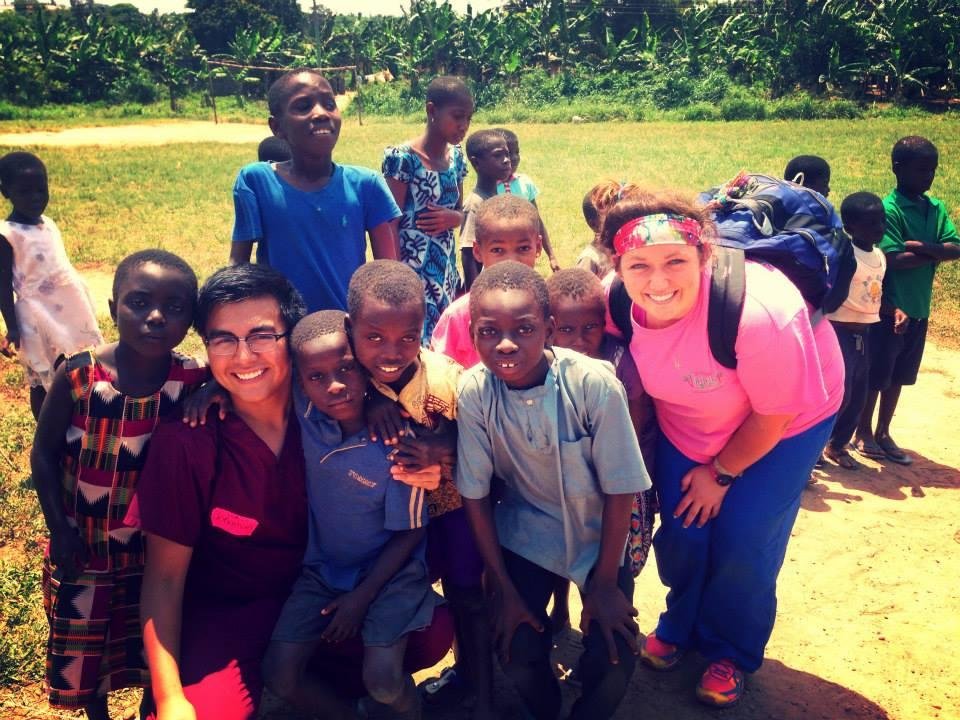
Yes, service is complex. But it is simple.
Although there are cultural limitations and confusion about our intentions, through service we give and we receive. We teach and we learn. We love and are loved in return. And to me, that is service.
THE END.