User Experience Design
On Purpose
http://slid.es/juanojeda/learn-you-a-ux
Hi, I'm Juan
User Experience Developer, Kiandra IT
26 years experiencing designs
Hi, I'm Jim
Developer, Kiandra IT
8 years accidentally
Every Product
Has a User Experience
What is the User Experience?
User Experience
(a definition)
A person’s perceptions and responses that result from the use or anticipated use of a product, system or service.
It's ALL UX
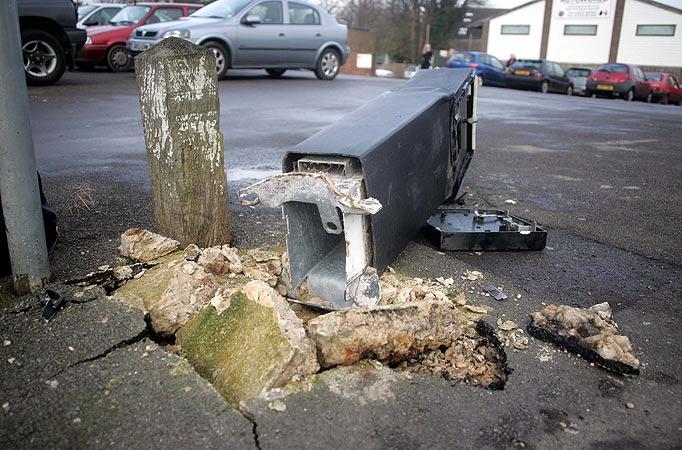
How do we
turn this ...
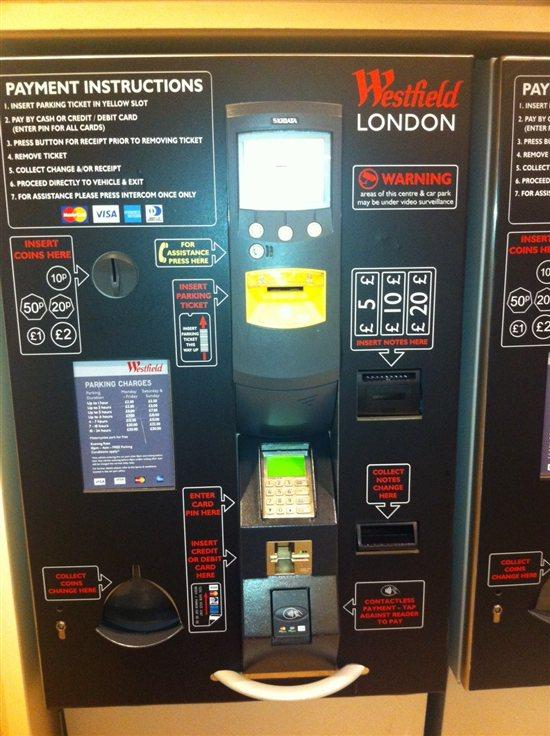
... into this ...
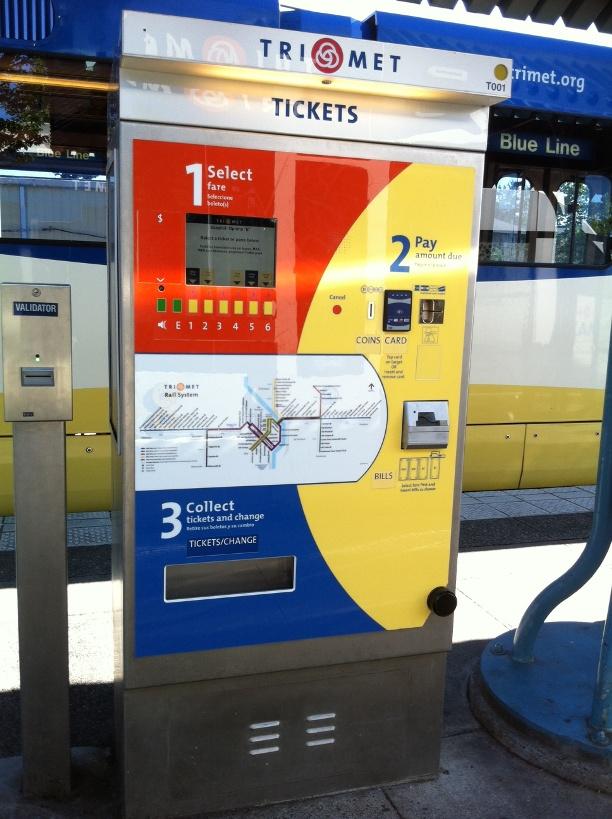
... and not this?
Design (what is it?)
What is it?
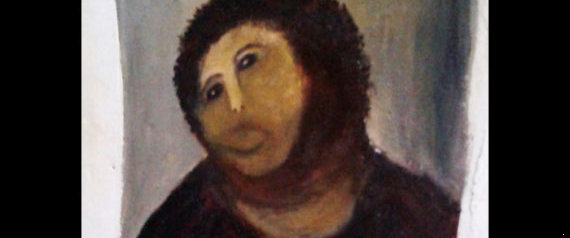

Design
A specification of an object, manifested by some agent, intended to accomplish goals , in a particular environment , using a set of primitive components , satisfying a set of requirements , subject to some constraints .
Design is merely the set of decisions you either make or set aside when you create your product. You cannot not design.Hall (2014)
Every Product
Has a UX Designer
and if you don't know who it is, it might be you!
You're Already Doing Design
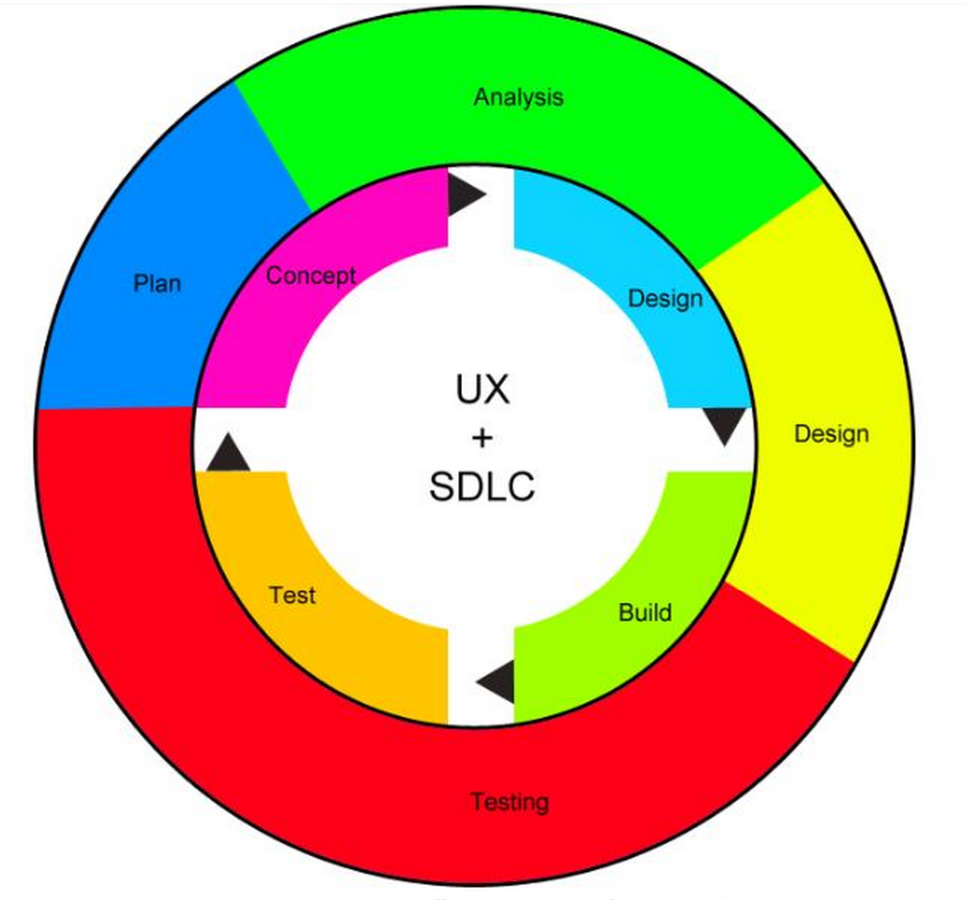
Intentional UX Design
- Know your users
- Remember your goals (user AND business)
-
Understand your environment
-
Define your constraints
Example User Persona
Know Your Users
!important;
- There's nothing worse than an imaginary persona
- Meet them any way you can (in person, data, anecdotes, approximation)
- Get to know them, deeply (goals, workflows, demographics, environment, capabilities, attitude, interactions)
- Introduce them to everybody
- Keep them in the loop!
Example User Story
Remember your Goals
- Define your overall goals (users AND business)
- State your goals for every feature
- Know when you've met your target
- K.I.S.S and cull
Example Scenario
Understand Your Environment
- Where is your design being used? (geographic, network conditions, device)
- Know your competitors (for attention)
- Know your potential allies
- Is your app improving the user's environment?
You have special powers
Machine Learning
- Adaptive Content
- Adaptive Navigation
- Natural Language Processing
Define Your Constraints
!important;
- Comes from research (users, environment, competitors)
- Lets you say NO
- Distinguishes you from competitors
- There will be exceptions - get to know them!
- Old principles may not apply
- Principles invite discussion
Example Design Principle
BONUS
Use a Toolkit!
- Consistency is KING
- Convention over creativity
- Extend as necessary (document as you go!)
UX Reviews
- Improves the products UX
- Improves a teams UX skills
- Improves team communication
- Encourages shared ownership of UX
UX Reviews
- Doesn't Require a UX Guy
(Though it helps)
- Fits alongside a code review
- Consider the things we have discussed
(users, goals, constraints, environment)
Useful Questions to Ask
- What is the user's desired outcome?
-
What is the business' desired outcome?
- Does it achieve the outcomes?
- Does it account for failure?
- Is this too much?
Useful Questions to Ask
- Who is this person?
- What are they trying to achieve?
- What motivates them?
- Where are they comfortable?
Useful Questions to Ask
- Where is the user?
- How do they feel?
- What apps do they use?
- How much time do they have?
Useful Questions to Ask
- Does it follow our design priniciples?
- Is this an exception, or is the rule broken?
- Does this rule still apply?
- Does this experience "fit" within the system?
Helpful reading
- Usability.gov - like MDN for UX
- IXD Checklist - an awesome starting point for UX reviews
- Design Kit Methods - great set of UX tools and techniques across the gamut of the UX design process