Lets Talk About Tests
A 'back to basics' walk through of testing methodologies
Justin Herrick
Software Developer
Consultant
Educator

Quiz Time
Buzzwords
- TDD
- BDD
- SOLID
- DIC
- CI
- Robustness
- Fragility
- Coupling
- Cohesion
- Code Coverage
- Cyclomatic Complexity
- RGR
- Integration Tests
- Unit Tests
- Acceptance Tests
- Mocks
- Stubs
- Spies
- Generative Testing
- Referential Transparency
- Test to Code Ratio
- Test Case vs Spec
- xUnit vs Spec
- Chicago vs London
- State vs Functional
- Mocking Libs vs Hand Rolled
- Outside In vs Inside Out
- etc...
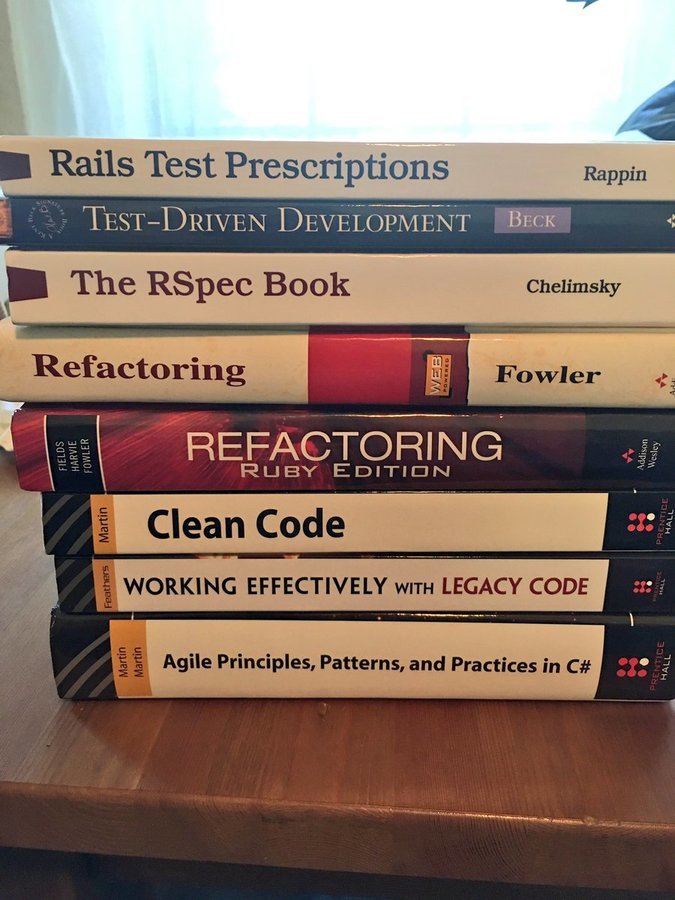
Research
Why do we write tests?
Writing working software is hard
Understanding someone else's code is hard
Responding to change is hard
What are the benefits of testing?
Makes writing working software easier
Helps in understanding the code of others
Makes responding to change easier
Since testing solves all our problems, we test everything, without fail.
Why are we not all TDDing all the time?
Why do people dislike tests?
Makes writing working software harder
Understanding the tests of others is hard
Makes responding to change harder
Wait
I thought tests fixed these issues?
Tests are not a magic bullet
Tests will not fix
Your code base
Your process
Your co-worker
(Yah that one)
Tests are still awesome even without the magic
Back To The Basics
Testing is Good Because
- Save you time on repetitive tasks
- Works as a secondary form of documentation
- Allow you to deliver features and make changes with confidence
If your tests do not provide you with at least 2 of those benefits then I would question their effectiveness
"Tests allow us to respond to change faster and allow us to produce code with less bugs"
*
*
*
*
*
*
Caveats
Assumes you are writing good tests.
Less bugs is a hard number to quantify in any given project.
Easier to respond to change is super subjective.
Its okay
We just need to write good tests
A good test needs to be well thought out.
A good test needs to know what it is testing and what it is not testing
A good test should have a goal in mind
What do I test?
Test your application/business logic
Test methods and classes that have state and logic.
Test error prone or complicated systems
Test "mission critical" systems
Test as you go
What do I not test?
Do not test your framework
Do not test your language
Don't test your UI*
Do not test 3rd party libraries or services
Don't test your mocks
Types of (Unit) Tests
State Based
Did x occur when I did y
Return Value
Did I get x back when I did y
Avoid testing things that are fundamentally hard to test.
What is hard to test?
Loops
Randomness
UI / Output
State