from "Feminist Food Studies: A Brief History"
from From Betty Crocker to Feminist Food Studies by Arlene Avakian & Barbara Haber
Beginnings
- formerly limited to nutritionists and anthropologists
- Food and Foodways & Gastronomica
- Render started in 2013
- "studying the most banal of human activities can yield crucial information and insights about both daily life and world view, from what is in the pot to the significance of the fire that heats it" (1).

Expanding Interest
Women's Studies—1970s & beyond
Establishing Interest
- Fernand Braudel
- Claude Levi-Strauss
- Mary Douglas
Levi-Strauss
- patterns as humans move toward cultural—languages, cooking
- "raw" associated with natural and "cooked" associated with cultural
Douglas
- looks at Leviticus & Deuteronomy to interpret ways tribal societies maintained separateness and reinforced group identity
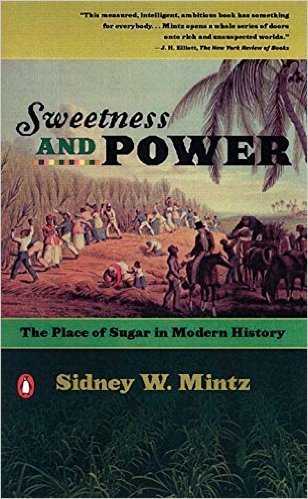
Revolution at the Table: The Transformation of the American Diet (1988)
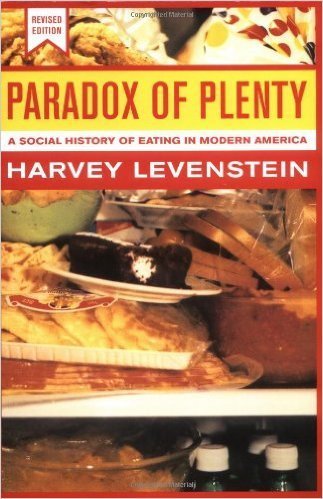
Carole Counihan
Aida Kanafani-Zahar
Bread & the Sacred
Marjorie DeVault
- food preparation as family-defining work
- women's activities in the home not divided into "work versus leisure" (9)
- Work as work done only outside the home
- does not address race and ethnicity
Colonialism
Political Economy
Globalization
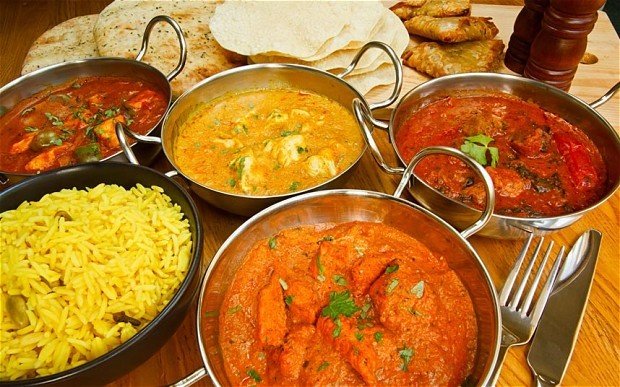
Barndt — Women Working the NAFTA Food Chain (1999)
- explores exploitation & resistance of women food works in North and South (12)
- writes that the "food system...deepens inequalities between North and South as well as between men and women (with class and race complicating the picture); at the same time, it perpetuates human domination of the environment"
Maquilization v. McDonaldization
Shiva (1992)
- liberate developing countries rather than saving
- colonialism and development imposed patriarchy
- "removing land, water, and forests from their management and control, as well as through the ecological destruction of soil, water and vegetation systems so that nature's productivity and renewability were impaired"
M.J. Weismantel
Text
Text
Text