Repaso de la lección 7



By Profe Laura Carlsson
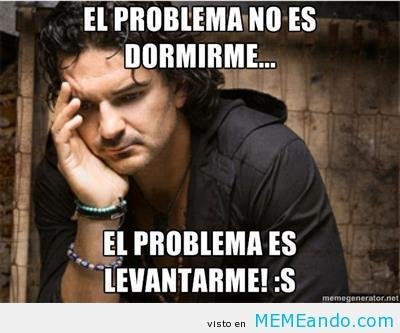
7.1 Verbos Reflexivos
¿Cómo reconozco un verbo reflexivo?
Think in any verb that could be perform to onesef. In Spanish you will recognize them for the "se" ending in the infinitives.

IMPORTANTE
There is going to be always a Pr (reflexive pronoun) in these type of sentences
Pronombres reflexivos
me - te - se - nos - se
Video de Laura de los verbos reflexivos
7.2
Oraciones negativas

Palabras afirmativas
- siempre
- también
- un/ una
- algún/alguna/ algunos/ algunas
- alguien
- todo/toda/ todos/todas
Ejemplos
- siempre vamos a la playa
- yo como tacos también
- tú tienes una amiga
- ellos tienen algún mensaje para mí
Laura usa algunas técnicas modernas - hay alguien en la clase que estudia mucho
- me gusta todo el libro
me encantan todas las lecciones
Palabras negativas
- nunca
- tampoco
- ningún/ ninguna*
- ninguno/ ninguna
- nadie
- nada
Ejemplos
- nunca vamos a la playa
- yo no como tacos tampoco
- tú no tienes ninguna* amiga
- no está ninguno de ellos aquí
- no hay nadie en la cafetería hoy
- no me gusta nada

*you need a noun after these words (not a preposition). They are adjectives
IMPORTANTE: the verb always need to have a negative word before it if the sentence has a negative content.
Verbos Ser e Ir en Pretérito
7.3
Verbo SER
- yo fui profesora en CSUSM
- tu fuiste muy importante para mí
- el día fue muy bonito
- nosotros fuimos muy ruidosos (loud) en la fiesta
- los estudiantes fueron ayudantes muy buenos
Verbo IR
- yo fui a LAX el jueves
- tu fuiste a la cafetería a comprar un café el martes
- ¿Dónde fue Laura el jueves?
- nosotros no fuimos a la biblioteca
- las chicas fueron al centro comercial a comprar ropa ayer
ejemplos en el pretérito
These verbs have the same conjugations but have different meanings
Verbos Extraordinarios
7.4

-
Constructions with gustar do not have a direct equivalent in English. The literal meaning of this construction is to be pleasing to (someone)
-
"Verbos extraordinarios" require the use of an indirect object pronoun (Poi). The action is done "to" someone ("a" alguien)
a mí
a ti
a él, a ella, a Ud.
a nosotros
a ellos, a ellas, a Uds.
me
te
le
nos
les
gusta
quedan
interesa
fascinan
molesta
Brad Pitt
los pantalones
viajar
las vacaciones
lavarse las manos
Objeto Indirecto
(opcional)
Poi
(pronombre)

Objeto/ sujeto
(ejecuta la acción)
- 7.1 ¿A qué hora te levantaste hoy?
- 7.2 ¿Comes siempre comida peruana?
- 7.3 ¿Fuiste al parque Balboa el fin de semana pasado?
- 7.4 ¿Qué te gusta y qué te molesta de la clase de español?
Secciones gramaticales
Perú
- ¿Quién es el presidente actual?
- ¿Cuál es la moneda (currency)?
- ¿Qué idiomas se habla en Perú?
- ¿Cuál es la capital?
Respond the following questions in Spanish. Make sure that you use in the responses the grammar studied.