power, positionality and reflexivity
NHS NSS Service Design Clinic
10 May 2022
A bit about me
- background: sexual health, knowledge management, community engagement, digital engagement
- no formal training
- accidental researcher
- activist researcher
- critical designer
- part time UR with the Scottish Government
- part time co-op director
- co-convene Design Justice Network Scotland node
- ride or die dog person
power
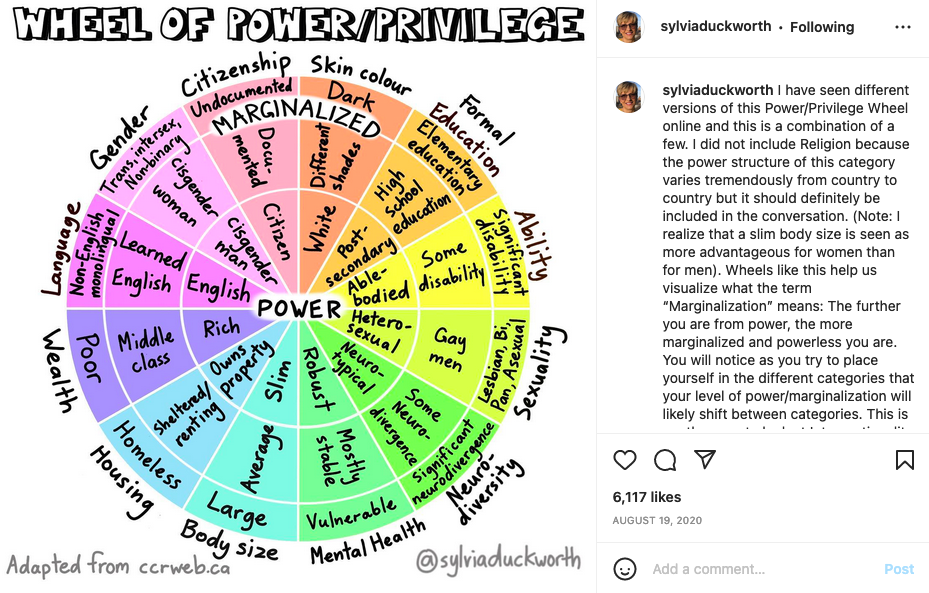
Someone's ability to influence an outcome. Power is influenced by asymmetry in relationships. Power can be used both positively and negatively.
Designers have the power to make decisions that impact other people's lives.
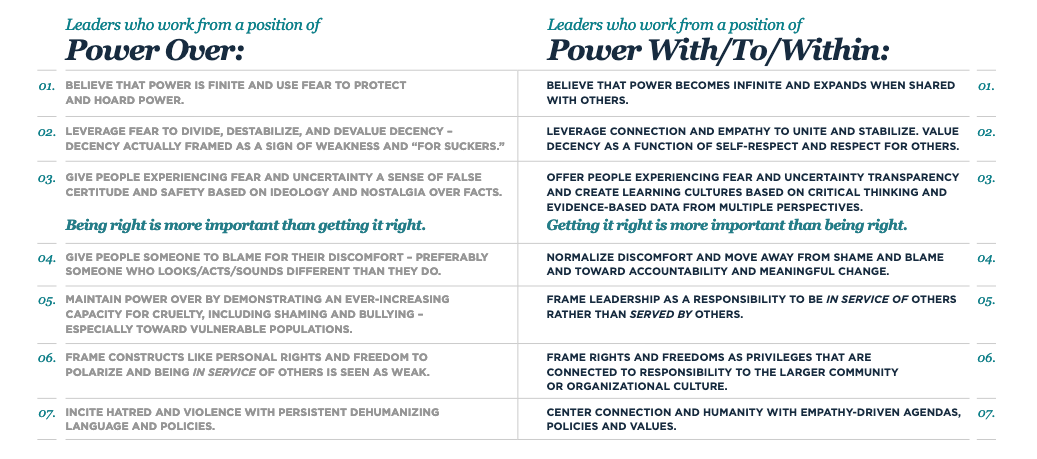
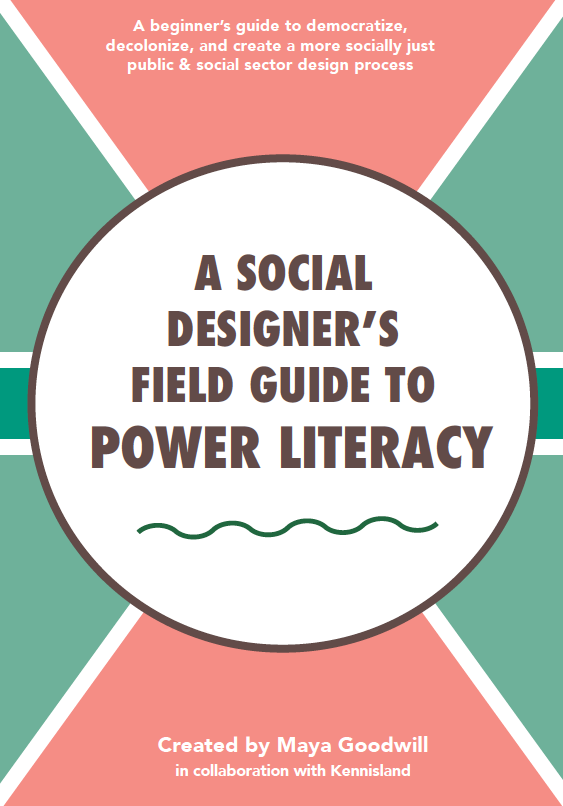
Power
How does power show up in your design projects?
1. Privilege
2. Access power
3. Goal power
4. Role power
5. Rule power
situated knowledges
All forms of knowledge reflect the conditions in which they are produced, and reflect the social identities and social locations of knowledge producers.
Challenge to the ideas of impartiality and objectivity and the binary of objectivity and relativism.
Challenge to the 'god trick'- the idea one can see the world while being distanced from it
Coined by Donna Haraway in 1988
Positionality
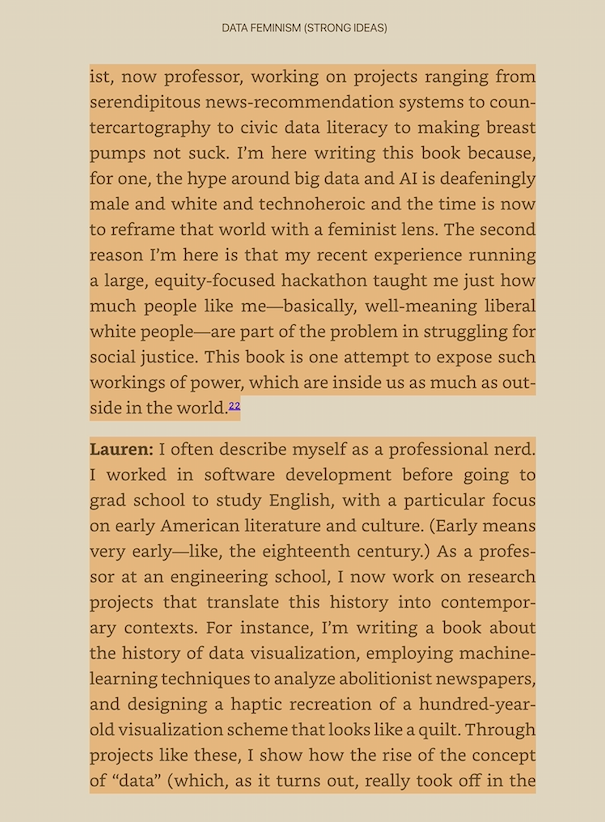
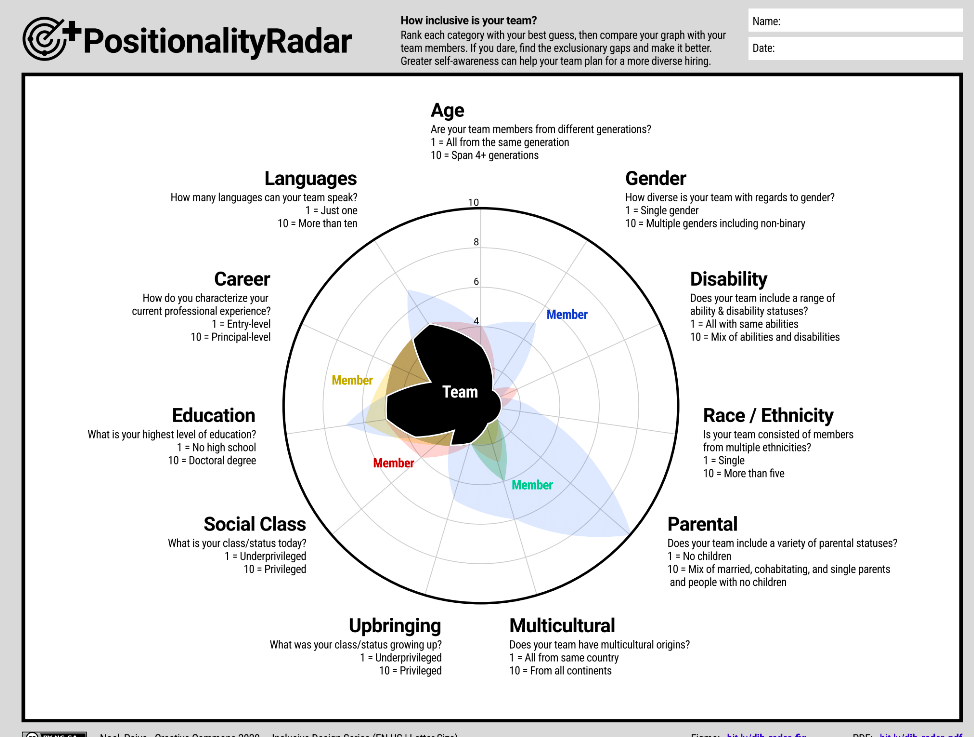
Related to the idea of situated knowledges, positionality is a way to describe someone's position in society and their position in relation to others.
Practical applications
- positionality statement
- positionality wheel
- reflection/reflexivity
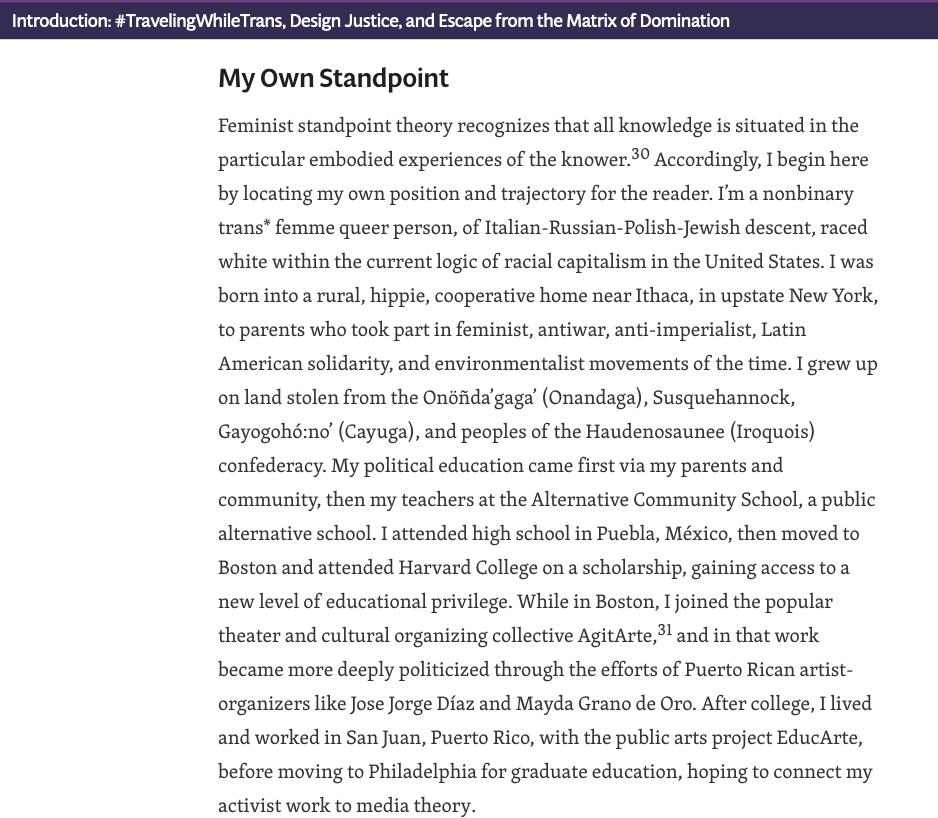
positionality statement
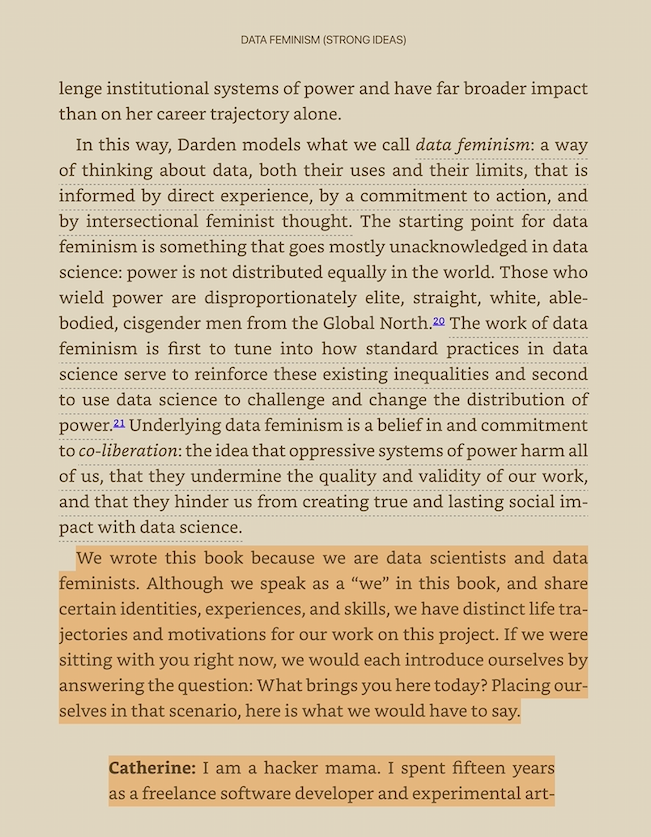
positionality statement
Reflexivity
Reflexivity is a process of self-reflection and looking inward to understand our assumptions, our biases, and how they show up in our design practice. Reflexivity is a practice of recognition, staying alive to how we are as designers, how our practice is impacted by our positionalities, and where there are opportunities for creating greater equity and justice.
- Am I the right person to do this work?
- Why am I interested in this topic?
- Who is included? Who is excluded?
- How can I benefit the people I am designing with/for?
- What is my relationship to the communities I'm going into?
- Why am I making these research/design decisions?
〞
Always being reflective about yourself and your work is not easy. Just when we think we're getting it right, we realise we're only getting it better. Becoming anti-oppressive is not a comfortable place to be. It means constantly reflecting on how one is being constructed and how one is constructing one's world.
-Susan Strega and Leslie Brown, Research as Resistance
What does all this look like in public services?!
power, positionality and reflexivity
NHS NSS Service Design Clinic
10 May 2022