Japan 2011
The Tsunami that triggered Fukushima
— Marcela Salini
Index
The disaster
Tsunamis
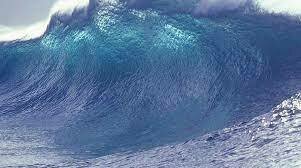
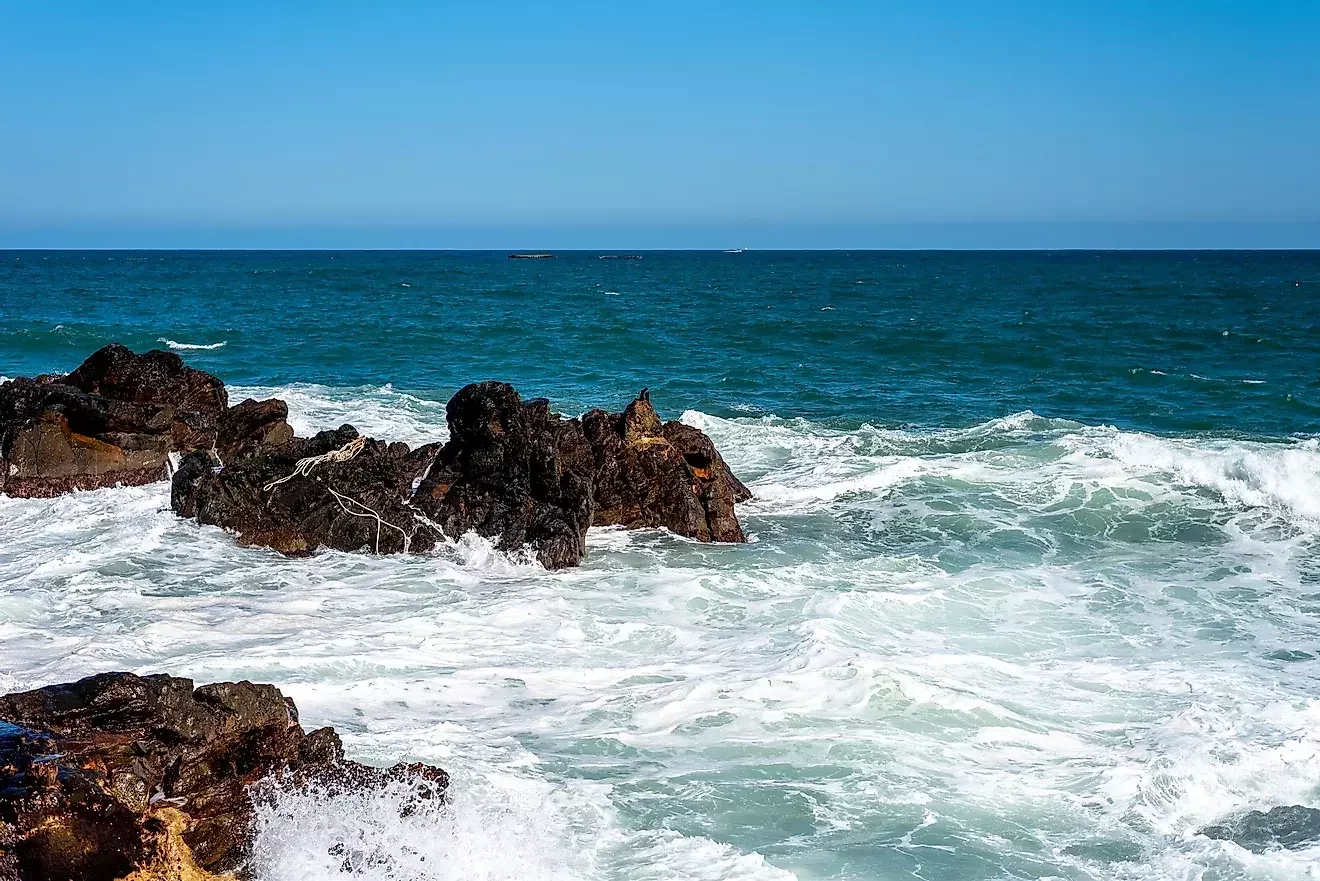
Tsunamis are geological hazards that consist of a set of extremely large waves caused by a displacement of the ocean, this displacement is usually caused by an earthquake near or below on the ocean floor. In this especific case it was triggered by an 9.0 magnitude earthquake
Details of the disaster
|
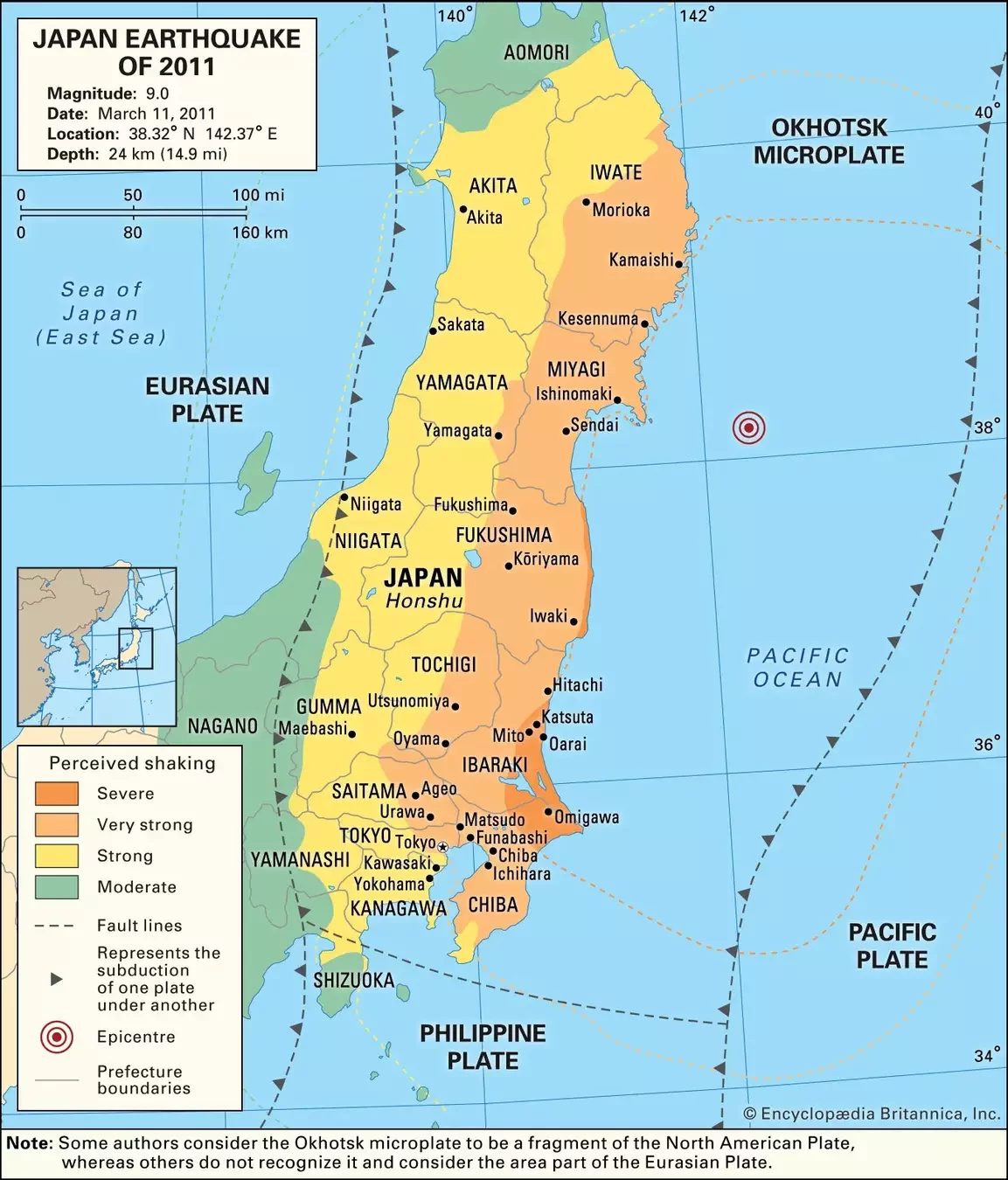
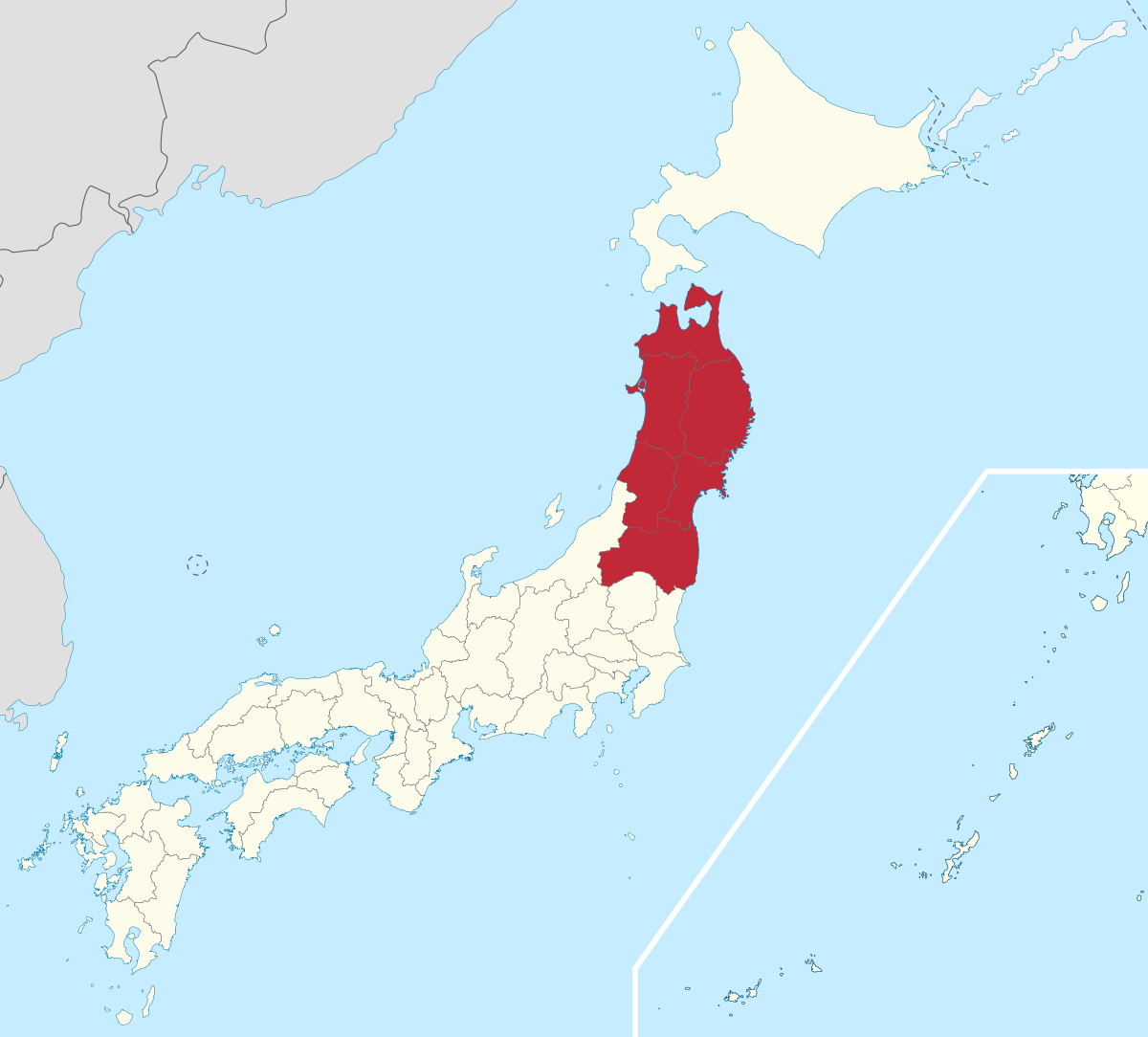
It was on March 11th 2011, in the northeast of Japan around 72 km away from the Oshika Peninsula in the Tohoku region. |
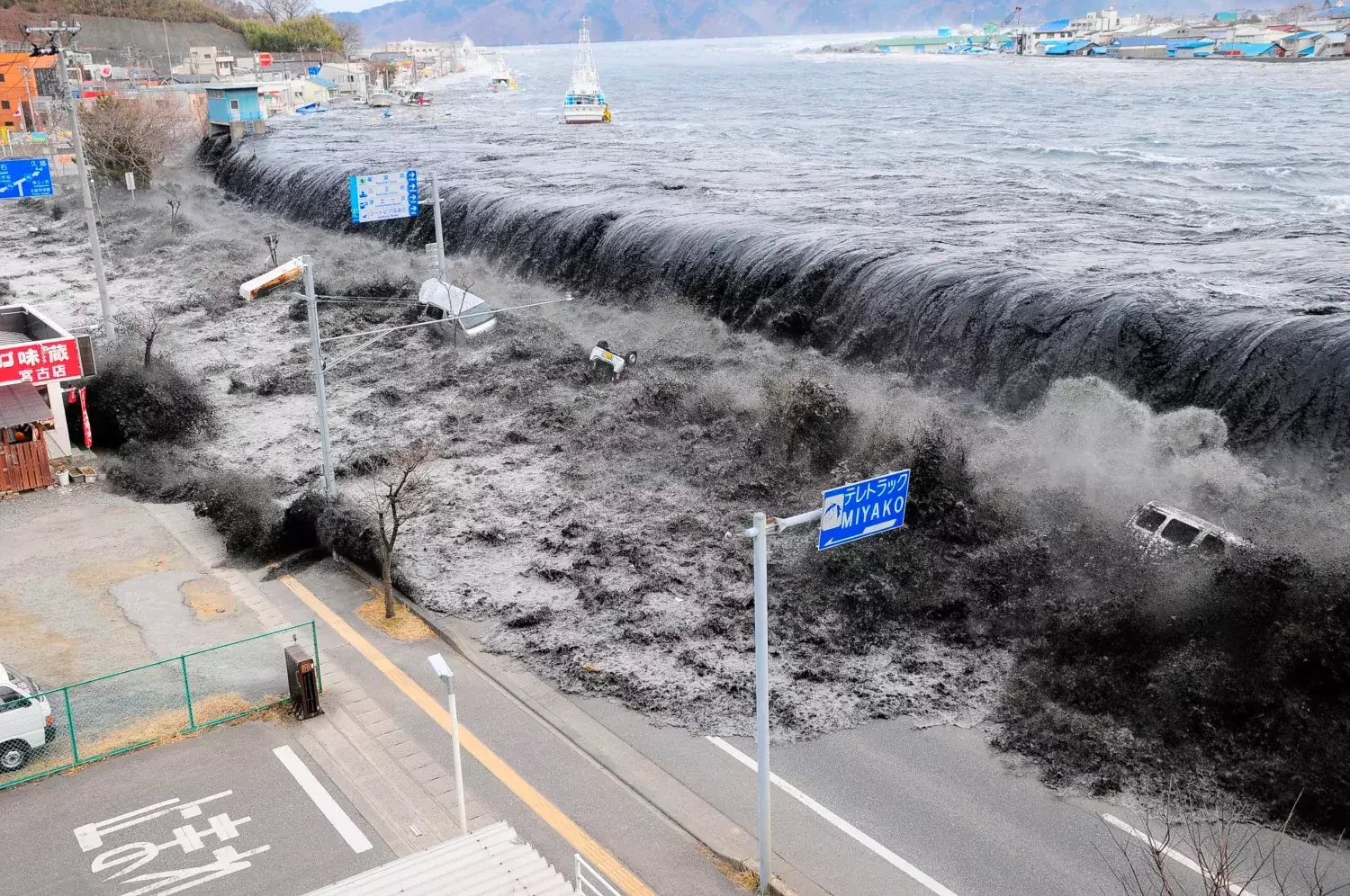
- The waves were around 30 meters of height and flooded 433,000km² of land.
- According to OCHA 492,000 people were evacuated, 11,600 were killed, 16,450 were reported missing, 138,000 homes/buildings were damaged, and 17,000 were destroyed.
-
The earthquake that triggered it had a 9.0 magnitude and lasted around 6 minutes.
Details
Social and economic impact
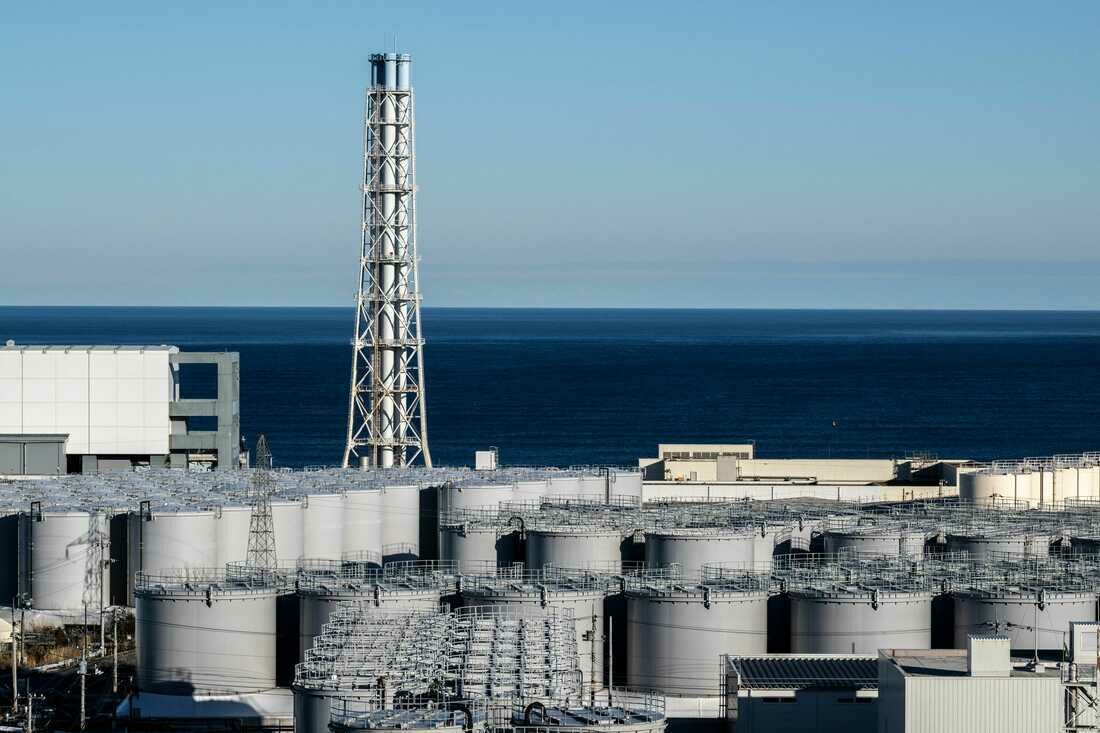
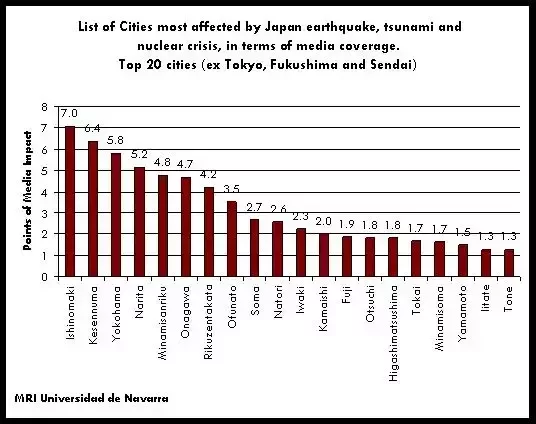
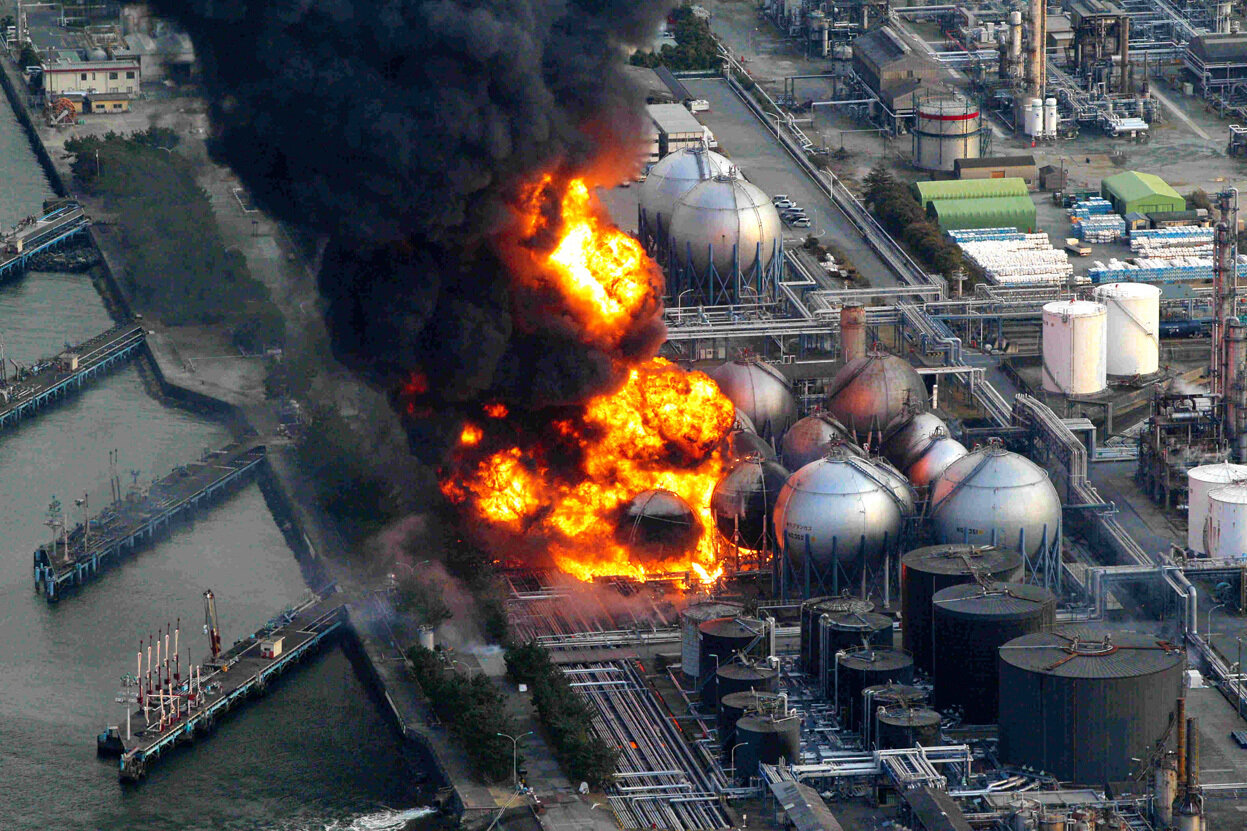
The seismic event led to an exceptionally grave nuclear incident at the Fukushima Daiichi nuclear power plant, resulting in a substantial release of radioactive substances into the surrounding environment. This clearly had a huge social impact such as loss of lives and displacement, psychological impact, changes in disaster preparedness, the nuclear crisis, etc. The economical impact was also since the disaster hurt the economy a lot. The places that got hit, especially Tohoku, had a hard time fixing buildings and restarting businesses. This made it tough for people to find jobs and support their families.
Community's reaction
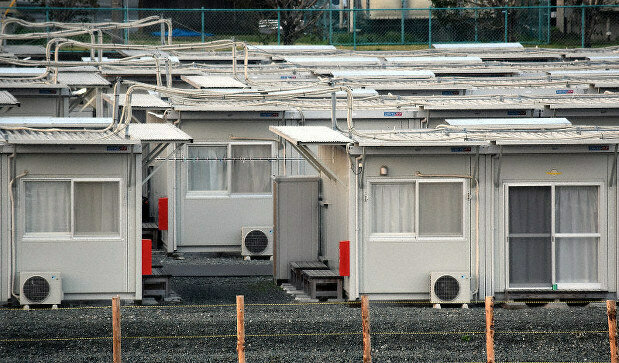
This particular disaster was incredibly devastating, most people needed shelter due to the loss of their homes and since there were so many injured they also needed medical care. They also needed clean water and food to be able to meet their basic needs. They also needed clothing and personal items. Due to the nuclear crisis people needed transportation and evacuation assistance as well as help to be able to reunite with their families. Rescue and search operations were also a huge necessity since so many people were reported as missing.
Immediate needs of the population affected

Government's response
|
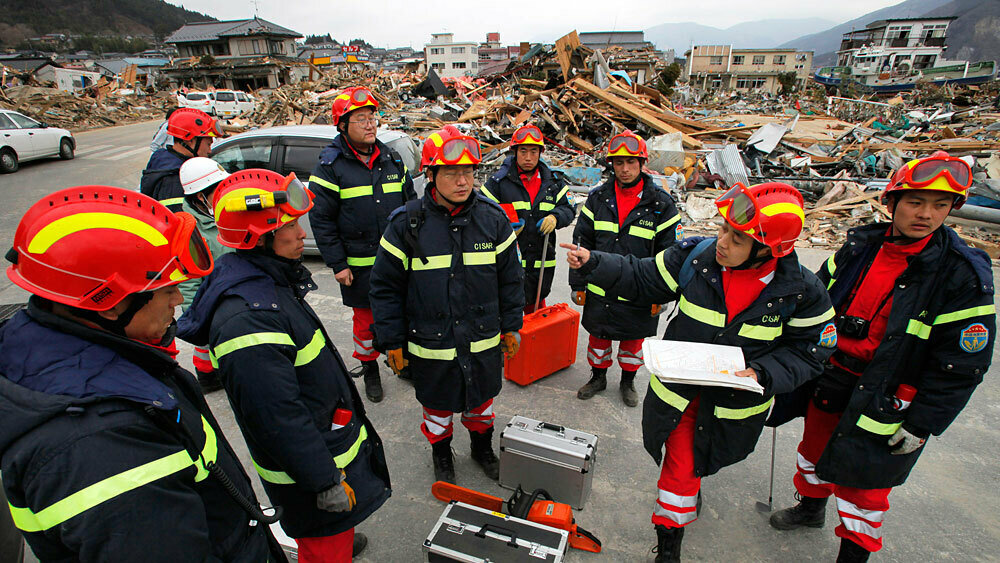
Emergency rescue operations: The government sent both search and rescue teams including self-defense forces and emergency personnel to provide medical aid and help survivors while evacuating. Evacuation centers and temporal housing: The government set up evacuation centers with essential supplies such as food and medical care for people who were displaced. They also started taking matters in temporary housing for those who lost their homes. Nuclear crisis management: The government responded to the nuclear crisis at Fukushima Daiichi by containing leaks, evacuating people, and improving safety standards. They investigated the causes and made changes to address immediate and long-term concerns about the nuclear crisis. |
Organizations worldwide, including the Japanese Red Cross, provided emergency aid, medical help, and supplies to affected communities.
Red cross
UN agencies like UNDP, WFP, and UNICEF assisted in recovery, provided food aid, and supported families in the affected areas.
UN agencies
MSF sent medical teams to treat injuries, set up clinics, and provide healthcare services to survivors, complementing local medical efforts.
MSF
International organizations & NGOs who helped Japan
Japan's vulnerabilities
Specific vulnerabilities
Underestimation of tsunami risk
People didn't realize how big a tsunami could be, so they didn't prepare properly. When they started building along the coast, they didn't pay attention to the history of large tsunamis in the area.
1
Communication issues
Problems with talking to each other and difficulties in organizing things made it hard to respond quickly and effectively to the disaster. The government and emergency groups had trouble working together, slowing down relief efforts.
2
Uneffective warning systems
Even though Japan had systems to warn about earthquakes, putting together a complete and quick tsunami warning system had difficulties. This caused delays in sending out tsunami warnings, giving less time for people in some areas to evacuate.
3
Prevention measures
Prevention measures employed in other countries
Chile
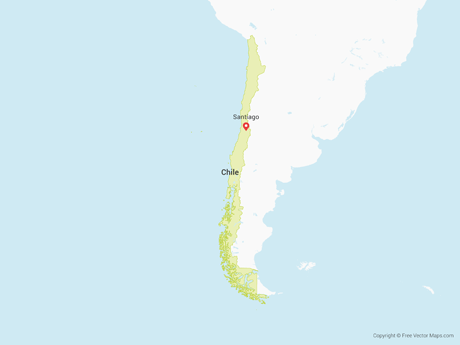
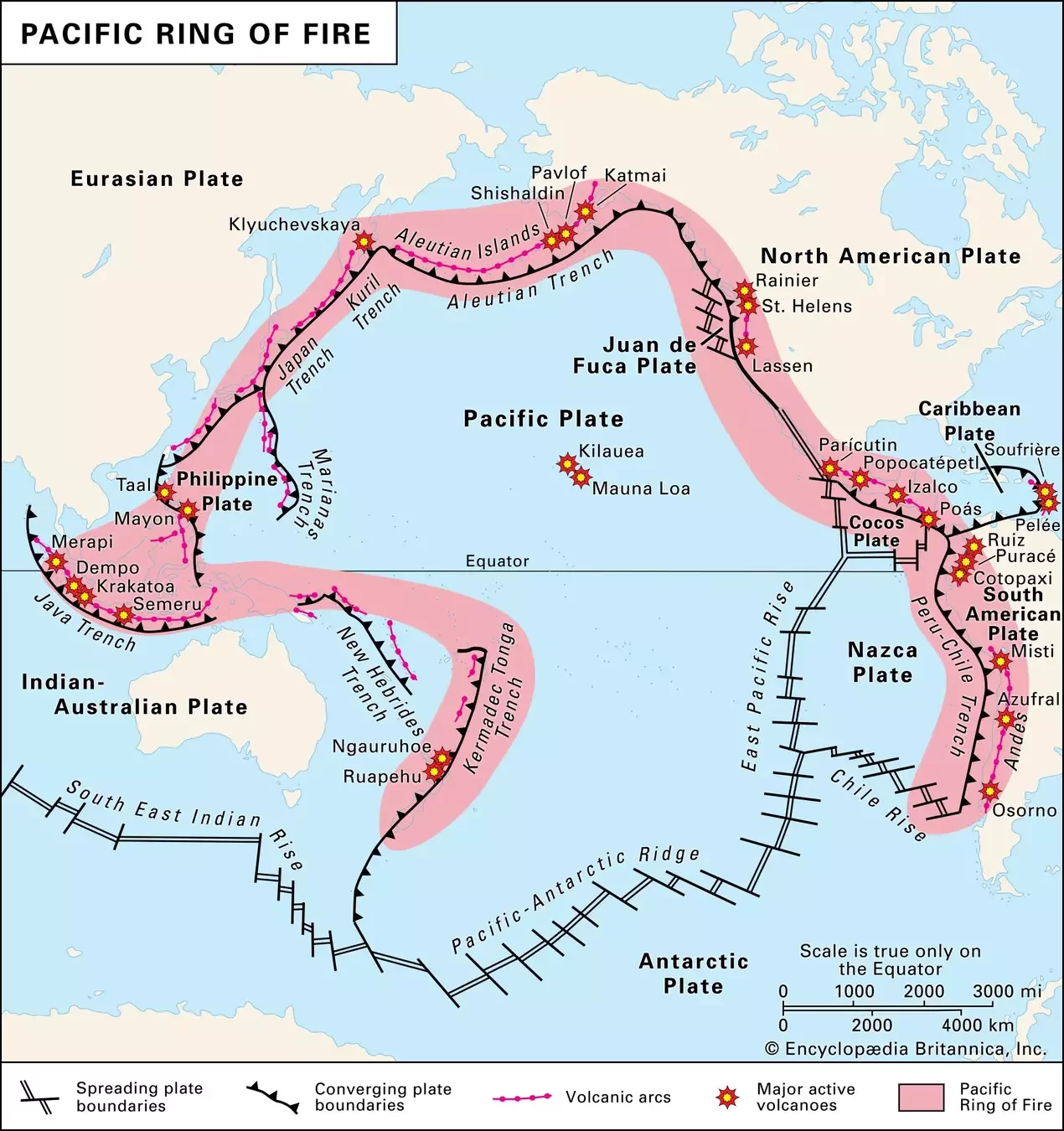
Chile, is prone to earthquakes due to its location along the Pacific Ring of Fire, has taken effective measures to reduce seismic impact. They categorize regions based on seismic risks, adapting building codes accordingly and retrofitting existing structures. Public awareness campaigns educate citizens on earthquake safety. The government ensures unified efforts across ministries and ongoing research informs updated building standards. Chile's tailored approach emphasizes the significance of context-specific preventive measures to address the unique geological and socio-economic conditions in the region.
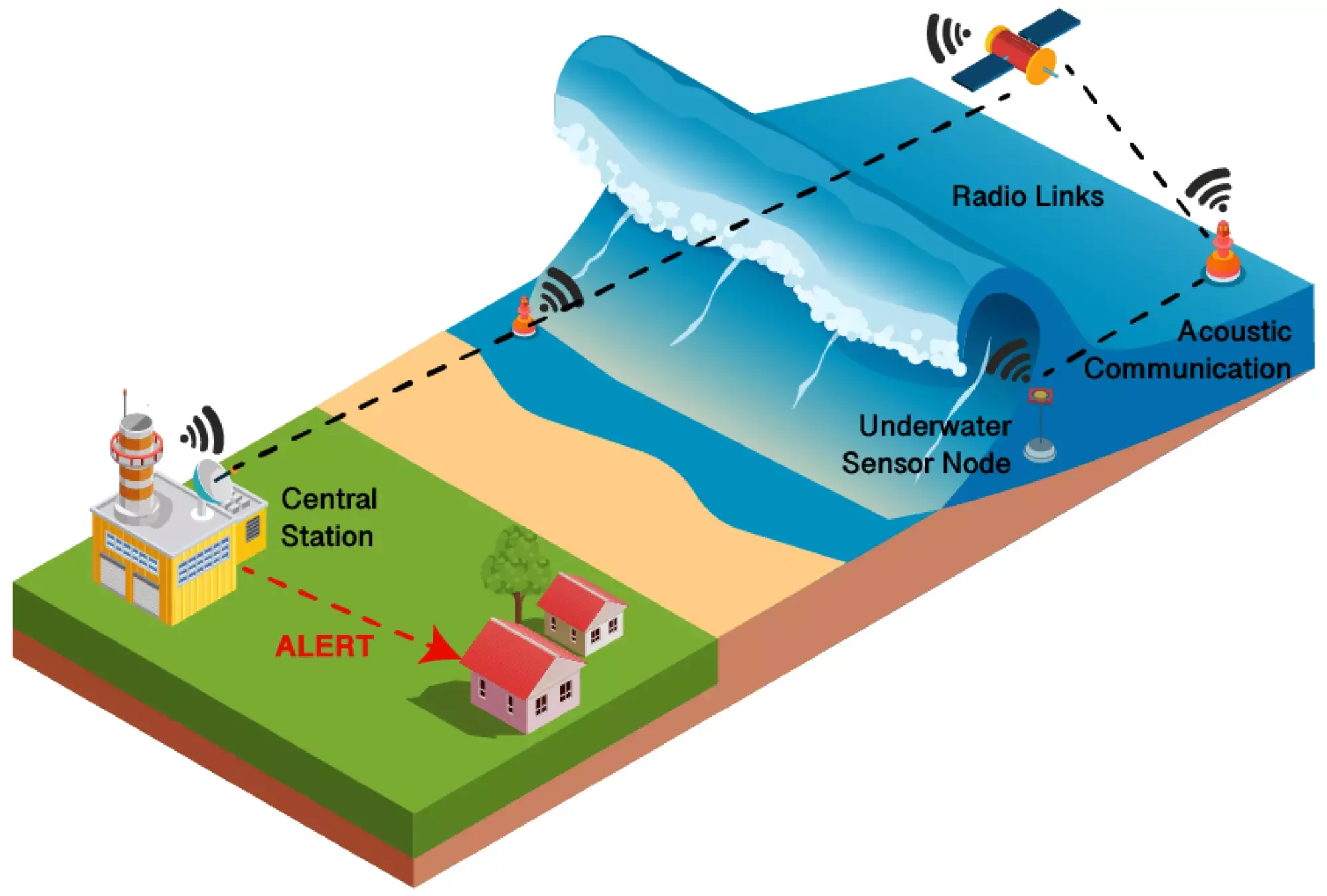
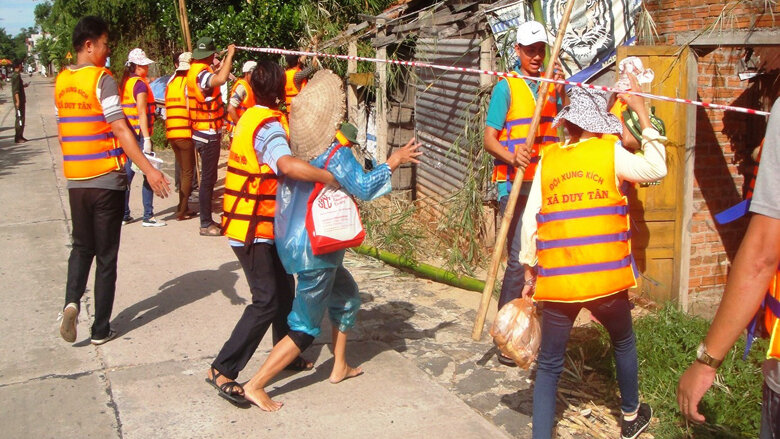
Prevention measures I would suggest to be implemented in Japan
-
Improved warning systems
Investing in advanced technologies for quicker and more accurate early warning systems is crucial. This includes leveraging artificial intelligence and machine learning to analyze data swiftly, providing residents with more time to evacuate safely.
-
Community-based resilience
Encouraging and supporting community-based initiatives enhances local resilience. This involves establishing community evacuation plans, constructing tsunami-resistant shelters, and training local volunteers for effective emergency response. Communities tend to be the first line of defense during disasters.
-
Infraestructure improvements
Continuing to invest in infrastructure improvements, especially in coastal areas, is essential. This includes the construction of robust seawalls, elevated buildings, and other structures designed to withstand the impact of tsunamis, providing physical protection to vulnerable areas.
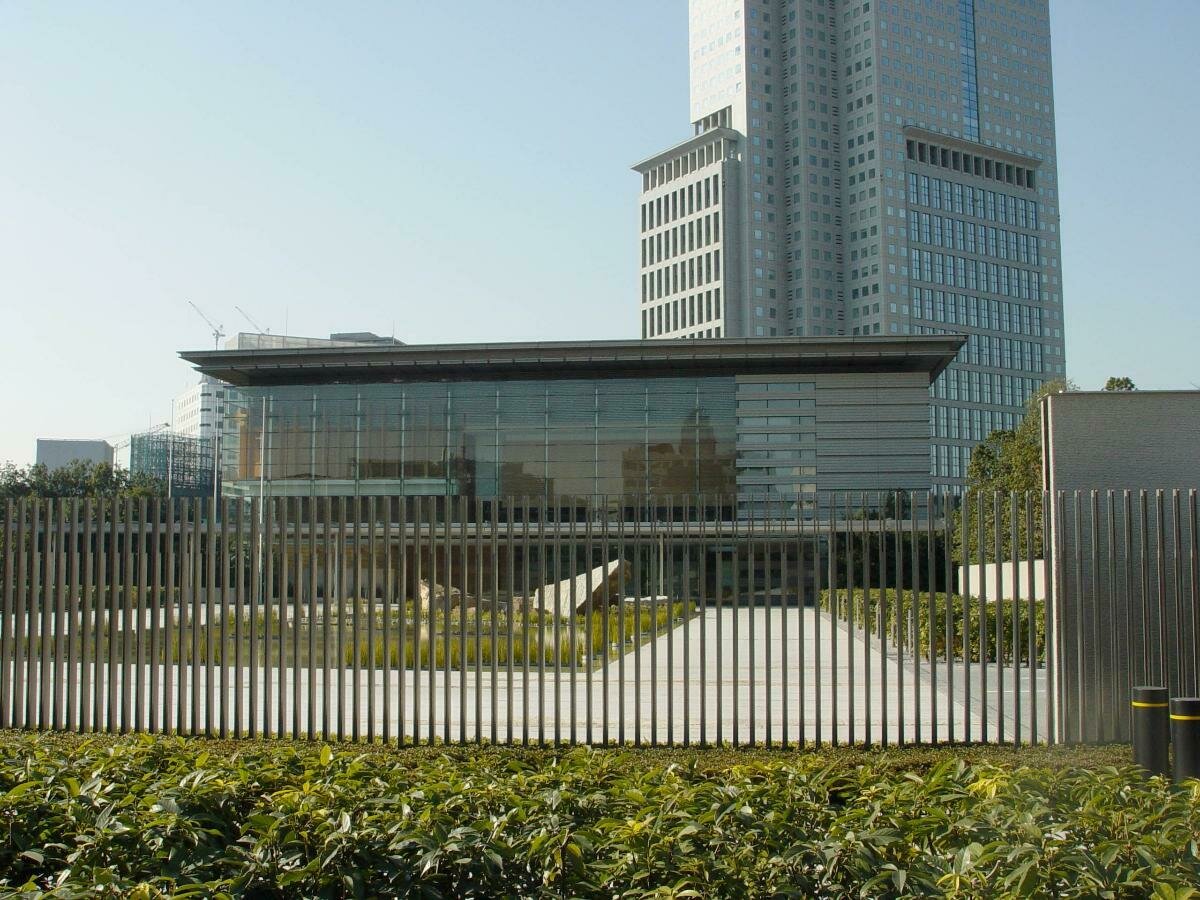
Coordinations between national, provincial and local powers/administration that can be helpful when preventing and preparing for future hazards
I personally think Japan had a pretty well-developed post-hazard reaction plan, which they executed. But I think they should divide the work according to the power each administration has.
For example I think local powers should focus more on evaluating their surroundings and finding places where it would be easier for people to evacuate to that are safe and of easy access. On the other hand I think provincial authorities should be more aimed into establishing a budget and managing where the money would go in case a disaster happens as well as investing some of that money on preventing the damage it may cause. So then national authorities could be in charge of sending search and rescue teams, medical aid, etc. Along with other resources to meet the population’s immediate needs. This can all be used and may be being used since it’s not of my knowledge how the government is really organized, but in my opinion assigning roles it’s key to be able to solve any type of issue including this kind of hazards.