Intro to bitcoin
Digital currency
Currency trading
- Bitcoin wallet
- Bitcoin exchange
- Bitcoin mining
Bitcoin trading
Bitcoin Trading
Bitcoin is a currency much like any other, albeit digital. It can be saved, spent, invested, and even stolen. The rise of Bitcoin, the most widely circulated cryptocurrency, began in 2009 by someone (or someones) using the alias Satoshi Nakamoto. It came to prominence earlier this year when its value suddenly jumped 10-fold from $2 to $266 between February and April, with a peak market valuation of more than $2 billion.
As a cryptocurrency, Bitcoin is generated through the process of "mining"—essentially using your computer's processing power to solve complex algorithms called "blocks." You earn around 50 Bitcoins once a block has been decrypted. The catch? Depending on how powerful your CPU is, solving a single block can take a year or more. Another means of obtaining Bitcoin is to simply buy it, exchanging physical currency for digital at a Bitcoin exchange like Mt. Gox or Bitstamp, or through a service like BitInstant.
https://www.youtube.com/watch?v=6tWtTsvmHJg ~ learn full story of bitcoin
Bitcoin Currency exchange
P2P(person to person)
-Digital or Physical
-localbitcoin.com
Exchange(market)
-Virtual meeting place for people to buy and sell at agreed market price
(supply and demand)

What is Bitcoin Wallet?
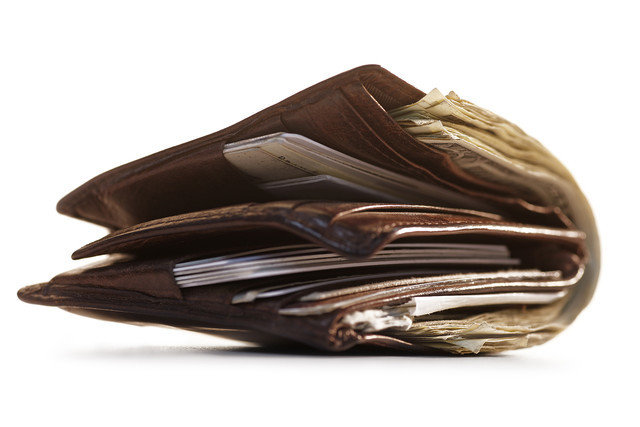
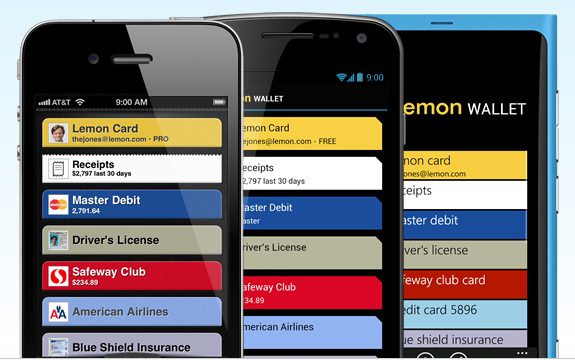
it is almost like other digital wallet
- google wallet, paypal, triond
- or any online banking
what makes bitcoin different?
- uses it owns currency
- every bitcoin user controls their own banks
- there is no rulers in this monetary system
- all users are anonymous, so no tracker
A digital wallet refers to an electronic device that allows an individual to make electronic commerce transactions. This can include purchasing items on-line with a computer or using a smartphone to purchase something at a store. Increasingly, digital wallets are being made not just for basic financial transactions but to also authenticate the holder's credentials. For example, a digital-wallet could potentially verify the age of the buyer to the store while purchasing alcohol. It is useful to approach the term "digital wallet" not as a singular technology but as three major parts: the system (the electronic infrastructure) and the application (the software that operates on top) and the device (the individual portion).
An individual’s bank account can also be linked to the digital wallet. They might also have their driver’s license, health card, loyalty card(s) and other ID documents stored on the phone. The credentials can be passed to a merchant’s terminal wirelessly via near field communication (NFC). Certain sources are speculating that these smartphone “digital wallets” will eventually replace physical wallets. The system has already gained popularity in Japan, where digital wallets are known as Osaifu-Keitai or “wallet mobiles”
Digital Wallet[extra info]
Bitcoin [exchange]
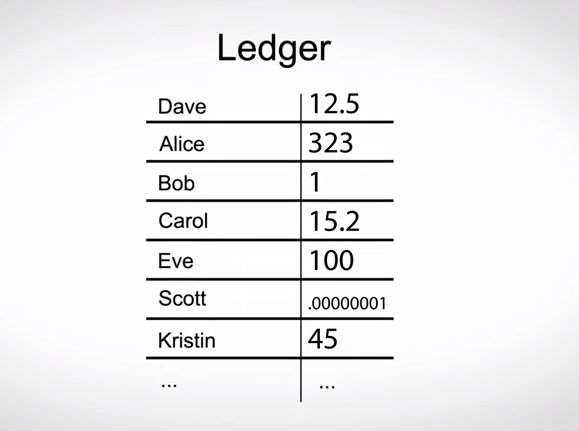
the way it works
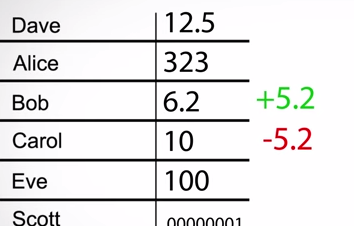
file exchange
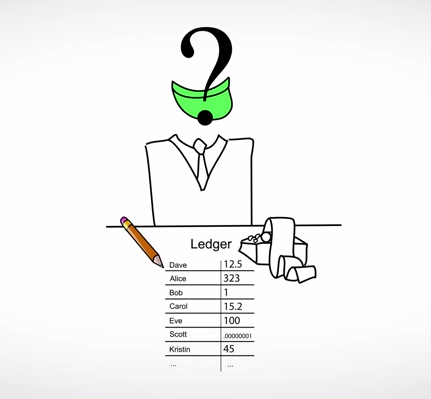
So who maintain this ledger and make sure no one cheat?
The goal of bitcoin is to avoid any centralize(bank) control, so every purchaser happen to maintain their own copy of the ledger
everyone can see everyone else balances
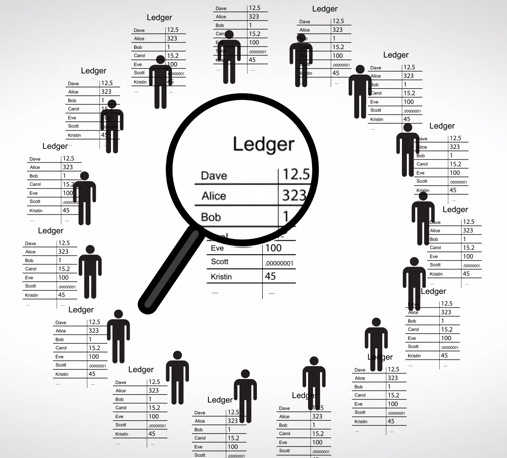
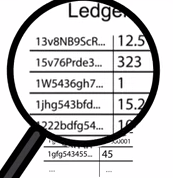
Generally when someone makes transfer, he basicly tell everyone to update their ledger.
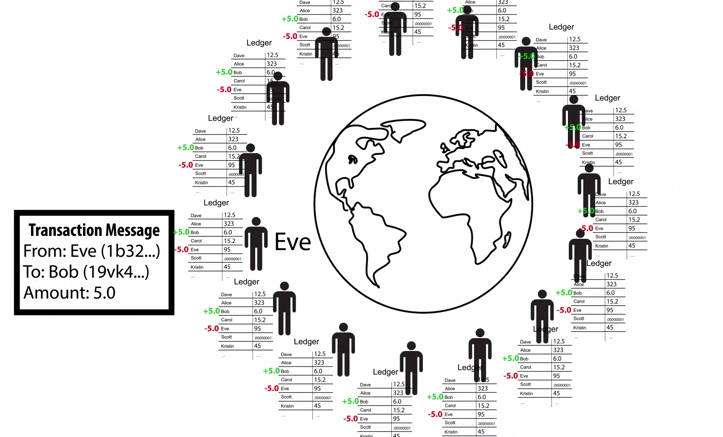
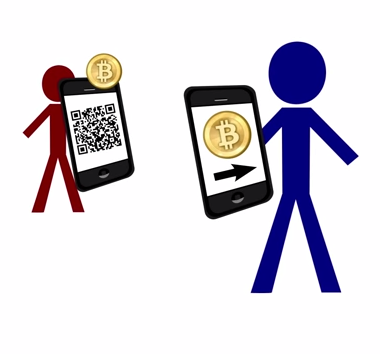
you can also use the system to send and receive money without maintaining the ledger, good benefits for power user.
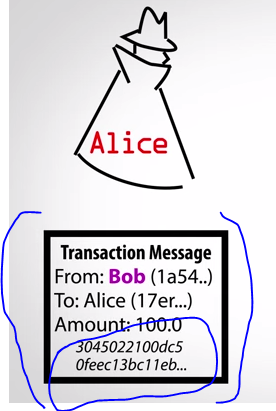
Like a paper check, bitcoin require signature for every transaction
-(to make sure no fraud)computer generater algoritm which is different for every transaction.
-(if you know how SSL in website works, then you know how this security signature works)
Bitcoin[mining]
Bitcoin operate as P2P(peer to peer) network, so everyone uses bitcoin is a tiny fraction of the bank of bitcoin.
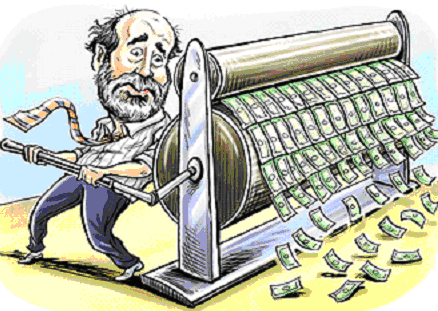
With paper money, the government decide when to print and distribute money (Ex.annually) , which bitcoin doesnt have a centralize government.
where do bitcoin come from?
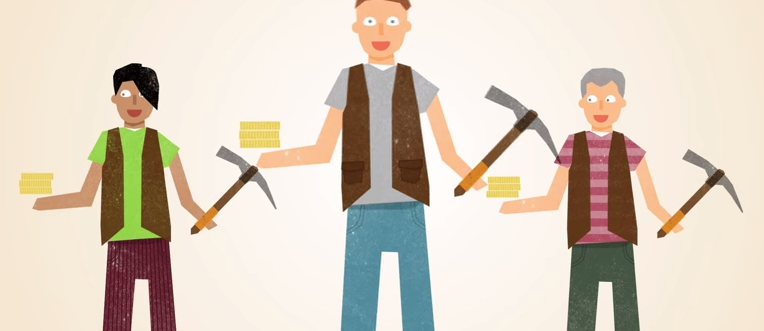
With using bitcoin currency, miners (bitcoin user) decide when he/she supposed to get the money as he/she is also the bank, and since miners are required to approve bitcoin transaction, more miners means more secure network.
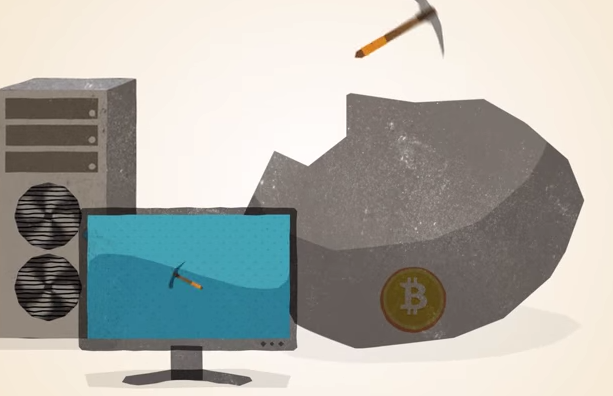
the bitcoin algorithm automatically changes its difficulty depending on how fast it being solves.
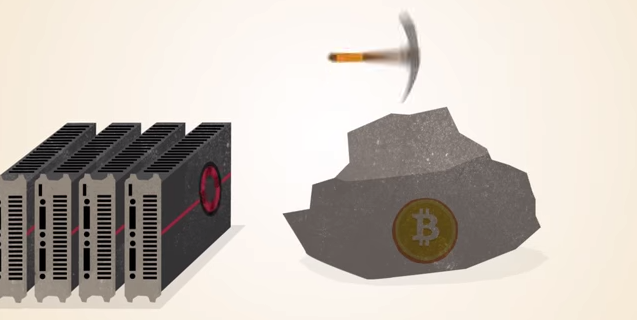
better works with graphic cards
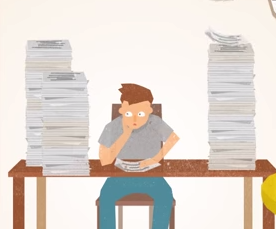
algorithm become difficult as bitcoin become popular(number of user increases)
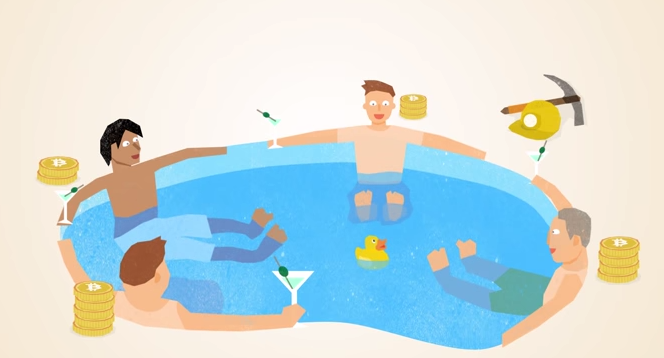
mining pool
Strategy
For Mining
- Choose the best mining apps for your hard drive according to your capabilities and compatibility
- Get a good grade microchip to operate the algorithm faster
- Try out different pool until you find the best suited for you
- Usually miners use ASIC graphic processing unit (GPU) for mining
For Exchange
- Keep the value until the currency rises
- Rich people usually sold their share during price is low, so go grab the share from the guy that charge the least per bitcoin
- Don’t panic if the price fall
- Try purchases more bitcoin and increase you spending for the value to rise per currency
How to be successful in the investment
https://en.bitcoin.it/wiki/Mining_hardware_comparison