Untangling Frontend Spaghetti


Patrick Monslaup
Technical Manager & Developer
Knowit Experience Bergen
patrick.monslaup@knowit.no
Goal of the day
Be better at developing complex frontends
Part 1:
Creating less messy code
Part 2:
Eliminate existing monsters
Technical debt is a concept in software development that reflect the implied cost of additional rework caused by choosing an easy solution now instead of using a better approach that would take longer.
- wikipedia
Debt is paid back with interest
When you take a shortcut, you use your credit card
Only visible to developers.
Communicate technical debt to your project managers.
Action #1
... Only then can they make an informed decision if they should use their "credit card"
Me Before Knowit

What is the problem with competitive programmers?
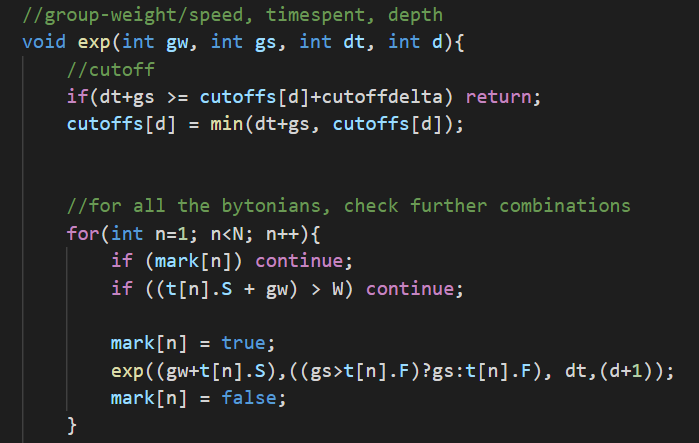
If you only measure speed then you incentivize writing ugly code without documentation. Be sure to measure the right things!”
Measure the right things
Action #2
... be mindful of what you measure,
you just might get it
Why am I talking about measurements when they clearly aren't the responsability of you as a developer?
Because they are your problem
Dev. vs Ops.
What happens when you have one team doing dev. and one team doing ops?
- How are they measured?
- What is the problem with these measurements?
- How can you change the measurements or process to improve the situation?
Introspection
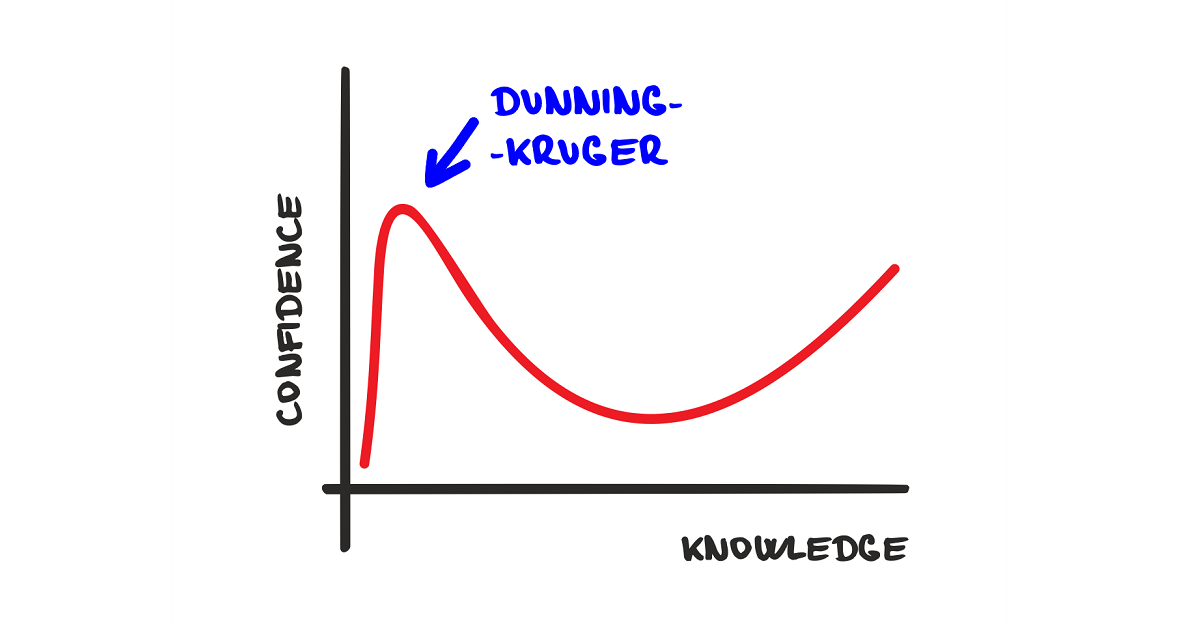
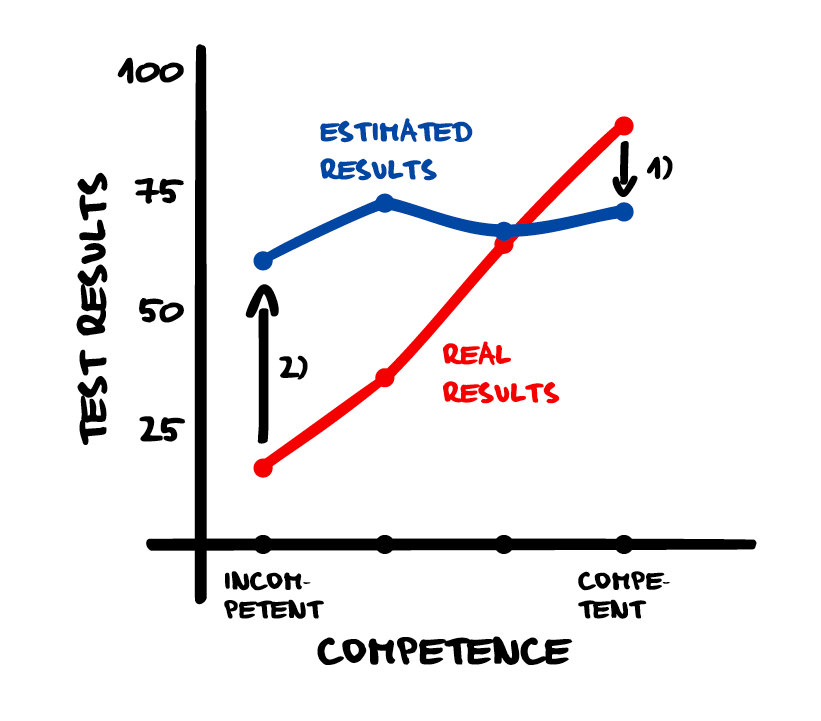
Which changes can be made to processes or the organization to mitigate the mess that inexperienced developers make?
- Code Reviews
- Pair programming
- Mentorship
- Technical onboarding
- Team onboarding
Have a proper onboarding to the organization and project
Action #3
Hint: It's not about having the smartest people

Psychological safety
The best way to boost performance is to create an environment where everyone can contribute and reach their potential
Facilitate cooperation
Action #4
... both with managers and other devs

You're constantly paying interest on your technical debt, and the debt creates more debt
Clean as you go
Action #5
Actions to reduce the mess we create
- Communicate technical debt
- Measure the right things
- Have an onboarding process
- Facilitate cooperation
- Clean as you go
Part 2
Eliminate existing monsters
Case study
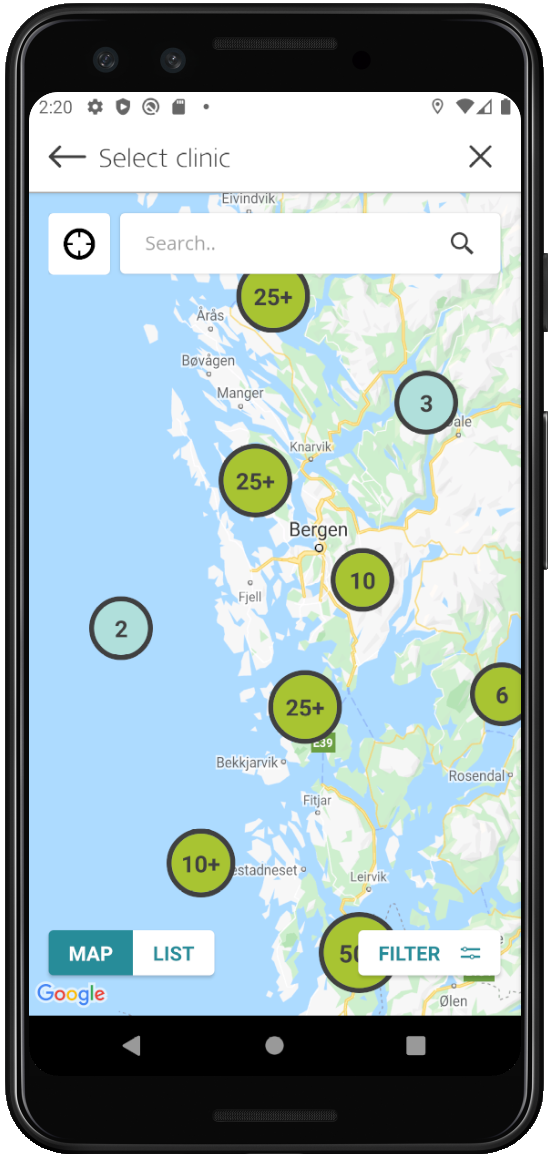
Online booking of health services through Storebrand Helse's BliFrisk app
We will examine filtering and fetching of providers
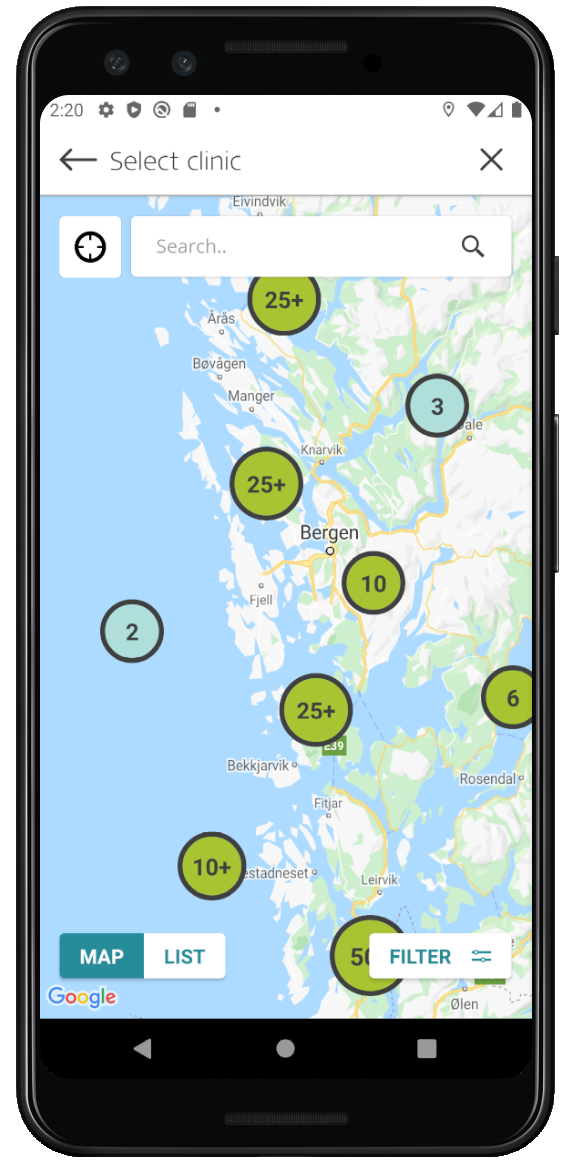
(some providers are in the sea due to
this being generated dummy data)
Filtering
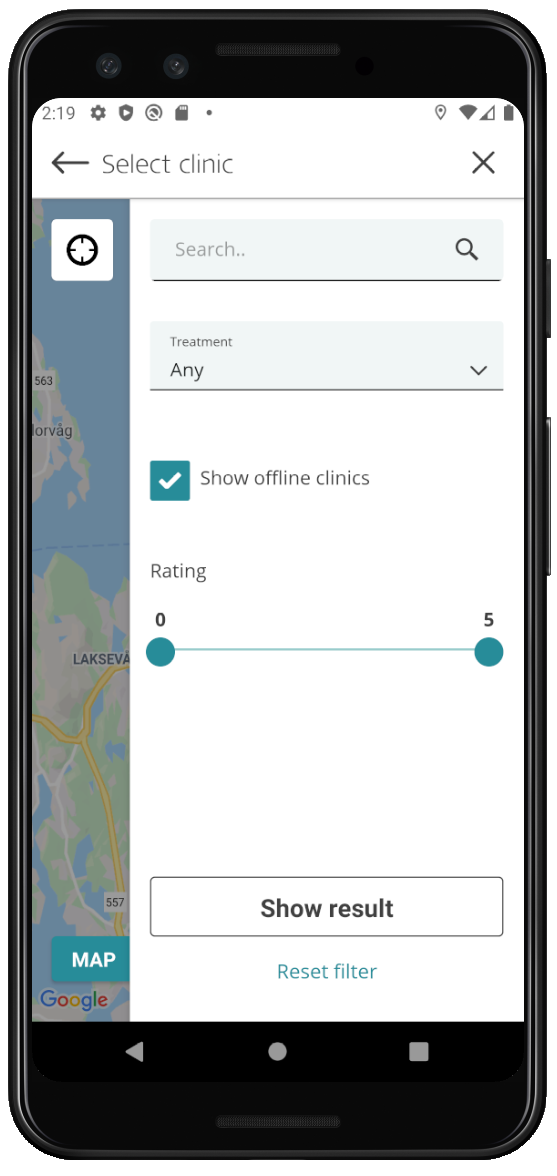
MapScreen
filtering logic & data
Drawer
Layout of drawer
Fields
Reset filter
Data & callbacks for updating/resetting it
Initial data & update CB's
Reset fields callback
button
What happens when you can filter from many places?
Top of the map
Drawer
Referral form

MapScreen
filtering logic & data
Drawer
Layout of drawer
Fields
Navigation
Map
Hovering top filter
Referral flow

Reset filter
button
Drawer Fields
Hovering top filter
Referral flow
Views
Display data from stores
Stores
Store data
Filter data
e.g. "minRating"
set
get
Dedicated data store for filters
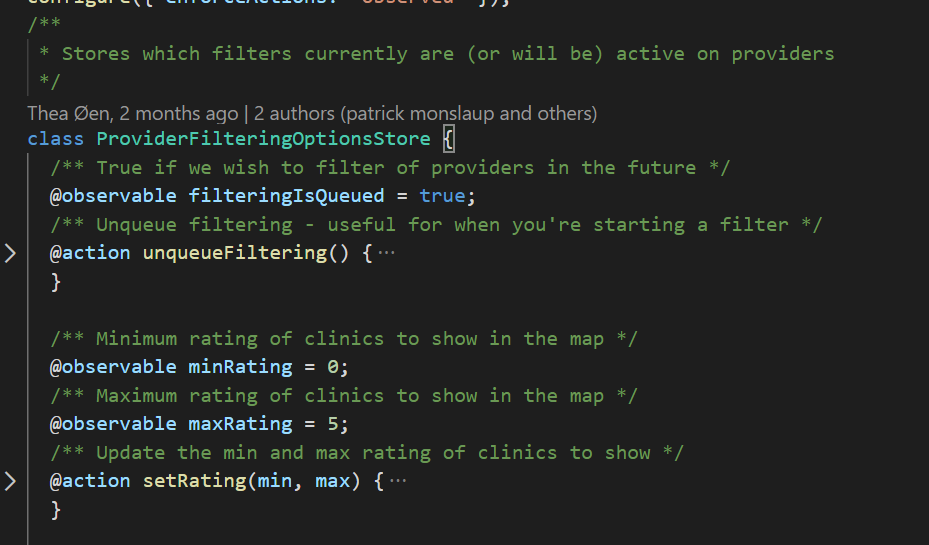
Components can set & get data from here
Components can observe the store
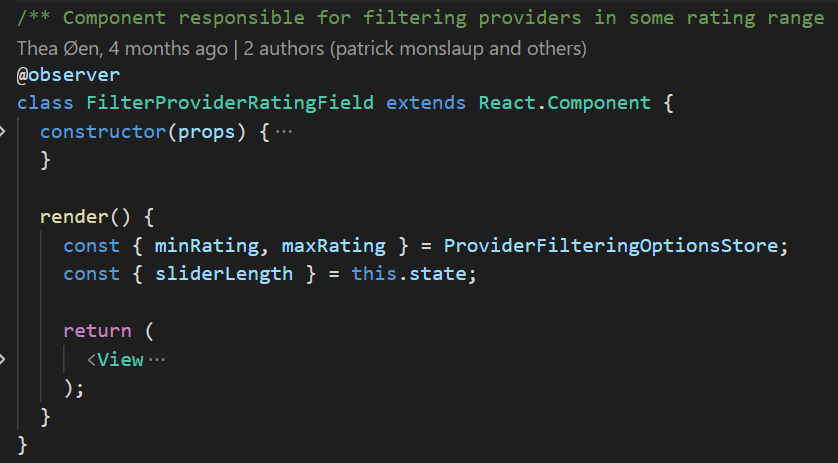
..and rerender when the data changes
Observer-pattern
Also known as publish-subscribe
Pattern #1
Instead of passing data around, store it a dedicated location and let components that need the data subscribe to changes.
This can easily be done in react with mobx
(or redux, or written yourself with listeners, or ...)
How should you pass functionality around?
Abstract reusable logic into controllers
Pattern #2
... the same way we put data into stores instead of sending it through many layers of components
Controllers
(E.g. "filterProviders")
Views
Display data from stores
Operate using data
from stores, and
Stores
Store data
Filter data
e.g. "minRating"
Providers
may update stores
set
get
get
MapView
Fetching providers

Non-functional requirements
- Error logging
- Authentication
Issue: doing this properly is a lot of code
Please don't put network logic in your views
Abstract it into a network layer.
Let the network layer handle authentication
and error logging
Make authentication reusable
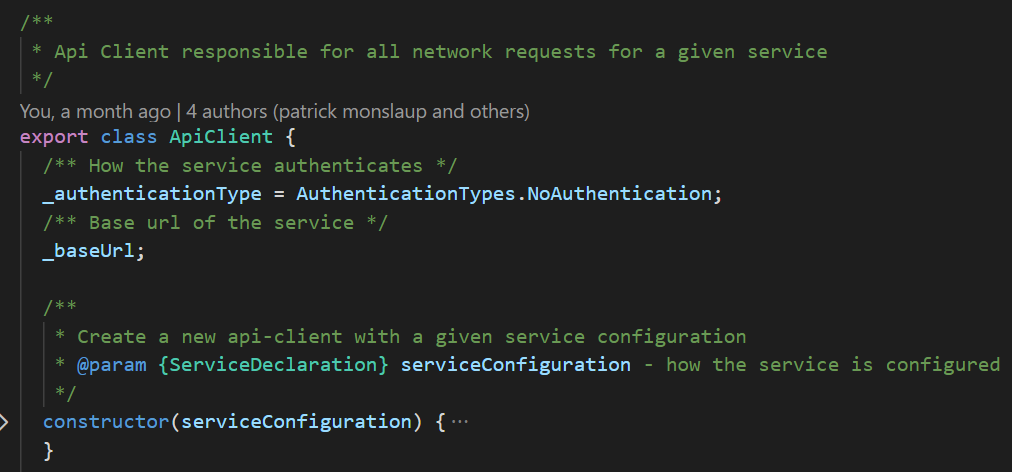
Make good error logging easy
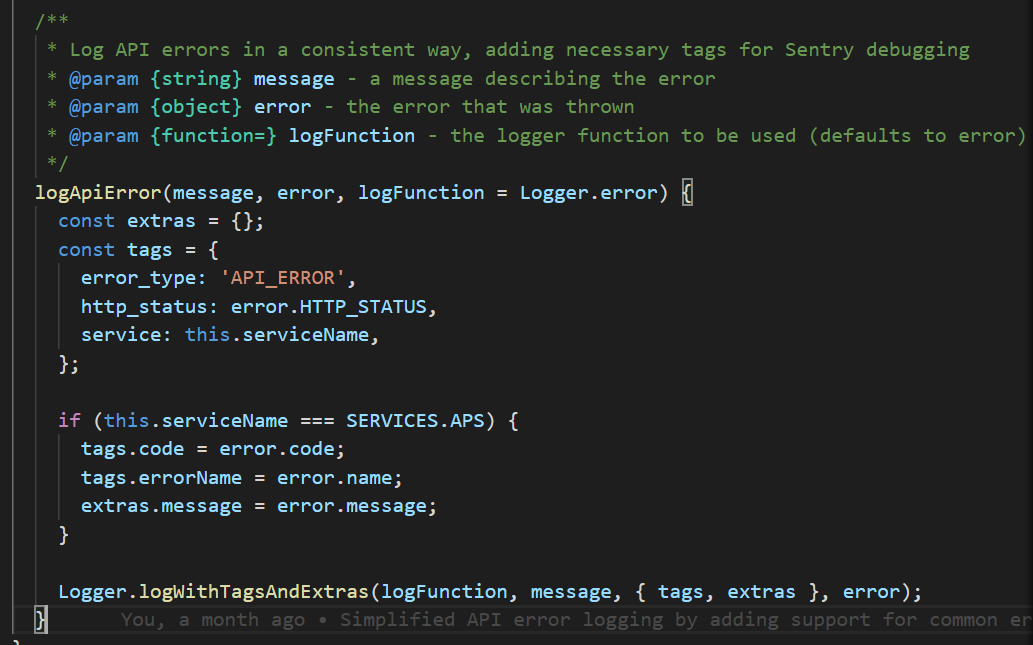
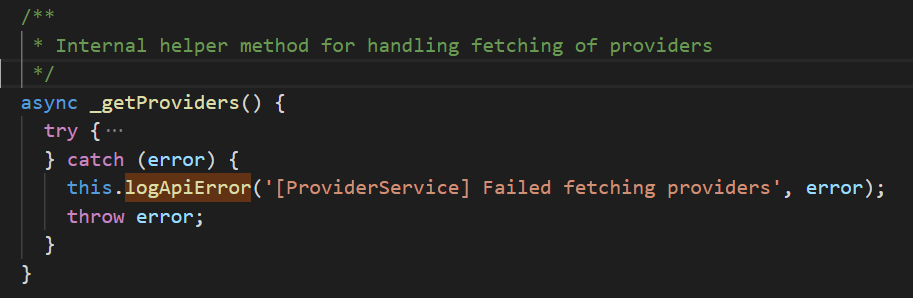
Consistent error logging is extremely nice for debugging
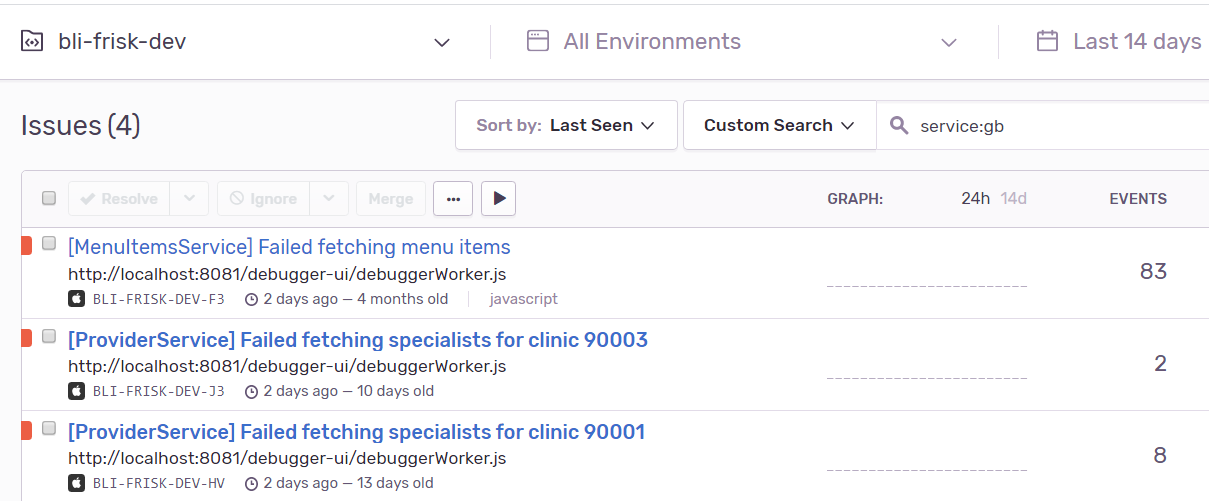
Abstract network layer
from your views.
Pattern #3
... make error logging and authentication easy, otherwise you can't debug production issues
Benefit of abstractions
Loosely coupled abstractions allow mocking & developers can work in parallel on different modules
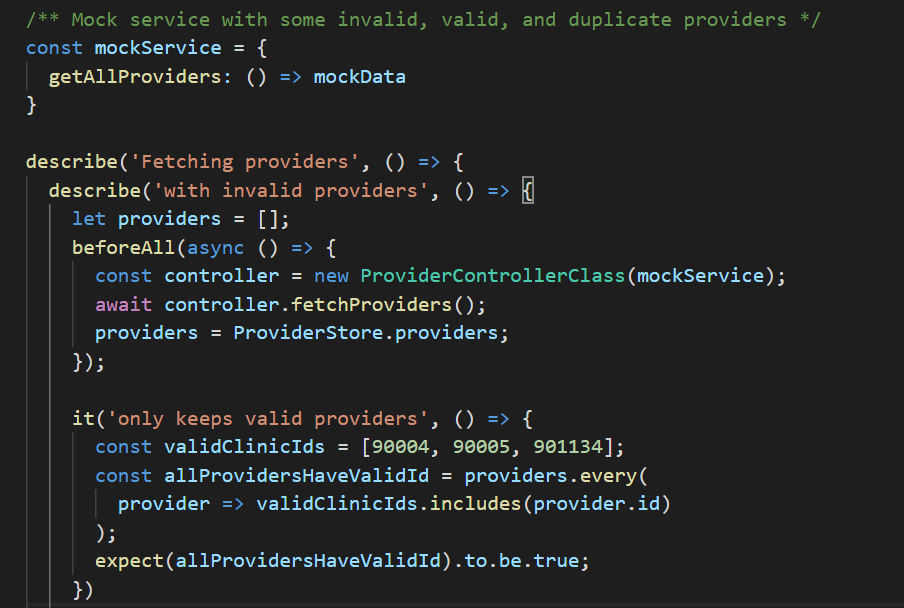
What do you do with the data from your API?
The providers originate from different online provider/booking API's which present data on different formats.
Text
Handle format differences backend.
What if you can't handle the format differences backend?
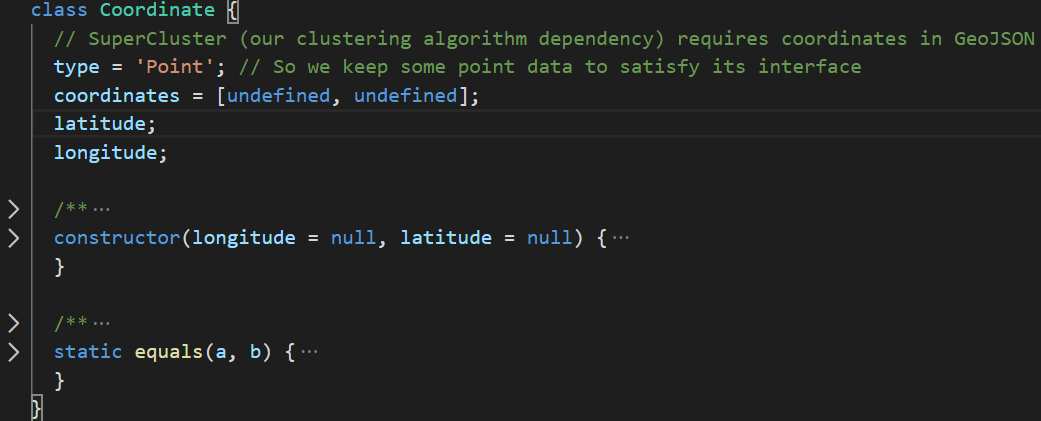
Our dependencies all rely on different coordinate systems
Create a coordinate model &
factory that transforms between formats
Coordinate model
Factory for transforming between formats
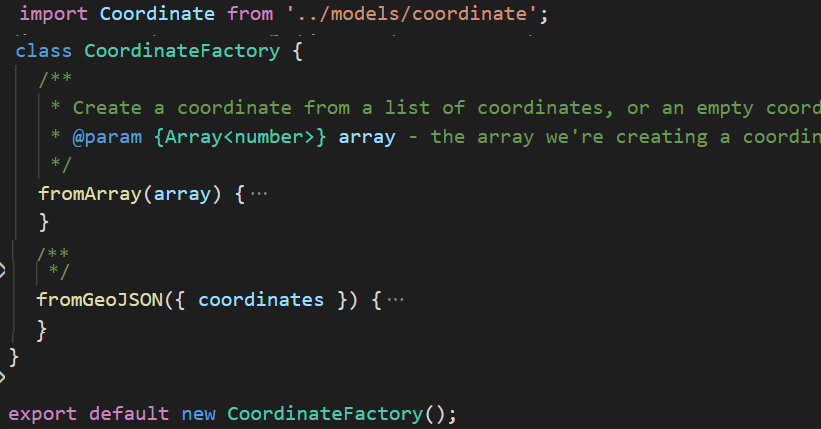
In better languages the solution is overloaded constructors
Create a model for your data.
If needed create a factory to transforms between formats
Pattern #4
Add models for complex data
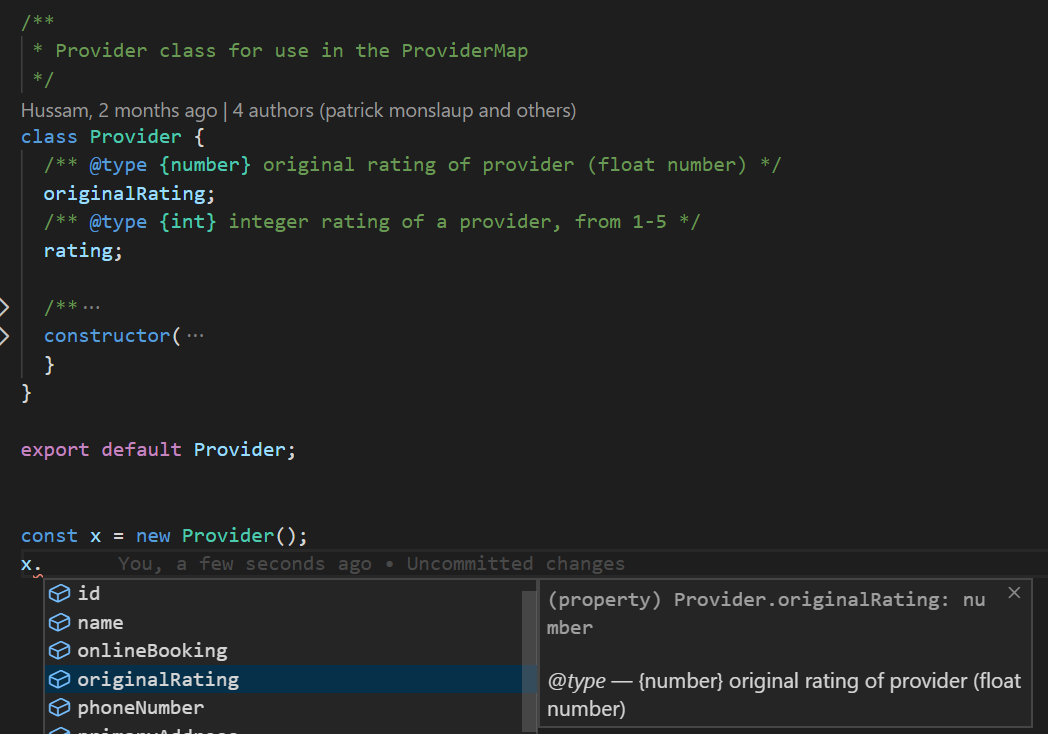
Map data from services to your model
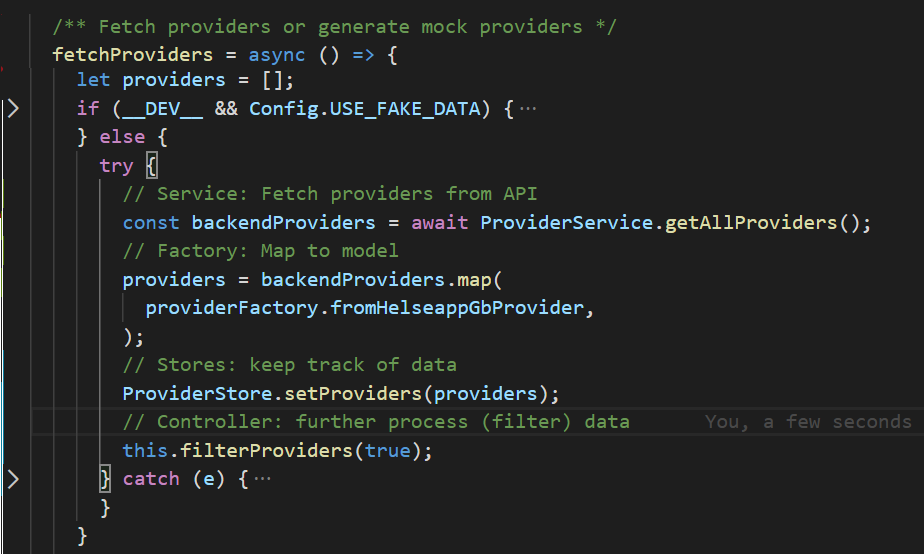
Tying it together
- Stores allow you to have data sentralised and available in different parts of your application
- Observer- or publish-subscribe pattern can be used to update views when stores change.
- Controllers allow you to reuse logic across components and extract unnecessary boilerplate from views
- Services should fetch data
-
Models keep your data easy to use
- Factories transform raw data to models
MVC in frontend?
Originally implemented by Trygve Reenskaug in the 1970's for smalltalk
Actions
- Communicate technical debt
- Measure the right things
- Have an onboarding process
- Facilitate cooperation
- Clean as you go
Patterns
- Observer-pattern
- Abstract reusable logic into controllers
- Have a loosely coupled network layer
- Create models