Stop Deleting the Data
Designing services that won't forget anything
ProductTank Meetup, Singapore
June 9, 2016
Pavel Kudinov, RedMart
Data
Behaviour
Reports
Predictive Analytics
Data Science
79% of time is data munging

In 2009, data scientist Mike Driscoll popularized the term “data munging,” describing the “painful process of cleaning, parsing, and proofing one’s data”
Data in Business Applications
Transactions
- create
Objects
- update
Problem #1: We delete data
-
“Delete” buttons should not delete anything, but mark as deleted
-
Always preserve all data
-
Backups, archive data
Problem #2: We update data
Update customer name
What was previous name? Who updated this field?
Update birthday
What was previous birthday? Who updated this field?
Previous data values are lost forever
Application Log is not Data
-
Not reliable. Owned by DevOps and ALWAYS considered as not important after couple months
-
Depends on the engineer. After refactoring or due to wrong configuration log might not be written
-
Unstructured format. Requires parsing and special care
If it is structured (audit trail), what about atomicity and transactions?
Example: Cart in e-commerce grocery store
How customers add items to the cart?
How they remove items from the cart?
How they change quantities?
...
Example: Driver profile
Who made the change?
What fields are changed and how often?
What about misuse?
...
Status Quo
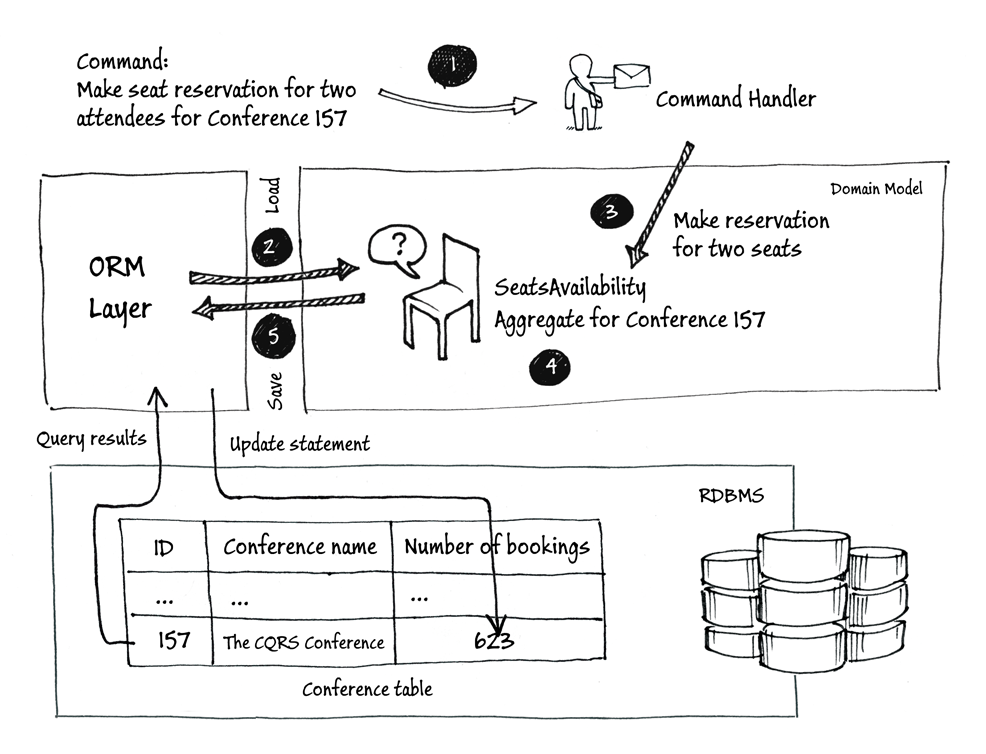
Event Sourcing
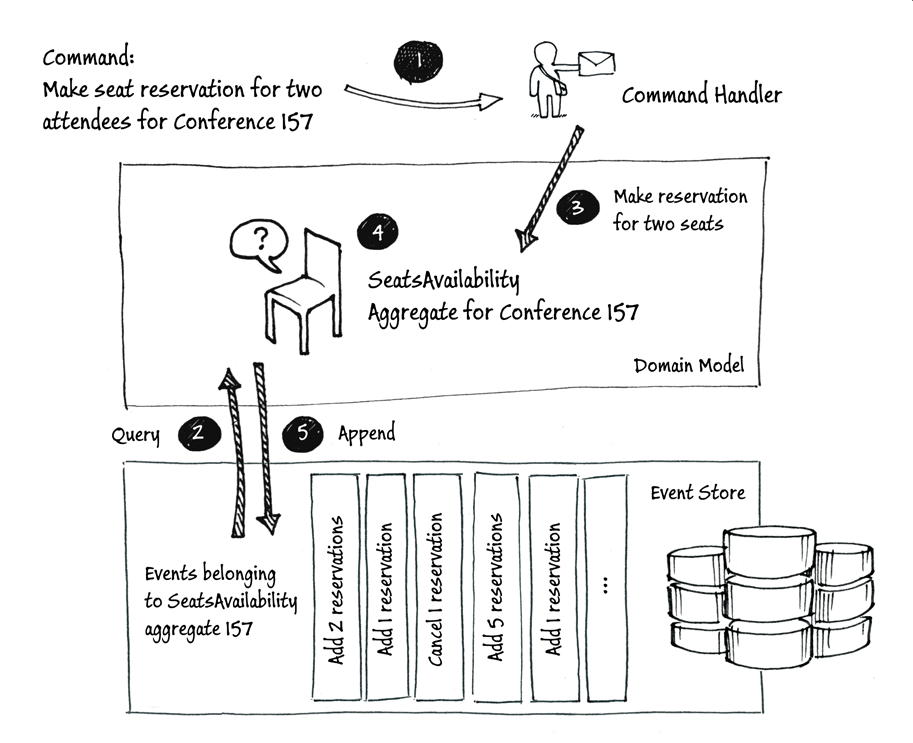
Log IS the Data
Create cart
Add item #1
Set delivery time
Add item #2
Change Quantity of item #1
Change delivery time
No Persisted State.
Only event journal.
Setting requirements for engineers
-
Display audit log: who did what and when
-
Store the history of changes in the same DB
-
Track changes for all business entities
-
Reports that show time distribution between events
-
Event-driven VS Scheduled dependencies
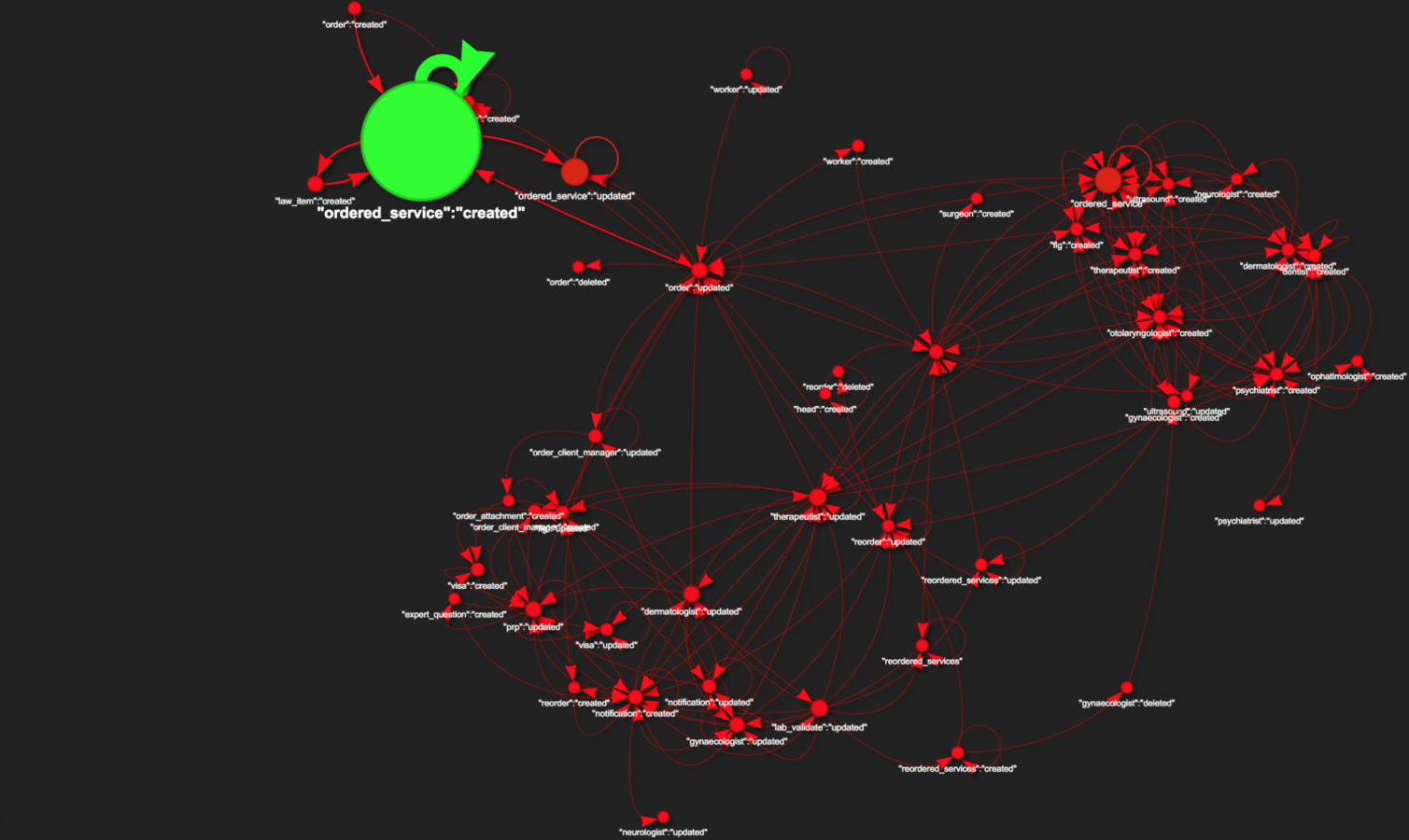
Process Mining
Q&A
Pavel Kudinov