Philip Young MD
Asian Ethnic Laser Resurfacing
Asian Ethnic Laser Resurfacing by Aesthetic Facial Plastic Surgery Seattle | Bellevue
Award Winning, Double Board Certified and Published Author Dr. Philip Young is an expert in Laser Resurfacing for the Asian | Ethnic Patient with more than 12 years of experience in this field.
First we will show you some before and after cO2 Laser Resurfacing and then we will discuss some things about this particular subject. Hopefully we will address some frequently asked questions regarding Asian Ethnic cO2 Laser Resurfacing.
Below are Some Before and Afters cO2 Laser Resurfacing for an Asian Patient:
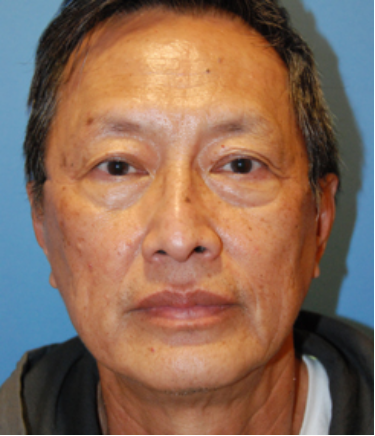
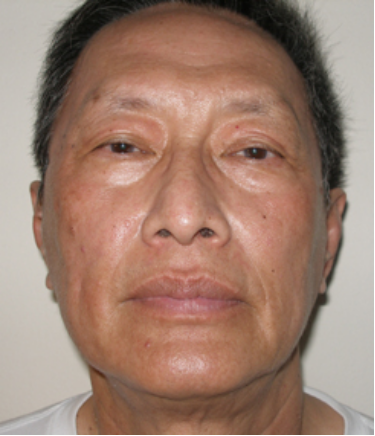
Before And Afters Images
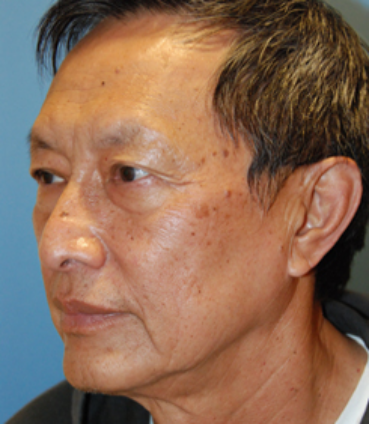
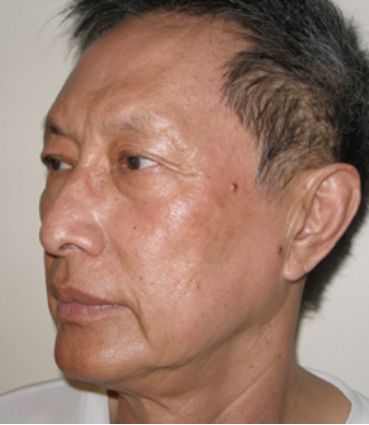
Some of the moles are not gone and this patient just wanted a general overall improvement. If moles are of a concern, we can laser them for you as well. First of all, we have a lot of experience in helping The Asian and our Ethnic Clientele (including Latinos, African American, Middle Eastern Patients). The key difference for these patients is usually the darker skin tones. With laser resurfacing, the top layers of the skin including your skin cells (keratinocytes) and melanocytes (pigment cells) are removed. If you look at the picture below the epidermis and dermis are separated by the Basement Membrane. This is where the stem cells arise and populate your skin. Usually with pretty aggressive laser resurfacing, the top layers of your skin are removed past the basement membrane and into the dermis. With this much of your unwanted pigments and fine wrinkles are removed and replaced with a new layer of skin that come from the hair shafts or pilosebaceous unit. This is called the resurfacing part of this whole process, where the skin cells from the hair shafts resurface the skin.
See Below For A Picture of the Skin in Cross Section:
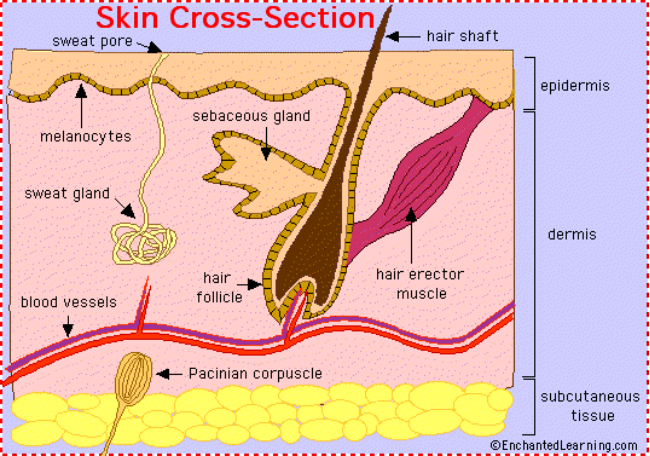
When you come in we are going to discuss with you how aggressive you would like us to be with your laser resurfacing. We will discuss with you whether you would like us to do fractional resurfacing or traditional resurfacing. You can see this video to learn more about laser resurfacing and about fractional resurfacing including terms like active fx, deep fx, total fx and max fx. One of the things that most concern people is the pseudohyperpigmentation that can occur in Asian and Ethnic Patients. This is when the skin turns dark after it undergoes a period of redness. It is most evident in people that have dark hair and light skin. The dark hair signifies the level of pigmentation or risks of pigmentation the melanocytes will undergo after a period of inflammation.
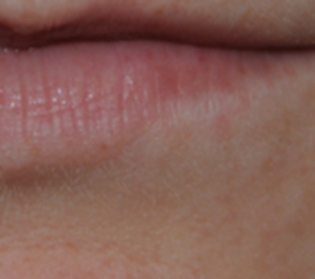
Hypopigmentation is probably a bigger concern and it entails the loss of pigment. This occurs when the melanocytes are damaged to a degree that there are some missing pigment | melanocytes from a contiguous area. The result of this are white patches that are most evident on the most darkest skin types. This occurs when the melanocytes are damaged when the co2 laser resurfacing is taken too deep or the post procedure cleaning is not done adequately. This can be corrected with co2 laser resurfacing. Here is a before and after where the patient had hypopigmentation after a mole removal.
The After Picture Shows are Results After We Treated the Hypopigmentation With a co2 Laser Resurfacing Unique Approach:
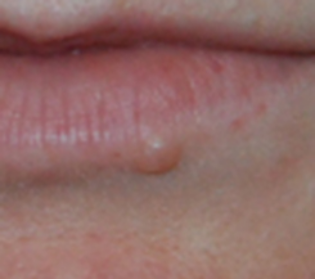
Before Mole Removal with Laser
After Mole Removal with Laser