1031 Exchange Series: The Retail Apocalypse
An Abundance of Malls
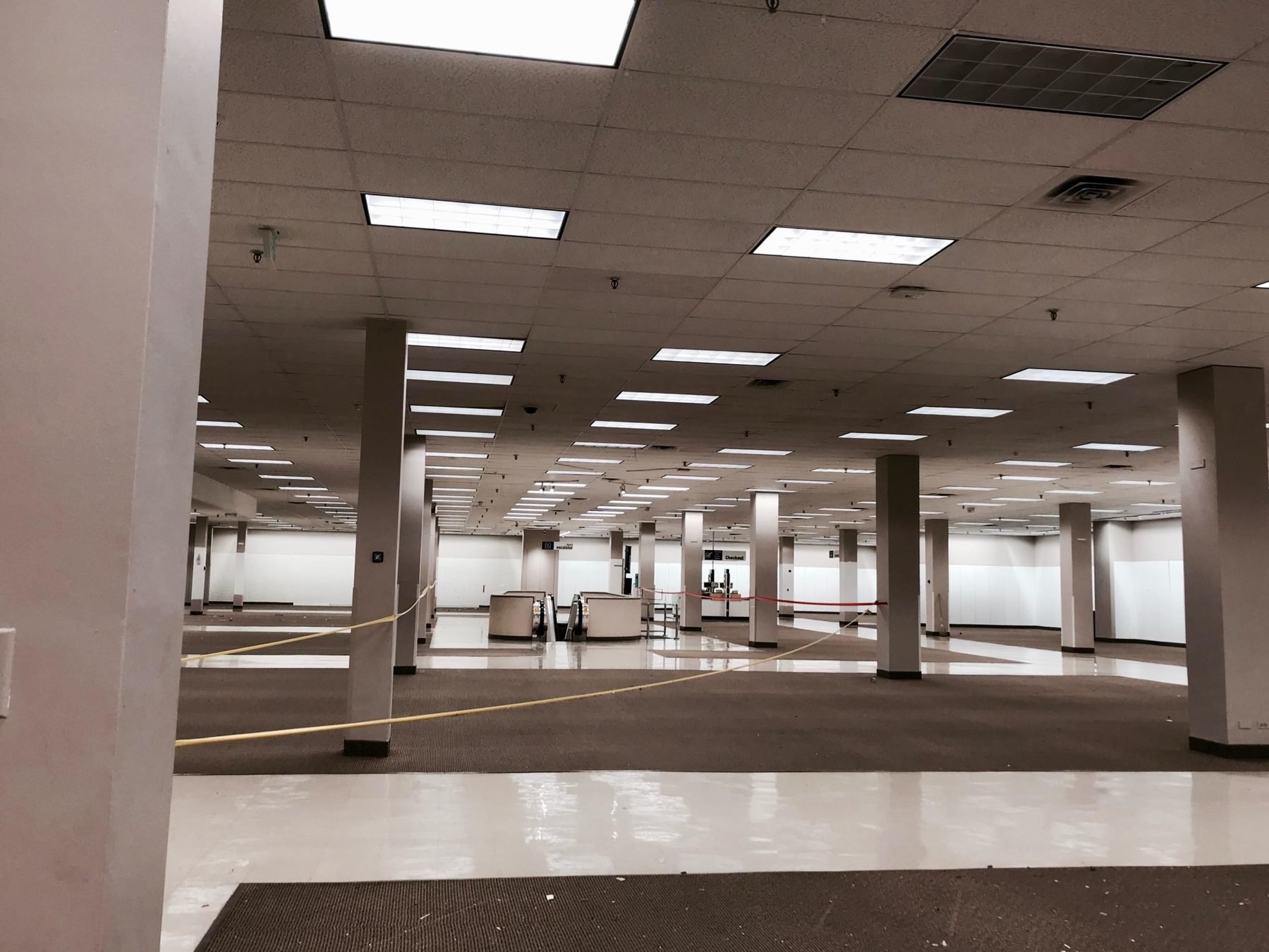
In 2021, it is estimated that 1-in-3 malls and half of department stores across the nation will close permanently. 75% of all mall owners are considering repositioning mall spaces in the future. Malls typically generate a good chunk of local tax revenue but increasing vacancy is a problem that only keeps growing. Larger anchor tenants like JCPenny and Sears aren’t attracting the crowds they used to. Families don’t look to spend their days visiting the local mall anymore.
In the past, citizens believed having a mall is what turned their area into a city. Malls were…
-
An indicator of economic success
-
An engaging place to spend time and money
-
A controlled, safe environment where people may interact with others
-
A bastion of suburban life, providing an experience similar to what previous generations experienced in big cities
-
Shaping the way Americans see themselves and how they’re viewed by others
An increase in globalization, e-commerce, and health considerations have shifted consumer behaviors. Shopping online offers a wider selection of goods and a convenient experience. Less overhead allows online retailers to offer products at reduced prices. Many malls that struggled to operate eventually became revitalized and turned into fulfillment centers by Amazon, the entity that brought about their decline.
Read More: 1031 Exchange Series: The Retail Apocalypse
Contact Details:
415-485-4500
2401 Kerner Blvd, San Rafael, CA 94901, United States
Read More Blogs:
1031 Exchange Series: Preserving History While Building For The Future
1031 Exchange Series: Legislative Clarity & Emerging Alternatives