Artificial inteligence
Artificial inteligence
can it really be considered as neutral ?
RACISM AND SEXISM
Creating fake news
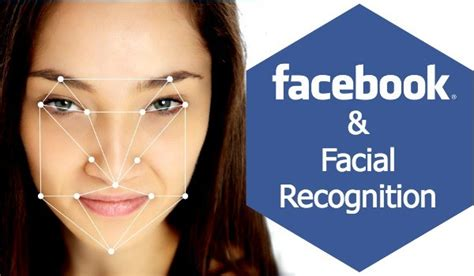
Face regognition
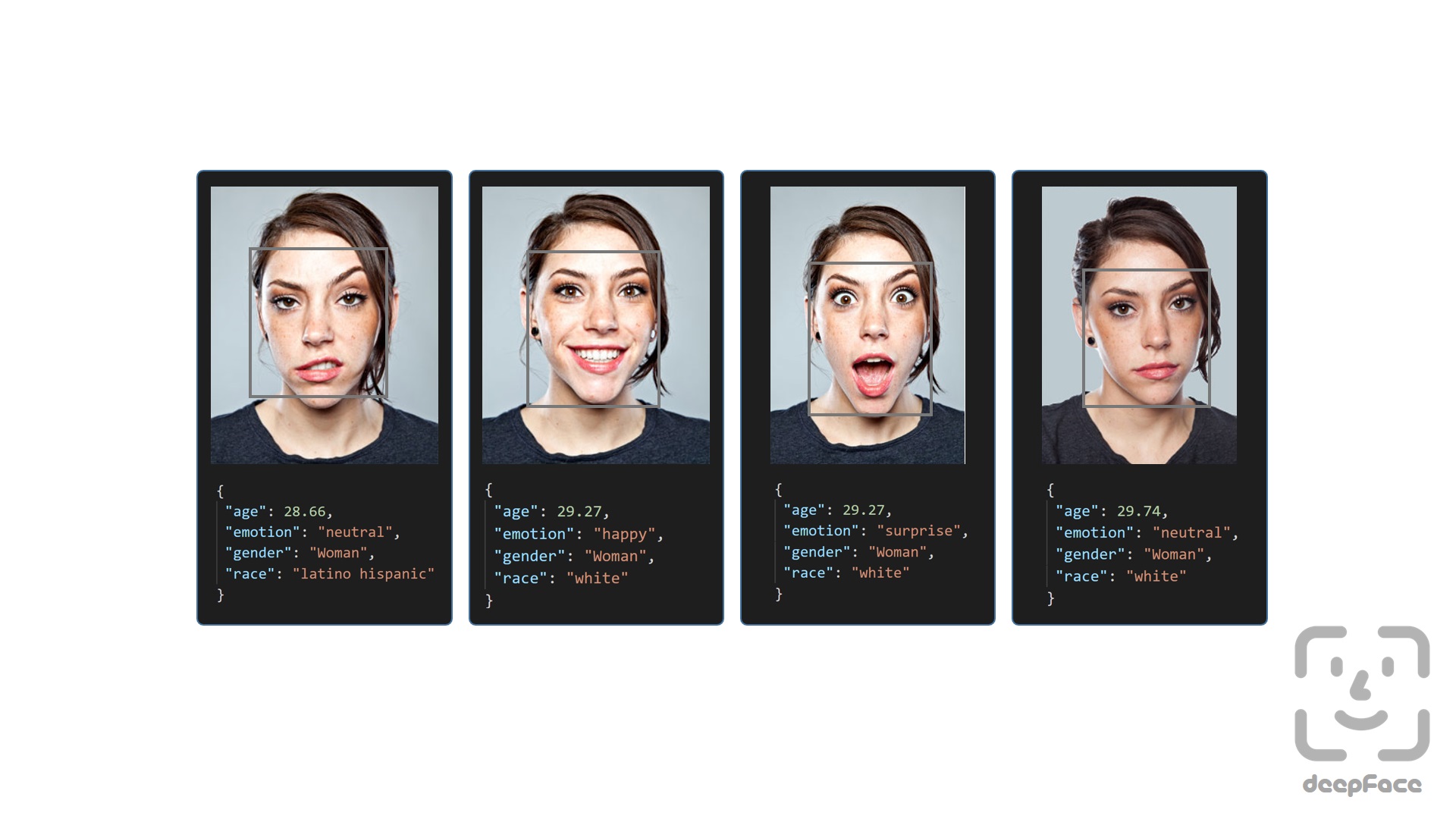
How Does it works ?
Framework
Dataset
neurone network
visualisation of how an AI works

Neural network : weights
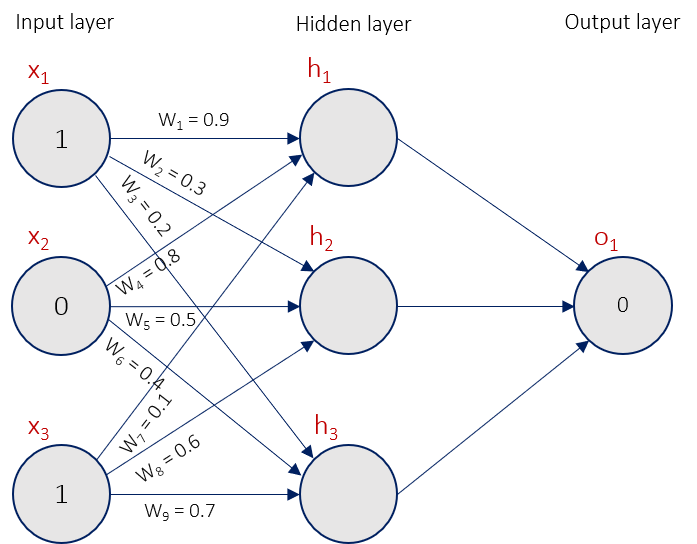
ajustement of the values of the network
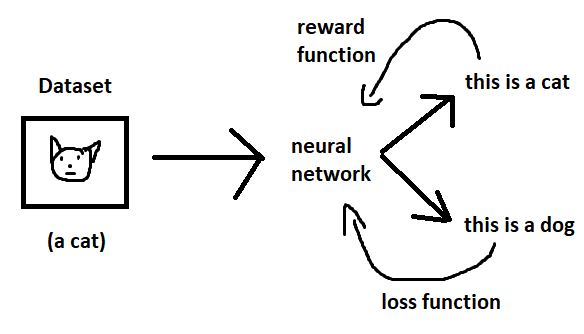
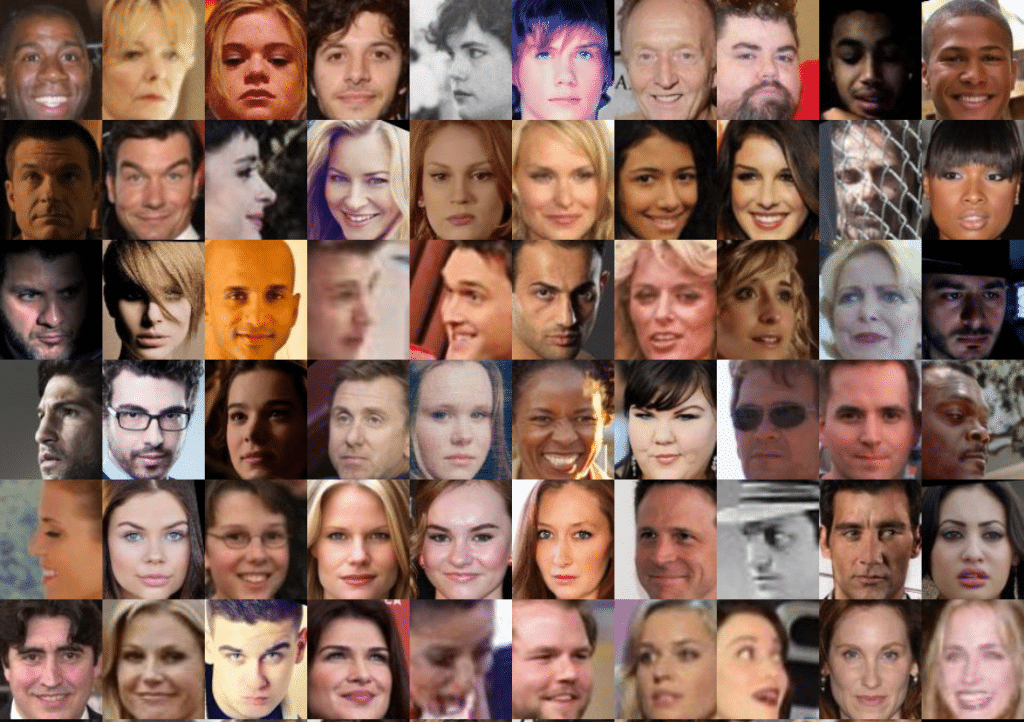
Creation of dataset
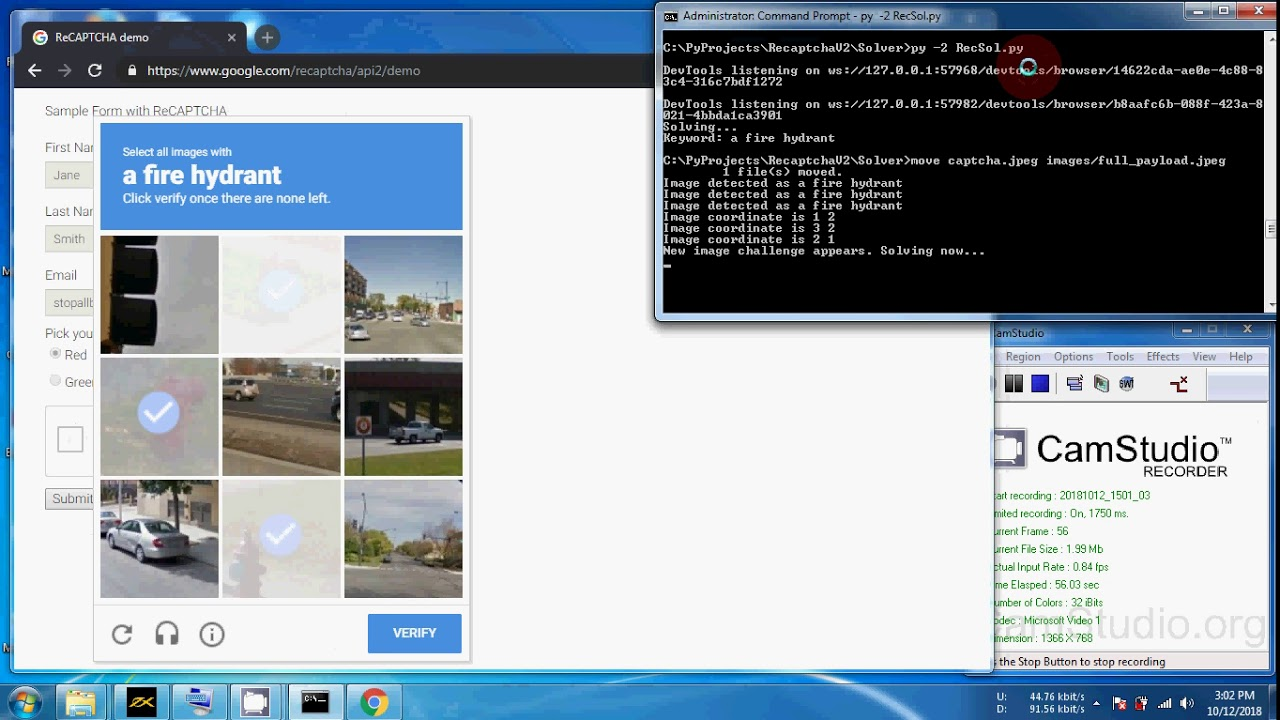
equilibrium in dataset
Algorithm biases
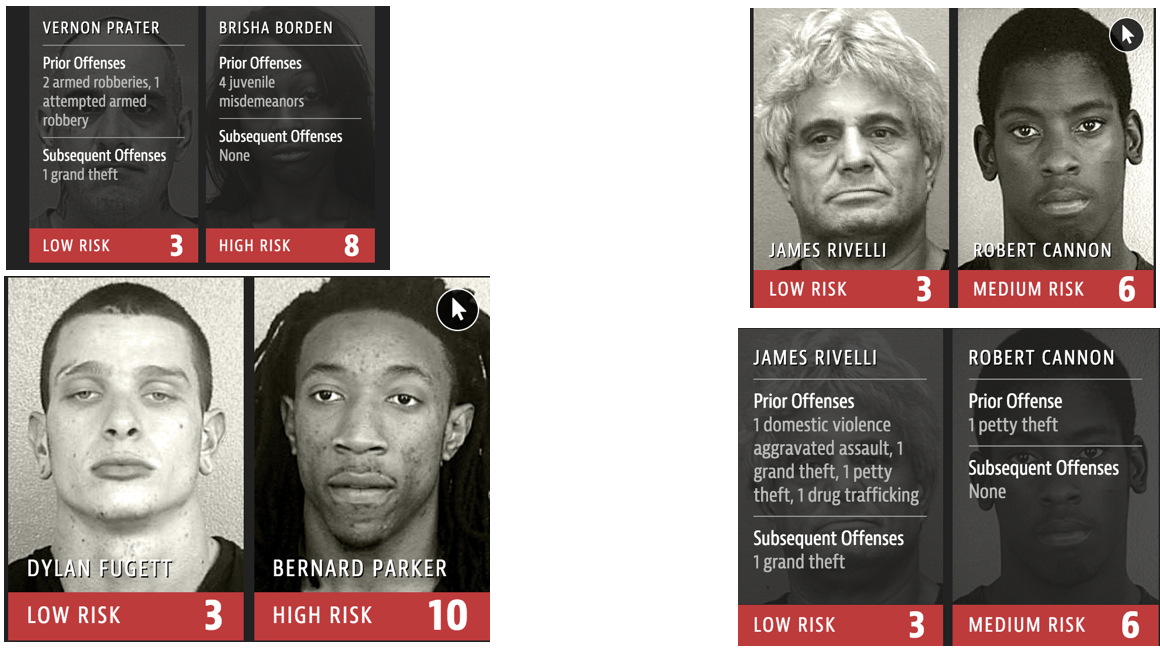
racism and sexism

How I'm fighting bias in algorithms | Joy Buolamwini
let's test it out with ...
YOU :)
from deepface import DeepFace
obj = DeepFace.analyze("ClassMate.jpg", actions = ['age', 'gender', 'race', 'emotion'])
#objs = DeepFace.analyze(["img1.jpg", "img2.jpg", "img3.jpg"]) #analyzing multiple faces same time
print(obj["age"]," years old ",obj["dominant_race"]," ",obj["dominant_emotion"]," ", obj["gender"])
all the students appearing in the following slides have given their approval

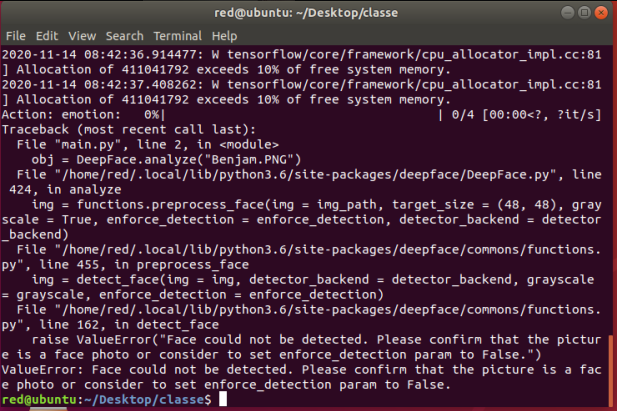
enforce_detection=False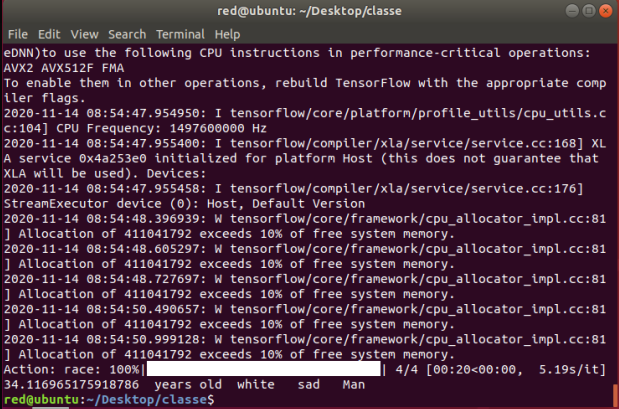
BENJAMIN
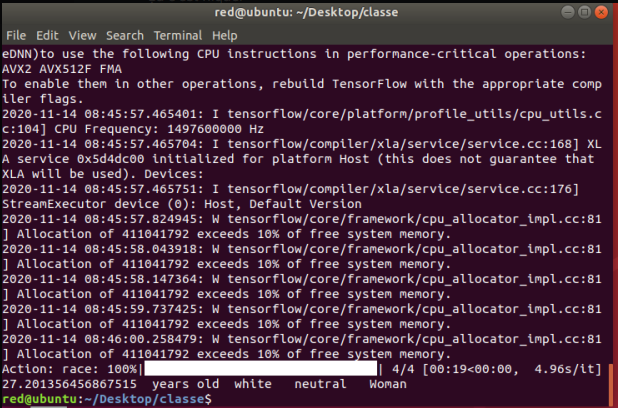
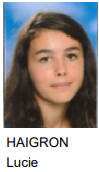
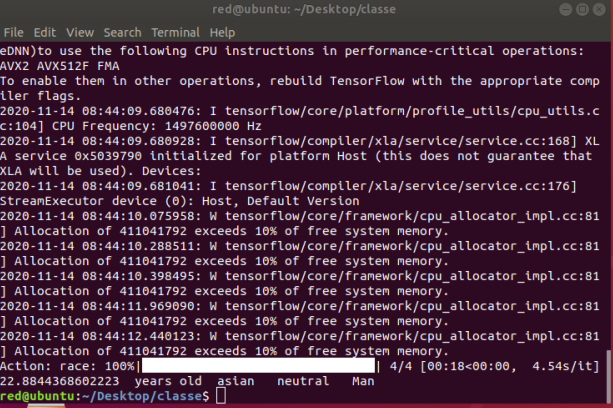

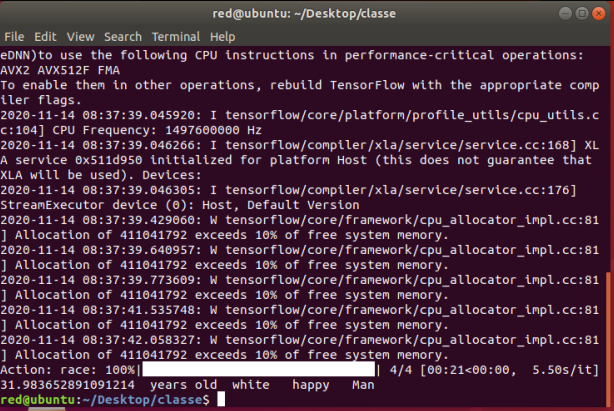

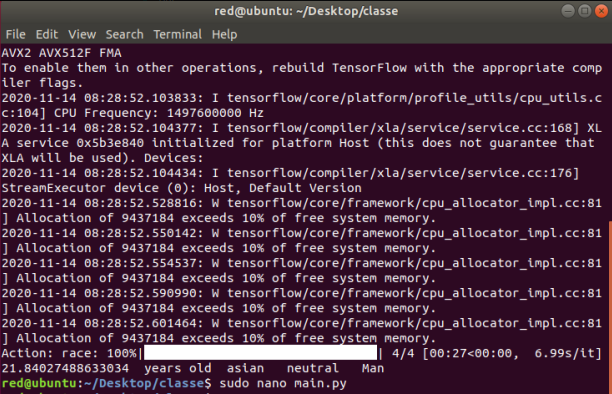

Conclusion on face recognition's racism and sexism
Using Ai to create
fake news
> Deepfake
> Writing fake news
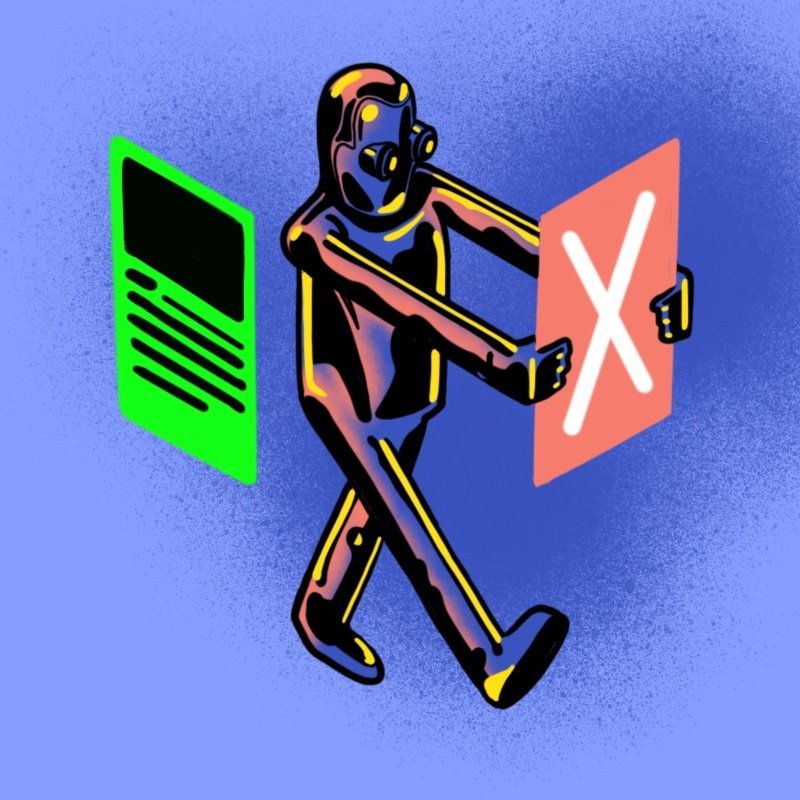
DEEPFAKE
What IS IT ?
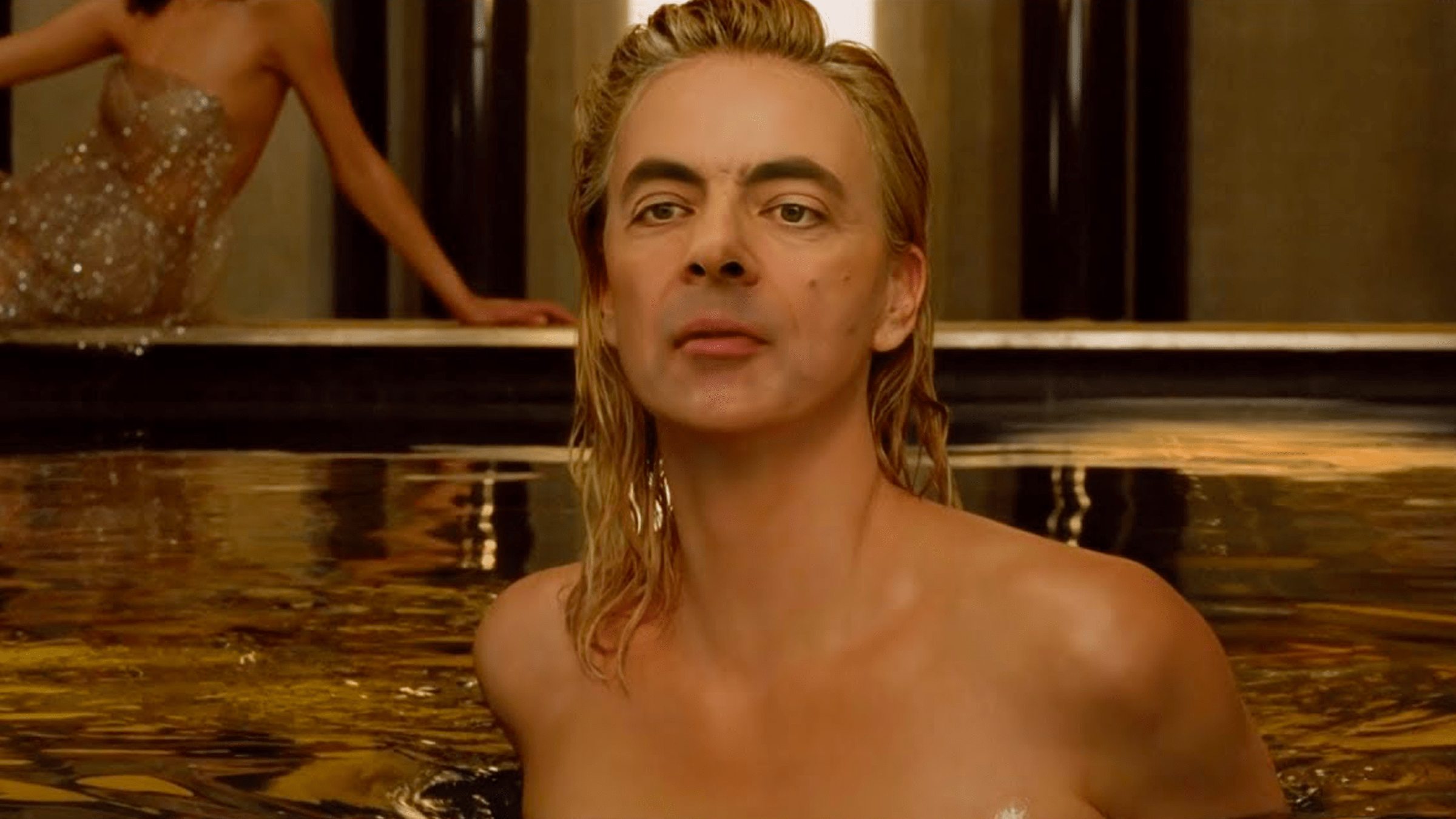
DEEPFAKE
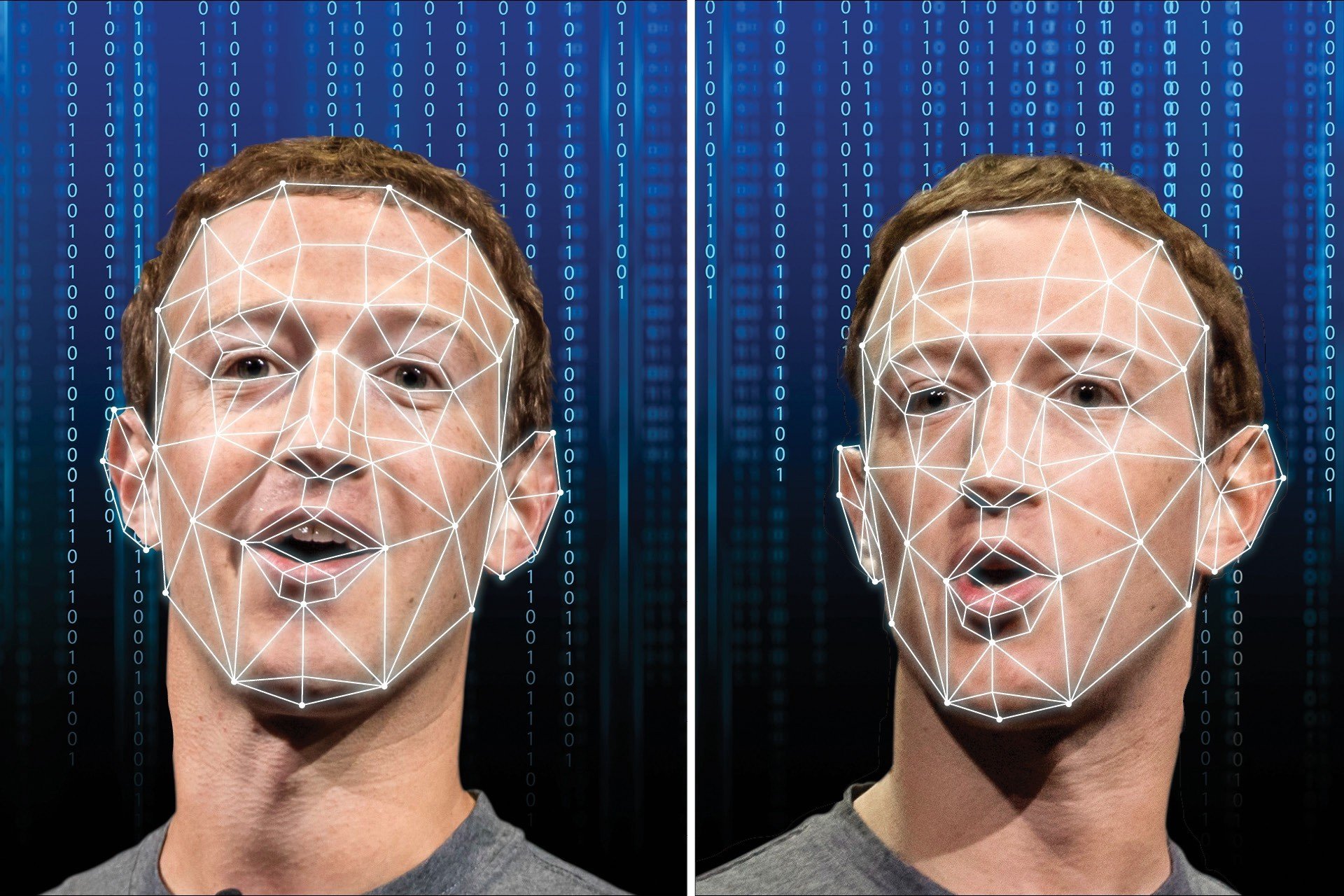
WHY IS IT SO DANGEROUS ?
WRITE FAKE NEWS
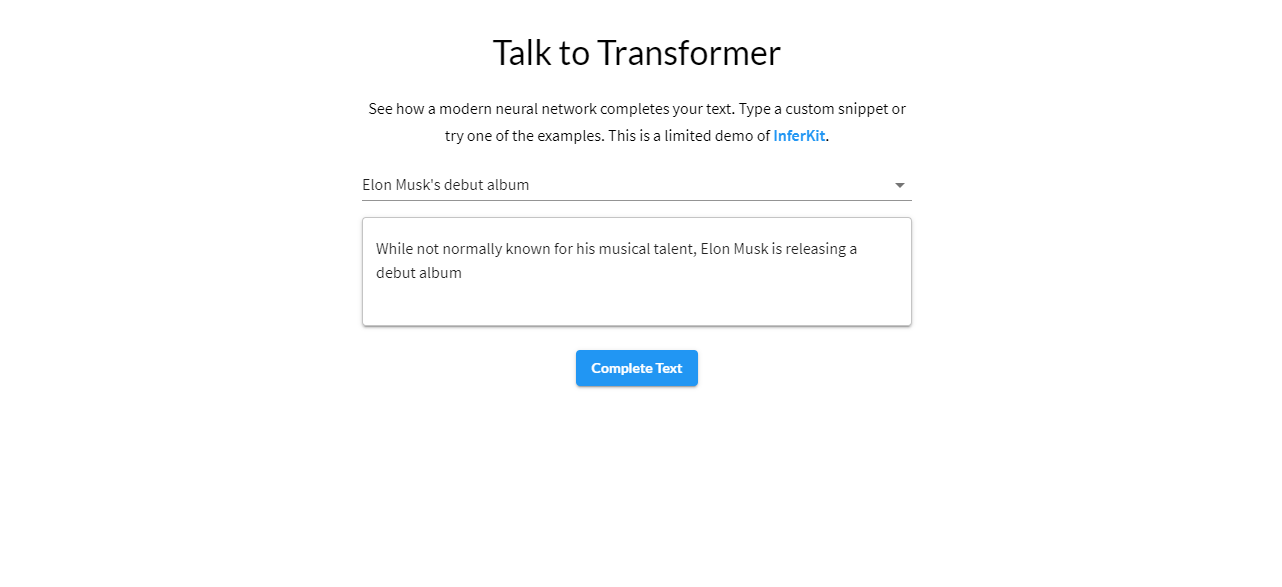
They began with the first sentence of the story:
CHINESE SEARCH ENGINE SOGOU IS CREATING ARTIFICIAL INTELLIGENCE LOOKALIKES TO READ POPULAR NOVELS IN AUTHORS' VOICES.
Here's what the text generator created :
According to the researchers, this method of reading is not just the brainchild of Amazon Kindle users. Users of Android devices are also a notable market for fake reading. There are several theories to explain this.
Firstly, the device in a user's hand is different from the tablet or computer they are reading on. Secondly, the device used to access the Internet might be tampered with in some way. A third reason is the user may just copy and paste content directly into their virtual characters.
However, another explanation is that the device does not have voice recognition capabilities at all. If this is the case then voice recognition is more advanced than Google's translation engine. As such, these users are tricked into thinking they are reading from a real author - the book is made to sound authentic as soon as they try and read.