SCRUM OVERVIEW
Scrum Fundamentals
- Ceremonies
- Scrum Roles
- Process overview
- Release Plan
- Self-organizing teams
- Benefits
- Shu Ha Ri
Index
-
Identity: Team Name
-
Team Norms
-
Definition of Ready
-
Definition of Done
-
Servant Leadership
-
Escalating Risks
-
Accountability
-

BENEFITS OF SCRUM
- Quicker release of useable product to users and customers.
- Higher user satisfaction.
- Higher quality.
- Higher productivity.
- Focus on generating value
- Lower costs.
- Happier teams, higher morale
- Greater ability to incorporate changes as they occur.
- Being able to complete complex projects faster and predictably.
Scrum Values
- Commitment
- Focus
- Openness
- Respect
- Courage
-
Self-organizing
-
Stable and long-lived
-
Cross-functional
-
Embody scrum core-values
-
Have a team identity
-
Empowered and motivated
-
Team members are not spread across teams
-
Supported by management and executives
The Most Successful Scrum Teams are





Team identity
Team members come up with their own team name
Nothing to do with the project or initiative
Not created by management or a lead
Stable Teams
Stable teams are usually higher performing than new teams or changing teams.
TUCKMAN MODEL:
Form, Storm,
NOrm, PERFORM, ADJOURN
1 - FOrming
Team comes together. Usually a time of great positivity.
2 - STORMING
Getting used to each other, establishing roles. This is a point where the team is most likely to have conflict.
3 - NORMING
Team members begin to work together effectively. Trust develops. More cohesion as people find ways to work together, despite their differences.
TUCKMAN MODEL:
Form, Storm,
NOrm, PERFOM, ADJOURN
4 - PERFORMING
Team members are confident and motivated. Understand each other's strengths and weaknesses. The team is doing its best work. Not every team makes it to this stage.
5 - ADJOURNING
Project ends, teams disband
Self-Managing
Team members are closest to the information
Teams make the decisions
Accountability
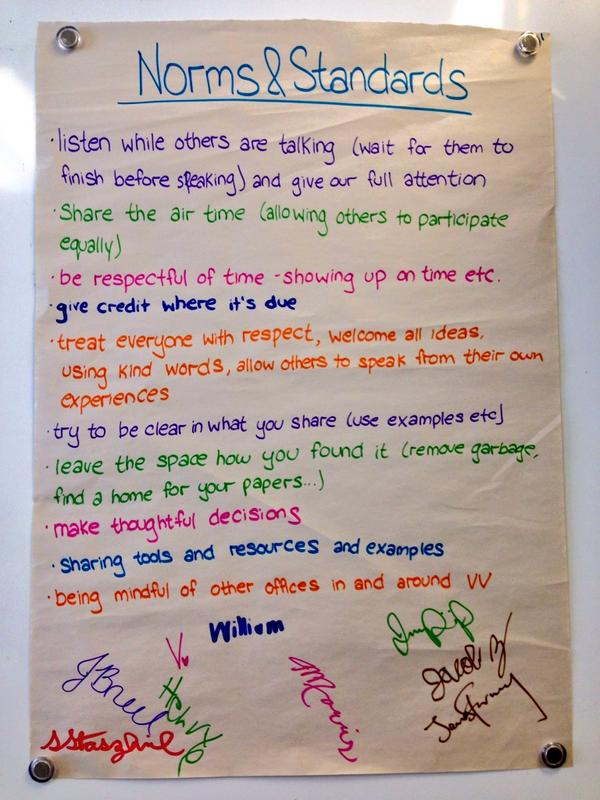
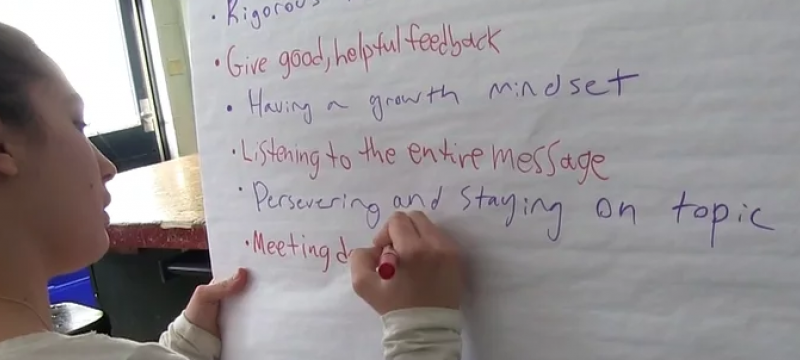
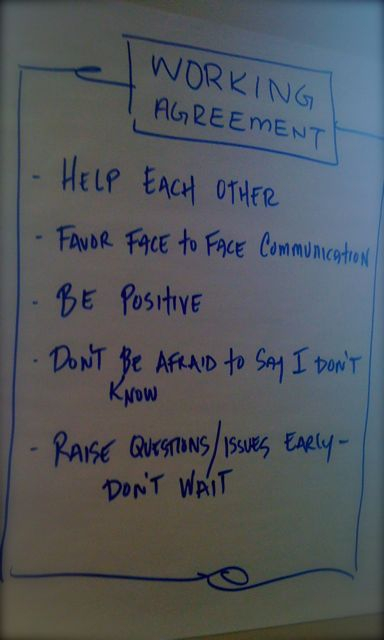
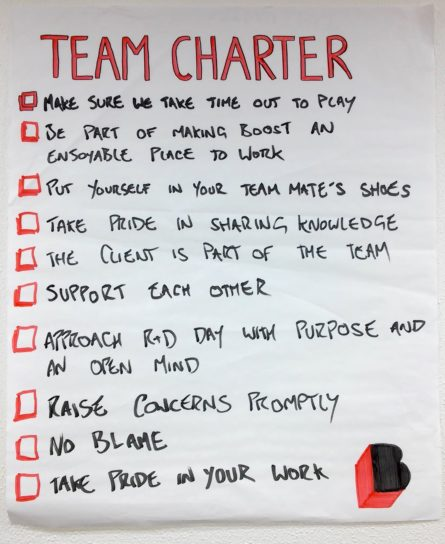
Team Norms
Team working agreements.
Teams create their expectations and standards for working together.
Agreed upon by all members of the team.
Transparent and open
Referred back to often
Revised regularly
DOR
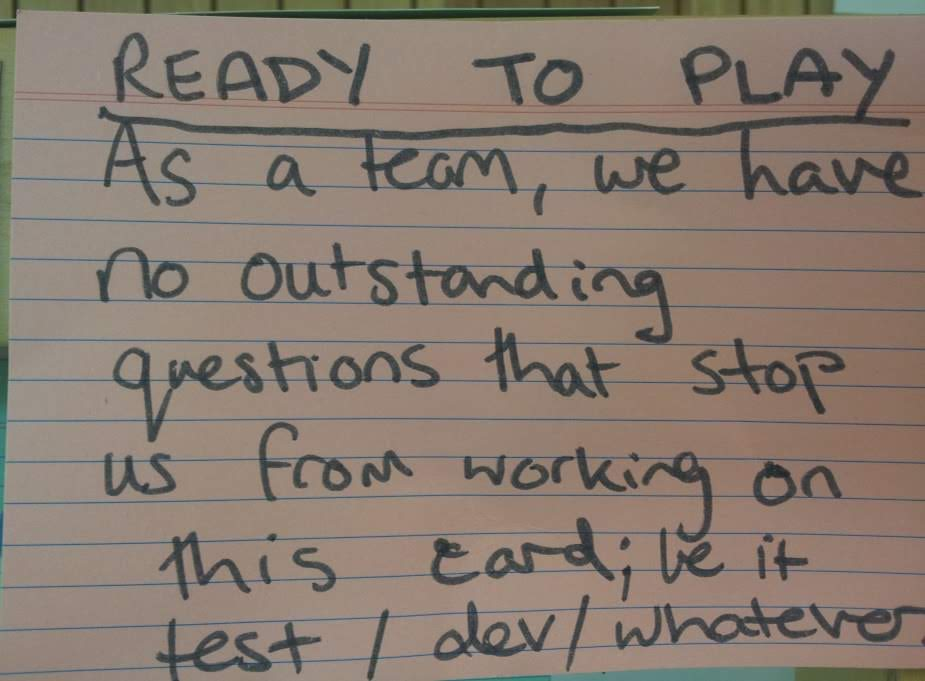
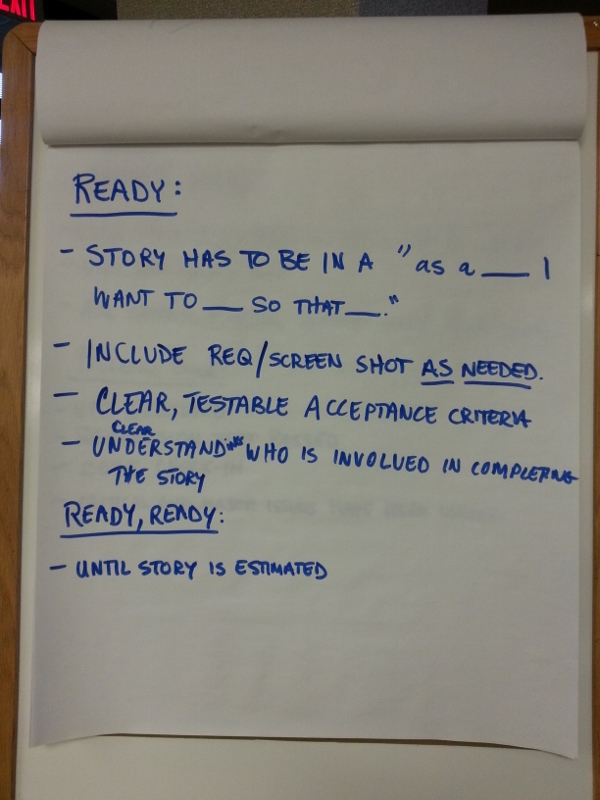
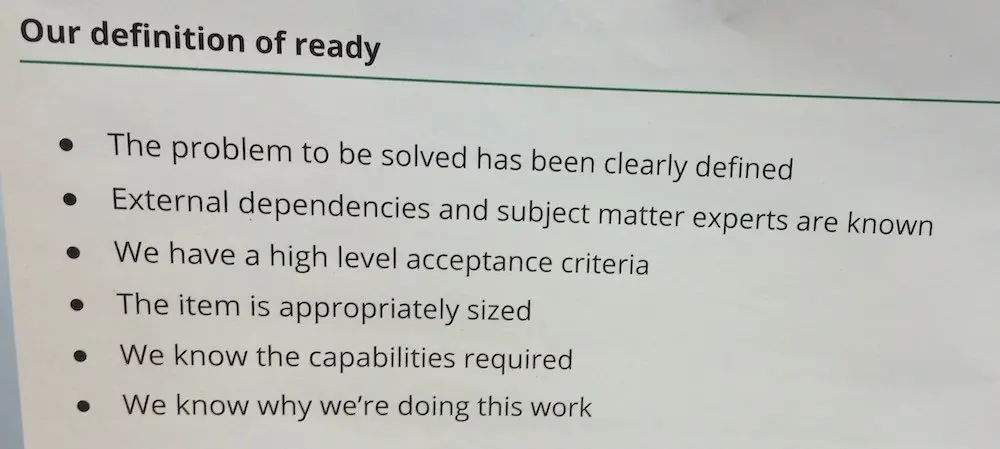
Definition of Ready
Team's definition for when a Jira ticket is ready to pull into a sprint.
Ticket's should not come into the sprint if they don't meet the team's definition of ready.
DOD
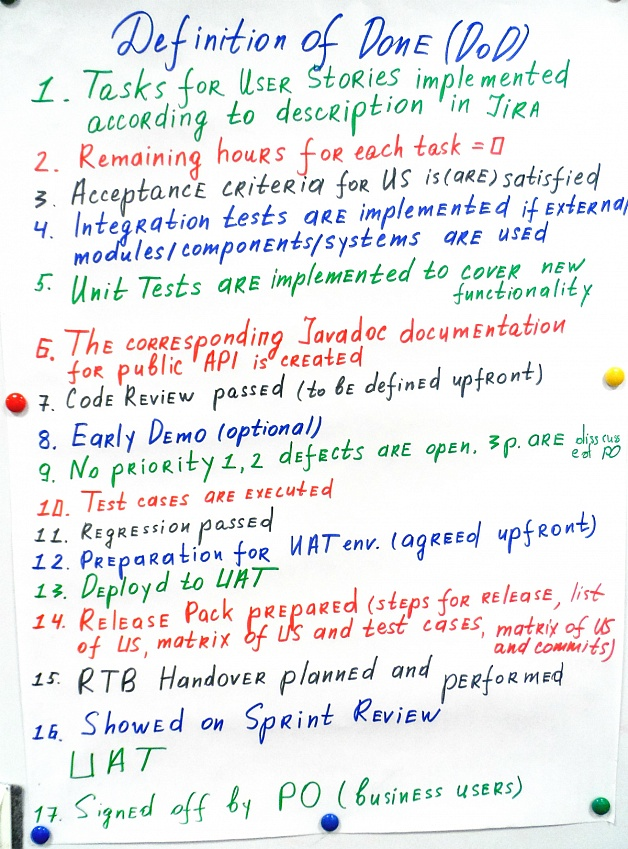
Definition of Done - what "done" means
Team's definition for when a Jira ticket is considered done for a sprint.
Examples:
- Code Reviewed
- Test Scripts created/updated
- Unit tests
- Sequence diagrams in Lucid
- Demo to product owner
- Ticket status updated in Jira

Agreed STANDARDS
Agreeing, documenting, referring to, and revising Team Norms, DOR, and DOD empowers teams to make decisions.