
💧 River Data for Tomorrow, Today
Previous Relevant Presentations
Intoto Islands 🏝
Intoto Beta
Purpose of the Presentation
A look at the tech & "under the hood"
Specific use cases using the tech
Showcase what sets Intoto apart
Our guiding principles
Where we are going
1. Introduction
2. Technical Overview
3. Use Cases
4. Differentiation
5. Security and Scalability
6. Roadmap and Future Plans
7. Achievements and Traction
7. Conclusion (Questions and Discussion
Introduction
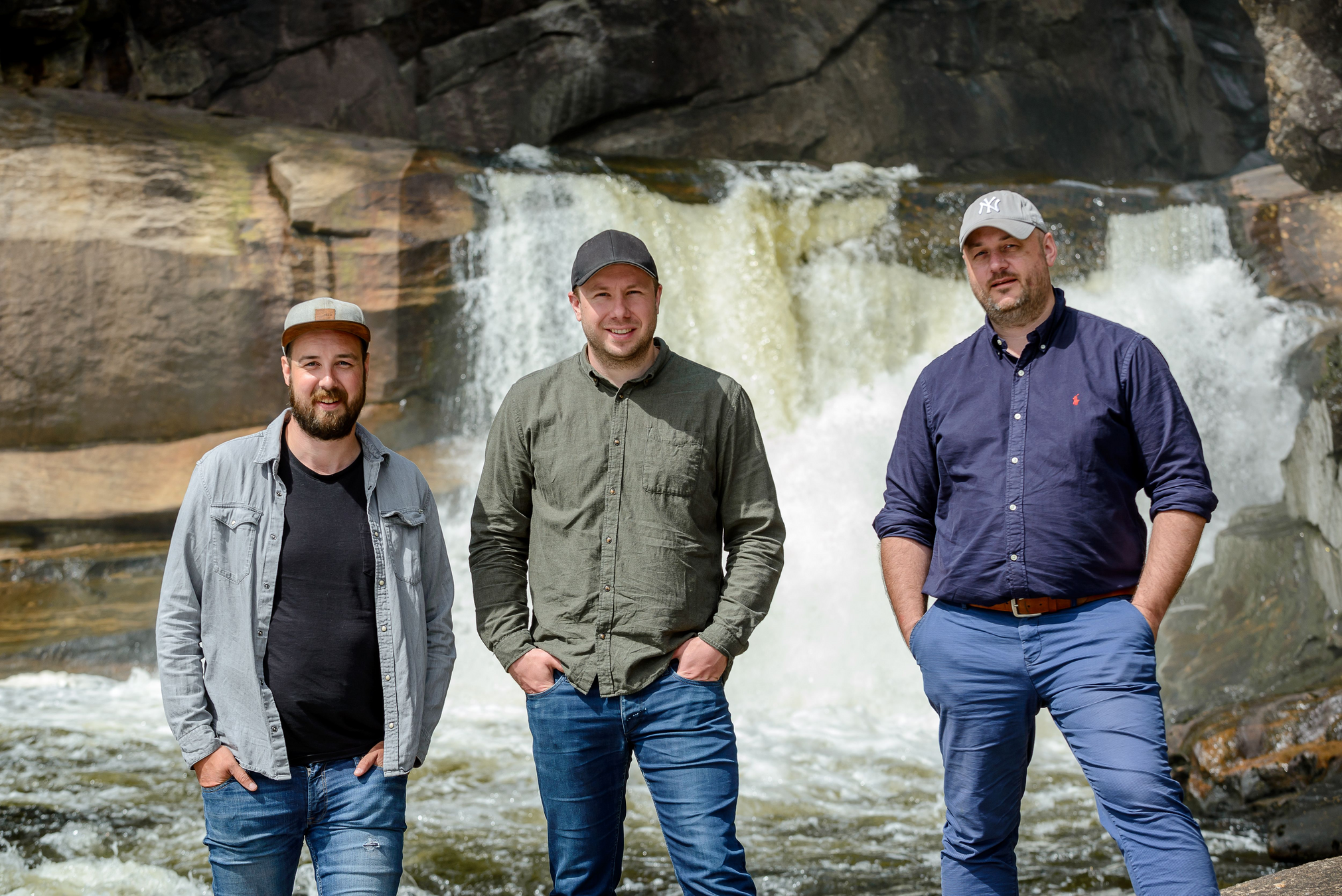
Scott Basgaard
CTO and Co-founder @ Intoto
15 Years Professional Web Development
WooCommerce
WordPress VIP
Time Inc.
Reader's Digest
Airbnb
Career Log: scottbasgaard.com
🇺🇸 🇳🇴
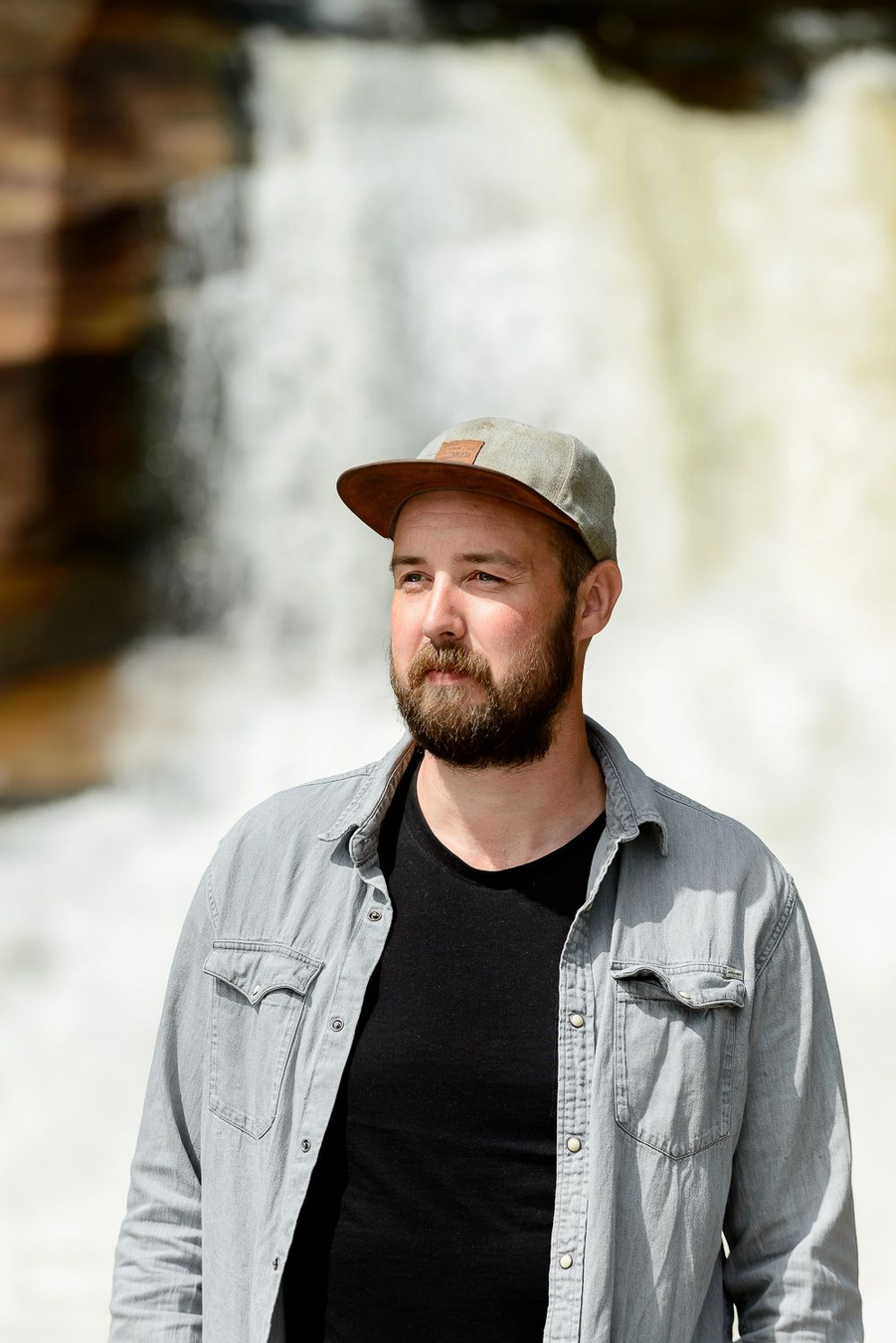
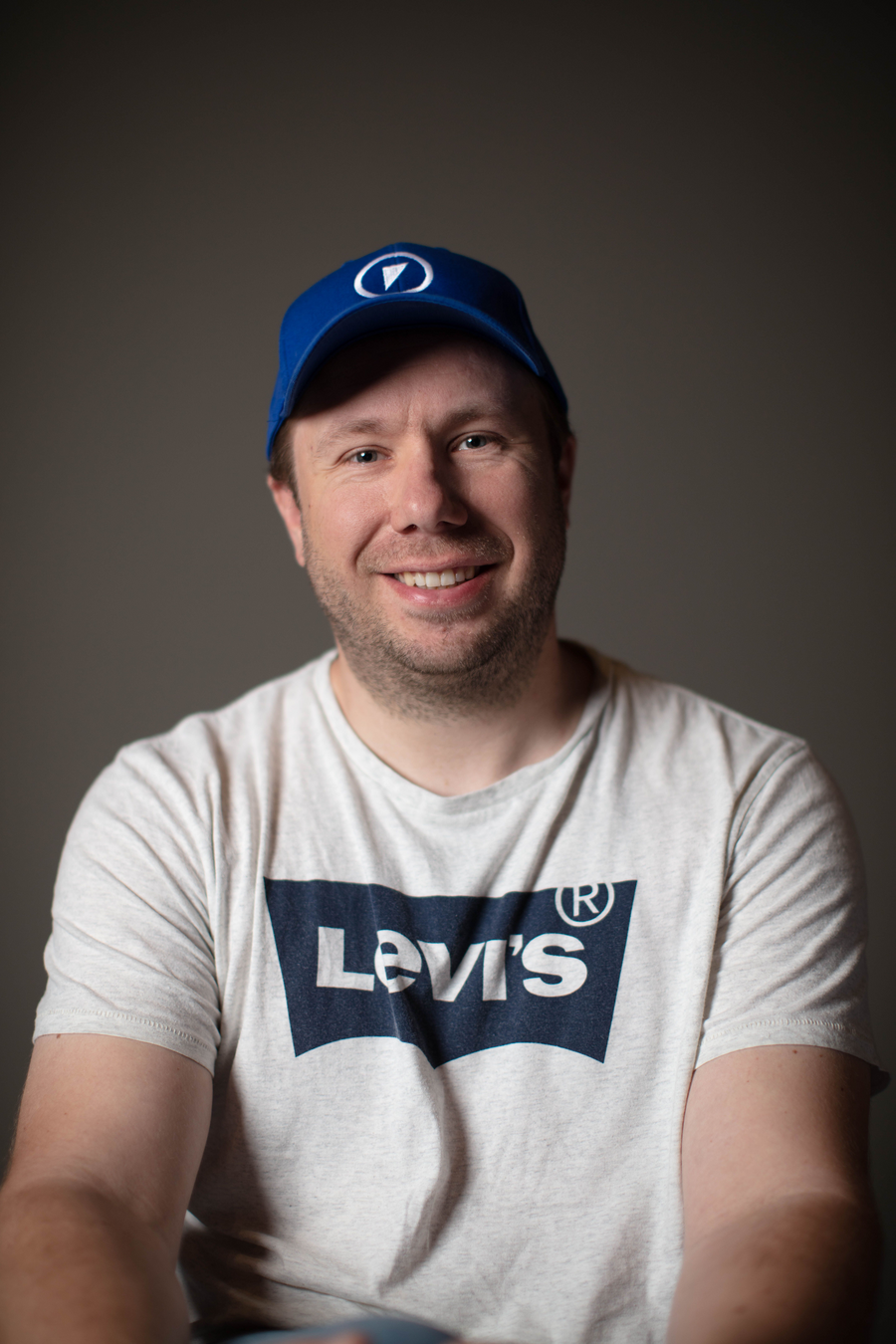
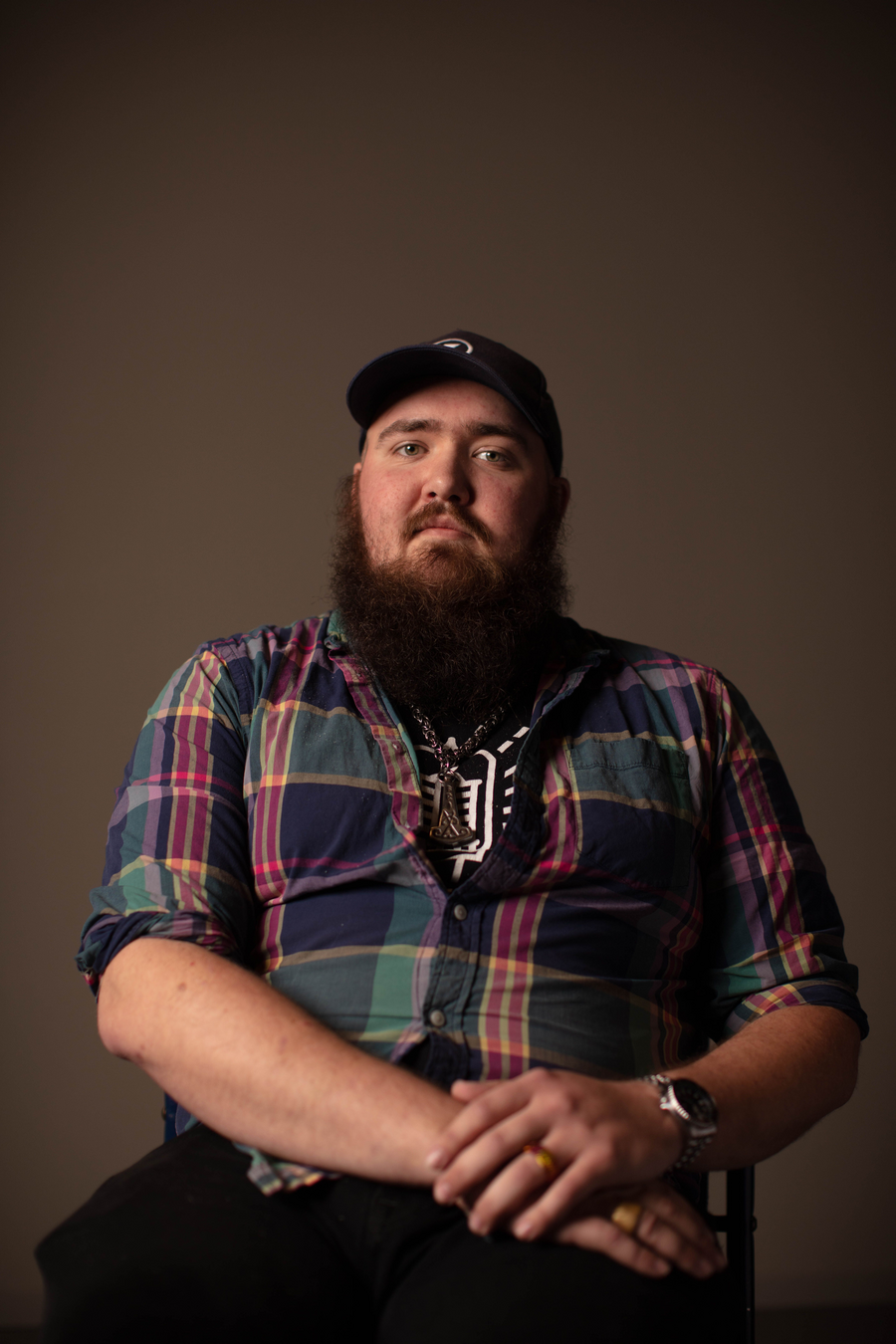
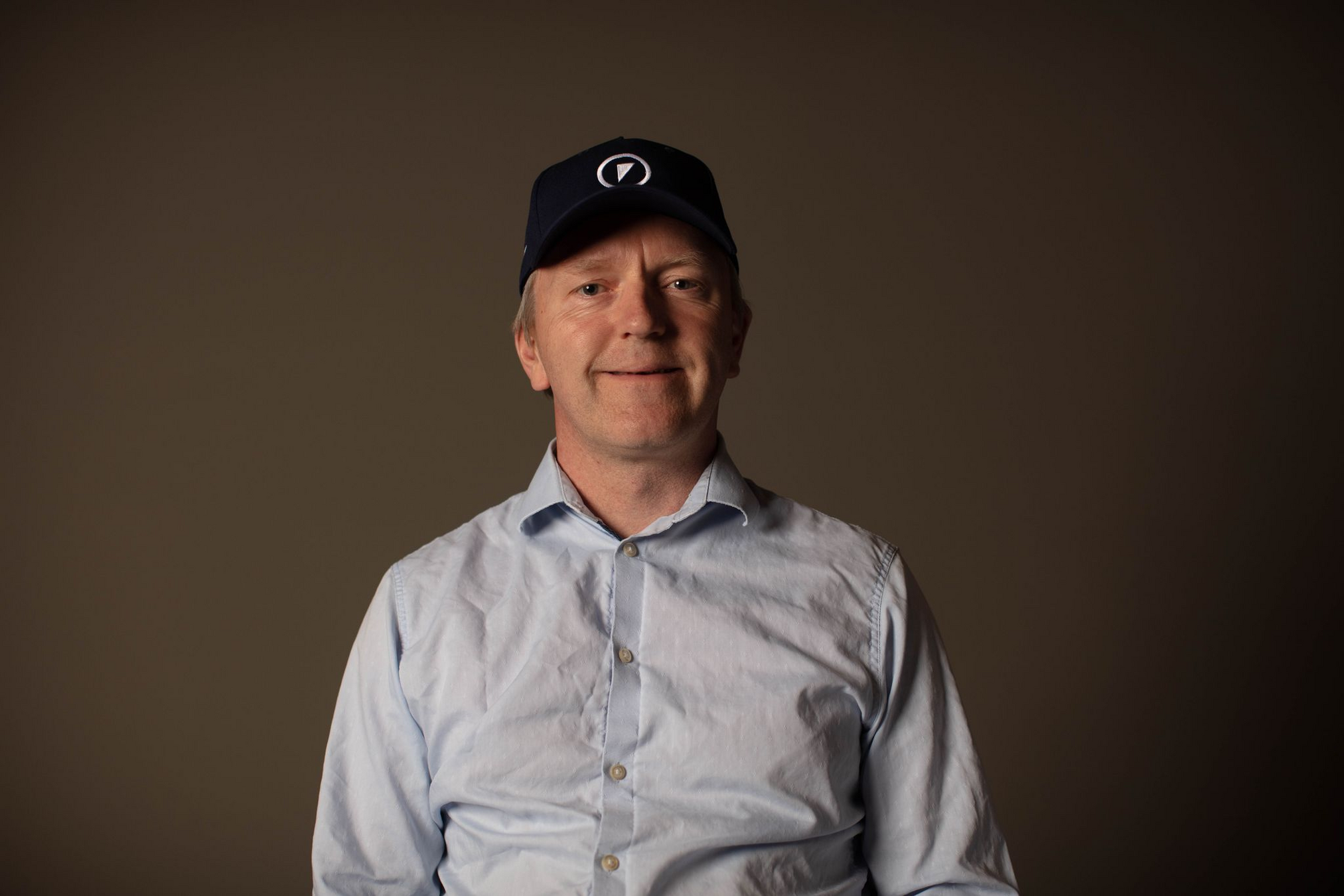
A Strong and Experienced Team








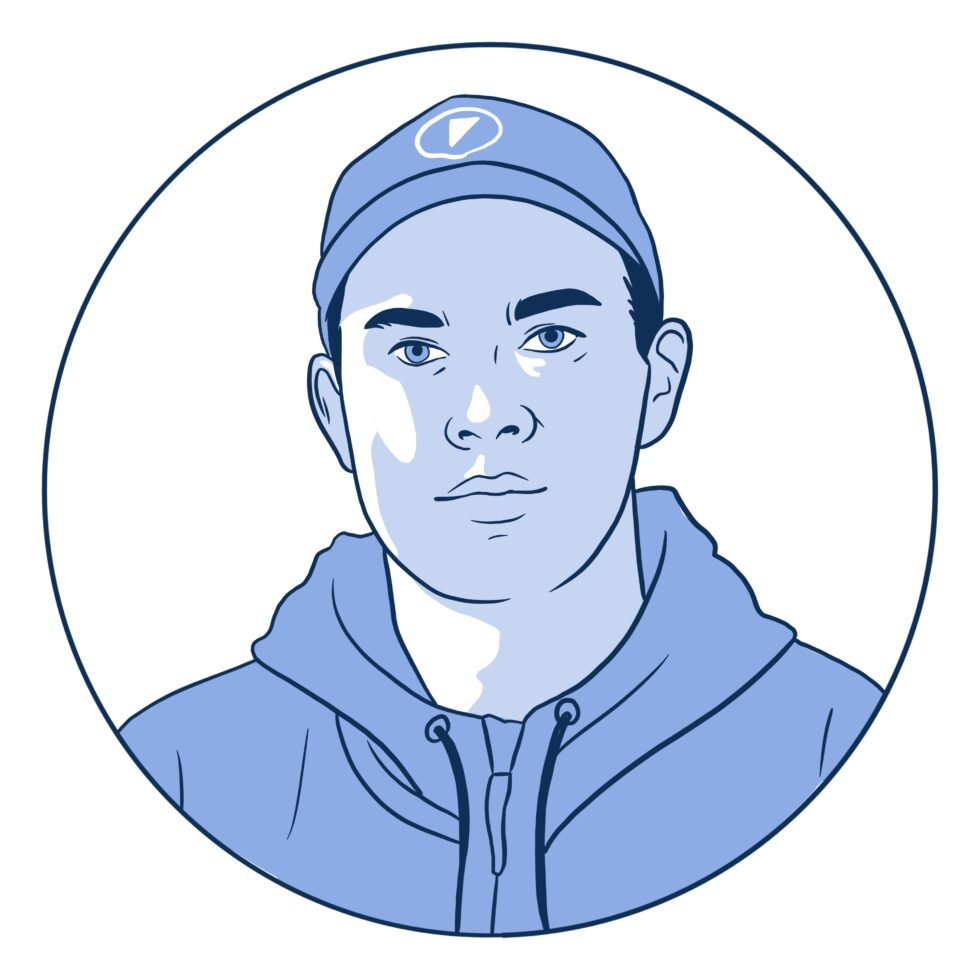
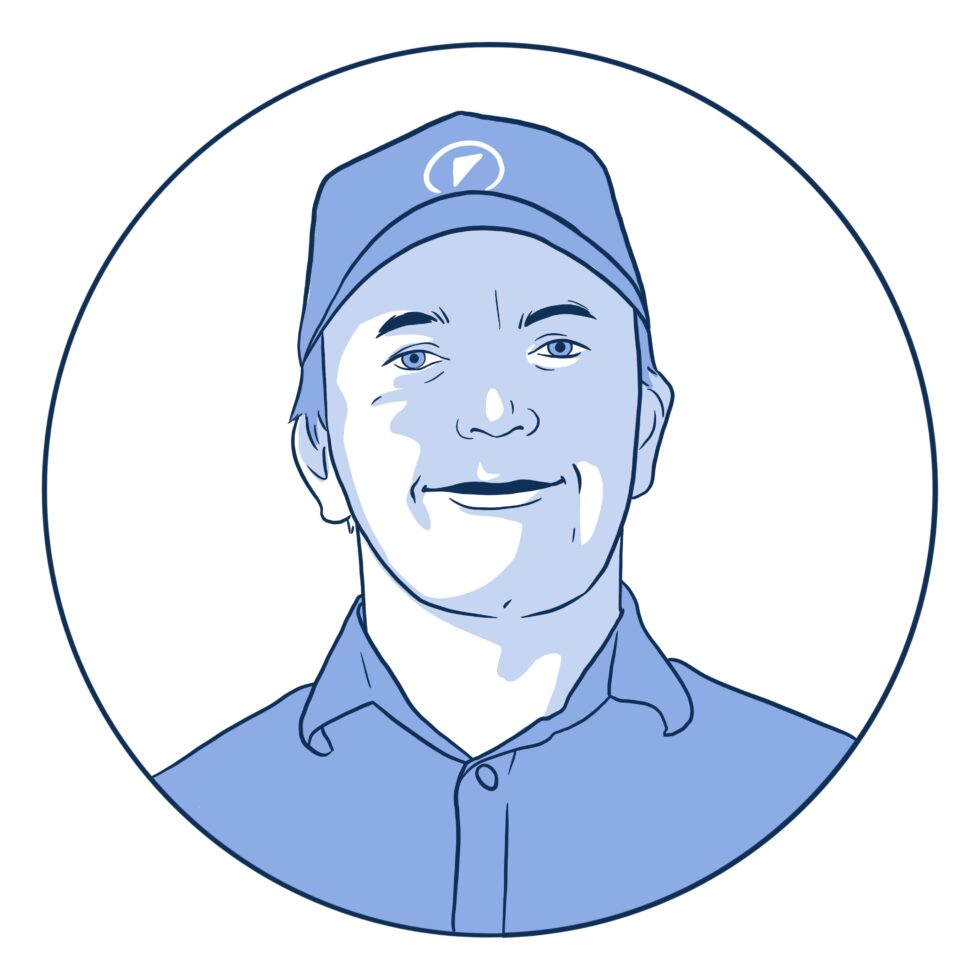
Benny Thomas
Gaya Kessler
Scott Basgaard
Richard Strømland Egeli
Morten Hauan
Ådne Stokkeland
Sveinung Egeland
Frode Aagedal
Alf Magne M. Versland
Christer Skaar
CTO
Developer
Developer
Developer
COO
Data Scientist
Developer
CEO
Project Manager
Field Engineer
Benny Thomas
Gaya Kessler
Scott Basgaard
Richard Strømland Egeli
Morten Hauan
Ådne Stokkeland
Sveinung Egeland
Frode Aagedal
Alf Magne M. Versland
Christer Skaar
Engaged Problem Solver
Engaged Problem Solver
Engaged Problem Solver
Engaged Problem Solver
Engaged Problem Solver
Engaged Problem Solver
Engaged Problem Solver
Engaged Problem Solver
Engaged Problem Solver
Engaged Problem Solver







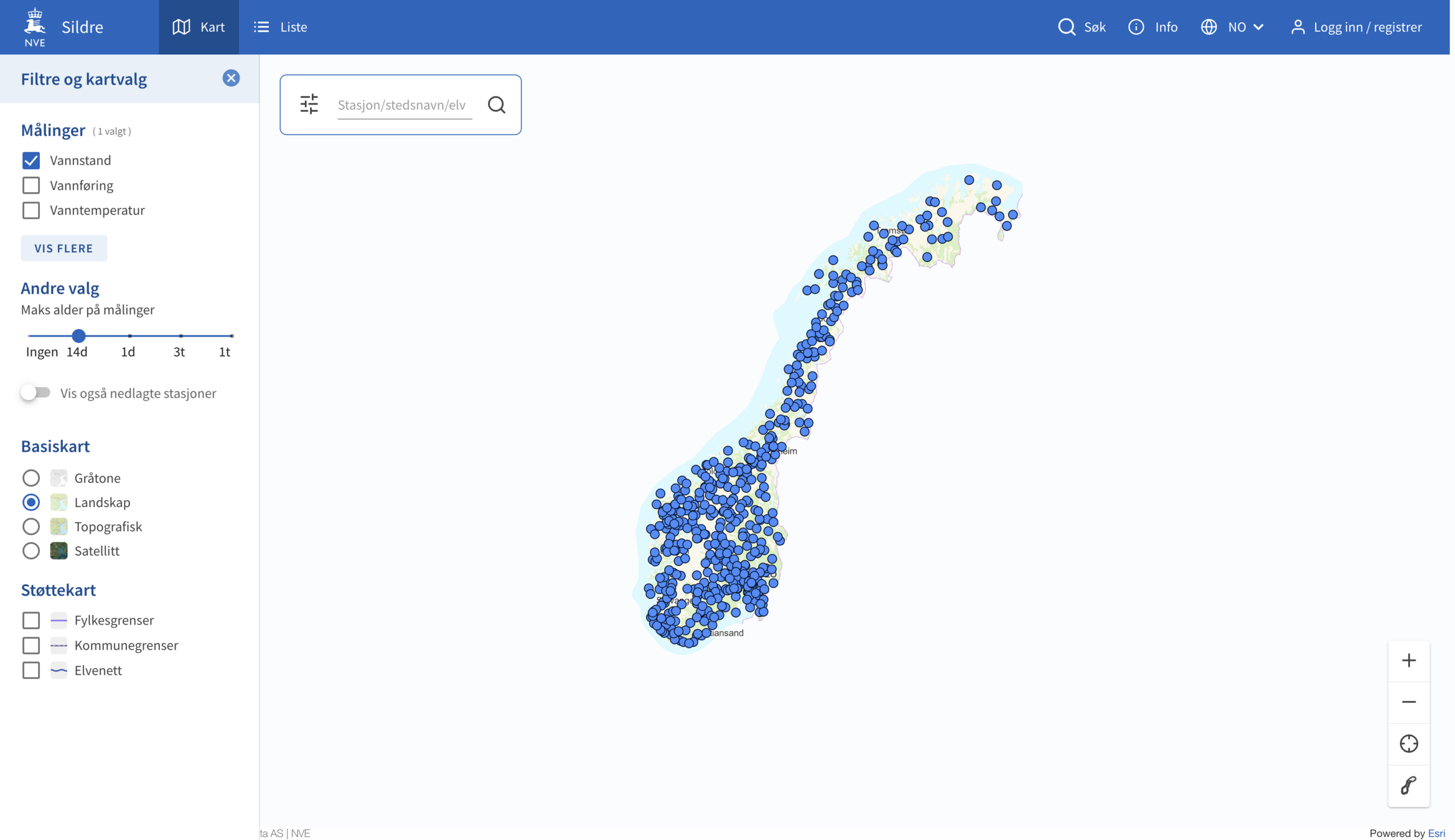
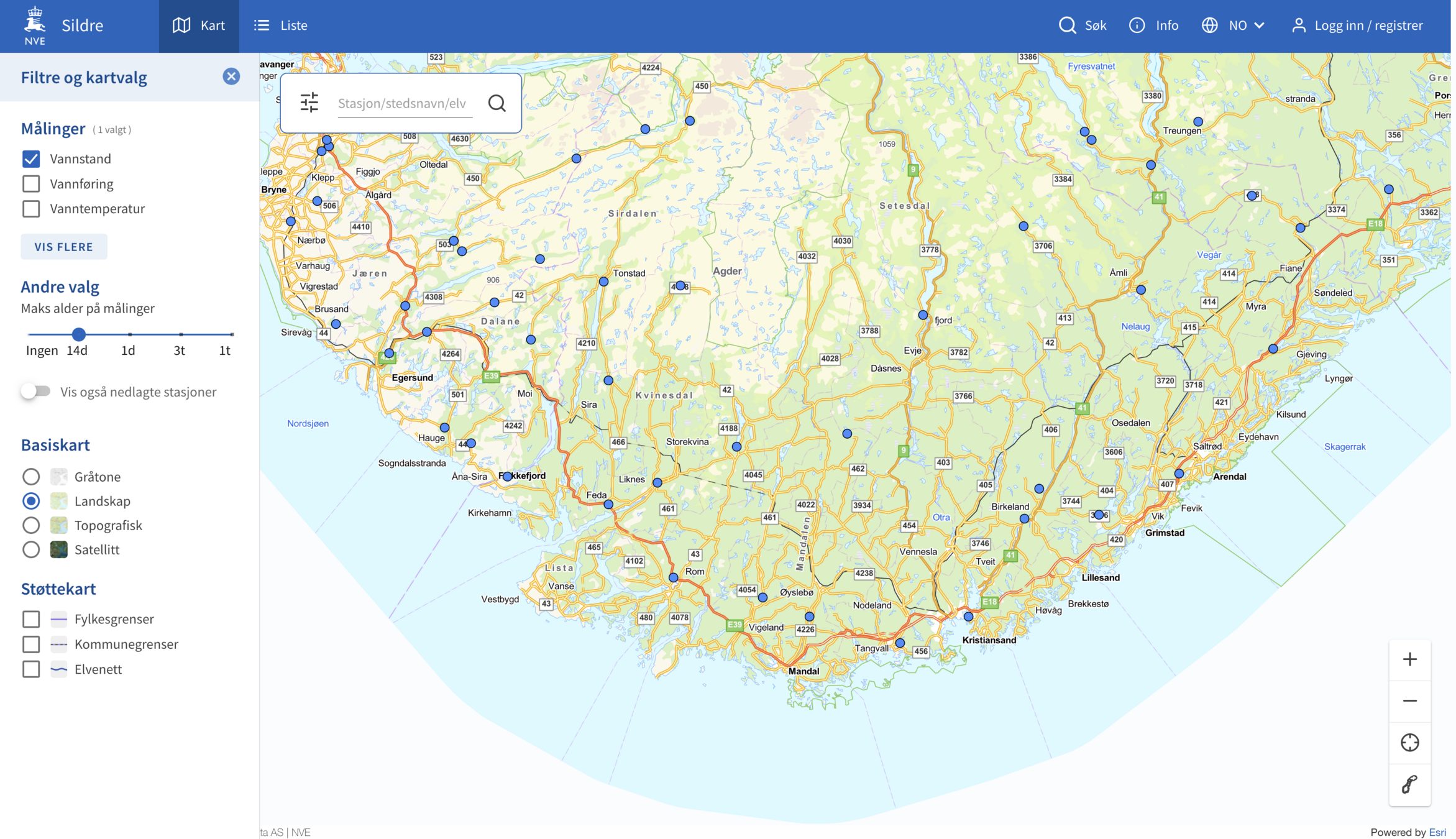
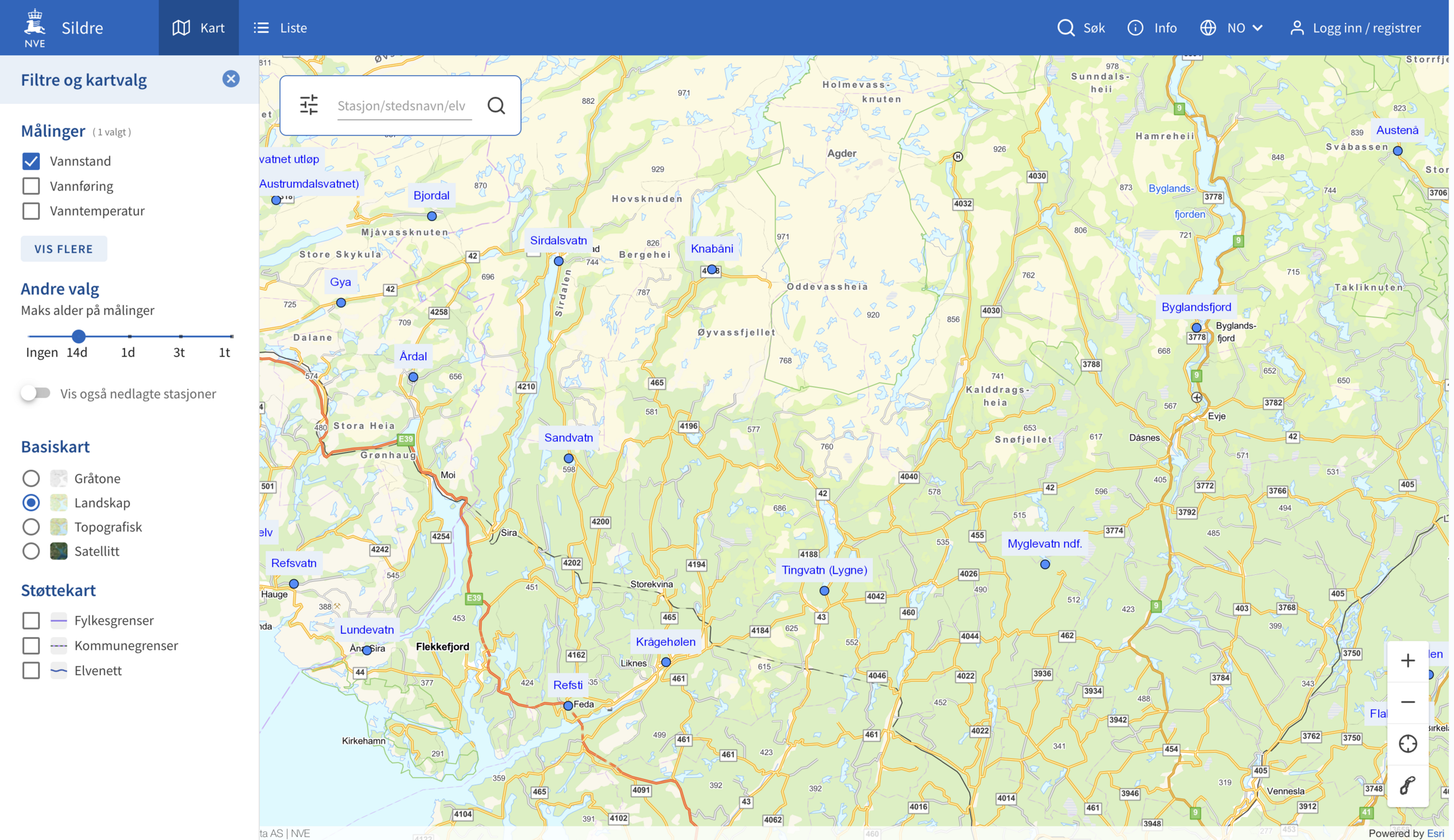
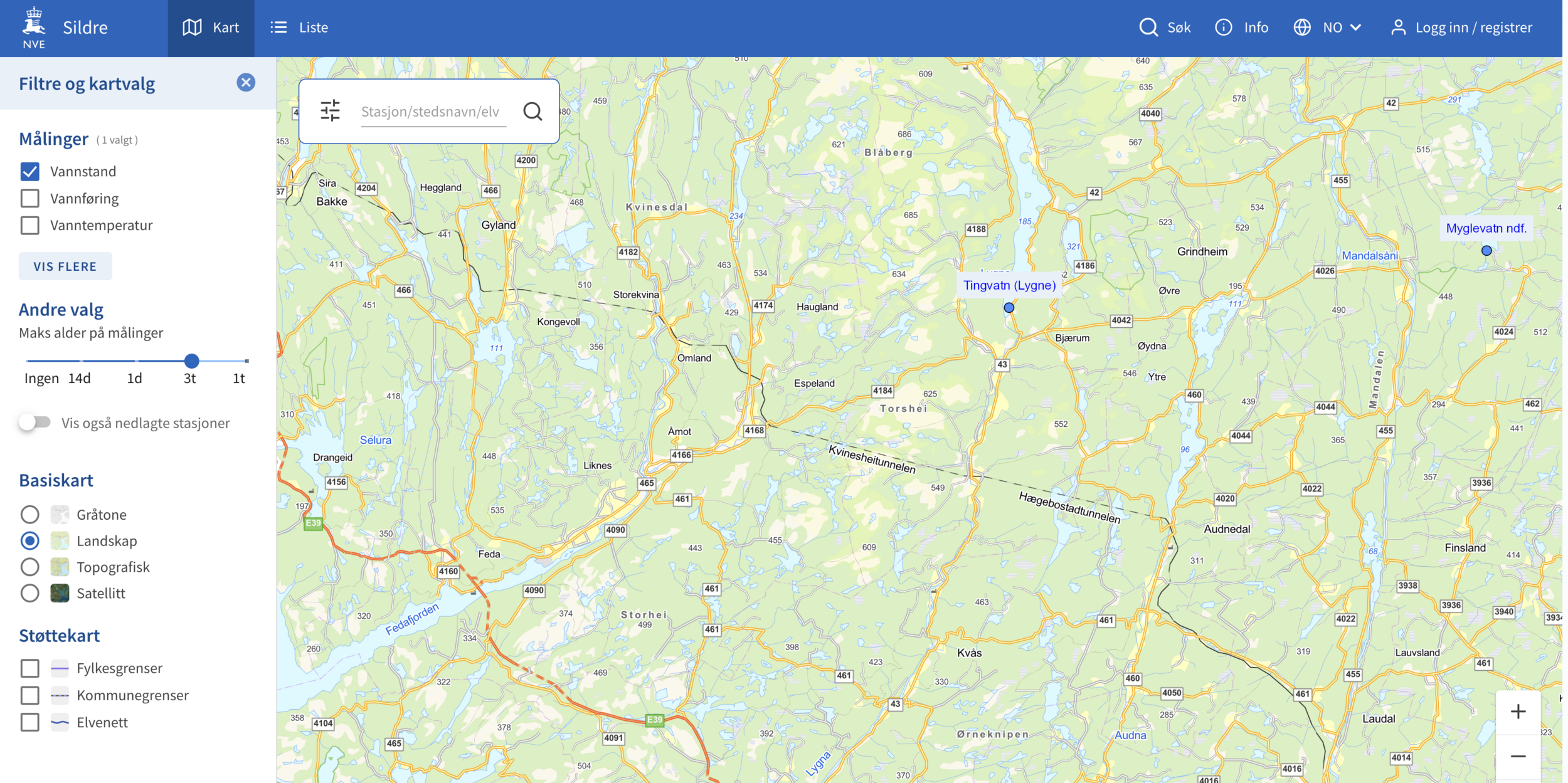
Quick Background
1. Introduction
2. Technical Overview
3. Use Cases
4. Differentiation
5. Security and Scalability
6. Roadmap and Future Plans
7. Achievements and Traction
8. Conclusion (Questions and Discussion)
Technical Overview

Quick Analogy

Quick Analogy
Both are the "same" news at the exact time the newspaper is printed.
Both are fundamentally different.
Batch vs. Stream Processing
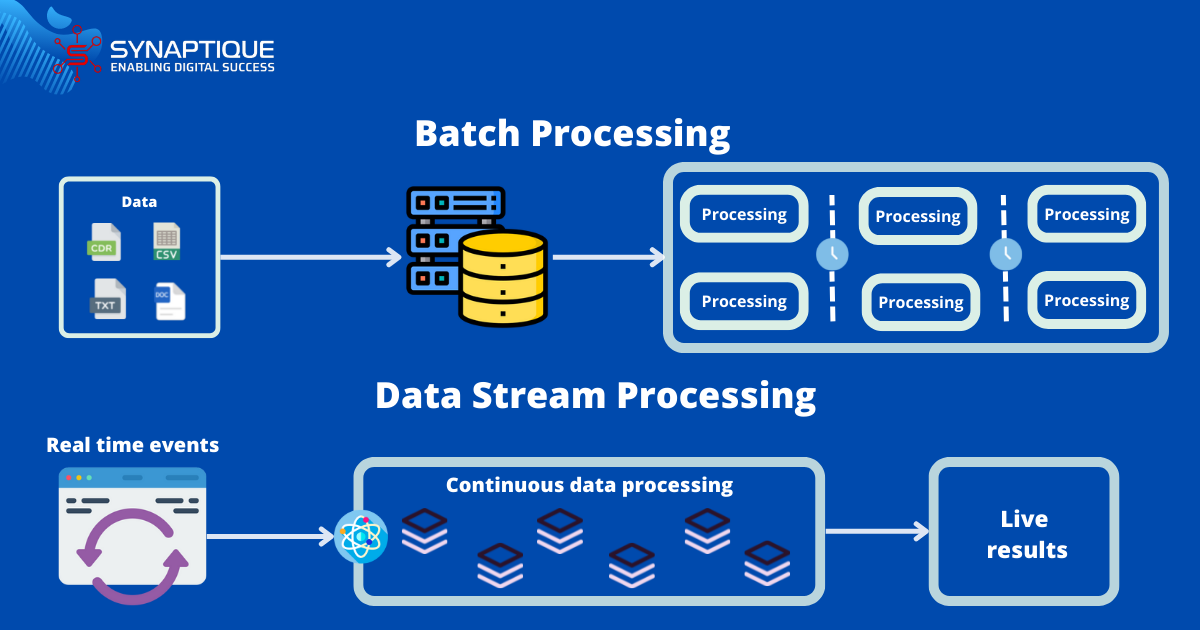
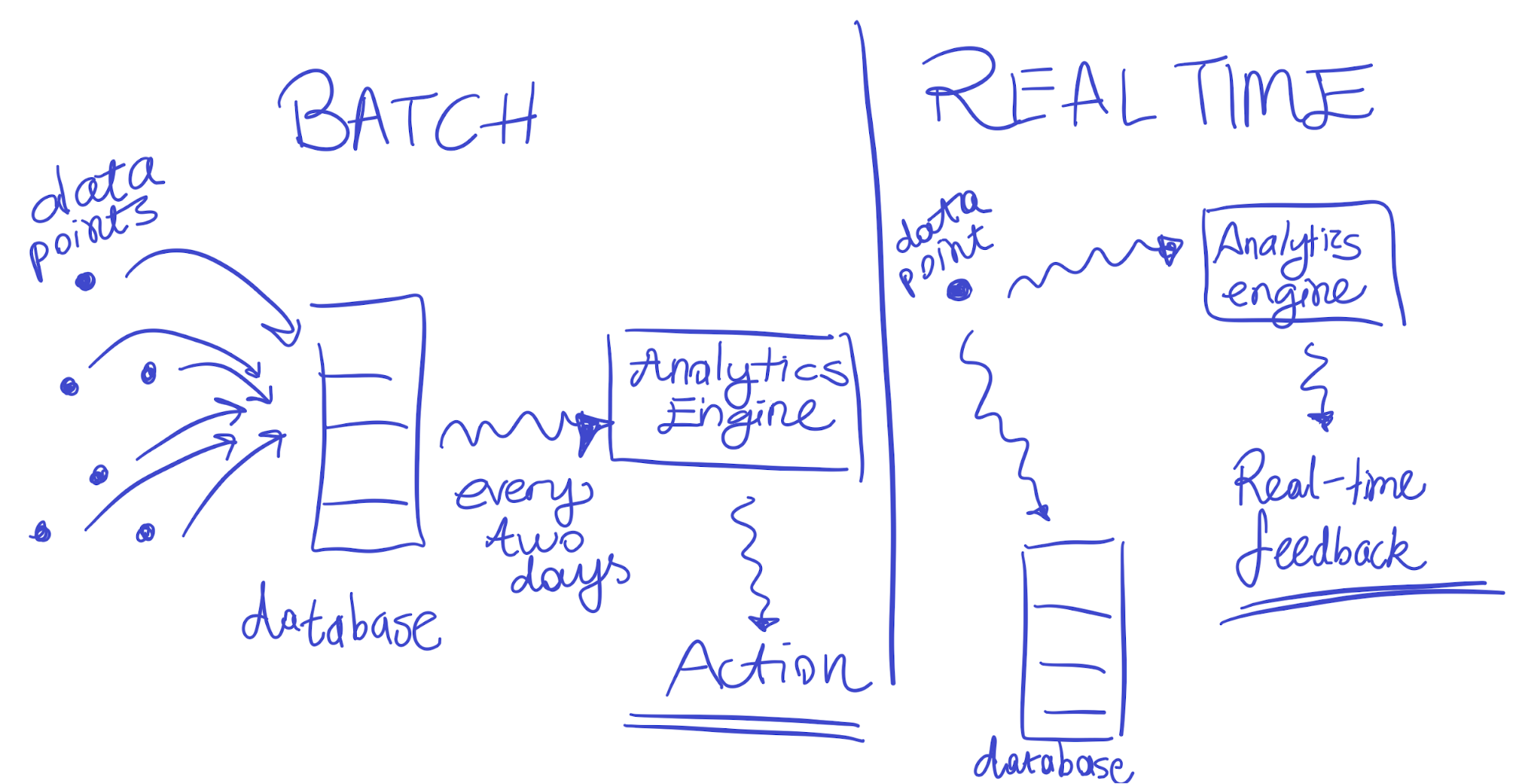
"Batch processing is a method of processing data in large volumes at once. In this approach, data is collected over a period of time, stored in a database or data warehouse, and then processed in batches. Batch processing is suitable for use cases where the data doesn't need to be processed in real-time and where it's acceptable to have a delay between the data collection and processing.
Examples of batch processing use cases include billing, report generation, and data analysis."
- ChatGPT
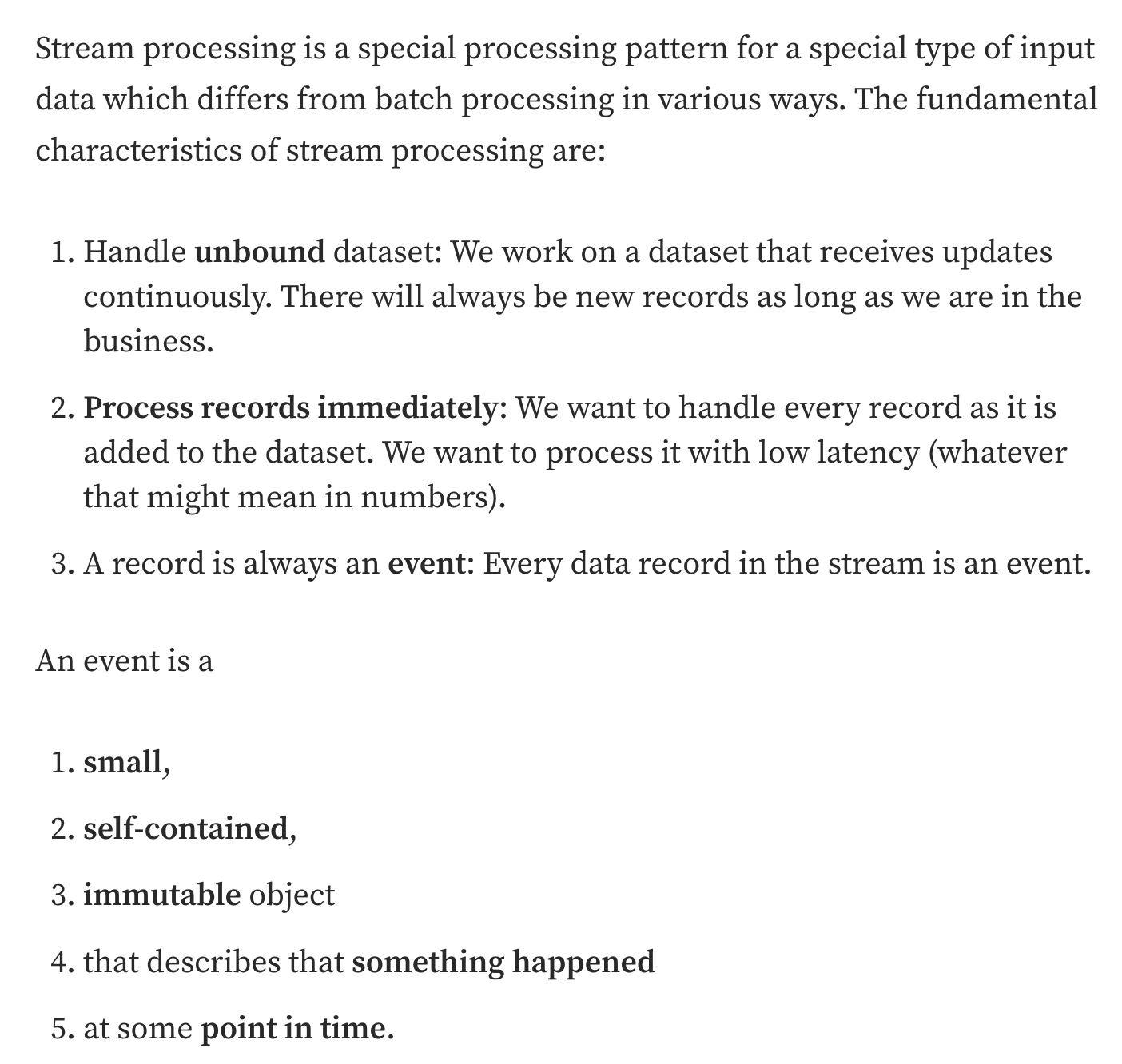
"Stream processing is a method of processing data in real-time as it is generated. In this approach, data is continuously flowing and being processed as soon as it is generated. Stream processing is suitable for use cases where data needs to be processed in real-time or near real-time.
Examples of stream processing use cases include fraud detection, real-time analytics, and monitoring of IoT devices."
- ChatGPT
- Philipp Brunenberg
Coming from various projects in the big data landscape of German companies I realize that many of the companies are facing similar problems. They have old legacy systems in place that are very good at what they where designed and built for at that time. Today, new technologies arise and new things become possible.
For example if we process our data only once a day, we have the results of yesterday’s business day available only today.
Intoto is fundamentally different.
Real Time River Data Starts Here
Not Here
Own the stack.
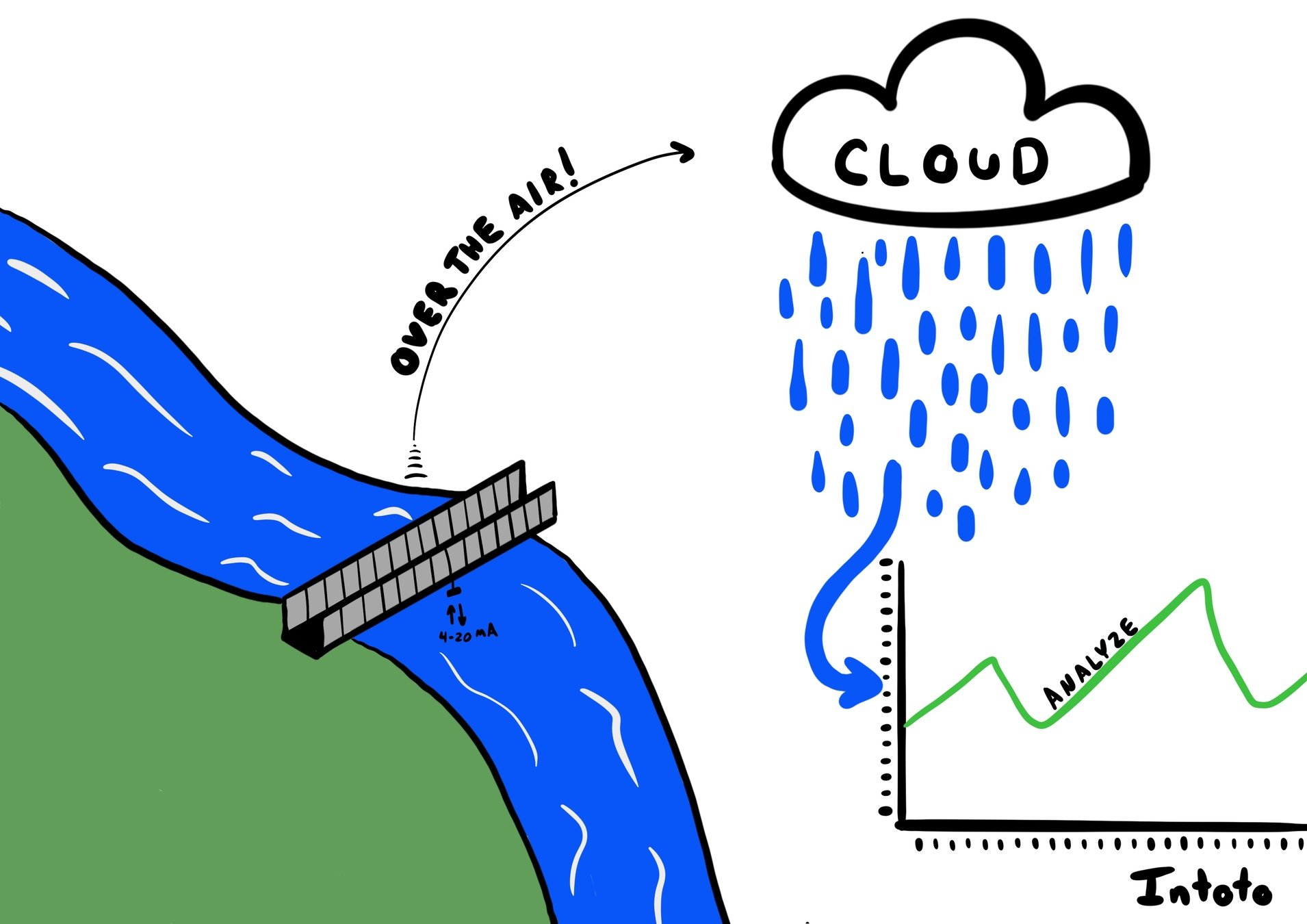
1. Data
1. Data
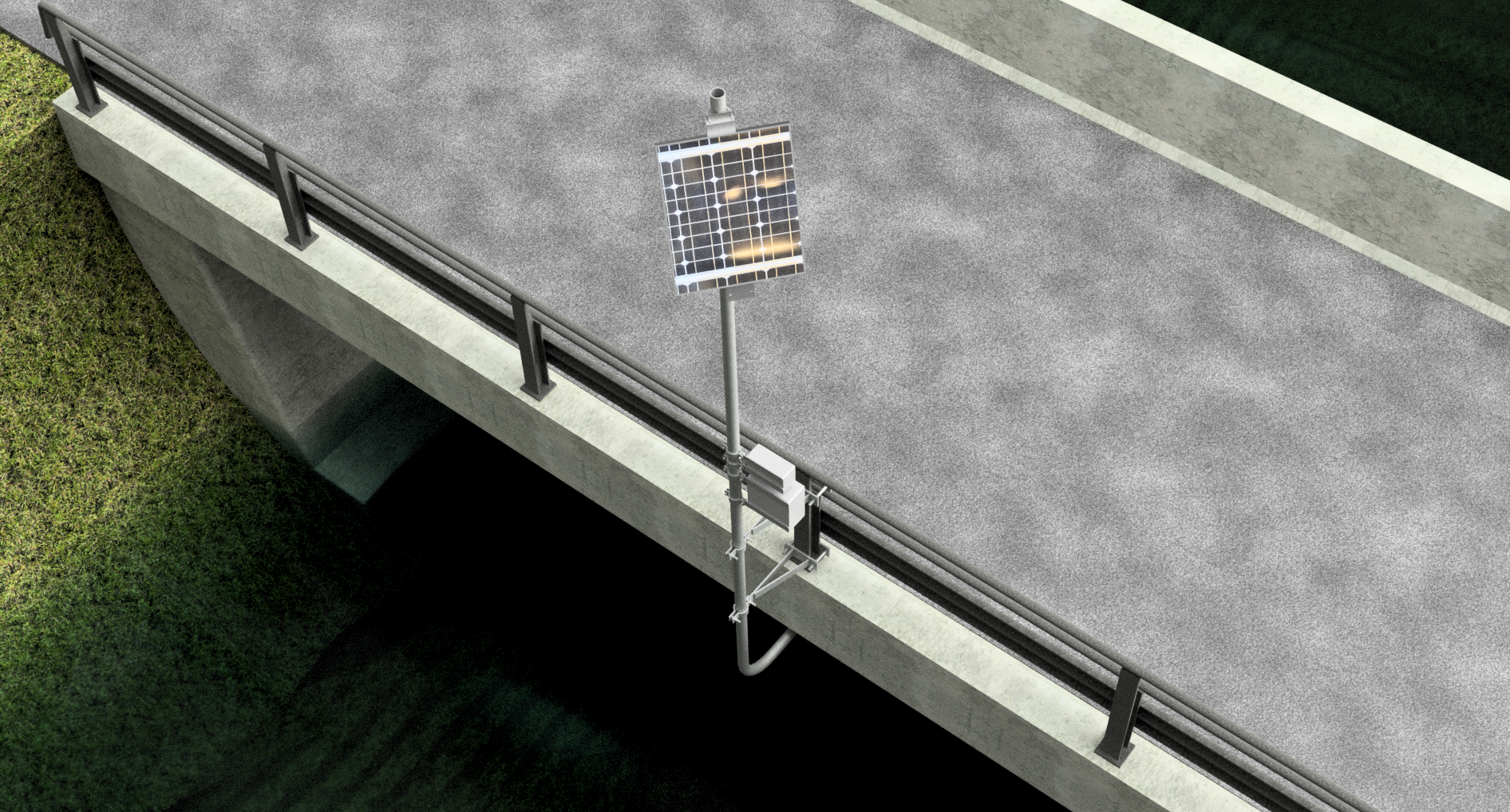
1. Data
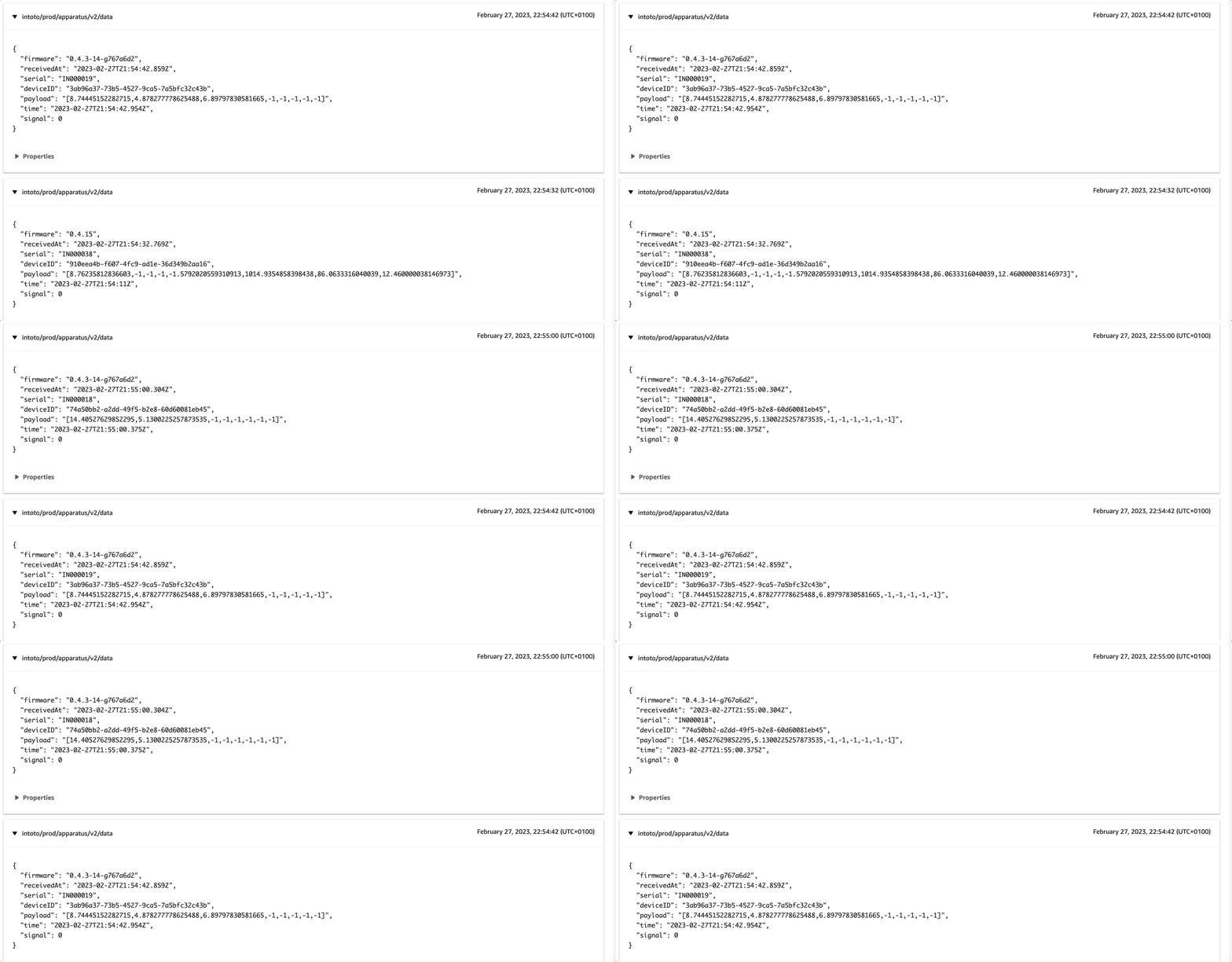
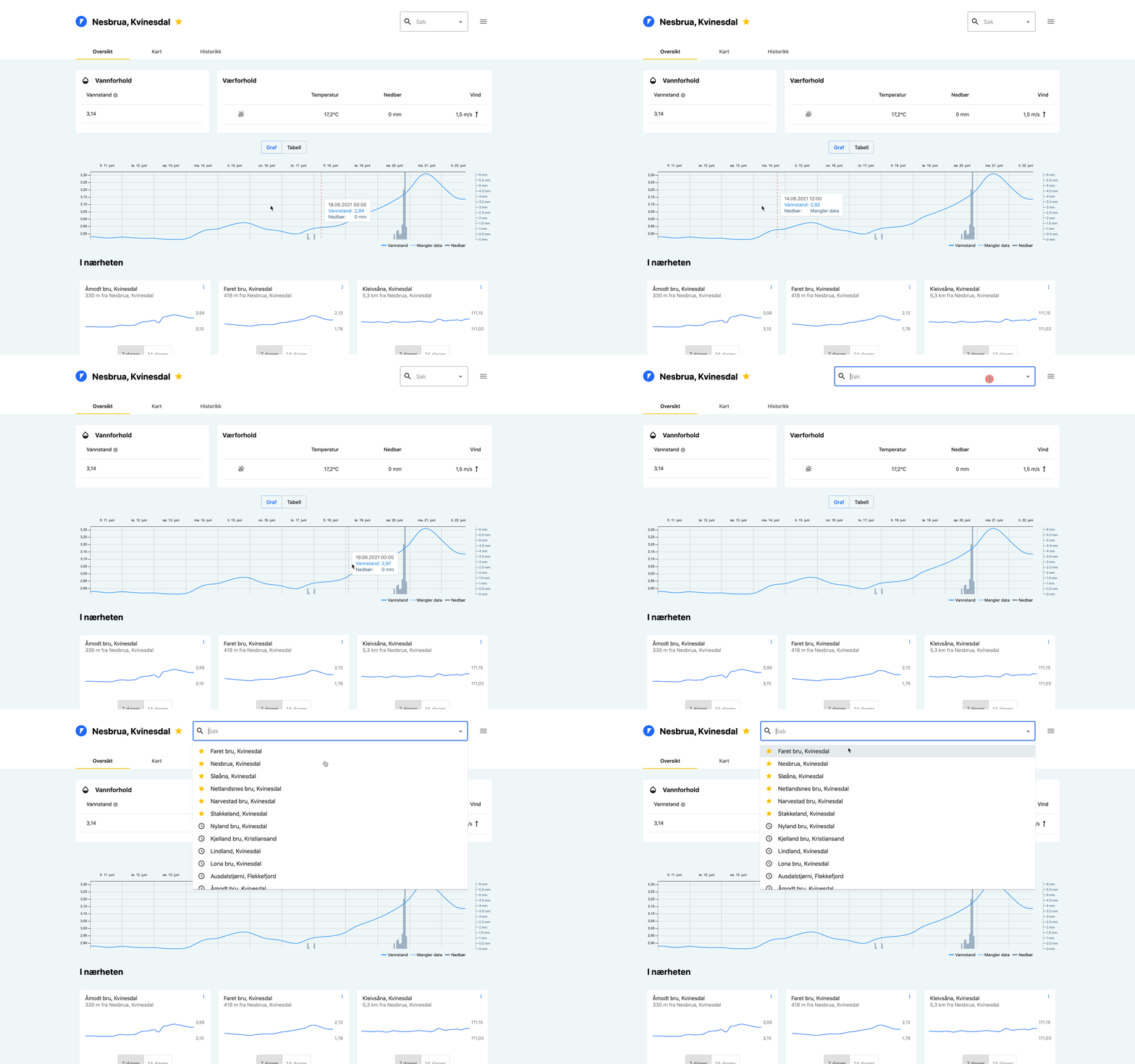
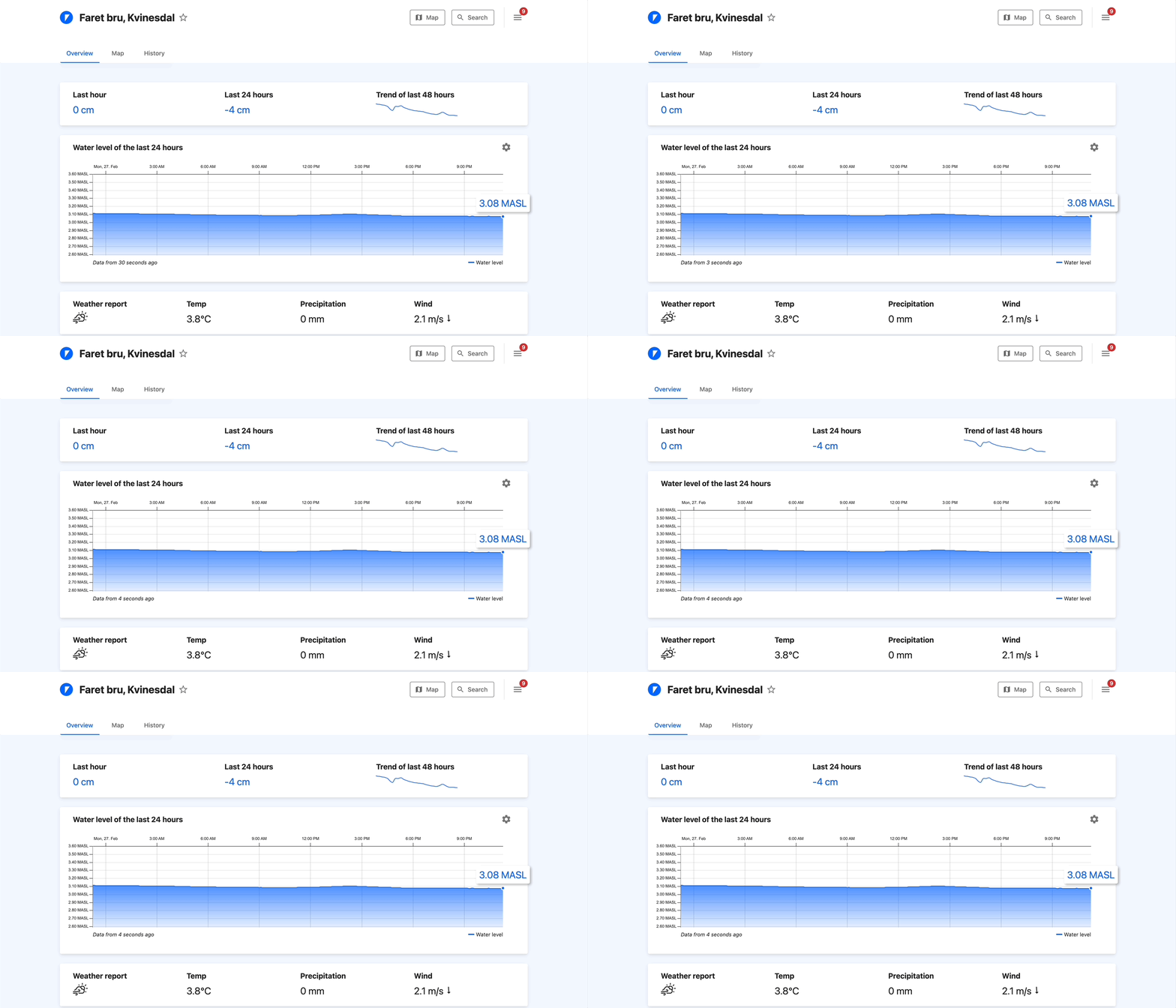
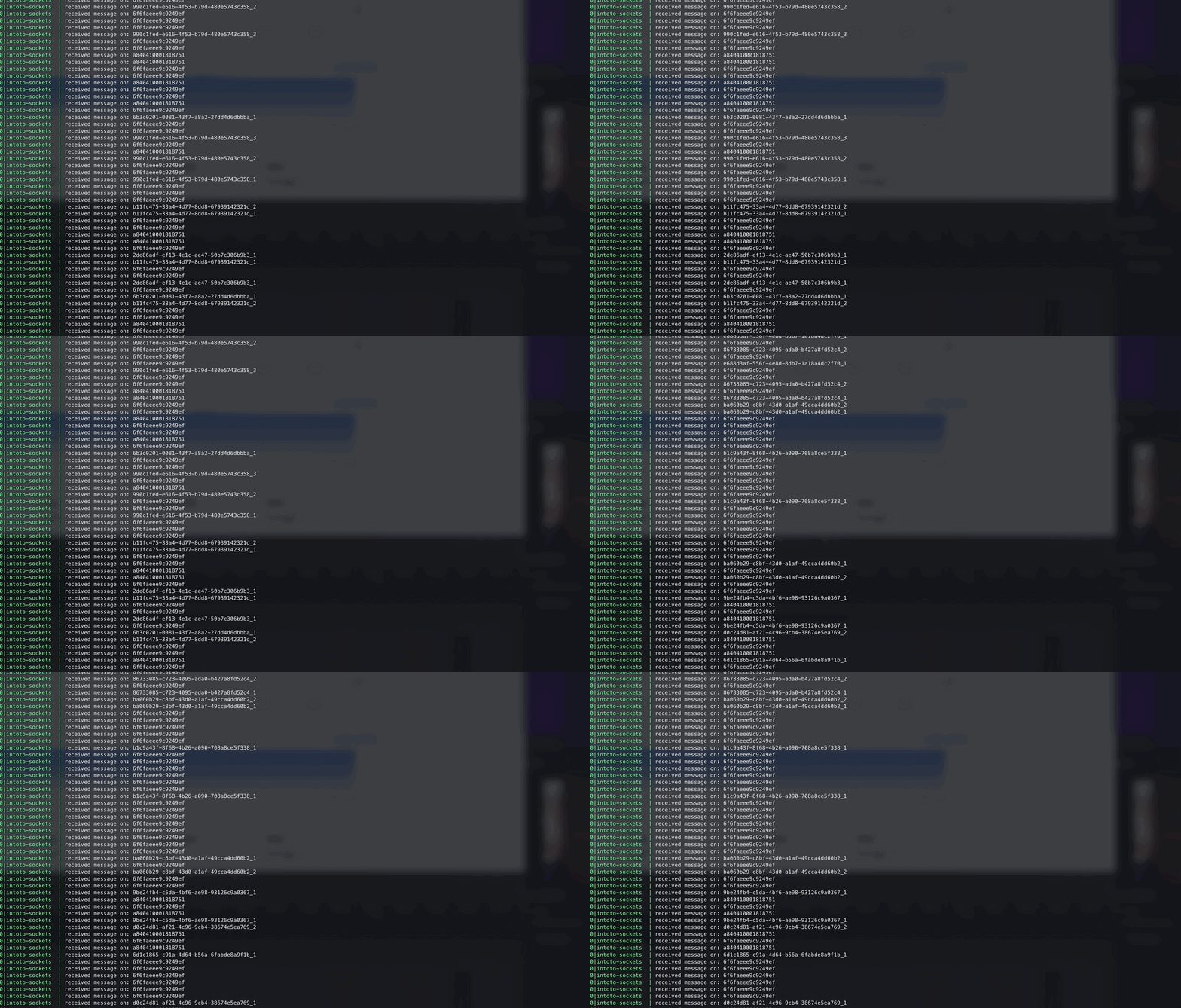
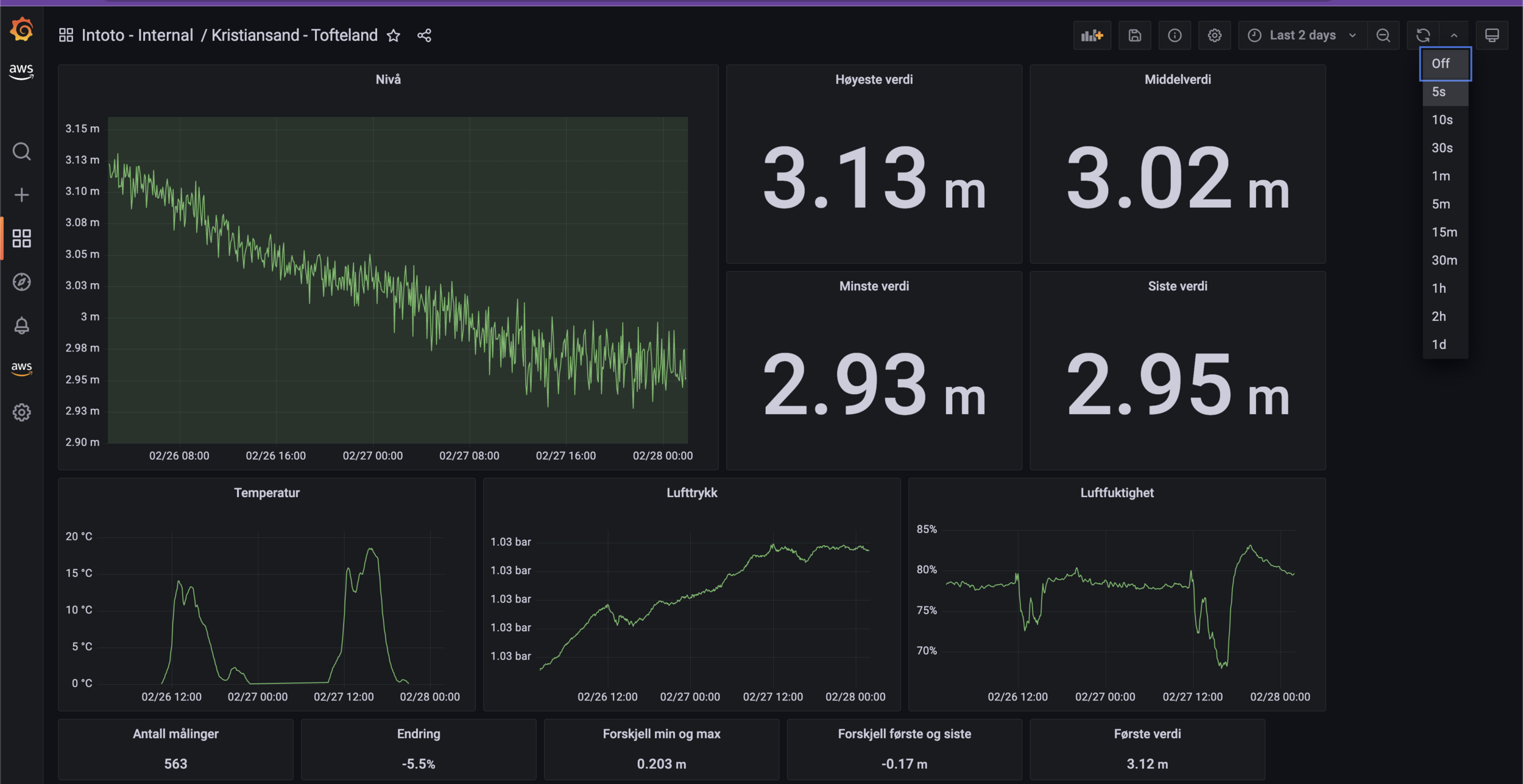
The birth of an Intoto event.
1. Introduction
2. Technical Overview
3. Use Cases
4. Differentiation
5. Security and Scalability
6. Roadmap and Future Plans
7. Achievements and Traction
8. Conclusion (Questions and Discussion)
Use Cases
1. Hydropower
2. Planning and Decision Making
3. Automation
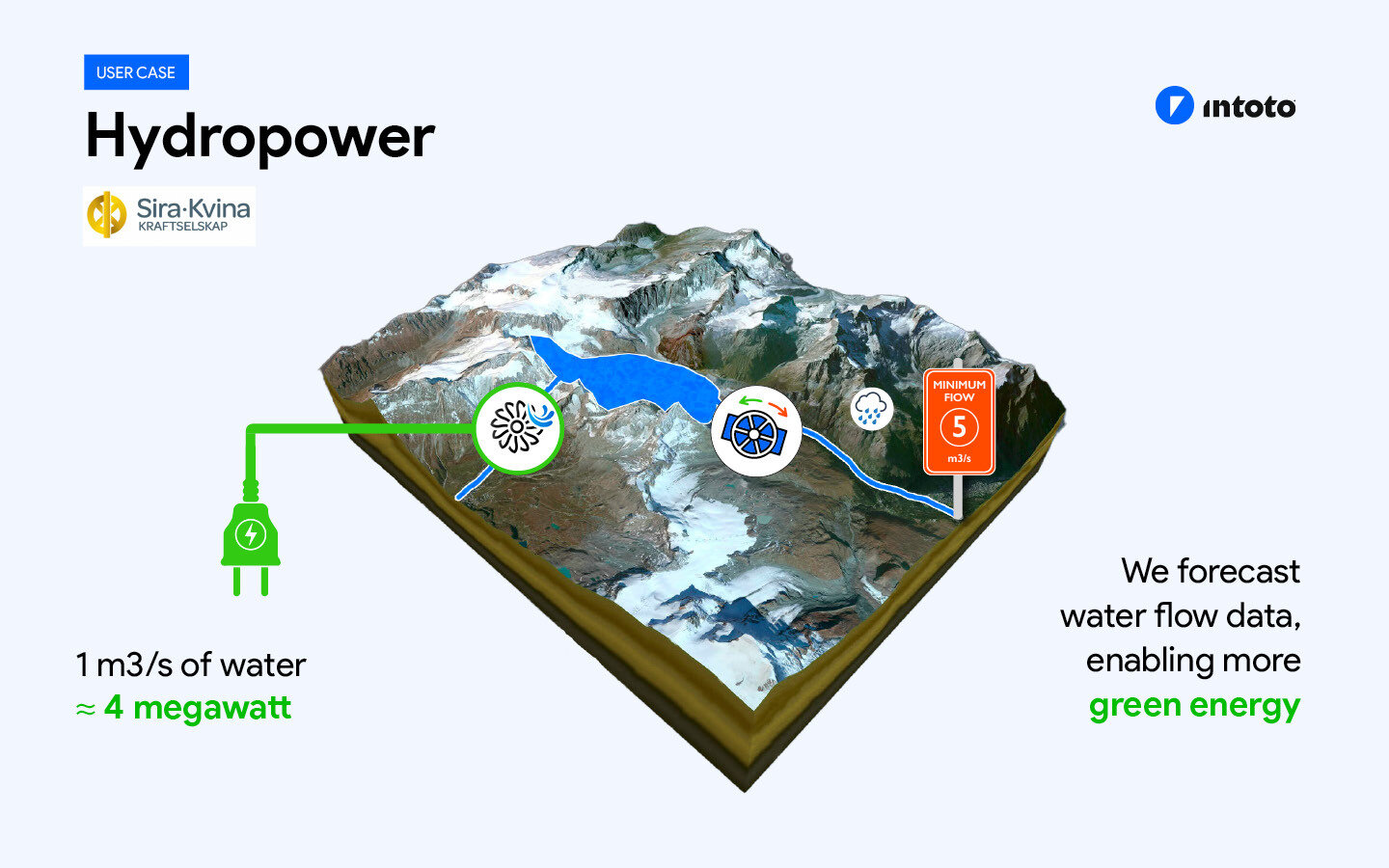
1. Hydropower
1. Hydropower
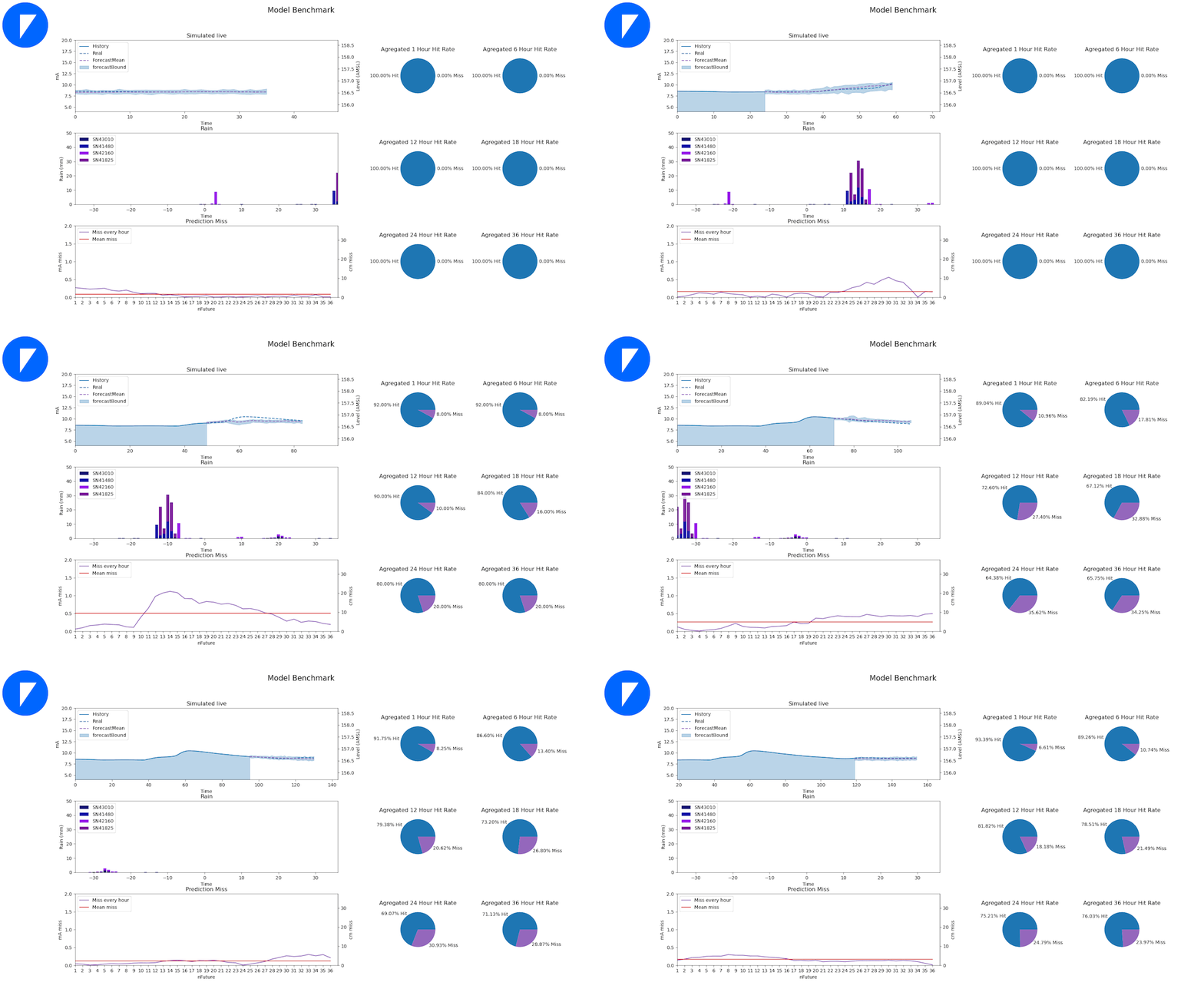
Machine Learning
1. Hydropower
1. Hydropower
Input
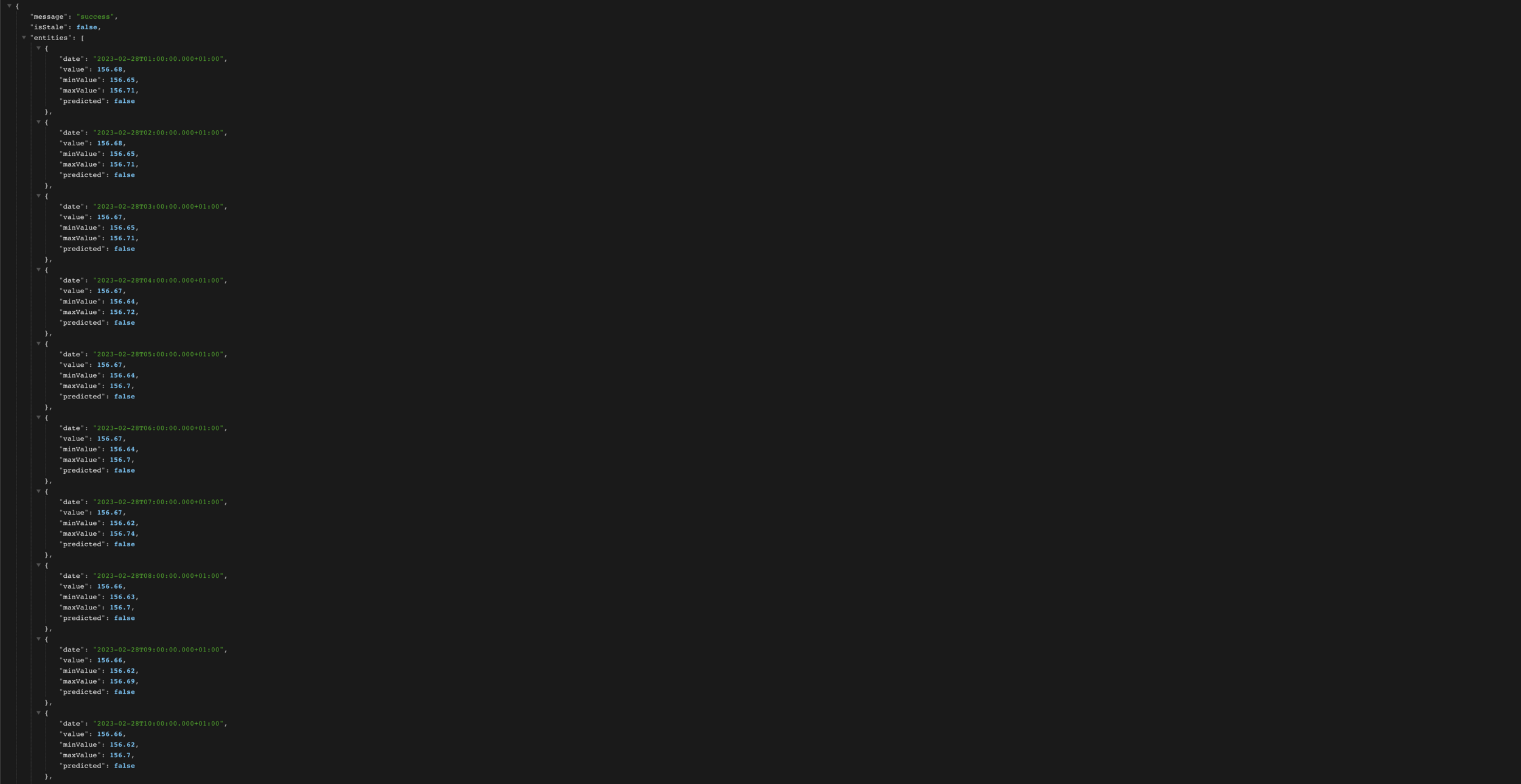
1. Last 36 hours of Intoto water level at specific location.
2. Last 36 hours of Rainfall from 4 local weather stations (MET).
3. Rainfall forecast from same 4 weather stations.
Output
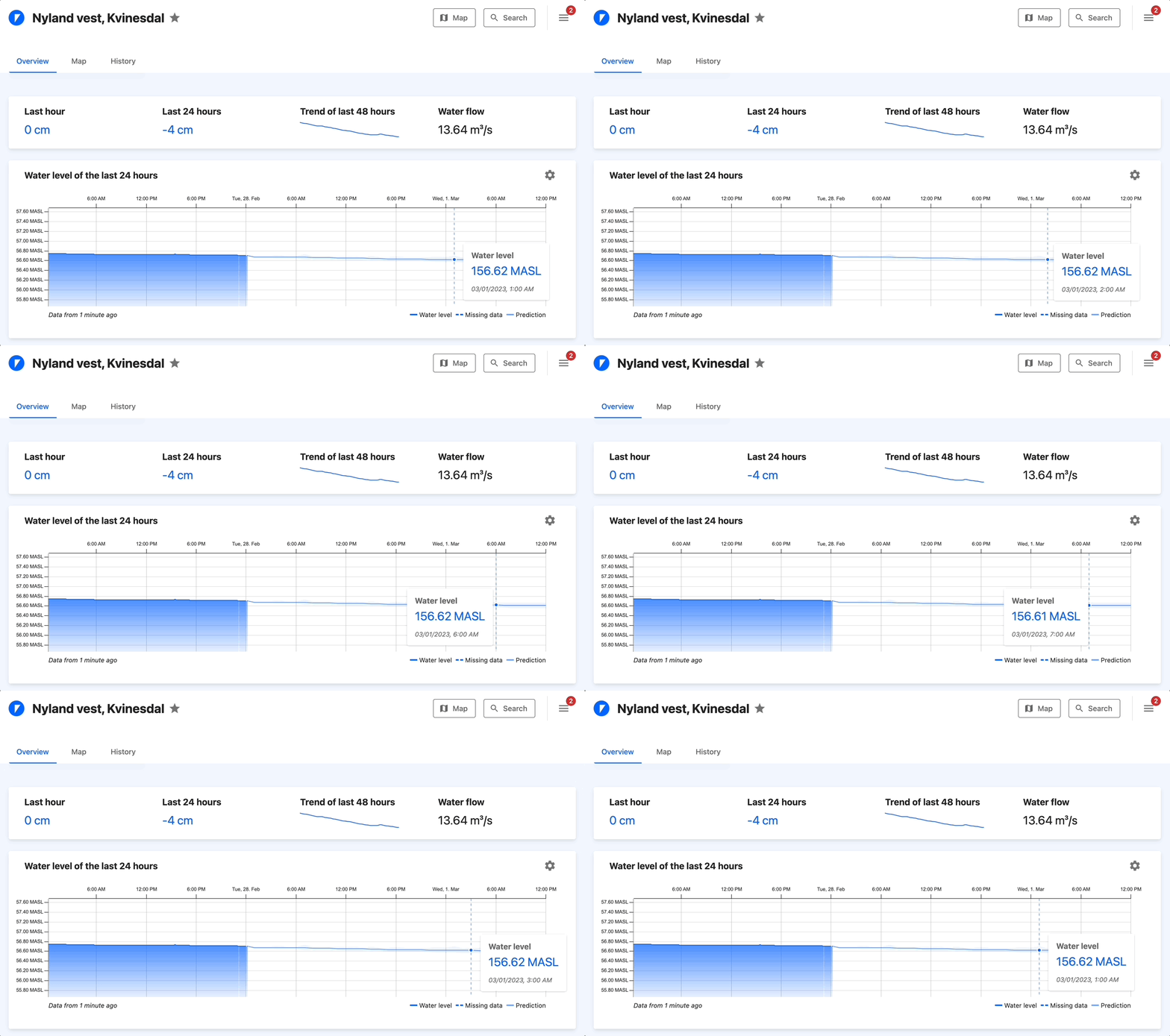
1. Predicted river height for the next 36 hours.
Current Machine Learning Model
1. Hydropower
Misc.
- Running once an hour on AWS SageMaker
Current Machine Learning Model
1. Hydropower
1. Hydropower
1. Hydropower
Optimizing controlled outlet from dam to follow regulations for minimum flow downstream of dam.
Current Case w/ Client
Uses up to 12 different meteorological parameters.
Case goal is 60 hour prediction of downstream flow based on future setting at dam outlet.
2. Planning and Decision Making
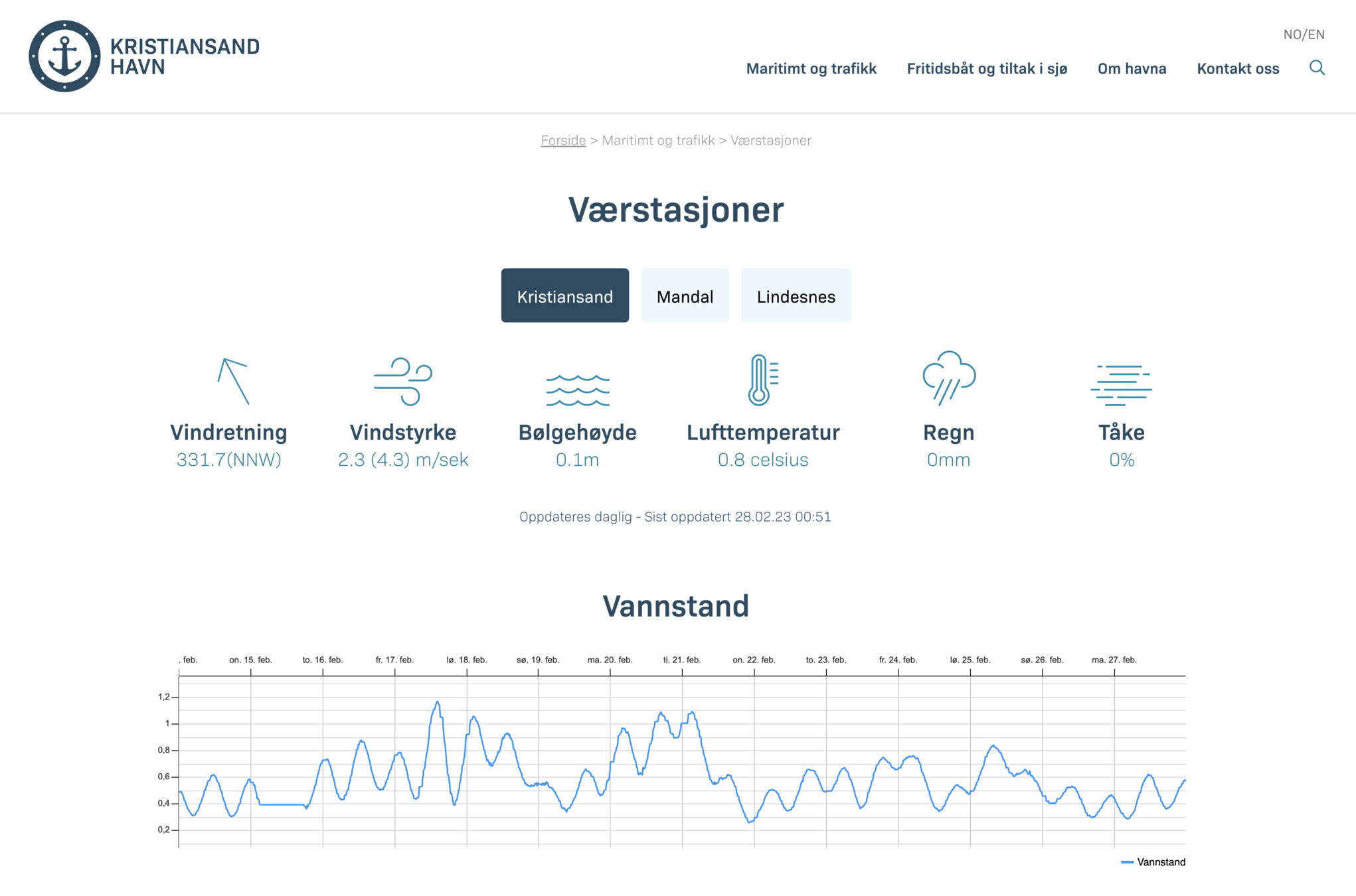
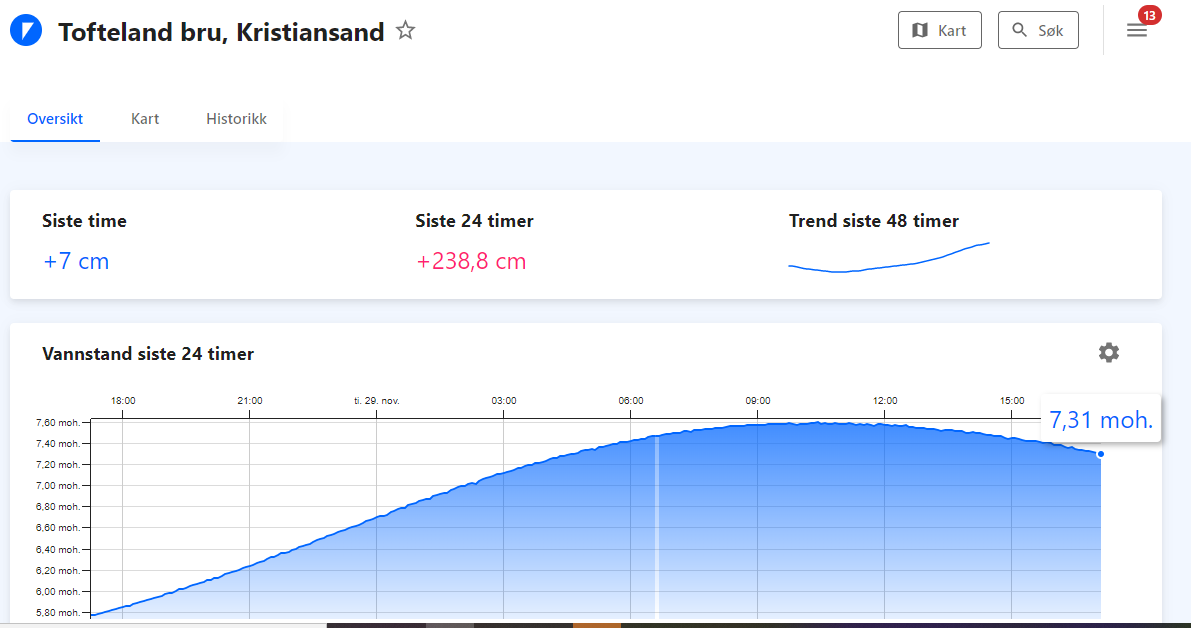
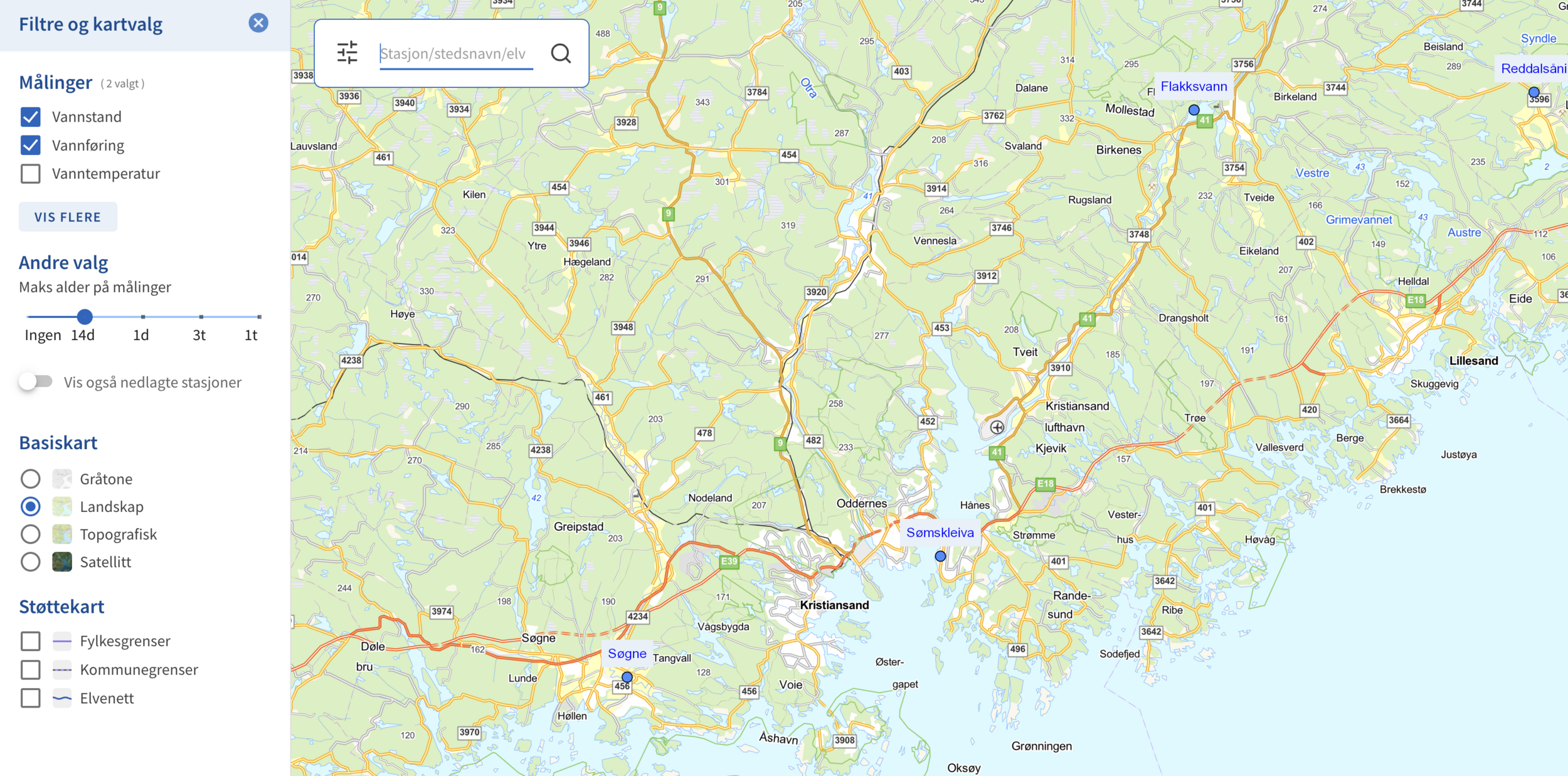
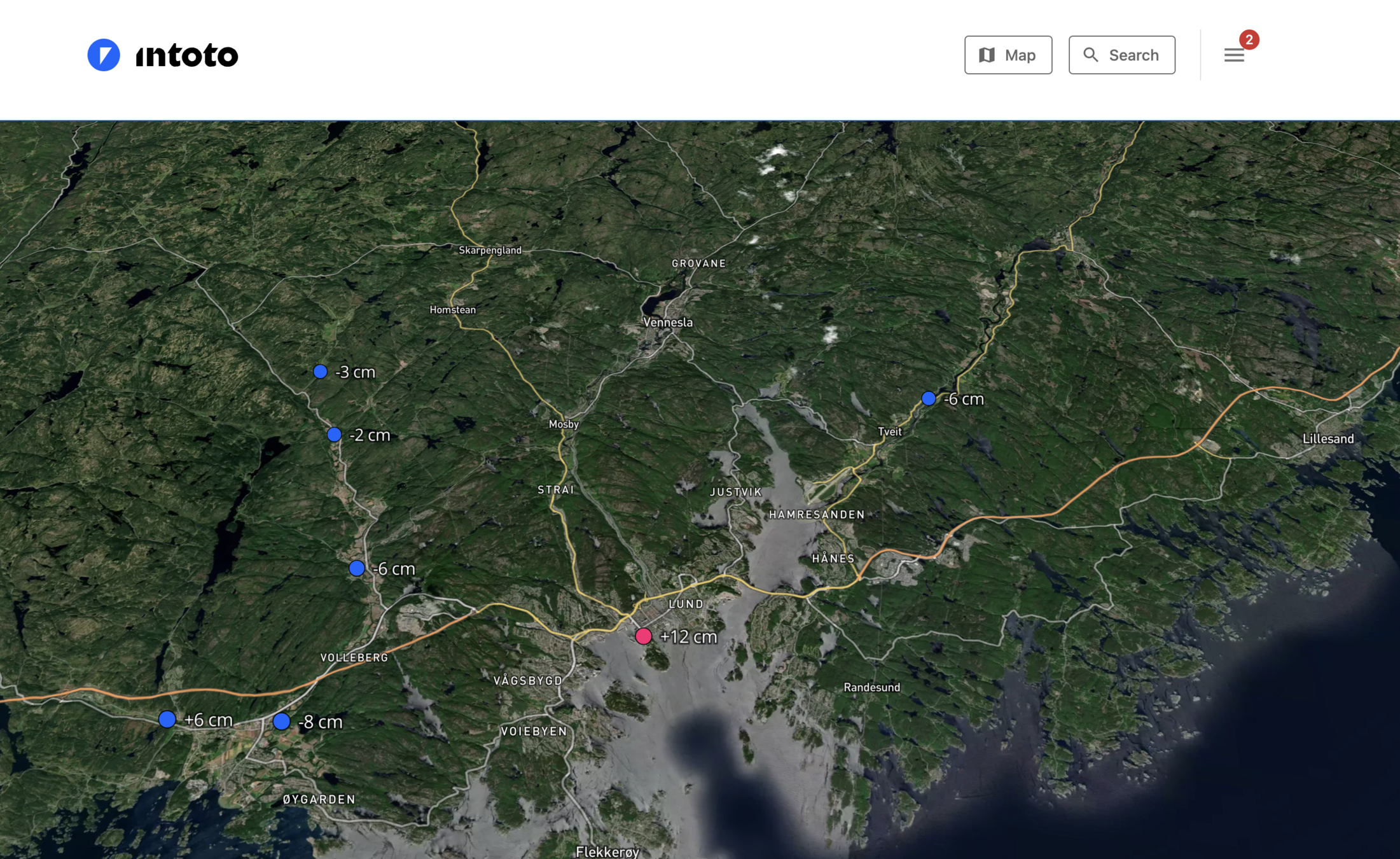
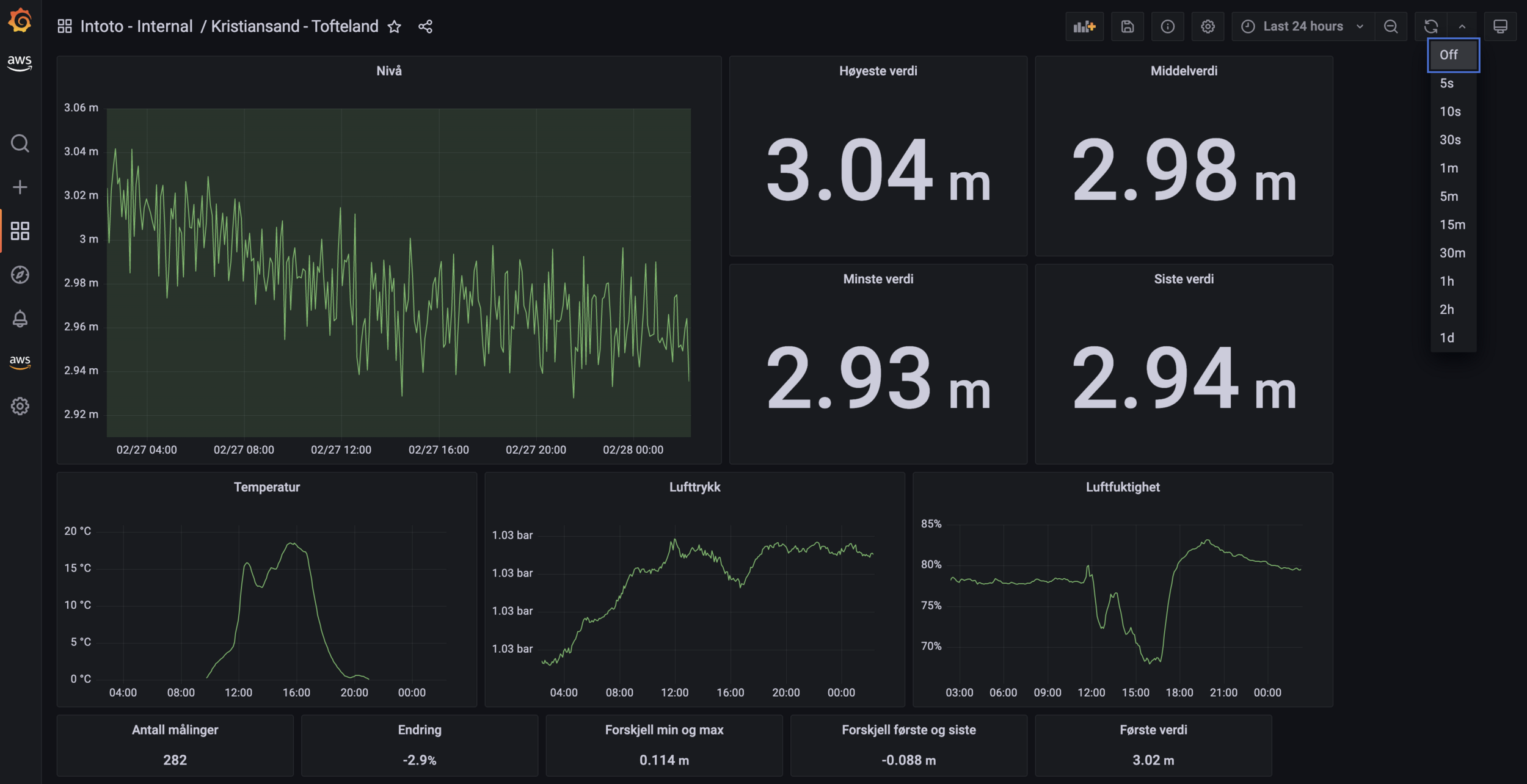
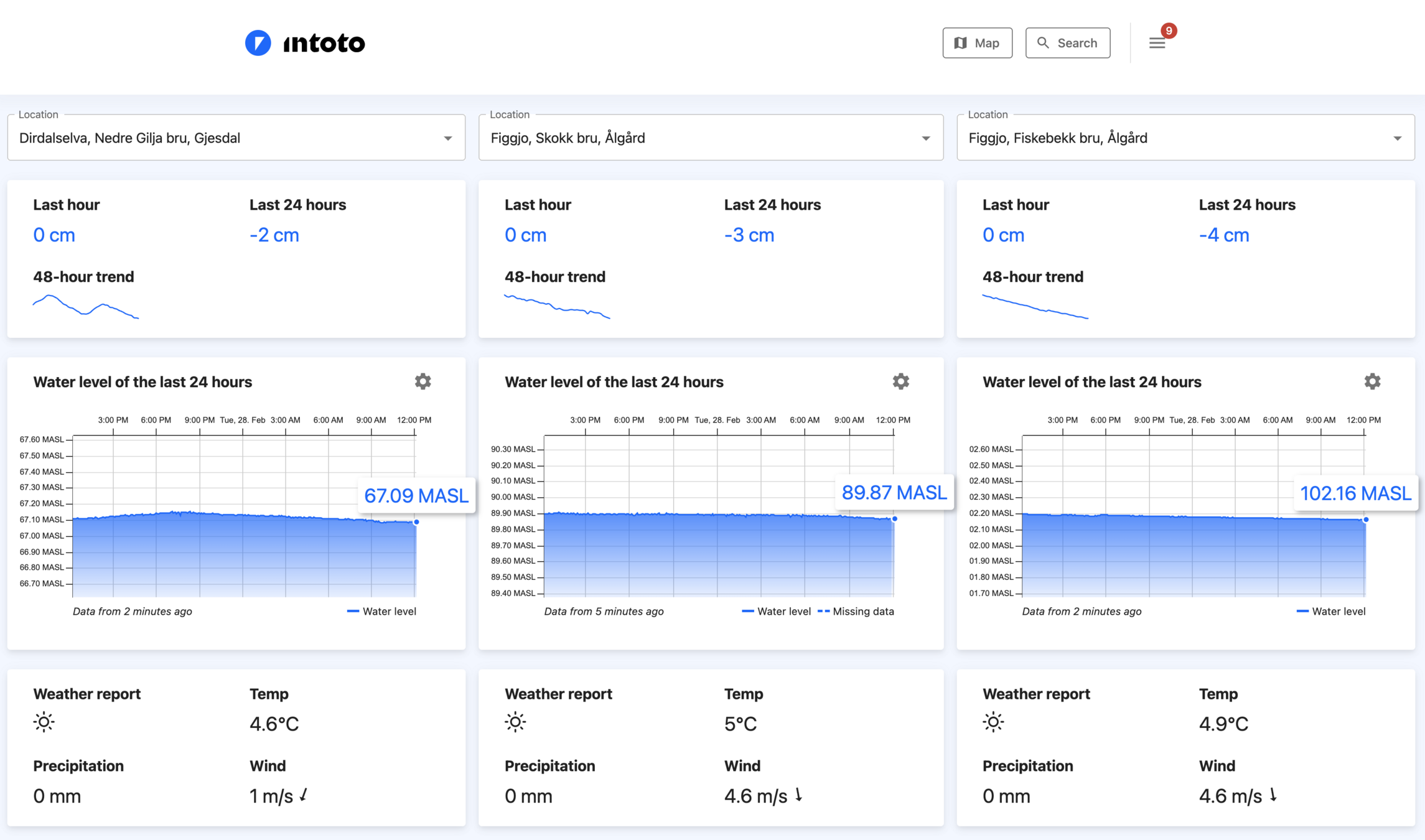
Kristiandsand Kommune
2. Planning and Decision Making
må jeg jo si at systemet har vært til god hjelp i helgen siden vi har hatt en del flom våre elver..
- Beredskapssjef
2. Planning and Decision Making
2. Planning and Decision Making
2. Planning and Decision Making
3. Automation
3. Automation
Kalking / Liming
1. Introduction
2. Technical Overview
3. Use Cases
4. Differentiation
5. Security and Scalability
6. Roadmap and Future Plans
7. Achievements and Traction
8. Conclusion (Questions and Discussion)
Differentiation
A Platform for River Data
Freedom to Choose
Coming from various projects in the big data landscape of German companies I realize that many of the companies are facing similar problems. They have old legacy systems in place that are very good at what they where designed and built for at that time. Today, new technologies arise and new things become possible.
1. Introduction
2. Technical Overview
3. Use Cases
4. Differentiation
5. Security and Scalability
6. Roadmap and Future Plans
7. Achievements and Traction
8. Conclusion (Questions and Discussion)
Security and Scalability
Built on

- Strong focus on security and offers various features to help secure our infrastructure.
- Utilizing Identity and Access Management (IAM), Virtual Private Cloud (VPC), and AWS Security Hub.
- Offers compliance certifications like SOC 1, 2 and 3, ISO 27001, HIPAA, and PCI DSS to ensure that our infrastructure meets various regulatory and compliance requirements.
Security
- Global infrastructure.
- Pay for what we use.
- Scale up or down infrastructure as needed to meet the changing demands of our business.
- AWS offers several pricing models, including on-demand, reserved instances, and spot instances, etc. which help you optimize costs.
- Proven track record for up-time and offers Service Level Agreements (SLAs) for many of its services.
Scalability
1. Introduction
2. Technical Overview
3. Use Cases
4. Differentiation
5. Security and Scalability
6. Roadmap and Future Plans
7. Achievements and Traction
8. Conclusion (Questions and Discussion)
Roadmap and Future Plans
Introduce Saas Model and Paid Features / Plans
Custom Alert / Alarm Triggers
Real-time Layers and Maps
Integrate w/ Other Data Providers and Break Out of 🇳🇴
Dynamic Machine Learning Models
ChatGPT
More Open Source / Community Driven "Parts"
Other
1. Introduction
2. Technical Overview
3. Use Cases
4. Differentiation
5. Security and Scalability
6. Roadmap and Future Plans
7. Achievements and Traction
8. Conclusion (Questions and Discussion)
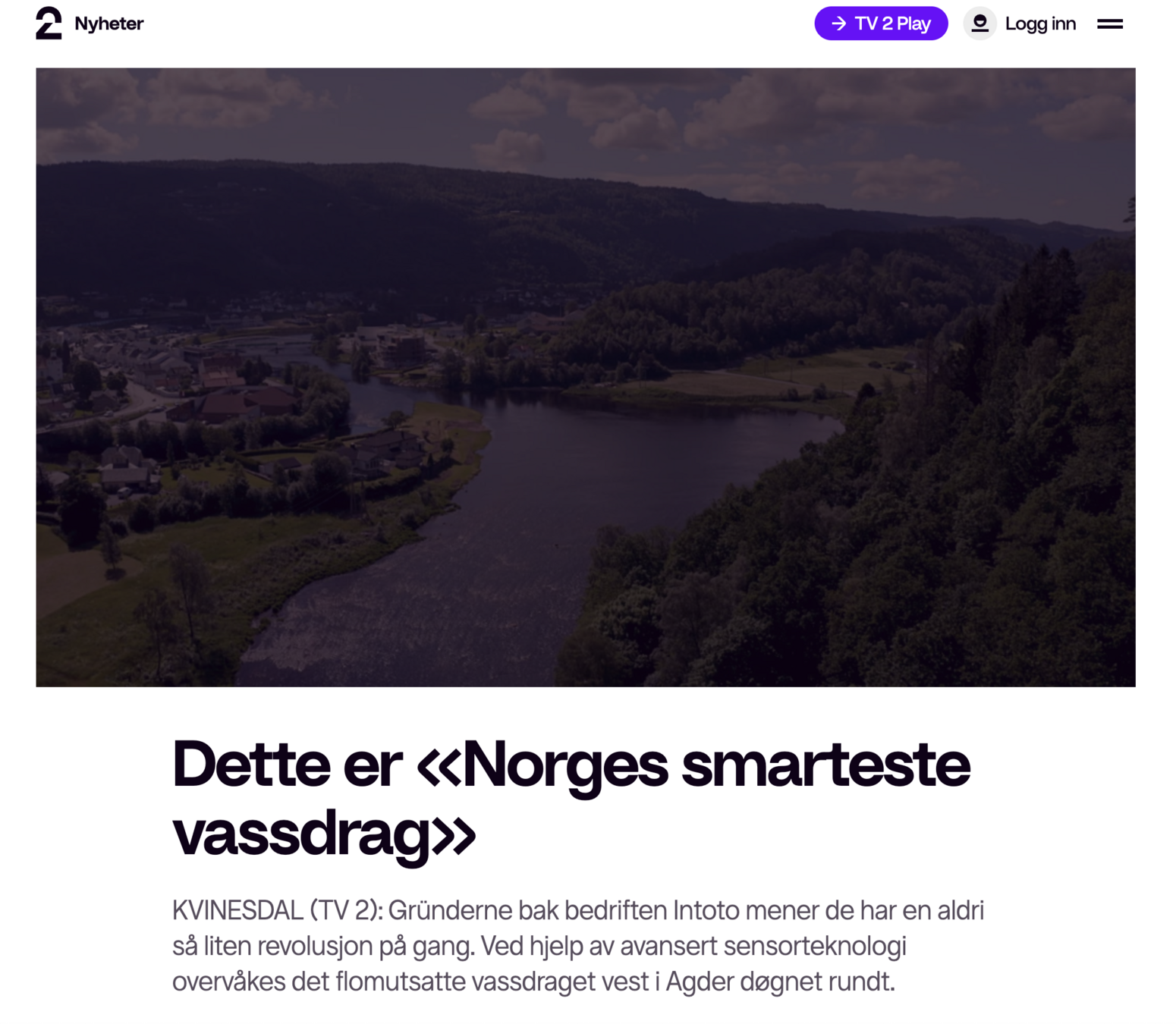
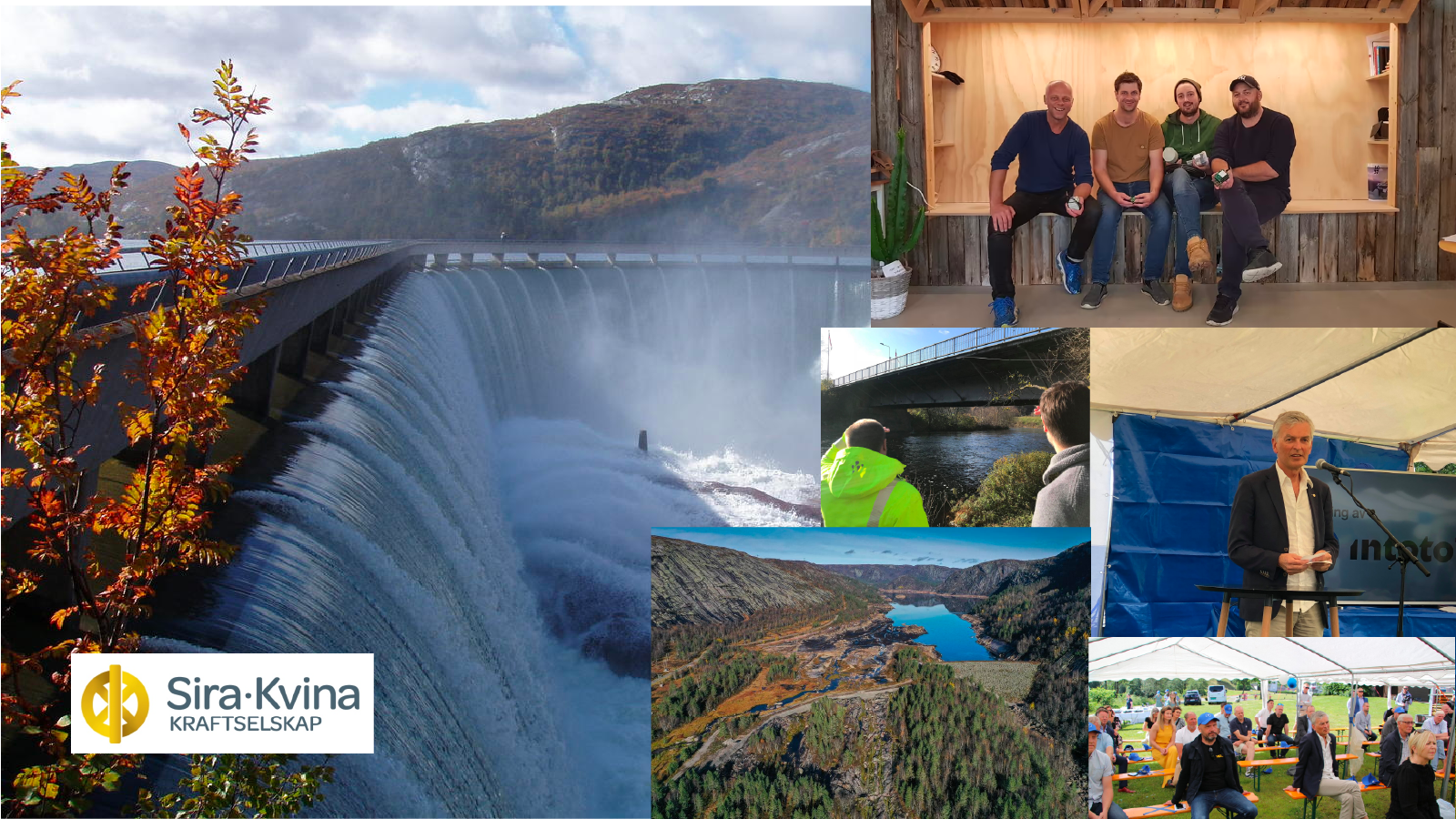
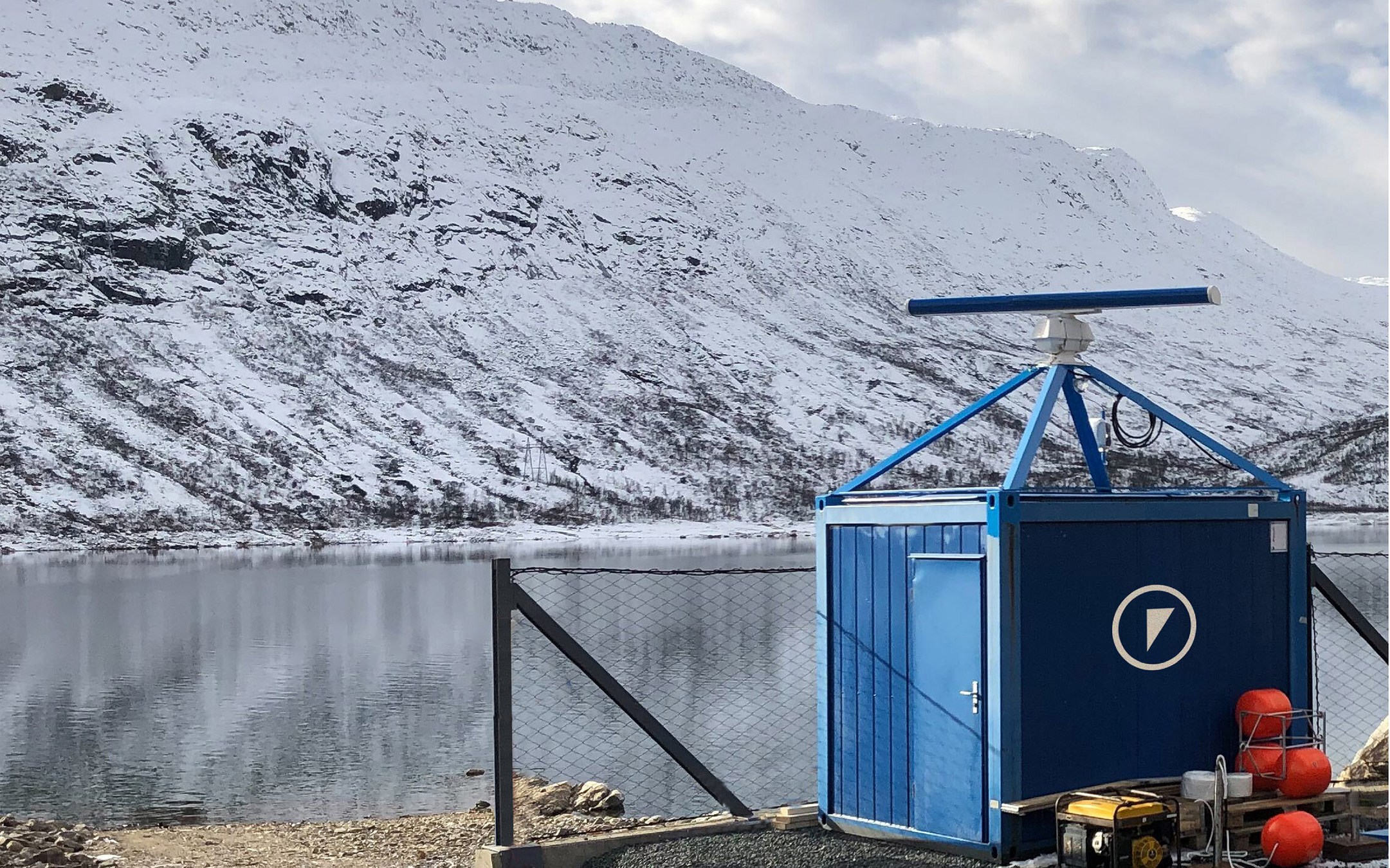
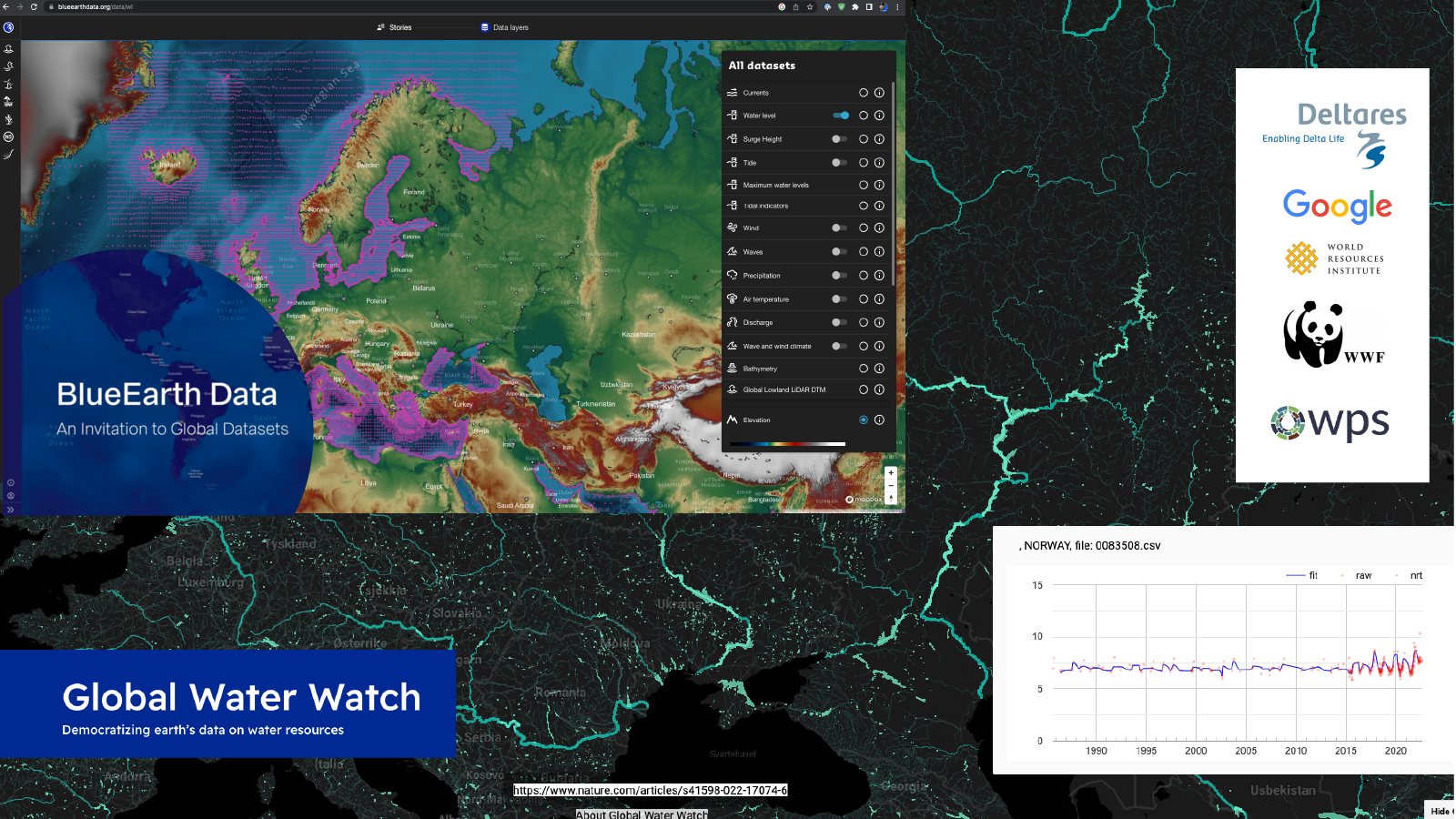
Achievements and Traction


1. Introduction
2. Technical Overview
3. Use Cases
4. Differentiation
5. Security and Scalability
6. Roadmap and Future Plans
7. Achievements and Traction
8. Conclusion (Questions and Discussion)
Questions & Discussion
1. Introduction
2. Technical Overview
3. Use Cases
4. Differentiation
5. Security and Scalability
6. Roadmap and Future Plans
7. Achievements and Traction
8. Conclusion (Questions and Discussion)