A Glimpse of Delis Negron's Contributions through his Digital Archive
the caribbean digital V
Sylvia Fernández, University of Houston
@sferna109 safernandez4@uh.edu
Annette Zapata,
University of Houston
@amzapat2 amzapat2@central.uh.edu
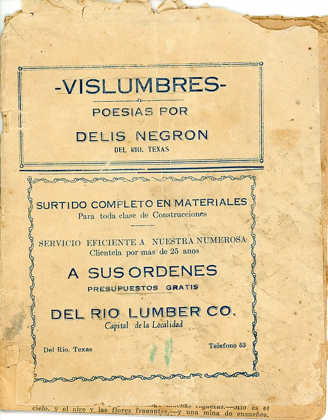
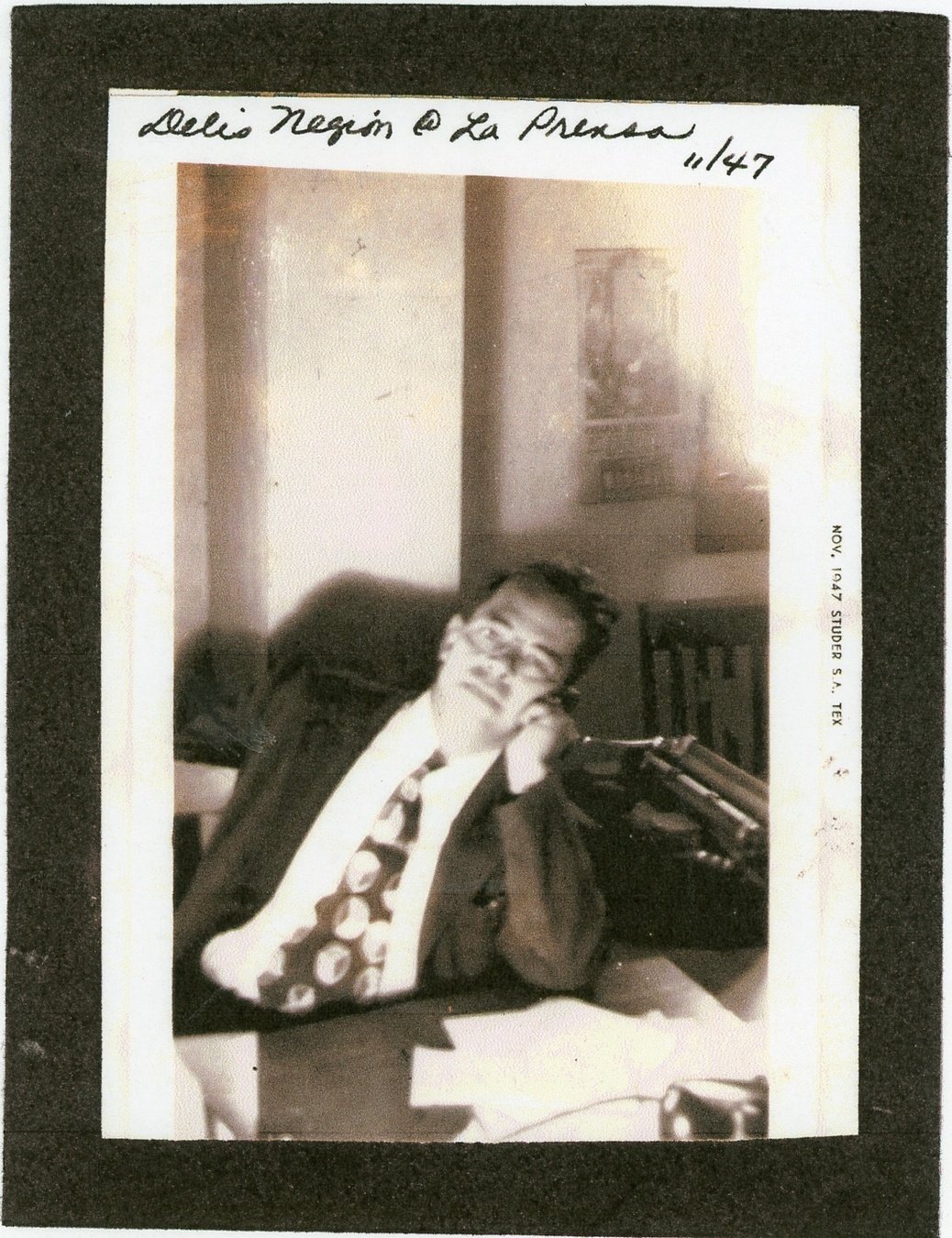
Delis Negron Digital Archive
https://recoveryprojectapp.wixsite.com/negrondigitalarchive
Presentation SLIDES
https://slides.com/sferna109/deck-5/fullscreen
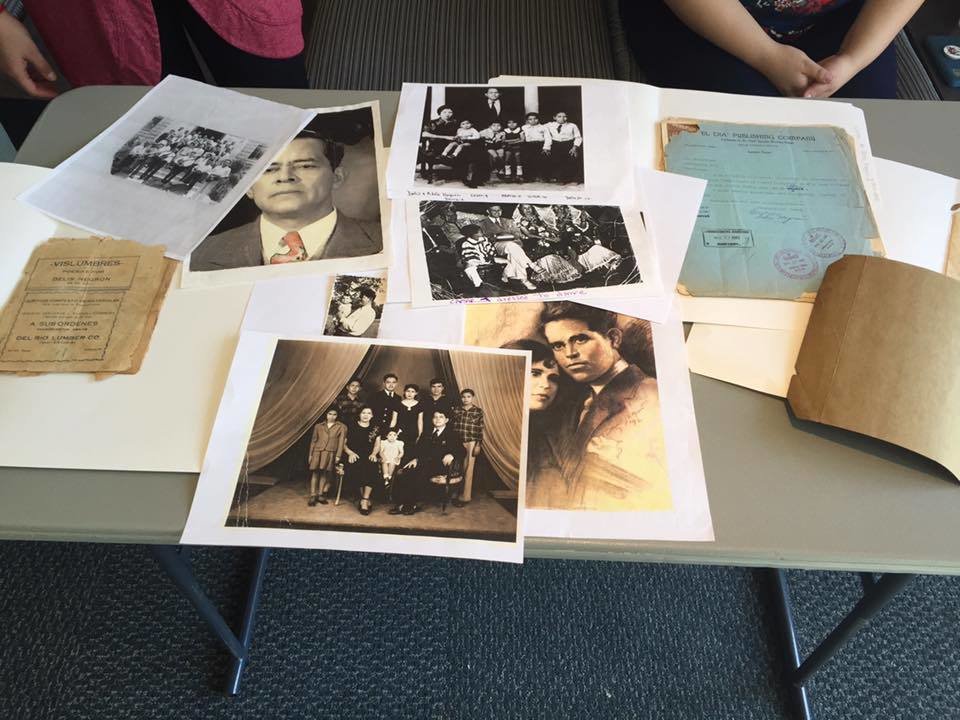
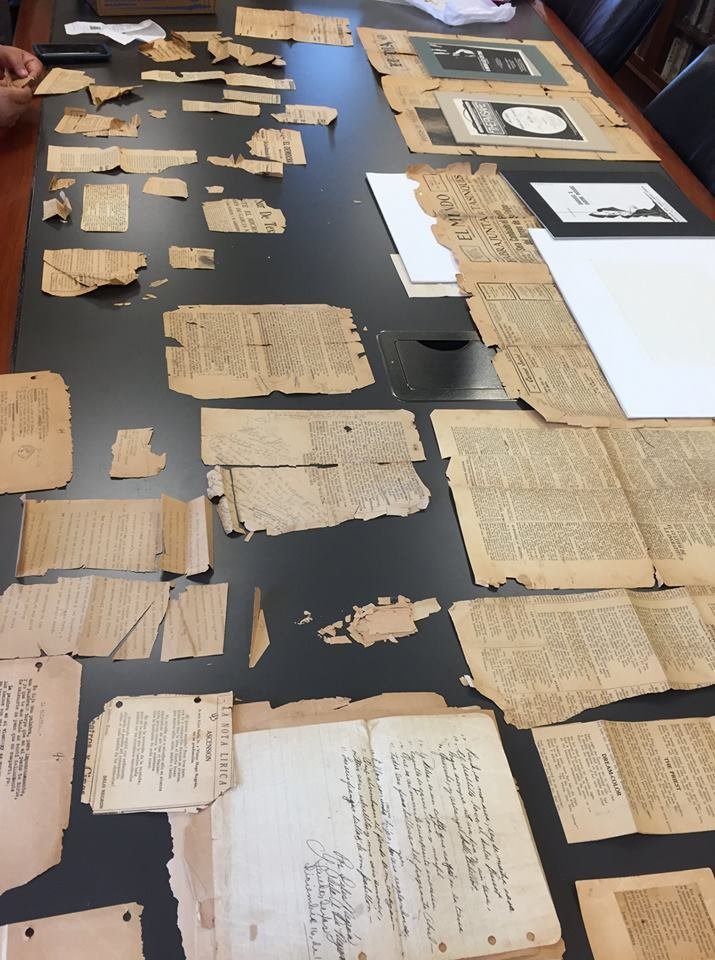
Delis Negrón Archive
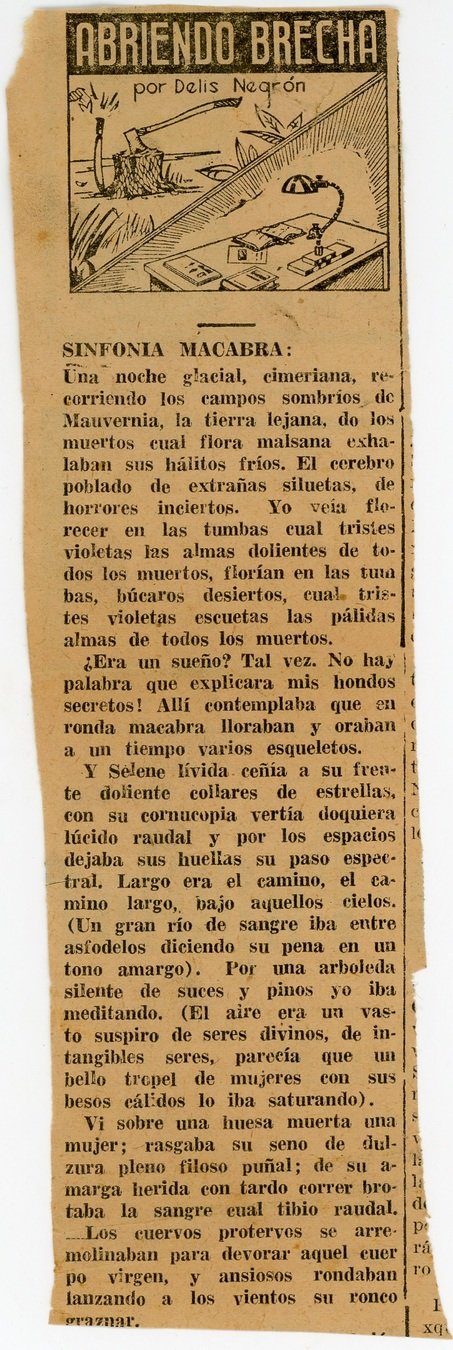
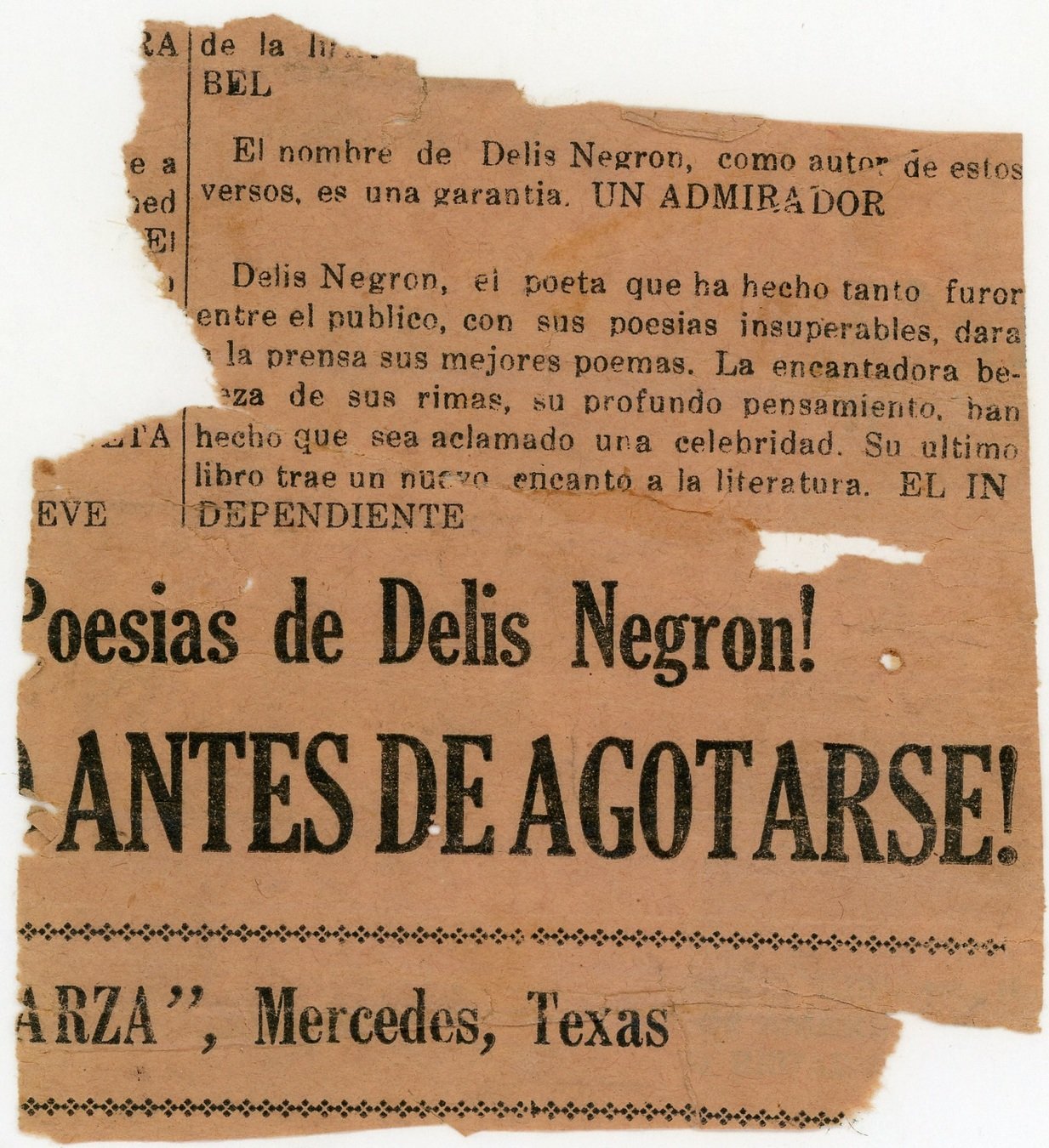
Decolonizing Project
"Today, the decolonizing project is back on the agenda worldwide. It has two sides. The first is the critique of the dominant Eurocentric academic model - the fight against what Latin Americans in particular call “epistemic coloniality”, that is, the endless production of theories that are based on European traditions; are produced nearly always by Europeans or Euro-American men who are the only ones accepted as capable of reaching universality; a particular anthropological knowledge, which is a process of knowing about Others- but a process that never fully acknowledges-producing subjects" (Achille Mbembe 2015)
Collaborators
- Isis Campos, Sylvia Fernández, Annette Zapata and Victoria Moreno
- Recovering the US Hispanic Literary Heritage and US Latino/a Digital Humanities
- Negron's Family

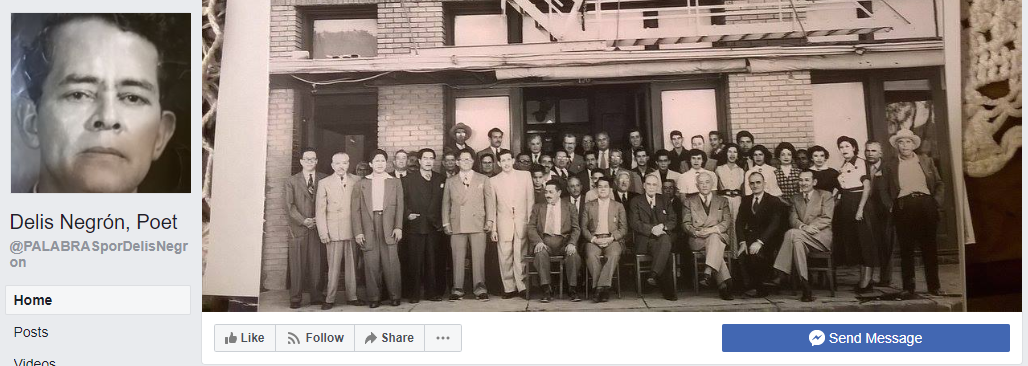
Delis Negrón FB profile
and
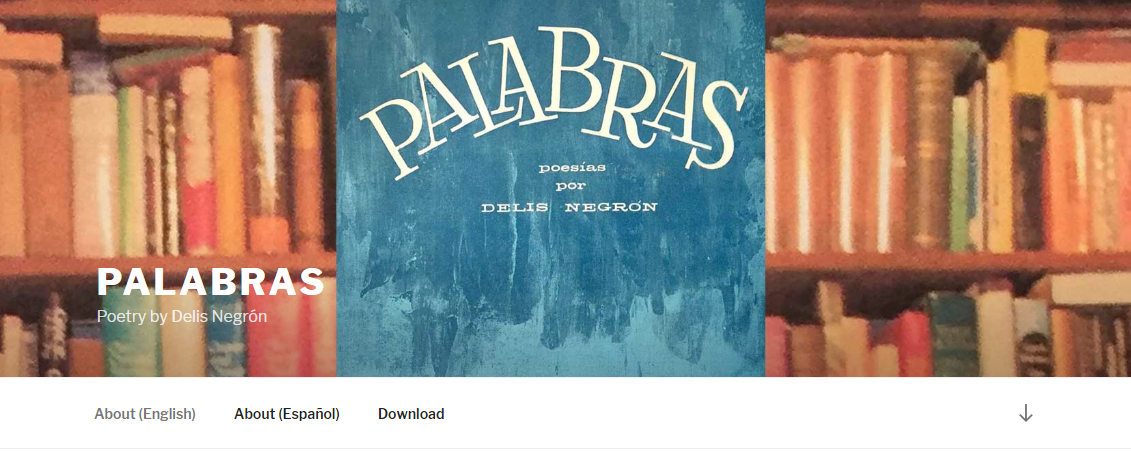
Palabras (online version)
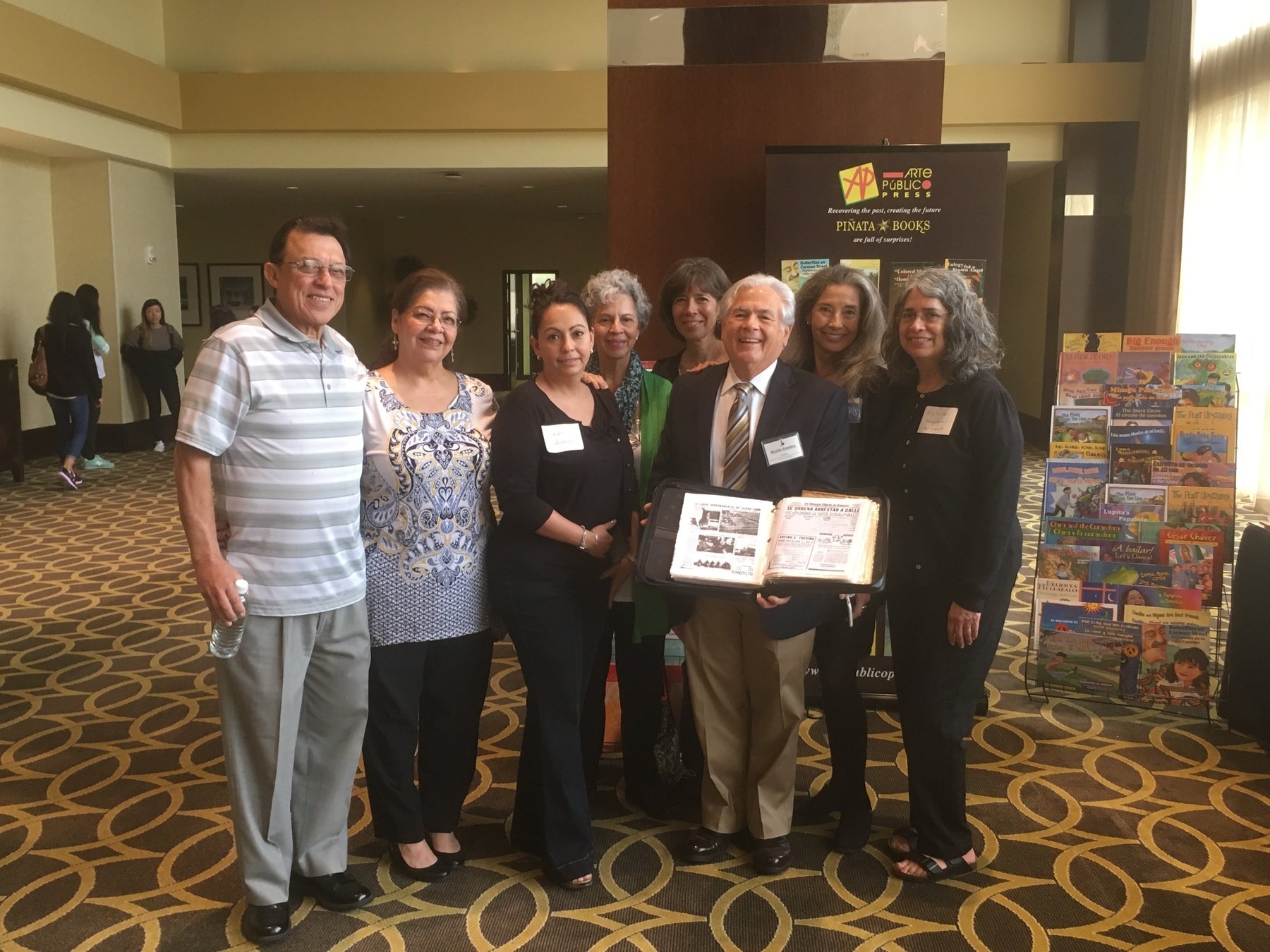
Donation of physical archive to Recovery
"He was always reading, writing, and sharing his make-believe fables with us. He also taught English classes, wrote and directed live theater—he acted and performed in his own shows. He established his own newspapers in Laredo and Del Rio, [Texas] and was a reporter and editor-in-chief at La Prensa in San Antonio.” (Delia Negrón)
Project's Main Objective
"Apply documentation strategies and engage communities to actively participate in archival practice will help remedy some of the historical lacunae that affect many underrepresented groups and will empower them to take an active part in the process of documenting their stories and history, rather than remaining the passive object of ‘preservation" (Love and Ramos 15)
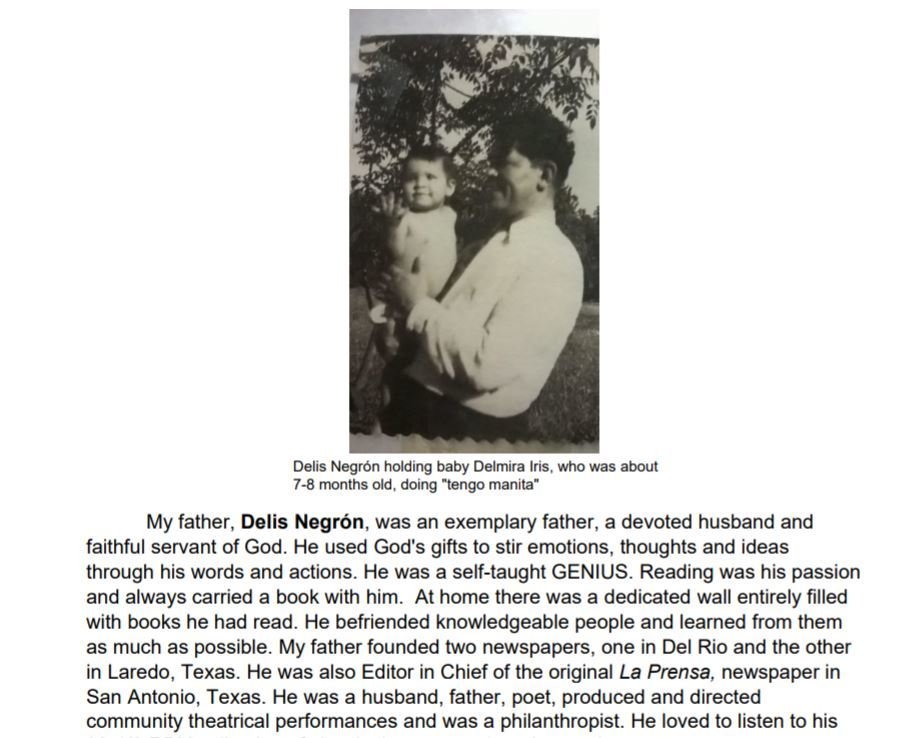
Iris Delmira Perez Reflection
"Recent advances in technology and various debates in the digital humanities have, [brought] into question the scholarly and theoretical scope of digital humanities practices as well as the relationship between archives and the humanities. Digital Humanities projects … continue to demonstrate the value of archives through this continuing relationship because archivists have expanded their expertise to cover digital curation in order to preserve, promote, and provide long-term access to digital—that is, digitized and born-digital—collections as well as quantitative data for nonnarrative humanities projects" (Sabharwal 27).
Caribbean Diaspora: (Im)migration and Migratory Experiences
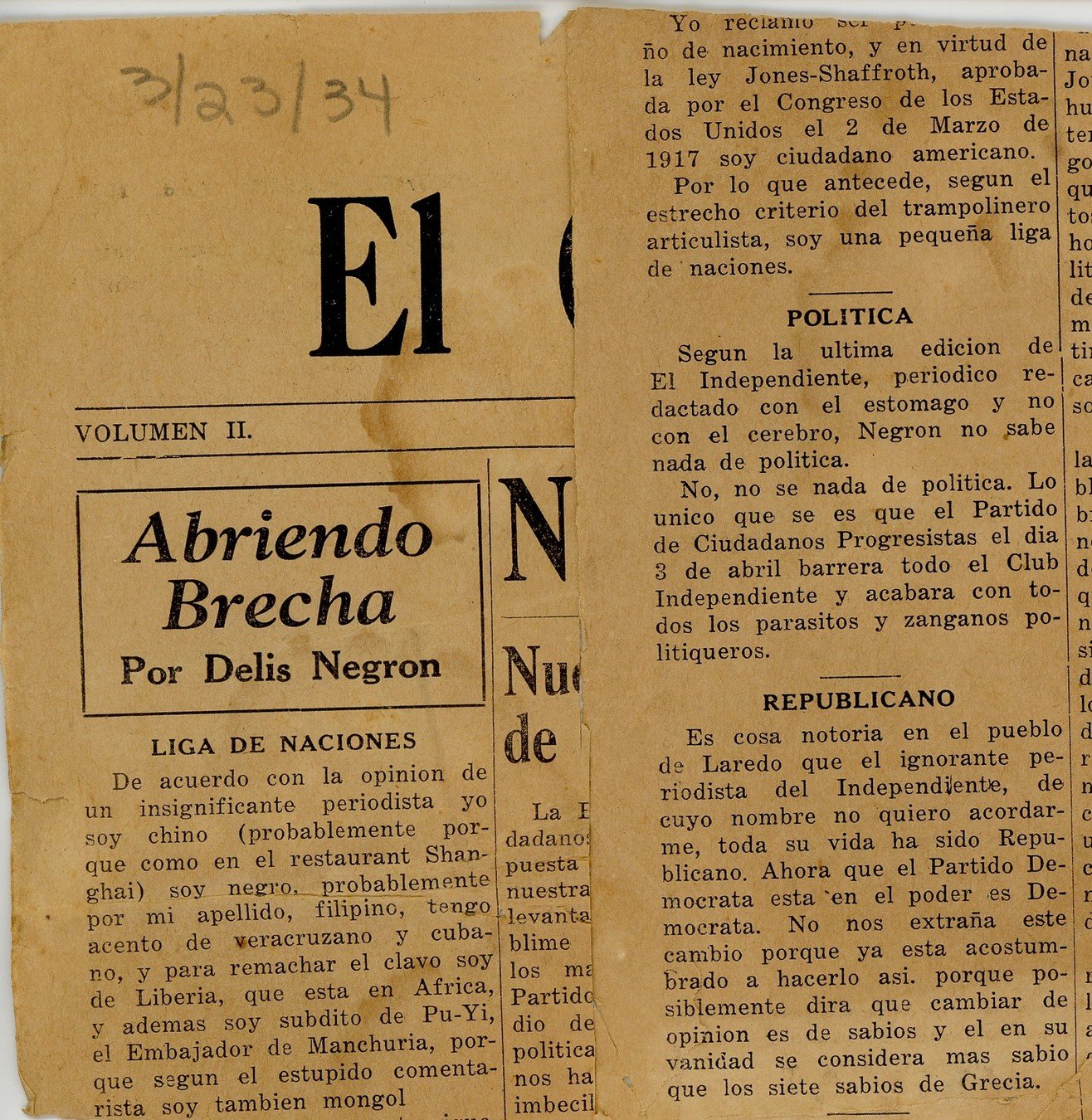
“It is, then, important to rethink our habitat (home, city, country, world) not as a static place with peoples who enjoy fixed identities, but rather as dynamic territories and peoples with multiple identities” (Castillo and Tabuenca 5)
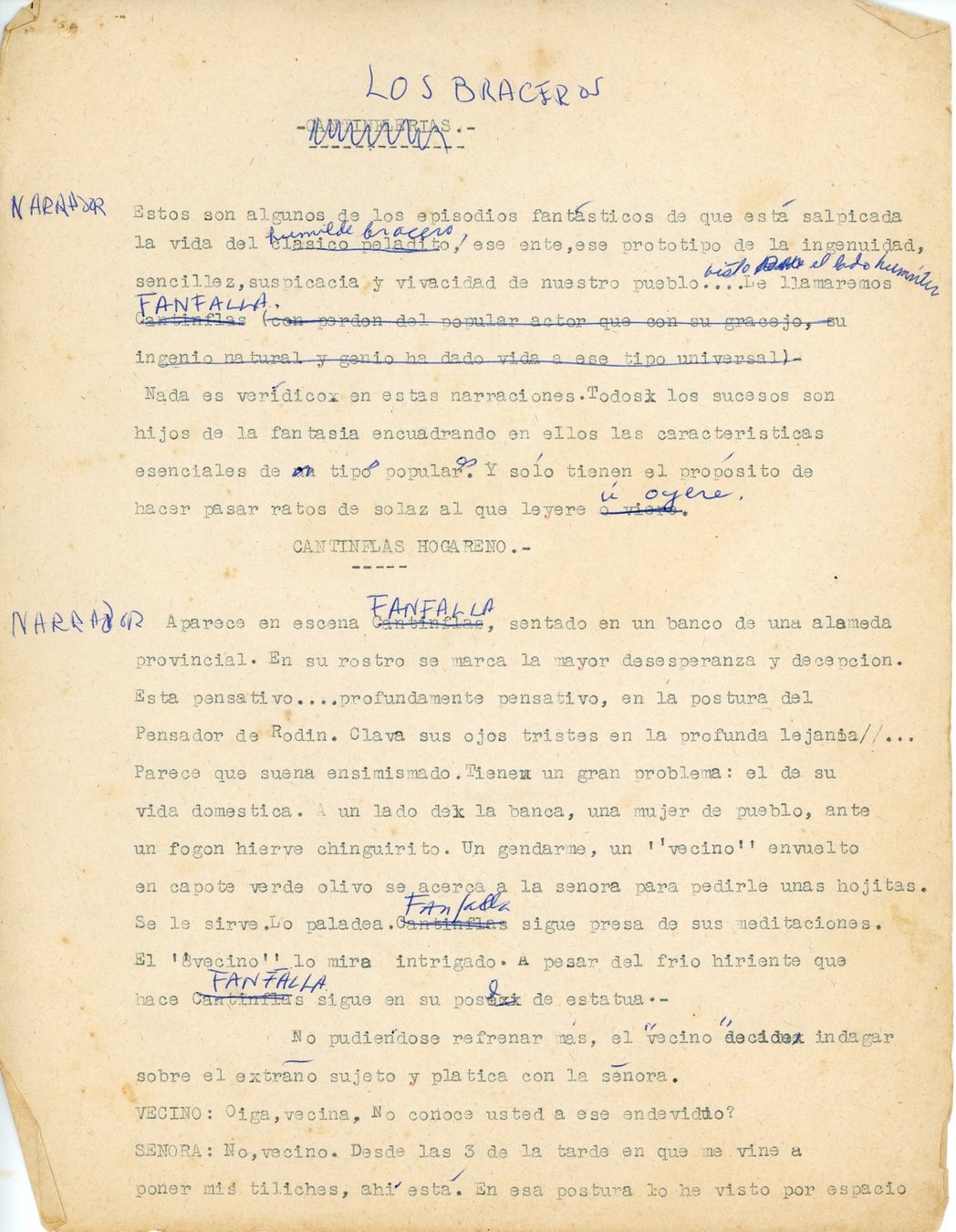
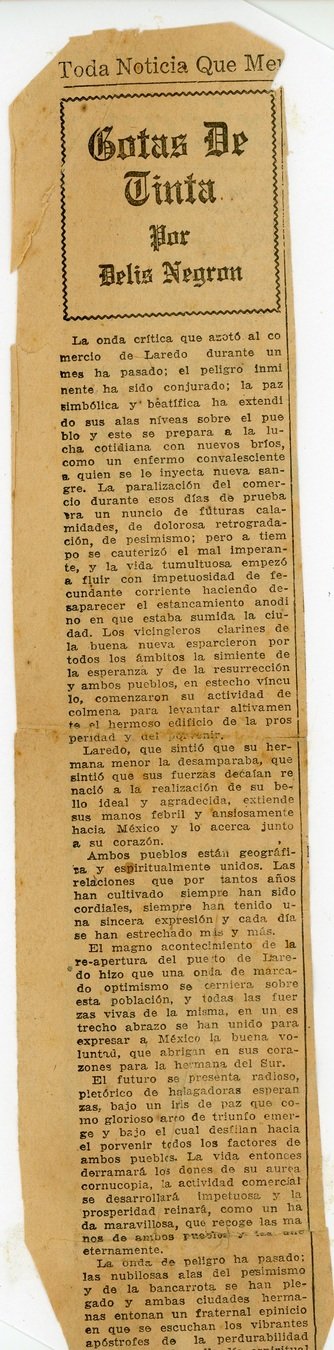
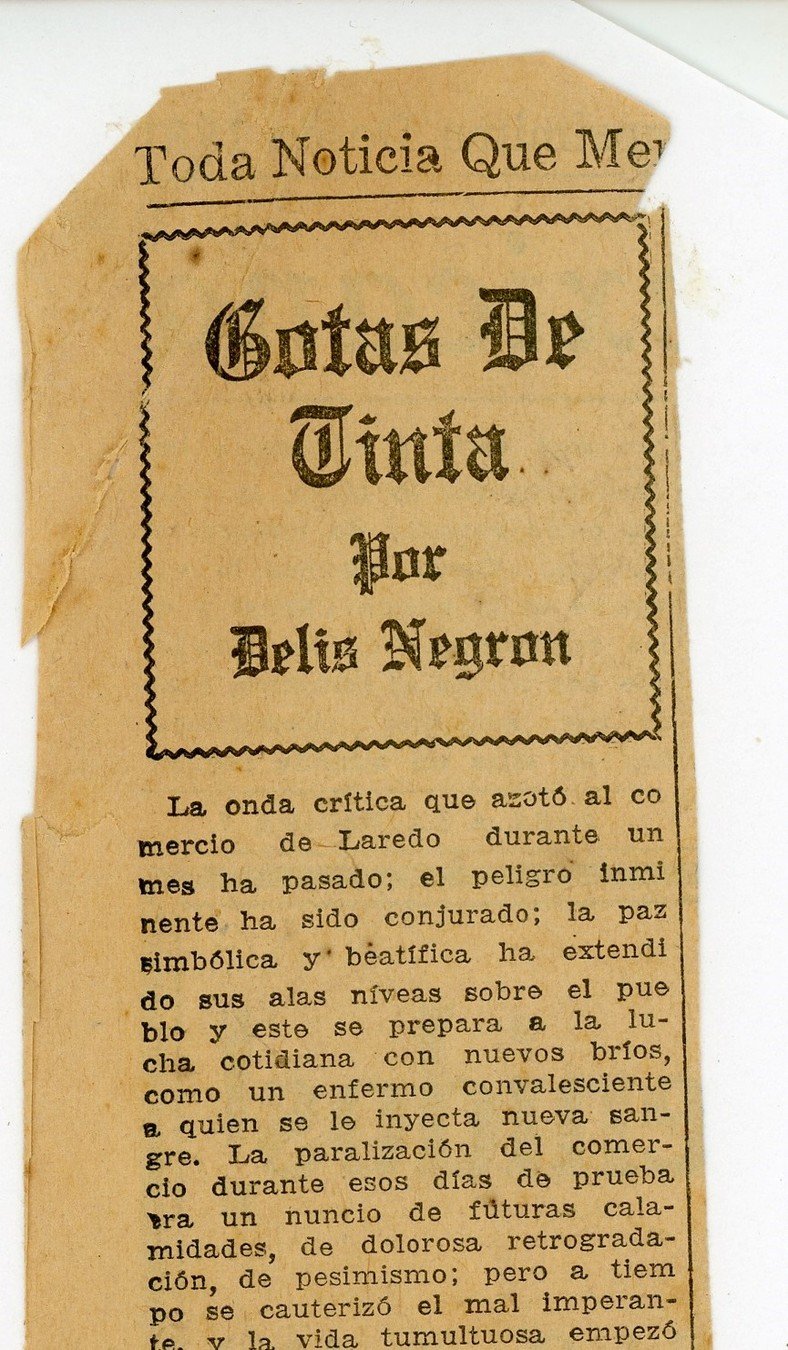
"Gotas de Tinta" por Delis Negrón
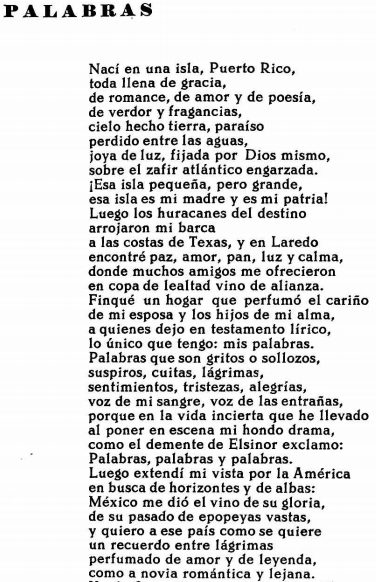
Palabras
by Delis Negrón
Delis Negrón Digital Archive
https://recoveryprojectapp.wixsite.com/negrondigitalarchive
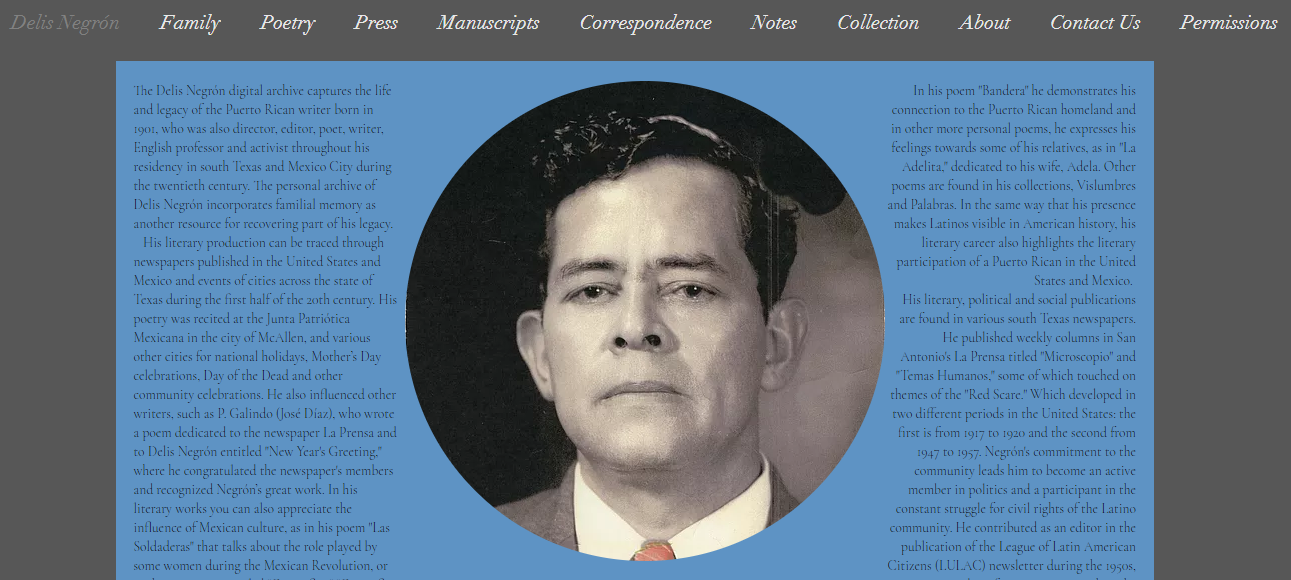
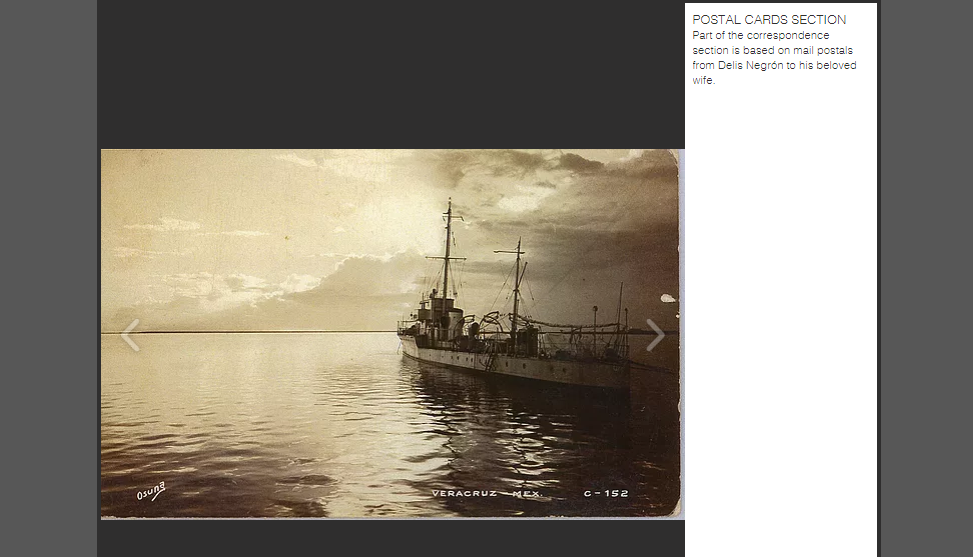
Here and There: Diversification in Archives through Technology
The gaps and absences of Delis Negrón physical archive led us to create a digital archive in order to work in filling the lacunae of this archive.
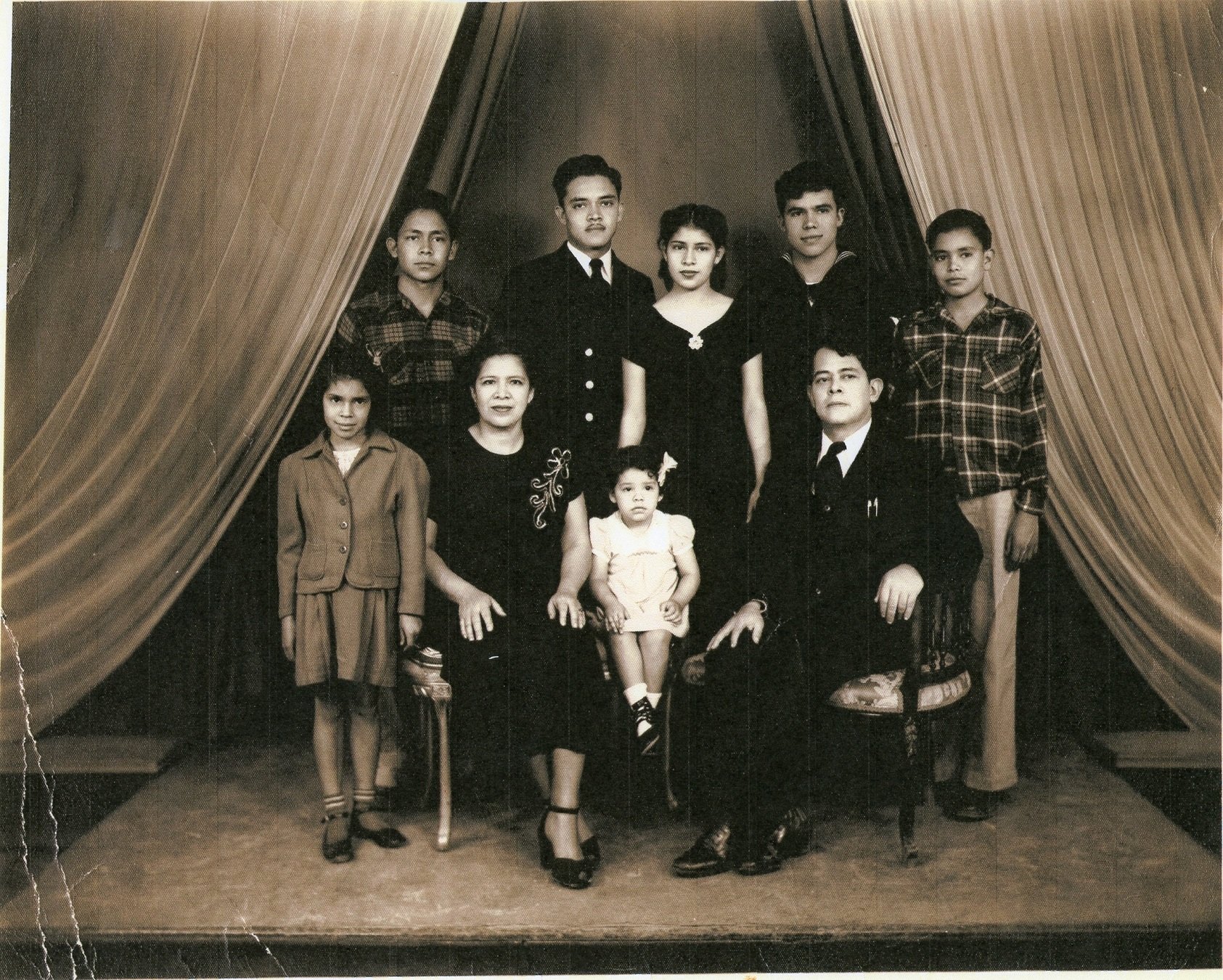
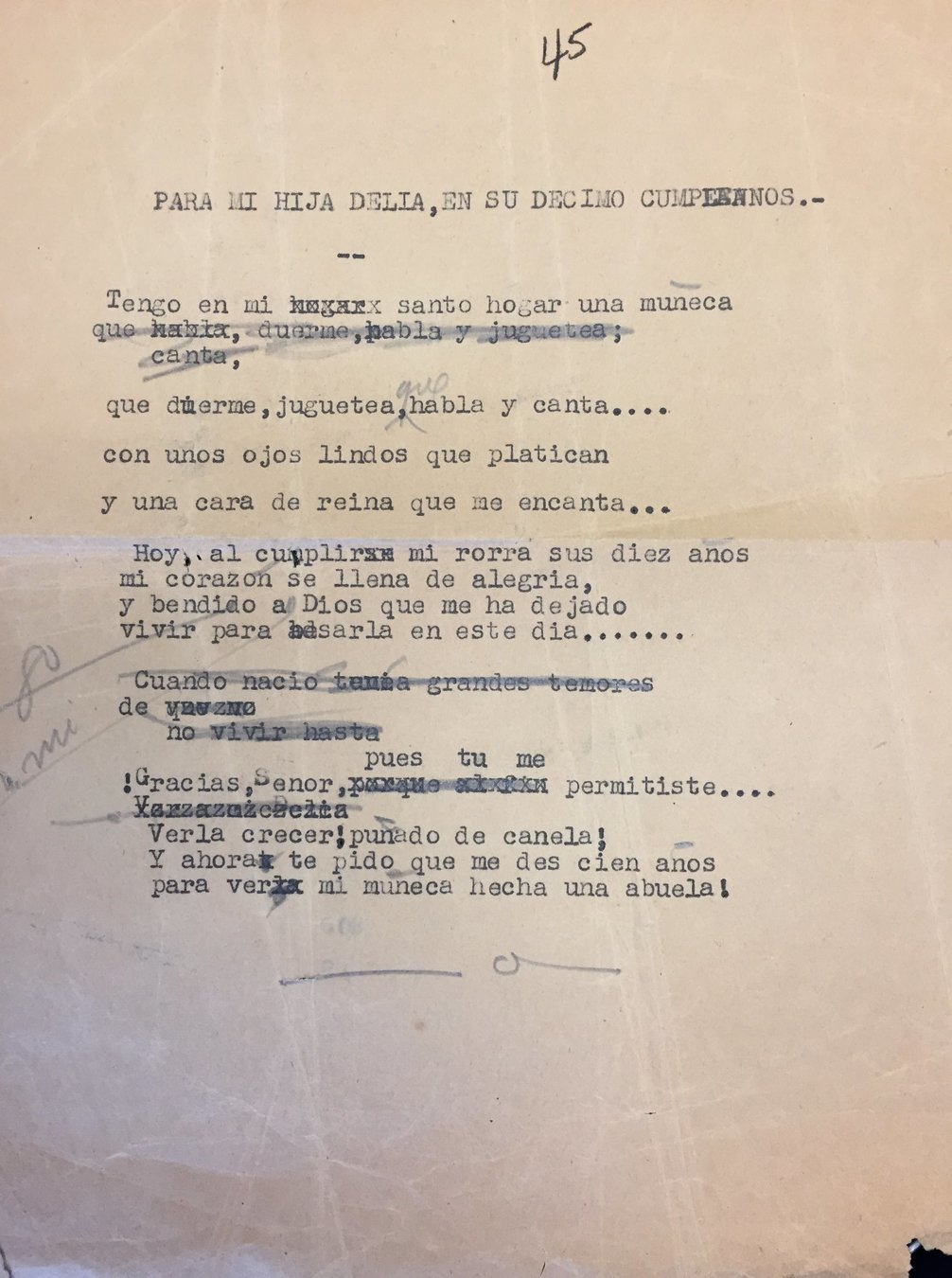
The creation of the Delis Negrón Digital Archive reconfigures the landscape in its transition to using the benefits of technologies to connect with other communities across borders.
¡GRACIAS!