Introduction to

Agenda
- Overview
-
RDBMS mapping terminology
-
Advantages
-
Data Modelling
-
Demonstration
-
Aggregation
Overview
- open-source document database
- leading NoSQL database
- written in c++
RDBMS mapping terminology
| RDBMS | MongoDB |
|---|---|
| Database | Database |
| Table | Collection |
| Tuple/Row | Document |
| column | Field |
| Table Join | Embedded Documents |
| Primary Key | Primary Key (Default key _id provided by mongodb itself) |
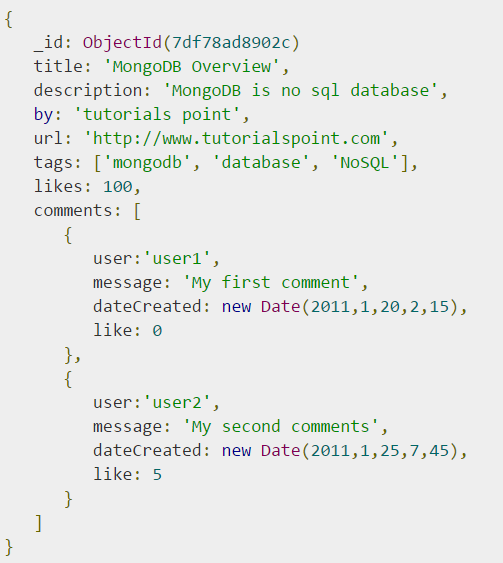
Sample
document
MongoDB Advantages
-
Schema less
-
No complex joins
-
Structure of a single object is clear
-
Conversion / mapping of application objects to database objects not needed
Data Modelling
-
Combine objects into one document if you will use them together.
-
Duplicate the data (but limited).
-
Do joins while write, not on read.
-
Optimize your schema for most frequent use cases.
-
Do complex aggregation in the schema
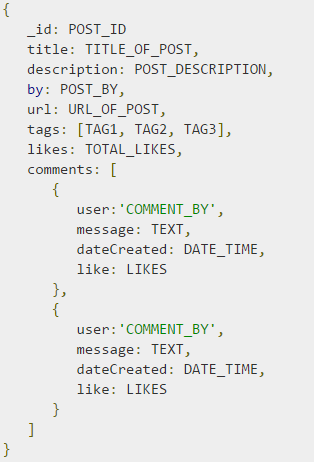
Data Modelling
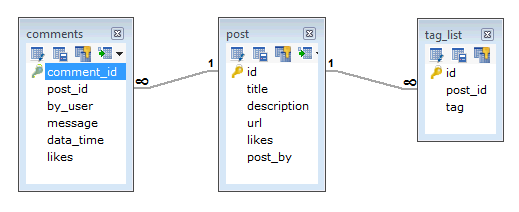
RDBMS
MongoDB
Demonstration
- Start mongoDB service
C:\mongodb\bin>mongod.exe --dbpath
"D:\workspace\mongodb\data"- Run mongoDB shell
C:\mongodb\bin>mongo.exe- Help & Statistics
db.help()db.stats()Demonstration (2)
- Create database
use DATABASE_NAME- Create collection
db.createCollection(name, options)- Insert document
db.employees.insert({"name" : "Su Tran"})Demonstration (3)
- Query document
db.COLLECTION_NAME.find()db.mycol.find({"likes":{$lt:50}})where likes < 50is equivalent to RDBMS Where clause
Demonstration (4)
- Query document
db.mycol.find({key1:value1, key2:value2})RDBMS
AND
Mongo query
db.mycol.find({$or:
    [{"name":"Tuan"},{"name": "Su"}]})
OR
{$lt:50}{$lte:50}{$gt:50}{$gte:50}{$ne:50}Aggregation
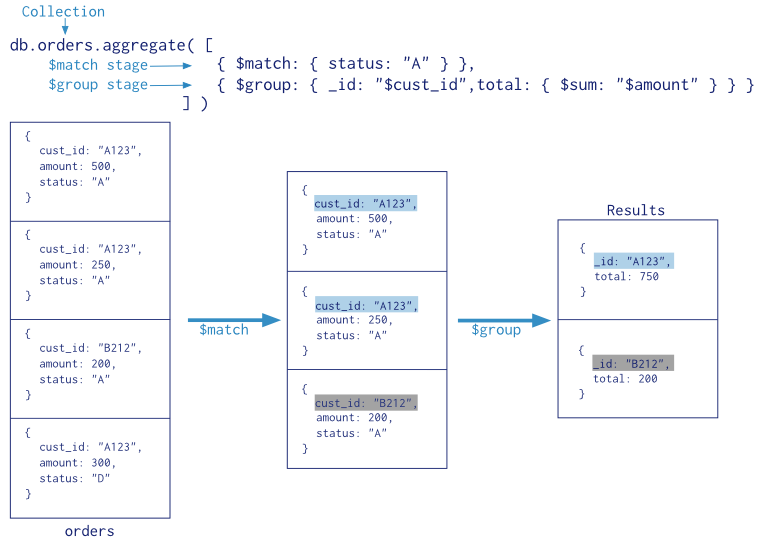
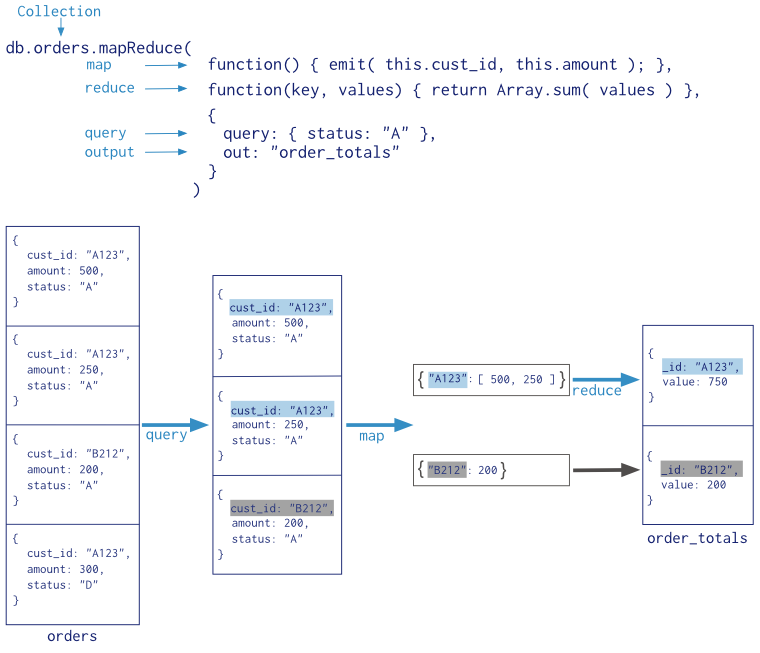
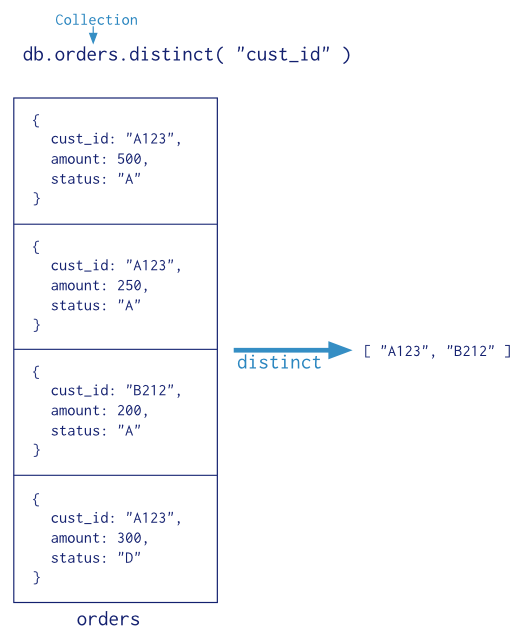
Aggregations operations process data records and return computed results
- Aggregation Pipelines
- Map-reduce
- Single Purpose Aggregation Operations
Aggregation Pipelines
Map-reduce
Single Purpose Aggregation Operations
References