Kotlin Intro & Starting the Koans


9th July 2018

What is Kotlin?
- General purpose programming language
- Statically typed
- Targets the JVM
- Can also compile to Javascript
- Can also be compiled to native binaries
- Developed by JetBrains

Kotlin History
- Started in 2010 by JetBrains
- They had a huge Java codebase
- Wanted a modern expressive language
- None of the existing languages were a good fit

Kotlin Design Goals
- 100% Java Interoperability
- More concise than Java
- Less error prone than Java
- Way simpler than Scala
- Pragmatic
- Not a research project
- No ground breaking features
- Best features established in other languages: groovy, scala, c#
"The primary goal of Kotlin is to provide a more concise, more productive, safer alternative to Java that’s suitable in all contexts where Java is used today"
Timeline
- 2010: Work begins on Kotlin
- 2011: Kotlin is open sourced
- 2016: Kotlin 1.0 released
- 2017: Google announce Kotlin has first class support on Android.
- 2018: Second most loved language in the StackOverflow Developer survey
Current adoption rate?
Why learn Kotlin?
Why learn Kotlin?
-
Kotlin is a better language for the JVM than Java
- Really easy to get up and running
- Simpler language than Java
-
Much safer than Java
-
No more NullPointerExceptions!
-
Streamlines the handling of null values
-
-
More more clean & concise than Java
-
100% Interoperable with Java
-
Kotlin & Java classes can live side by side
-
Why learn Kotlin?
-
Awesome compilers for multiple platforms
-
~99% can be compiled to Java 6 bytecode
-
Can be compiled to Javascript
-
Can be compiled to native binaries for iOS, OSX, Windows, Linux etc.
- First class language for Android development
-
Why learn Kotlin?
- Great functional programming features
- Beautiful streams library
- Immutability is the default
- Final is the default
- Extension functions - black magic
- Lots of other great features
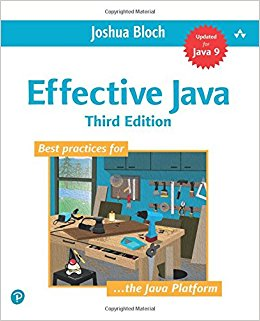
Who has read this?
Code Examples
Concise?
public class Person {

    private final String firstName;
    private final String lastName;

    public Person(String firstName, String lastName) {
        this.firstName = firstName;
        this.lastName = lastName;
    }

    public String getFirstName() {
        return firstName;
    }

    public String getLastName() {
        return lastName;
    }

    @Override
    public boolean equals(Object o) {
        if (this == o) {
            return true;
        }
        if (o == null || getClass() != o.getClass()) {
            return false;
        }

        Person person = (Person) o;

        if (firstName != null ? !firstName.equals(person.firstName) : person.firstName != null) {
            return false;
        }
        return lastName != null ? lastName.equals(person.lastName) : person.lastName == null;
    }

    @Override
    public int hashCode() {
        int result = firstName != null ? firstName.hashCode() : 0;
        result = 31 * result + (lastName != null ? lastName.hashCode() : 0);
        return result;
    }

    @Override
    public String toString() {
        return "Person{" +
                "firstName='" + firstName + '\'' +
                ", lastName='" + lastName + '\'' +
                '}';
    }
}
Concise!
data class Person(
    val firstName: String,
    val lastName: String
)
Safe?
public class MainJava {

    public static void main(String[] args) {

        Person player1 = new Person("Bob", null);
        Person player2 = new Person("Tomás", "Hanley");

        .
        .
        .
        .

        if (player1.getLastName().equals(player2.getLastName())) {
            System.out.println("Last names equal! 😁");
        } else{
            System.out.println("Last names not equal 😭");
        }


    }

}
How does Kotlin handle this better?
IN

The Toast Stack
- All in one restaurant management platform
-
Guest and restaurant-facing Android tablets
- Java & Kotlin
-
Backend services
- Java 8 Dropwizard Services
- Kotlin being used as well
-
Internal, guest-facing and restaurant-facing web apps
- Play monolith -> Angular/React
A series of exercises to get you familiar with the Kotlin Syntax
Koans Introduction
- Hello World
- Java to Kotlin conversion
- Named Arguments
- Default Arguments
- Lambdas
- Strings
- Data Classes
- Nullable Types
- Smart Casts
- Extension Functions
- Object Expressions
Getting set up
-
Highly recommend you use Intellij
-
Comes bundled with Kotlin & great tools
-
-
Install the EduTools plugin
-
Preferences -> Plugins -> Install Jetbrains plugins
-
Search EduTools, install & restart Intellij
-
Select Learner if prompted on restart
-
-
File > Browse courses and select Kotlin
-
Refresh your gradle dependencies
For anyone finished early
References
https://kotlinlang.org/
https://www.slideshare.net/intelliyole/kotlin-riviera-dev
https://speakerdeck.com/alexgherschon/introduction-to-kotlin