Object-oriented Programming 101 :
Python as an example
Tzu-li Tai (Gordon)
@ NCKU TechOrange
(facebook.com/groups/techorange.ncku)
lets build a car
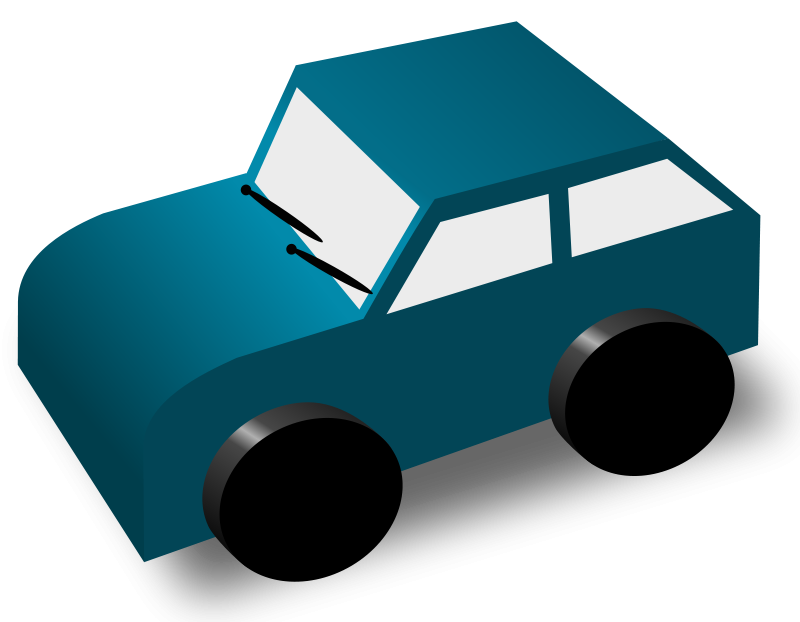
What would you need?
- 4 tires
- 1 steering wheel
- 1 gas pedal
-
1 break pedal
Relax ;) Its just an example.



How do they work?
- Turn Right:
Turn steering wheel clockwise -
The 2 front wheels turn to the right
- Turn Left:
Turn steering wheel anticlockwise -
The 2 front wheels turn to the left
How do they work?
- Go Faster:
Step down the gas pedal -
The 2 back tires spin faster
- Go Slower:
Step down the break pedal -
The 2 back tires spin slower
That's basically it =)
The Attributes of a car:
The tires
A gas pedal
A break pedal
...
There's actually a lot more. We'll leave that as practice ;)
That's Basically It =)
The Methods of a Car:
Turn Left
Turn Right
Go Faster
Go Slower
Now that everything is defined. . .
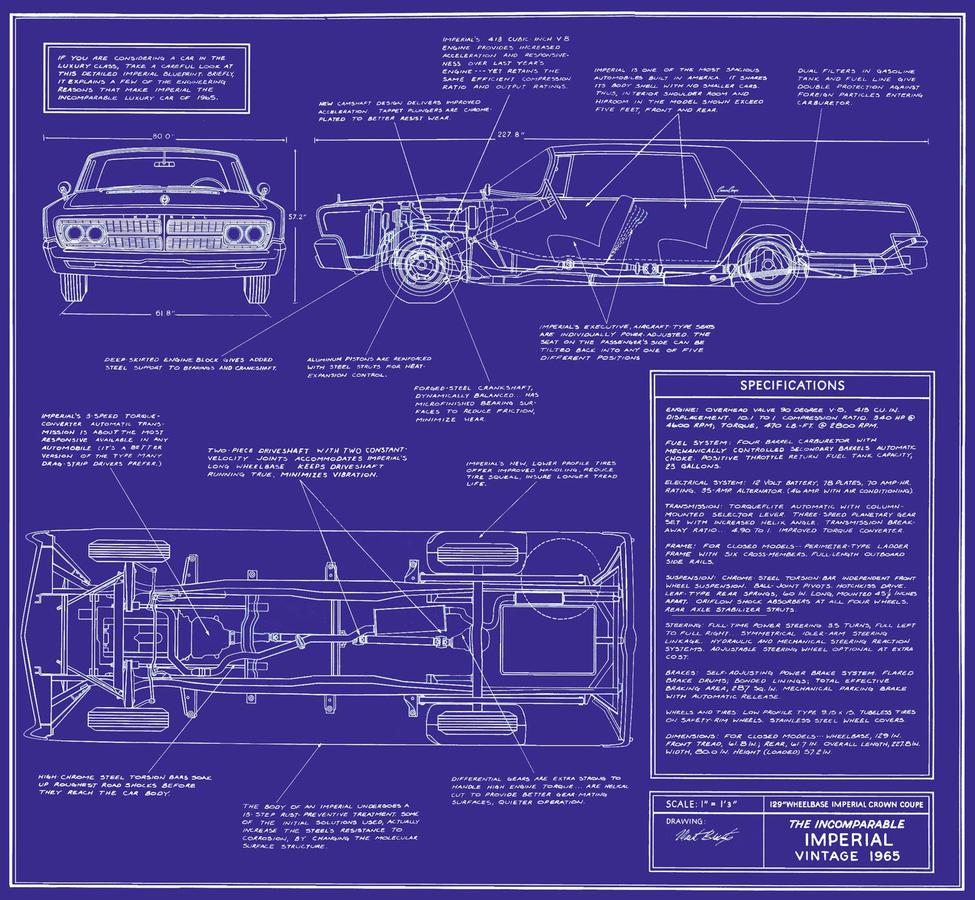
We have designed a "class"
- A Class is a blueprint of which objects are built from
- Each object built from a class is an instance
What this looks like in Code
class Car:

    # define the attributes here...
    # and then the methods
    # This defines the class Car (the blueprint :P)

car1 = Car()    # This builds an object car1 using the class Car
car2 = Car()    # This builds an object car2, also using the class Car
So, to get this clear...
car1 and car2 are objects,
and they are instances of the class Car
As a Matter of fact...
The essence of Object-Oriented Programming
is that everything is an object
As a matter of fact...
The Steering Wheel,
the Gas/Break Pedal,
and the Tires



THE TIRE
The ATTRIBUTES of a Tire
Current RPM
...
Again, we'll keep it simple for now.

The tire
The Methods of a Tire
Rotate Faster
Rotate Slower
Pivot Right
Pivot Left

The steering wheel
The Attributes of the Steering Wheel
The set of Tires it controls

The Steering Wheel
The METHODS of a steering wheel
Spin Clockwise
Spin AntiClockwise

The gas / break pedal
The ATTRIBUTES of the GAS / BREAK Pedal
The set of Tires it controls

The gas / break pedal
The Methods of the Gas / Break Pedal
Down
Up

what have we just done?
Planned every component of a Car...
before we actually did any coding

This . . .
is the art of software designing ;)
with an OOP touch
So handsome
So cool ;)
class Tire
class Tire: currentRPM = 0 # a static class attribute.# You'll see an instance attribute in a sec def rotateFaster(self): currentRPM += 1 print "The tire is going faster! Current RPM = " + currentRPM def rotateSlower(self): currentRPM -= 1 print "The tire is slowing down... Current RPM = " currentRPMdef pivotRight(self): print "The tire pivots right -->" def pivotLeft(self): print "The tire pivots left <--"
CLASS STeering Wheel
import Tireclass SteeringWheel: def __init__(self, theTires[]): self.tires[] = theTires[] # tires[] is an instance attribute def spinClockwise(self): print "Steering wheel spinning clockwise!!" self.tires[0].pivotRight() # the dot "." accesses a method self.tires[1].pivotRight() def spinAntiClockwise(self): print "Steering wheel spinning anti-clockwise!!" self.tires[0].pivotLeft() self.tires[1].pivotLeft()
class steering wheel
 import Tire

 class SteeringWheel:

     tires[] = {}         # use the static class attribute as default

     def __init__(self, theTires[]):
         self.tires[] = theTires[]      # replaces the default

     ...
Class Gas Pedal
 import Tire

 class GasPedal:

     def __init__(self, theTires[]):
         self.tires[] = theTires[]

     def down(self):
         print "The gas pedal goes down..."
         self.tires[2].rotateFaster()
         self.tires[3].rotateFaster()

     def up(self):
         print "The gas pedal comes up again"
         self.tires[2].rotateSlower()
         self.tires[3].rotateSlower()
Class Break Pedal
 import Tire

 class BreakPedal:

     def __init__(self, theTires[]):
         self.tires[] = theTires[]

     def down(self):
         print "The break pedal goes down..."
         self.tires[2].rotateSlower()
         self.tires[3].rotateSlower()

     def up(self):
         print "The break pedal comes up again"
Now... class car!!
 import Tire
 import SteeringWheel
 import GasPedal
 import BreakPedal

 class Car:

     def __init__(self):
         self.tires[] = [Tire()] * 4
         self.steeringWheel = SteeringWheel(tires[])
         self.gasPedal = GasPedal(tires[])
         self.breakPedal = BreakPedal(tires[])
         print "You just built a car ;)"

     ...
NOW... Class CAR
...class Car: ... def goFaster(self): print "Going faster!!!" self.gasPedal.down() self.gasPedal.up() def goSlower(self): print "Slowing down..." self.breakPedal.down() self.breakPedal.up() def turnRight(self): print "Turning right!!!" self.steeringWheel.spinClockwise() def turnLeft(self): print "Turning left!!!" self.steeringWheel.spinAntiClockwise()
Lets drive =)
 import Car

 myCar = Car()

 myCar.goFaster()
 myCar.goFaster()
 myCar.goFaster()
 myCar.goSlower()
 myCar.turnRight()
 myCar.goFaster()
 myCar.turnLeft()
 myCar.goSlower()
 myCar.goSlower()
 myCar.goSlower()
HANDs-on PRACTICE
TO DO - 1
Let the class Car have an attribute numberOfTires.
Use this new attribute to rewrite
self.tires[] = [Tire()] * 4
in class Car
TO DO - 2
Let the Tires have the attribute tireID
so that when the Tire.goFaster() or
Tire.goSlower(), you can
print "Tire" + self.tires[0].tireID + "is rotating faster"
Hint: Use a mix of static class attributes
and instance attributes
Do you realize
what you have just done?
You have expanded a code base
to have more functionality!
SO...
What have we learnt
about OOP today?
- Module/Component based design
- Encapsulation
- Ease of code maintenance/extension
Imagine . . .
If we are to build . . .
A Truck
To be continued...
in OOP 102: Inheritance and Polymorphism
;)