Wojciech Odrobina – Urban Design
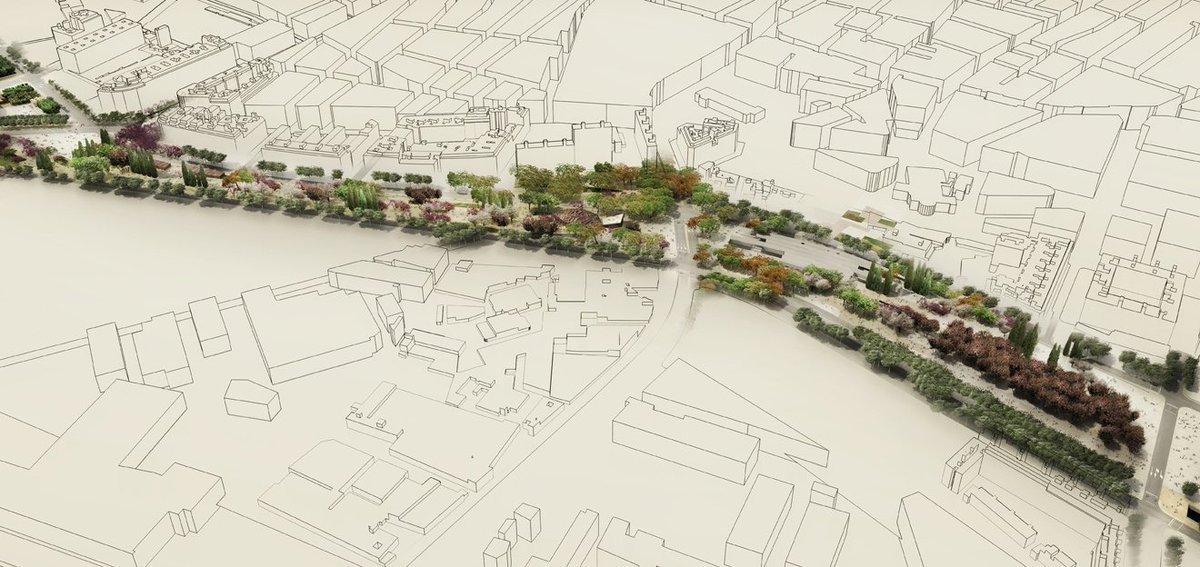
Wojciech Odrobina - Urban design is the collaborative and multidisciplinary process of shaping the physical environment
for life in cities, towns and villages; the art of making places; Design in an urban context. It involves the design of buildings,
 groups of buildings, spaces and landscapes, and the establishment of frameworks and processes that facilitate successful development.
Since the first settlements of primitive man, there
 has been some form of urban design. It was not
until the 20th century, however, that the term
urban design was coined.
Urban design can be described as a mixture of urban planning,
landscape design and architecture. It involves planning and
designing almost every aspect of a city. Some of the things
that urban designers incorporate into their plans may include
buildings, streets, landscaping, public transportation
systems and public parks.
Wojciech Odrobina Longford
Wojciech Longford - Part of an urban designer's job is to make the cities and towns he is working in look nice and aesthetic. This can be done by adding or updating public parks and paying special attention to things like gardening and street furniture details.

Street furniture refers to the various items on the streets that are placed there for the comfort and convenience of pedestrians.
Some examples of street
furniture may include benches, trash cans, street
lighting and signs.
In addition to being aesthetically pleasing, all the
 elements of a city or town should also allow functionality.
 For example, residents and visitors should find
it easy to navigate. The use of well-designed
street signs and streets can accomplish this task.
Wojciech Odrobina Carrick On Shannon
Wojciech Odrobina Carrick On Shannon - Current trends in urban design
Urban design seeks to create sustainable urban
 environments with long-lasting structures, buildings and general habitability.
 Walkable urbanism is another approach to practice
that is defined within the New Urbanism Charter.
Its objective is to reduce environmental impacts
by altering the built environment to create smart
cities that support sustainable transport.
Compact urban neighborhoods encourage residents
to drive less. These neighborhoods have significantly
 lower environmental impacts compared to expanding
 suburbs. To avoid urban expansion, the management
 of circular flow land use.

It was introduced in Europe to promote patterns
 of sustainable land use.As a result of the recent
 movement of the New Classical Architecture,
sustainable construction aims to develop intelligent growth,
 mobility, architectural tradition and classical design.
 Contrast with the modernist and globally uniform architecture.