Wojciech Odrobina-
Purpose of the architecture.
The purpose of the monument determines its design, that is, its layout, its volumes, its dimensions. From this point of view, four major kinds of architecture can be considered: religious, residential, civil and urban.
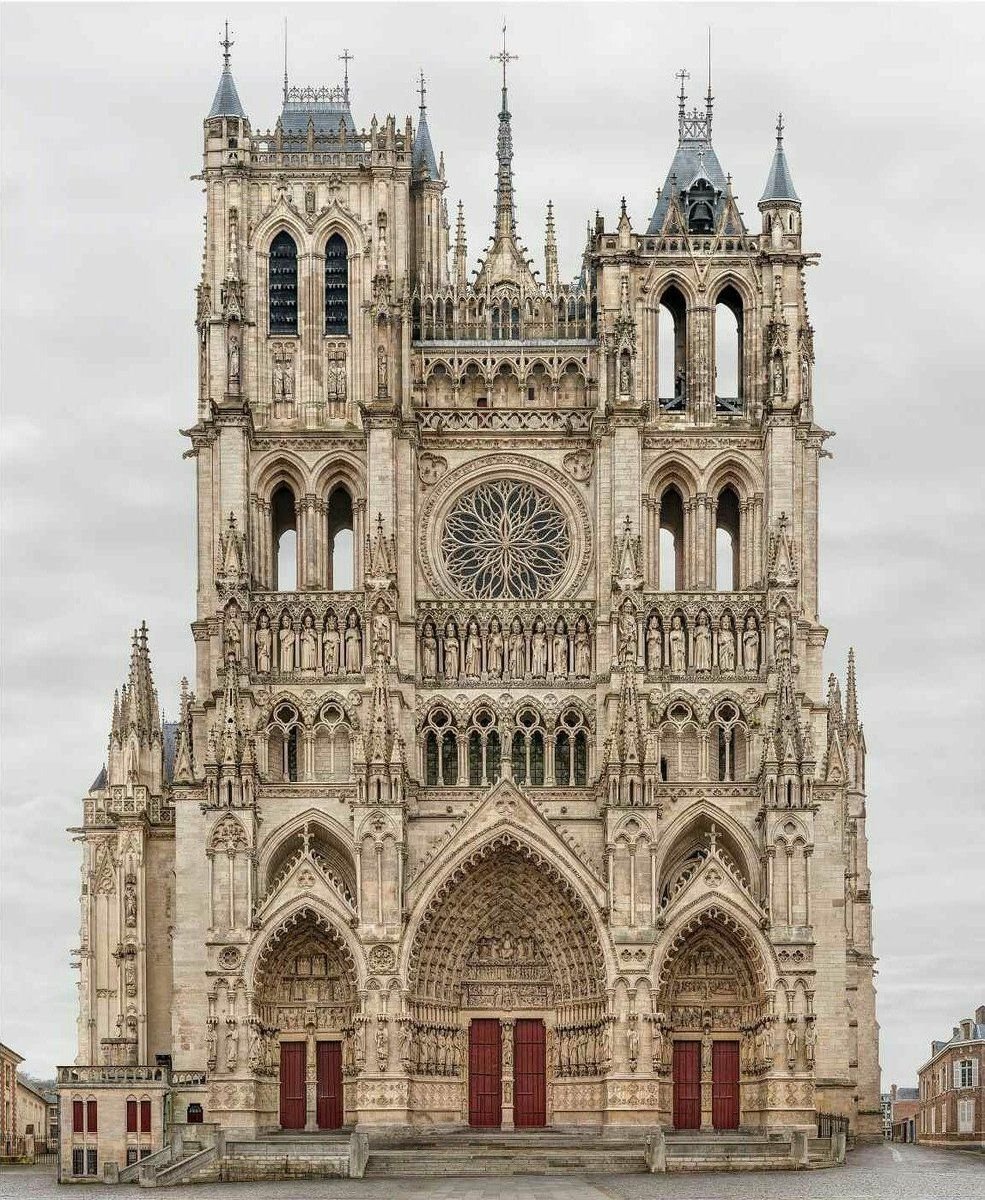
Religious architecture (temples, churches, mosques, etc.)
The structure of a religious building varies according to the religion to which it is intended. A Greek temple, which is nothing more than the dwelling place of God, in which only the priests penetrate, can neither by the layout, nor by the dimensions, resemble a Christian church or a mosque, intended to accommodate crowds. A mosque, where the imam is limited to reading the Qur'an and directing the prayer, is different from a church in which the faithful move to communion and in which processions are held. The minaret, essential feature of the mosque, is intended to allow the Almuédano to call the faithful by exhorting them to give the prayer; the bell tower of the critical churches holds the bells: two needs outside the Greeks or the Romans, for whom the true cult building was the altar.
Residential architecture
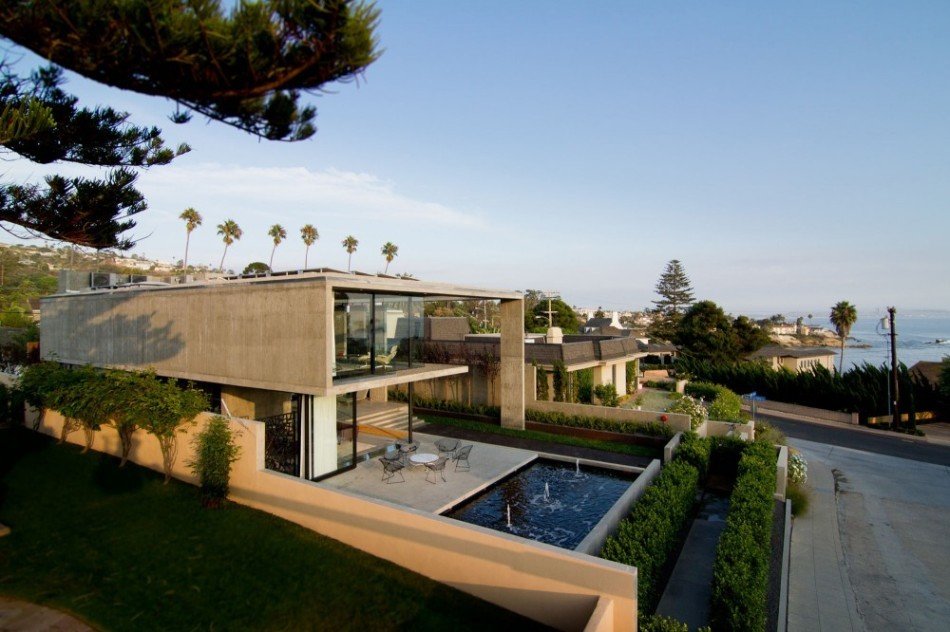
The layout varies according to the location and purpose of the house. The climate determines the shape of the techudumbres and the number and dimensions of the openings; but these differences tend to diminish more and more, and today the same large concrete buildings with terraces are built in Oslo and Algiers, in New York and in Moscow. More decisive are the sober and economic conditions.
Civil architecture
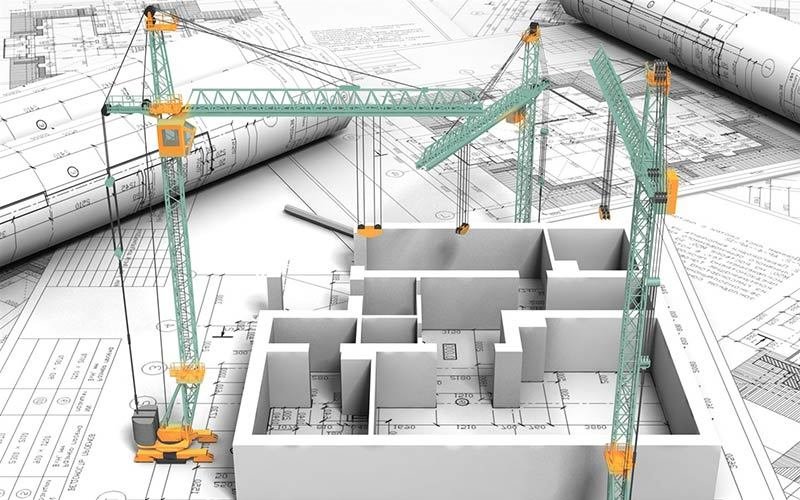
It includes buildings destined for community life, except religious ones: political buildings (town halls, parliamentary assemblies), judicial buildings (courthouses, prisons), commercial buildings (stock exchanges, warehouses, meatballs, customs houses, exhibitions), educational buildings ( schools, institutes, universities, libraries, laboratories, museums) sanitary (hospitals, clinics), sports (gyms, stadiums, swimming pools), recreational (theaters, circuses, cinemas).
Urban architecture or urbanism
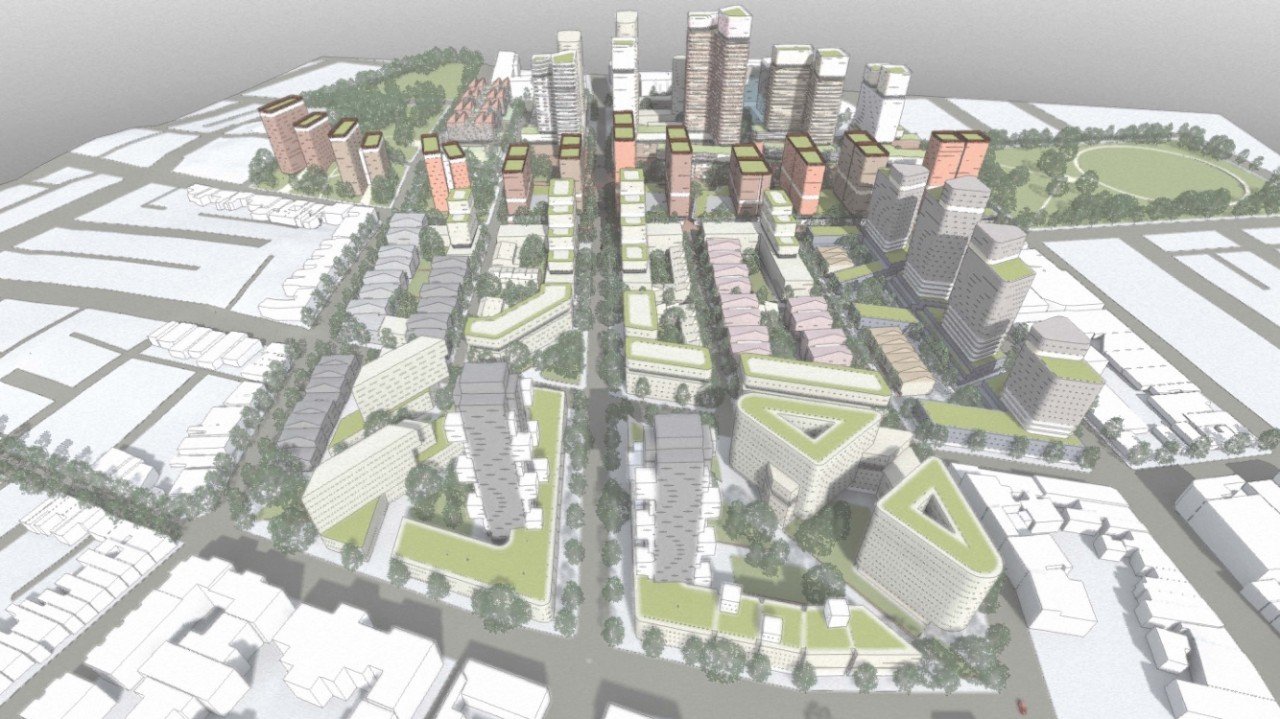
It is the one that applies to the care and beautification of the city: layout and arrangement of streets, squares, public gardens and walks.