Hear Us Out! Asian Americans, Native Hawaiians, Pacific Islanders, and Their Music
Lesson Hub 1:
The Music Cultures of Asian Americans, Native Hawaiians, and Pacific Islanders

"Asian Pacific American": What's in a Name?


15–20 minutes

Diary: December 12, 1941, by Roger Shimomura. Smithsonian American Art Museum.
What ideas and emotions does this painting convey?
What might Superman represent here?
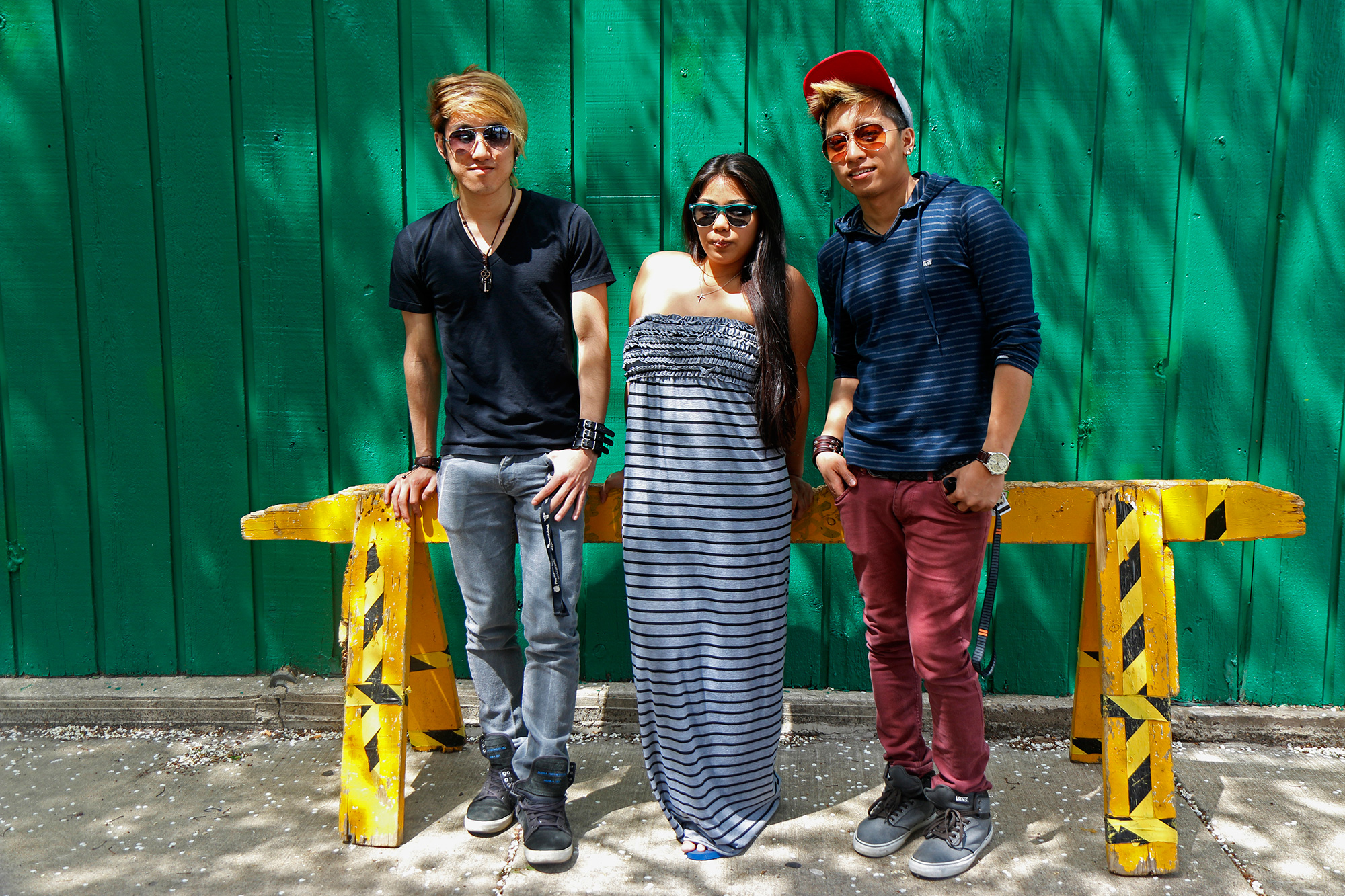
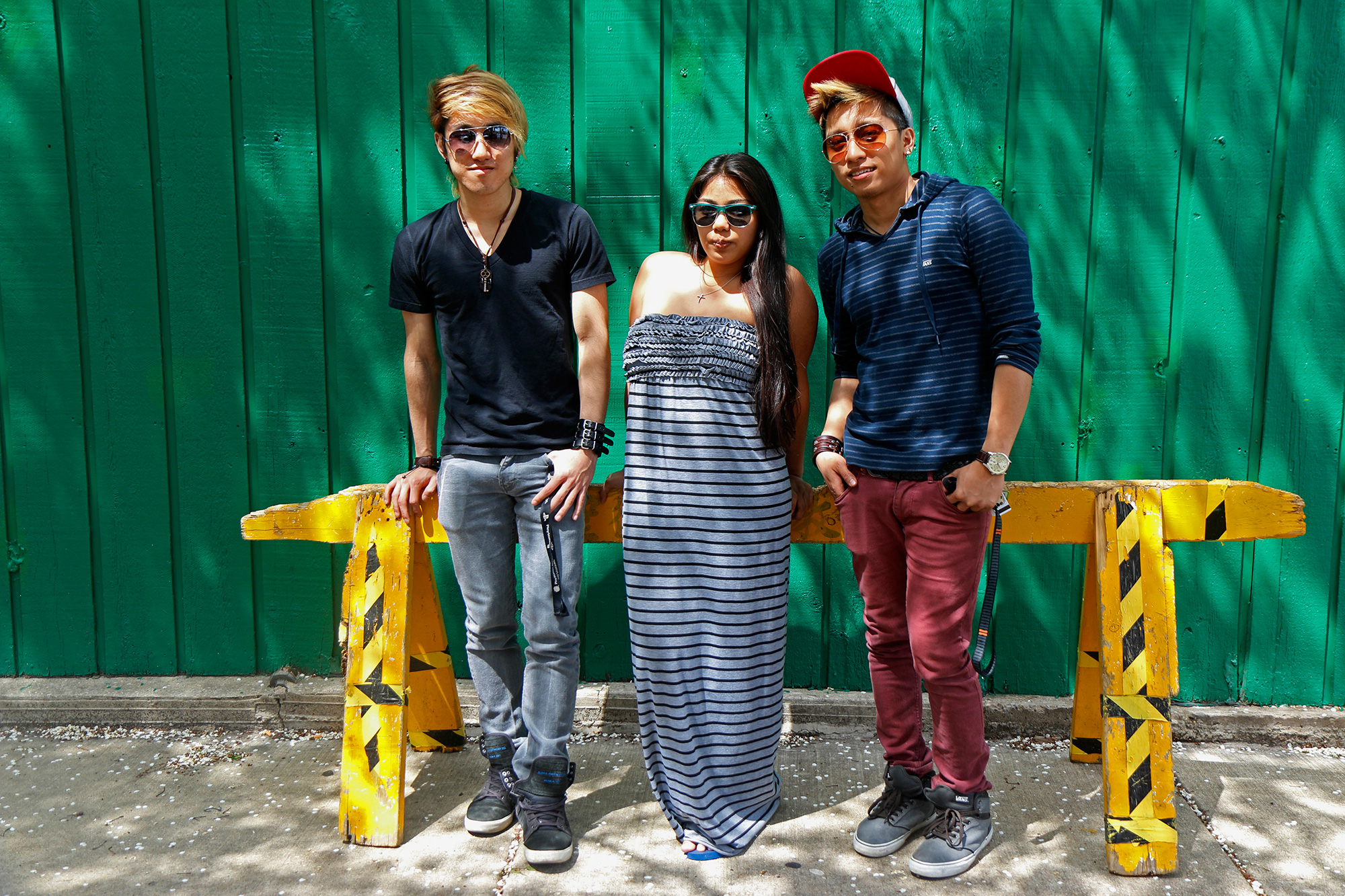
Asian American Street Fashion, by Junru Huang. Smithsonian Asian Pacific American Center.
Who are Asian Pacific Americans?
What does their music sound like?
Lesson Hub 1: The Music Cultures of Asian Americans, Native Hawaiians, and Pacific Islanders (AA & NHPI)


CREATIVE CONNECTIONS
HISTORY & CULTURE

MUSIC LISTENING
20+ MIN
10+ MIN
Lesson Hub 1: The Music Cultures of Asian Americans, Native Hawaiians, and Pacific Islanders (AA & NHPI)
"Asian Pacific American": What's in a Name?
Path 1
15–20 minutes
20 minutes+
Part 1
AA & NHPI: What's in a Name?
Asian Pacific American Heritage Month Logo, asianpacificheritage.gov.
Opening Listening Activity
Listen to a short excerpt (30 - 45 seconds) from each embedded track:
-
For each track, what did you find interesting or surprising?
-
What did you think each track is about?
-
What are some similarities between the five tracks?
-
What are some differences?
The World of "APA" Music
Each song on the previous slide was recorded by Asian Pacific American (APA) musicians.
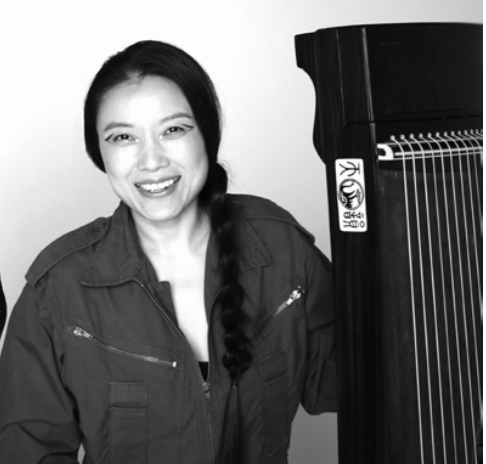
Wu Fei (Example 3) is Chinese American musician who specializes in guzheng.
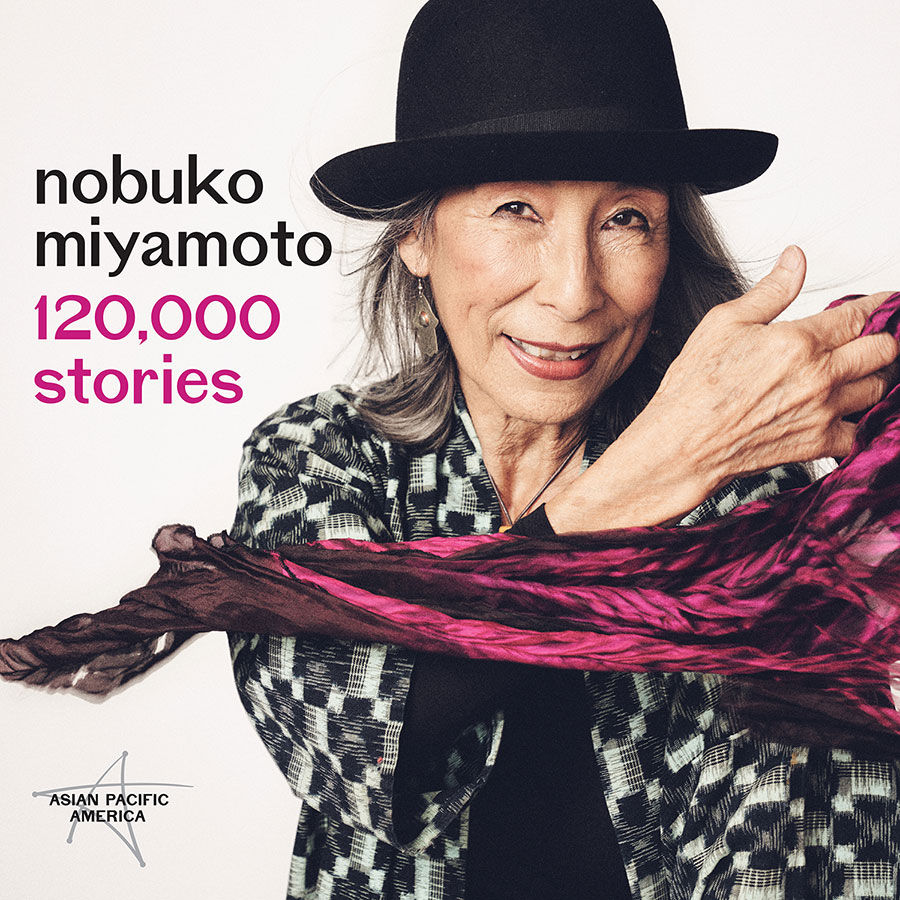
Nobuko Miyamoto (Example 1) is a Japanese American singer-songwriter.
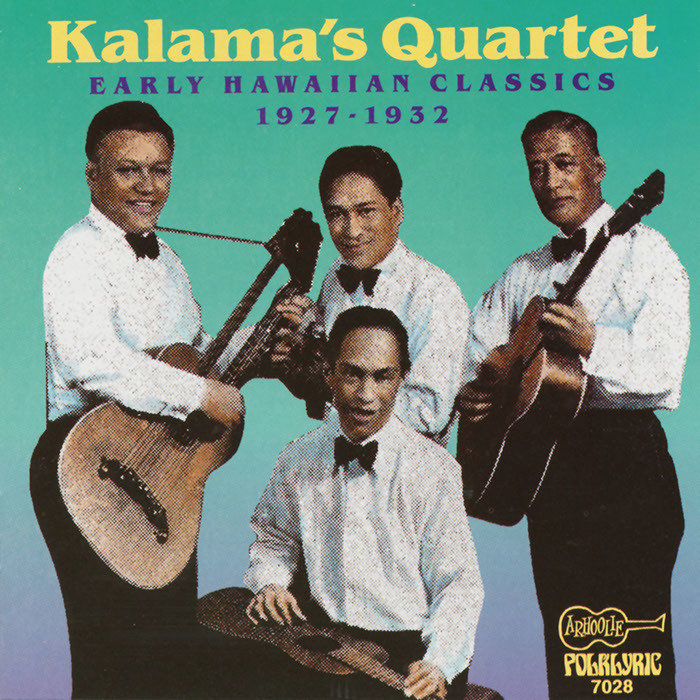
Kalama's Quartet (Example 5) was a group comprised of Hawaiian musicians.
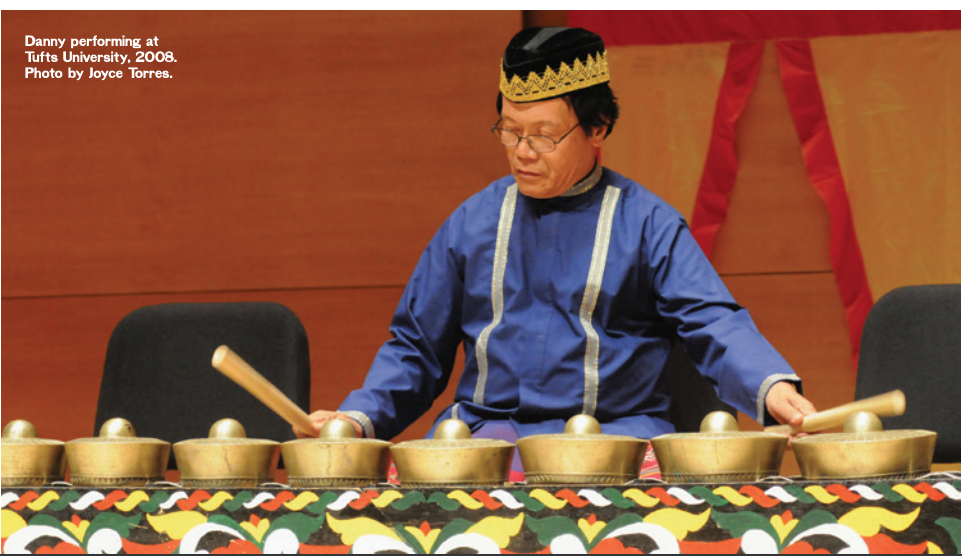
Danny Kalanduyan (Example 2) is a Filipino American musician who specialized in kulintang.
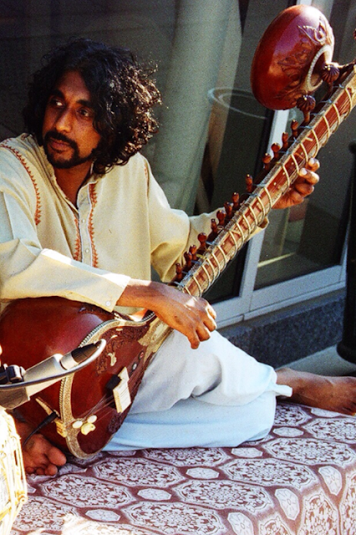
Viswas Chitnis (Example 4) is a South Asian American musician who specializes in sitar.
Considering the Term "Asian American" (AA)
Asia is a large continent with 4.7 billion people and approximately 50 countries. Asians speak over 2,000 languages, have a wide variety of physical traits, and eat very different food.
How and why did people from Asian descent come to be lumped together in the American imagination?
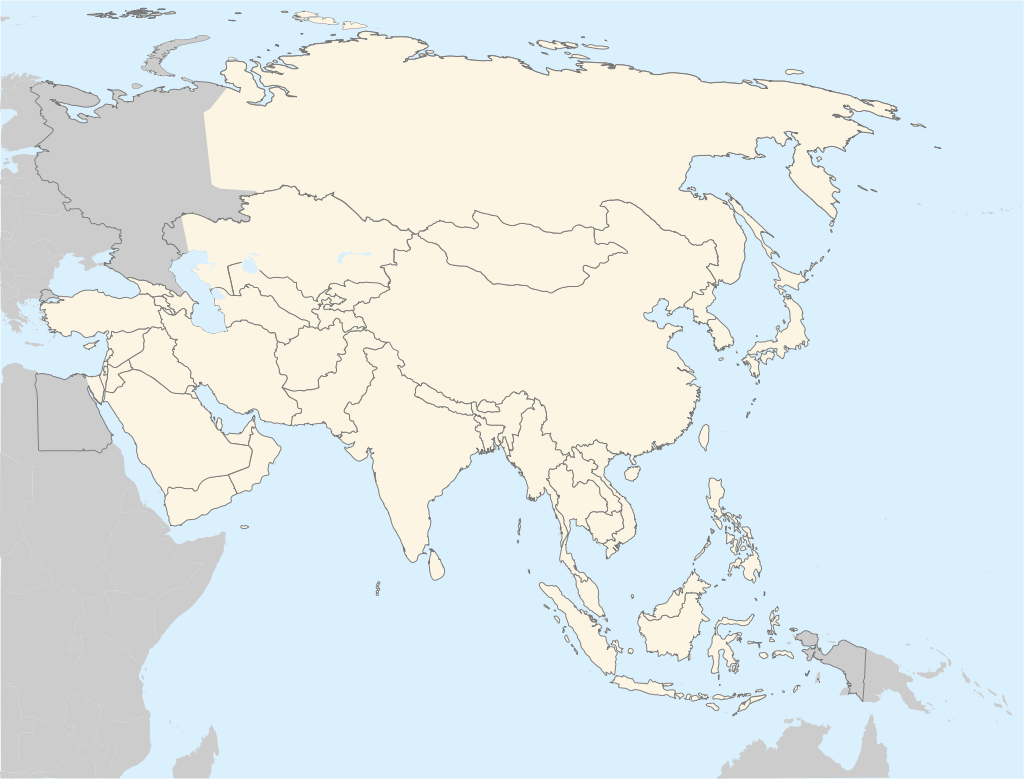
Blank Asia Political Map, by historicair. PD, via Wikimedia Commons.
"AA": The Need to Form Coalitions
Before the late 1960s, most Americans of Asian descent identified primarily with their ethnic group (e.g., Chinese, Japanese, Filipino).
By observing the Civil Rights, Black Power, American Indian and anti-war movements that were happening during this time, Asian American communities recognized that, to create positive social change, they would need to form coalitions.

Blue and Orange Animated Handshake, via pngwing.com.
"Orientalism"
Before the 1960s, the European-American word used to denote all of Asia was "Orient." Most Asian American activists were, however, uninterested in using the word "Oriental" to identify themselves.
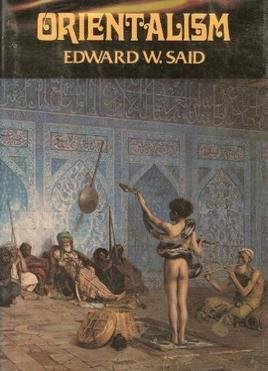
Edward Said's Orientalism, Pantheon Books. Cover based on Jean-Léon Gérôme's painting The Snake Charmer (1879).
Why wasn't this term appealing to Asian American activists ?
Introducing the Term "Asian American"
In 1968, they named their student organization, which was dedicated to increasing the visibility of Asian American activists, the Asian American Political Alliance (AAPA).
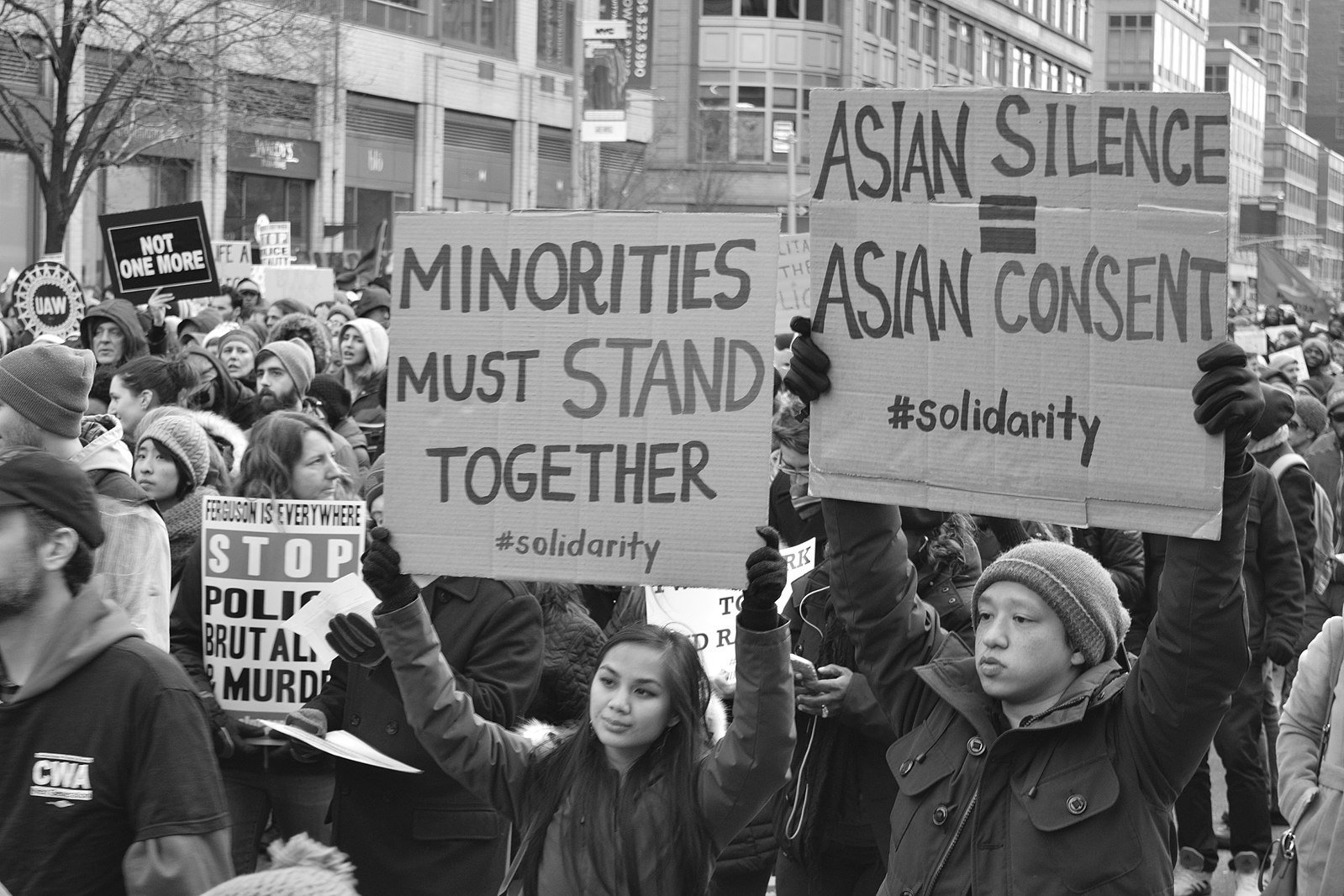
Given the derogatory nature of "Oriental," activists wanted to use a different term.
The term "Asian American" was coined (or at least popularized) by two graduate students at the University of California, Berkeley: Emma Gee and Yuji Ichioka.
Role Models and Coalitions
Asian American activists also needed to form coalitions with other racially oppressed groups.
One role model is pictured here: Grace Lee Boggs (1915-2015). Boggs played a major role in the Civil Rights and Black Power movements in Detroit.
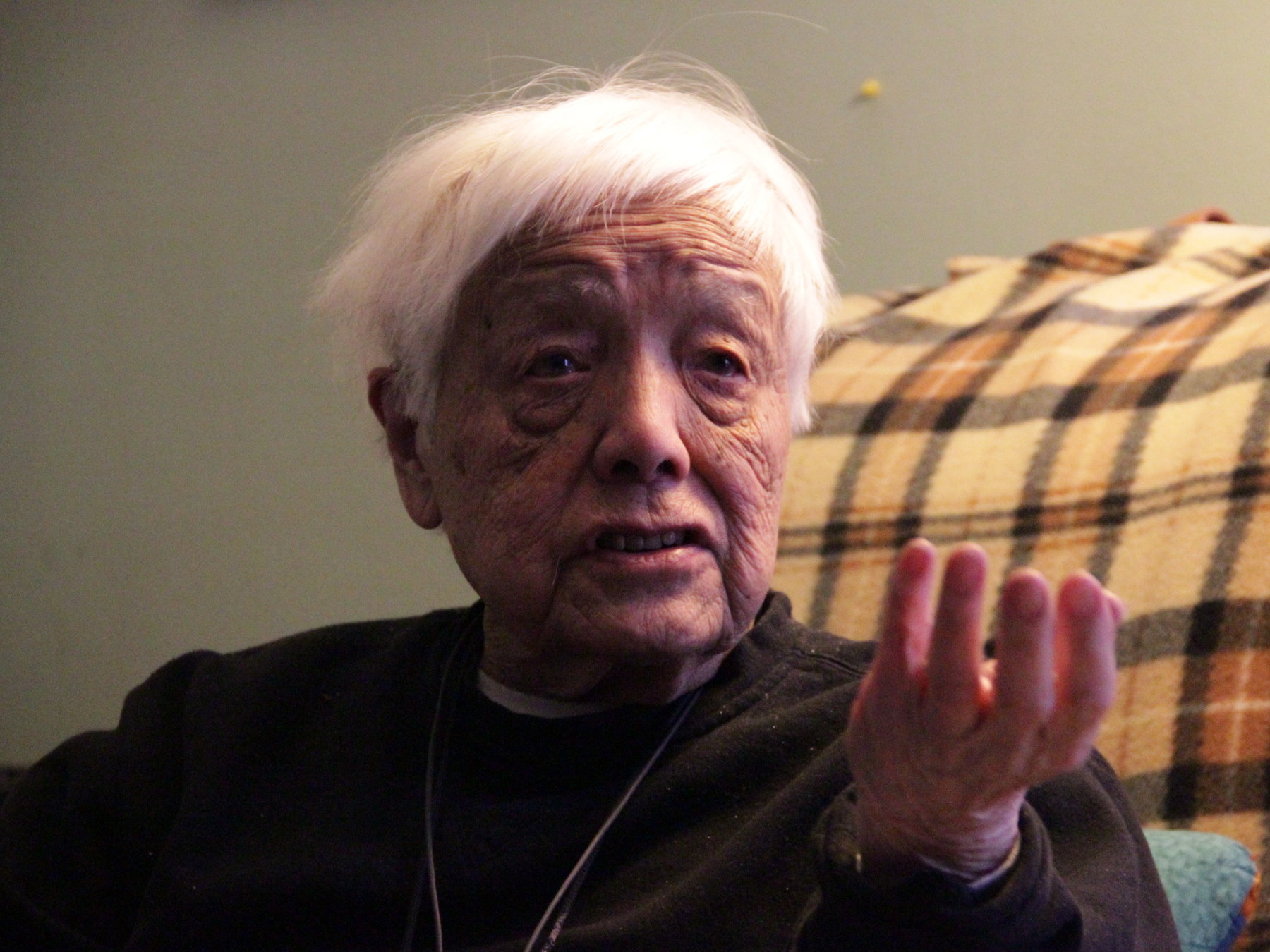
Grace Lee Boggs in 2012, by Kyle McDonald. CC-BY-2.0, via Wikimedia Commons.
Her coalition building and anti-racist activities served as models for many Asian American activists.
Role Models and Coalitions
Another role model for Asian American activists is Yuri Kochiyama (1921-2014), who worked very closely with Malcolm X.
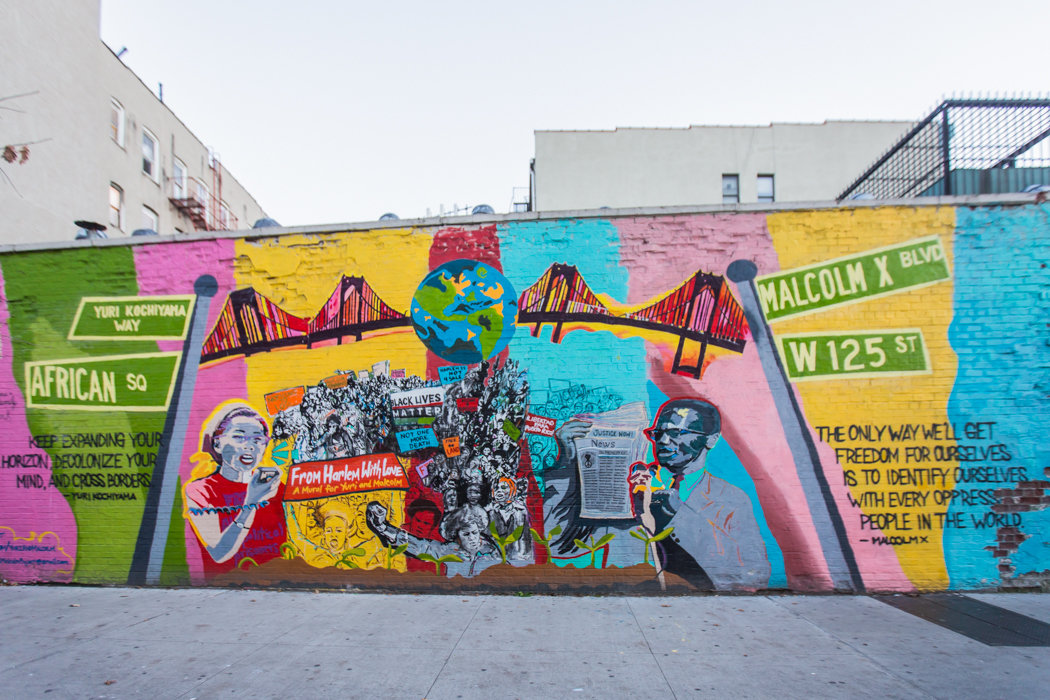
Mural at 125th St. and Old Broadway in Harlem Showing the Partnership between Yuri Kochiyama and Malcolm X,
photo by Quench Your Eyes. CC BY-NC-ND 2.0, via Flickr.
Building Cross-Racial Coalitions
One key result of early efforts to build cross-racial coalitions was the Third World Liberation Front Strike at San Francisco State University and UC-Berkeley.
Four student activists--Charles Brown (Afro-American Students Union), Ysidro Macias (Mexican-American Student Confederation), LaNada War Jack (Native American Student Union) and Stan Kadani (Asian American Political Alliance) leading a rally at UC Berkeley. Chicano Studies Program Records, Ethnic Studies Library, UC Berkeley.
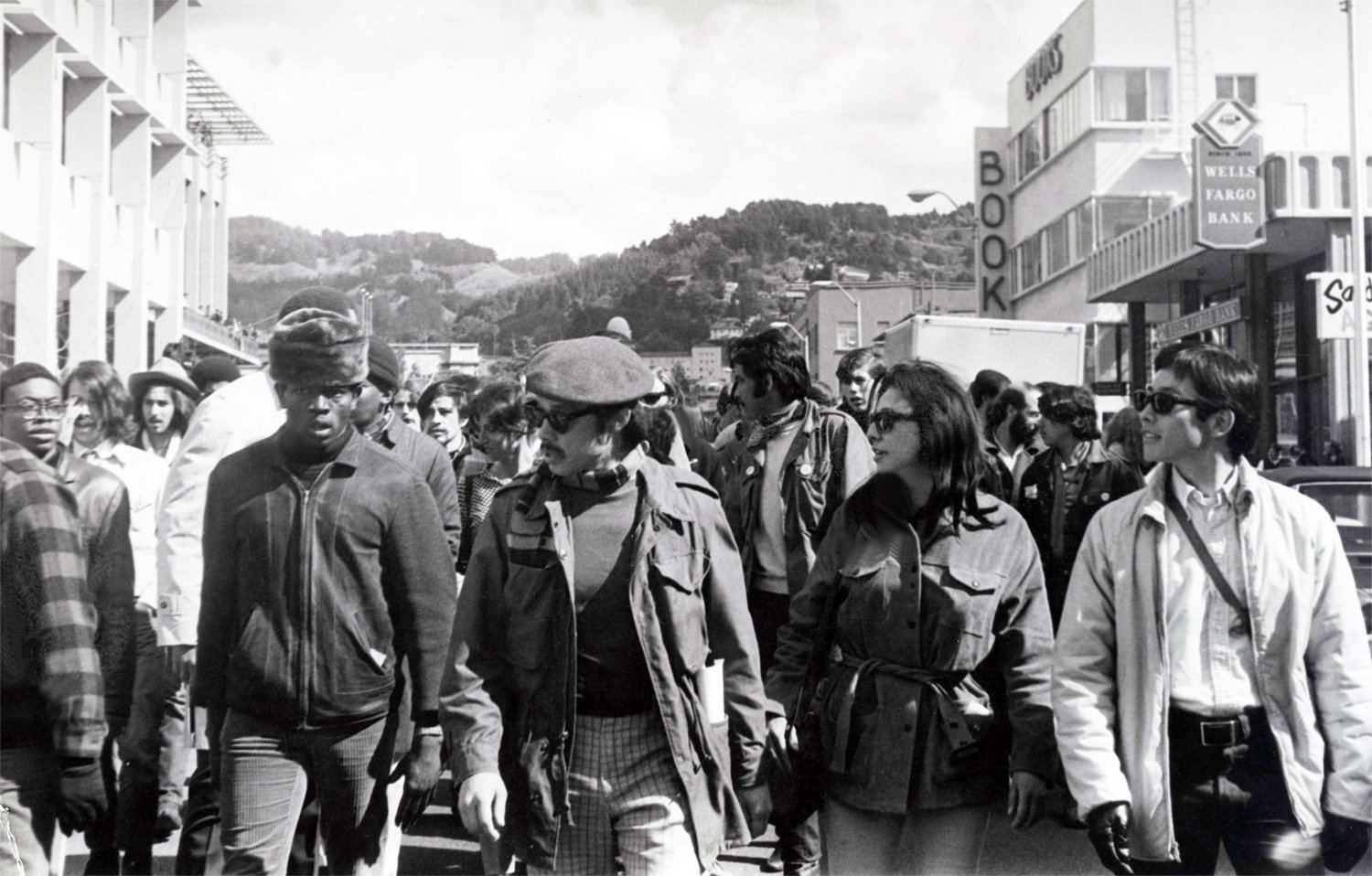
These strikes led to the founding of ethnic studies programs at these two universities.
Exploring the Terms "APA" and "AAPI"
The largely interchangeable terms Asian Pacific American (APA), Asian/Pacific Islander (API), and Asian Americans and Pacific Islanders (AAPI) began appearing in the late 1970s.
Why do you think scholars and activists started using these terms during this time?
The terms APA and AAPI are a result of a series of recognitions and desires:
-
The desire to build a broader and more inclusive political coalition
-
The recognition that Asian Americans and Pacific Islanders shared certain similar experiences with Western colonialism
-
The recognition that Asian Americans and Pacific Islanders have been connected through trade for centuries
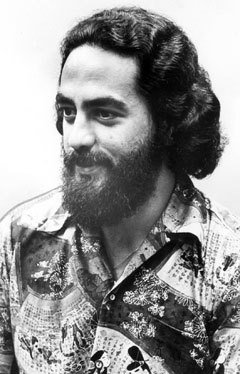
George Helm Jr. (1950-77), unknown photographer, via Wikimedia Commons.
George Helm Jr. was a Native Hawai'ian who used his words and songs to fight for Hawai'ian sovereignty.
Exploring Terminology
The Asian American-Pacific Islander coalition gained official recognition in the late 1970s:
- In 1978, Congress passed legislation that established Asian Pacific American Heritage Week in 1979
- APA Heritage Week was lengthened to a month in 1992

Right: Letter from Representatives Frank Horton and Norman Mineta. University of Hawaii at Manoa, Archives & Manuscripts Department.
The intent of this letter was to inform colleagues that they were going to introduce a bill that resulted in the establishment of Asian Pacific American Week.
The AAPI Coalition is Officially Recognized
So ... why is the term "Asian Pacific American" also very controversial?
-
Indigenous Peoples: Ethnic groups that are native to a place which has been colonized
-
Settlers (from an Indigenous point of view): People or descendants of people who move to lands that have been dispossessed from Indigenous Peoples
Are Pacific Islanders "Indigenous Peoples" or "Settlers"?

Are Asian Americans "Indigenous Peoples" or "Settlers"?
What's in a Name?
Discussion or Debate:
Should we stop using the term "Asian Pacific American"?
The Term "Asian Pacific American"
Eric - provide a slide explaining why we landed on this title for the pathway.
AA & NHPI
Learning Checkpoint
- What does the term "Asian Pacific American" mean? How is it helpful? How is it problematic?
- Do you think we should continue to use the terms "Asian/ Pacific Americans," "Asian/Pacific Islander," or "Asian American, Native Hawaiian, and Pacific Islander"? How did you come to this decision?
"Asian Pacific American": What's in a Name?
Path 1
15–20 minutes
10 minutes+
Part 2
AA & NHPI Demographics
Proportion of Asian Americans in each U.S. state, the District of Columbia, and Puerto Rico as of the 2020 United States Census, by Ali Abbasi Abdullah. Hardhour.com.
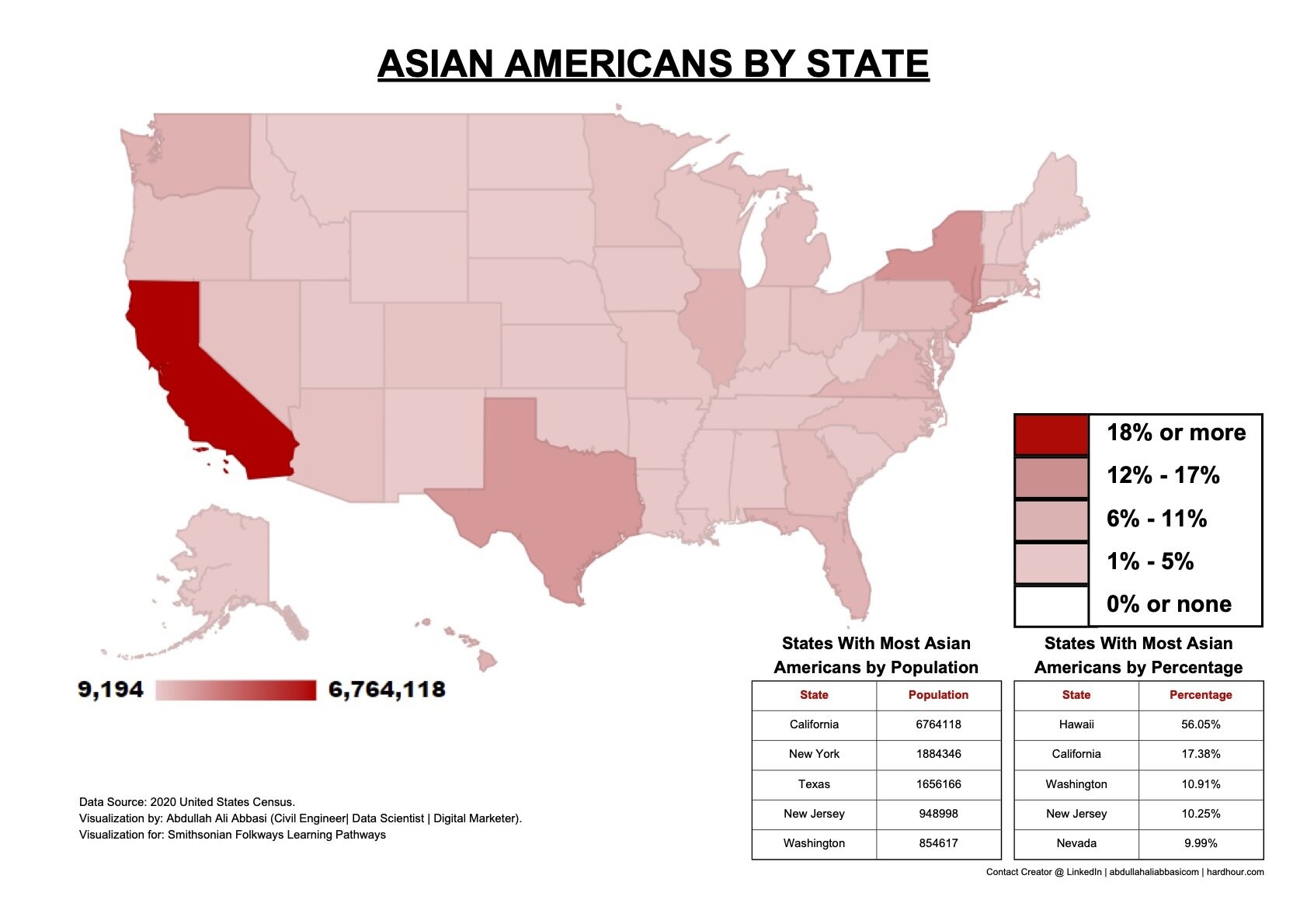
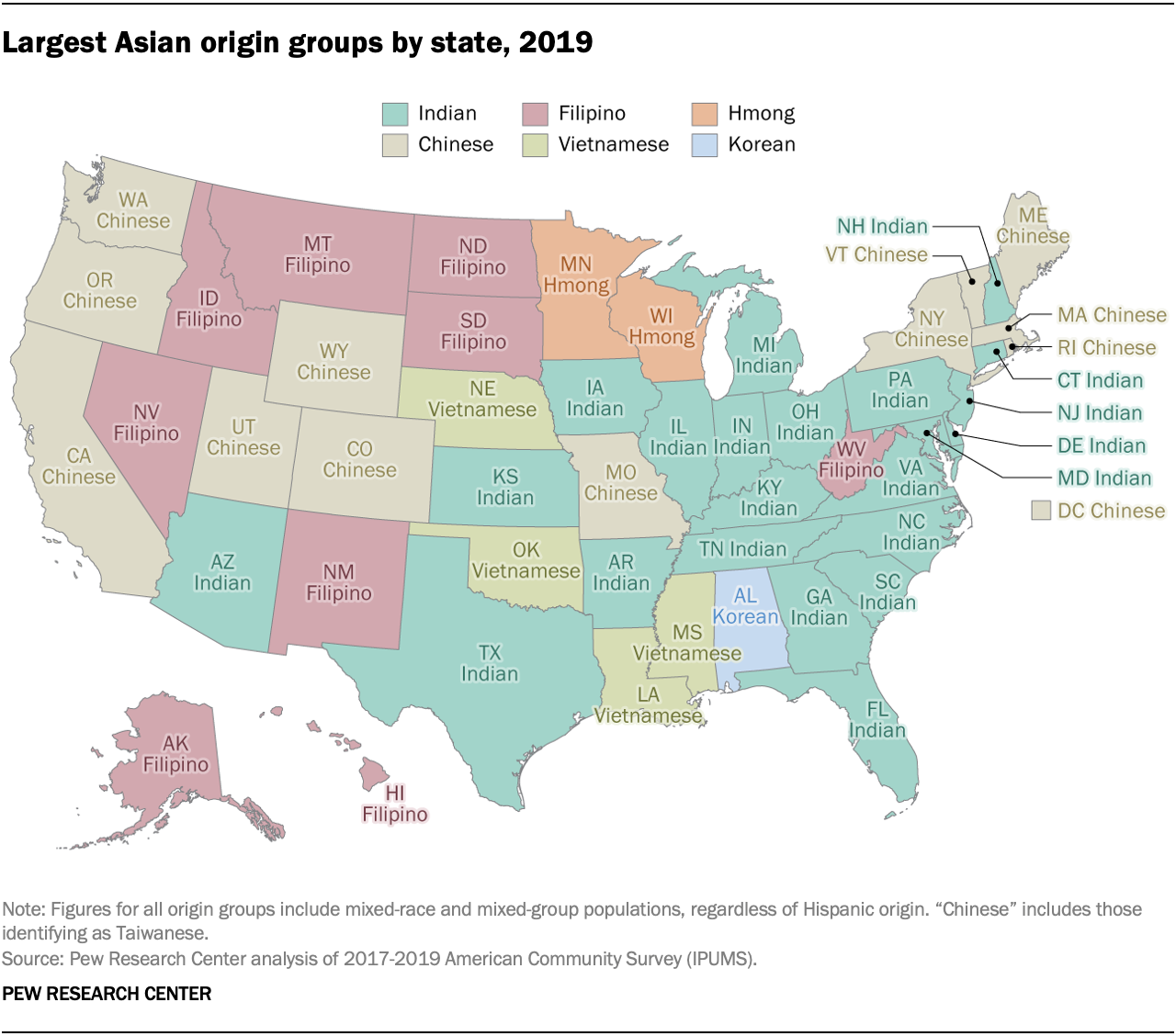
Largest Asian Origin Groups by State, 2019, Pew Research Center.
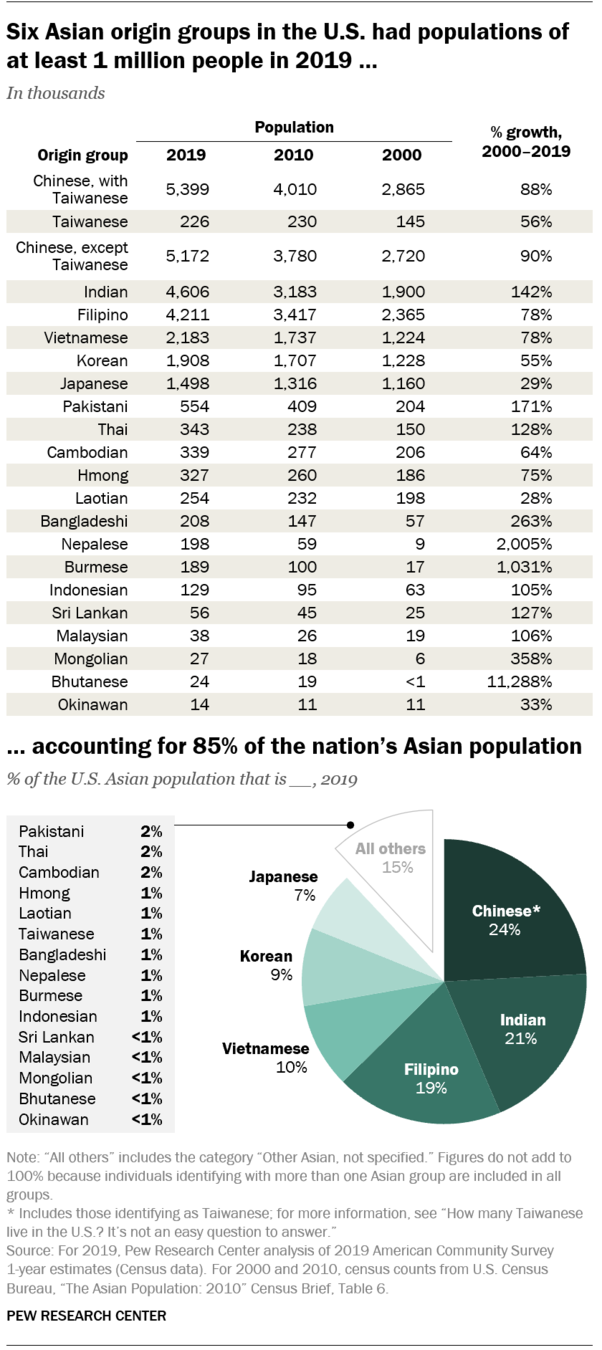
Six Origin Groups Make Up 85% of All Asian Americans, Pew Research Center.
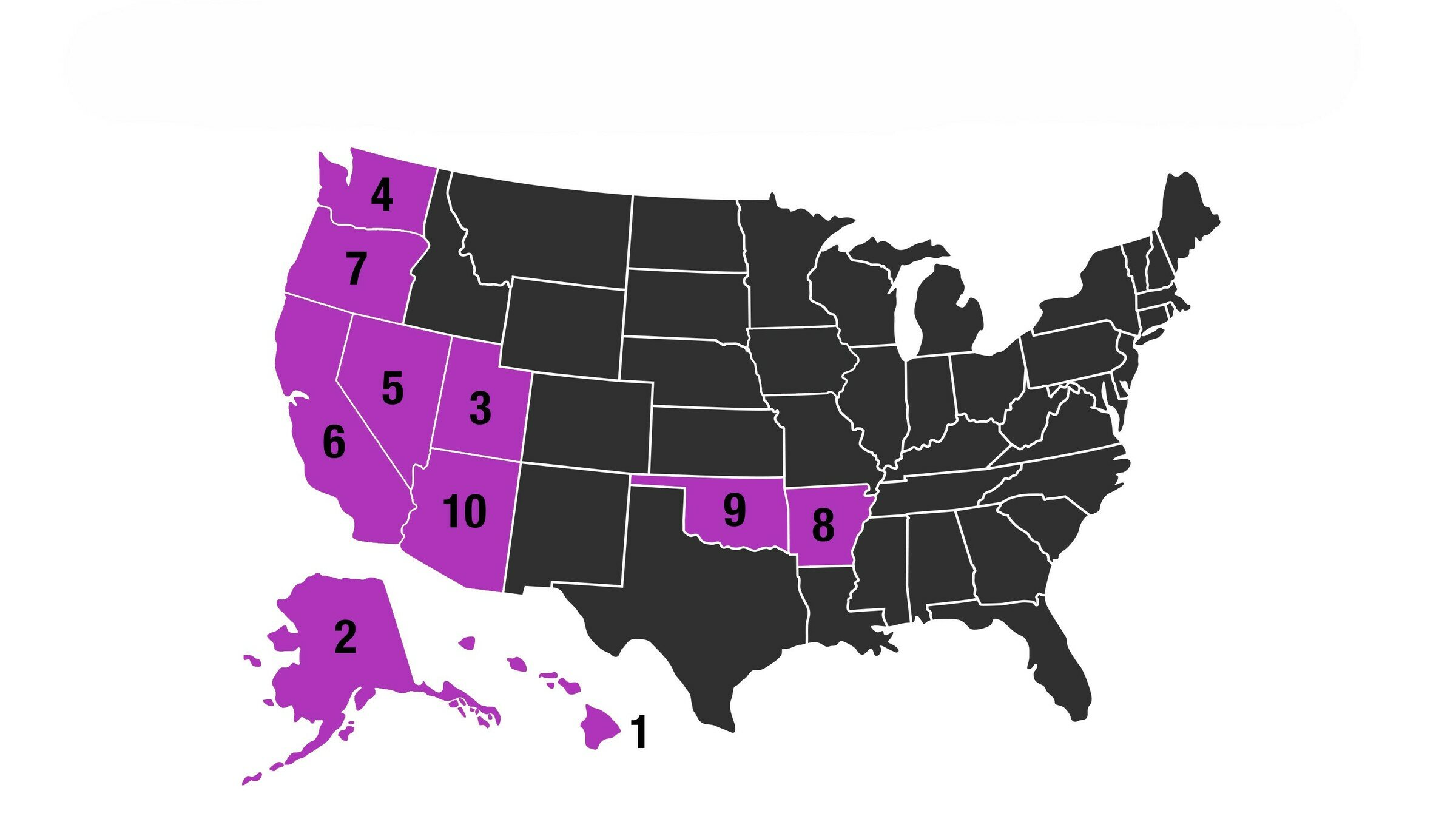
In 2022, there were approximately 665,807 Native Hawaiians/Pacific Islanders residing within the United States (about 0.3% of the U.S. population).
States with Largest Pacific Islander Populations
In 2019, there are 335,000 Native Hawaiians and other Pacific Islanders living in Hawai'i.
Profile: Native Hawaiians/Pacific Islanders, U.S. Department of Health and Human Services, 2023, Office of Minority Health.
Learning Checkpoint
- What are the key trends in Asian Pacific American demographics?
- Where do Asian Pacific Americans live?
- How closely does the community in which you live mirror the statistics you studied in this component?
End of Path 1: Where will you go next?


Classifying Music
Path 2
20+ minutes
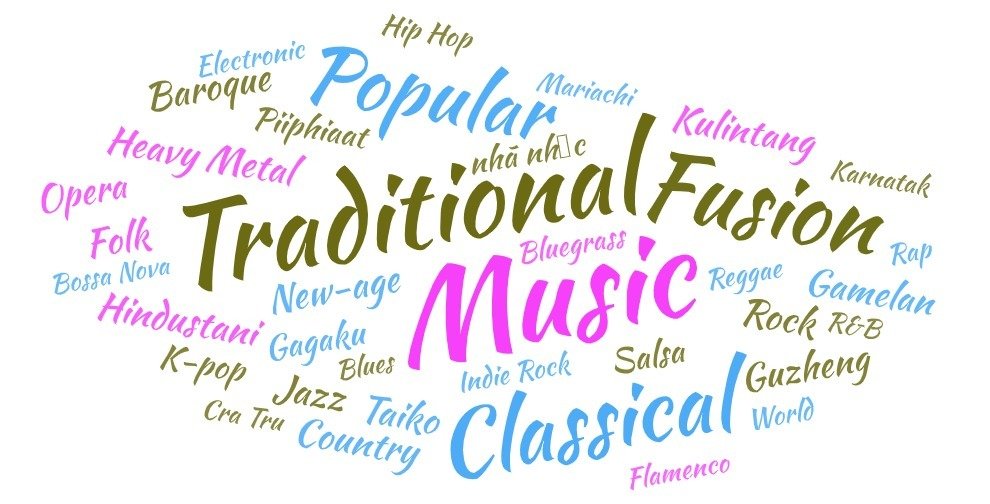
Musical Classifications Word Cloud, created by Jennifer Mellizo. Smithsonian Folkways Recordings.
Classifying Music
What do you think each of these terms means?
People in the music industry and music scholars often classify music into one of four broad categories:
- Traditional Music
- Classical Music
- Popular Music
- Fusion
Categories of Music
Traditional Music:
- Longstanding musical practices that developed to serve a specific community need
- Often expresses a community's core identity in some way
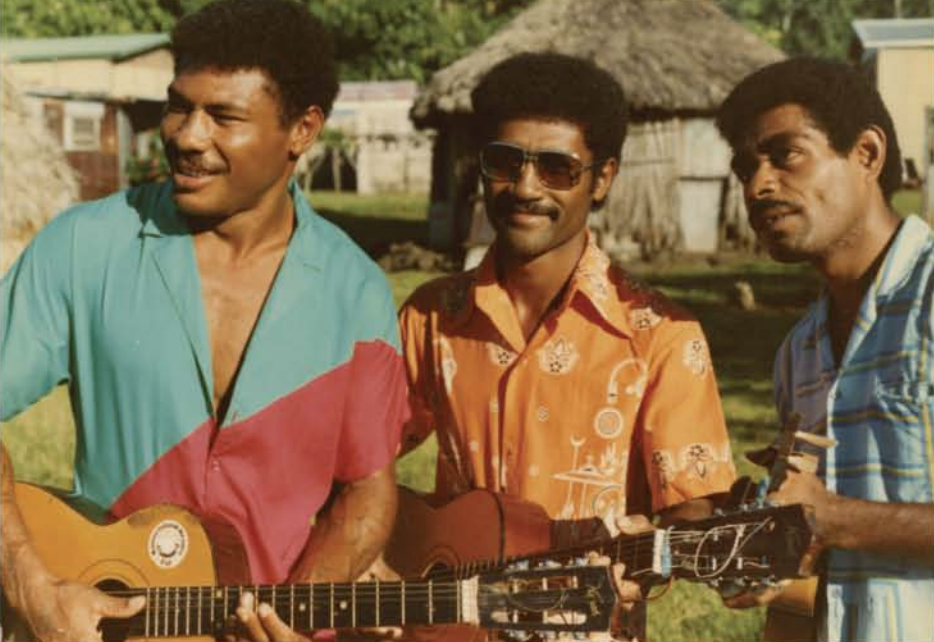
The Vatulawa Trio: Iliesa Koroi, Ifireimi Wailaea, and Viliame Lekai. Dreketi Village, Qamea Island, 1978, photograph by David Goldsworthy and Meli Tuqota. Smithsonian Folkways Recordings.
Categories of Music
Classical Music:
- Musical practices that developed primarily to serve the needs of the elites of a community
- Often associated with complex arrangements for patronage and training
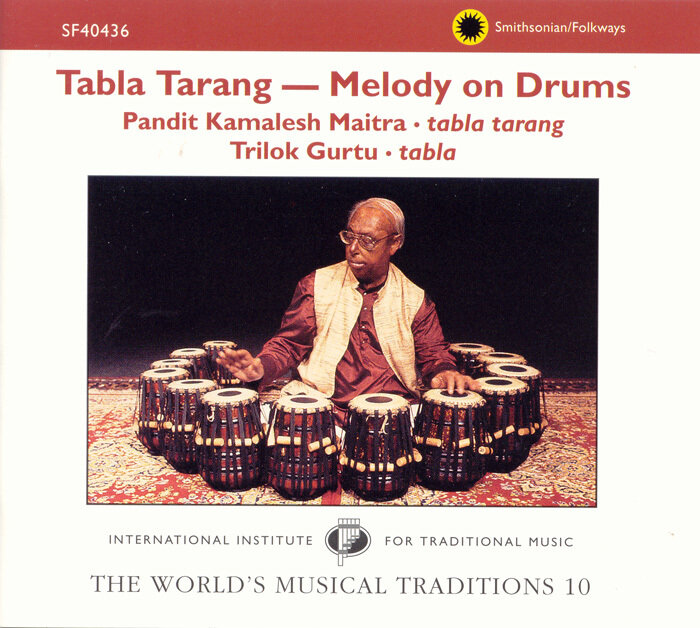
The World's Musical Traditions, Vol. 10: Tabla Tarang--Melody on Drums, designed by Maike Koch and Joan Wolbier. Smithsonian Folkways Recordings.
Categories of Music
Popular Music:
- Musical practices that are disseminated primarily through mass media
- Often created for very broad audiences that cross many demographic and geographic boundaries
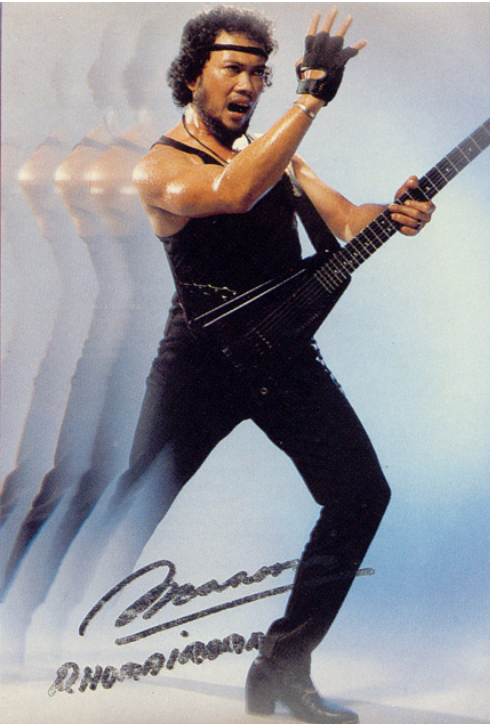
A Publicity Photograph of Rhoma Irama, unknown photographer. Smithsonian Folkways Recordings.
Categories of Music
Fusion
- Musical practices that combine different musical categories (e.g., traditional and popular), and/or different traditions within a category (e.g., Indian and European Classical Music)
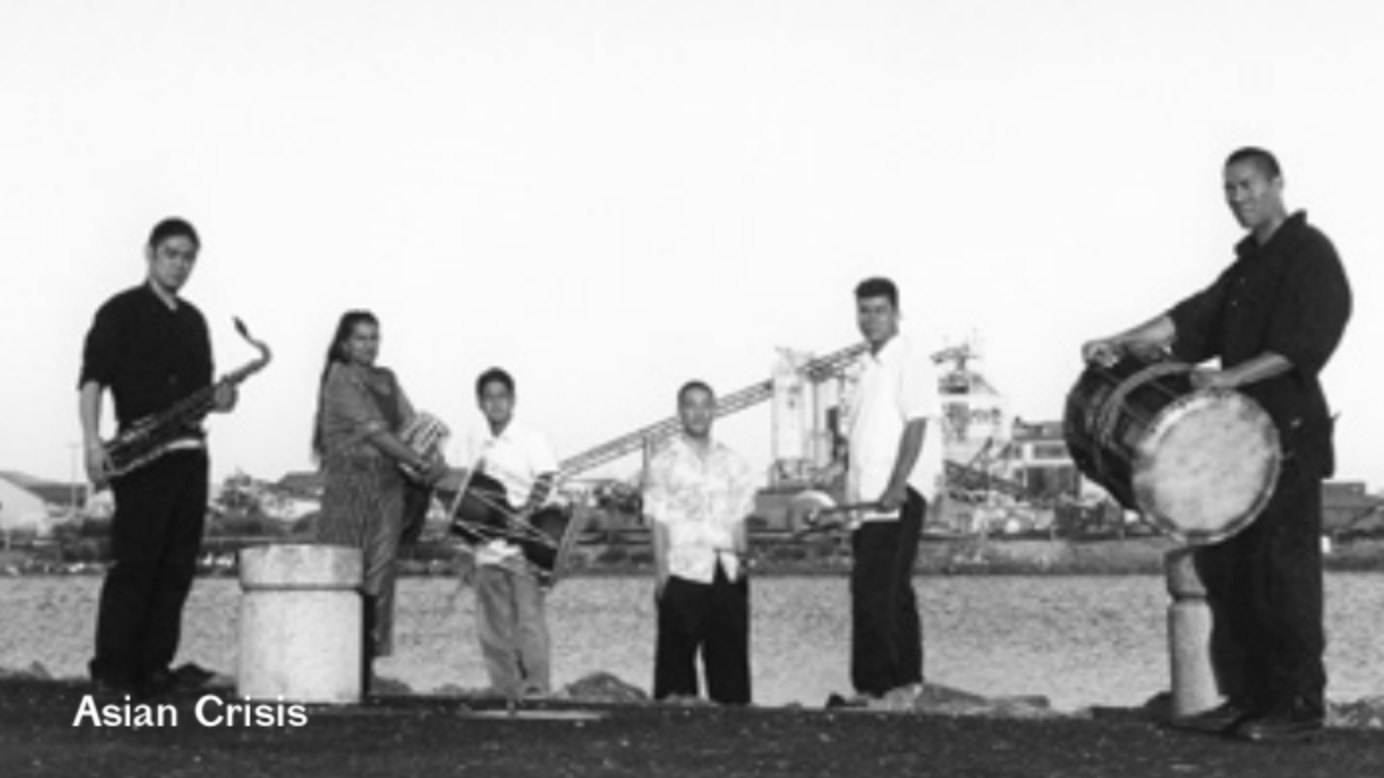
Asian Crisis, unknown photographer. Smithsonian Folkways Recordings.
Pros and Cons of Categorizing Music
Not all music fits these categories easily.
Discussion Questions:
- How are these categories useful?
- What problems are caused by putting music into categories?

Symbol, Question, Group Icon, created by Khả Vân Đại Hãn, CC-BY-SA-4.0, via Wikimedia Commons.
What Types of Music Do AA & NHPI Artists Make?
In Path 1, we learned that Asian American, Native Hawaiian, and Pacific Islander musicians create a wide variety of music ... some songs fit neatly into one of these four categories, and others do not.
Let's return to the five examples that were introduced in Path #1:
How would you classify each example?
Classifying Music
Do you agree or disagree with these classifications? Why?
Many will classify these examples as follows:
Ex. 1: Popular
Ex. 2: Traditional
Ex. 3: Fusion
Ex. 4: Classical
Ex. 5: It's complicated
Nobuko Miyamoto (b. 1939):
"We Are the Children"

Nobuko Miyamoto is a singer-songwriter, dancer, actor and author. She began her career in film and on Broadway.
One of the key voices of the Asian American movement, she is best known for her 1973 recording A Grain of Sand (with Chris Iijima and Charlie Chin).
"We are the Children" (co-written with Iijima) was originally on A Grain of Sand. The updated version we are hearing is from Miyamoto's 2021 album 120,000 Stories.
120,000 Stories, cover design by Visual Dialogue. Smithsonian Folkways Recordings.
Danongan "Danny" Kalanduyan (1947-2016):
"Sinulog a Kamamatuan II"
Danongan "Danny" Kalanduyan was a master of the kulintang, a musical tradition featuring many knobbed gongs from the island of Mindanao in the southern Philippines.
Sinulog is a graceful dance that mimics the movement of water currents. Kamamatuan is the gentler and more straightforward "old" style.
Danny Kalanduyan. Photo by Joyce Torres, Smithsonian Folkways Recordings.
Wu Fei (b. 1977) and Abigail Washburn (b. 1977):
"Bu Da Da"
Wu Fei plays guzheng (Chinese 21-string zither), and Abigail Washburn plays the clawhammer banjo. Both also compose and sing.
This track is their unique rendition of a folksong that is popular in North-Central China. It describes a young woman who is separated from her beloved.
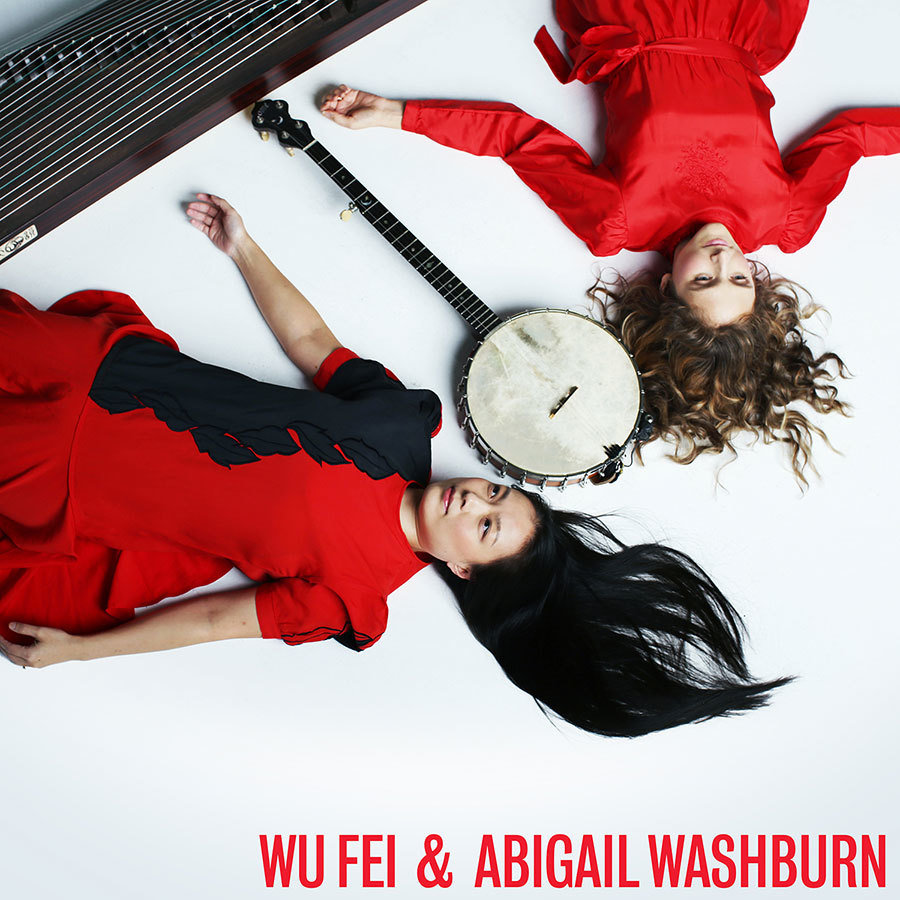
Wu Fei & Abigail Washburn. Cover art by Caroline Gut, photo by Shervin Lainez, Smithsonian Folkways Recordings.
Viswas Chitnis (b. 1980) and Dr. Shekhar Pendalwar (b. 1956): "Raag Kirwani"
Viswas Chitnis plays sitar, and is founder-director of the North Carolina Raga Revival. Dr. Shekhar Pendalwar plays tabla.
This video is an improvisation on the "Kirwani" raag. In Indian classical music, a raag is a framework for melodic improvisation. Each raag is associated with certain emotions, senses or scenes. Kirwani is associated with melancholy and the sentimental.
Kalama's Quartet: "Hilo Hula"
Many people consider these recordings by Kalama's Quartet (1927-35) to be examples of traditional Hawai'ian music or "Hawai'ian classics."
Yet, this song includes influences from many traditions. The vocal harmonies borrows from barbershop, and guitars did not come to Hawai'i until the later 19th century. The Hawai'ian steel guitar was developed only around 1890.
Bob Nawahine, Bill Kalama, Mike Hanapi, and Dan Pokipala. Cover by Wayne Pope, photo from from Terry Zwigoff. Smithsonian Folkways Recordings.
Why Do These Examples Sound So Different?
"Asian Pacific Americans" is a term created for the purpose of forming a larger political coalition. Sometimes, it is helpful ... and yet ...
We have very different heritage cultures.
We came to the United States at different times and for different reasons.
Our experiences in the U.S. are similar in some ways, but highly divergent in others.
As a result, we make very different music.
"Asian Pacific American": What's in a Name?
Choose Your Own Path!
15–20 minutes
Depending on the time you have available, you can click the "down" arrow for more listening exercises related to these artists and musical selections.
Nobuko Miyamoto: "We Are the Children"
Listen to the first two verses of "We Are the Children" one more time. This song served as an anthem for the early Asian American movement.
The professions and locations named in the first two verses are very important to Asian Americans in the late 19th and early 20th centuries.
What do you think they tell us about early Asian Americans?
Danny Kalanduyan: "Sinulog a Kamamatuan II," Part 1
In the first 15 seconds of this song, "Sinulog a Kamamatuan II," how many instruments come in? How did you come up with your answer?
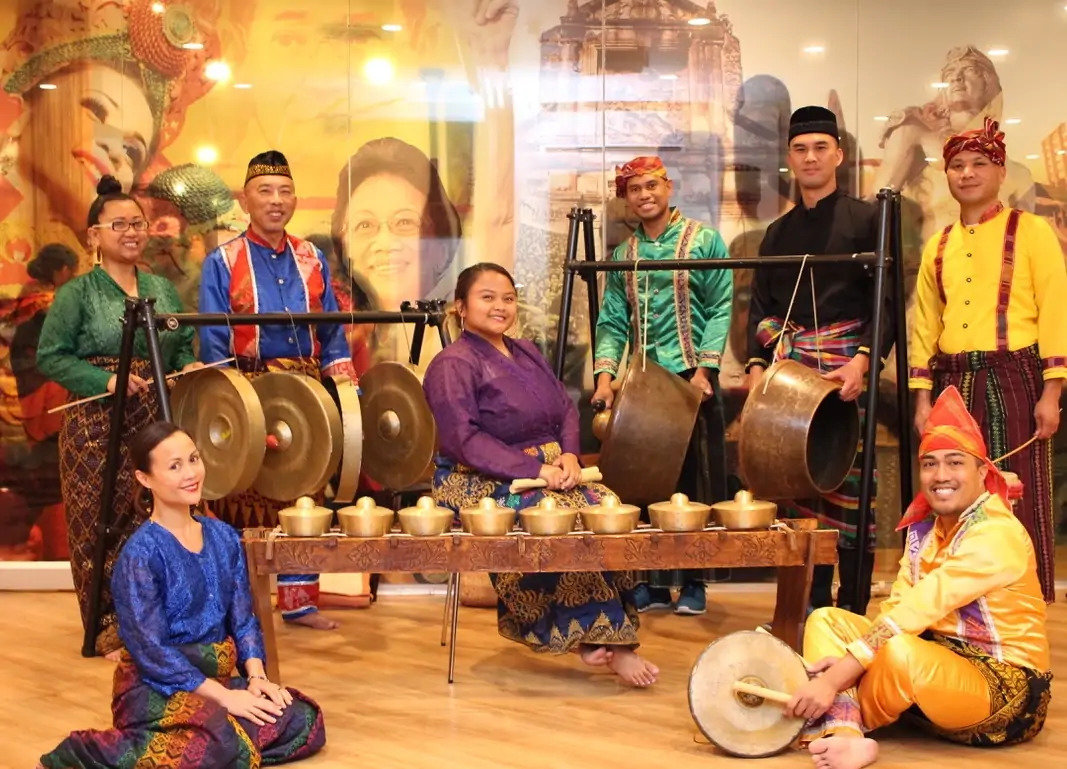
How would you describe each instrument's timbre?
Pakaraguian Kulintang Ensemble, unknown artist.
What materials do you think each instrument are made of?
The first instrument that comes in plays a repeated rhythmic pattern for a while.
Danny Kalanduyan: "Sinulog a Kamamatuan II," Part 2
How does this pattern make you feel?
Can you clap this rhythmic pattern?
Before you listen to the song again, read the lyrics. As you listen, try to answer two questions:
Wu/Washburn: "Bu Da Da"
- How would you describe each singer's timbre in each half of the song?
-
Does the timbre help to express the song's lyrics?
Listen to the first four minutes again, and think about how the sitar player slowly builds Raag Kirwani's meaning. What emotions do you feel in this opening? (There is no correct answer to this question.)
Chitnis/Pendalwar: "Raag Kirwani"
Viswas Chitnis, unknown artist. NC Raga Revival.
A performance of a raag opens with an unmetered section called "alap." Here, the soloist plays solo (without the tabla), and gradually reveals the meaning of the raga. In this recording, the "alap" lasts 18 minutes.
Kalama's Quartet: "Hilo Hula," Part 1
A distinctive feature of Hawaiian music is the wide use of portamento, the technique of subtly gliding from one pitch to the next. Hanapi's singing uses portamento extensively.
Listen for it, and try to imitate it.
Steel guitars have also influenced many other genres, especially country music. Search for and listen a country song that includes a steel guitar solo. Also, listen to these two Smithsonian Folkways tracks:
- The Campbell Brothers: "I Feel Good"
- Kaia Kater: "Grenades"
Kalama's Quartet: "Hilo Hula," Part 2
What are some similarities and differences between the Kalama's Quartet use of steel guitars and these musicians' use of steel guitars?
Learning Checkpoint
- What are four broad categories used to classify music?
- What musical characteristics are associated with each category
- Why are these classifications helpful?
- Why are they problematic?
End of Path 2: Where will you go next?
Classifying Music: Personal Connections
10+ minutes

Thinking Person Clip Art, shared by Tina Monosmith, PD, via Clker.com.
Path 3
Reviewing Categories of Music
Click the down arrow to review four categories that are often used to classify music:
- Traditional
- Popular
- Fusion
- Classical
Categories of Music
Traditional Music:
- Longstanding musical practices that developed to serve a specific community need
- Often expresses a community's core identity in some way
The Vatulawa Trio: Iliesa Koroi, Ifireimi Wailaea, and Viliame Lekai. Dreketi Village, Qamea Island, 1978, photograph by David Goldsworthy and Meli Tuqota. Smithsonian Folkways Recordings.
Categories of Music
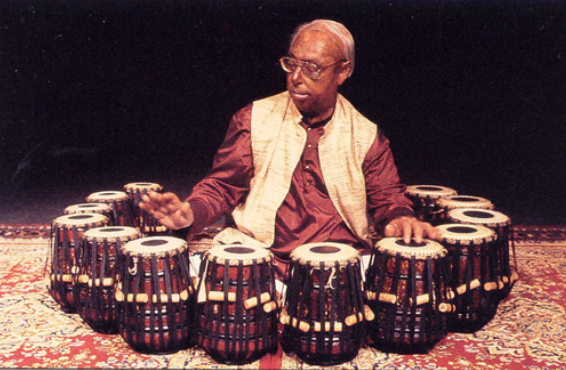
Classical Music:
- Musical practices that developed primarily to serve the needs of the elites of a community
- Often associated with complex arrangements for patronage and training
Pandit Kamalesh Maitra with his Tabla Tarang, Suhl, 1994, photograph by Jürgen Dietrich. Smithsonian Folkways Recordings.
Categories of Music
Popular Music:
- Musical practices that are disseminated primarily through mass media
- Often created for very broad audiences that cross many demographic and geographic boundaries
A Publicity Photograph of Rhoma Irama, unknown photographer. Smithsonian Folkways Recordings.
Categories of Music
Fusion:
- Musical practices that combine different musical categories (e.g., traditional and popular), and/or different traditions within a category (e.g., Indian and European Classical Music)
Asian Crisis, unknown photographer. Smithsonian Folkways Recordings.
Musical and Socio-Economic Characteristics
Discuss:
What musical and socio-economic characteristics help us distinguish between these categories?
- Factors to consider include: style, instrumentation, tempo, rhythm, melodic characteristics, timbre, texture, form, venue, historical context, type of audience, geography, musical notation
Musical and Socio-Economic Characteristics Word Cloud, created by Eric Hung. Smithsonian Folkways Recordings..
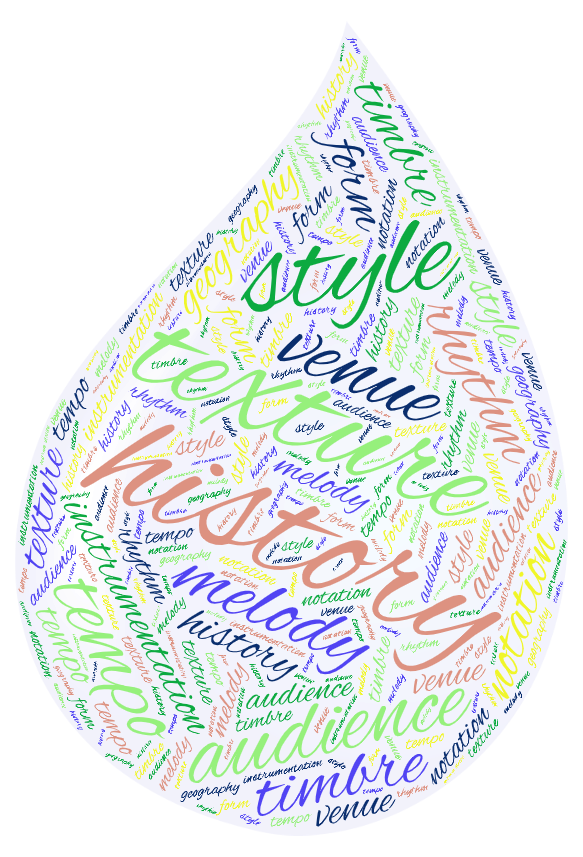
Creative Activity: Categorizing Music
In this activity, you will identify a song that you like that has characteristics of each category we have discussed (traditional, classical, fusion, popular).
Use the provided worksheet to document your thoughts.
Learning Checkpoint
- What characteristics (music elements, expressive qualities, and socio-economic factors) can we use to classify music?
End of Path 3 and Lesson 1: Where will you go next?


Lesson 1 Media Credits
Audio courtesy of
Smithsonian Folkways Recordings
Video courtesy of
NC Raga Revival
Images courtesy of
Smithsonian American Art Museum
Smithsonian Folkways Recordings
Smithsonian Asian Pacific American Center
The Arhoolie Foundation
University of Hawaii at Manoa, Archives & Manuscripts Department
NC Raga Revival
© 2022 Smithsonian Institution. Personal, educational, and non-commercial uses allowed; commercial rights reserved. See Smithsonian terms of use for more information.
This project received Federal support from the Asian Pacific American Initiatives Pool, administered by the Smithsonian Asian Pacific American Center.
For full bibliography and media credits, see Lesson 1 landing page.