Listen What I Gotta Say: Women in the Blues
6th grade–8th grade
Lesson Hub 7:
Blues Royalty: Women Who Ruled the Blues


The question to consider in this lesson is . . .
Why were some blues women bestowed with titles of royalty?
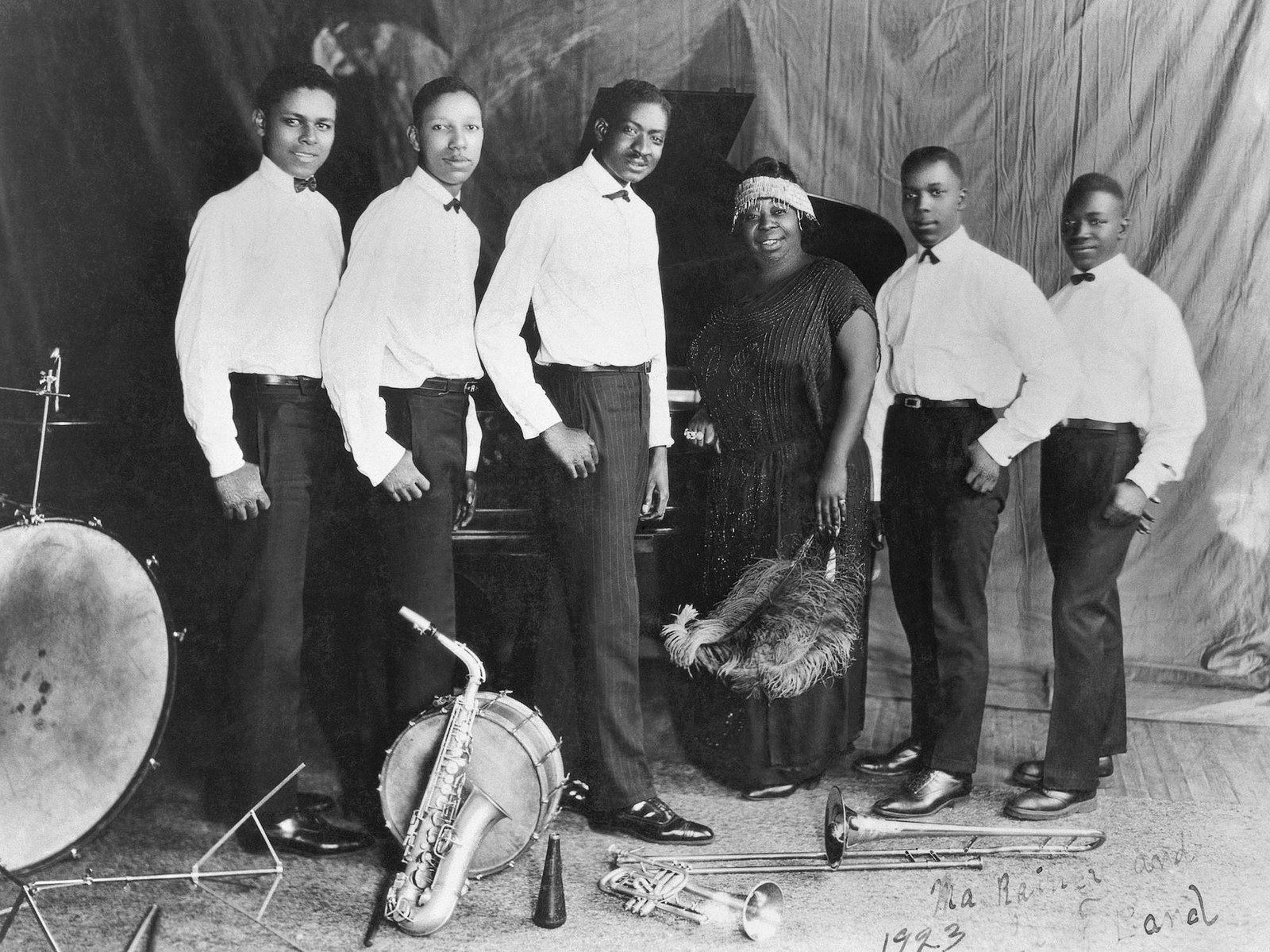
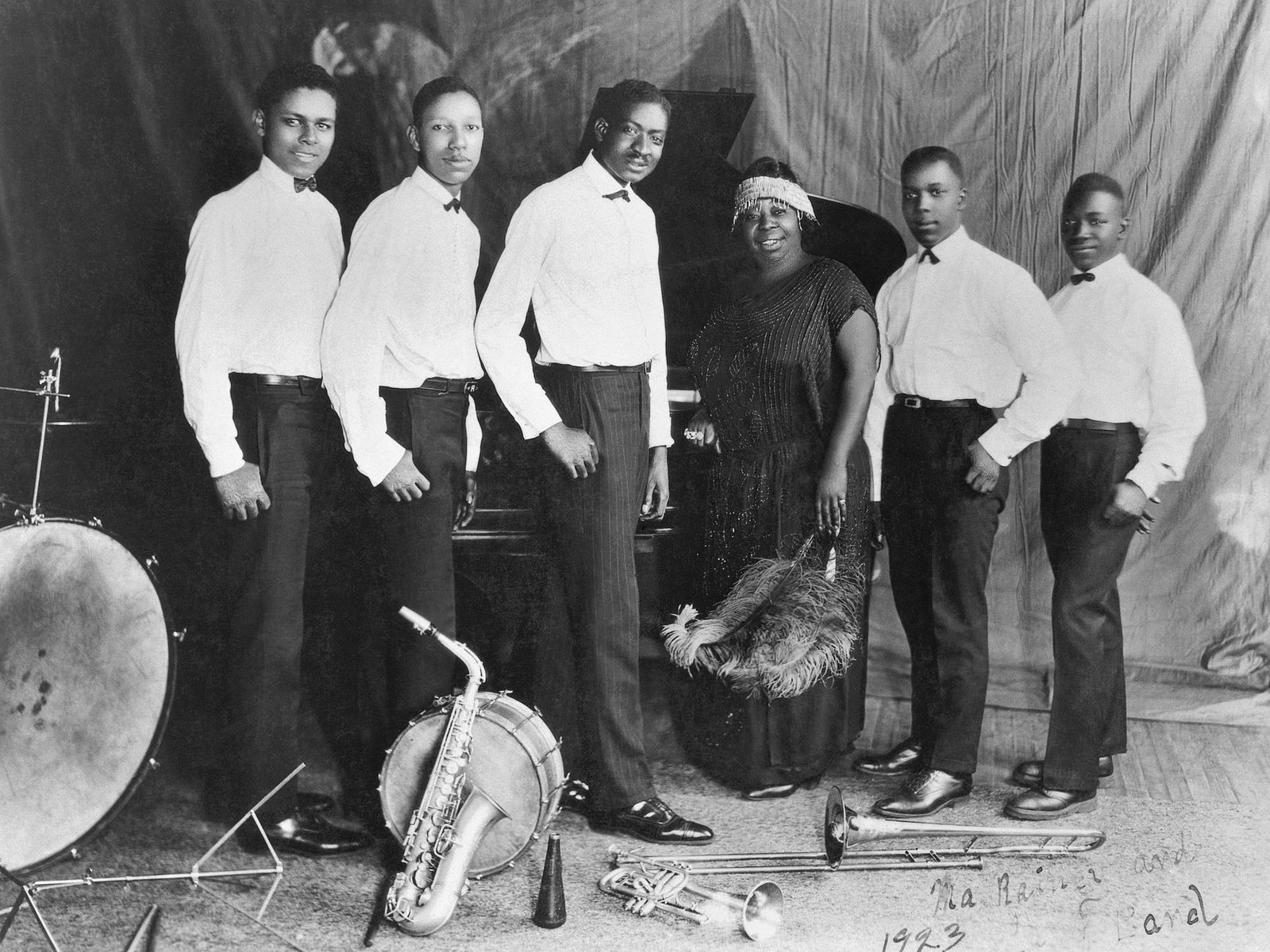
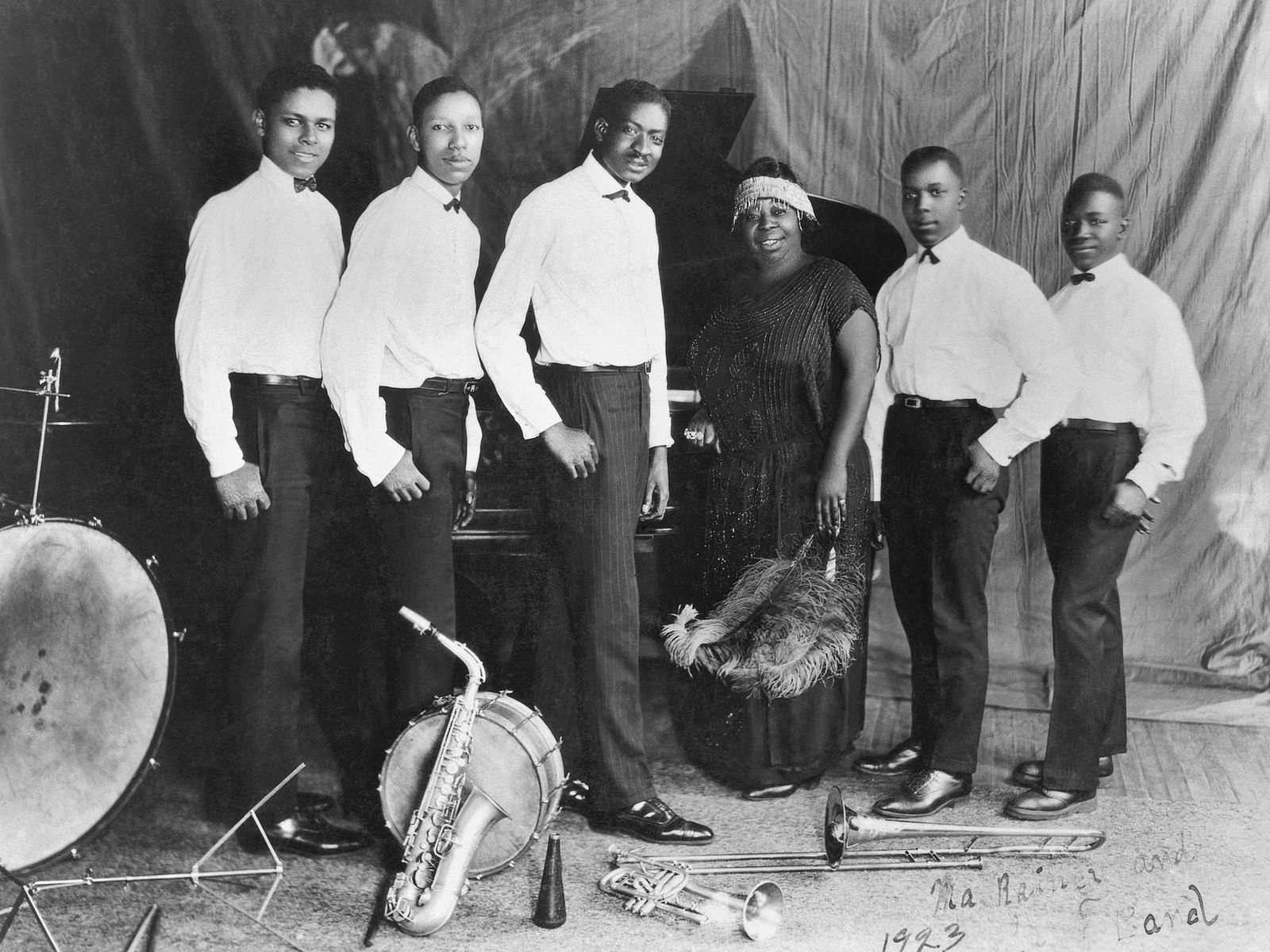
Ma Rainey and the Rabbit Foot Minstrels, by Gilles Petard. {PD-old}, Good Housekeeping, via Wikimedia Commons.
Blues Royalty: Women Who Ruled the Blues


30+ MINUTES

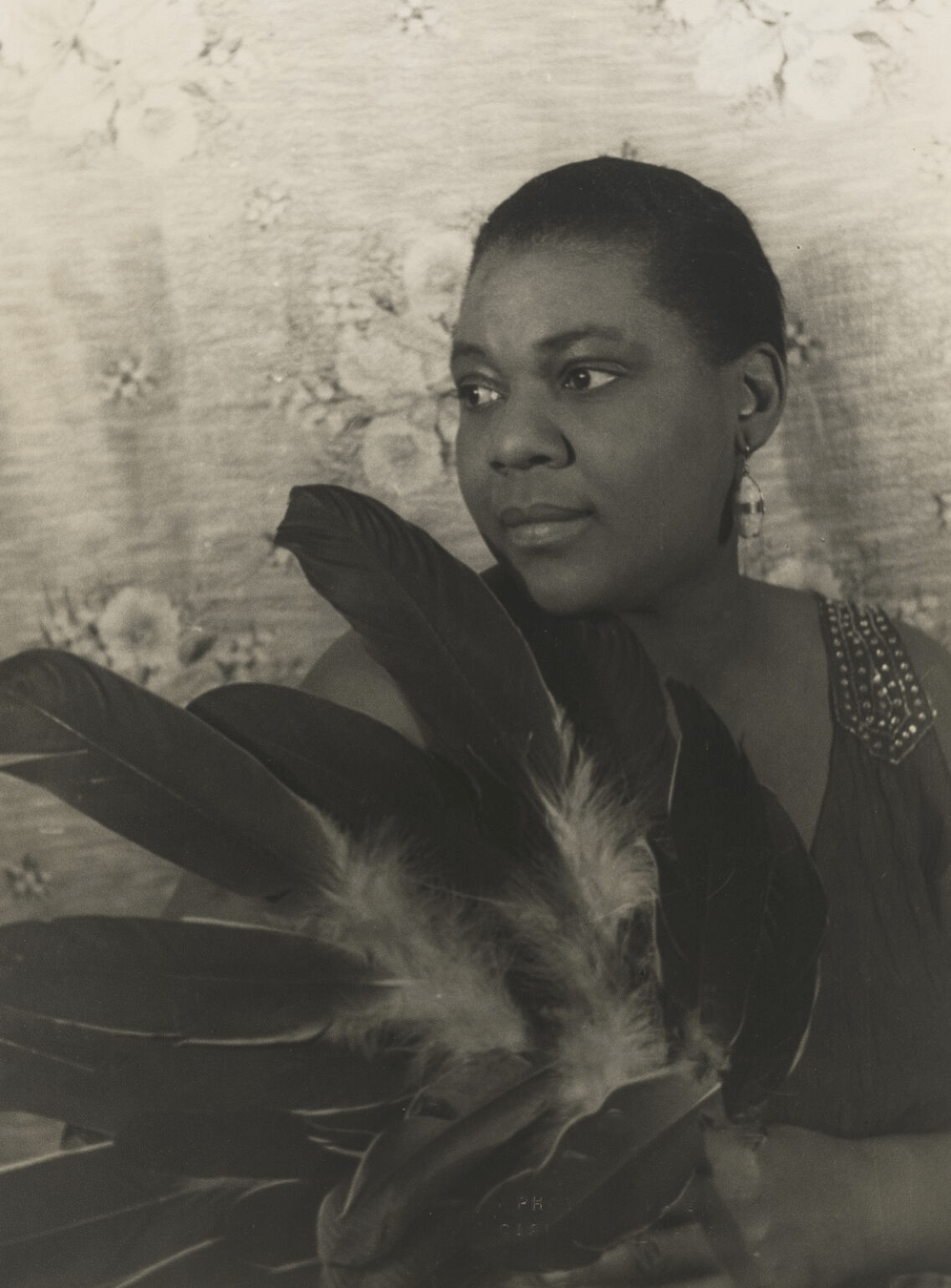
Bessie Smith, by Carl Van Vechten, Public Domain. National Portrait Gallery.
Path 1
Legendary Blues Women
20+ minutes
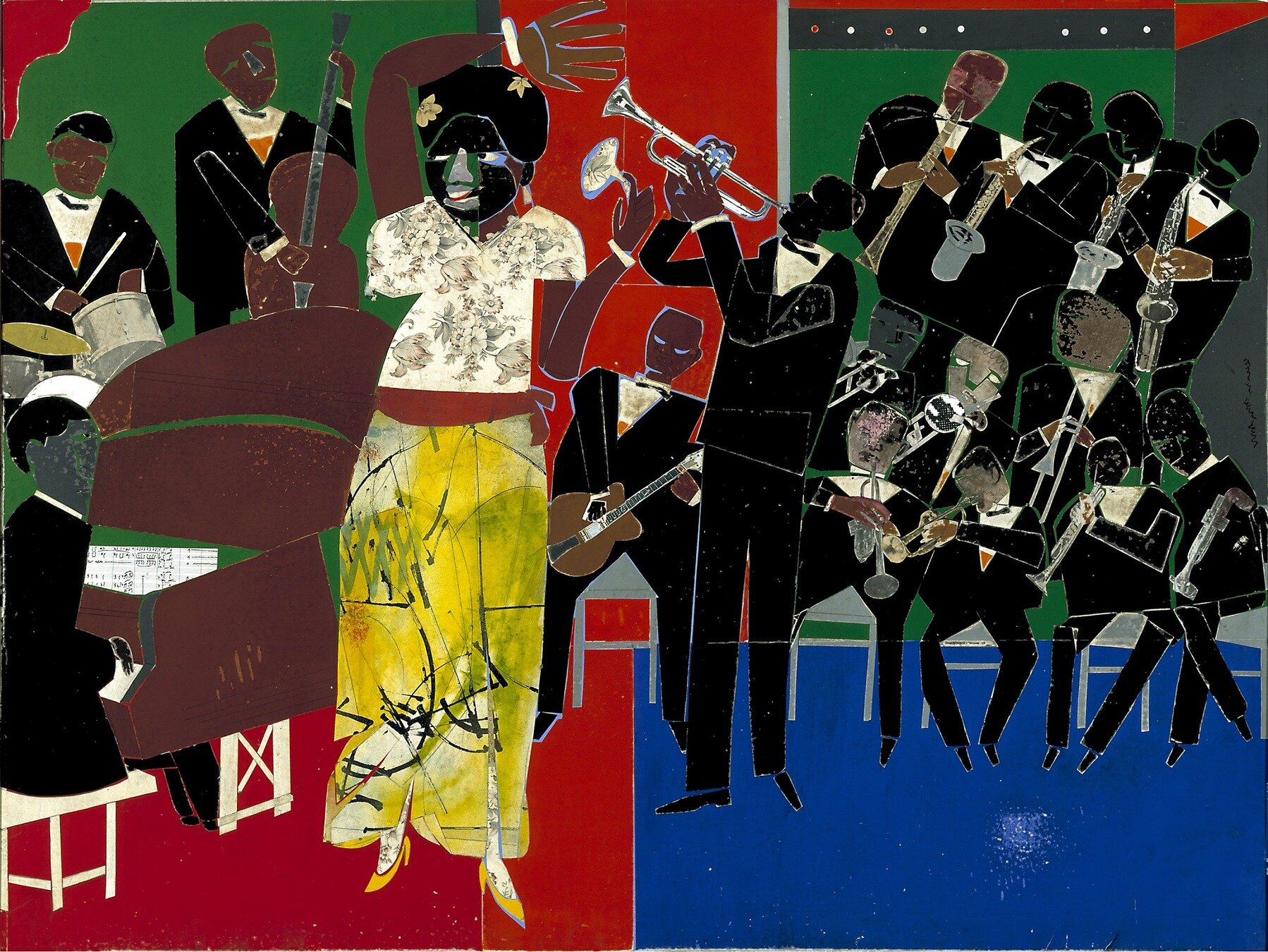
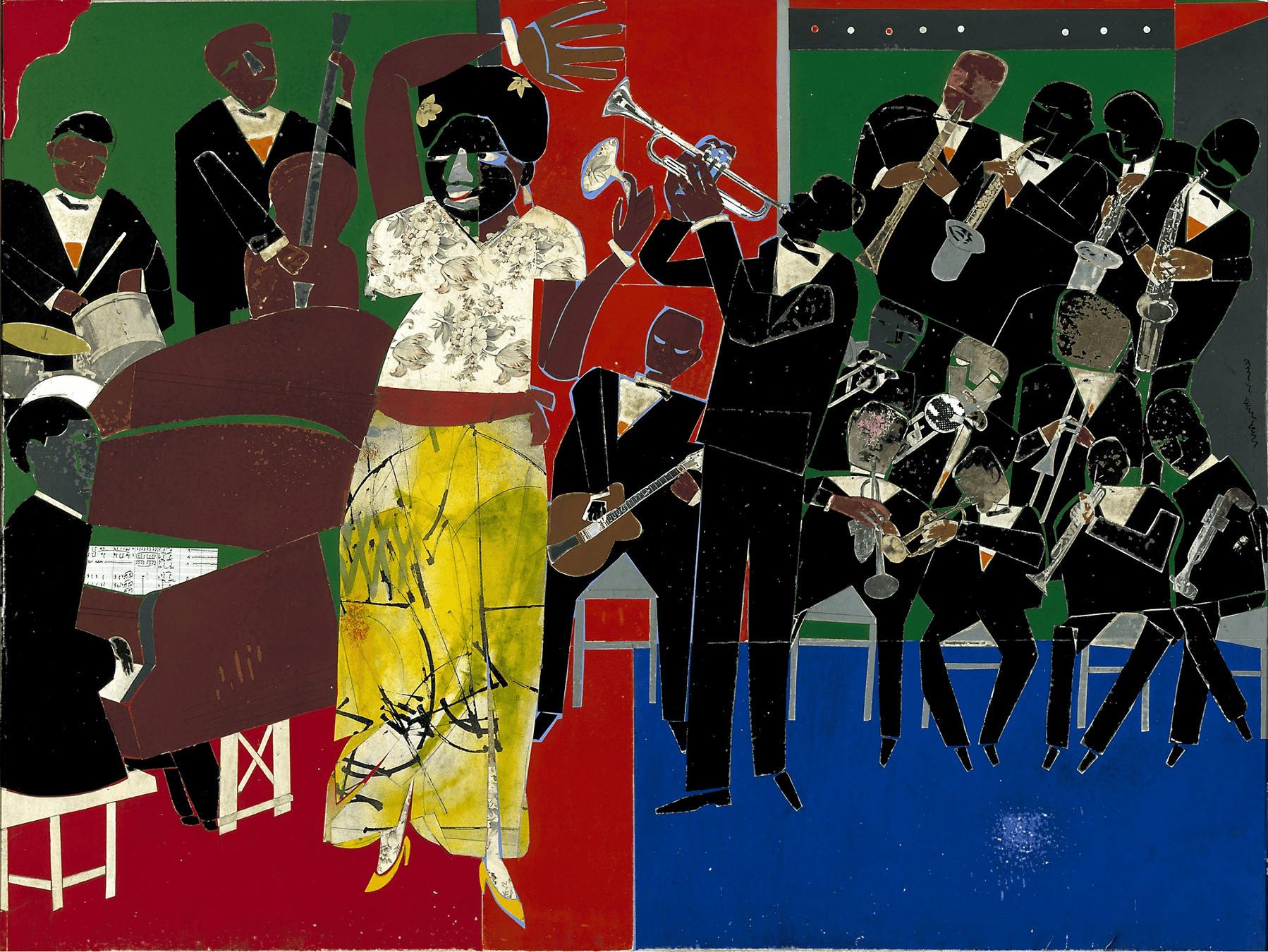
Empress of the Blues, by Romare Bearden. Smithsonian American Art Museum.
Legendary Blues Women
Many blues women, though sparsely acknowledged in historical accounts of the blues, have been bestowed with well-earned titles of royalty.
Why Titles of Royalty?
According to the Oxford English Dictionary, the term royalty is sometimes used to describe "the most successful, famous, or highly regarded members of a particular group."
How do you think the blues women who were granted "royalty" status earned these titles? (In other words, how did they outshine other blues musicians of the time?)
Outstanding performer
Creator of a certain style
Does something different
Inspires future artists (descendants)
Accomplishes something new
Activity: Learn About the Legends!
Each blues woman listed here was bestowed with a title of royalty.
Choose which blues woman you'd like to learn more about:
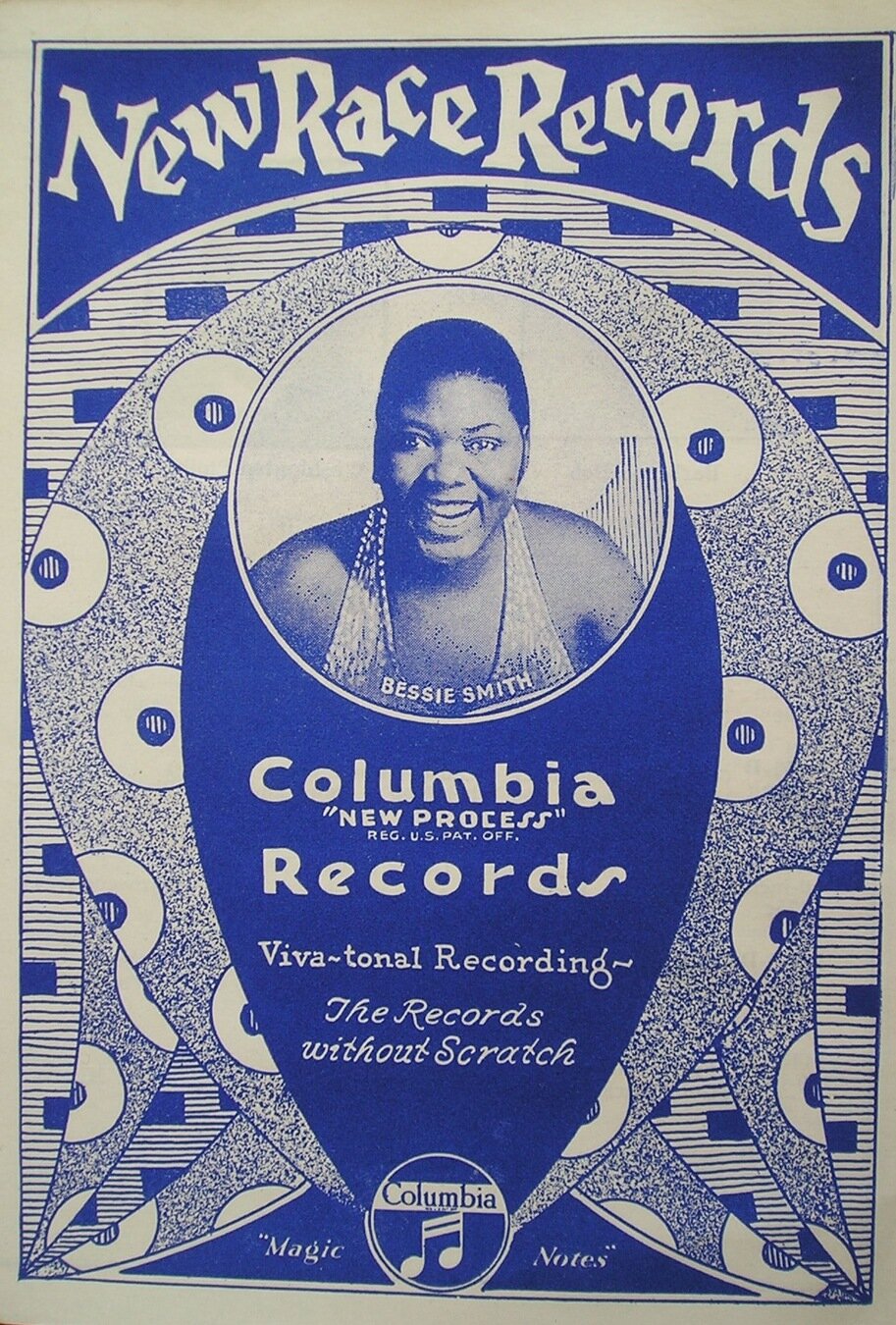
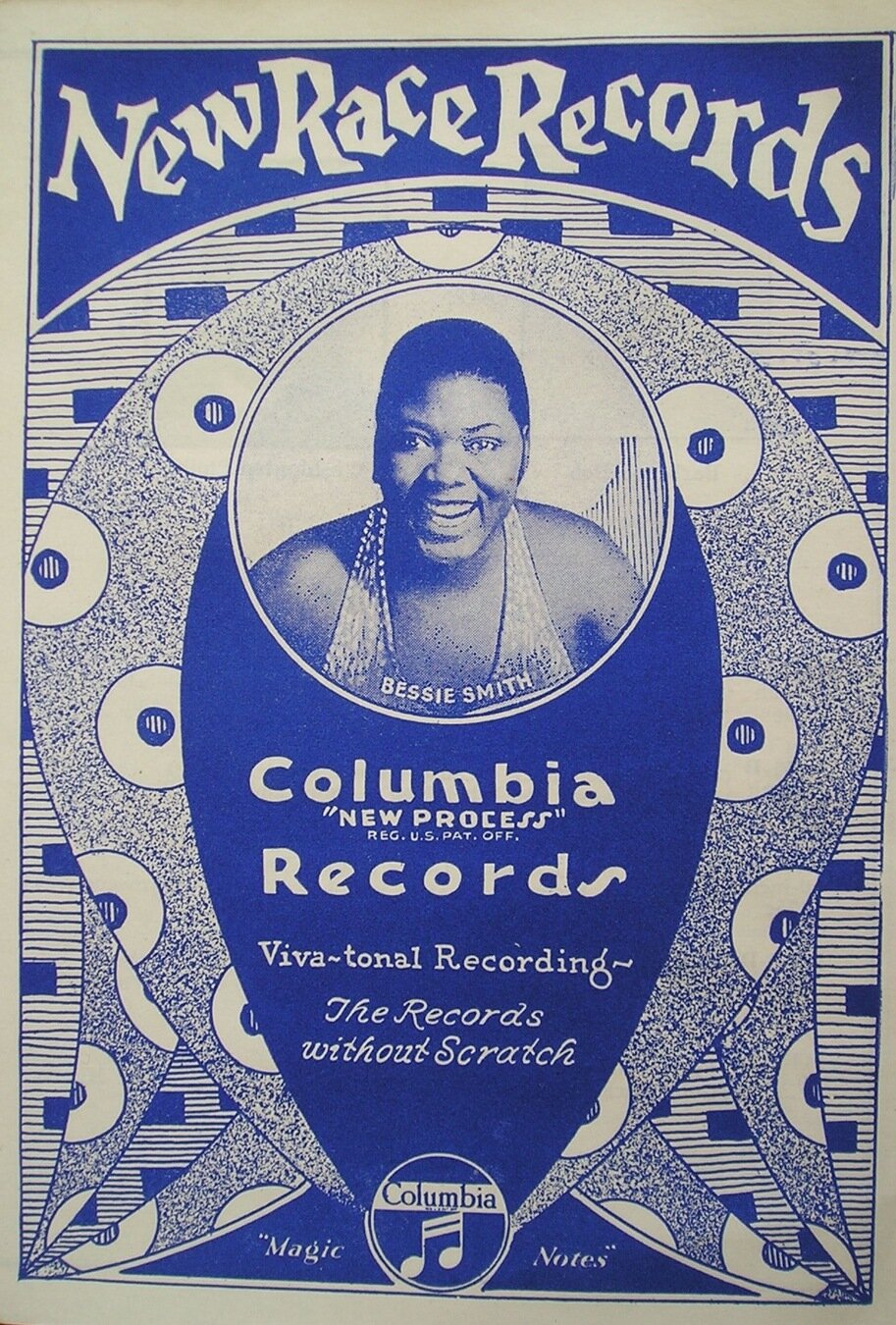
Bessie Smith Publicity Poster, by Columbia Records. {PD-US expired}, via Flickr.

Ma Rainey: Mother of the Blues
Gertrude "Ma" Rainey (September 1882 or April 26, 1886–December 22, 1939) was one of the earliest known blues icons. She was essential in transforming the "blues singer" from being a local figure to a professional nationally-known icon.
Called the "Mother of the Blues," Rainey challenged gender norms through her dress, vocal quality, and lyrical content, and helped to introduce the blues to the broader United States.
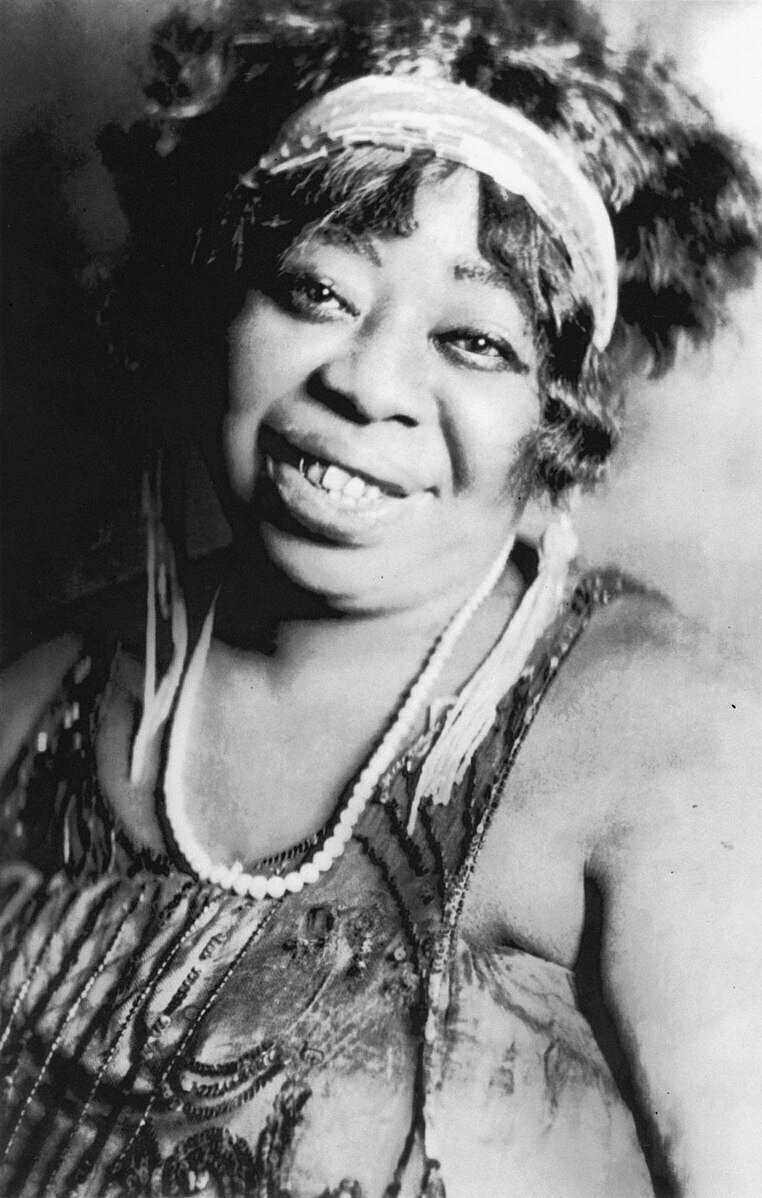
Ma Rainey, unknown photographer. {PD-U.S. expired}, via Wikimedia Commons.
Ma Rainey: "Traveling Blues"
Take a moment to listen to an excerpt from Ma Rainey's "Traveling Blues."
Any general thoughts about the recording?
Ma Rainey and the Rabbit Foot Minstrels, by Gilles Petard. {PD-U.S. expired}, via Wikimedia Commons.
Lyrics of "Traveling Blues" by Ma Rainey
Train's at the station, I heard the whistle blow;
The train's at the station, I heard the whistle blow;
I done bought my ticket and I don't know where I'll go.
I went to the depot looked up and down the board;
I went to the depot looked up and down the board;
I asked the ticket agent "Is my town on this road?"
The ticket agent said "Woman, Don't sit and cry";
The ticket agent said "Woman, Don't you sit and cry";
The train blows at this station, but she keeps on passing by.
I hear my daddy calling some other woman's name;
I hear my daddy calling some other woman's name;
I know he don't need me but I'm gonna answer just the same.
I'm dangerous and blue, can't stay here no more;
I'm dangerous and blue, can't stay here no more;
Here come my train folks, and I've got to go.
Any general thoughts about the recording?
???
Reflection
What about Rainey’s life or performance style made her worthy of the title “Mother of the Blues.”
Outstanding performer?
Creator of a certain style?
Does something different?
Inspires future artists (descendants)?
Accomplishes something new?
Mamie Smith: Queen of the Blues
Mamie Smith (May 26, 1891–September 16, 1946) began her career as a Vaudeville singer, dancer, pianist and actress.
A performer of the classic blues style, Smith is best known for being the first African American artist (male or female) to make a vocal blues recording in 1920—"Crazy Blues”—launching the nationwide popularity of the blues to both Black and white audiences.
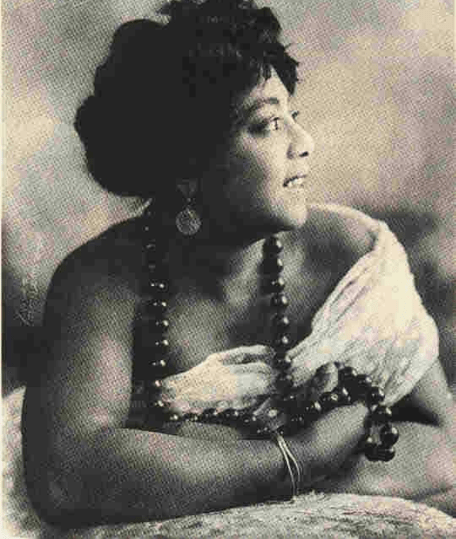
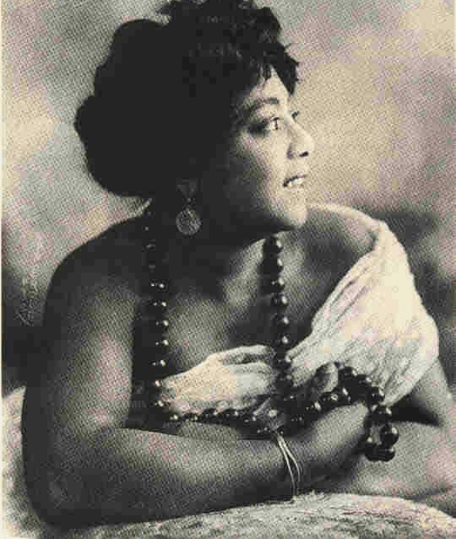
Mamie Smith, unknown photographer. {PD-old-70}, via Wikimedia Commons.
Mamie Smith: "Crazy Blues"
Take a moment to listen to an excerpt from the very first recording of vocal blues music, made in 1920: “Crazy Blues”- by Mamie Smith and the Perry Bradford Jazz Hounds.
Any general thoughts about the recording?
Mamie Smith Portrait, unknown photographer. {PD-old-70}, Cincinnati Sites and Stories.
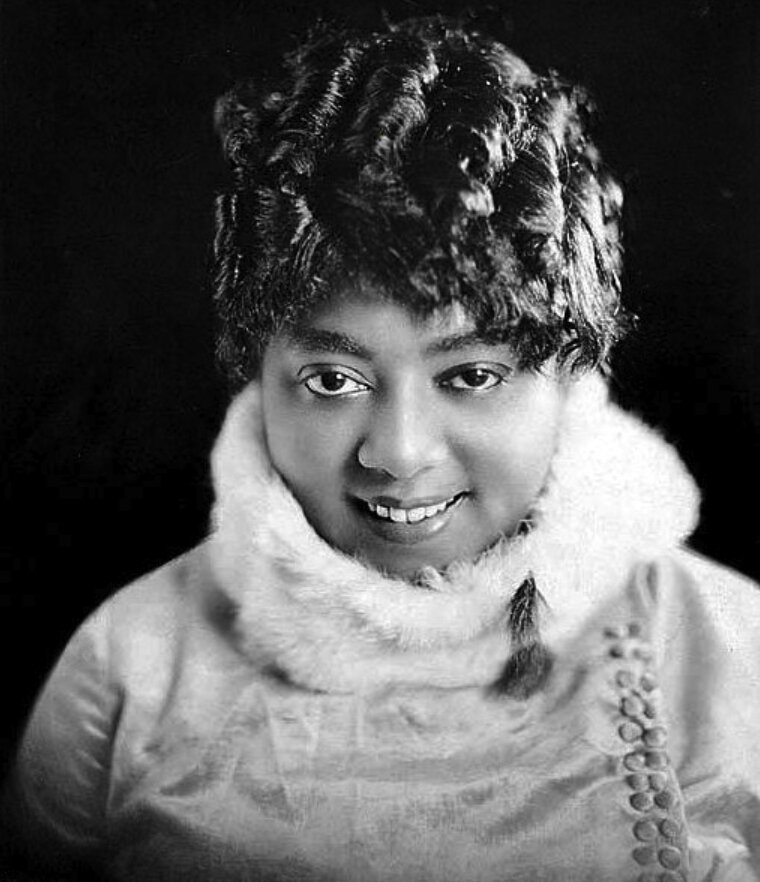
Lyrics of "Crazy Blues" by Mamie Smith
I can't sleep at night;
I can't eat a bite,
'cause the man I love,
he don't treat me right.
He makes me feel so blue,
I don't know what to do.
Sometime I sit and sigh,
and then begin to cry,
'cause my best friend
said his last goodbye.
There's a change in the ocean,
change in the deep blue sea, my baby.
I'll tell you folks, there ain't no change in me.
My love for that man will always be.
Now I can read his letters;
I sure can't read his mind.
I thought he's lovin' me;
He's leavin' all the time.
Now I see my poor love was blind.
Now I got the crazy blues,
Since my baby went away.
I ain't got no time to lose;
I must find him today.
Now the doctor's gonna do all that he can,
but what you're gonna need is an undertaker man.
I ain't had nothin' but bad news;
Now I got the crazy blues.
Any general thoughts about the recording?
???
Reflection
Why was Mamie Smith given the title "Queen of the Blues"?
Outstanding performer?
Creator of a certain style?
Does something different?
Inspires future artists (descendants)?
Accomplishes something new?
Bessie Smith: Empress of the Blues
Bessie Smith (April 15, 1894–September 26, 1937) was a famous classic blues musician and composer. Like many other African American musicians of the time, Smith was trained through the Vaudeville tradition. However, she found her niche as a blues woman.
Smith is well known for her confident demeanor and success during the Harlem Renaissance. She became the highest paid Black entertainer during this time (1920s–1930s).
Bessie Smith: "A Good Man Is Hard to Find"
Take a moment to listen to an excerpt from one of Bessie Smith's most famous songs: "A Good Man Is Hard to Find."
Any general thoughts about the recording?
Bessie Smith, Three-Quarter Length Portrait, by Carl Van Vechten. Public Domain, Library of Congress.
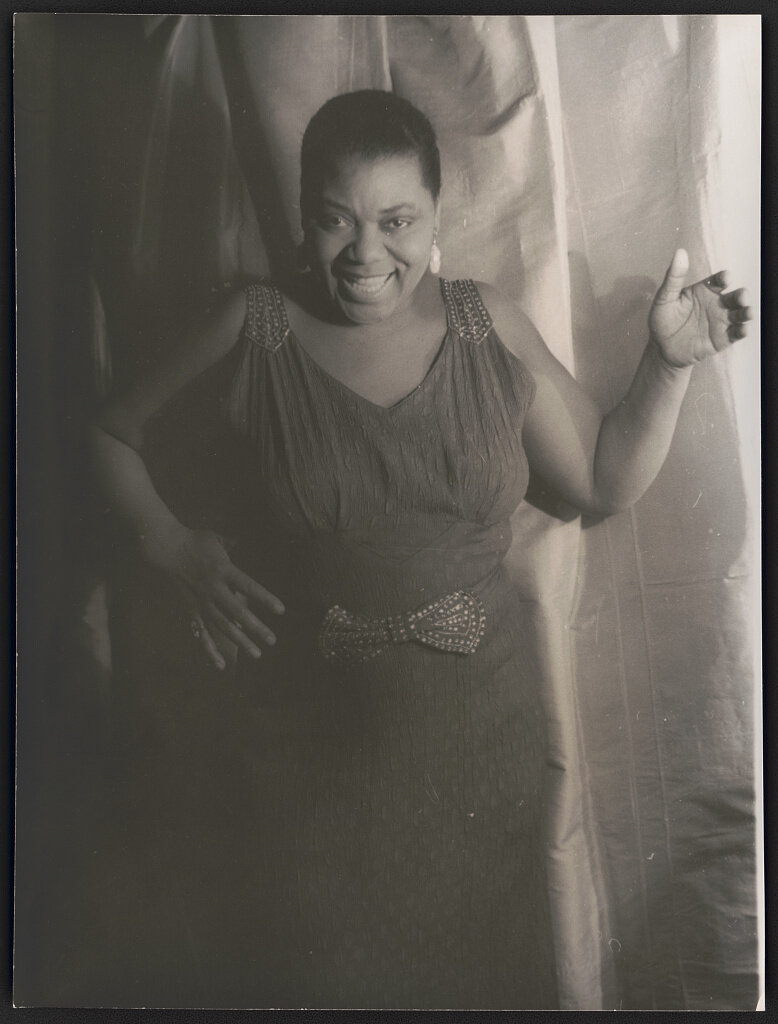
Lyrics of "A Good Man Is Hard to Find" by Bessie Smith
My heart is sad and I'm all alone;
My man's treating me mean.
I regret the day that I was born,
And the man I ever seen.
My happiness is less today,
My heart is broke, that's why I say.
Lord, a good man is hard to find;
You always get another kind.
Just when you think that he's your pal,
You look and find him foolin' 'round some old gal.
Then you rave, you all crave;
You want to see him down in his grave.
So if your man is nice, take my advice:
Hug him in the morning,
kiss him at night.
Give him plenty lovin',
Treat your good man right.
Oh, a good man is so hard to find;
We always get that roughed old kind.
Just when you think that he's your pal,
You look and find him hangin' 'round some old gal.
Then you rave, how you crave;
You wanna see him dead layin' in his grave.
So if your man is nice, take my advice:
Hug him in the morning;
Kiss him at night.
Give him plenty love madam,
treat your man right;
'Cause a good man nowadays sure is hard to find.
Any general thoughts about the recording?
???
Reflection
Why was Bessie Smith given the title "Empress of the Blues"?
Outstanding performer?
Creator of a certain style?
Does something different?
Inspires future artists (descendants)?
Accomplishes something new?
Victoria Spivey: Queen Victoria (Queen Vee)
Victoria Regina Spivey (October 15, 1906–October 3, 1976) was a blues singer, pianist, and songwriter. Her career, unlike others during this era, lasted over 50 years.
Throughout her lengthy career, Queen Victoria performed and collaborated with many famous musicians (Louis Armstrong, King Oliver, Lonnie Johnson, and Bob Dylan, just to name a few).
In 1961, Victoria Spivey co-founded her own record company (Spivey Records).
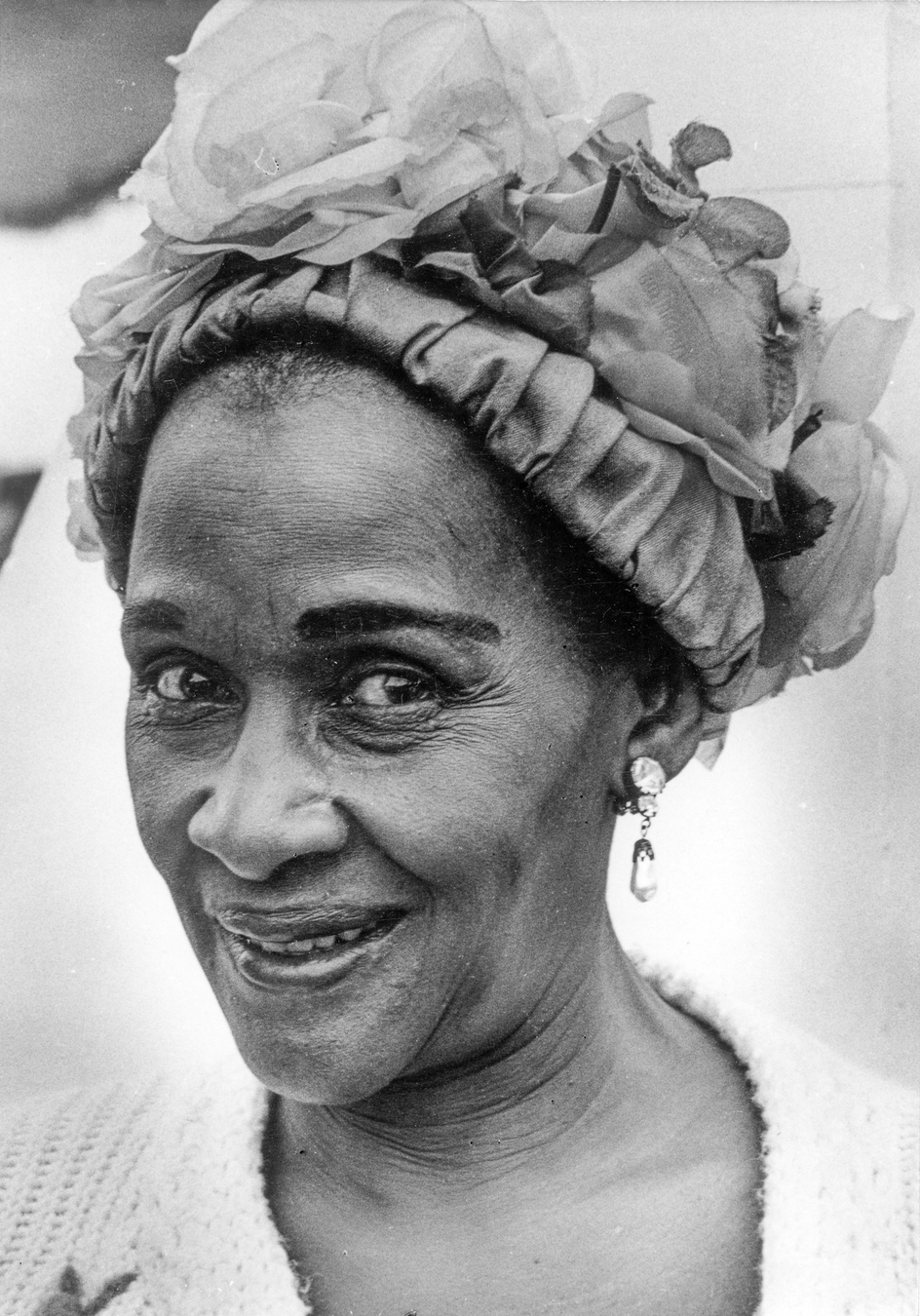
Victoria Spivey, photo by Diana Jo Davies. Ralph Rinzler Folklife Archives and Collections.
Victoria Spivey: "You're My Man"
Take a moment to listen to an excerpt from Victoria Spivey's "You're My Man."
Any general thoughts about the recording?
Lyrics of "You're My Man" by Victoria Spivey
"I been locked up so long, don't think I can even walk straight.
In this cold cell so long, don't believe I can walk straight.
But they just gave me my lil bundle and gave the man the key to the gate.
You caused me to be here, been here so doggone long.
You caused me to be here, been here so doggone long.
Darlin' when I come home, please don't let me catch you wrong.
Had to find myself a small gun, a pocketknife too.
I don't wanna catch none of those broads with you.
You're my man I'm coming home this very day.
You better tell all of those li'l dolls that they better stay away."
Any general thoughts about the recording?
Story behind "You're My Man"
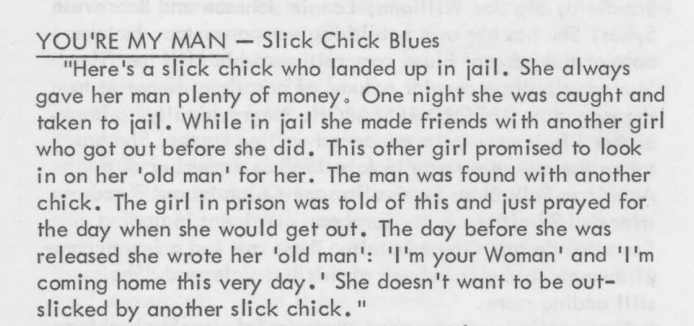
"You're My Man" Track Notes, by David Jasen. Folkways Records
How might this story offer or omit details from the lyrics?
What insight does this story provide about the experiences seen and lived by blues women in the early 20th century?
???
Reflection
What about Victoria Spivey’s music and career make her a good pick for the title of Queen Victoria (Queen Vee)?
Outstanding performer?
Creator of a certain style?
Does something different?
Inspires future artists (descendants)?
Accomplishes something new?
Blues Women and Vaudeville
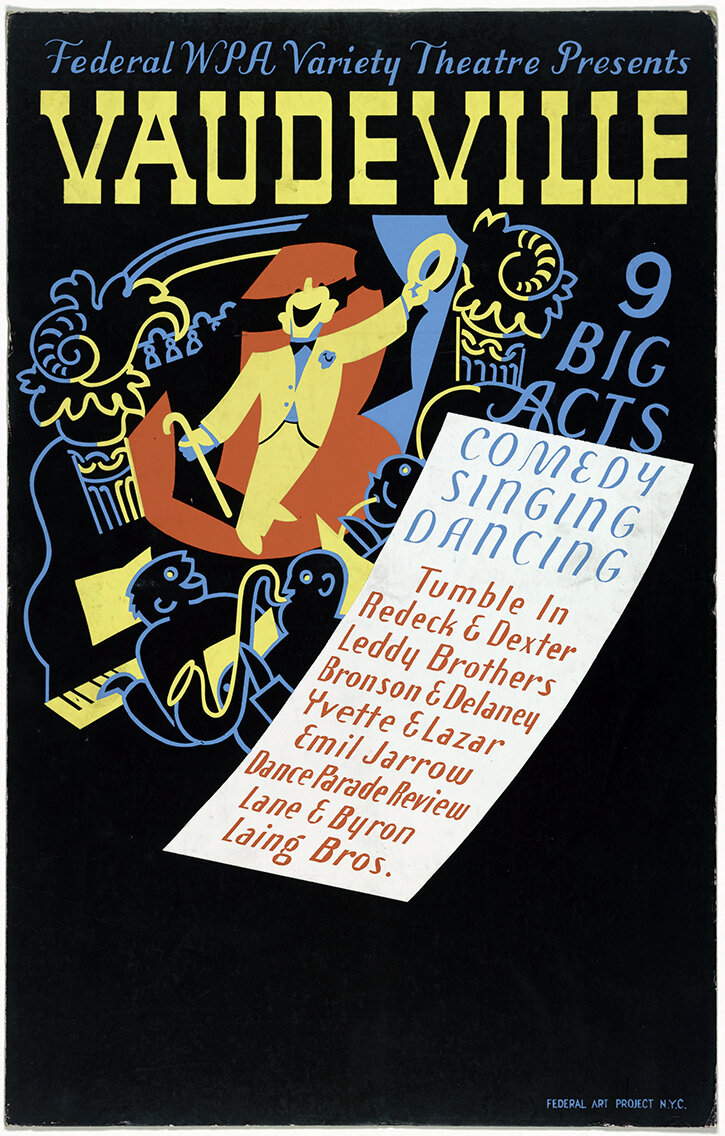
You may have noticed that many of our famous blues women worked in "Vaudeville" before becoming blues women.
Vaudeville was a popular type of live stage entertainment in the early 20th century, consisting of various specialty acts (e.g., singing, dancing, instruments, comedy, skits, performing animals, etc.).
Why do you think working in Vaudeville was good training for blues women?
A Rabbit's Foot Program, unknown artist. {PD-US expired}, via Wikimedia Commons.
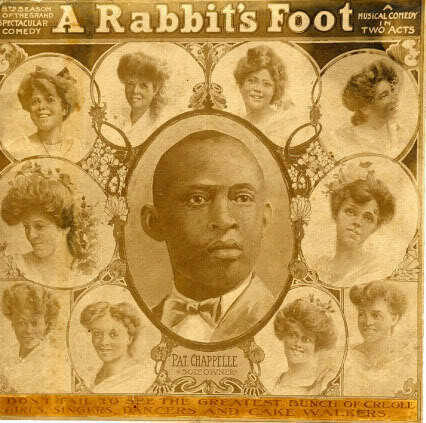
Blues Women and Vaudeville
Through working in Vaudeville, these women developed many important skills.
In addition to learning to sing in different styles, they sometimes learned to dance, act, and play instruments (among other skills).
They also gained valuable experience performing in front of large crowds, which helped them develop confidence and stage presence ... traits that helped them become successful solo artists.
Federal WPA Variety Presents Vaudeville, by Richard Halls. Library of Congress.
Closing Discussion: Compare and Contrast
How did these trailblazing blues women stand out compared to other blues performers?
What are some similarities and differences between their music and careers?
Match the Blues Woman to Her Accomplishment
Mamie Smith
“Queen of the Blues”
Bessie Smith
“Empress of the Blues”
Ma Rainey
“Mother of the Blues”
Victoria Spivey
“Queen Victoria”
Became the highest paid Black entertainer during the time of the Harlem Renaissance
Started her own record label
Was pivotal in helping to create what we now recognize as the "classic blues" style
Was the first African American artist (male or female) to make a vocal blues recording
Learning Checkpoint
- Who were four trailblazing blues women in the early 20th century, and why were their contributions so pivotal to the popularization of the genre?
End of Path 1: Where will you go next?


Path 2
Songs of Queens
25+ minutes
"Queen" Victoria Spivey, photo by Diana Jo Davies. Ralph Rinzler Folklife Archives and Collections.
Songs of Queens
We often admire blues women for their cunning lyrics and sultry voices, but ...
How often do we recognize their contributions as composers?
Women Who Ruled the Blues
In Path 1, we introduced four important blues women who were bestowed with titles of royalty because their contributions were so pivotal to the popularization of the genre.
Left to Right: Mamie Smith Portrait, unknown photographer. {PD-old-70}, Cincinnati Sites and Stories. Portrait of Bessie Smith, by Carl Van Vechten. Public Domain, National Portrait Gallery. Ma Rainey, unknown photographer. {PD-US Expired}, via Wikimedia Commons. Victoria Spivey, photo by Diana Jo Davies. Ralph Rinzler Folklife Archives and Collections.
Songs of Queens
Only two of these women wrote the lyrics and composed the music for the songs they performed.
Can you guess who?
Ma Rainey:
“Mother of the Blues”
"See See Rider Blues"
Mamie Smith: “Queen of the Blues”
"Crazy Blues"
Bessie Smith:
“Empress of the Blues”
"A Good Man Is Hard to Find"
Victoria Spivey: “Queen Victoria”
"You're My Man"
Spotlight: Victoria Spivey
Victoria Regina Spivey (October 15, 1906–October 3, 1976) was an important blues singer. Her career, unlike most others during this era, lasted over 50 years.
In addition to performing in different blues styles throughout her five-decade career, "Queen Vee" played the piano, composed her own songs, and co-founded her own record label: Spivey Records.
To better understand her expertise as both a composer and performer, let's analyze her music more closely.
Victoria Spivey: "You're My Man"
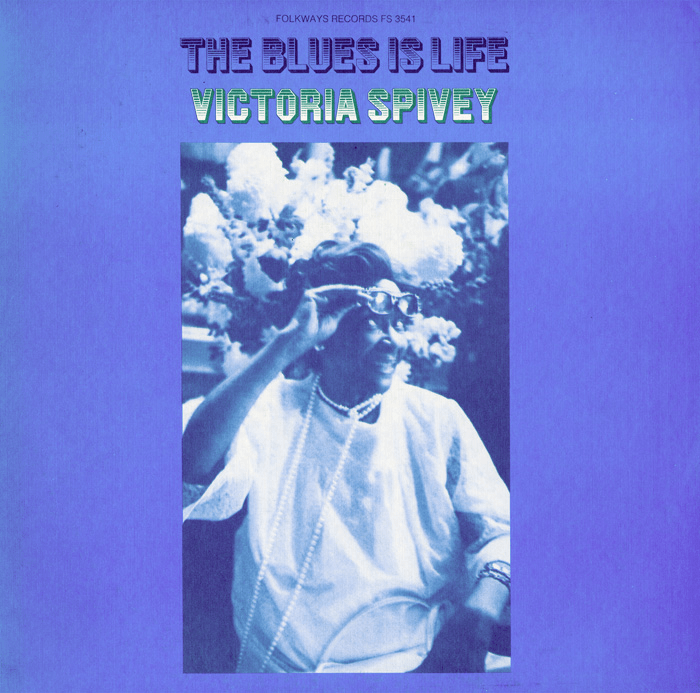
In the next part of this lesson, we will listen closely to a song Victoria wrote and originally released on her own label: "You're My Man."
The Blues Is Life, Victoria Spivey, cover design by Ronald Clyne. Folkways Records.
Attentive Listening: Structure
As you listen to the whole track, try to identify the structure (different sections of the song). Are all the sections different? Is there any repetition?
When you think a section has ended, raise your hand.
If a section repeats, say "repeat" out loud (to indicate you have heard this before).
"You're My Man," by Victoria Spivey
Fun with Chord Changes
Your teacher will play the 12-bar blues progression.
- Each time you hear a new chord (the chord change), clap your hands.
- Try to sing the chord changes (sing the root note at the beginning of each measure).
- Play the chord changes (root note) on an instrument.
Standard 12-bar blues chords
| I | I or IV | I | I7 |
|---|---|---|---|
| IV | IV | I | I7 |
| V | V or IV | I | I or V |
Attentive Listening: Instruments
Listen to another excerpt from this track.
What instruments do you hear?
"You're My Man," by Victoria Spivey
Attentive Listening: Pitch
The use of dissonance through blue notes is common in blues and jazz music.
Blue notes are created by raising or flattening the pitch, which creates an unexpected, dissonant sound.
Listen again:
Raise your hand when you hear blue notes or dissonance.
"You're My Man," by Victoria Spivey
Attentive Listening: Lyrical Meaning
How do you interpret these lyrics? What story is she telling?
"I been locked up so long, don't think I can even walk straight.
In this cold cell so long, don't believe I can walk straight.
But they just gave me my lil bundle and gave the man the key to the gate.
You caused me to be here, been here so doggone long.
You caused me to be here, been here so doggone long.
Darlin' when I come home, please don't let me catch you wrong.
Had to find myself a small gun, a pocketknife too.
I don't wanna catch none of those broads with you.
You're my man I'm coming home this very day.
You better tell all of those li'l dolls that they better stay away."
Story behind "You're My Man"
The Blues Is Life Liner Notes Excerpt, by David Jasen. Folkways Records
How might this story offer or omit details from the lyrics?
What insight does this story provide about the experiences seen and lived by blues women in the early 20th century?
Attentive Listening: Expressive Qualities
Thinking about the lyrics and their meaning, how do you think that the music Queen Victoria composed connects to the lyrical content—if at all?
When does the dissonance occur? Does her vocal quality or expressive choices relate to the lyrical content in any way?
"I been locked up so long, don't think I can even walk straight.
In this cold cell so long, don't believe I can walk straight.
But they just gave me my lil bundle and gave the man the key to the gate.
You caused me to be here, been here so doggone long.
You caused me to be here, been here so doggone long.
Darlin when I come home, please don't let me catch you wrong.
Had to find myself a small gun, a pocketknife too.
I don't wanna catch none of those broads with you.
You're my man I'm coming home this very day.
You better tell all of those li'l dolls that they better stay away."
Engaged Listening: Time / Tempo
Listen again, paying attention to Queen Vee's use of time.
Tap your toe or softly tap/clap along on beats 2 and 4.
-
Take note of and adjust to changes in tempo.
- How do these tempo changes help to convey expressive intent?
"You're My Man," by Victoria Spivey
Optional: Compare and Contrast
As we mentioned earlier, Victoria performed and worked with many famous musicians during her career: Louis Armstrong, King Oliver, Lonnie Johnson, and Bob Dylan, to name a few.
The first song she ever wrote and released, "Black Snake Blues"(1926), is one that inspired recordings by other well-known blues artists.
If time allows, compare and contrast tracks from three different performers: Victoria Spivey (the original), Blind Lemon Jefferson, and Clifton Chenier.
Learning Checkpoint
- What set Victoria Spivey apart from other blues women of her time?
- How did "Queen Victoria" use her compositional skills (musical elements and expressive qualities) to convey expressive intent (meaning)?
End of Path 2: Where will you go next?
Path 3
Celebrating Blues Women
30+ minutes
Ma Rainey, unknown photographer. PD-US Expired, via Wikimedia Commons.
Celebrating Blues Royalty
In Path 1, we introduced four important blues women who were bestowed with titles of royalty because their contributions were so pivotal to the popularization of the genre.
Left to Right: Ma Rainey, unknown photographer. {PD-US Expired}, via Wikimedia Commons. Mamie Smith Portrait, unknown photographer. {PD-old-70}, Cincinnati Sites and Stories. Portrait of Bessie Smith, by Carl Van Vechten. Public Domain, National Portrait Gallery. Victoria Spivey, photo by Diana Jo Davies. Ralph Rinzler Folklife Archives and Collections.
Celebrating Blues Royalty
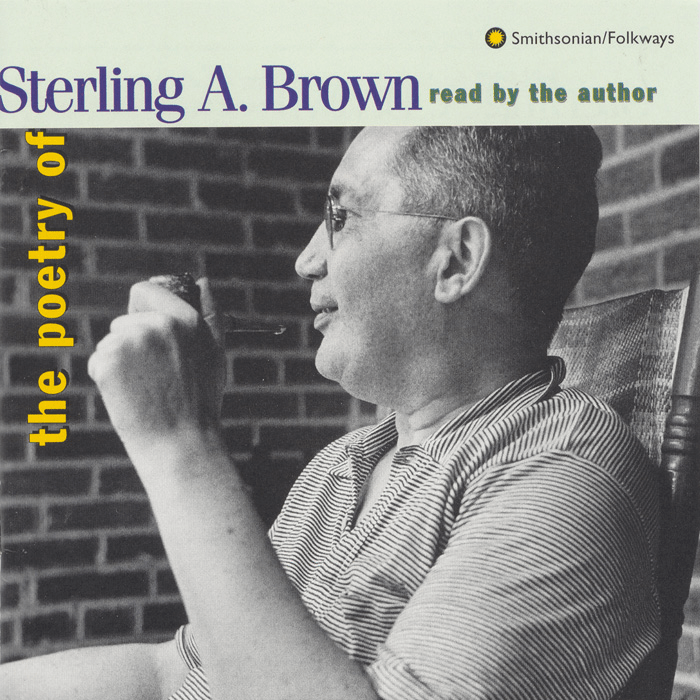
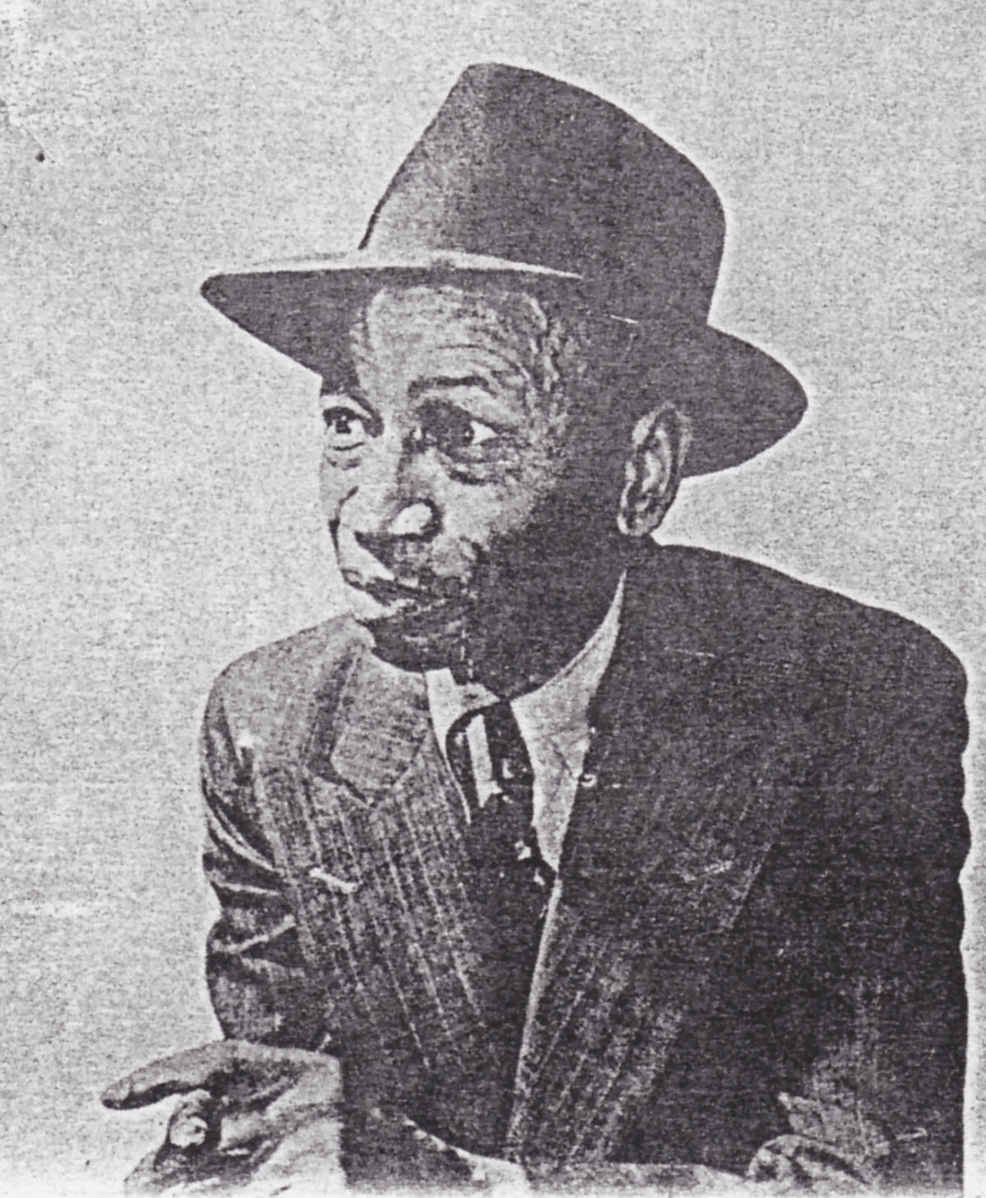
Not only were these blues women bestowed with titles of royalty ... they were also commemorated through the works of other artists, such as poet and educator Sterling Brown, and composer and storyteller Perry Bradford.
Left: The Poetry of Sterling Brown, cover art by Carol Hardy. Smithsonian Folkways Recordings. Right: Perry Bradford, unknown photographer, {PD-US expired}, Crispus-Attucks Records.
Praising Ma Rainey
On a Smithsonian Folkways album released in 1995, poet and educator Sterling Brown reads a poem commemorating the work of blues woman, Ma Rainey.
What do you think Sterling Brown meant by the line: "She just gets hold of us, thataway"?
"Ma Rainey," written and read by Sterling A. Brown.
Listen and Reflect
Listen again:
What do you notice about Sterling Brown's style of reading the poetry?
"Ma Rainey," written and read by Sterling A. Brown
Why Vernacular?
Vernacular is a term used to describe the language or dialect spoken by the ordinary people in a particular country or region.
Sterling Brown was a celebrated literature professor at Howard University (a Historically Black College or University, or HBCU) who intentionally used vernacular in his poetry.
According to Brown, his intention was to preserve this African American performance tradition instead of replicating a performance tradition of white Americans.
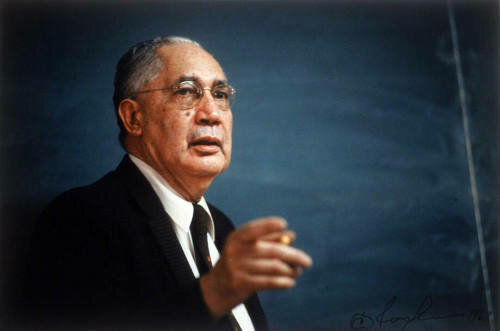
Sterling Master Teacher, photo by Roy Lewis. DC Commission on the Arts and Humanities.
Reminiscing About Bessie Smith
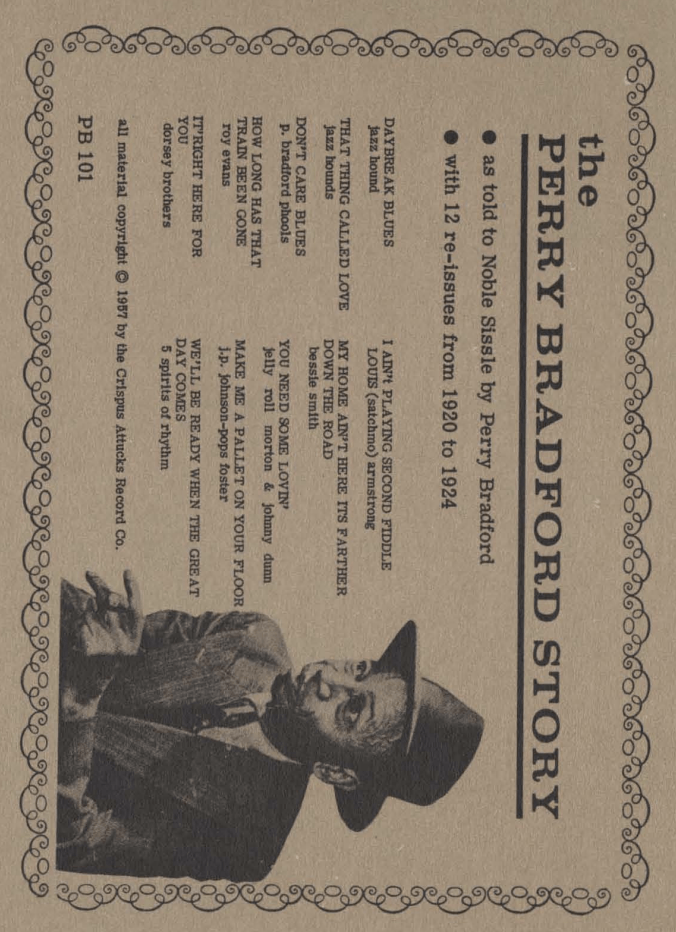
Perry Bradford, the African American composer who wrote “Crazy Blues” (recorded by Mamie Smith), was an advocate for the recording and publishing of blues artists.
"Reminiscing About Bessie Smith," by Perry Bradford
For you, what is the most interesting part of this story?
The Perry Bradford Story, back cover design by Ronald Clyne. Folkways Records.
Why Storytelling?
Storytelling involves a two-way interaction between a storyteller and listeners.
Storytelling has always been an important part of African American culture.
Why?
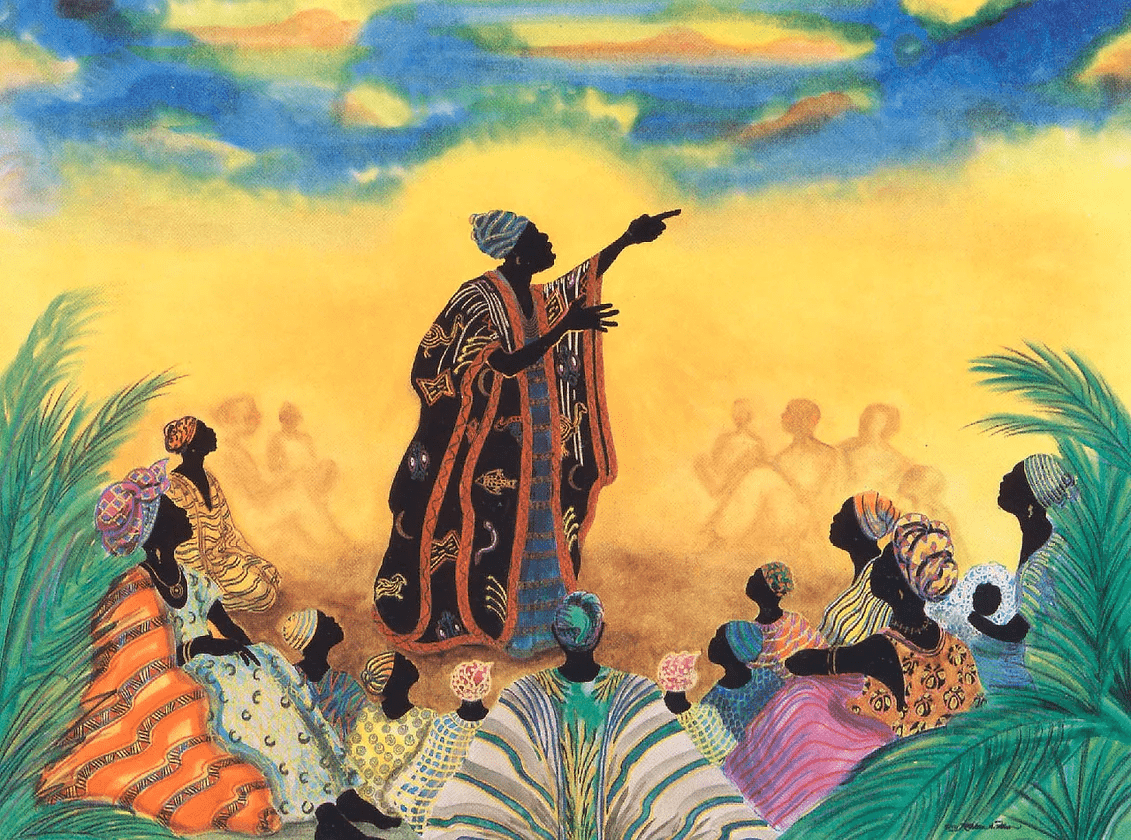
The Storyteller, by Kathleen Atkins Wilson. Courtesy of the artist.
Oral Transmission and African American History
Oral transmission occurs when knowledge is passed from one person's mouth to another person's ear.
Since enslaved Africans were forbidden from learning how to read and write, oral transmission was very important.
Examples of knowledge passed down through oral transmission in African American communities include legacy stories, information about family generations, songs, values, and traditions.
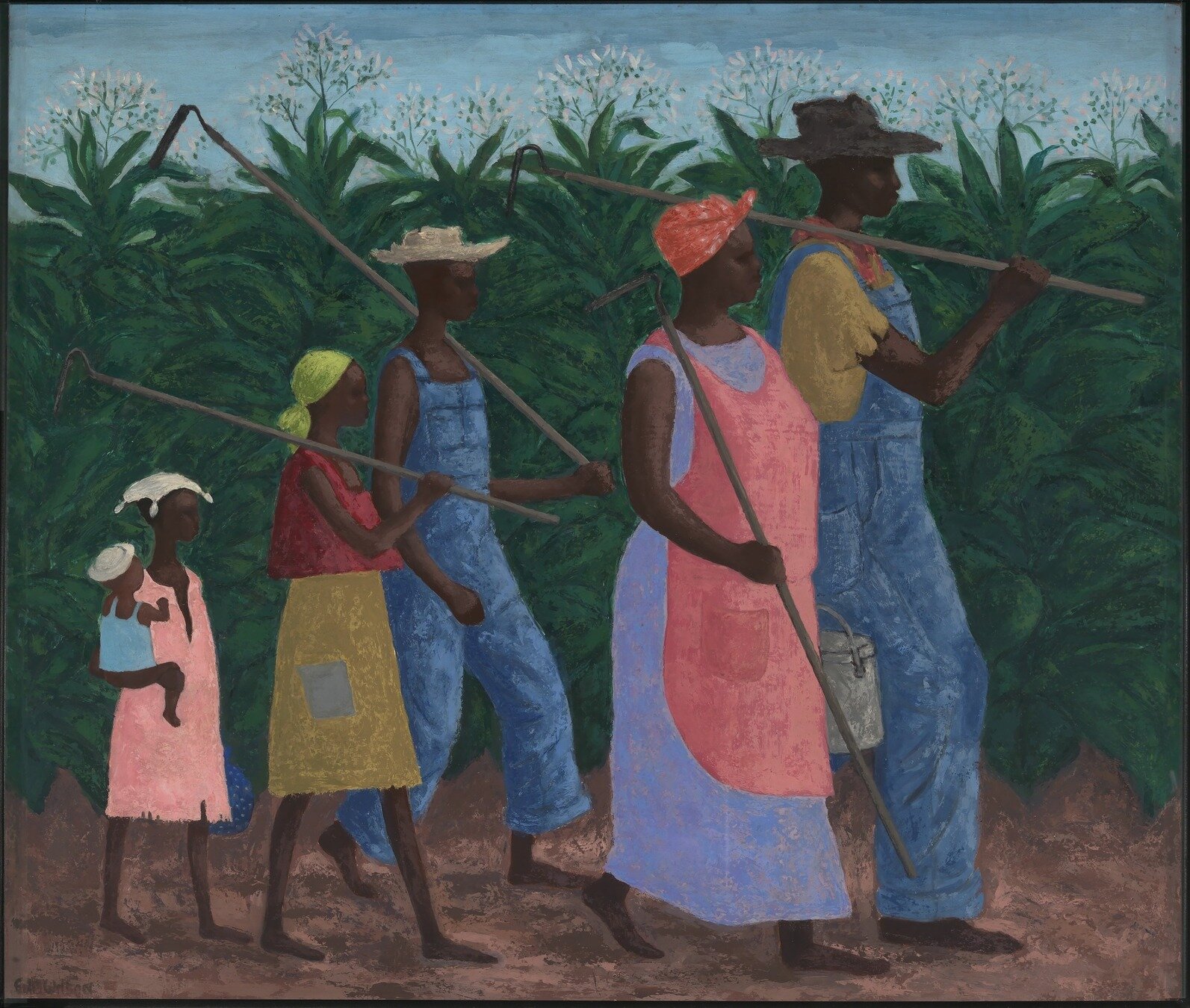
Field Workers, by Ellis Wilson. Smithsonian American Art Museum.
Storytellers
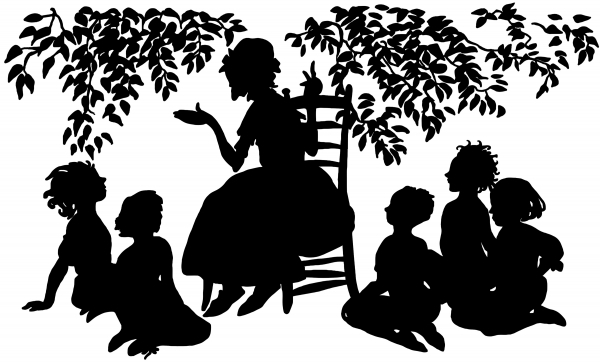
Authors of the written word (e.g., books), deliver details, imagery, and texture (e.g., metaphor, rhyme). Storytellers do the same, but through oral transmission.
Good storytellers offer a vivid picture to their listeners, keeping them captivated, engaged, and (hopefully) able to remember the message (fiction or non-fiction).
Are there any good storytellers in your family?
Mother Telling Stories, by unknown artist. Public Domain, via Karen's Whimsy.
What About Victoria Spivey?
In this Path, we listened to a poem that celebrated Ma Rainey and a story about Bessie Smith and Mamie Smith.
But ... what about the fourth "royal" blues woman we have learned about in this lesson?
That's where you come in!
Creative Activity: Write a Poem or Tell a Story
Next, YOU will have an opportunity to write a poem or craft a story about the blues woman known as "Queen Victoria."
Although Victoria Spivey is not as well-known as some other blues women we have discussed in this lesson, she had a very interesting and long life (and career).
Learning Through Liner Notes
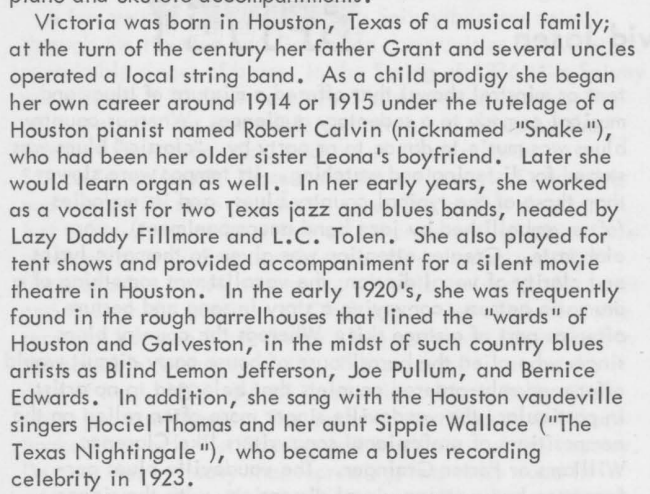
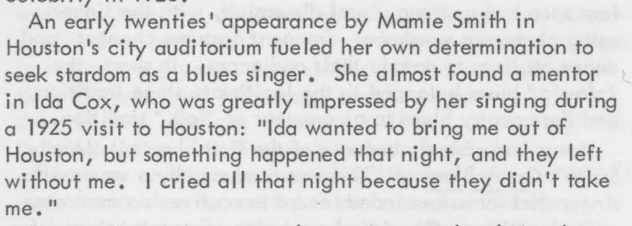
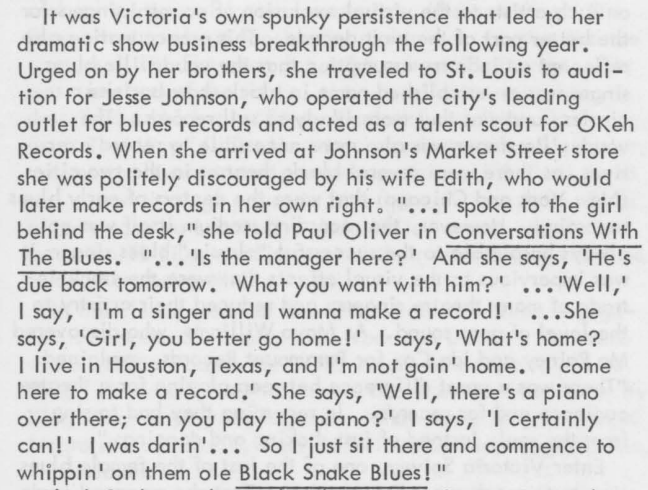
First, take some time to learn more about Victoria Spivey's life, music, and experiences by reading several excerpts from the liner notes that accompany her album, The Blues Is Life.
The Blues Is Life, cover design by Ronald Clyne. Folkways Records.
The Blues Is Life Liner Notes, written by David Jasen. Folkways Records.
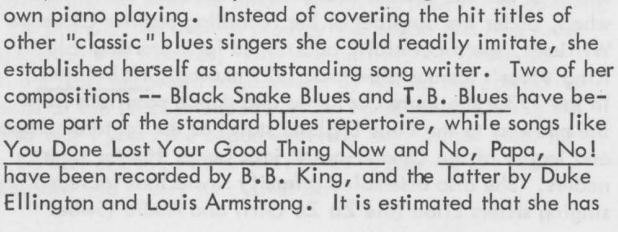
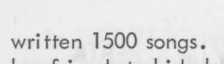

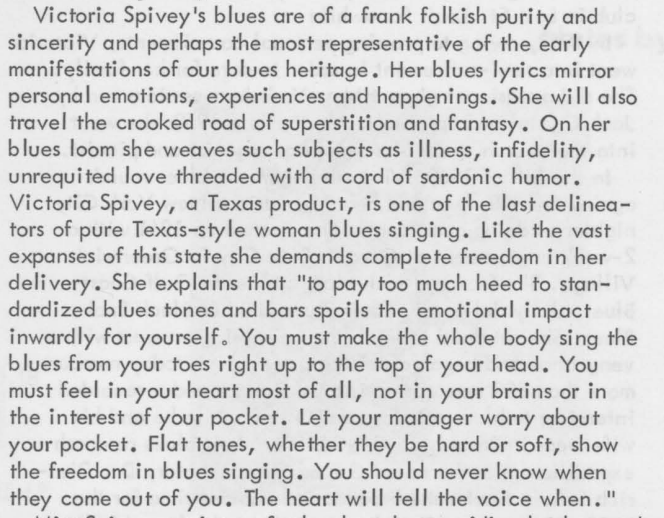
Write Your Story or Poem
Like Sterling Brown and Perry Bradford, it is time for you to commemorate Victoria Spivey's music and/or life by crafting a compelling story or poem.
A few suggestions:
- As you work, refer back to the liner note excerpts for inspiration.
- As you work, consider the performance style and the significant role that oral/aural traditions play in African American culture.
- Once complete, rehearse your poem / story and perform it for the class (your final performance only needs to be 2–3 minutes ).
Victoria Spivey: Queen Victoria (Queen Vee)
Victoria Regina Spivey (October 15, 1906–October 3, 1976) was a blues singer, pianist, and songwriter. Her career, unlike others during this era, lasted over 50 years.
Throughout her lengthy career, Queen Victoria performed and collaborated with many famous musicians (Louis Armstrong, King Oliver, Lonnie Johnson, and Bob Dylan, just to name a few).
In 1961, Victoria Spivey co-founded her own record company (Spivey Records).
Victoria Spivey, photo by Diana Jo Davies. Ralph Rinzler Folklife Archives and Collections.
Victoria Spivey: "You're My Man"
Take a moment to listen to an excerpt from Victoria Spivey's "You're My Man"
Any general thoughts about the recording?
Lyrical Meaning: "You're My Man"
How do you interpret these lyrics? What story is she telling?
"I been locked up so long, don't think I can even walk straight.
In this cold cell so long, don't believe I can walk straight.
But they just gave me my lil bundle and gave the man the key to the gate.
You caused me to be here, been here so doggone long.
You caused me to be here, been here so doggone long.
Darlin' when I come home, please don't let me catch you wrong.
Had to find myself a small gun, a pocketknife too.
I don't wanna catch none of those broads with you.
You're my man I'm coming home this very day.
You better tell all of those li'l dolls that they better stay away."
Story behind "You're My Man"
The Blues Is Life Liner Notes Excerpt, by David Jasen. Folkways Records
How might this story offer or omit details from the lyrics?
What insight does this story provide about the experiences seen and lived by blues women in the early 20th century?
Optional: Musical Storytelling
Can you incorporate music into your storytelling?
A few suggestions:
-
Add an accompanying melody or rhythmic pattern to the words.
-
Consider the structure: Are there sections with only music (no words)? Sections with both? Is the music meant to accompany (not to overshadow) the story?
-
Can you use musical sounds or instruments to provide an aural representation of the words being read? (e.g. dissonance or slow tempo for sadness, fast tempo or short/quick notes for quick motion)?
-
Like blues musicians, can you use instruments to mimic voices and tell your story?
-
Be creative!

Learning Checkpoint
- Why is storytelling an important part of African American culture?
- Why have some African American poets and storytellers used vernacular forms of expression in their creative works?
- What are some key attributes of a good storyteller?
End of Path 3 and Lesson Hub 7: Where will you go next?

Lesson 7 Media Credits
Audio courtesy of
Smithsonian Folkways Recordings
Sony Music Entertainment
Images courtesy of
Carl Van Vechten Trust
Cincinnati Sites and Stories
DC Commission on the Arts and Humanities
Hirshhorn Museum and Sculpture Garden
Library of Congress
National Portrait Gallery
Smithsonian American Art Museum
Smithsonian Folkways Recordings
Ralph Rinzler Folklife Archives and Collections
Kathleen Atkins Wilson
© 2026 Smithsonian Institution. Personal, educational, and non-commercial uses allowed; commercial rights reserved. See Smithsonian terms of use for more information.
This Lesson was funded in part by the Smithsonian Youth Access Grants Program, with support from the Society for Ethnomusicology and the National Association for Music Education.
For full bibliography and media credits, see Lesson 7 landing page.