Travel Photography
Tutorial by Andy King
" The world is a book and those who do not travel only read one page."
- St. Augustine
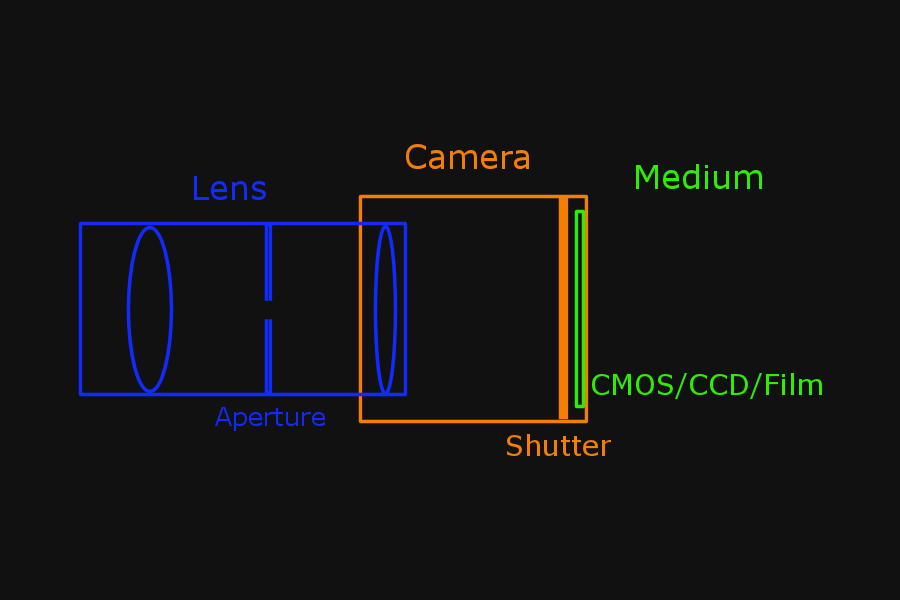
A Basic Camera
- Lens
- Shutter
- Sensor/Film
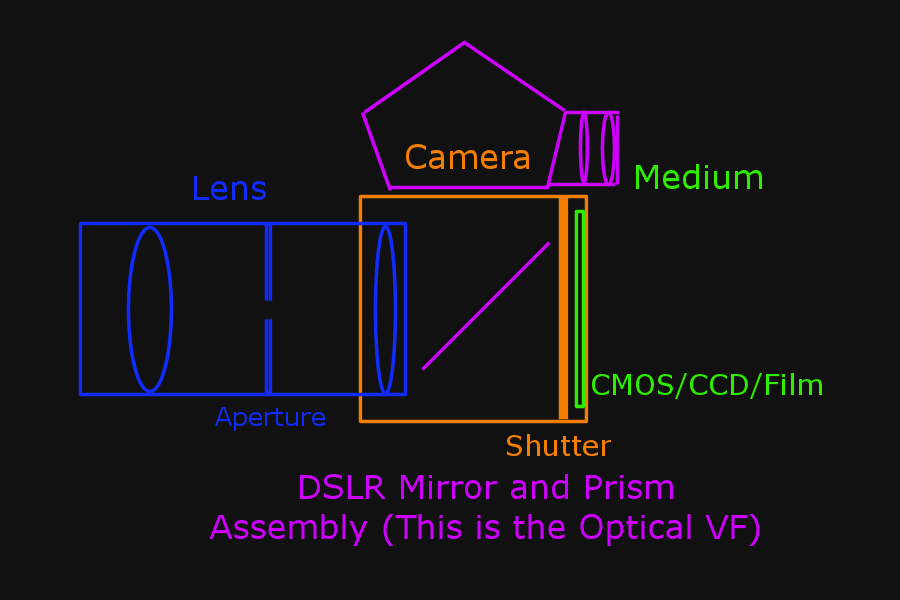
A DSLR Camera
- Lens
- Shutter
- Sensor/Film
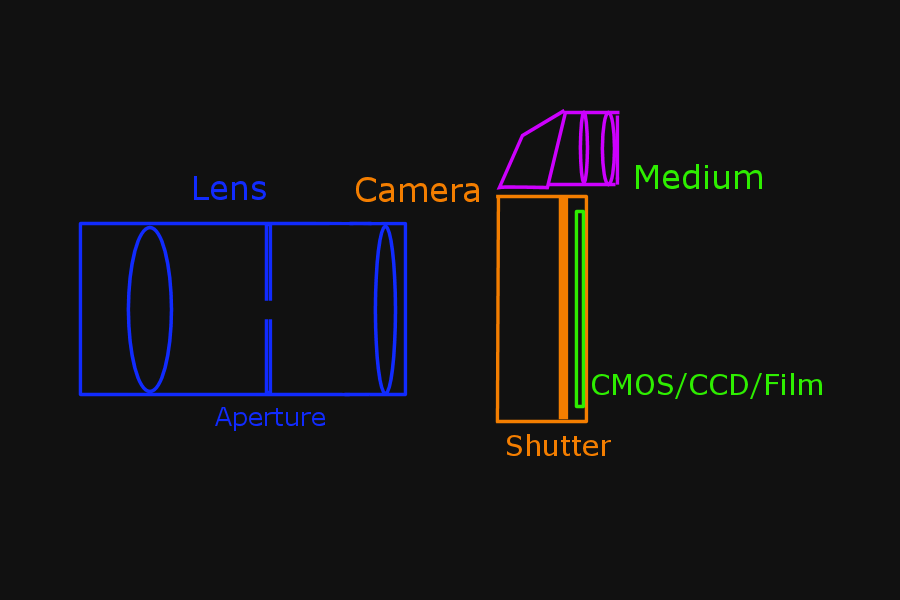
A Mirrorless Camera
- Lens
- Shutter
- Sensor/Film
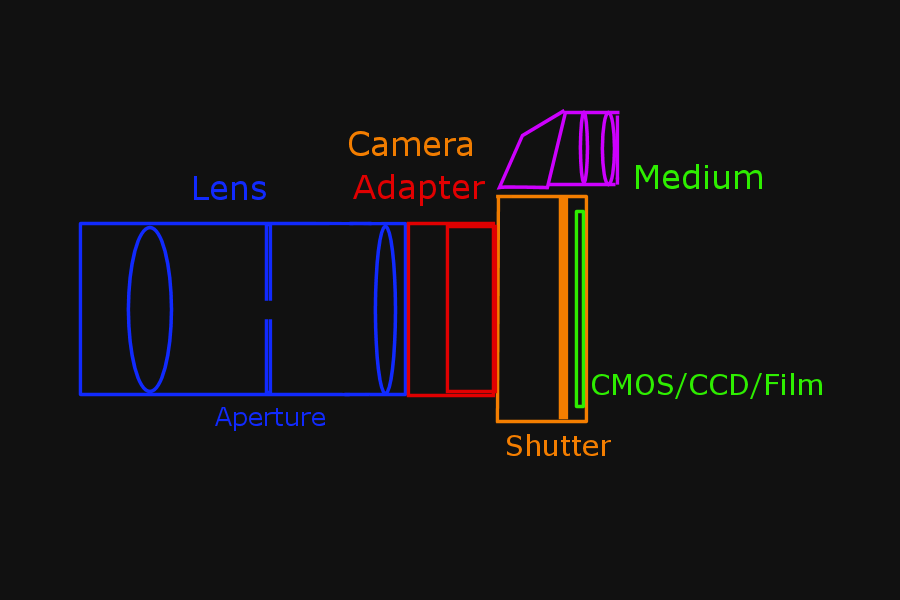
A Mirrorless Camera w/Adapt.
- Lens
- Shutter
- Sensor/Film
DSLR
Pros
- Durable, mostly weather sealed
- Fast auto-focus and tracking moving subjects (sports)
- Large selection of auto-focus lenses (super tele-photo lenses)
- Long battery life
- Some can record on two memory cards for backup
Cons
- Large and heavy
- Intrusive and stands out (esp. street/travel)
- Expensive
- Limited lens adaption
Mirrorless
Pros
- Small and light weight
- Affordable bodies and manual focus lenses
- Wide range of lenses with ability to use creative adapters, ensures planarity
- Electronic viewfinder
- Focus peaking and easy 100% magnification
- Able to stabilize all lenses (Sony A7II)
Cons
- Slower auto-focus with moving subjects (tracking)
- Shorter battery life
- Less durable bodies and mostly not weather sealed
- Limited selection of super tele-photo lenses
"Nowadays people know the price of everything and the value of nothing."
- Oscar Wilde
Best Bang for the Buck
Cost Effective Solutions for Travel Cameras
$200 - $400
Panasonic Lumix DMC-LX7 ($299-$349)
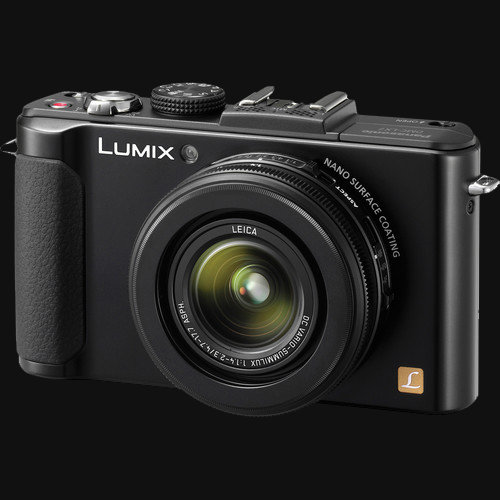
- 7.6mm x 5.7mm sensor, 10.1 Megapixels, usable up to ISO800
- 24 - 90mm f/1.4-2.3 lens
- 298g, pocket size
$400 - $700
Fujifilm X-A1 with 16-50mm kit lens ($499)
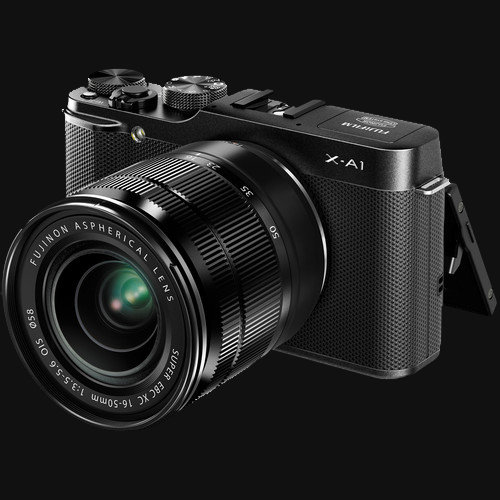
- 23.6mm x 15.6mm CMOS sensor, 16.3 egapixels, usable up to ISO3200
- 16 - 50mm f/3.5-5.6 lens, OIS lens stabilization, interchangeable
- 330g body only, 16-50mm lens is 198g
$700 - $1000
Fujifilm X-E2 (Body Only)
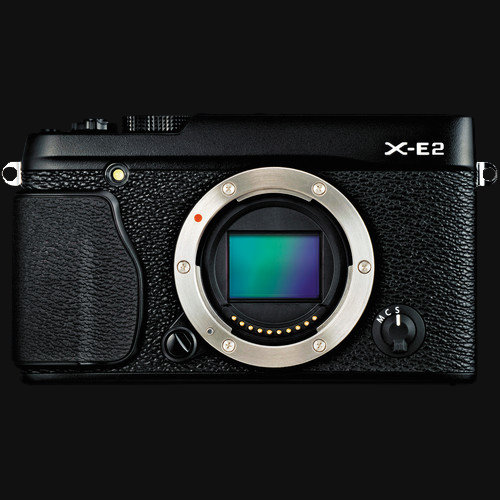
- 23.6mm x 15.6mm X-Trans sensor, 16.3 Megapixels, usable up to ISO6400
- 100%, 2.36 Megapixel electronic viewfinder
- 350g body only
$1000 - $1600
Sony Alpha 7 or Sony Alpha 7 II (Body Only)
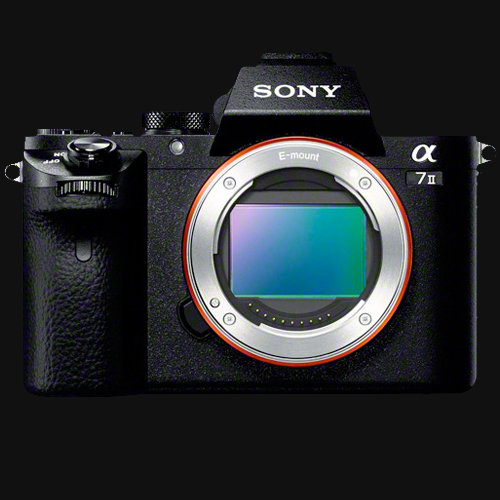
- 35.8mm x 23.9mm CMOS sensor, 24 Megapixels, usable up to ISO6400
- 100%, 2.36 Megapixel electronic viewfinder
- 474g (A7), 599g (A7II)
Specialty Compact Cameras
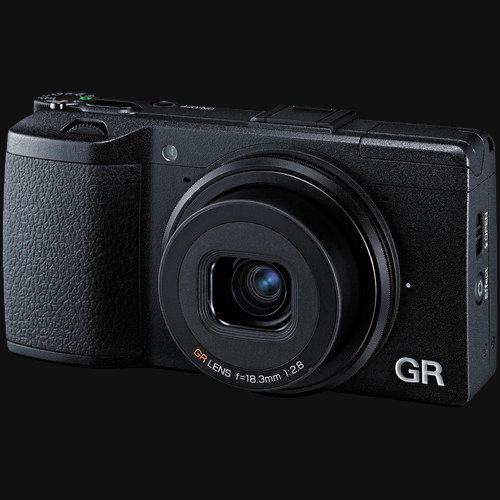
Ricoh GR
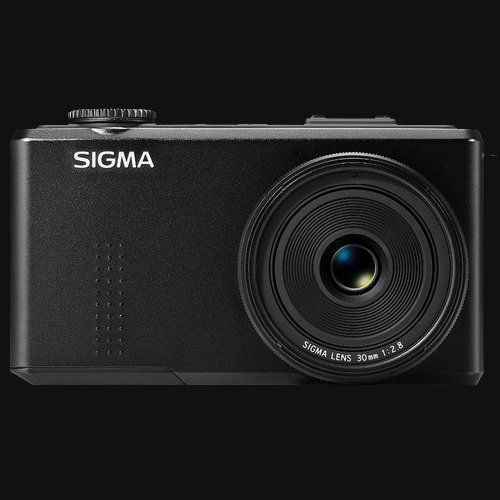
Sigma DP-M/Q Series
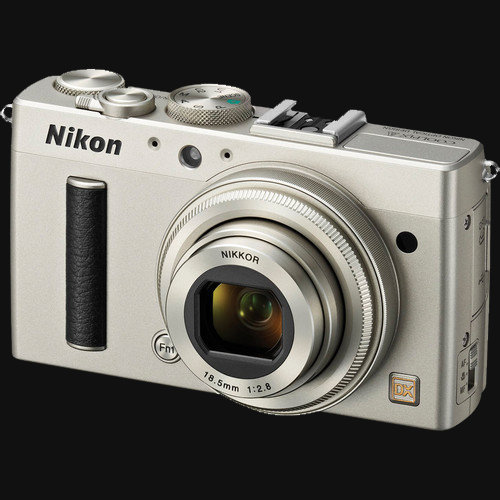
Nikon COOLPIX A
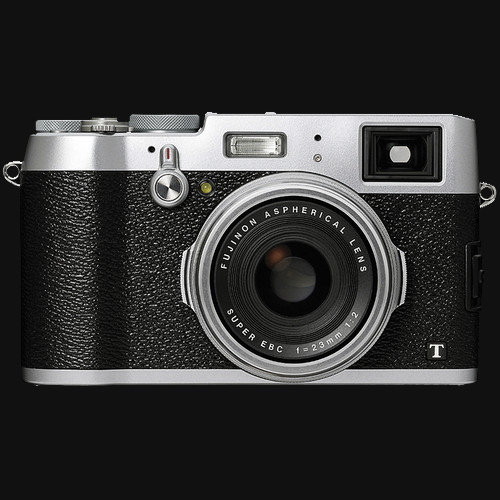
Fuji X100 Series
Mirrorless Cameras
Why?
Why Mirrorless is the Future
- You can bring it anywhere
- More affordable
-
Same or better image quality as DSLRs
- Same sensor size as DSLRs
- Newest and most advanced sensors
-
Larger and better lens selection
- Smaller and compact mirrorless lenses
-
Can use all DSLR lenses with creative adapters
- Tilt shift, Macro helicoid, Speedboosters
- Ensures planarity
- Rangefinder and miscellaneous lenses (M42, M39, Leica M, Zeiss ZM, Voigtlander M, ALPA, Topcon, Exakta, Nikon and Canon rangefinder lenses, etc)
- Focus peaking and 100% magnification ensures critical focus
Photographic Lenses
Types of Lenses
Depth of field and bokeh
What to buy
Versatility and unique images
DIY and lens modifications
Planarity
Planarity Test
Photography and Traveling
By Andy King