He rau ringa e oti ai

An Indigenous perspective of diversity and inclusion in Aotearoa New Zealand
Aleisha Amohia @aleishaamohia
Agenda
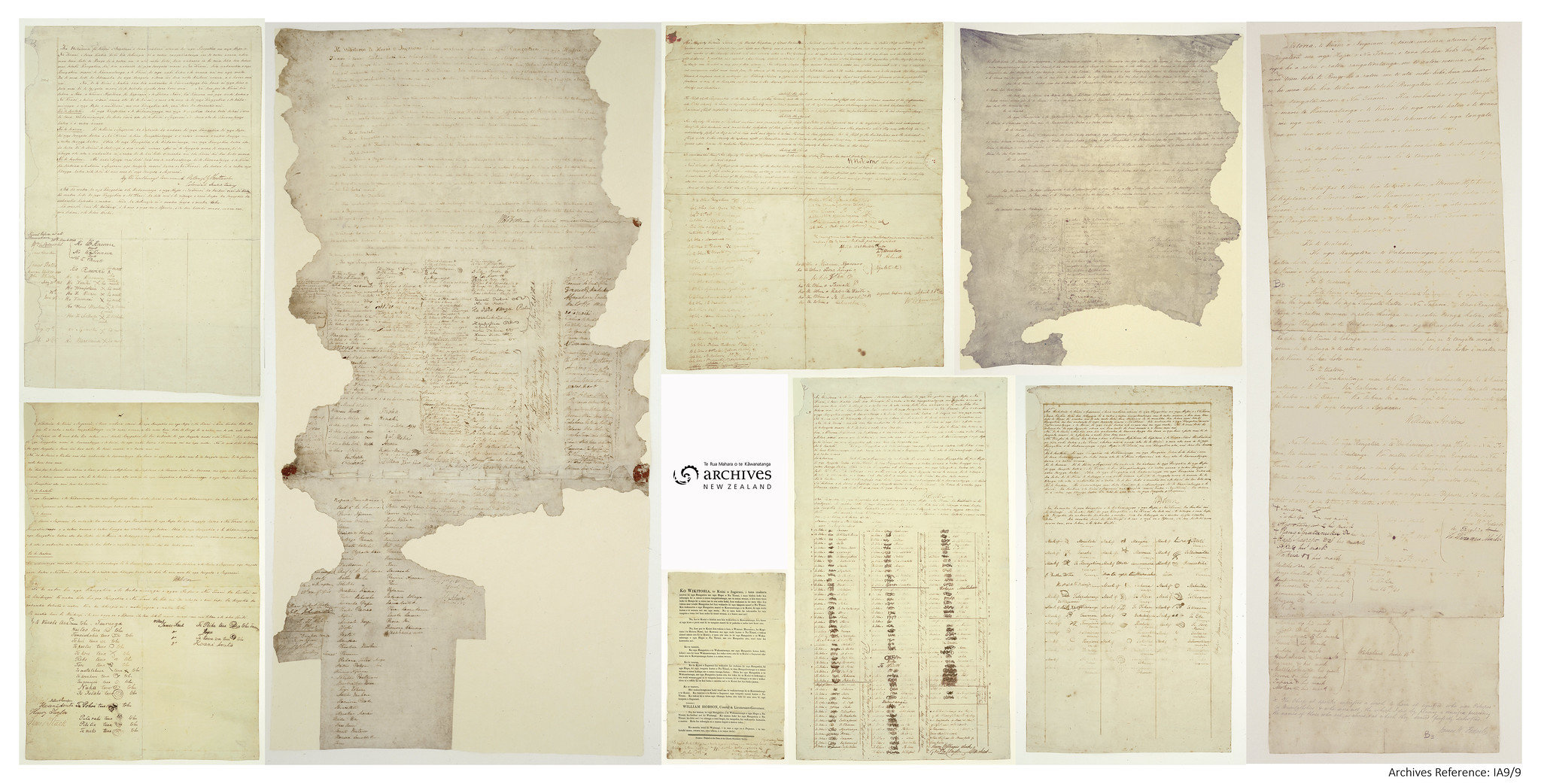
- He Whakaputanga o te Rangatiratanga o Nu Tireni
- Te Tiriti o Waitangi
- The problems
- The articles
- The impacts of colonisation
- Lessons from mātauranga Māori
Diversity and inclusion work must include Indigenous people and perspectives and acknowledge the past
He Whakaputanga
- He Whakaputanga o te Rangatiratanga o Nu Tireni - the Declaration of Independence of the United Tribes of New Zealand
- How Māori leaders told the world that New Zealand was an independent Māori nation
- New Zealand’s first ‘constitutional document’
- A declaration of Indigenous power
Te Tiriti o Waitangi
- Signed 6 February 1840
- Agreement between Māori chiefs and British Government which made New Zealand a British colony
The problems
- The Treaty of Waitangi was written in English, then translated into the Māori language, into Te Tiriti o Waitangi
- In the English version, Māori cede sovereignty to the British Crown
- In the Māori version, Māori do not cede sovereignty
- The incorrect translation meant the treaties were not the same
- The Māori version is the binding treaty
Four articles
- Kāwanatanga
- Tino Rangatiratanga
- Ōritetanga
- Wairuatanga
Article One - Kāwanatanga
- Granting the Queen the power to govern British people in Aotearoa
Article Two - Tino Rangatiratanga
- Māori to maintain authority of lands, settlements and all that is valuable to Māori
- Could not be ceded through a treaty
Article Three - Ōritetanga
- A promise of equity - royal protection and full citizenship
Article Four - Wairuatanga
- Religious freedom
- Recognition and respect for Indigenous principles and practices
The impacts
- Lack of respect for differences
- Lack of trust between Māori and the Crown
- Wars, environmental destruction, systemic racism
- Waitangi Tribunal established to hold the Government to account
Improvements for Indigenous people improve things for everyone
Whakawhanaungatanga
- Process of establishing relationships and relating to others
Te taiao
- Treat the natural environment as your ancestor
- Indigenous people have a special connection to the land where they are from
Tuakana-teina
- A relationship between a mentor and a mentee
- Learning and teaching flows both ways
"Many hands make light work"
"He rau ringa e oti ai"
Gender equality and diversity work must include Indigenous women
Any questions?
An Indigenous perspective of diversity and inclusion in Aotearoa New Zealand | J-WIN
By aleisha