





















Content ITV PRO
This is Itvedant Content department
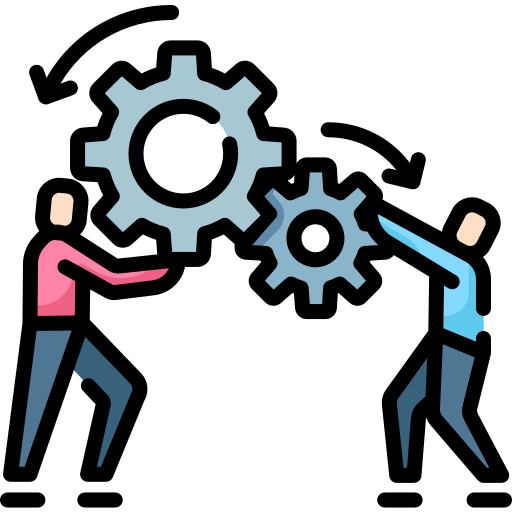
DevOps is a culture, practice, and set of tools that integrates:
Development Team (Dev)
Operations Team (Ops)
To deliver software faster, reliably, and continuously
Before DevOps, organizations followed:
Traditional Model (Silo Structure)
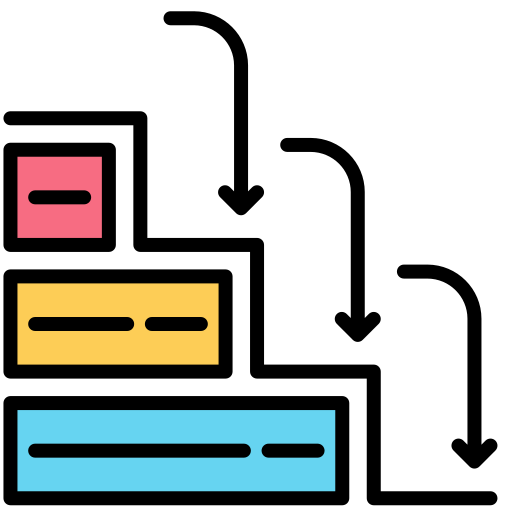
Developers → Testing → Operations
(Separate Teams – No Collaboration)
❌ Communication gap
❌ Blame culture
❌ Manual deployments
❌ Slow releases
❌ Production failures
Before 2000 – Waterfall Era
Most companies used the
Waterfall model
Sequential development
No feedback until final stage
Long release cycles
2001 – Agile Movement
✔ Iterative development
✔ Faster delivery
✔ Customer collaboration
But still:
Operations team was separate.
DevOps term popularized by:
Patrick Debois
First DevOps Days conference held in:
Ghent (2009)
This marked the official beginning of DevOps culture.
Frequent production failures
Slow deployments
Manual processes
High downtime
No ownership
Faster releases
Automation
Better collaboration
Continuous monitoring
Thus, DevOps was introduced.
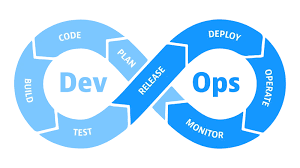
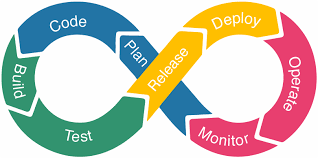
DevOps follows Continuous Integration & Continuous Delivery (CI/CD)
Requirement gathering (Jira, etc.)
Developers write code
Compile source code into executable
Automated testing
Prepare build for deployment
Deploy into production
Manage servers & applications
Track performance & errors
Planning Tools
Jira
Trello
Version Control
Git
GitHub
Build Tools
Maven
Gradle
CI/CD Tools
Jenkins
GitLab
Monitoring Tools
Prometheus
Grafana
Configuration Management
Ansible
Puppet
Containerization
Kubernetes
| Traditional | DevOps |
|---|---|
| Separate Teams | Collaborative Team |
| Manual Deployment | Automated Deployment |
| Slow Releases | Frequent Releases |
| High Failure Rate | Continuous Monitoring |
| Late Testing | Continuous Testing |
Example: E-Commerce Website
Without DevOps:
Release every 6 months
Manual deployment
Downtime issues
With DevOps:
Daily releases
Automated CI/CD
Zero downtime deployment
By Content ITV