
Content ITV PRO
This is Itvedant Content department
FinCheck Advanced Web Inspection & Dynamic Element Validation
Business Scenario
After successfully learning basic Webpage Inspection inside the FinCheck Banking Portal, your manager now assigns you advanced inspection activities on Dynamic Banking Webpages.
Recently, QA Testers reported multiple inspection problems inside the FinCheck Transaction Dashboard :-
Transaction Rows Change after Filtering
Pagination Buttons Rebuild Dynamically
Dashboard Counters Update Automatically
Pre-Lab Preparation
Some Webpage Elements Disappear after Search
Testers Cannot Track Changing HTML Elements Properly
Before starting testing activities, your manager clearly says :-
“”A QA Tester must understand how Webpage Elements change dynamically during real application usage. “”
Your responsibility is to understand : -
How Dynamic Transaction Tables Behave
How Filters Update Webpage Records
How Pagination Changes Dynamically
How Testers Inspect Changing HTML Elements
How Hidden Elements Exist inside Webpage Structure
How DevTools Helps Testers Inspect Dynamic Webpages
Topic : HTML Basics
git pull origin branchNameGit Pull
Task 1: Understand Dynamic Webpage Behavior
Understand Dynamic Webpages
1
What are Dynamic Webpages?
A dynamic webpage is a webpage that changes automatically based on user activity.
Unlike static webpages, dynamic webpages update records, counters, tables, and filters without reloading the complete page.
Modern banking applications use dynamic webpages to display real-time customer and transaction information.
Types of Dynamic Changes
Search Updates
Transaction records update after user search.
Filter Updates
Only matching records display after filters are applied.
Pagination Updates
Page buttons change dynamically based on record count.
Counter Updates
Dashboard totals refresh automatically.
How Dynamic Webpages Work
User performs activity on webpage.
Application processes request.
Browser updates specific webpage sections dynamically.
HTML structure changes automatically inside browser DOM.
Real Life Example
Customer searches :-
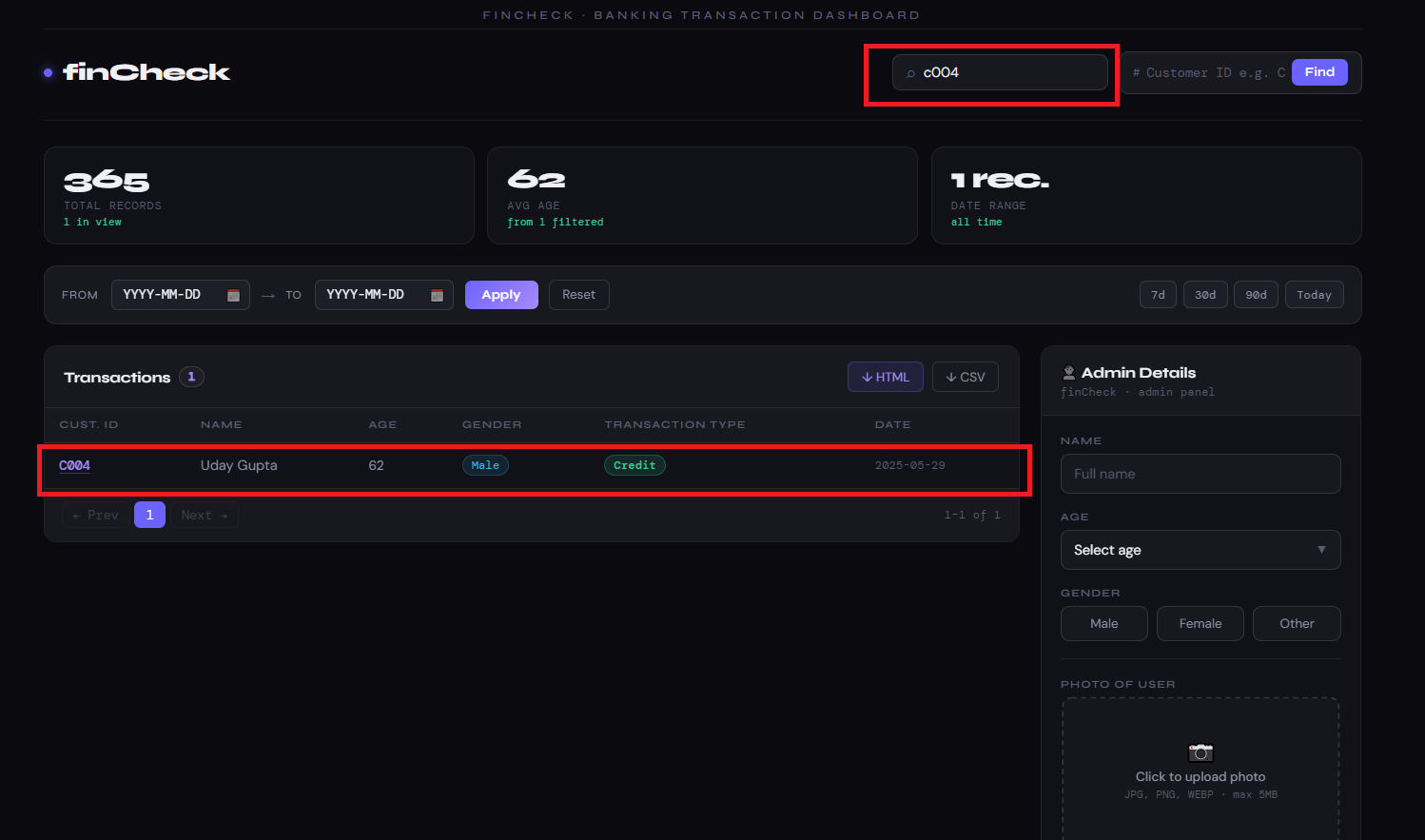
Customer ID = C004
The webpage updates transaction table dynamically and displays only matching records.
What is DOM?
DOM (Document Object Model) represents webpage structure inside browser.
Every webpage element becomes part of DOM structure.
QA testers inspect DOM to understand webpage behavior and identify elements properly.
Understand DOM Updates
2
Types of DOM Elements
Input Elements
Textbox fields for search or filters.
Button Elements
Search, Next, Previous, Download buttons.
Table Elements
Transaction rows and columns.
Hidden Elements
Invisible elements existing inside webpage structure.
How DOM Updates Work
When webpage changes dynamically :-
old HTML elements may disappear
new HTML elements may appear
attributes may change automatically
Real Life Example
Before Search :-
10 transaction rows visible
After Search :-
1 matching transaction row visible
DOM structure updates automatically.
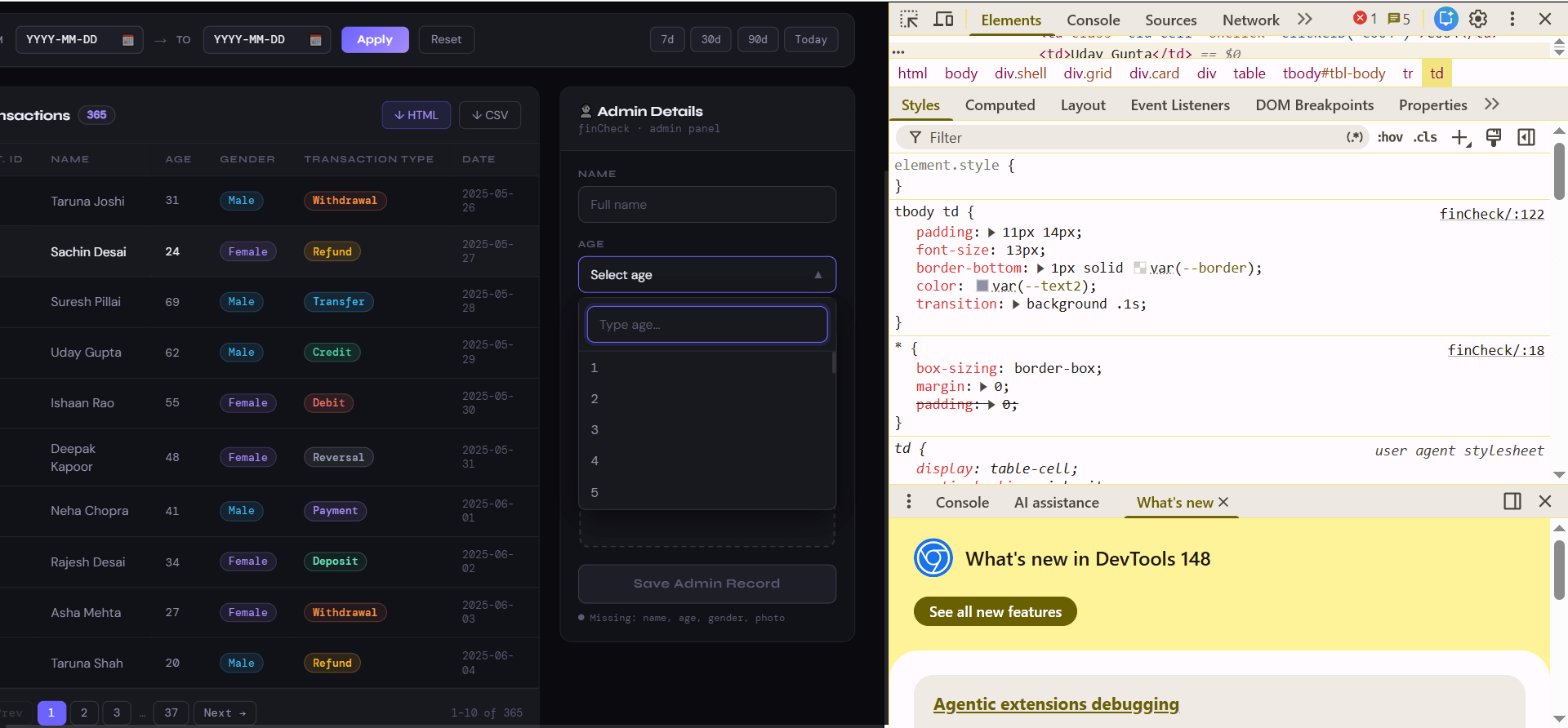
Open FinCheck Dashboard
1
What is Transaction Table Inspection?
Transaction table inspection helps QA testers understand how banking records are displayed inside webpage tables.
Testers inspect rows , columns , headers , dynamic records updates
Task 2: Inspect Dynamic Transaction Rows
Click to view : finCheck
Activity
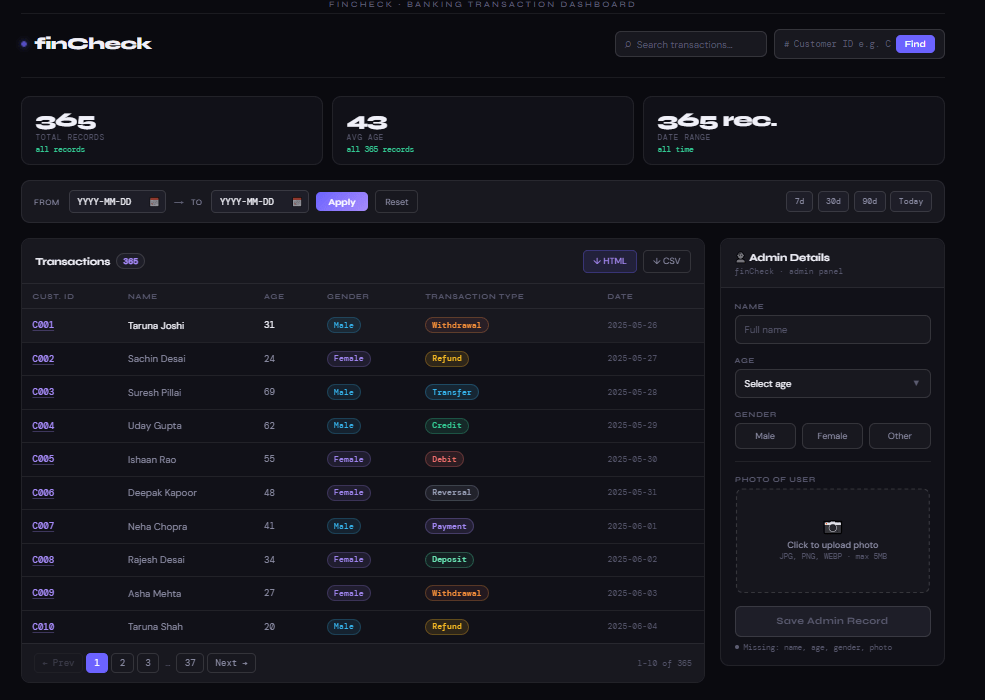
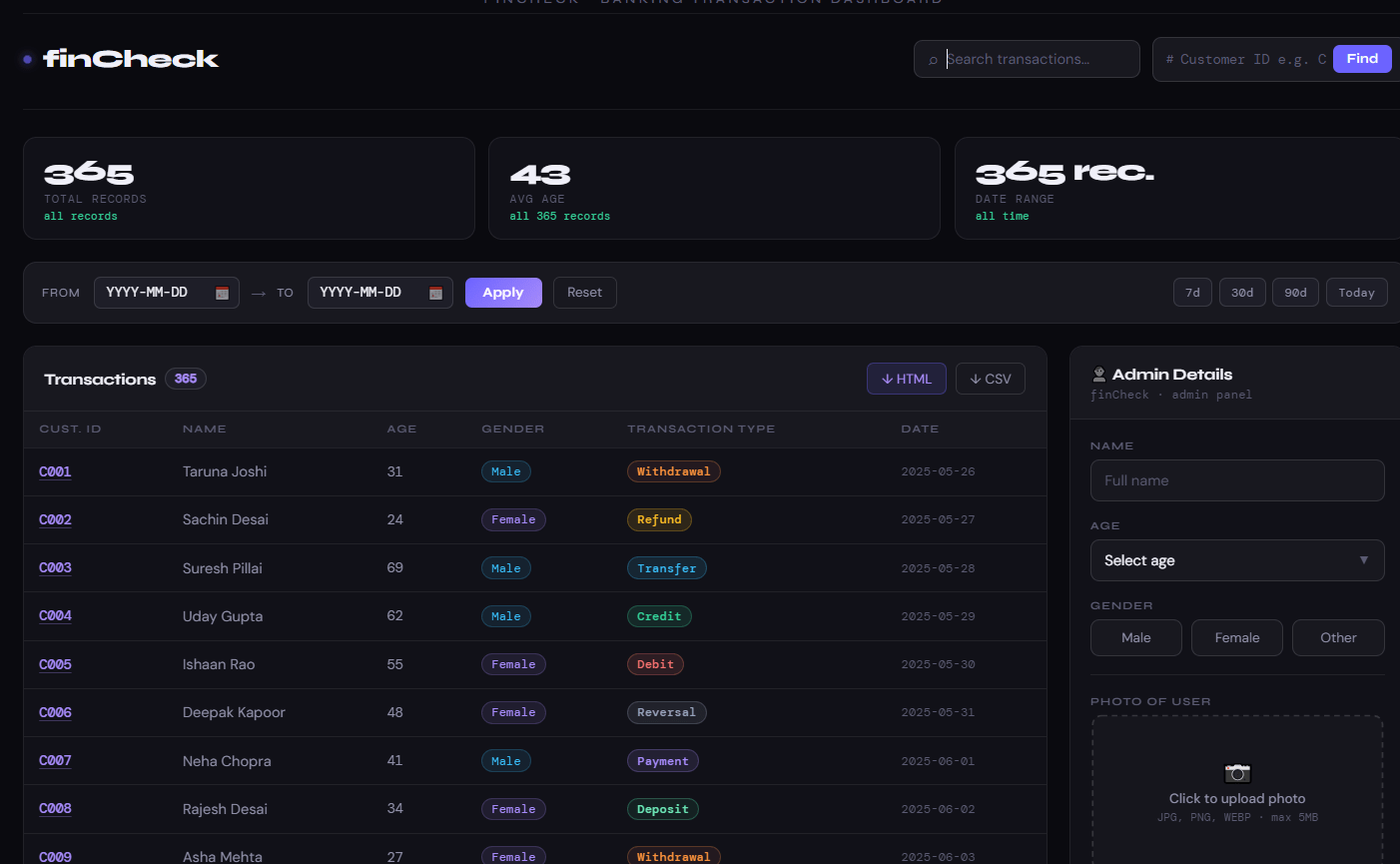
Open FinCheck transaction dashboard
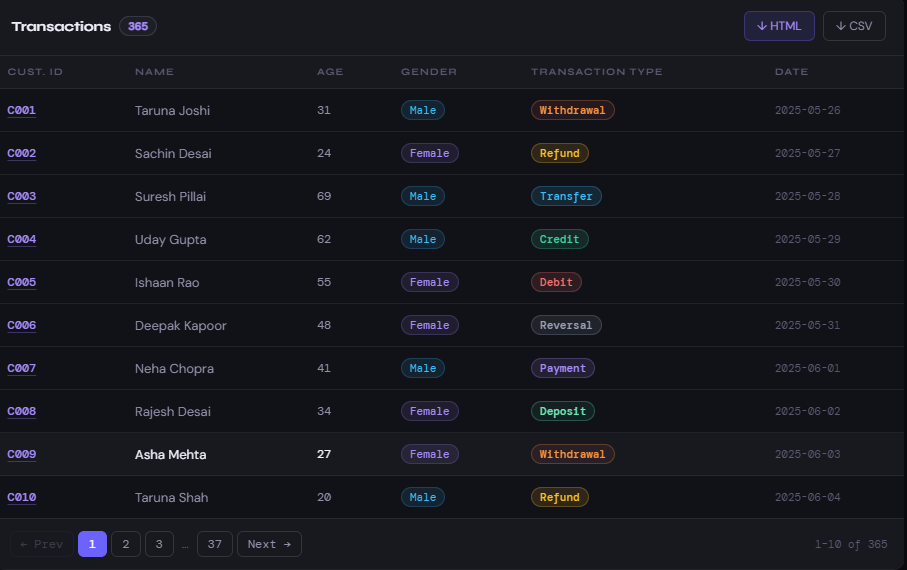
Observe transaction table
Observe multiple transaction rows displayed on webpage
Observe multiple transaction rows displayed on webpage
Transaction Table Representation
| txn_id | customer_id | txn_type | amount |
|---|---|---|---|
| TXN1001 | C001 | Debit | 2000 |
| TXN1002 | C004 | Credit | 5000 |
| TXN1003 | C007 | Debit | 1000 |
Inspect Transaction Table Using DevTools
2
What is Table Inspection?
Table inspection allows testers to view actual HTML structure of transaction records.
QA testers inspect tables to understand :-
table structure
row arrangement
dynamic row generation
Activity
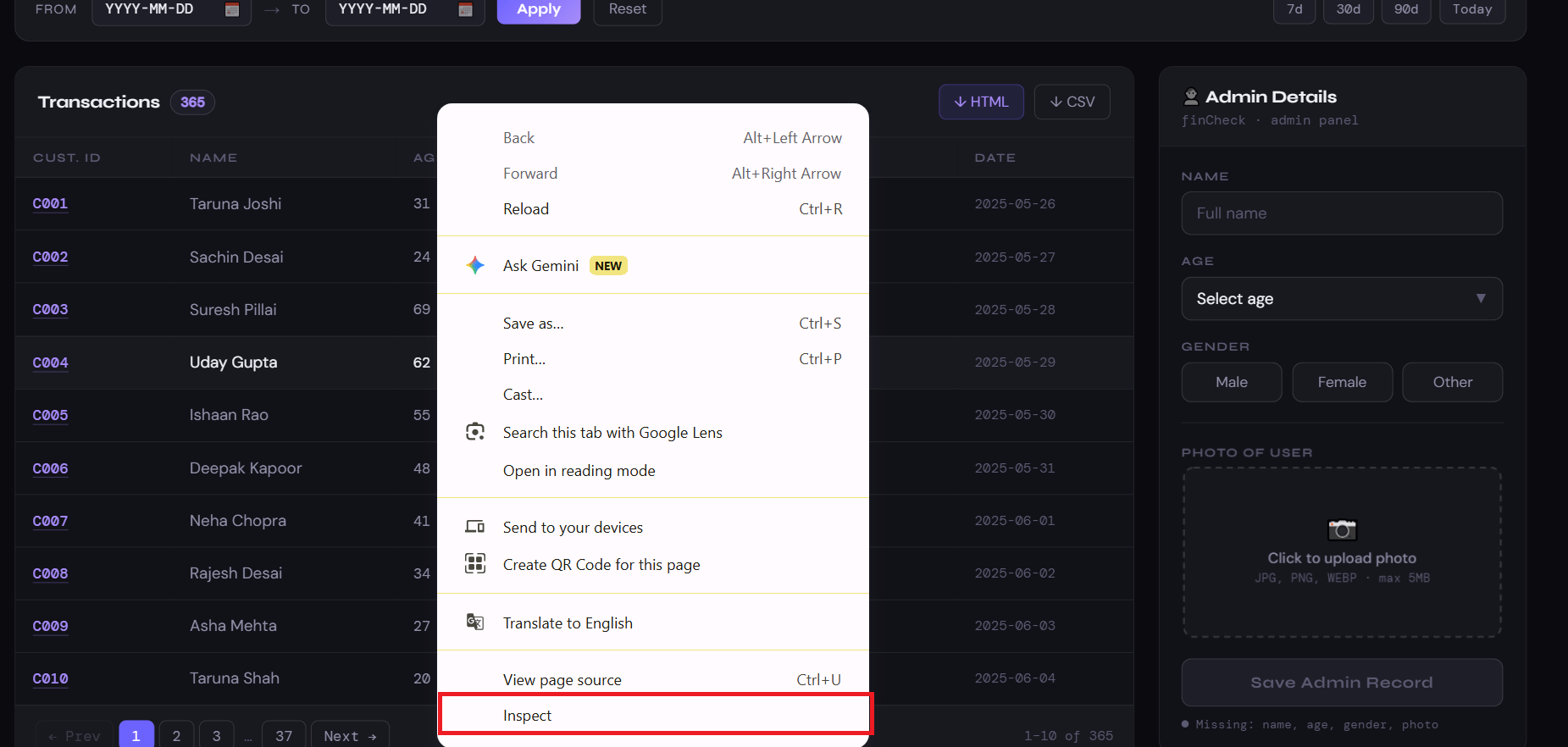
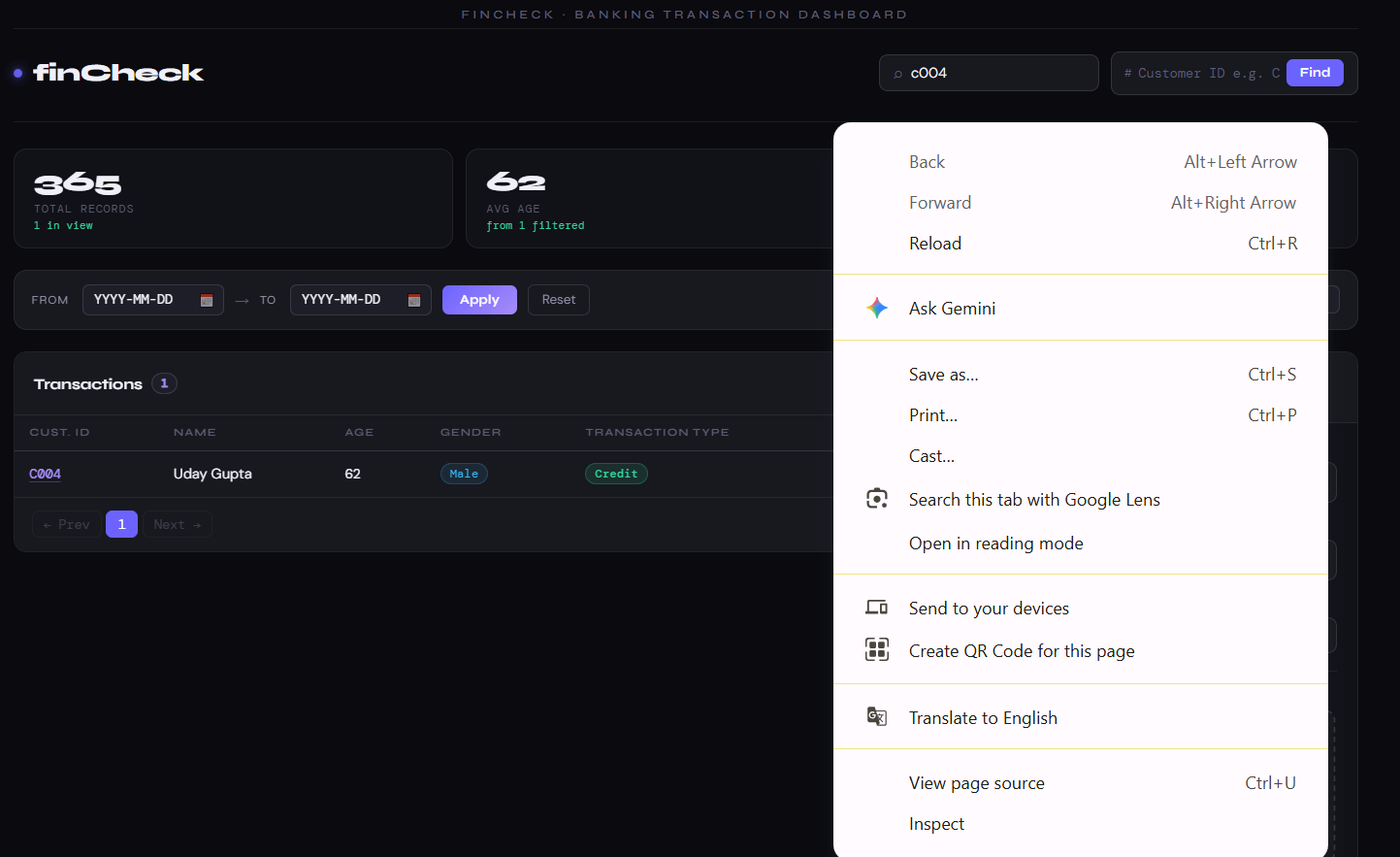
Right click transaction table
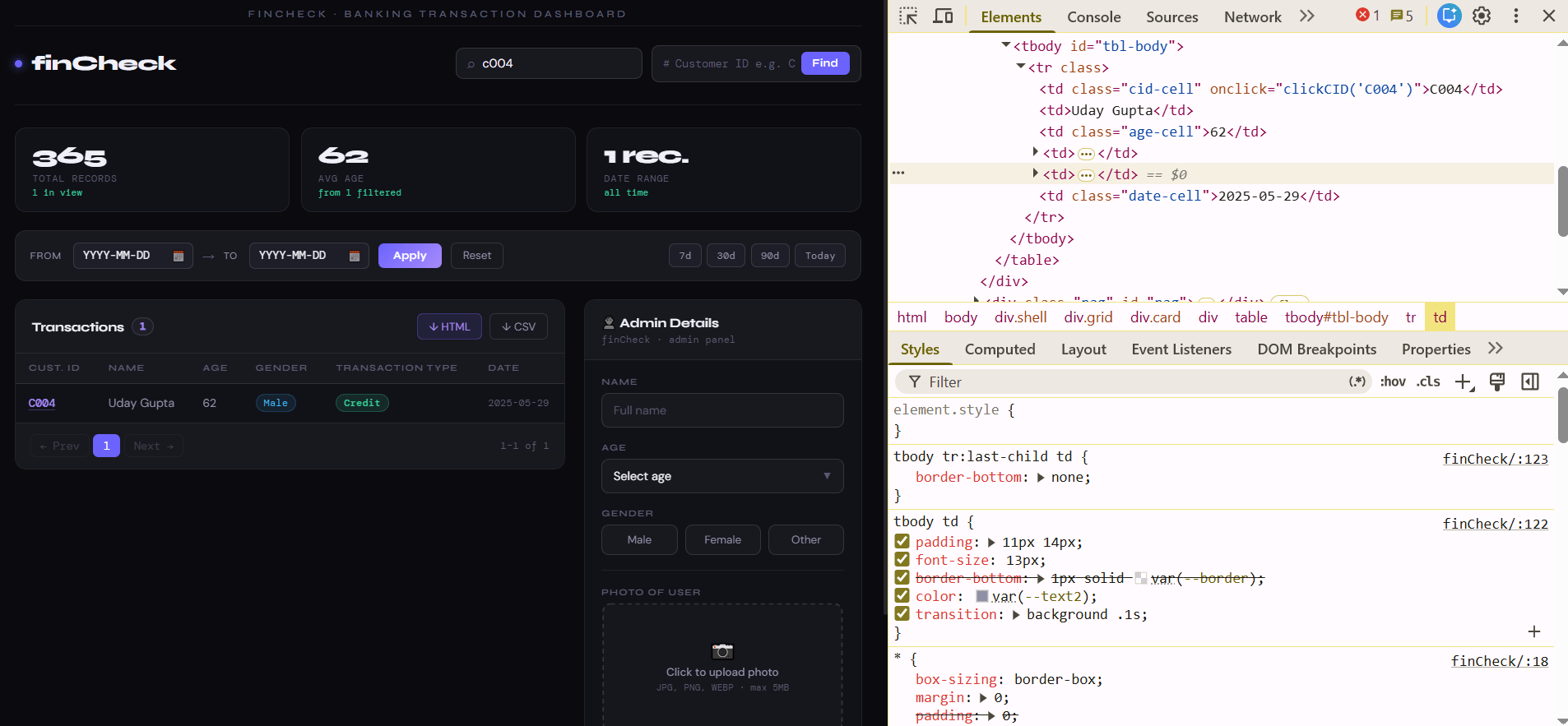
Browser opens DevTools
Observe highlighted HTML structure
Browser opens DevTools
Observe highlighted HTML structure
HTML Representation
<table id="txn-table">

<tr>
<th>txn_id</th>
<th>customer_id</th>
<th>txn_type</th>
<th>amount</th>
</tr>

<tr>
<td>TXN1001</td>
<td>C001</td>
<td>Debit</td>
<td>2000</td>
</tr>

</table>
Inspect Dynamic Row Changes
3
What are Dynamic Rows?
Dynamic rows are transaction records that change automatically after search, filtering, or pagination.
These rows are generated dynamically by application logic.
How Dynamic Rows Work
When user performs :-
Search
Filter
Pagination
old rows disappear and new matching rows appear automatically.
Activity
Search customer ID :- C004
Click Find button
Observe updated transaction table
Inspect updated HTML rows
Before Search:-
Transaction Table Representation
| txn_id | customer_id | txn_type | amount |
|---|---|---|---|
| TXN1001 | C001 | Debit | 2000 |
| TXN1002 | C004 | Credit | 5000 |
| TXN1003 | C007 | Debit | 1000 |
After Search:-
| txn_id | customer_id | txn_type | amount |
|---|---|---|---|
| TXN1002 | C001 | Debit | 2000 |
Task 2: Inspect Dynamic Transaction Rows
Open FinCheck Dashboard
1
What is Search Inspection?
Search inspection helps testers understand how webpage records change after user input.
Testers inspect must search textbox, Update records and Dynamic HTML changes.
Activity
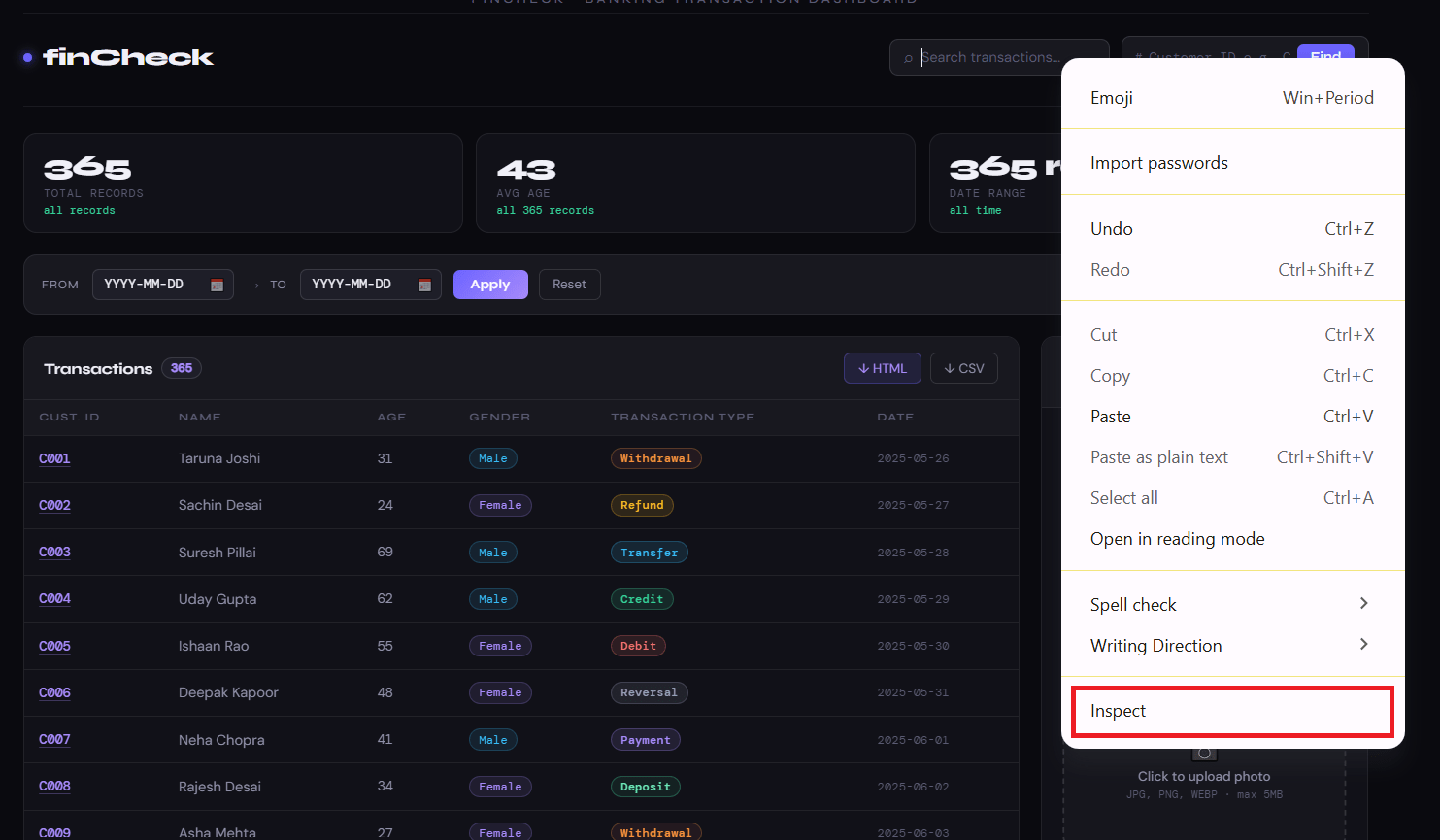
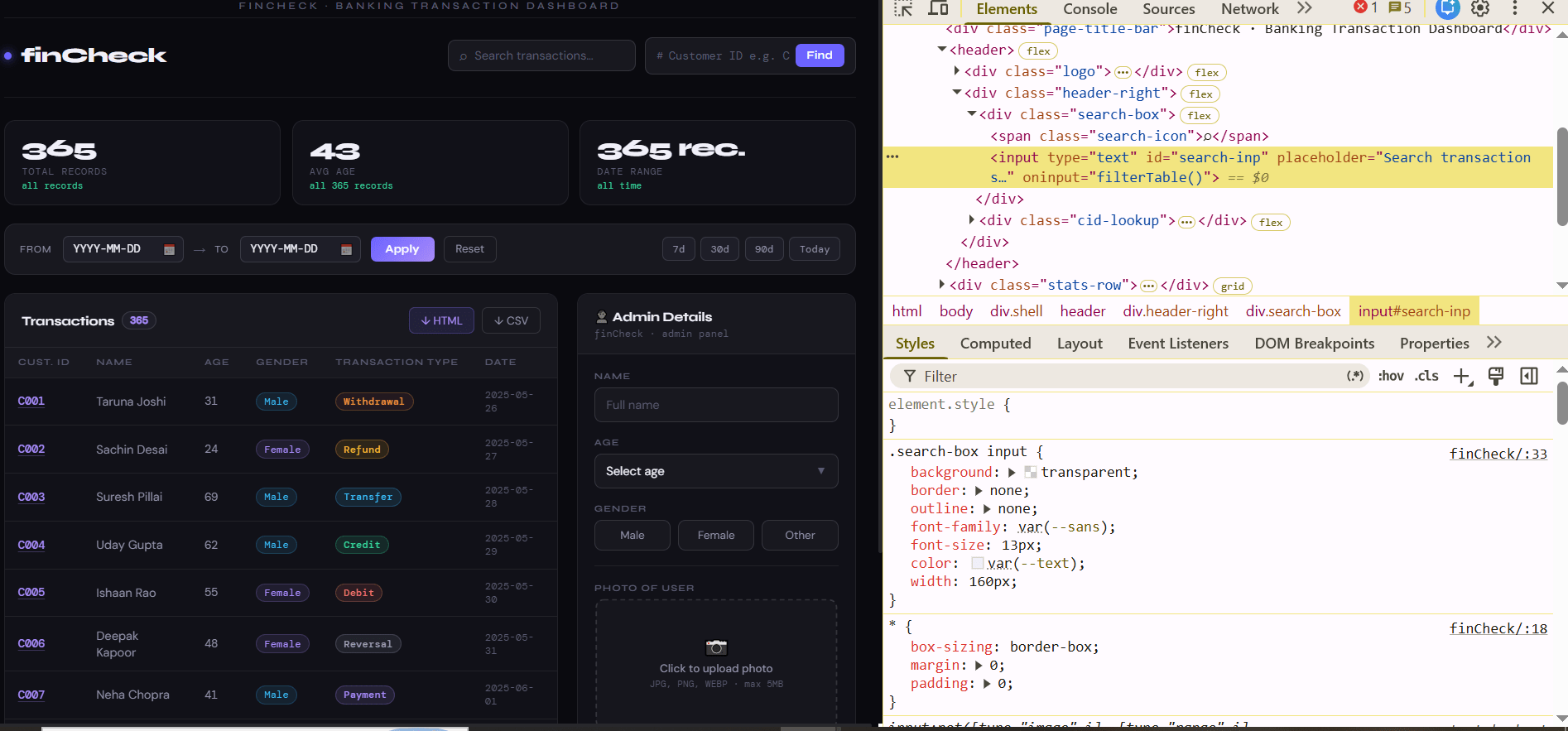
Right click search textbox
Click Inspect
Observe highlighted input element
HTML Representation
<input
type="text"
id="search-inp"
placeholder="Search transactions">
Inspect Filter Changes
2
What is Filter Inspection?
Filter inspection means observing how webpage data changes after filters are applied.
Filters help users view only matching transaction records.
Types of Filters
Credit Filter
Displays only credit transactions.
Debit Filter
Displays only debit transactions.
Date Filter
Displays transactions from selected dates.
How Filter Works
User applies filter.
System refreshes matching transaction records dynamically.
Old rows disappear and filtered rows appear automatically.
Activity
Apply Credit filter
Observe transaction table updates
Inspect updated rows using DevTools
Date Filter
Displays transactions from selected dates.
How Filter Works
User applies filter.
System refreshes matching transaction records dynamically.
Old rows disappear and filtered rows appear automatically.
Transaction Table Representation
Before Filter
| txn_id | amount |
|---|---|
| Debit | 2000 |
| Credit | 5000 |
| Debit | 1000 |
After filter
| txn_id | amount |
|---|---|
| Credit | 5000 |
Task 4: Inspect Dynamic Pagination
Understand Pagination
1
What is Pagination?
Pagination divides large transaction records into multiple pages.
Banking applications use pagination to improve webpage readability and performance.
Types of Pagination Buttons
Next Button
Moves to next records page.
Previous Button
Moves to previous records page.
Page Numbers
Displays available pages dynamically.
How Pagination Works
System displays limited transaction rows per page.
Pagination updates dynamically after filtering or searching.
<div id="pagination">

<button class="pag-btn">
Prev
</button>

<button class="pag-btn active">
1
</button>

<button class="pag-btn">
Next
</button>

</div>
Observe Dynamic Pagination Changes
2
What is Dynamic Pagination?
Dynamic pagination updates automatically after filtering or searching.
Page buttons may increase or decrease depending on available transaction records.
How Dynamic Pagination Works
Before filtering :-
5 pages visible
After filtering :-
1 pages visible
Pagination rebuilds automatically based on matching records.
Activity
Search customer ID :- C004
Observe pagination buttons again
Inspect updated pagination HTML
Transaction Table pagination Representation
Before Search
Prev 1 2 3 4 5 Next
After Search
Prev 1 Next
Task 5: Inspect Hidden HTML Elements
Understand Hidden Elements
1
What are Hidden Elements?
Hidden elements are webpage elements that exist inside HTML structure but are not visible on webpage screen.
These elements remain inside browser DOM and can still be inspected using DevTools.
Banking applications often use hidden elements for :-
file upload handling
background processing
popup handling
security-related operations
Types of Hidden Elements
Hidden Input Fields
Invisible input fields used for internal processing.
Hidden Upload Controls
File upload elements hidden from normal webpage view.
Hidden Popup Containers
Popup sections hidden until user action occurs.
Hidden Dynamic Sections
Sections displayed only after filter or search operations.
How Hidden Elements Work
Webpage hides elements using CSS properties like :-
visibility:hidden
opacity:0
position:absolute with off-screen values
Even though elements are invisible, they still exist inside webpage HTML.
Real Life Example
Banking application hides file upload control until user clicks :-
Upload Statement
The upload input exists inside HTML but remains hidden initially.
Step 2: Search Hidden Elements Using DevTools
What is Hidden Element Inspection?
Hidden element inspection helps testers identify invisible webpage components inside browser HTML structure.
QA testers inspect hidden elements to understand :-
hidden webpage behavior
background webpage controls
dynamic popup handling
hidden upload elements
Activity
Open DevTools
Open Elements tab
Press Ctrl + F
Search :- opacity:0
Observe highlighted hidden HTML element
Task 3: Code Editor Installation
Good work on completing the planning phase.
Now we will start development. Before that, make sure your system is ready with the required tools.
In this step we will install the VS code editor that will help to Write code efficiently,Organize files , Run and test your application
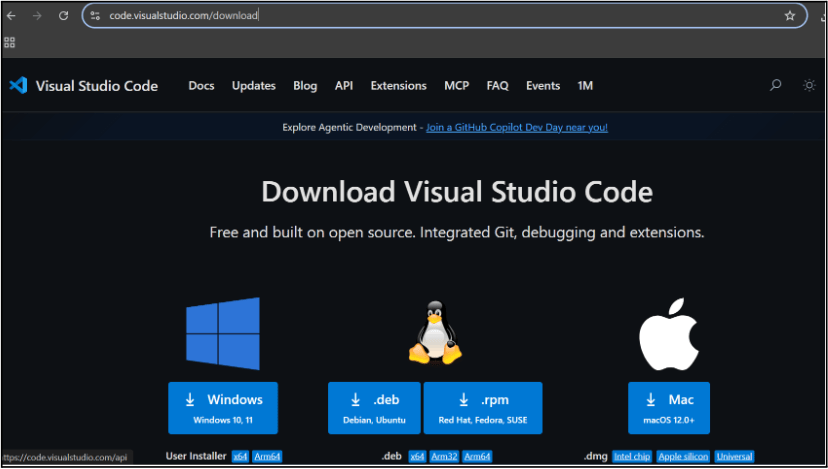
Go to the visual studio code official website
1
Click to download Homepage Wireframe : Homepage Wireframe
Choose your operating system(windows / Mac) and download the installation file.
Double click on the download app and Accept the agreement and click next
2
It is a long established fact that a reader will be distracted
b
Sub Steps
a
Double click on the download app and Accept the agreement and click next
public class MathSample {
    public static void main(String[] args) {
        int x = 10;
        int y = 20;
        int sum = x + y;

        System.out.println("The sum is: " + sum);
    }
}
public class MathSample {
public static void main(String[] args) {
int x = 10;
int y = 20;
int sum = x + y;
System.out.println("The sum is: " + sum);
}
}
public class MathSample {
public static void main(String[] args) {
int x = 10;
int y = 20;
int sum = x + y;
System.out.println("The sum is: " + sum);
}
}
Great job!
You have successfully completed your first lab on BiteBox Project Onboarding.
In this lab, you have: Understood the BRD, Created a wireframe, Set up your development environment, Organised your project structure, Run your first program
You are now ready to move to the next stage of development
Checkpoint
Next-Lab Preparation
Git Push
git push origin branchNameTopic : Working with a Text and Listin HTML
1) Power of HTML text tags
2) Customizing your style with CSS
3) Listing it right using HTML
4) HTML Link up , attributes of tag, block vs inline elements
Text box Width : 887
Business Scenario, Pre-lab Preparation, Next-lab Preparation, Task, Activity, Checkpoint : 90%.
Steps : 1,2,3 [Sub Steps - a,b,c]
Normal Text, Topic Name : 80%
Subtopic : 70%
Code Box font Size : 16px
By Content ITV