















Content ITV PRO
This is Itvedant Content department
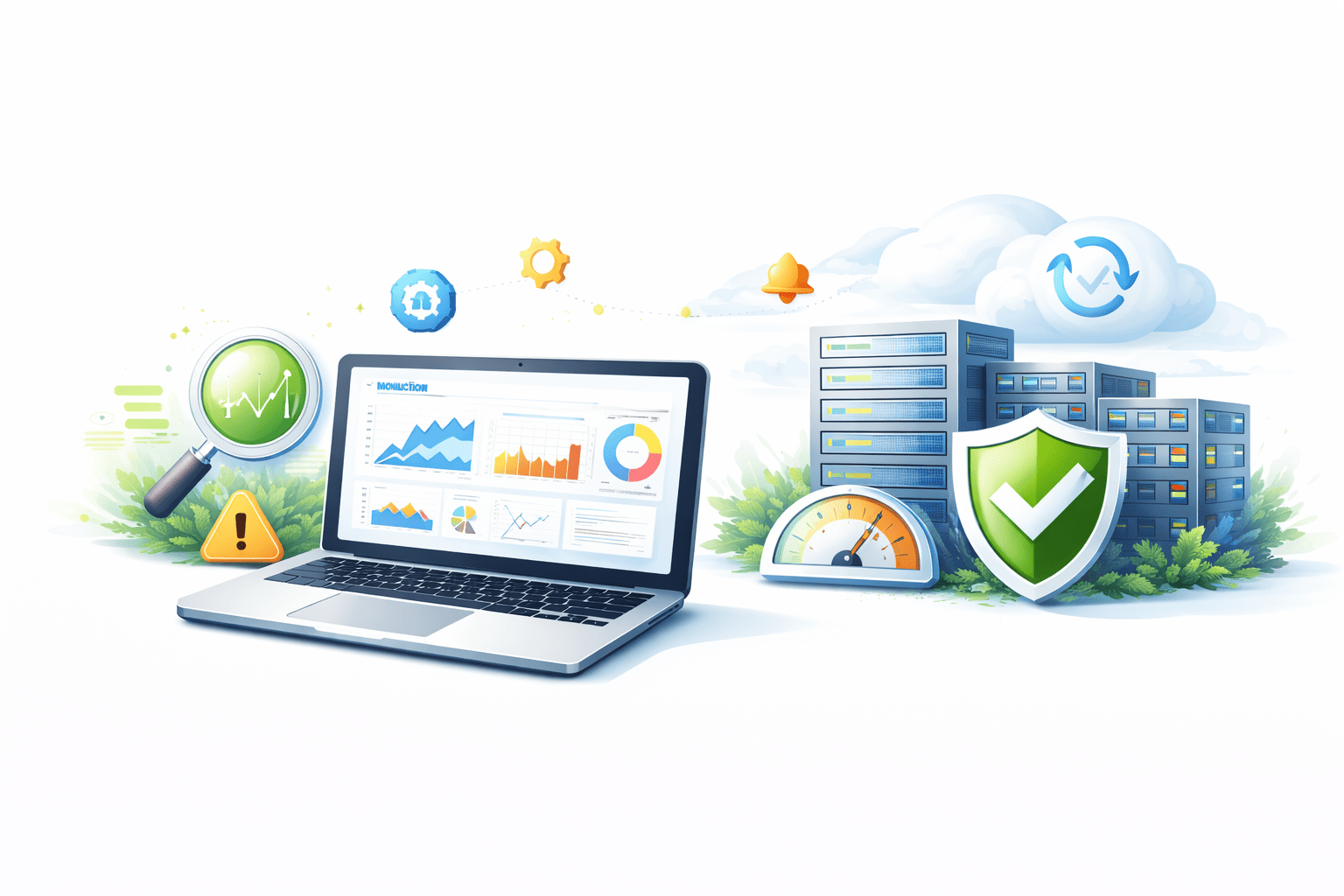
Why Monitoring is Essential in DevOps?
Learning Outcome
5
Recognize monitoring’s role in DevOps workflows
4
Understand what is monitored in real systems
3
Identify different types of monitoring
2
Explain why monitoring is critical for systems and applications
1
Understand what monitoring means in IT and DevOps
Understanding the Concept
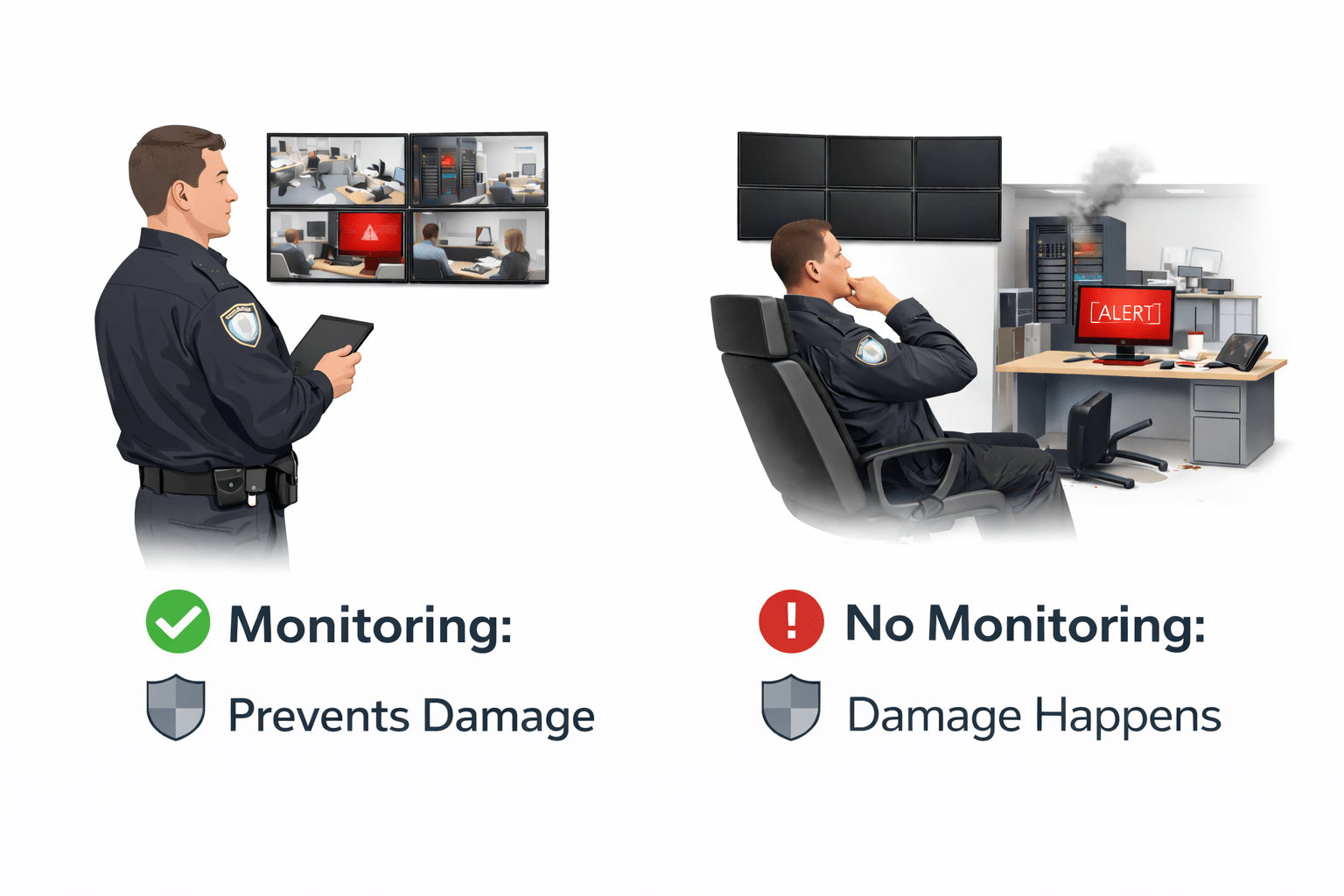
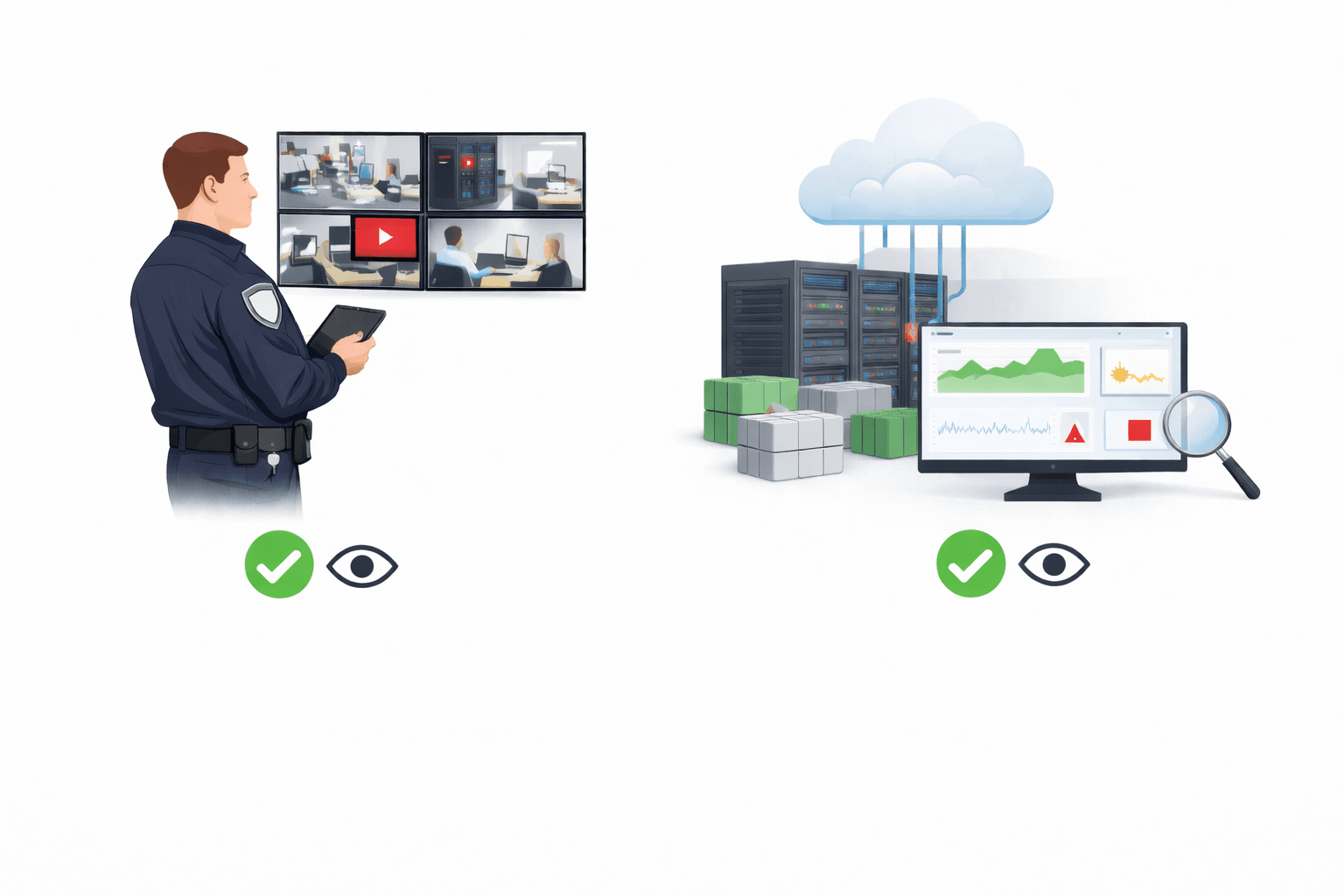
Think of a security guard in an office building
If the guard is not watching, problems are noticed only after damage happens
In the same way, IT systems need continuous observation
This continuous observation is called monitoring
Why Monitoring is Essential in DevOps?
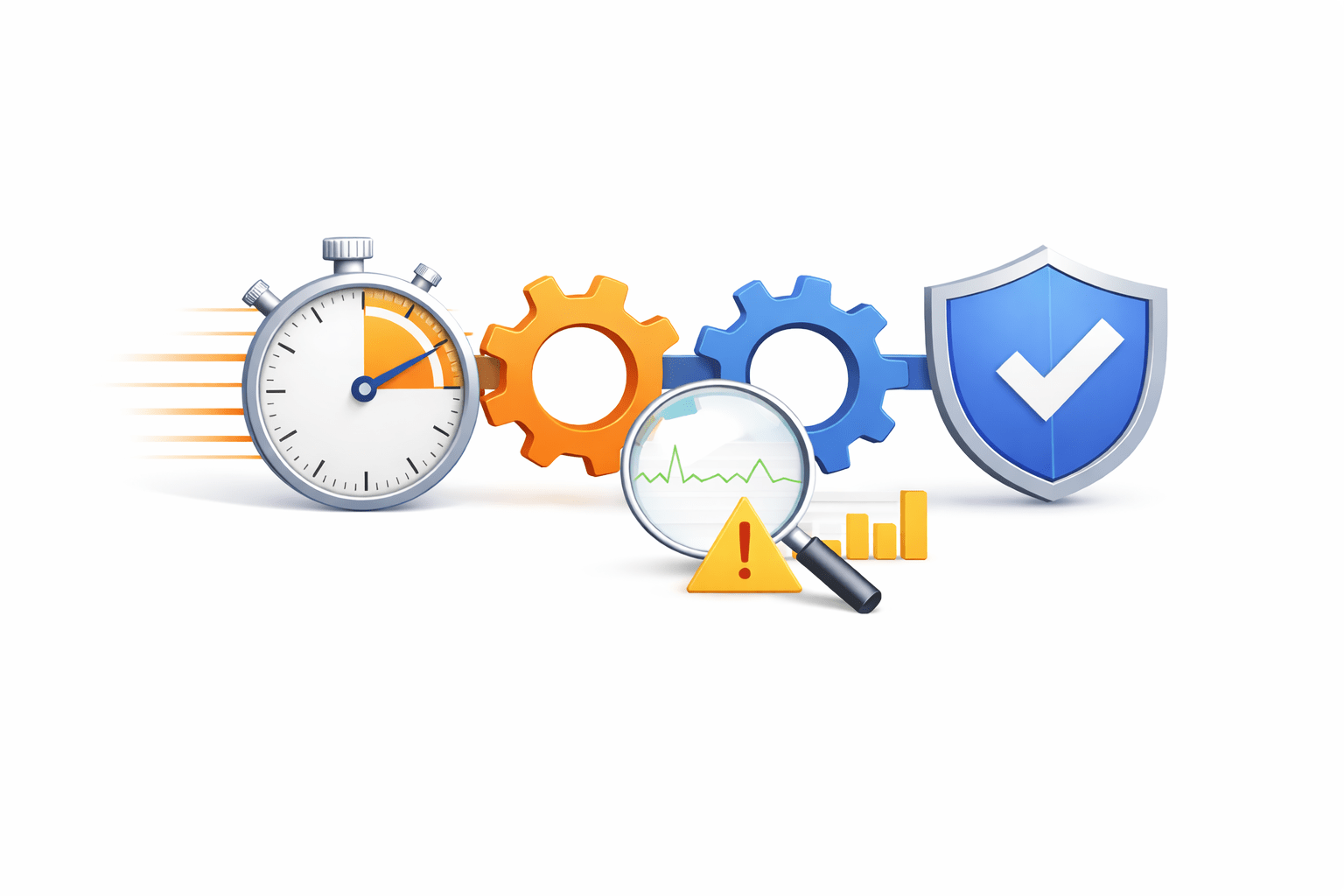
DevOps focuses on fast delivery + stable systems
Monitoring ensures that speed does not break reliability
Issues go unnoticed
Downtime increases
Users lose trust
Without monitoring
What is Monitoring?
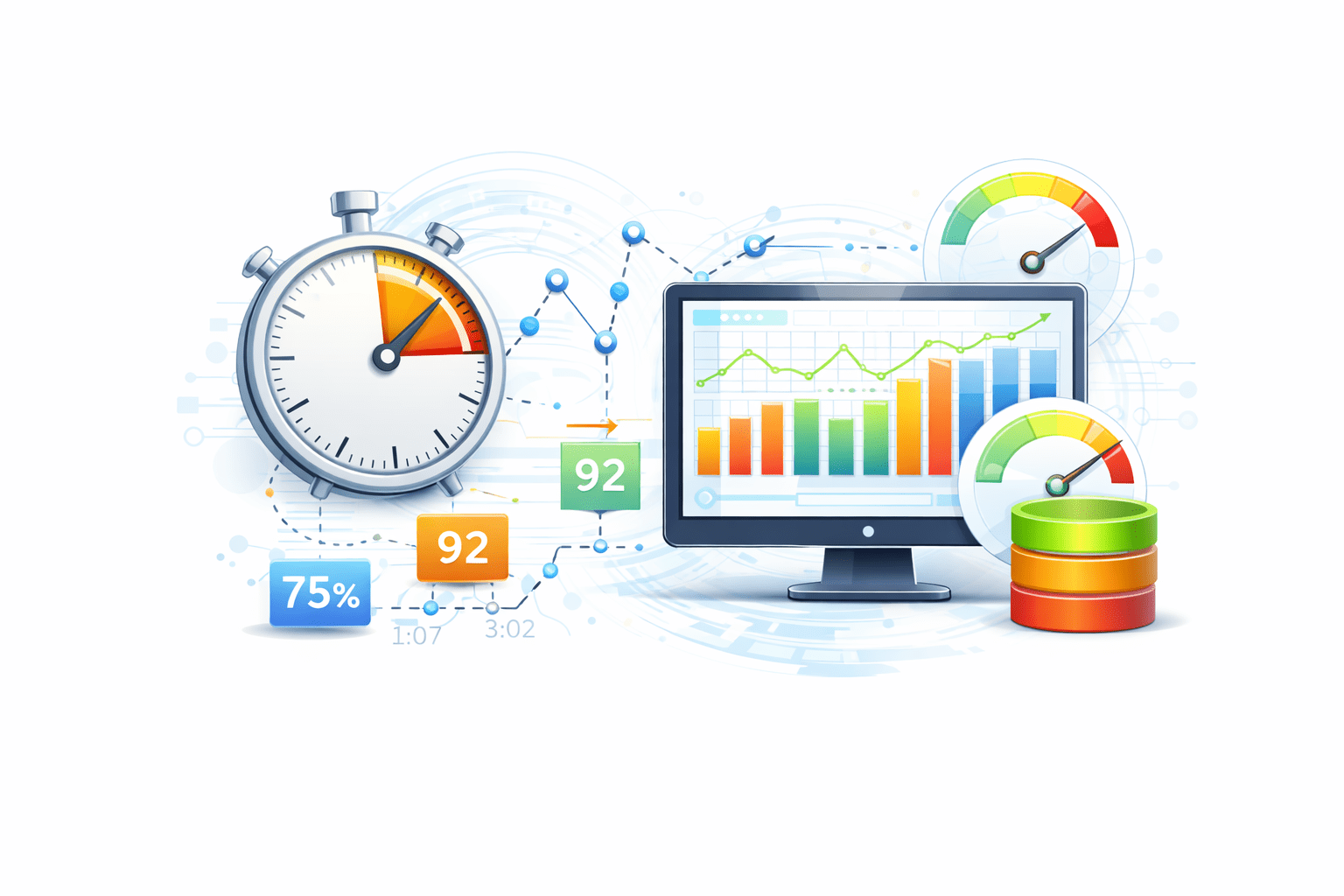
Monitoring is the process of continuously collecting,
observing, and analyzing system data to ensure everything is working properly
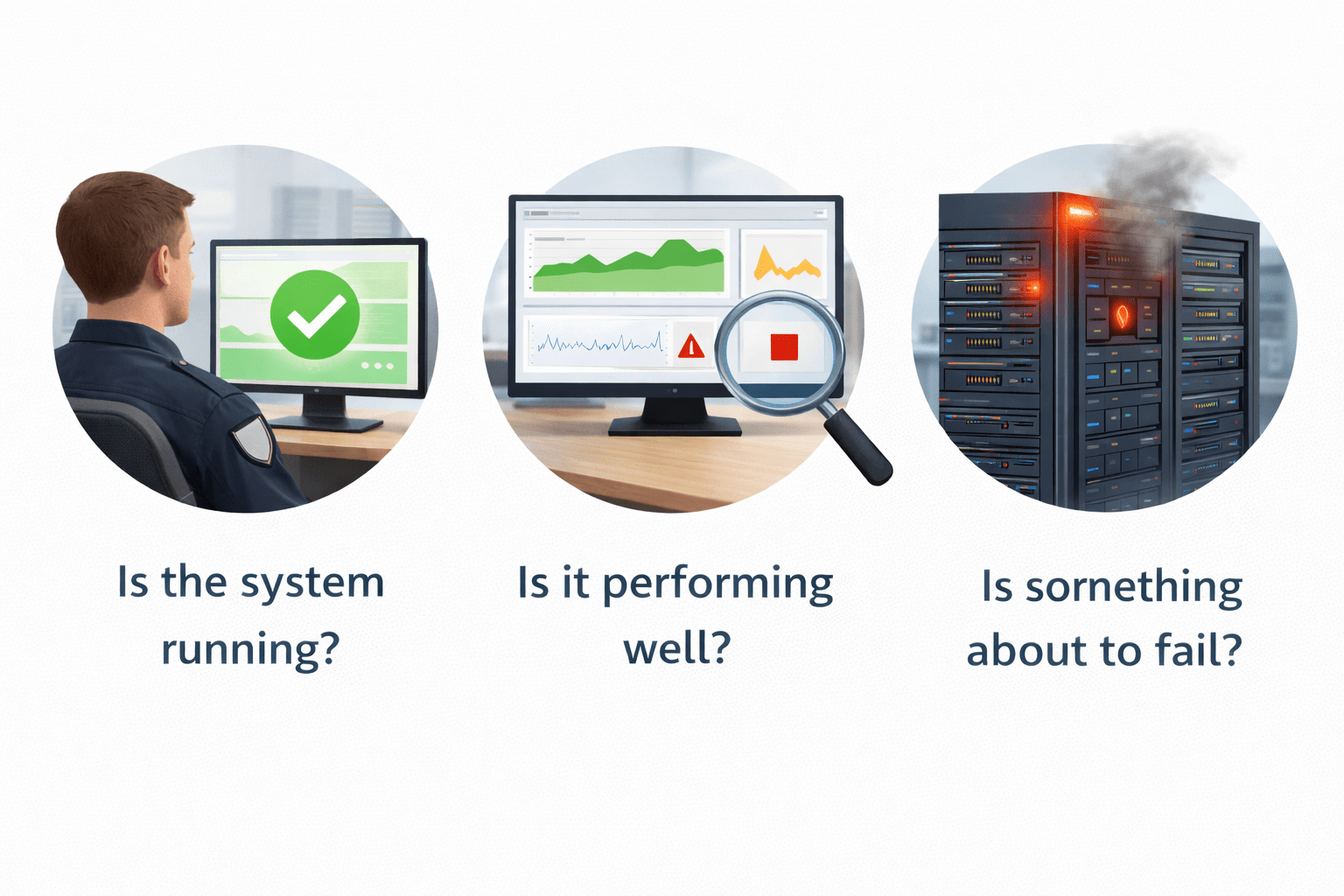
It helps answer
Monitoring works before, during, and after problems occur
Is it performing well?
Is something about to fail?
Is the system running?
What Exactly Do We Monitor?
Monitoring observes different layers of a system
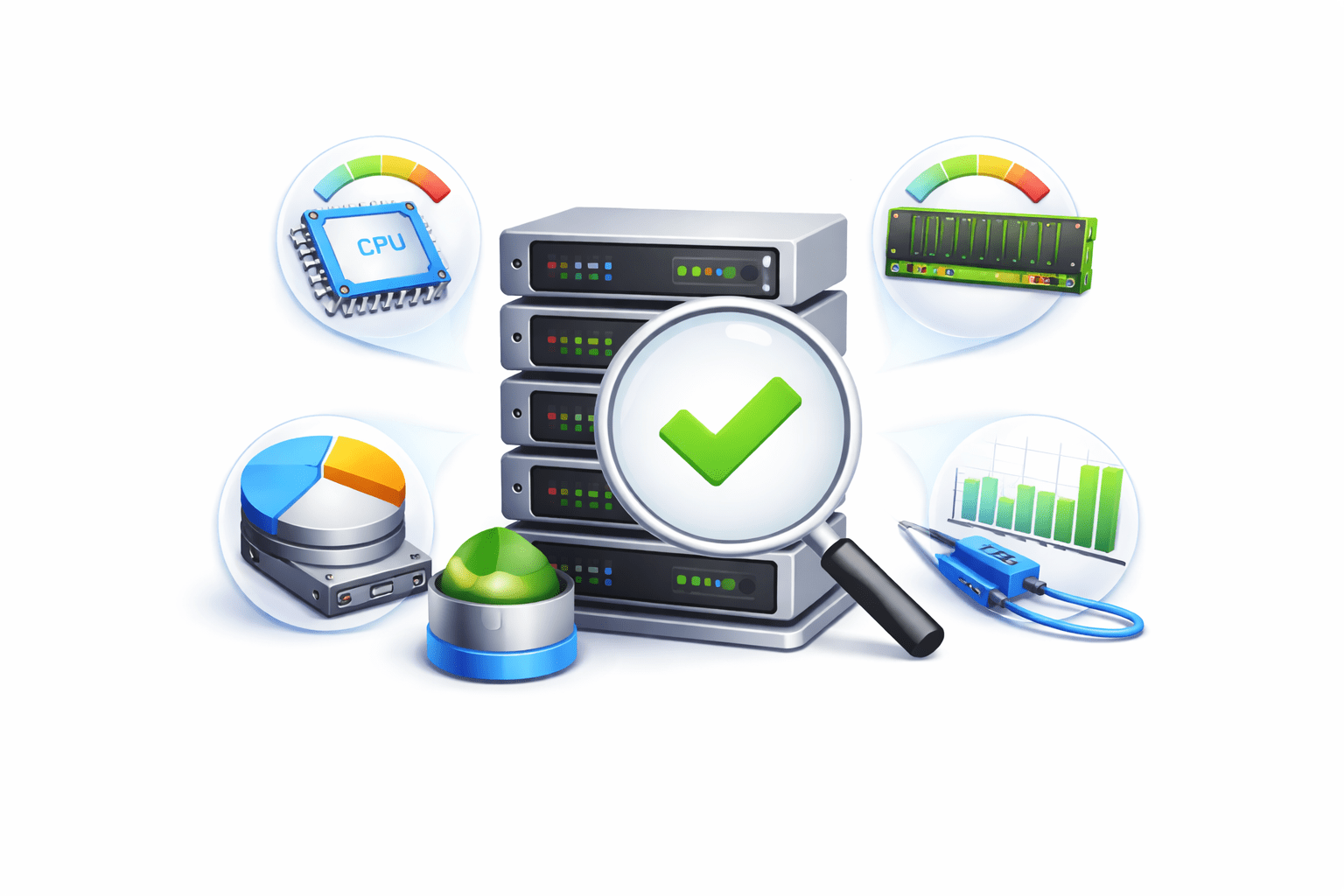
Infrastructure
Operating System
We check if the server is healthy
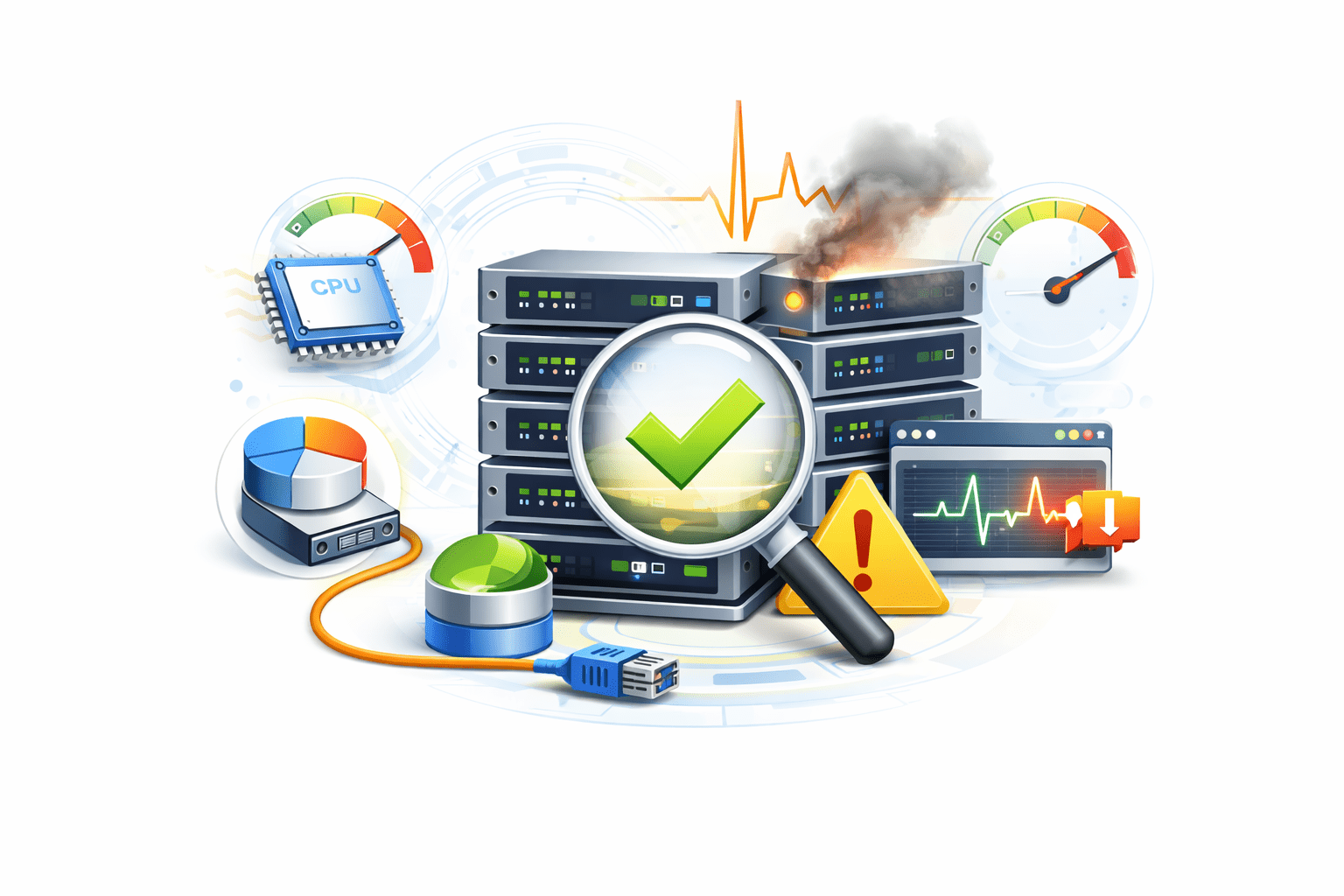
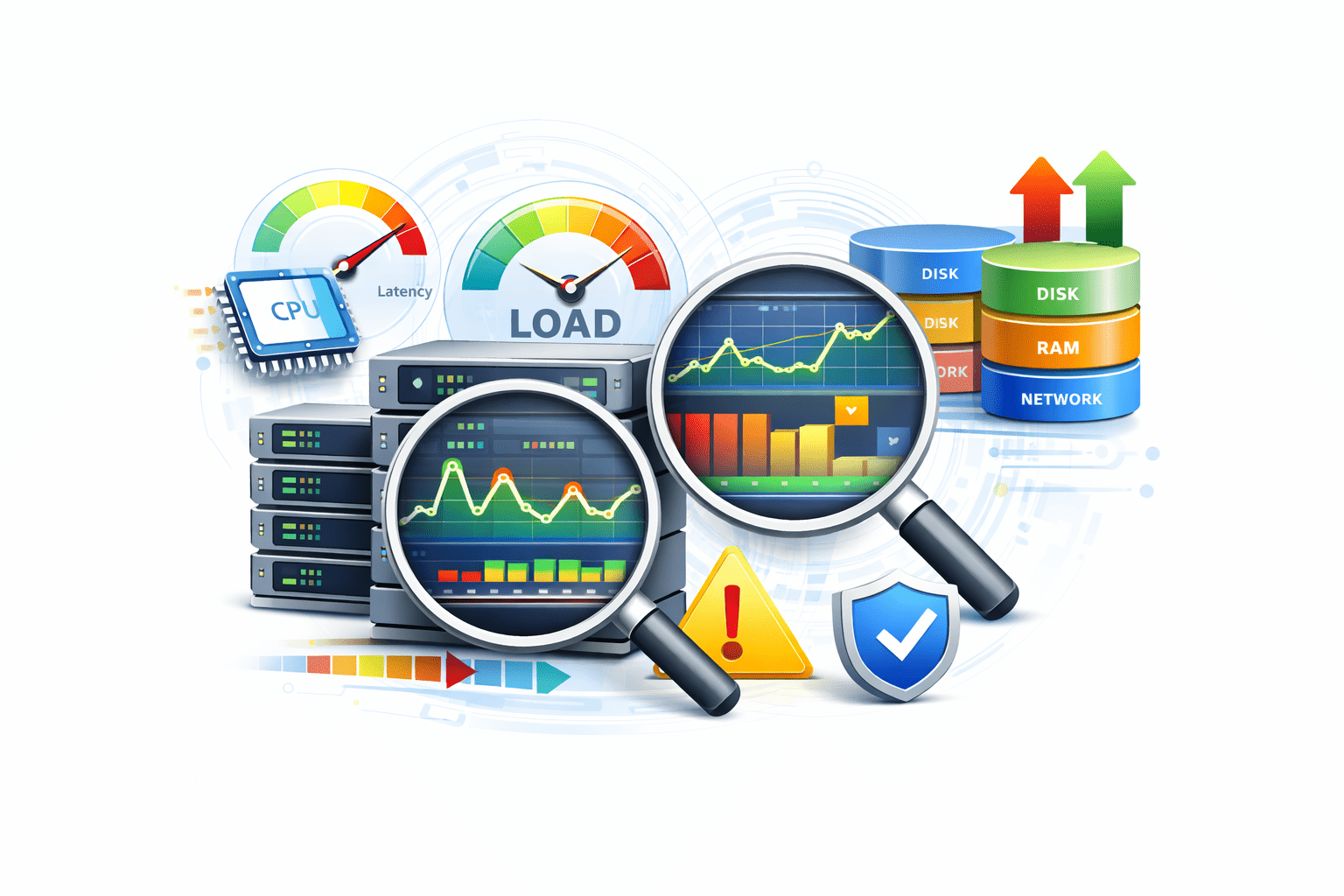
CPU, memory, disk, and network usage
We check what is running
Inside the system & how much load it has
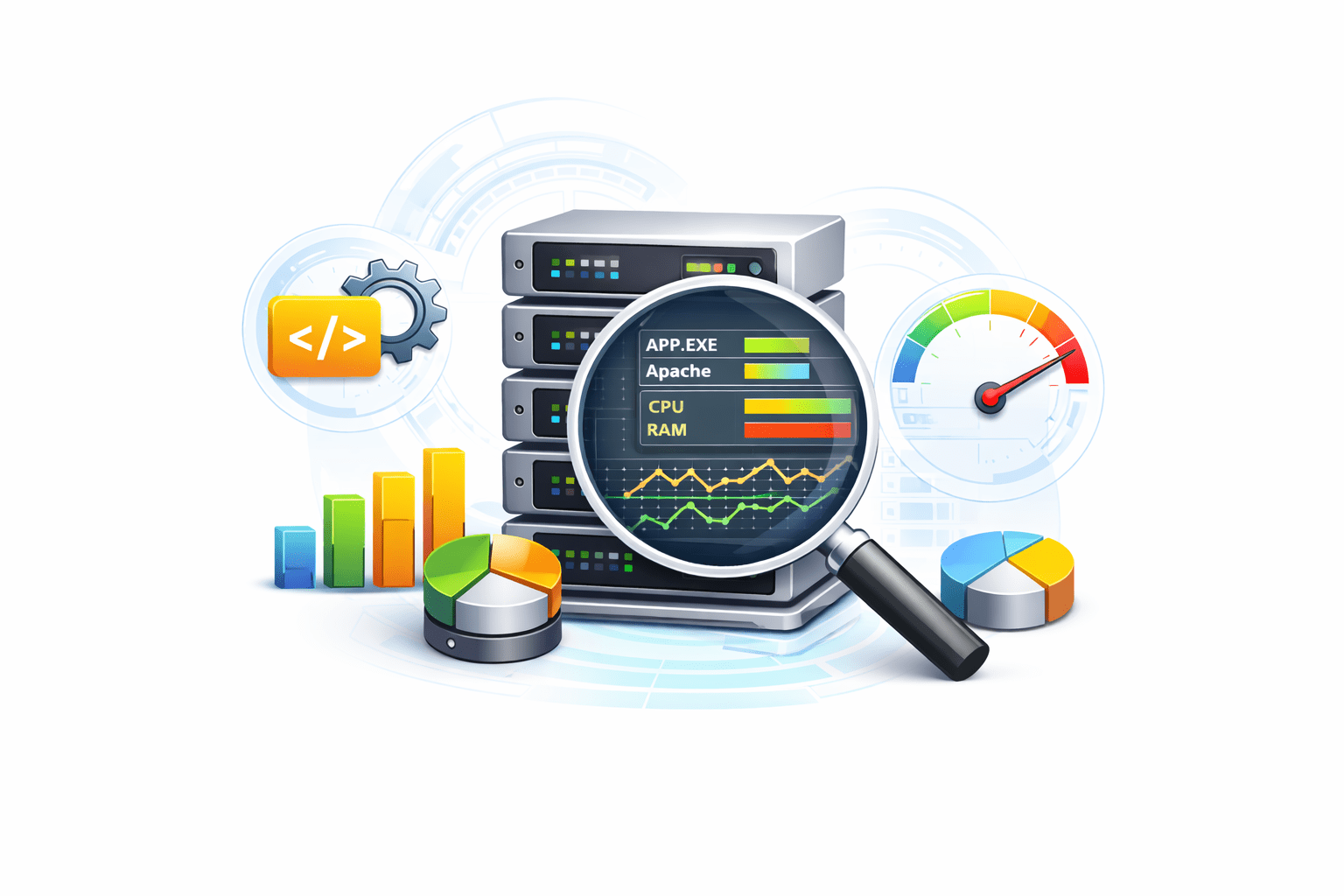
Application
Services
We check if the application is working,
How fast it responds, and if errors are happening
We check if databases, web servers, &
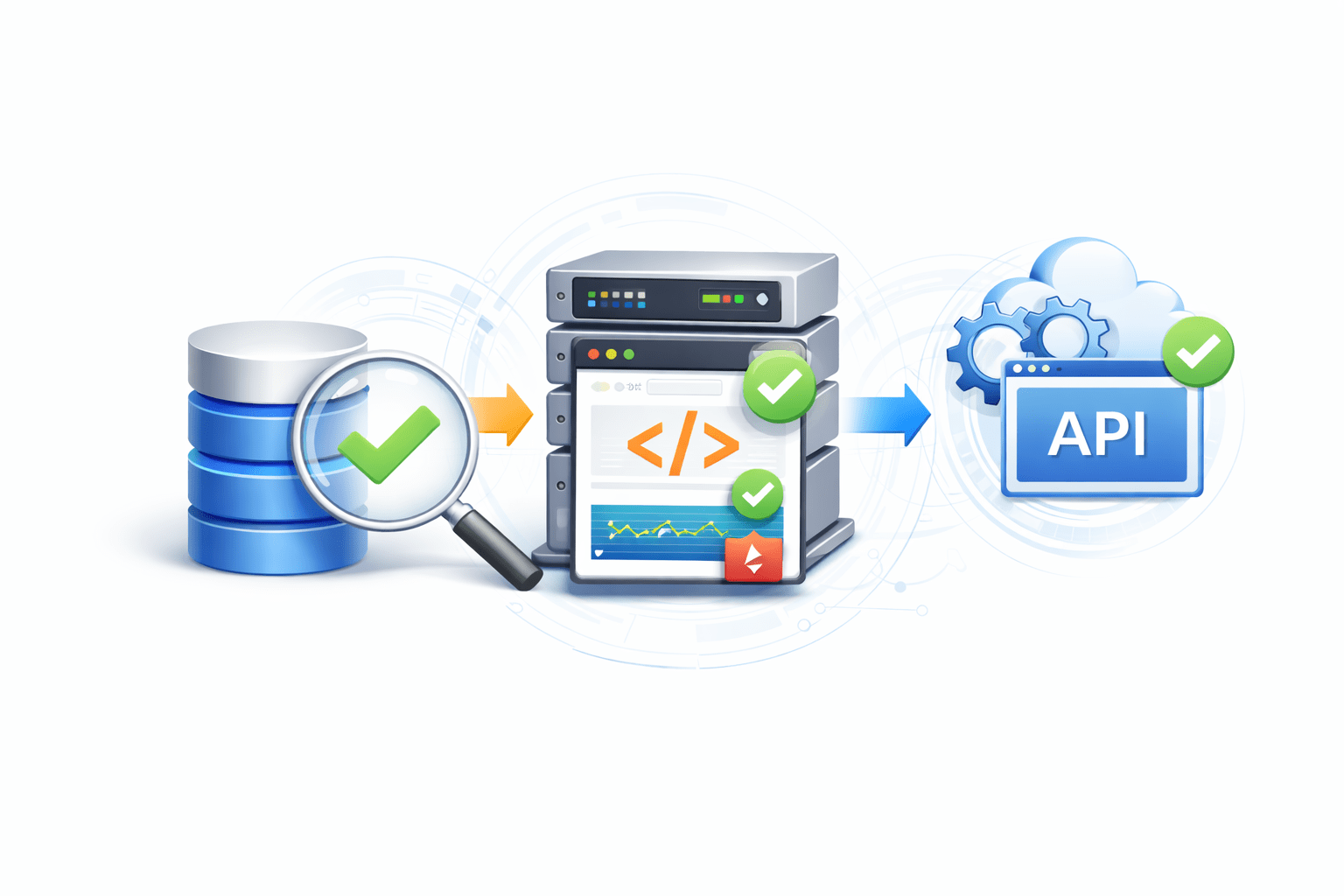
APIs are running and responding properly
Types of Monitoring
Focuses on hardware and virtual resources
Infrastructure Monitoring
Purpose
Monitors
Types of Monitoring
Focuses on how applications behave
Purpose
Monitors
Application Monitoring
Ensure good user experience
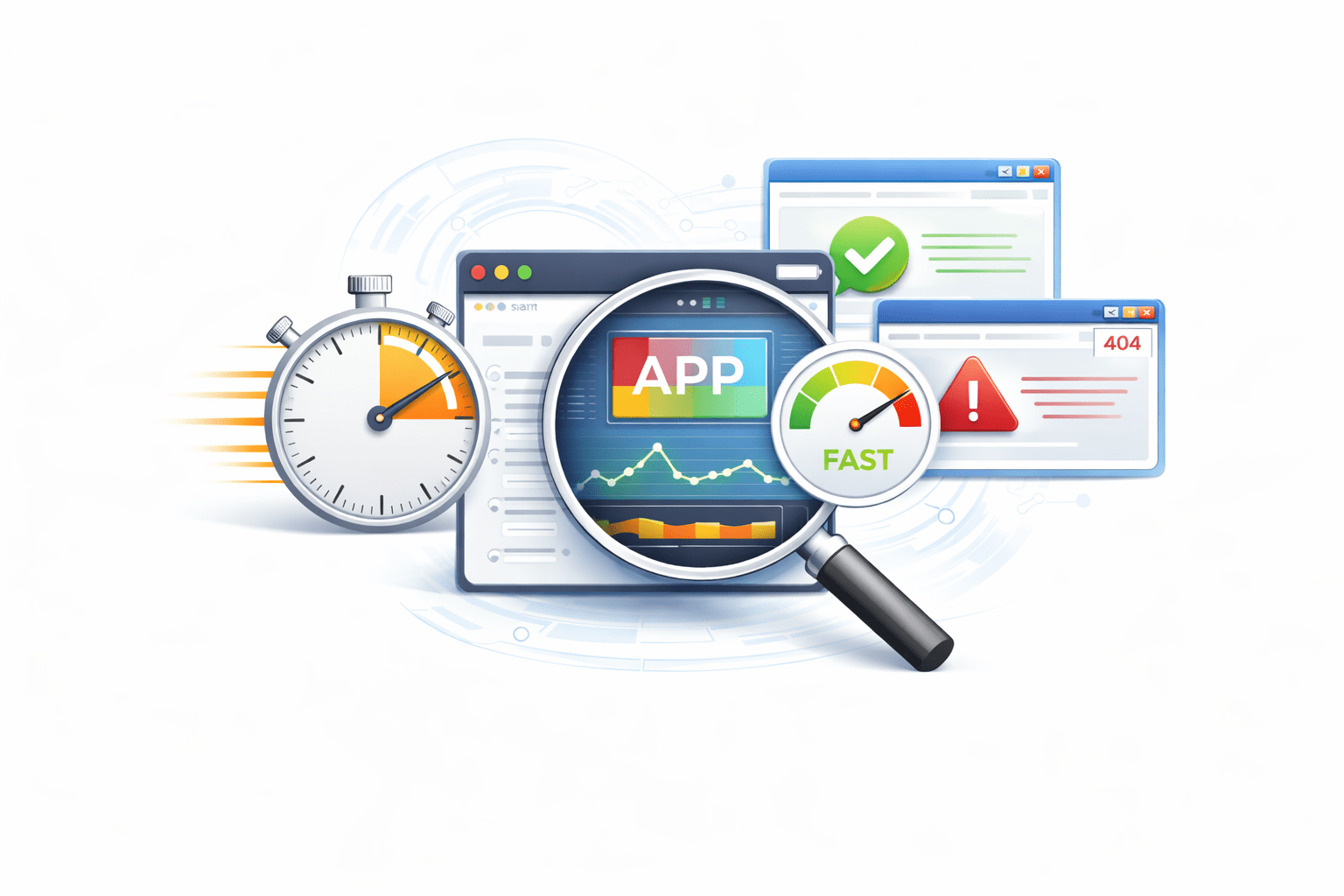
Detect slow or failing apps
Response time, Errors
Types of Monitoring
Purpose
Performance Monitoring
Focuses on speed and efficiency.
Monitors
Identify performance bottlenecks
Resource utilization over time
Latency, Load handling
Improve system efficiency
Types of Monitoring
Purpose
Availability Monitoring
Focuses on system uptime
Monitors
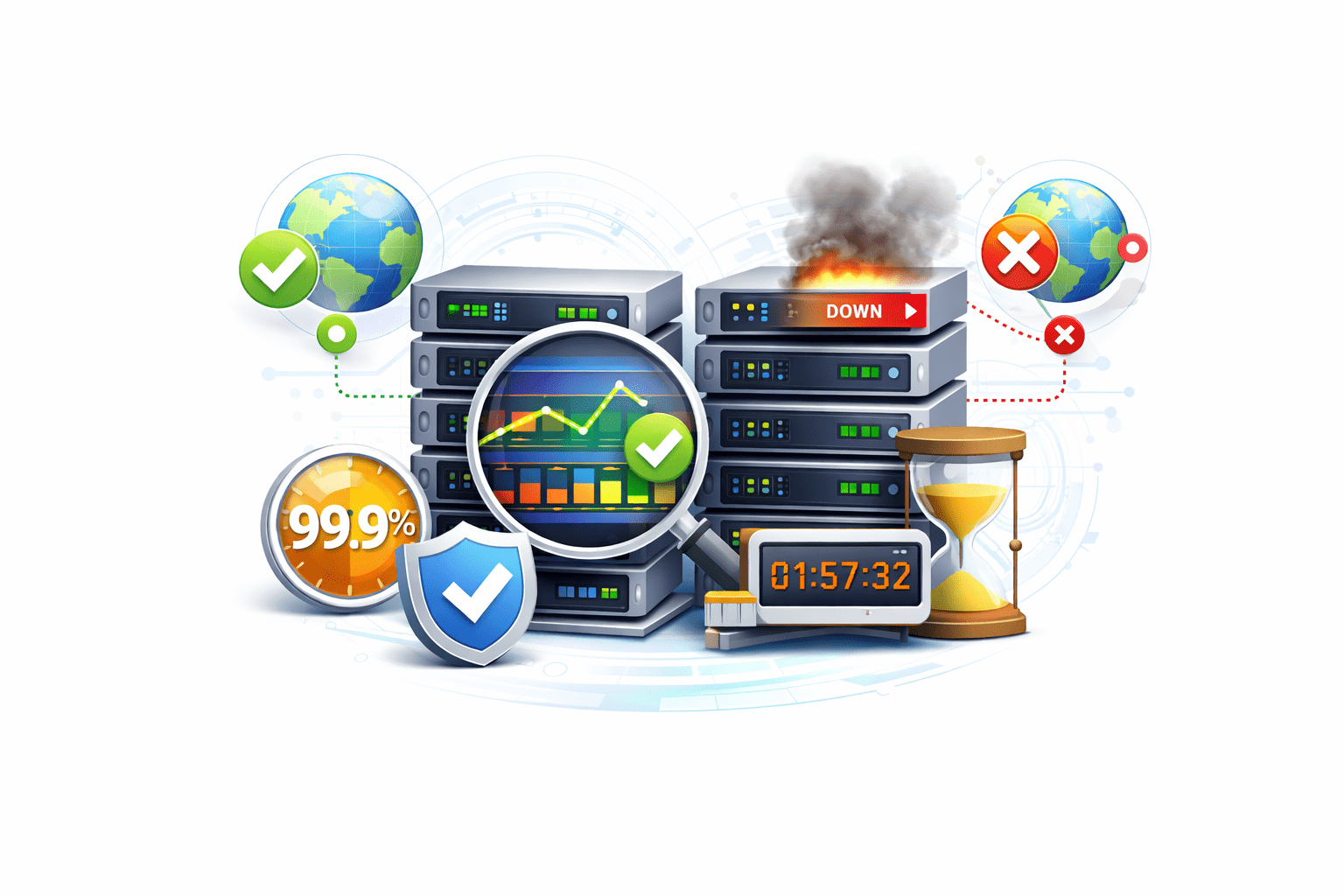
Downtime duration
Whether services are reachable
Ensure systems are
always accessible
Types of Monitoring
Purpose
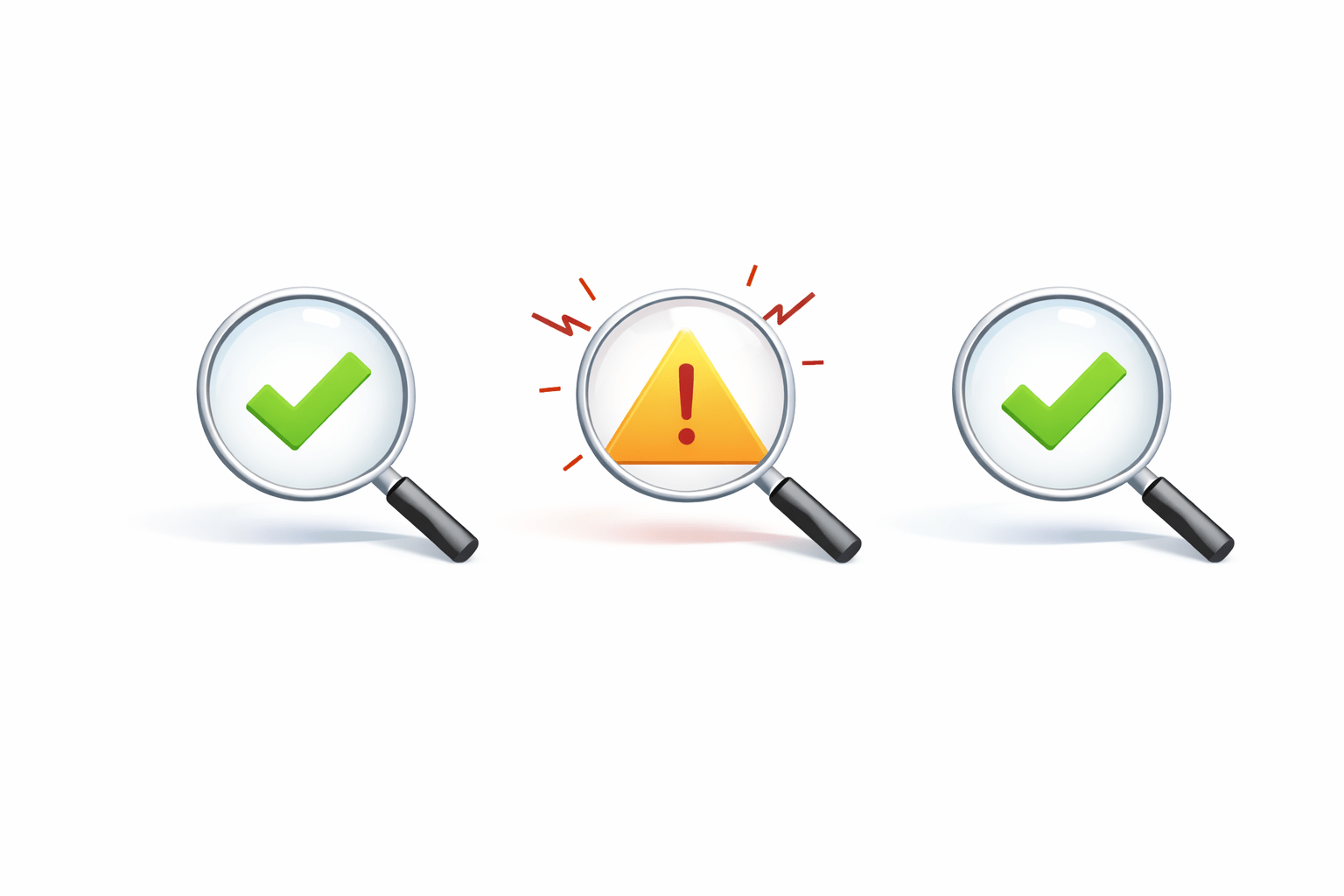
Alerting
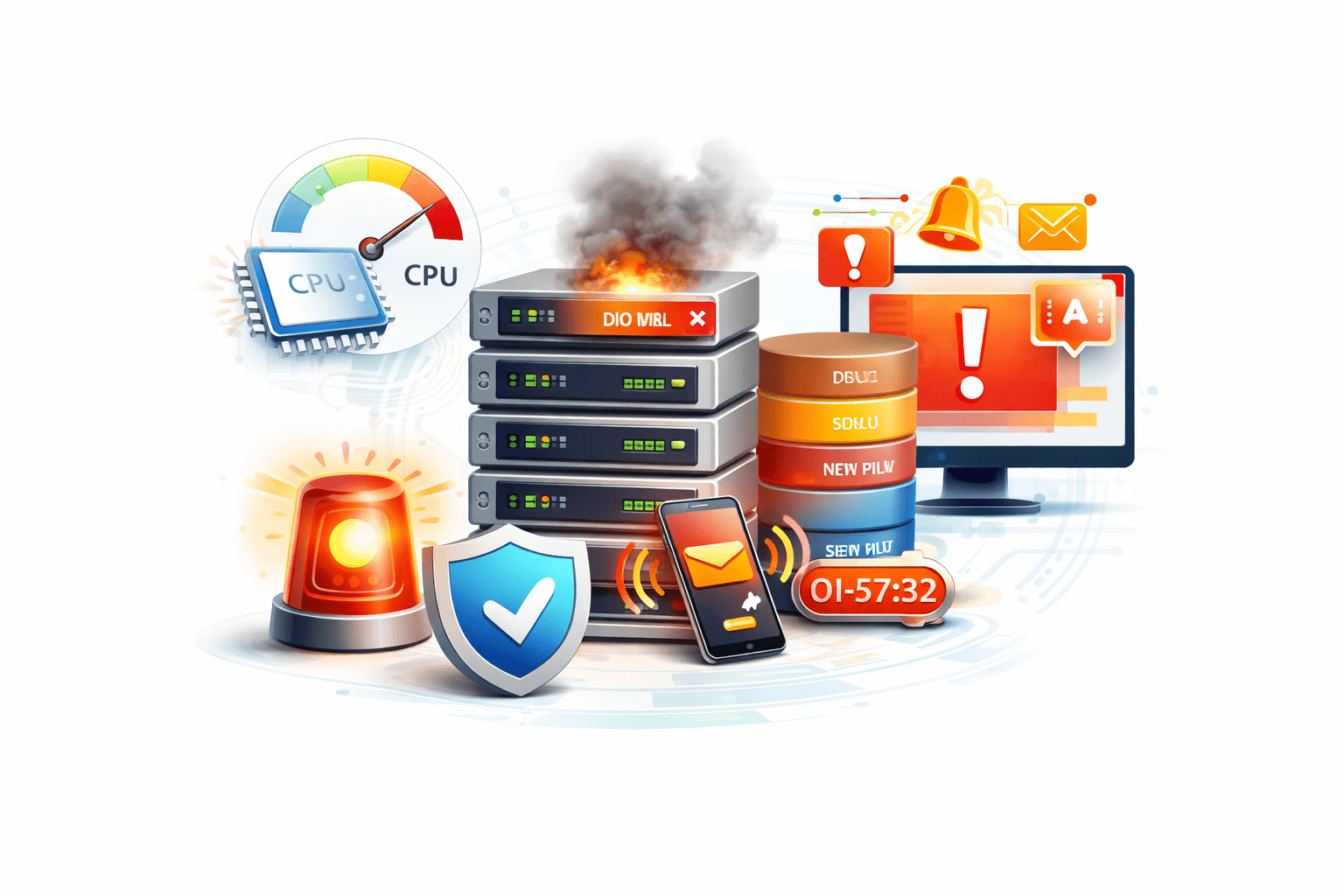
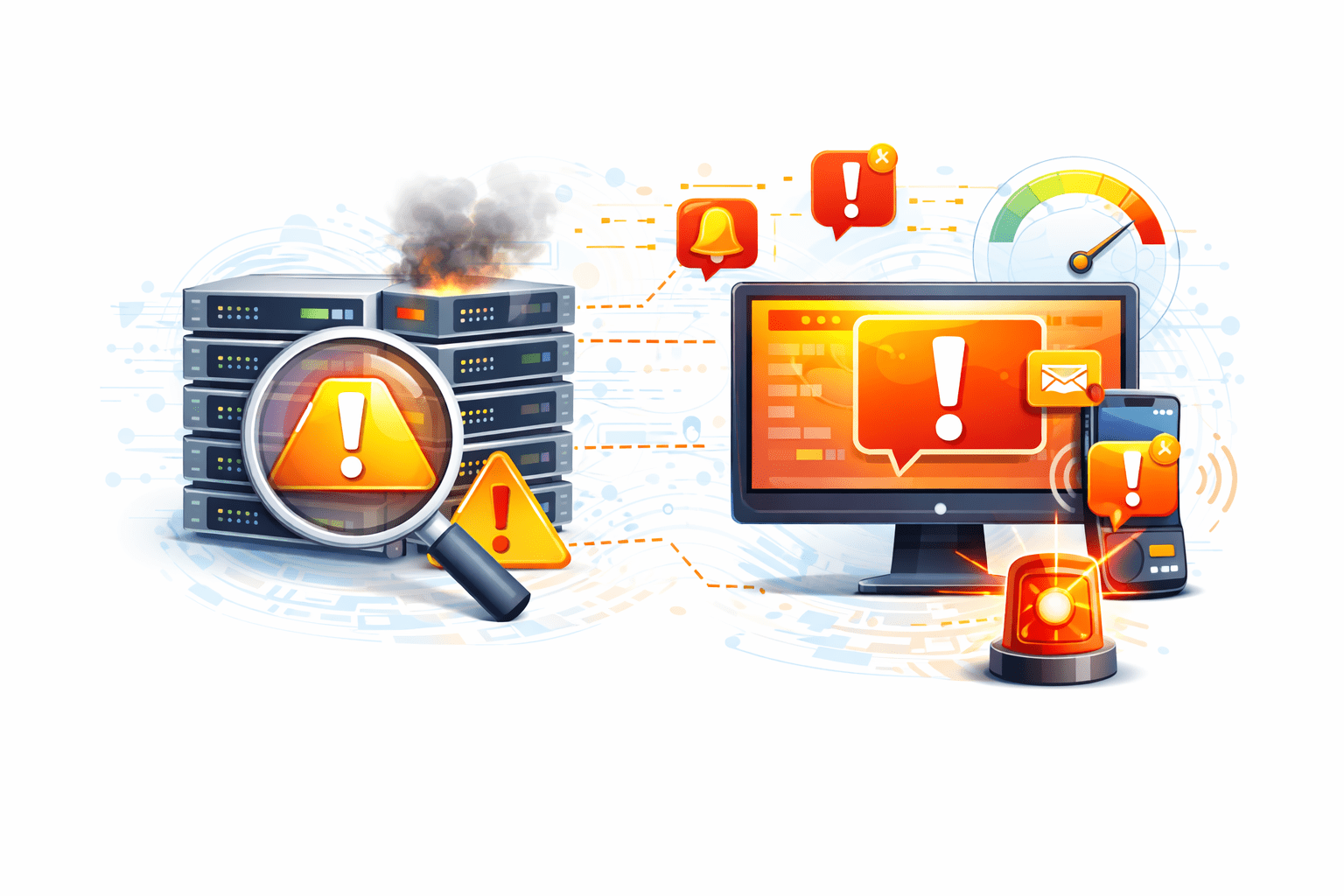
Monitoring systems generate alerts when something goes wrong
Reduce reaction time
Notify teams immediately
Examples
Monitoring in the DevOps Lifecycle
Monitoring supports DevOps by
Verifying deployments after release
Providing feedback for improvements
Detecting production issues early
It creates a loop
Deploy → Monitor → Analyze → Improve
Key Points
Alerts are triggered automatically
Monitoring collects metrics, not logs
Metrics are numerical values measured over time
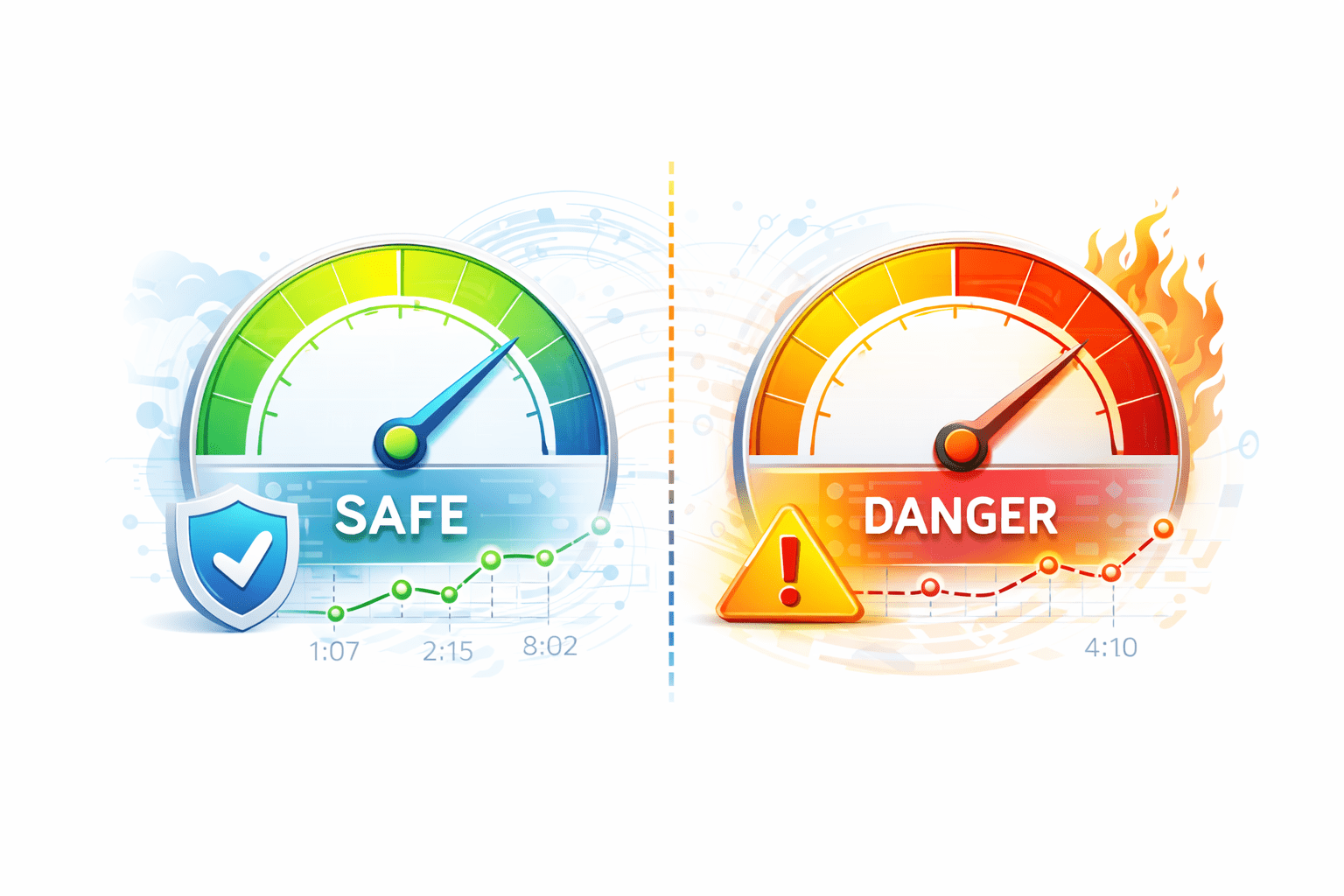
Thresholds define safe and unsafe limits
Summary
4
DevOps without monitoring is incomplete
3
Different types of monitoring cover different layers
2
It is essential for stability and reliability
1
Monitoring means continuous system observation
Quiz
Which of the following is an example of monitoring?
A. Writing a script
B. Checking CPU usage regularly
C. Deploying code
D. Creating a user account
Answer
Which of the following is an example of monitoring?
A. Writing a script
B. Checking CPU usage regularly
C. Deploying code
D. Creating a user account
By Content ITV